In the modern automotive landscape, interactive screens have become a cornerstone of the driving experience. Among the various display technologies, LED displays stand out for their brightness, clarity, and energy efficiency. This article delves into the intricacies of LED displays used in car interactive screens, explaining how they work, their advantages, challenges, and what the future holds for this vital automotive technology.
Understanding Car Interactive Screens
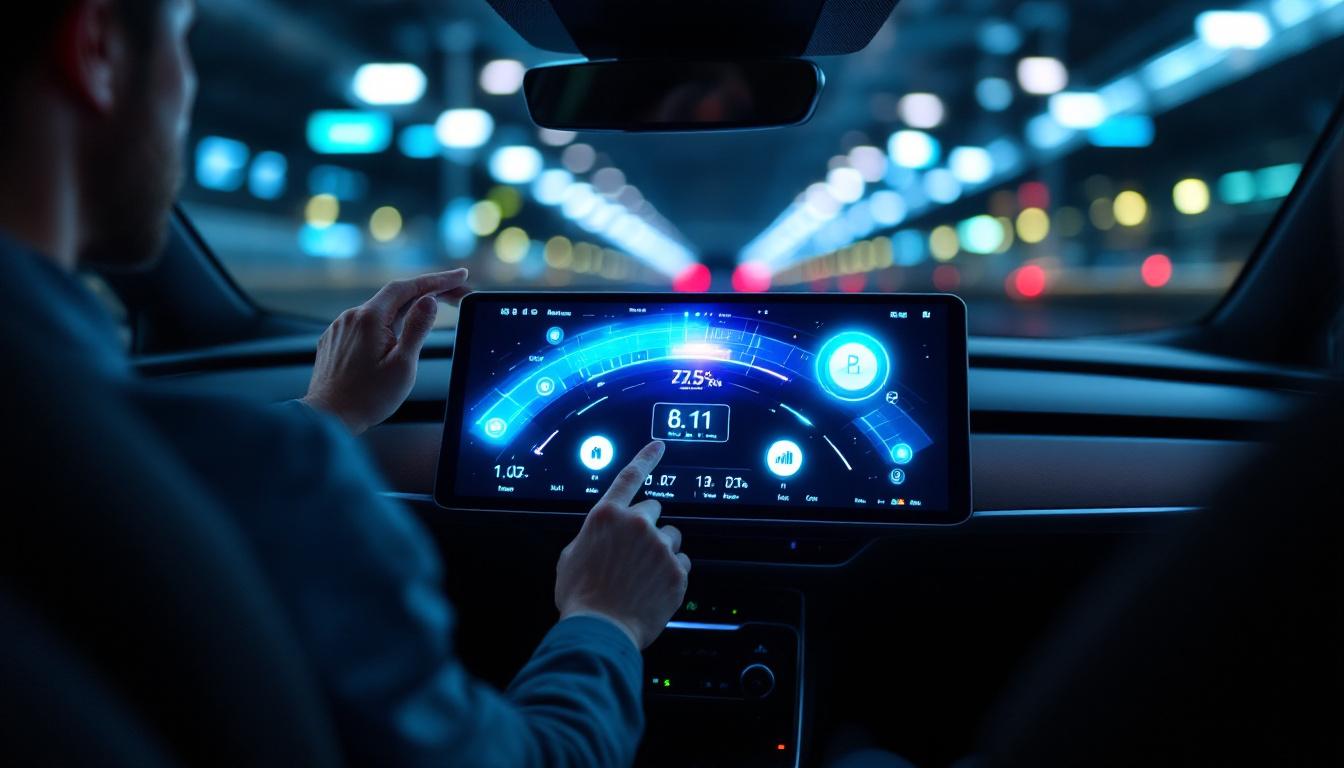
Car interactive screens, often referred to as infotainment systems or digital dashboards, serve as the interface between the driver and the vehicle’s electronic systems. These screens provide access to navigation, media, vehicle diagnostics, climate control, and connectivity features such as smartphone integration.
With the increasing complexity of vehicle systems and the demand for seamless user experiences, the quality and performance of these screens have become more critical than ever. The display technology chosen impacts not only the aesthetics but also the usability and safety of the vehicle. As vehicles become more integrated with technology, the interactive screens are evolving to include voice recognition, touch gestures, and even haptic feedback, allowing drivers to interact with their vehicles in a more intuitive manner.
Moreover, the integration of artificial intelligence into these systems is paving the way for personalized experiences. For instance, some infotainment systems can learn a driver’s preferences over time, adjusting settings like seat position, climate control, and even music playlists based on past behavior. This level of customization not only enhances comfort but also contributes to a more enjoyable driving experience.
The Role of LED Displays in Automotive Screens
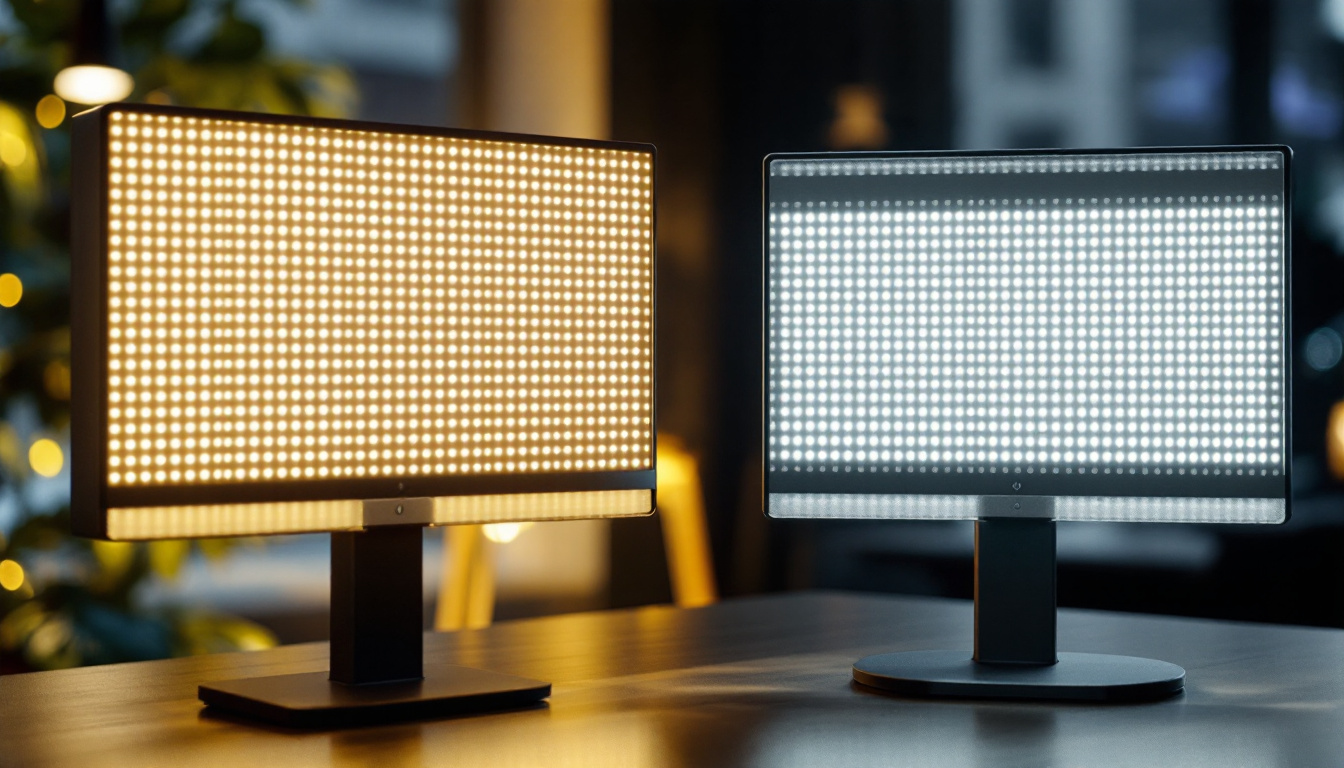
LED (Light Emitting Diode) technology is widely adopted in car interactive screens due to its ability to deliver high brightness and contrast ratios, which are essential for visibility under varying lighting conditions. Unlike traditional LCDs that rely on backlighting, LED displays use individual light-emitting diodes that can be controlled precisely to produce vivid images.
This precise control allows for better color accuracy and deeper blacks, enhancing the overall visual experience. Additionally, LED displays are known for their durability and energy efficiency, making them well-suited for automotive environments where power consumption and reliability are paramount. The longevity of LED technology also means that drivers can expect their screens to maintain performance over time, reducing the need for costly replacements.
Furthermore, the advancements in LED technology have led to the development of OLED (Organic Light Emitting Diode) displays, which offer even greater contrast ratios and color depth. OLED screens can produce true blacks by turning off individual pixels, creating a stunning visual experience that can significantly enhance navigation maps and media playback. As manufacturers continue to explore these cutting-edge technologies, the future of car interactive screens looks promising, with the potential for even more immersive and responsive interfaces that cater to the needs of modern drivers.
How LED Displays Work in Car Interactive Screens
To appreciate the benefits of LED displays, it’s important to understand their operational principles. LEDs are semiconductor devices that emit light when an electric current passes through them. In car screens, these LEDs are arranged in matrices to form pixels, which collectively create images. The precision of this arrangement allows for vibrant colors and sharp details, making it easier for drivers to interact with navigation systems, entertainment options, and vehicle diagnostics.
Types of LED Displays in Automotive Applications
There are primarily two types of LED display technologies used in cars: traditional LED-backlit LCDs and OLEDs (Organic Light Emitting Diodes).
- LED-backlit LCDs: These displays use an LCD panel with an array of LEDs behind it to provide backlighting. The LEDs illuminate the liquid crystal layer, which modulates light to create images. This technology offers good brightness and color reproduction but may suffer from limited viewing angles and contrast compared to OLEDs. Furthermore, LED-backlit LCDs are often more cost-effective, making them a popular choice for many manufacturers aiming to balance quality and budget.
- OLED Displays: OLEDs consist of organic compounds that emit light when electrically stimulated. Each pixel emits its own light, eliminating the need for backlighting. This results in superior contrast, wider viewing angles, and thinner display panels. However, OLEDs can be more expensive and have potential longevity concerns. The vibrant colors and deep blacks produced by OLEDs create an immersive experience, which is particularly beneficial for high-end vehicles equipped with advanced infotainment systems.
Brightness and Visibility Considerations
One of the key challenges for car interactive screens is maintaining visibility in diverse lighting conditions, especially under direct sunlight. LED displays excel in this area due to their high luminance levels. Typical automotive LED displays can reach brightness levels of 800 to 1,200 nits, compared to around 300 to 500 nits for standard consumer electronics. This high brightness not only enhances visibility but also improves safety by ensuring that critical information is easily accessible at a glance.
High brightness ensures that information on the screen remains readable without causing eye strain. Additionally, LED displays can incorporate anti-reflective coatings and adaptive brightness sensors to optimize visibility dynamically based on ambient light. These sensors automatically adjust the screen brightness in response to changing light conditions, ensuring that the display remains clear whether it’s a bright sunny day or a dimly lit evening. This adaptability is crucial for maintaining driver focus and minimizing distractions, thereby enhancing overall road safety.
Moreover, the integration of advanced technologies such as high dynamic range (HDR) in LED displays further enhances the viewing experience. HDR allows for a greater range of colors and brightness levels, making images appear more realistic and vibrant. This is particularly advantageous for navigation systems that rely on color-coded maps and real-time traffic updates, as it helps drivers make informed decisions quickly. As automotive technology continues to evolve, the role of LED displays in enhancing user experience and safety will only become more significant.
Advantages of LED Displays in Automotive Interactive Screens
LED technology offers several benefits that have driven its widespread adoption in car interactive screens. These advantages contribute not only to user satisfaction but also to vehicle safety and efficiency.
Energy Efficiency and Longevity
LEDs consume significantly less power compared to traditional display technologies. In a vehicle, where power management is crucial, LED displays help reduce the electrical load on the battery and alternator. This efficiency can indirectly improve fuel economy or extend the range of electric vehicles.
Moreover, LEDs have a longer operational lifespan, often exceeding 50,000 hours. This durability reduces the need for repairs or replacements, contributing to lower maintenance costs over the vehicle’s lifetime.
Enhanced User Experience
With their superior brightness and color accuracy, LED displays provide a more engaging and intuitive user interface. Clear graphics and responsive touch capabilities enable drivers to interact with navigation, entertainment, and vehicle controls seamlessly.
Additionally, LED displays support high-resolution content, which allows for detailed maps, crisp icons, and smooth animations. This level of detail enhances usability and reduces driver distraction by making information easier to interpret at a glance.
Design Flexibility
The thin profile and lightweight nature of LED displays give automotive designers greater freedom to integrate screens into dashboards, center consoles, and even instrument clusters. Curved and flexible LED panels are becoming increasingly common, allowing for innovative interior designs that blend technology with aesthetics.
Challenges and Considerations in LED Automotive Displays
Despite their many advantages, LED displays in cars face certain challenges that manufacturers and designers must address to ensure optimal performance and safety.
Cost Factors
High-quality LED and especially OLED displays can be costly to produce, which may increase the overall price of the vehicle. While prices have been decreasing due to advances in manufacturing and economies of scale, cost remains a consideration for mass-market adoption.
Durability and Environmental Resistance
Automotive environments expose displays to extreme temperatures, vibrations, moisture, and UV radiation. LED displays must be engineered to withstand these conditions without degradation in performance. Protective coatings, robust materials, and rigorous testing protocols are essential to ensure longevity.
Potential for Glare and Eye Strain
While high brightness is beneficial for visibility, it can also cause glare or discomfort if not properly managed. Automakers implement adaptive brightness controls and anti-glare treatments to mitigate these issues, balancing readability with driver comfort.
The Future of LED Displays in Car Interactive Screens
As automotive technology continues to evolve, LED displays are poised to play an even more integral role in vehicle interfaces. Emerging trends and innovations promise to enhance functionality, safety, and user experience.
Integration with Advanced Driver Assistance Systems (ADAS)
Interactive screens equipped with LED displays are increasingly integrated with ADAS features such as lane departure warnings, collision alerts, and adaptive cruise control. High-resolution, bright displays allow these systems to communicate critical information clearly and promptly, improving driver awareness and response times.
Augmented Reality and Heads-Up Displays
LED technology is also foundational for augmented reality (AR) applications in cars. AR-enabled displays can project navigation cues and hazard alerts directly onto the windshield or interactive screens, overlaying digital information onto the real world. This reduces distraction and enhances situational awareness.
Customization and Personalization
Future LED displays will offer greater customization options, allowing drivers to tailor the interface layout, color schemes, and displayed information to their preferences. This personalization can improve comfort and convenience, making the driving experience more enjoyable.
Conclusion
LED displays have revolutionized car interactive screens by delivering bright, clear, and energy-efficient visual interfaces that enhance safety, usability, and design flexibility. While challenges such as cost and environmental durability remain, ongoing advancements continue to address these issues, paving the way for even more sophisticated automotive display technologies.
As vehicles become increasingly connected and autonomous, LED display technology will be central to delivering intuitive, responsive, and immersive user experiences. Understanding the capabilities and limitations of LED displays helps consumers and industry professionals appreciate their vital role in shaping the future of automotive innovation.
Explore the Future of Automotive Displays with LumenMatrix
As the automotive industry continues to evolve, the integration of advanced LED display technology is key to enhancing the driver experience. LumenMatrix, a pioneer in LED display innovation, offers a range of solutions tailored to meet the demands of modern vehicles. From Vehicle LED Displays that bring clarity and vibrancy to your dashboard, to Custom LED Displays designed to fit the unique contours of your car’s interior, we are committed to revolutionizing visual communication on the road. Discover how LumenMatrix can elevate your driving experience and bring your vehicle’s interactive screen to life. Check out LumenMatrix LED Display Solutions today and drive into the future of automotive technology.