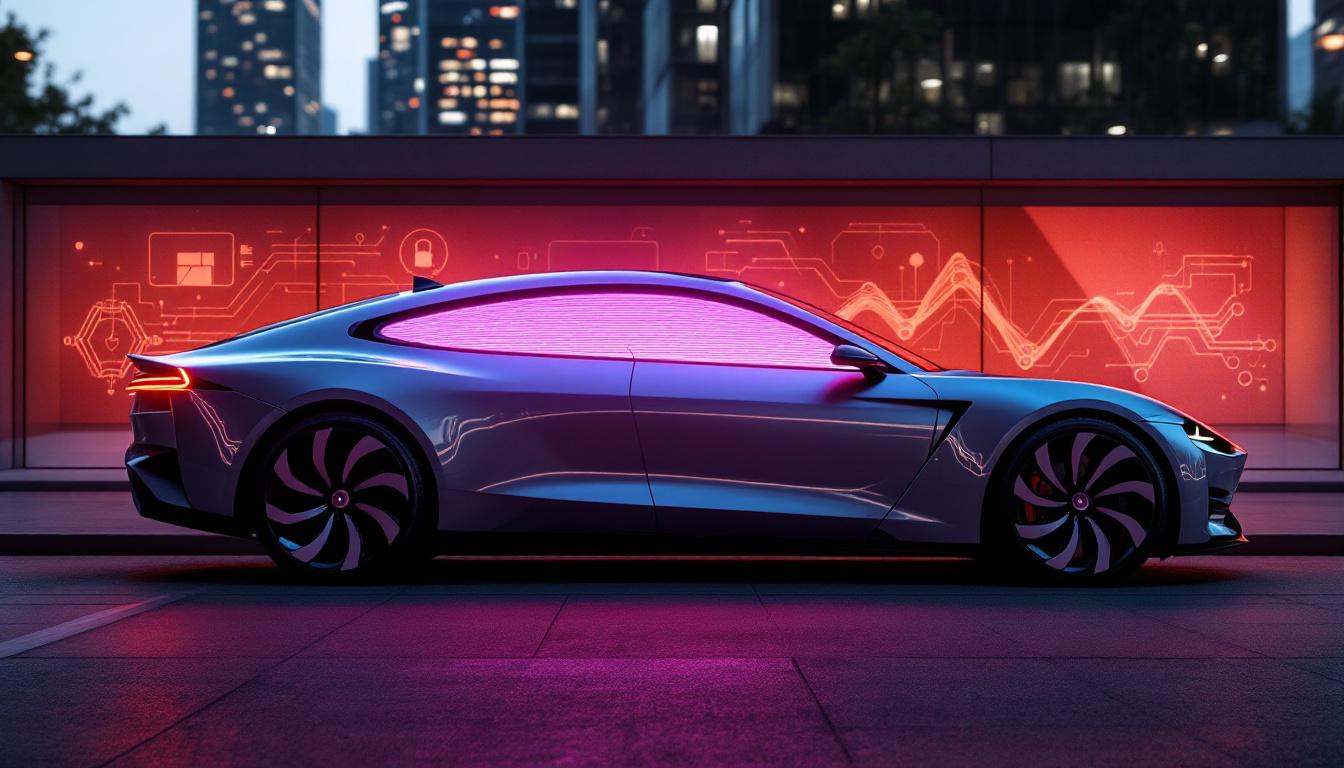
In recent years, automotive technology has advanced rapidly, integrating digital innovations that not only enhance vehicle functionality but also reshape how drivers and passengers interact with their cars. One such innovation gaining traction is the car window digital screen, particularly those utilizing LED display technology. These displays are transforming car windows from mere transparent barriers into dynamic communication and entertainment platforms.
This article explores the concept of car window digital screens, focusing on LED display technology. It delves into how these displays work, their applications, benefits, challenges, and future prospects in the automotive industry.
Understanding Car Window Digital Screens
What Are Car Window Digital Screens?
Car window digital screens refer to transparent or semi-transparent display panels integrated into vehicle windows. Unlike traditional opaque screens, these displays allow light to pass through, maintaining visibility while presenting digital content such as images, videos, or text. The most common technology enabling this is LED (Light Emitting Diode) displays, known for their brightness, energy efficiency, and versatility.
These digital screens can be embedded into side windows, rear windows, or even windshields, depending on the design and purpose. The technology essentially turns car windows into interactive or informational surfaces, opening new possibilities for communication between vehicles and their surroundings. For instance, these screens can be programmed to display navigation directions, alerts about nearby hazards, or even advertisements tailored to the location of the vehicle. This not only enhances the driving experience but also provides an avenue for businesses to reach potential customers in a dynamic and engaging way.
How Do LED Displays Work in Car Windows?
LED displays consist of numerous tiny light-emitting diodes arranged in a matrix. In car window applications, these LEDs are either micro-LEDs or mini-LEDs embedded within or laminated onto the glass. The display operates by selectively illuminating these diodes to form images or text.
To maintain transparency, the LEDs are spaced carefully, and the materials used allow light transmission. Some systems use transparent conductive materials and substrates that support the LED arrays without obstructing the driver’s view. The brightness of LEDs ensures visibility even in daylight, which is crucial for outdoor automotive applications. Furthermore, advancements in technology have led to the development of adaptive brightness controls, which adjust the intensity of the display based on ambient light conditions, ensuring optimal visibility at all times. This feature not only enhances safety but also prolongs the lifespan of the display by reducing unnecessary power consumption.
Moreover, car window digital screens can also incorporate touch-sensitive technology, allowing passengers to interact with the display directly. This capability can transform the backseat experience, enabling passengers to browse the web, watch movies, or even control the vehicle’s infotainment system. As the automotive industry continues to evolve, the integration of such interactive elements into car windows is expected to become more prevalent, merging entertainment and functionality in innovative ways.
Applications of Car Window LED Displays
Advertising and Marketing
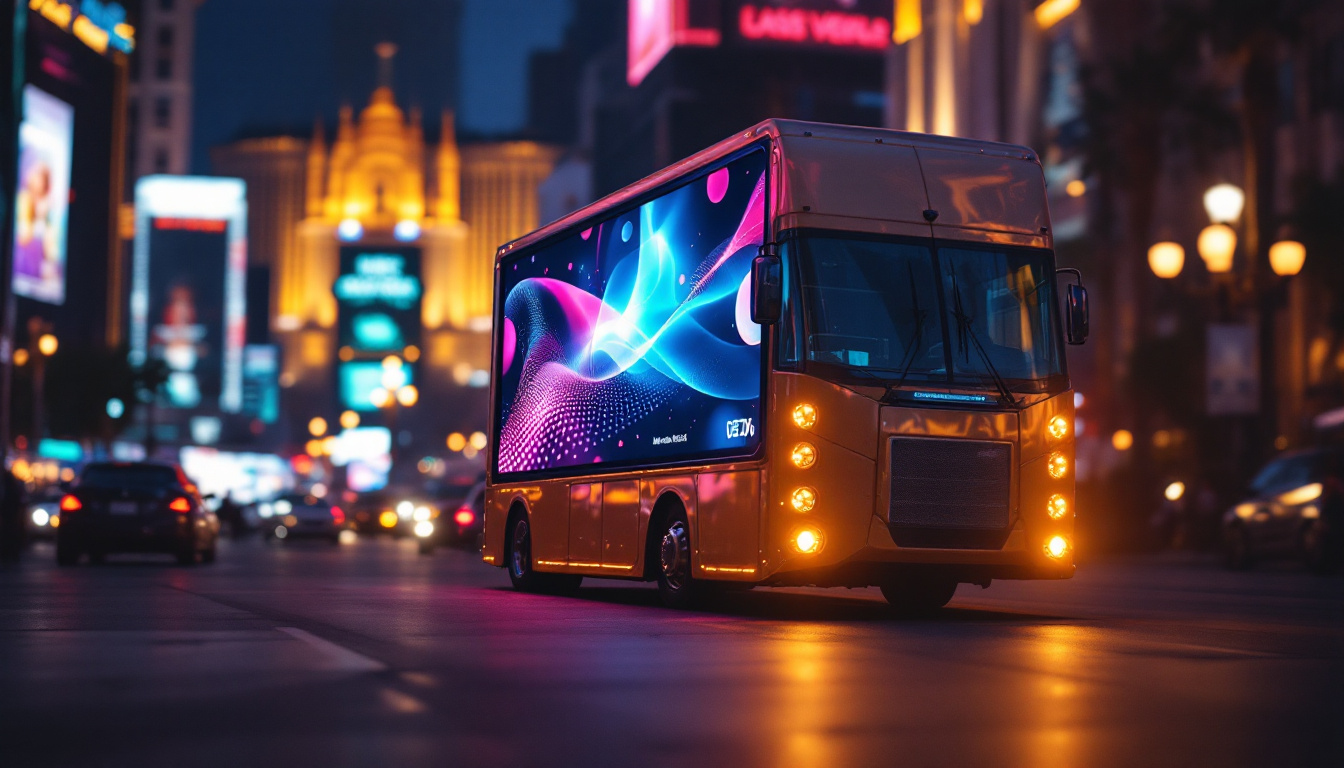
One of the most prominent uses of car window digital screens is in mobile advertising. Companies can display dynamic advertisements on taxi or rideshare vehicle windows, turning cars into moving billboards. This approach offers targeted exposure in urban areas, where vehicles frequently traverse high-traffic zones.
For example, some advertising firms have outfitted fleets of taxis with LED window displays that change ads based on location or time of day, increasing engagement and relevance. According to a 2023 report by Grand View Research, the global digital out-of-home advertising market is expected to grow at a CAGR of 11.2% between 2023 and 2030, driven in part by innovations like car window displays. This method not only captures the attention of pedestrians but also allows for real-time data analytics, enabling advertisers to assess the effectiveness of their campaigns based on foot traffic and viewer engagement.
Moreover, the flexibility of these displays allows for creative advertising strategies, such as geo-targeted promotions that can adapt to local events or trends. For instance, a car driving near a stadium on game day could display special offers from nearby restaurants or merchandise stores, effectively reaching a concentrated audience at the right moment.
Safety and Communication
Beyond advertising, car window LED displays serve critical safety functions. They can convey messages to pedestrians and other drivers, such as warnings about sudden stops, lane changes, or emergency situations. For autonomous vehicles, these displays offer a way to communicate intent, such as yielding or stopping, enhancing road safety.
For instance, some prototype autonomous cars use rear window LED panels to display messages like “Safe to Cross” to pedestrians at crosswalks. This kind of communication can reduce accidents and improve trust in self-driving technology. Furthermore, during adverse weather conditions, these displays can be programmed to flash alerts about reduced visibility or icy roads, providing an additional layer of safety for both the vehicle occupants and those around them.
In addition to these functionalities, the integration of LED displays into vehicles can also facilitate communication during emergencies. In the event of a breakdown, a driver could use the display to signal for help or indicate their situation to passing vehicles, enhancing the overall safety and responsiveness of road users.
Entertainment and Personalization
Car enthusiasts and manufacturers are also exploring LED window displays for personalization and entertainment. Drivers can customize window visuals with themes, animations, or status indicators. In-car entertainment systems can extend to windows, providing passengers with immersive experiences without obstructing views.
Luxury vehicle brands have begun experimenting with ambient lighting and digital displays integrated into windows, enhancing the overall driving experience and setting new standards for automotive interiors. These displays can showcase a variety of content, from scenic landscapes that change with the seasons to personalized messages that reflect the driver’s mood or preferences.
Furthermore, the potential for interactive experiences is vast; passengers could engage with the display to play games, view real-time travel information, or even connect with other vehicles for a shared entertainment experience. This level of personalization not only enhances the enjoyment of travel but also fosters a unique connection between the vehicle and its occupants, making each journey feel more tailored and engaging.
Benefits of LED Displays in Car Windows
High Visibility and Brightness
LED technology is renowned for its brightness and clarity, which is essential for outdoor visibility. Car window LED displays can be seen clearly even under direct sunlight, unlike some other display technologies that struggle with glare or low brightness.
This ensures that messages or images displayed on the windows are effective regardless of weather or lighting conditions.
Energy Efficiency
Compared to traditional lighting and display technologies, LEDs consume significantly less power. This is particularly important in automotive applications where energy efficiency directly impacts fuel consumption and battery life in electric vehicles.
Lower energy consumption also reduces heat generation, which is beneficial for maintaining the integrity of the vehicle’s window and interior climate control.
Durability and Longevity
LED displays are highly durable and have long operational lifespans, often exceeding 50,000 hours. They are resistant to shock and vibration, which are common in automotive environments. This durability makes them suitable for the demanding conditions car windows face daily.
Additionally, LED displays can withstand a wide range of temperatures, from freezing winters to hot summers, without performance degradation.
Customization and Flexibility
LED displays offer high flexibility in terms of content and design. Vehicle owners or fleet operators can update displayed content remotely, schedule different messages, or tailor visuals to specific audiences or events.
This adaptability makes LED car window displays a versatile tool for marketing, communication, and personalization.
Challenges and Considerations
Maintaining Transparency and Driver Visibility
One of the primary challenges in implementing LED displays on car windows is balancing display visibility with driver and passenger safety. The display must not obstruct the driver’s view or distract them, which requires careful design and regulatory compliance.
Manufacturers use transparent or semi-transparent LEDs and optimize pixel density to ensure that the display is visible to outside viewers without compromising interior visibility.
Regulatory and Legal Issues
Automotive regulations vary by region and often restrict the types of displays allowed on vehicle windows, particularly those that could distract other drivers or obscure visibility. Compliance with these laws is essential to avoid fines or safety hazards.
For example, many jurisdictions prohibit flashing or overly bright displays on moving vehicles. Manufacturers and operators must stay informed about local regulations when deploying car window LED screens.
Cost and Installation Complexity
Integrating LED displays into car windows involves advanced manufacturing processes and materials, which can increase vehicle costs. Retrofitting existing vehicles with these displays can be complex and expensive, limiting widespread adoption in the short term.
However, as technology matures and economies of scale improve, costs are expected to decrease, making LED window displays more accessible.
Future Trends and Innovations
Integration with Autonomous and Connected Vehicles
As autonomous vehicles become more prevalent, car window LED displays will play a crucial role in vehicle-to-pedestrian (V2P) and vehicle-to-vehicle (V2V) communication. These displays can provide real-time information about vehicle intentions, enhancing safety and traffic flow.
Connected car ecosystems will allow dynamic content updates based on traffic conditions, weather, or emergency alerts, making car window displays an integral part of smart transportation networks.
Advancements in Transparent Display Technologies
Research into transparent OLEDs (Organic Light Emitting Diodes) and micro-LEDs continues to push the boundaries of display quality and transparency. Future car window displays may offer higher resolution, better color accuracy, and even touch interactivity without compromising window functionality.
These advancements will enable more immersive and interactive experiences for drivers and passengers alike.
Environmental and Energy Considerations
With increasing focus on sustainability, future LED displays will likely incorporate eco-friendly materials and manufacturing processes. Energy harvesting technologies, such as integrating solar cells with LED displays, could make these systems self-sufficient, reducing their environmental impact.
Moreover, smart display systems will optimize power usage by adjusting brightness and content based on ambient conditions and vehicle status.
Conclusion
Car window digital screens powered by LED display technology represent a significant leap forward in automotive innovation. They transform ordinary vehicle windows into multifunctional surfaces capable of advertising, communication, personalization, and safety enhancement. While challenges related to transparency, regulation, and cost remain, ongoing technological advancements and growing market demand suggest a promising future for this technology.
As the automotive industry continues to evolve towards smarter, more connected vehicles, LED car window displays will likely become a common feature, enriching the driving experience and opening new avenues for interaction on the road.
Discover the Future of Automotive Displays with LumenMatrix
Embrace the cutting-edge of automotive display technology with LumenMatrix, a pioneer in LED innovation. Our comprehensive range of LED display solutions, including the transformative Vehicle LED Display, is designed to elevate your brand’s presence and captivate your audience. From dynamic advertising to enhanced safety features, LumenMatrix is at the forefront of creating immersive visual experiences for today’s smart, connected vehicles. Check out LumenMatrix LED Display Solutions and join the revolution in visual communication.