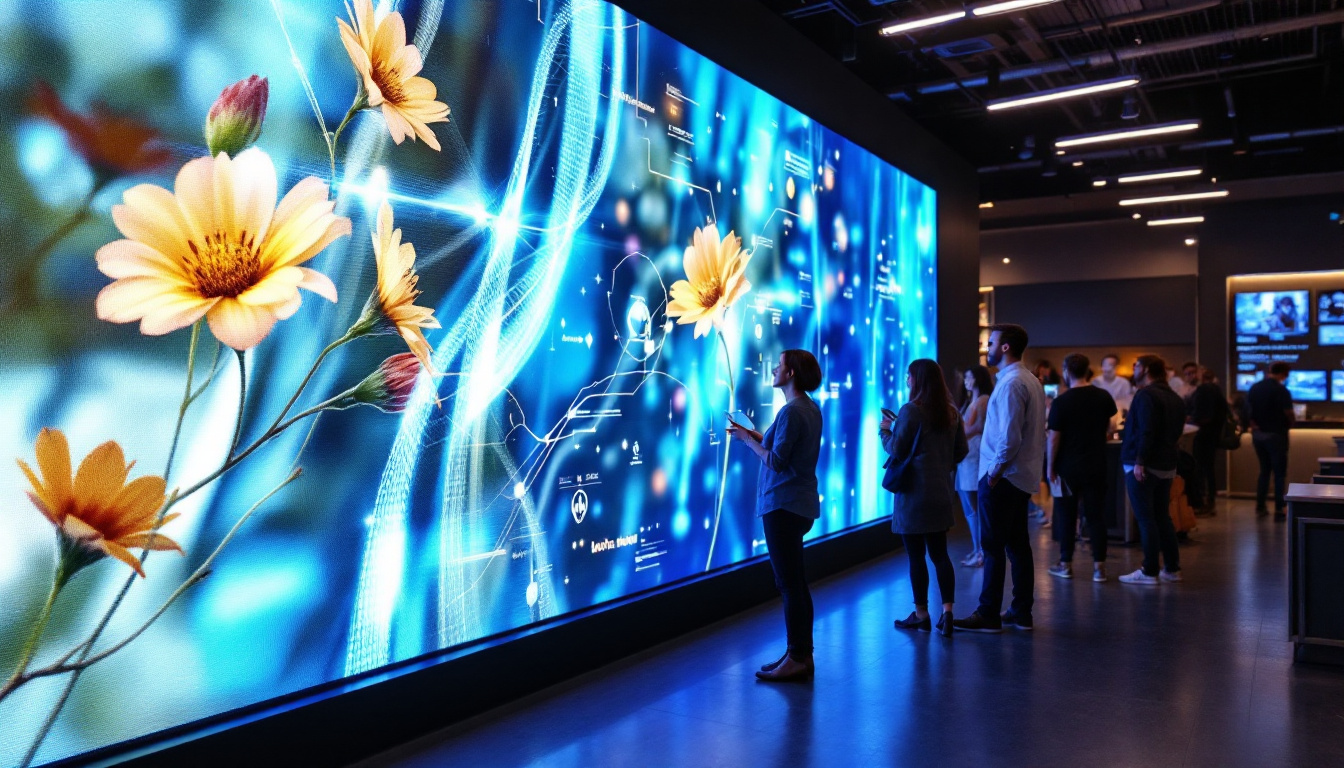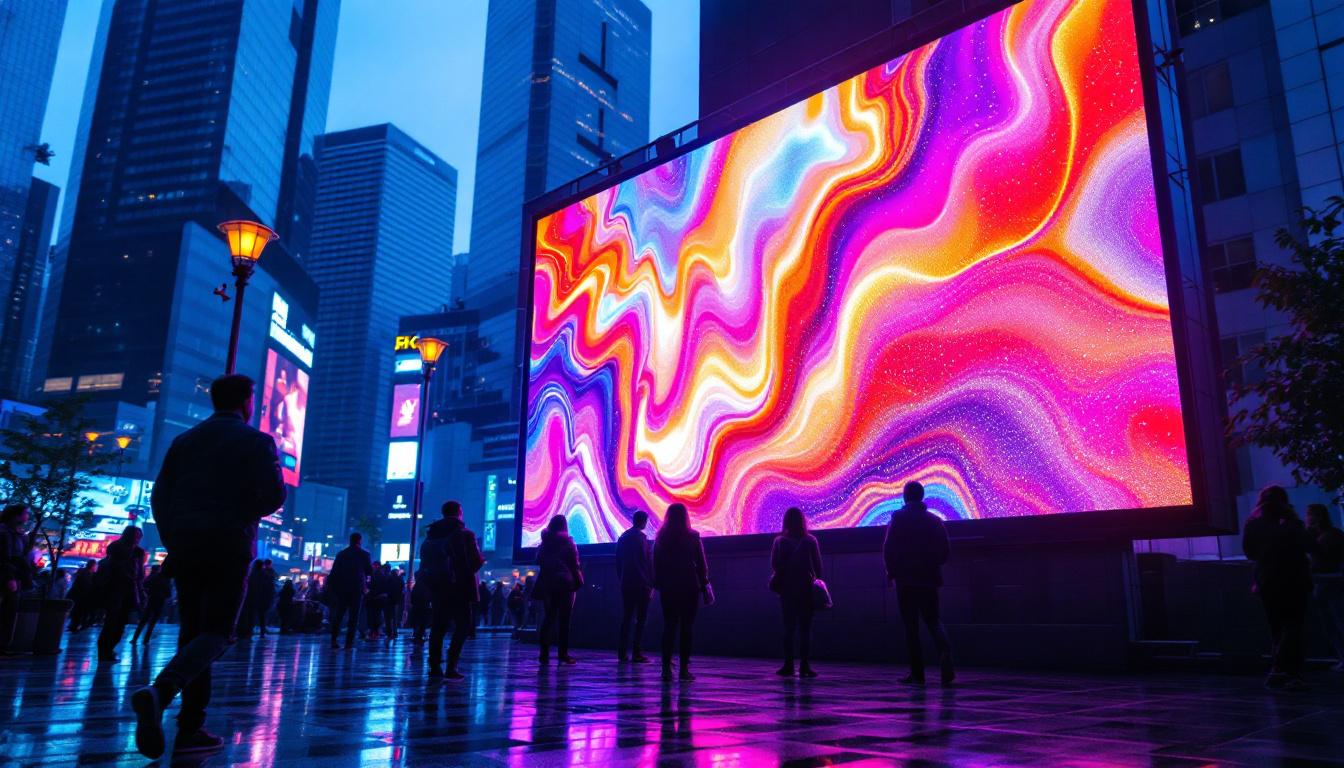
In an age where digital communication is paramount, LED displays have become a cornerstone technology for businesses, advertisers, and event organizers worldwide. Among the various types of LED displays, clear view screens stand out for their unique ability to combine transparency with high-quality visuals. This article delves into the technology behind clear view LED screens, their applications, advantages, and what makes them a game-changer in digital signage.
Understanding Clear View LED Screens
What Are Clear View Screens?
Clear view LED screens, sometimes referred to as transparent LED displays, are innovative digital screens designed to allow light and images to pass through them. Unlike traditional LED panels that are opaque, clear view screens maintain a high degree of transparency, making them ideal for installations on glass surfaces such as storefront windows, building facades, and vehicle windows.
The technology involves embedding LED diodes on a transparent substrate, often made from glass or acrylic, arranged in a grid that permits visibility through the screen. This allows for vibrant digital content to be displayed without obstructing the view behind the screen, creating a seamless blend between digital imagery and the physical environment. The aesthetic appeal of clear view screens can enhance architectural designs, making them a popular choice for modern buildings aiming for a sleek, contemporary look. Additionally, they offer businesses a unique opportunity to engage customers with dynamic advertising while maintaining an open and inviting atmosphere.
How Do They Work?
Clear view LED screens operate by using a sparse pixel pitch arrangement, meaning the LEDs are spaced further apart than in conventional LED displays. This spacing creates gaps that allow light to pass through, ensuring transparency. The LED diodes themselves emit bright, vivid colors that are visible even in daylight, thanks to their high brightness levels—often exceeding 5,000 nits.
Modern clear view LED screens also incorporate advanced control systems that adjust brightness and color based on ambient light conditions, optimizing visibility and energy efficiency. The screens typically use a fine pitch of around 10mm to 30mm, balancing transparency with image clarity. Furthermore, these screens can be integrated with smart technology, allowing for real-time content updates and interactive features. This capability makes them particularly appealing for advertising campaigns, where businesses can showcase promotions or events that change throughout the day, capturing the attention of passersby in an engaging manner. The versatility of clear view screens also extends to various applications, from art installations to information displays in public spaces, demonstrating their potential to transform how we interact with our surroundings.
Applications of Clear View LED Displays
Retail and Storefronts
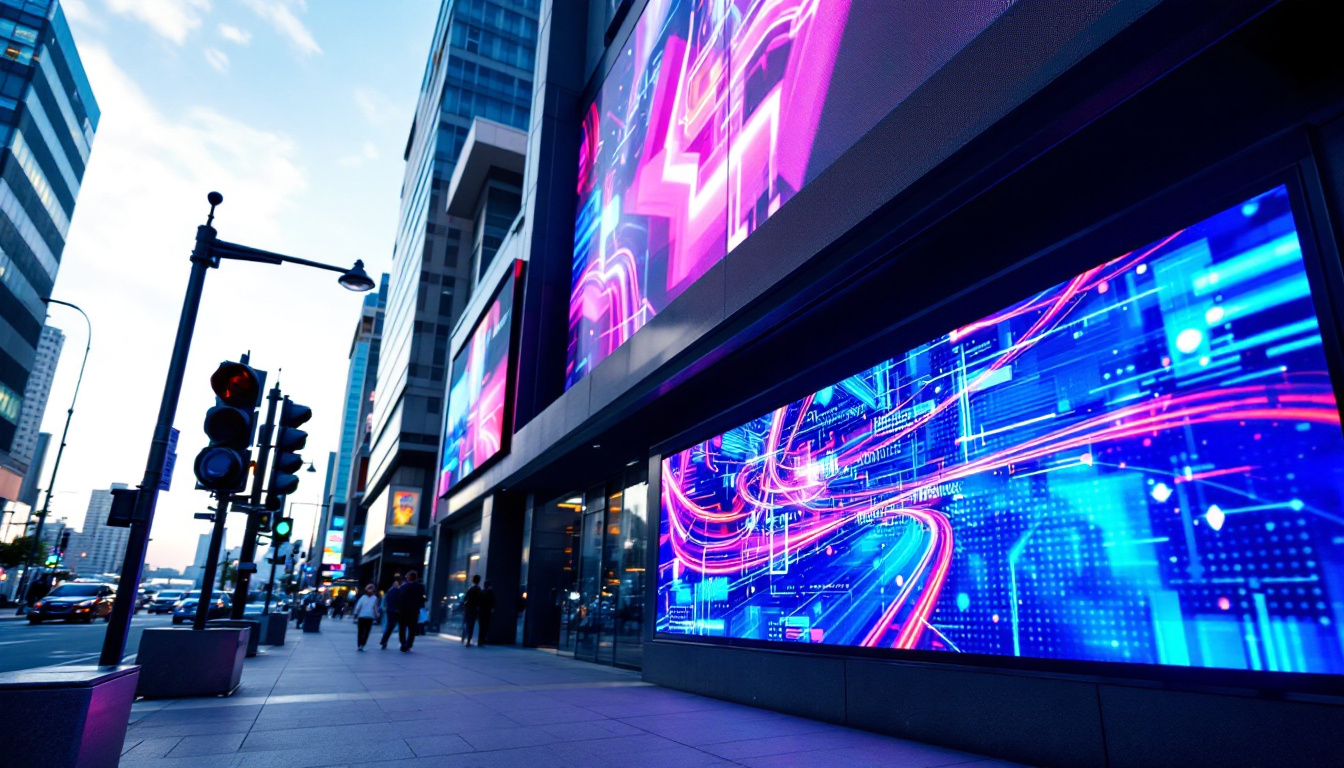
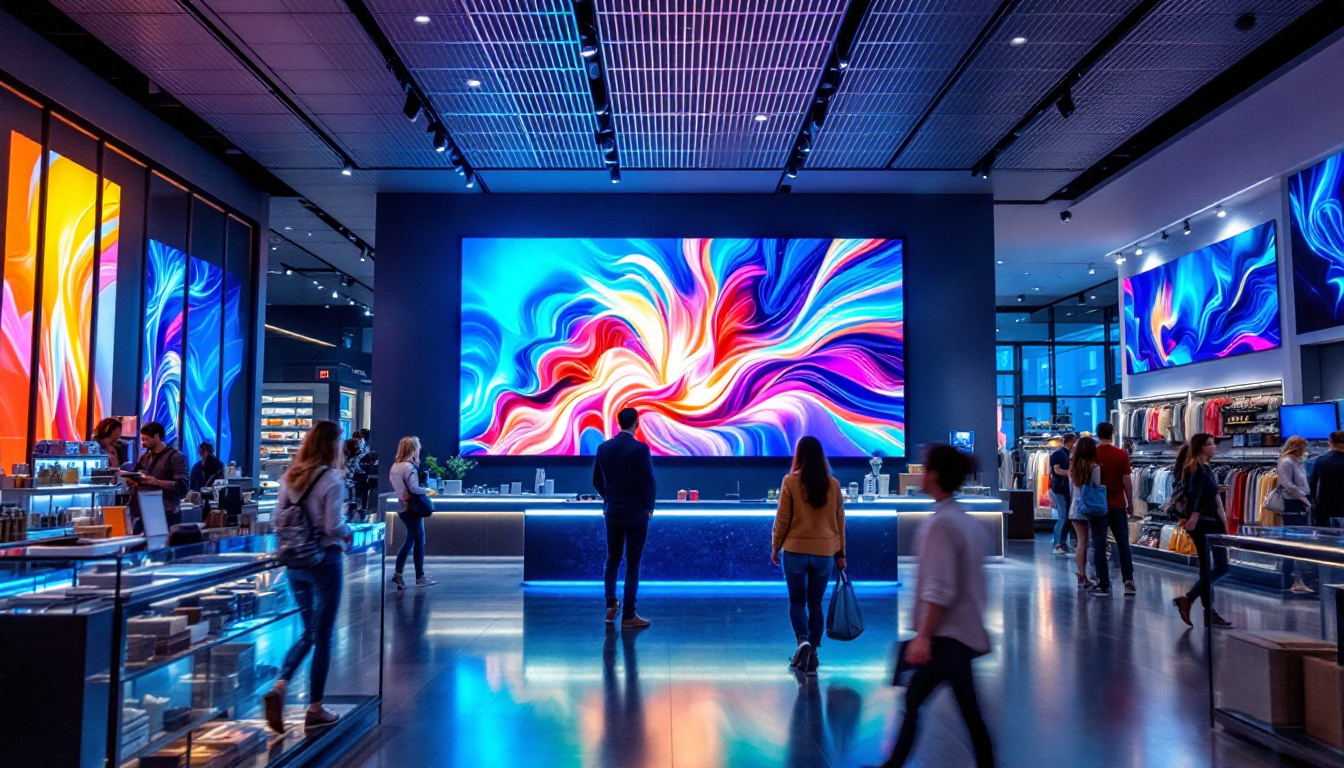
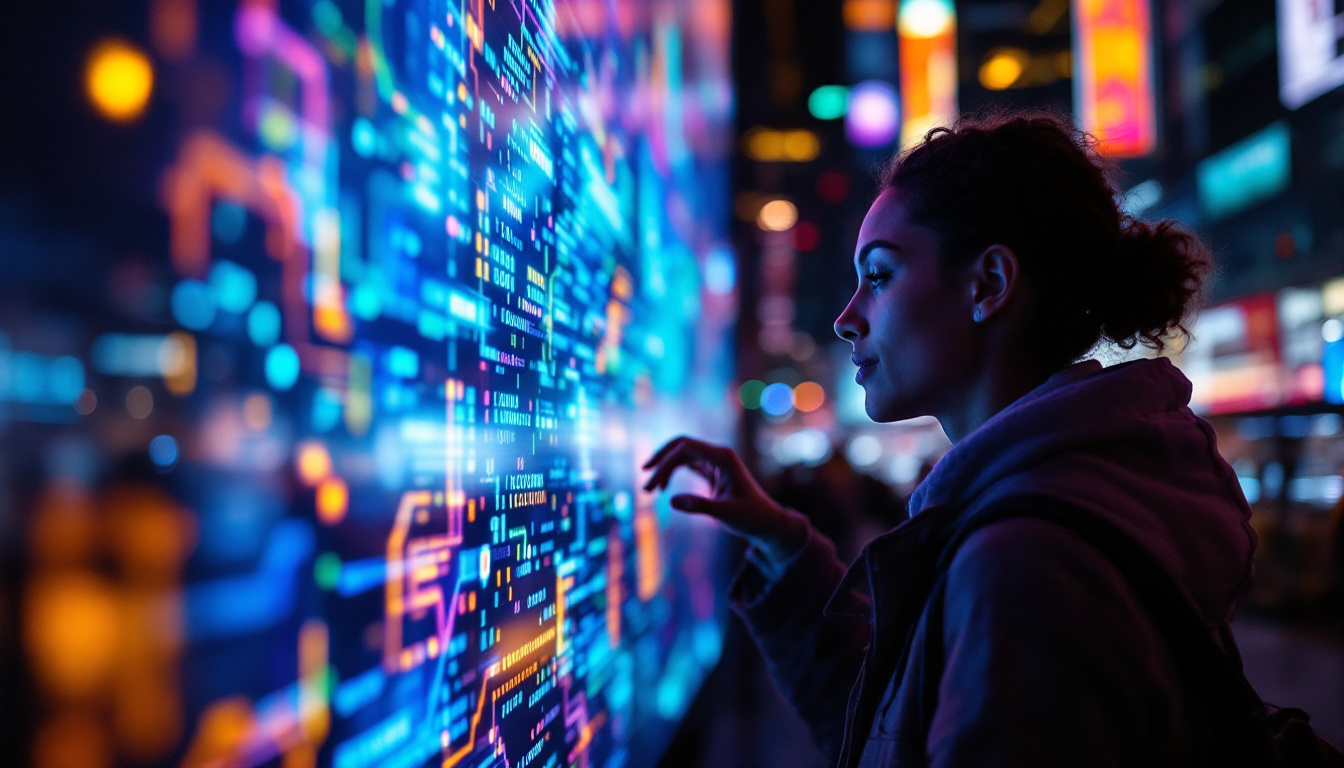
One of the most popular uses of clear view LED screens is in retail environments. Storefront windows equipped with these displays can showcase dynamic advertisements, promotional content, or brand messaging without blocking the view of the products inside. This dual functionality enhances customer engagement by attracting attention while maintaining an inviting, open storefront.
For example, luxury brands and flagship stores in major cities like New York and London have adopted clear view LED technology to create eye-catching window displays that change throughout the day, driving foot traffic and increasing sales opportunities. Additionally, retailers can utilize these displays to highlight seasonal promotions or limited-time offers, creating a sense of urgency that encourages customers to enter the store. The ability to update content in real-time allows businesses to respond quickly to market trends and consumer behavior, making their advertising strategies more agile and effective.
Architectural Integration and Building Facades
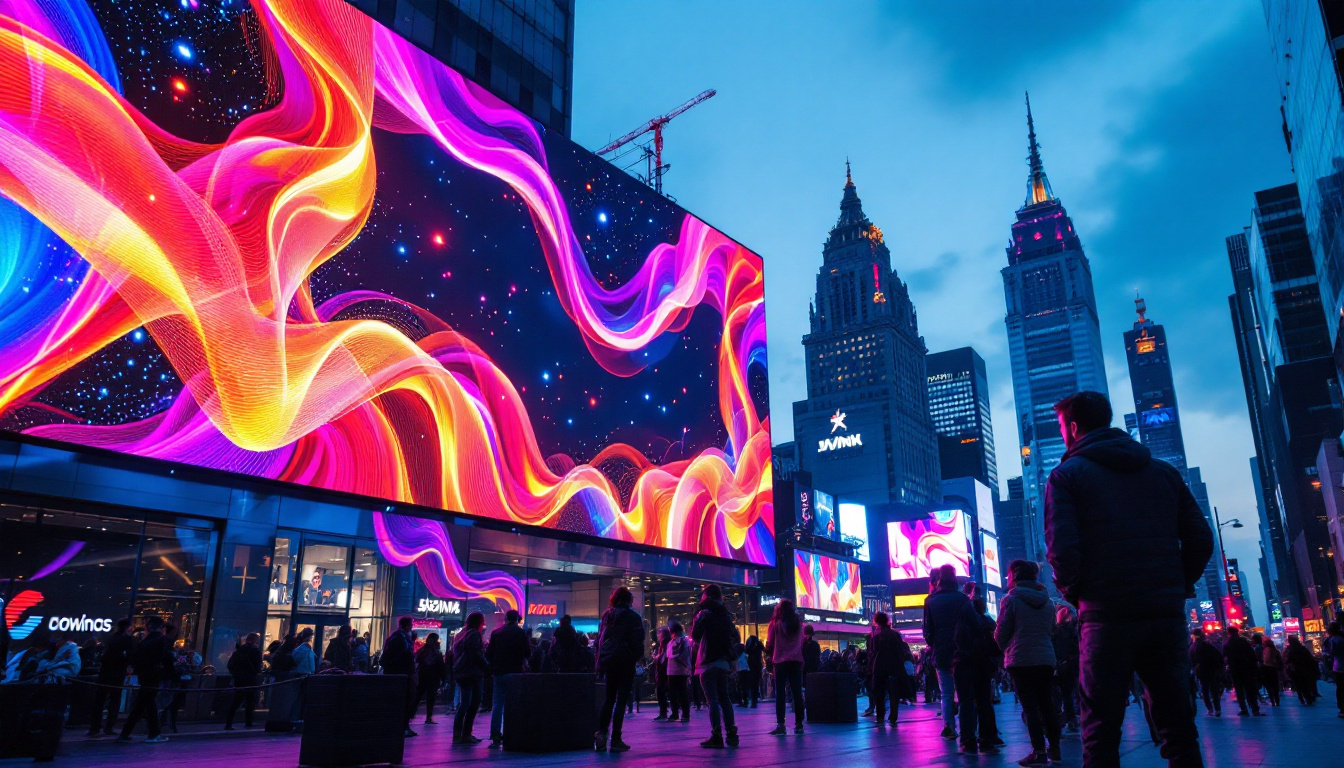
Clear view LED screens have revolutionized architectural design by allowing buildings to become interactive canvases without compromising natural light or external views. Skyscrapers and commercial buildings use these transparent displays to broadcast news, advertisements, or artistic visuals on their glass exteriors.
This integration supports urban beautification and smart city initiatives, where buildings contribute to the digital ecosystem while maintaining aesthetic appeal. The transparency ensures that occupants inside the building still enjoy unobstructed views, preserving comfort and ambiance. Moreover, these displays can be programmed to change their visuals based on the time of day or specific events, creating a dynamic urban landscape that reflects the vibrancy of the city. As cities increasingly embrace technology, clear view LED screens can also serve as platforms for public art, allowing local artists to showcase their work in high-visibility locations, further enriching the cultural fabric of urban environments.
Transportation and Public Spaces
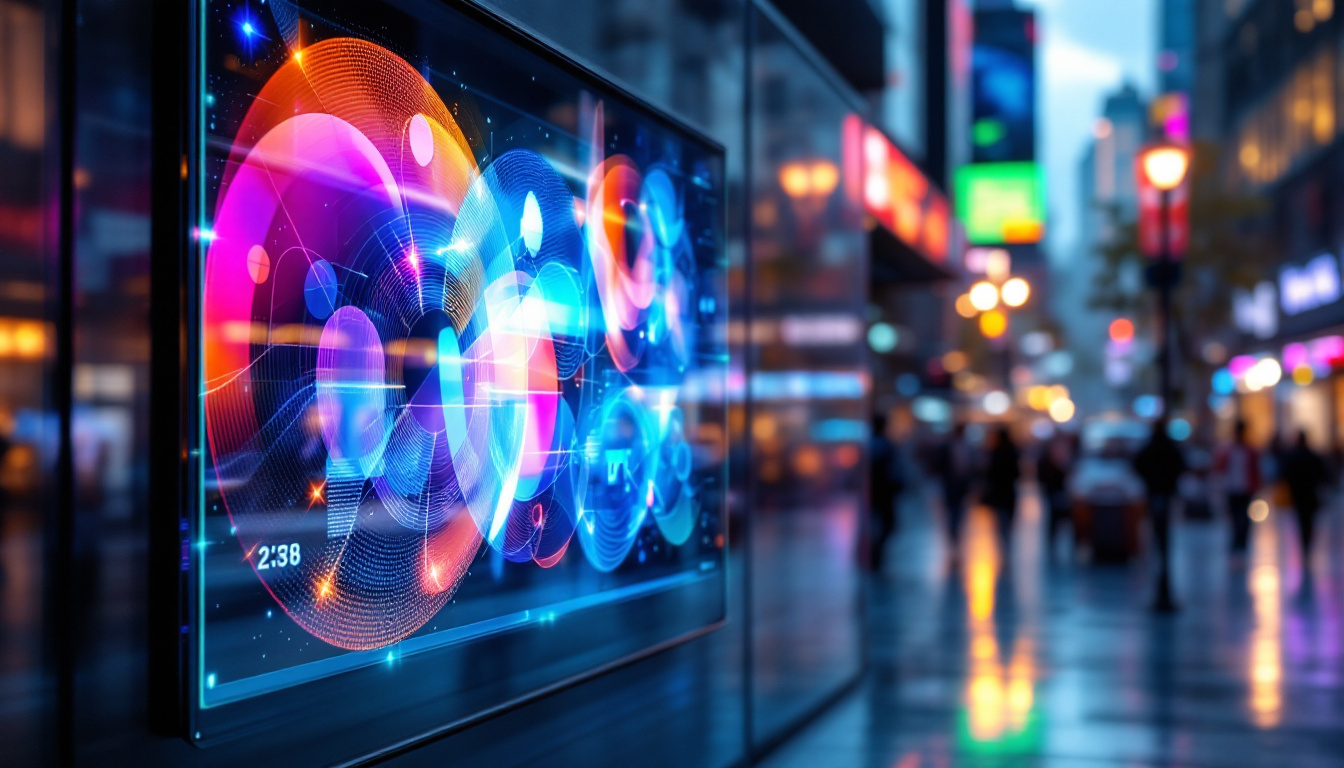
Public transportation hubs, airports, and even buses have started incorporating clear view LED screens to provide real-time information, advertising, and wayfinding solutions. For instance, bus shelters with transparent LED panels can display schedules and ads without blocking visibility, enhancing safety and user experience.
Similarly, museums and exhibition centers use these displays to present interactive content on glass partitions, enriching visitor engagement without compromising the openness of the space. These installations can provide visitors with additional context about exhibits through augmented reality features, allowing them to interact with the content in a more immersive way. Furthermore, clear view LED displays can be strategically placed in public squares or parks, serving as information hubs that provide updates on local events, weather, and community announcements, thus fostering a sense of connection and community among residents and visitors alike.
Advantages of Clear View LED Screens
Transparency and Aesthetic Appeal
The primary advantage of clear view LED screens is their transparency. This feature allows businesses and designers to maintain natural light flow and visibility while adding a digital layer of communication. The aesthetic appeal of these screens is significant, as they blend technology with architecture seamlessly.
This transparency also reduces the visual bulkiness associated with traditional LED displays, making them suitable for locations where maintaining an open, airy feel is crucial.
Energy Efficiency and Durability
Clear view LED screens are designed to be energy efficient. The sparse pixel arrangement means fewer LEDs are used compared to fully opaque displays, reducing power consumption. Additionally, many clear view screens incorporate energy-saving features such as automatic brightness adjustment and low power standby modes.
Durability is another key benefit. These screens are often built to withstand outdoor conditions, including rain, wind, and UV exposure, with IP65 or higher ratings for water and dust resistance. This makes them reliable for long-term installations in diverse environments.
Enhanced Engagement and Flexibility
With the ability to display high-resolution, vibrant content, clear view LED screens offer enhanced engagement opportunities. Their flexibility in size and shape allows for creative installations tailored to specific branding or architectural requirements.
Dynamic content can be updated remotely and in real-time, providing businesses with the agility to respond to market trends, promotions, or events instantly. This flexibility is invaluable in fast-paced commercial environments.
Technical Considerations and Challenges
Pixel Pitch and Resolution Trade-offs
While clear view LED screens offer transparency, this comes with trade-offs in resolution and image density. The wider spacing between LEDs reduces pixel density compared to traditional LED displays, which can affect image sharpness at close viewing distances.
Choosing the appropriate pixel pitch is crucial depending on the intended viewing distance. For example, a 10mm pitch might be suitable for displays viewed from several meters away, but closer inspection may reveal pixelation. Manufacturers continue to innovate to improve resolution without compromising transparency.
Installation and Structural Requirements
Installing clear view LED screens requires careful planning and structural considerations. Because these screens are often mounted on glass surfaces or integrated into building facades, factors such as weight, wind load, and mounting mechanisms must be addressed.
Professional installation ensures that the screens are securely fixed without damaging existing structures. Additionally, electrical and data cabling must be discreetly managed to maintain the clean aesthetic of the display.
Cost Implications
Clear view LED screens tend to be more expensive than traditional LED displays due to their specialized materials and manufacturing processes. Initial investment costs can be significant, particularly for large-scale installations.
However, the long-term benefits—such as increased customer engagement, energy savings, and enhanced brand visibility—often justify the expenditure. Businesses should assess their specific needs and budget to determine the return on investment.
Future Trends in Clear View LED Technology
Improved Transparency and Resolution
Research and development in LED technology continue to push the boundaries of what clear view screens can achieve. Emerging technologies aim to increase transparency levels beyond 80% while simultaneously enhancing pixel density for crisper images.
Innovations such as micro-LEDs and OLED transparent displays promise even thinner, more flexible, and higher-resolution transparent screens, potentially transforming the digital signage landscape further.
Integration with Smart Building Systems
As smart building technologies evolve, clear view LED screens are increasingly integrated with IoT (Internet of Things) systems. This enables automated content adjustments based on environmental data, occupancy, or user interaction, creating more personalized and efficient communication platforms.
For example, a clear view display on a building facade could adjust brightness and content based on weather conditions or time of day, optimizing visibility and energy use.
Sustainability and Eco-Friendly Materials
Environmental concerns are driving the development of more sustainable LED display materials and manufacturing processes. Future clear view screens are expected to incorporate recyclable components and use less hazardous substances, aligning with global sustainability goals.
Energy-efficient designs and solar-powered options may also become more prevalent, reducing the carbon footprint of digital signage installations.
Conclusion
Clear view LED screens represent a significant advancement in digital display technology, offering a unique combination of transparency, high brightness, and dynamic content capabilities. Their applications span retail, architecture, transportation, and public spaces, providing innovative solutions that enhance visual communication without compromising aesthetics or natural light.
While there are technical and cost considerations to address, the benefits of clear view LED screens—in terms of engagement, flexibility, and energy efficiency—make them an attractive option for forward-thinking businesses and designers. As technology continues to evolve, these transparent displays are poised to become even more integral to the digital landscape, blending the physical and digital worlds in unprecedented ways.
Discover the Future of Visual Communication with LumenMatrix
Ready to elevate your space with the cutting-edge technology of clear view LED screens? LumenMatrix is at the forefront of LED display innovation, offering an extensive range of solutions tailored to your unique needs. From captivating Indoor and Outdoor LED Wall Displays to dynamic Vehicle and Sports LED Displays, our products are designed to make your brand shine. Experience the transformative power of our LED Transparent Displays and join the revolution in digital signage. Check out LumenMatrix LED Display Solutions today and step into a brighter, more engaging visual future.