In the rapidly evolving world of LED display technology, understanding the differences between COB (Chip on Board) and SMD (Surface Mounted Device) LEDs is crucial for professionals and enthusiasts alike. Whether you are involved in digital signage, large-scale advertising, or indoor display solutions, choosing the right LED technology can significantly impact the performance, cost, and longevity of your display. This comprehensive guide will break down the fundamental differences between COB and SMD LEDs, their applications, advantages, and limitations, helping you make an informed decision tailored to your needs.
Understanding LED Display Technologies: What Are COB and SMD?
What is SMD LED Technology?
SMD, or Surface Mounted Device, LEDs are the most common type of LED technology used in modern displays. In SMD LEDs, individual LED chips for red, green, and blue are mounted side-by-side on a single surface, creating a compact pixel. This configuration allows for high pixel density and vibrant color reproduction, making SMD LEDs ideal for high-resolution displays.
The SMD package typically integrates multiple LED chips (commonly three) into a single module, which simplifies assembly and improves reliability. Because each pixel contains all three color components, SMD displays can produce a wide color gamut and smooth gradients, essential for detailed images and videos. Furthermore, SMD technology is highly versatile, enabling its use in various applications, from indoor displays like televisions and monitors to outdoor billboards and signage. The adaptability of SMD LEDs also means they can be designed in various shapes and sizes, catering to unique installation environments and aesthetic preferences.
Moreover, SMD LEDs are known for their energy efficiency. They consume less power compared to traditional lighting technologies, which not only reduces operational costs but also minimizes environmental impact. As a result, many businesses and organizations are increasingly opting for SMD LED displays, recognizing their long-term benefits in terms of energy savings and reduced maintenance requirements. The continuous advancements in SMD technology also promise even brighter displays with improved lifespans, making them a future-proof choice for digital signage.
What is COB LED Technology?
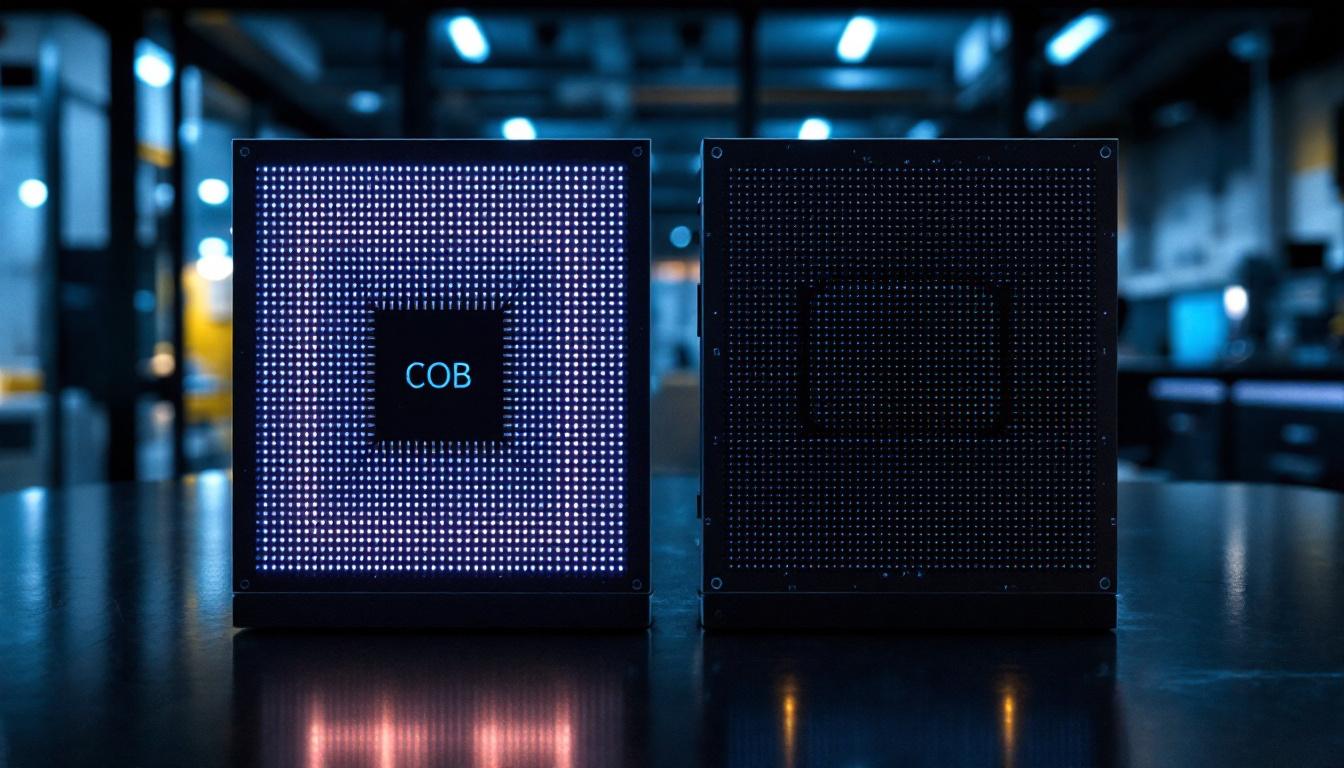
COB, or Chip on Board, LED technology involves mounting multiple LED chips directly onto a substrate to form a single module or pixel. Unlike SMD, where each chip is encapsulated separately, COB LEDs have their chips closely packed and covered with a phosphor layer, creating a uniform light source. This design results in a more seamless and continuous light output with less visible pixel structure.
COB LEDs are often used in applications requiring high brightness and uniformity, such as outdoor displays and architectural lighting. The technology allows for better heat dissipation due to the larger surface area of the substrate, which can improve the longevity and stability of the LED modules. Additionally, the compact nature of COB technology enables manufacturers to create thinner and lighter display panels, which is particularly advantageous in modern design where space-saving solutions are paramount. This characteristic makes COB LEDs an excellent choice for applications like stage lighting and portable displays, where weight and bulk can be significant concerns.
Another notable advantage of COB technology is its enhanced color consistency. The close proximity of the LED chips within a COB module minimizes color variations across the display, ensuring that viewers experience a uniform color output, regardless of their viewing angle. This is particularly important in large-scale installations where the audience may be positioned at various distances and angles. As the demand for high-quality visual experiences continues to grow, COB LED technology stands out as a leading choice for professionals seeking to deliver exceptional lighting and display solutions.
Comparing COB and SMD LEDs: Key Differences
Pixel Structure and Resolution
SMD LEDs are known for their compact pixel structure, enabling higher pixel density and finer resolution. This makes SMD displays particularly suitable for indoor environments where viewers are close to the screen, such as retail stores, control rooms, and conference halls. The ability to pack more pixels into a smaller area allows for crisp images and detailed video playback.
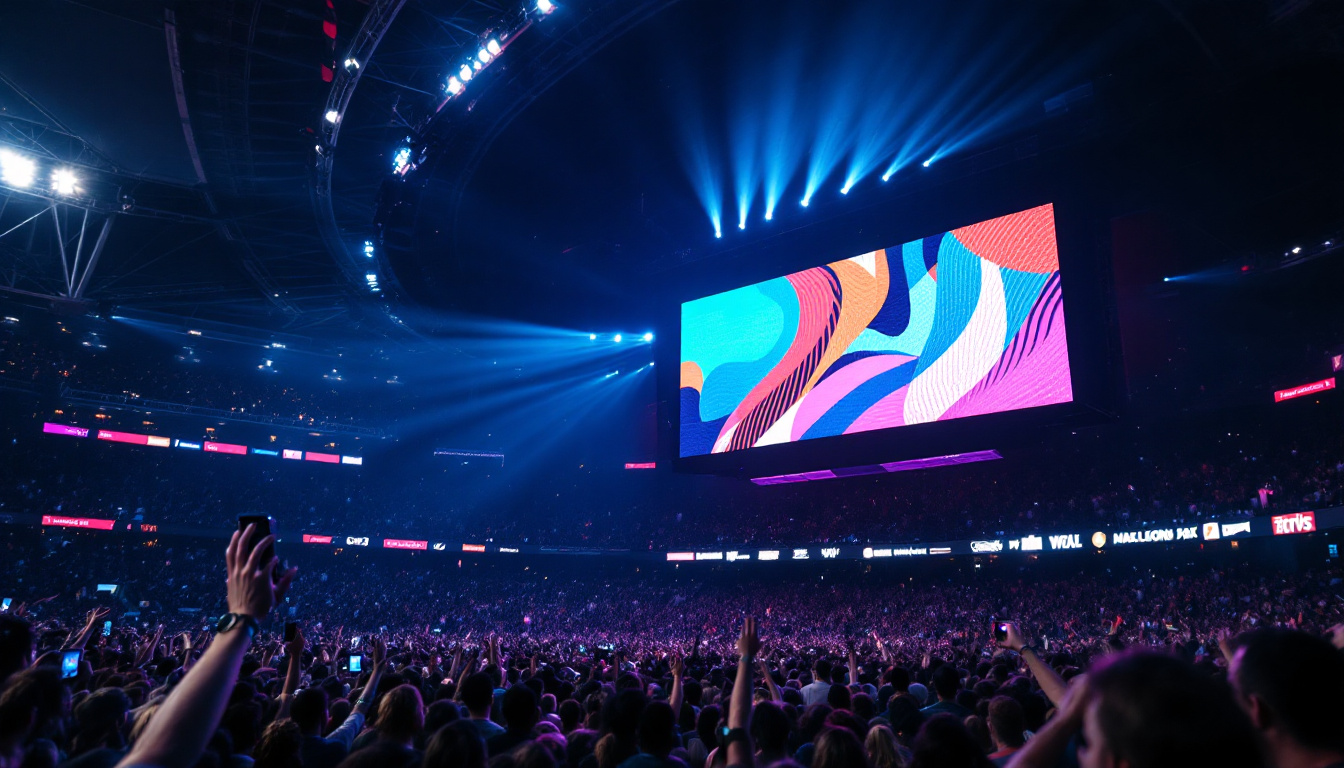
In contrast, COB LEDs have a larger pixel size due to the chip-on-board design. While this results in lower resolution compared to SMD, the uniform light output reduces the “screen door” effect, where gaps between pixels are visible. COB displays are therefore favored for larger viewing distances, such as stadiums or outdoor billboards, where ultra-high resolution is less critical.
Brightness and Color Uniformity
Brightness is a critical factor in LED display performance, especially for outdoor applications exposed to direct sunlight. COB LEDs generally offer higher brightness levels due to their efficient heat dissipation and concentrated light source. This makes them well-suited for environments requiring high visibility in varying lighting conditions.
On the other hand, SMD LEDs provide excellent color uniformity and a broader color gamut. The tri-chip configuration allows for precise color mixing, resulting in vibrant and accurate colors. This advantage makes SMD displays the preferred choice for environments where color fidelity is paramount, such as art galleries, broadcast studios, and high-end retail.
Durability and Maintenance
COB LEDs tend to be more robust because the chips are encapsulated within a single module, reducing the risk of damage from physical impacts or environmental factors. Their design also minimizes the accumulation of dust and moisture, which can degrade performance over time. Additionally, COB modules often have better heat management, which extends their operational lifespan.
SMD LEDs, while highly reliable, have more exposed components due to their surface-mounted nature. This can make them more susceptible to damage from mechanical stress or environmental exposure if not properly protected. However, advancements in protective coatings and module design have significantly improved the durability of SMD displays in recent years.
Applications: When to Choose COB or SMD LED Displays
Indoor Displays and High-Resolution Needs
For indoor applications where viewers are close to the screen, such as conference rooms, retail environments, and digital signage in malls, SMD LED displays are generally the better choice. Their high pixel density and superior color accuracy provide a visually engaging experience that captures attention and conveys detailed information effectively.
Moreover, SMD displays are versatile in terms of pixel pitch, allowing for customization based on viewing distance and resolution requirements. This flexibility makes them suitable for a wide range of indoor scenarios, from small kiosks to large video walls.
Outdoor and Large-Scale Displays
COB LED technology excels in outdoor environments where brightness, durability, and uniform light output are critical. Stadium screens, outdoor billboards, and architectural lighting installations benefit from COB’s high brightness and robust design. The reduced visibility of individual pixels enhances image quality at longer viewing distances, which is typical for outdoor audiences.
Additionally, COB LEDs’ superior heat dissipation ensures stable performance under harsh weather conditions, including high temperatures and direct sunlight. This reliability reduces maintenance costs and downtime, making COB a cost-effective solution for large-scale outdoor displays.
Specialized Uses: Creative and Architectural Lighting
Both COB and SMD LEDs find applications in creative lighting projects and architectural installations. COB LEDs are favored for creating smooth, continuous light surfaces without visible pixelation, ideal for wall washes, facade lighting, and immersive environments.
SMD LEDs, with their precise color control and flexibility, are often used in dynamic lighting installations that require rapid color changes and intricate patterns. Their ability to deliver high-resolution visuals also makes them suitable for interactive displays and artistic exhibits.
Cost Considerations and ROI
Initial Investment
Generally, SMD LED displays have a higher upfront cost due to the complexity of their tri-chip modules and the precision required in manufacturing. The cost increases with higher resolution and smaller pixel pitch, reflecting the advanced technology and materials involved.
COB LED displays tend to be more cost-effective for larger pixel pitches and outdoor applications. Their simpler assembly and robust design reduce manufacturing expenses, which can translate into lower purchase prices for large-format displays.
Operational Costs and Longevity
One of the advantages of COB LEDs is their efficient heat management, which contributes to longer operational life and lower energy consumption. This efficiency can reduce electricity costs and the frequency of component replacements, improving the overall return on investment (ROI).
SMD displays, while potentially requiring more maintenance due to their exposed components, benefit from ongoing advancements in LED chip technology that enhance energy efficiency and lifespan. Proper environmental protection and regular maintenance can mitigate operational costs, ensuring long-term value.
Future Trends in LED Display Technology
Miniaturization and Higher Resolution
Both COB and SMD technologies continue to evolve, with manufacturers pushing the boundaries of pixel density and color accuracy. Micro-LEDs, which are even smaller than traditional SMD chips, are emerging as a promising technology that combines the best features of both COB and SMD, offering ultra-high resolution and brightness with excellent durability.
Integration with Smart Technologies
Modern LED displays are increasingly integrated with smart sensors, AI-driven content management, and IoT connectivity. These advancements enable dynamic brightness adjustment, energy optimization, and interactive user experiences, further enhancing the value of LED display installations across industries.
Sustainability and Energy Efficiency
As environmental concerns grow, LED technology development focuses on reducing energy consumption and minimizing waste. Both COB and SMD LEDs are benefiting from innovations in materials and design that improve efficiency and recyclability, aligning with global sustainability goals.
Conclusion: Choosing the Right LED Display Technology
Deciding between COB and SMD LED displays requires a clear understanding of your specific application, environmental conditions, and budget constraints. SMD LEDs offer superior resolution and color fidelity, making them ideal for indoor, close-viewing environments where image quality is paramount. COB LEDs provide higher brightness, better durability, and seamless light output, which are essential for outdoor and large-scale displays.
By carefully evaluating the technical characteristics and practical considerations outlined in this guide, businesses and professionals can select the LED technology that best meets their needs, ensuring impactful visual communication and a strong return on investment.
Explore Cutting-Edge LED Displays with LumenMatrix
Ready to elevate your visual communication with the latest in LED technology? LumenMatrix is at the forefront of innovation, offering a diverse range of LED display solutions tailored to your unique needs. From captivating Indoor LED Wall Displays to dynamic Outdoor LED Wall Displays, and specialized options like Vehicle LED Displays and LED Sports Displays, we have the technology to bring your vision to life. Discover how our LED Poster Displays, Floor LED Displays, and Custom LED solutions can transform your space and engage your audience. Experience the future of digital signage with our All-in-One and LED Transparent Displays. Check out LumenMatrix LED Display Solutions today and join the revolution in visual storytelling.