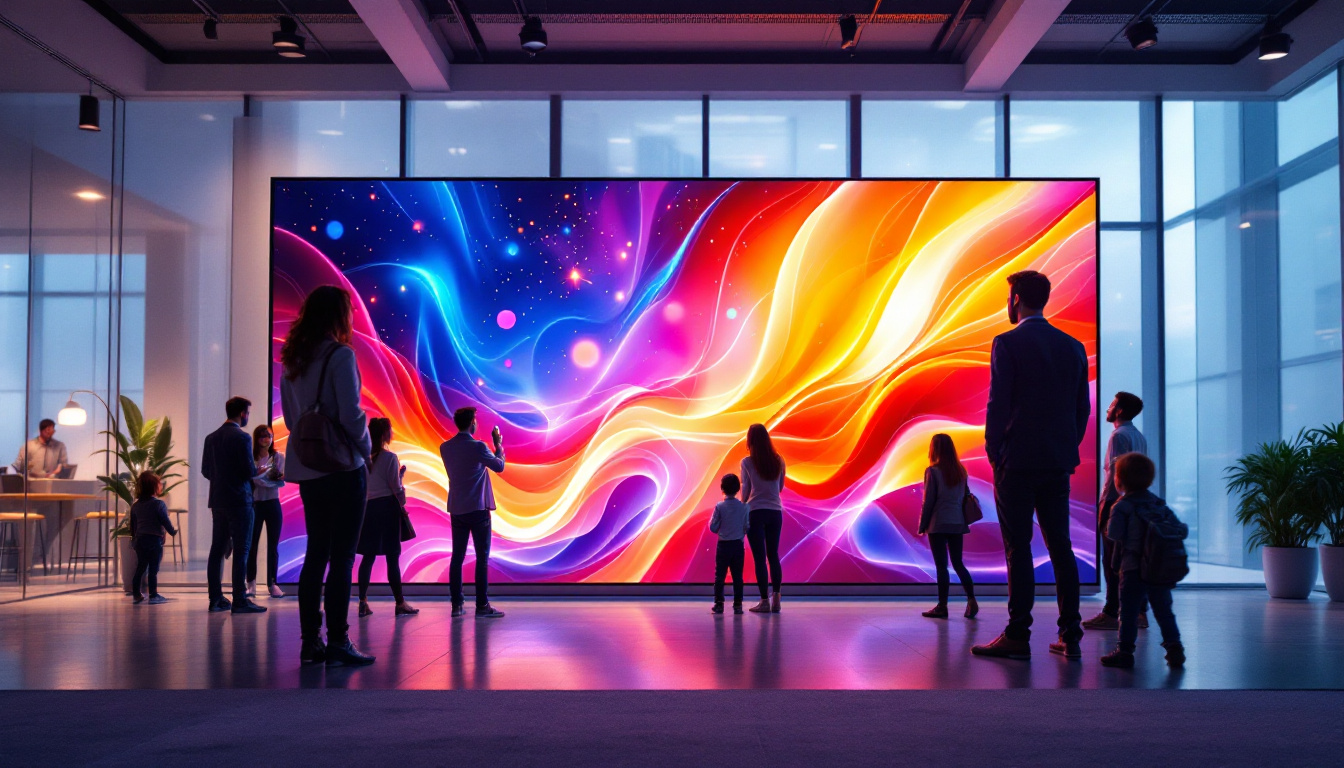
In today’s fast-paced business environment, conferences and trade shows are essential platforms for companies to showcase their products, network, and build brand awareness. One of the most impactful tools for attracting attention and engaging attendees at these events is the conference display stand. Among the various types of display stands available, LED displays have emerged as a leading choice due to their vibrant visuals, flexibility, and technological advantages. This article delves into the world of LED display stands, explaining their benefits, types, and how they can transform your presence at conferences.
Understanding LED Display Technology
What is an LED Display?
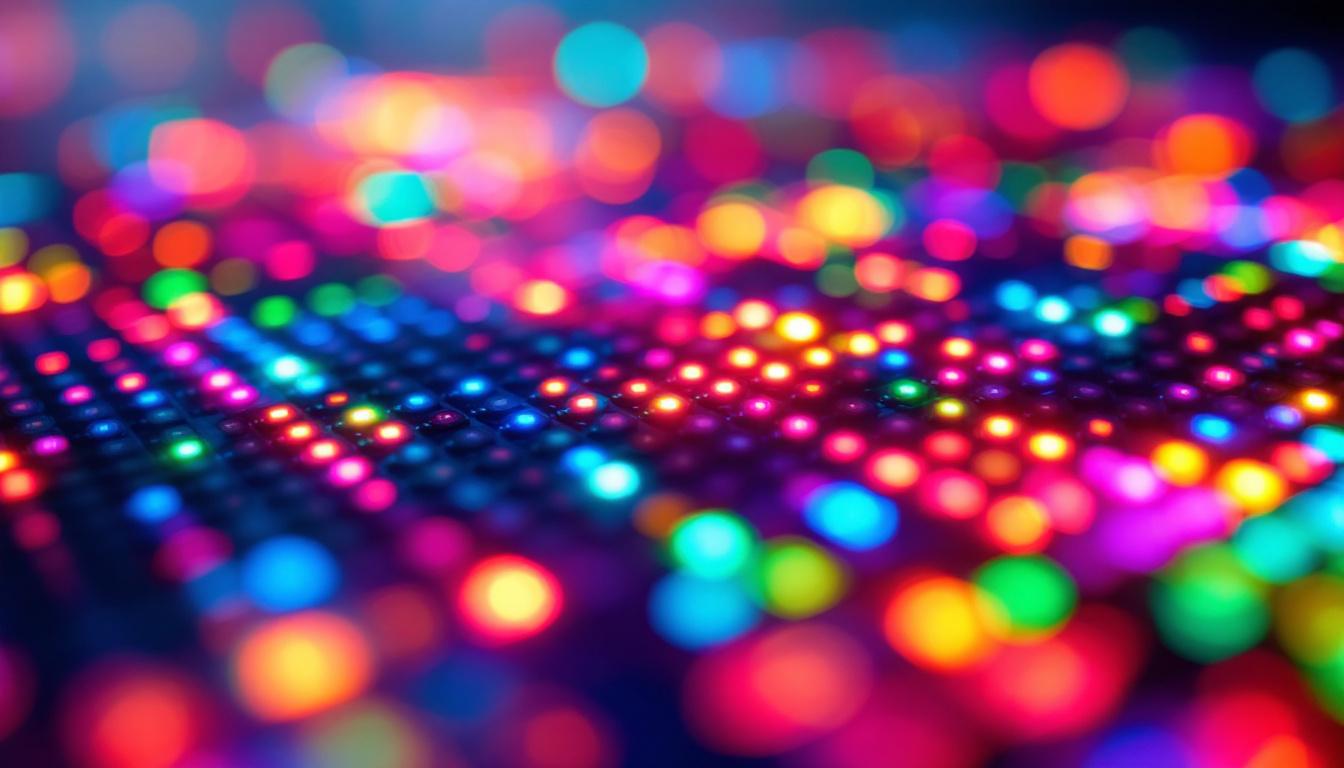
LED stands for Light Emitting Diode, a semiconductor device that emits light when an electrical current passes through it. LED displays are composed of thousands of these tiny diodes arranged in a grid to form images, videos, and text. Unlike traditional LCD or projection screens, LED displays produce their own light, resulting in brighter and more vivid visuals.
The technology behind LED displays has evolved significantly over the past decade. Modern LED panels offer high resolution, excellent color accuracy, and wide viewing angles, making them ideal for dynamic content presentation in conference environments. Their modular design also allows for custom sizes and shapes, accommodating various booth layouts and design requirements. Furthermore, advancements in pixel pitch technology have enabled the creation of ultra-high-definition displays, which provide unparalleled clarity and detail, making them perfect for showcasing intricate graphics and videos that captivate audiences.
Advantages of LED Displays Over Traditional Screens
Compared to LCD or plasma screens, LED displays provide several distinct advantages that make them particularly suited for conference display stands:
- Brightness and Visibility: LED displays can reach brightness levels of up to 1,500 nits or more, ensuring clear visibility even in well-lit exhibition halls.
- Energy Efficiency: LEDs consume less power than other display technologies, reducing operational costs during multi-day events.
- Durability and Longevity: LED panels are robust and designed for long-term use, with lifespans often exceeding 50,000 hours.
- Seamless Large Displays: Modular LED panels can be combined to create large, seamless screens without visible bezels, enhancing the immersive experience.
- Flexibility in Design: LED displays can be curved, transparent, or even flexible, allowing for innovative booth designs that capture attention.
Additionally, LED displays are known for their rapid response times, which is crucial for displaying fast-moving content without blurring or ghosting effects. This feature is particularly beneficial for presentations that include video footage or interactive elements, ensuring that the audience remains engaged and focused on the material being presented. Moreover, with the advent of smart LED technology, these displays can now be integrated with various content management systems, allowing for real-time updates and remote control capabilities. This means that exhibitors can easily change their messaging or visuals on the fly, adapting to the audience’s interests or any spontaneous opportunities that arise during the event.
Another significant advantage of LED displays is their environmental impact. Many manufacturers are now producing energy-efficient models that comply with sustainability standards, further reducing the carbon footprint associated with large-scale events. This commitment to eco-friendly practices not only appeals to environmentally conscious attendees but also enhances the brand image of companies that prioritize sustainability. As the demand for visually striking and environmentally responsible solutions continues to grow, LED display technology is poised to play a pivotal role in shaping the future of event presentations and marketing strategies.
Types of LED Display Stands for Conferences
Indoor LED Displays
Indoor LED displays are specifically designed for controlled environments such as conference halls and exhibition centers. They typically have a pixel pitch ranging from 1.2mm to 4mm, which refers to the distance between individual LED diodes. A smaller pixel pitch means higher resolution and sharper images, which is crucial for close viewing distances common at conferences.
These displays are lightweight and easy to assemble, often featuring quick-lock mechanisms for fast installation. They are ideal for showcasing high-definition videos, product demonstrations, and interactive content that can engage visitors effectively.
Outdoor LED Displays
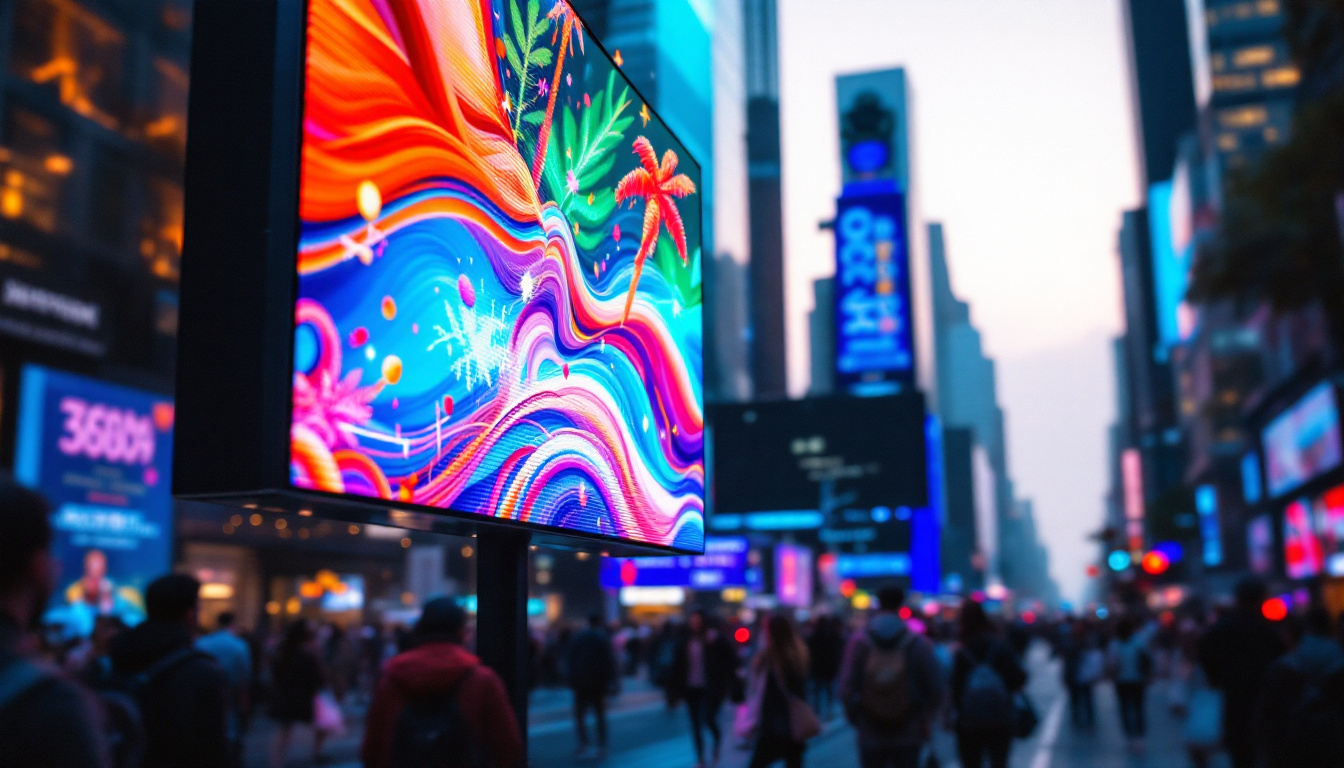
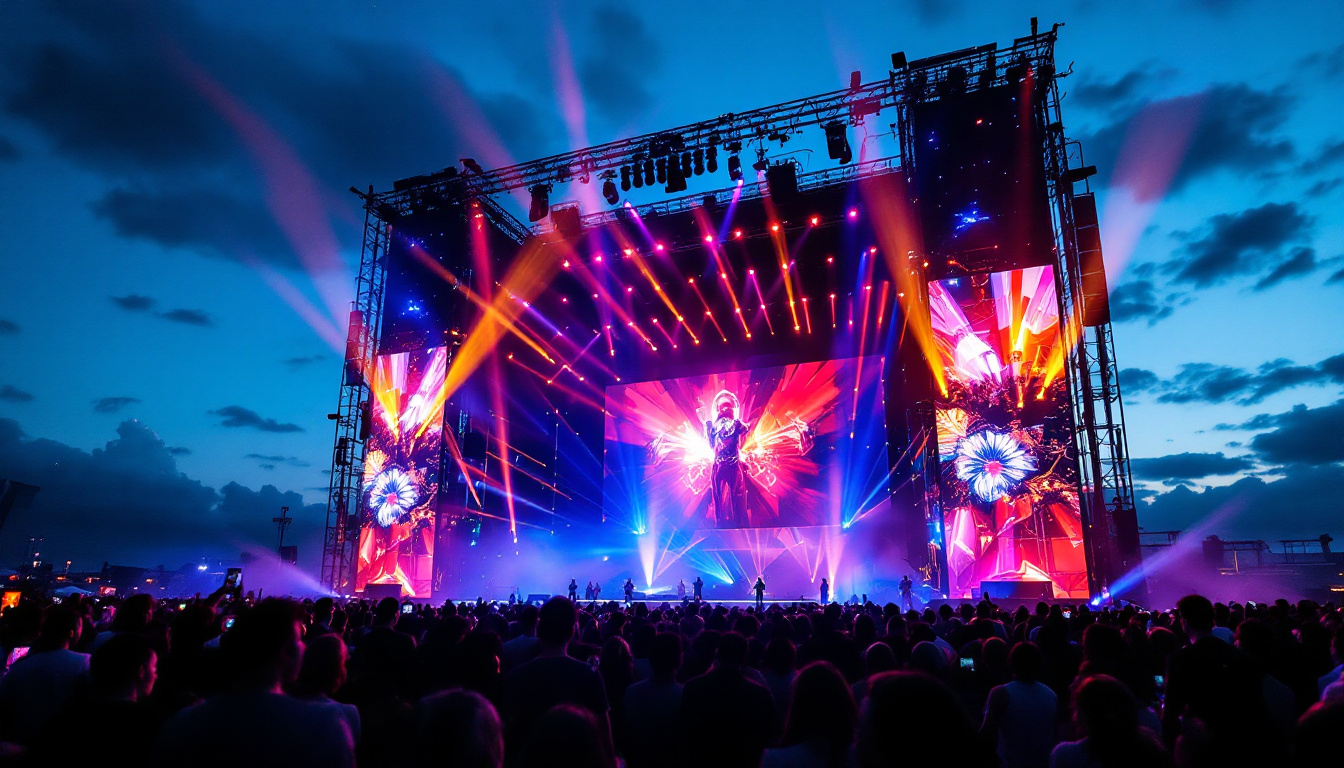
While less common for indoor conferences, outdoor LED displays are used for events that take place in open-air venues or for signage outside conference centers. These displays boast higher brightness (up to 5,000 nits or more) to combat sunlight glare and are built to withstand weather conditions such as rain, dust, and temperature fluctuations.
For conference organizers hosting hybrid events with outdoor components or promotional signage, outdoor LED displays provide excellent visibility and durability.
Transparent and Creative LED Displays
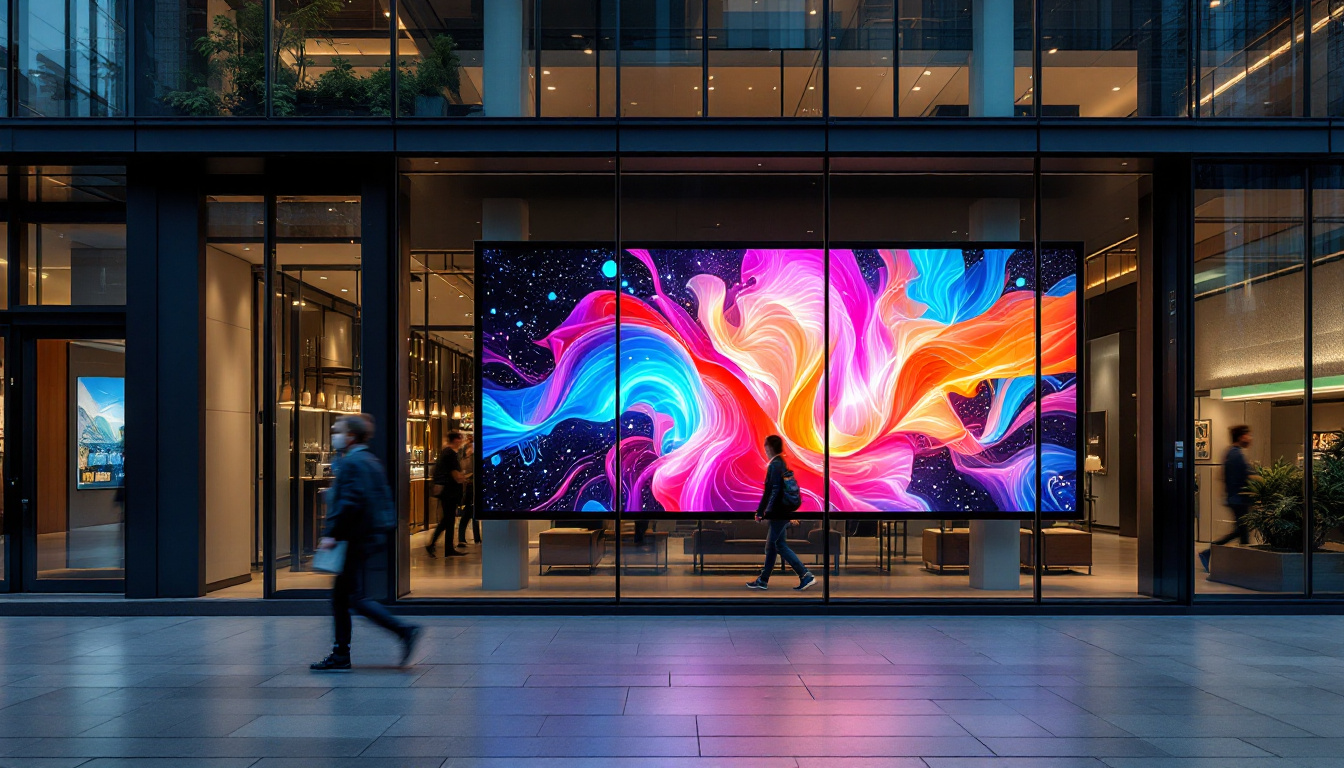
Innovations in LED technology have led to the development of transparent LED displays, which allow light to pass through the screen. These are perfect for glass walls or windows at conference venues, enabling companies to display digital content without blocking natural light.
Creative LED displays can also be shaped into curves, circles, or other custom forms, offering unique branding opportunities that stand out in crowded exhibition halls. Such displays can create memorable visual experiences that resonate with attendees long after the event.
Key Benefits of Using LED Display Stands at Conferences
Enhanced Brand Visibility and Engagement
LED displays are visually striking, making them excellent tools for attracting attendees to your booth. Their brightness and dynamic content capabilities help brands cut through the noise of busy conference floors. Studies show that digital displays can increase booth traffic by up to 30%, which can translate into more leads and networking opportunities.
Moreover, LED displays support multimedia content such as videos, animations, and live social media feeds, which can significantly enhance visitor engagement. Interactive touch-enabled LED screens further encourage attendee interaction, fostering deeper connections and better brand recall.
Flexibility and Customization
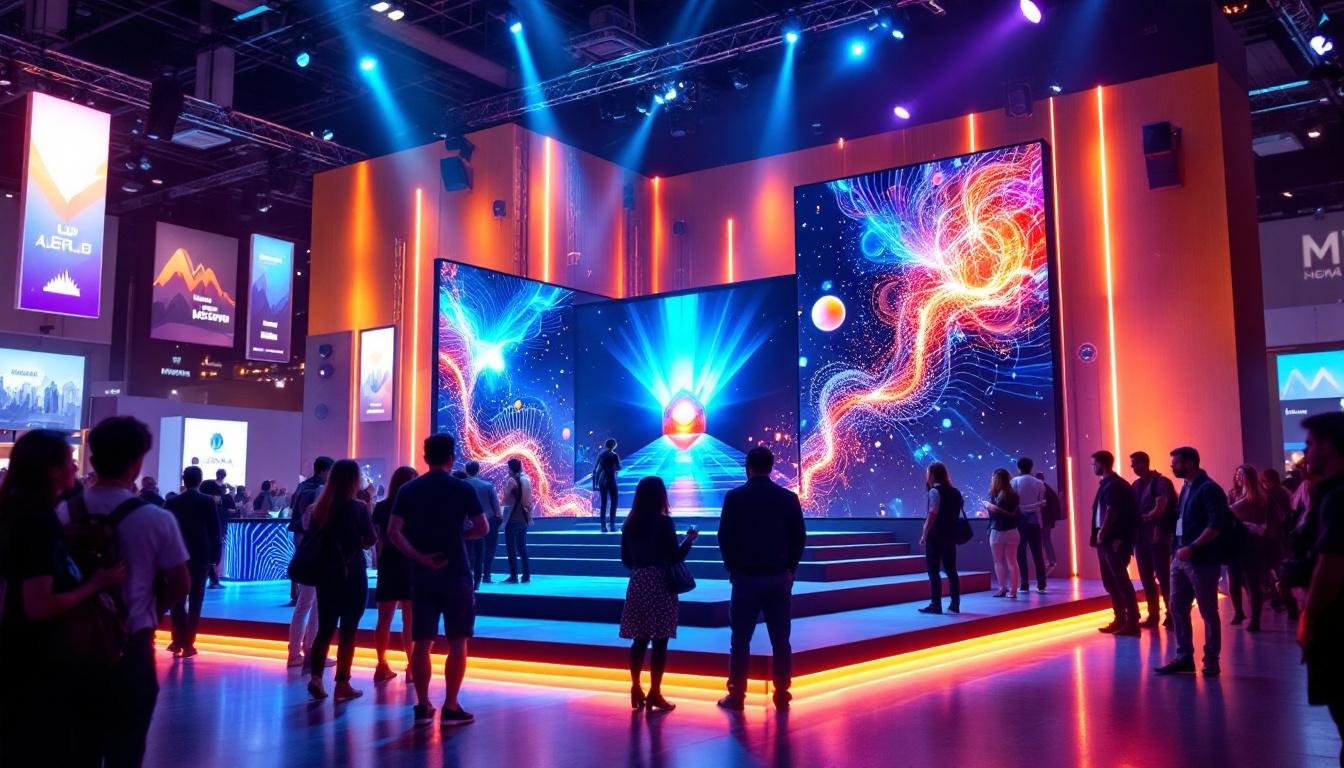
One of the greatest advantages of LED display stands is their adaptability. Modular LED panels can be configured to fit any booth size or shape, allowing companies to design custom displays that align perfectly with their branding and messaging strategies.
Content can be updated in real-time, enabling companies to tailor their messaging to different audiences throughout the conference. For example, a tech company might display product demos during the day and switch to customer testimonials or live Q&A sessions in the evening.
Cost-Effectiveness Over Time
While the initial investment in LED display technology may be higher than traditional printed banners or static displays, the long-term benefits often outweigh the costs. LED displays are reusable, reducing the need for frequent print materials and shipping expenses. Their durability and low maintenance requirements also contribute to cost savings.
Furthermore, the ability to update content digitally means companies can avoid the recurring costs associated with redesigning and printing marketing materials for each event.
Choosing the Right LED Display for Your Conference Stand
Assessing Your Space and Audience
Before selecting an LED display, it’s important to evaluate the physical space of your conference stand and the expected audience size. For smaller booths, a high-resolution indoor LED display with a pixel pitch of 1.5mm to 2.5mm is ideal for close viewing distances. Larger booths or open areas can benefit from bigger displays with slightly larger pixel pitches.
Consider the viewing distance as well—content on LED displays should be clear and legible from where attendees are likely to stand. For example, a display with a 3mm pixel pitch is best viewed from a minimum of 3 meters away.
Content Strategy and Integration
Effective use of LED displays depends heavily on the content strategy. High-quality visuals, concise messaging, and engaging animations can make a significant difference in capturing attention. It’s also important to integrate the LED display with other elements of your booth, such as lighting, signage, and product placement, to create a cohesive experience.
Many LED displays support integration with content management systems (CMS), enabling easy scheduling and remote updates. This is especially useful for multi-day conferences or events with multiple sessions.
Technical Support and Installation
Given the technical nature of LED displays, partnering with a reliable supplier who offers installation support and after-sales service is crucial. Proper installation ensures optimal performance and safety. Additionally, technical support during the event can help quickly resolve any issues, minimizing downtime.
Ask about warranty terms, maintenance packages, and training for your staff to operate the display effectively.
Future Trends in LED Display Technology for Conferences
Mini-LED and Micro-LED Innovations
Emerging technologies like Mini-LED and Micro-LED promise even higher resolution, better contrast ratios, and improved energy efficiency. These advancements will enable conference displays to deliver cinema-quality visuals in compact, lightweight formats, further enhancing attendee engagement.
Interactive and AI-Driven Displays
Interactive LED displays equipped with AI capabilities are gaining traction. These systems can analyze attendee behavior, personalize content in real-time, and facilitate seamless interactions through gesture control or voice commands. Such innovations are transforming conference stands into intelligent, responsive environments.
Sustainability and Eco-Friendly Solutions
With growing emphasis on sustainability, LED display manufacturers are focusing on eco-friendly materials and energy-saving designs. Conferences increasingly prioritize green initiatives, making sustainable LED displays a compelling choice for environmentally conscious brands.
Conclusion
LED display stands represent a powerful investment for companies aiming to maximize their impact at conferences and trade shows. Their superior brightness, flexibility, and dynamic content capabilities make them indispensable tools for attracting attention and engaging audiences. By understanding the technology, selecting the right type of display, and implementing a strong content strategy, businesses can create memorable experiences that drive brand awareness and generate valuable leads.
As LED technology continues to evolve, staying informed about the latest trends and innovations will help companies maintain a competitive edge in the ever-changing landscape of conference marketing.
Discover LumenMatrix’s Innovative LED Solutions
Ready to elevate your conference presence with cutting-edge LED technology? LumenMatrix is at the forefront of LED display innovation, offering a wide range of solutions tailored to your needs. From Indoor and Outdoor LED Wall Displays to specialized options like Vehicle, Sports, and Floor LED Displays, our products are designed to captivate your audience and amplify your message. Experience the future of visual communication with our Custom, All-in-One, and Transparent LED Displays. Check out LumenMatrix LED Display Solutions today and transform your brand’s engagement at your next event.