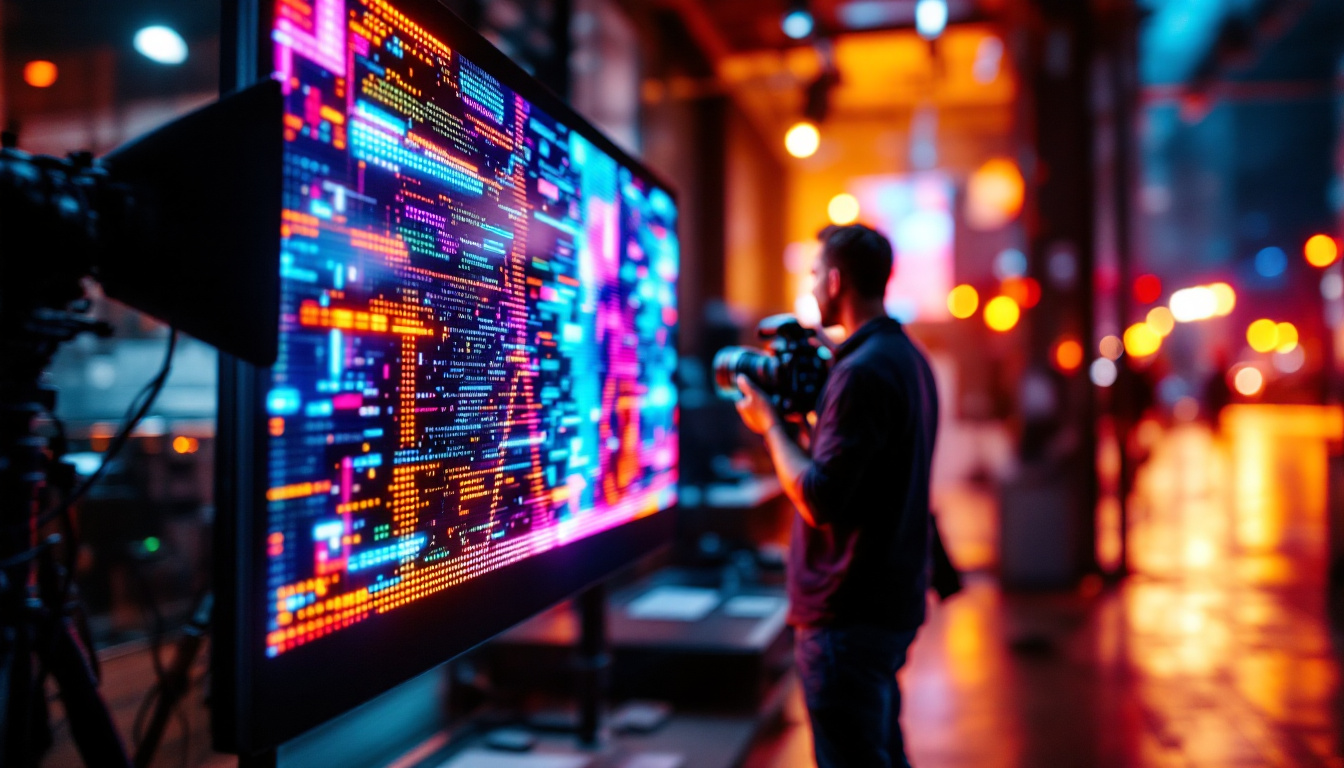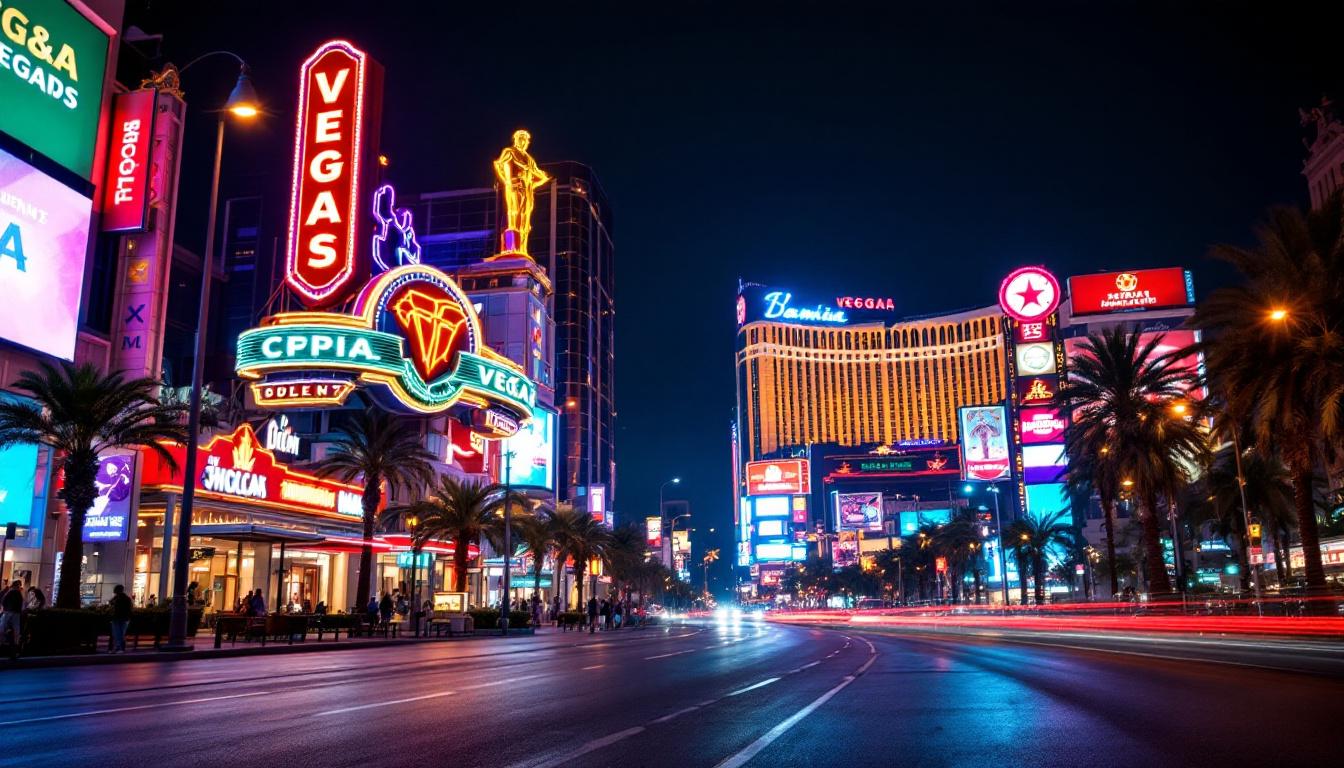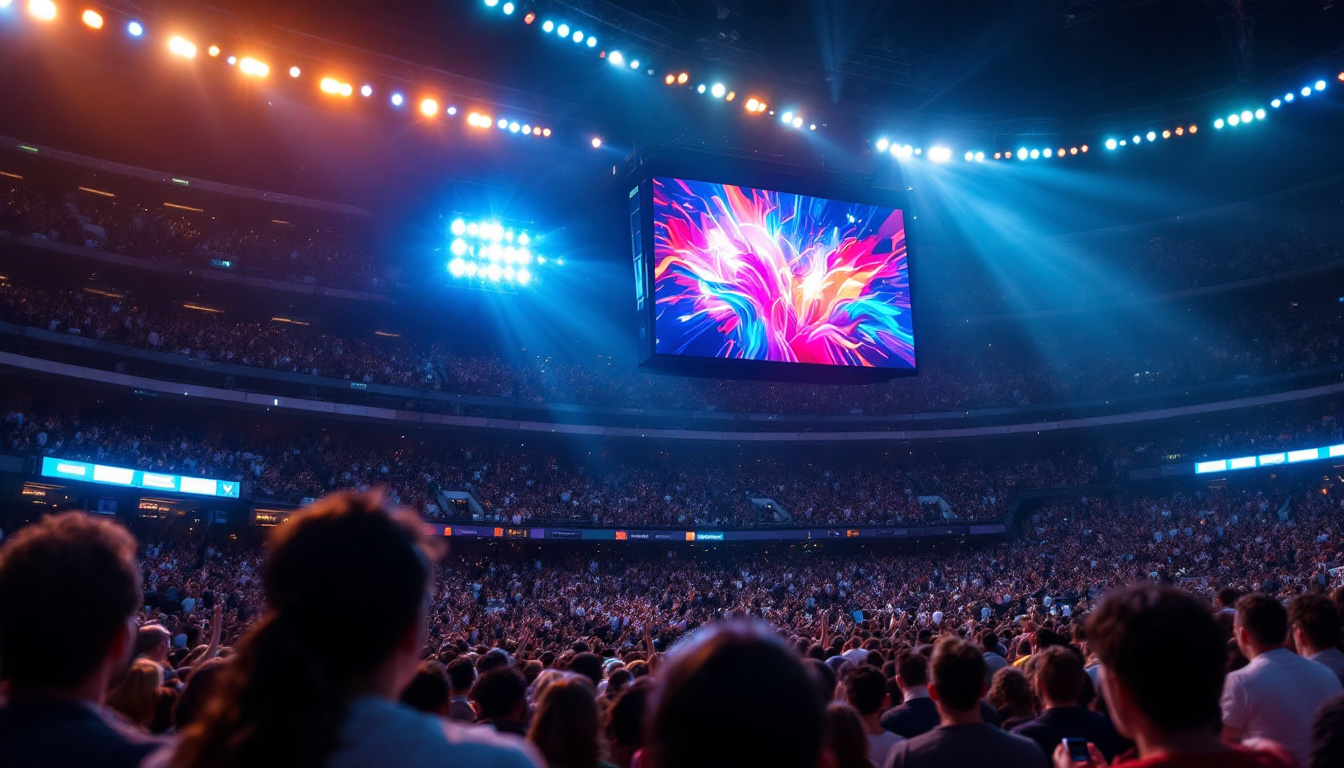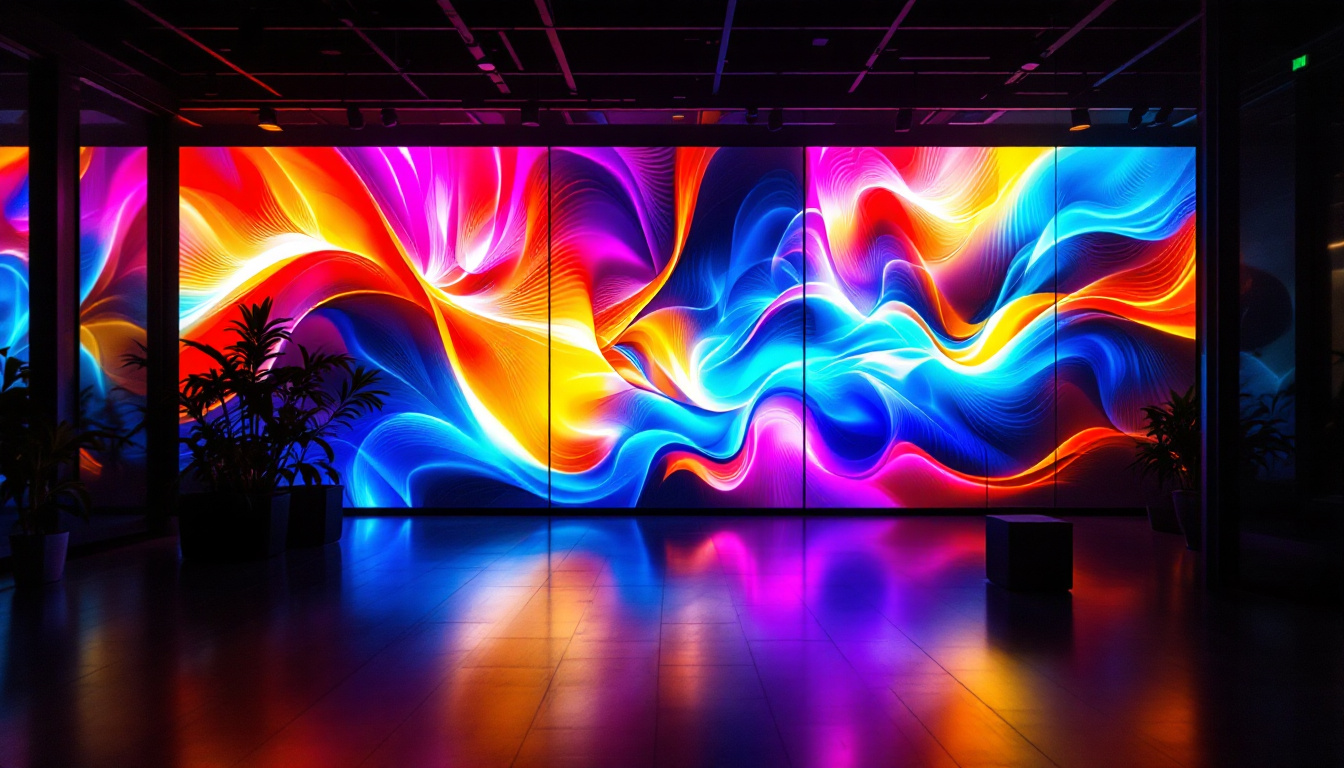
In recent years, LED video walls have gained immense popularity in various sectors, including entertainment, advertising, and corporate settings. Their vibrant colors, high resolution, and versatility make them an attractive option for businesses looking to enhance their visual communication. However, understanding the cost of LED video walls and the factors that influence pricing can be a complex task. This article delves into the intricacies of LED displays, providing insights into their costs, benefits, and applications.
Understanding LED Video Walls
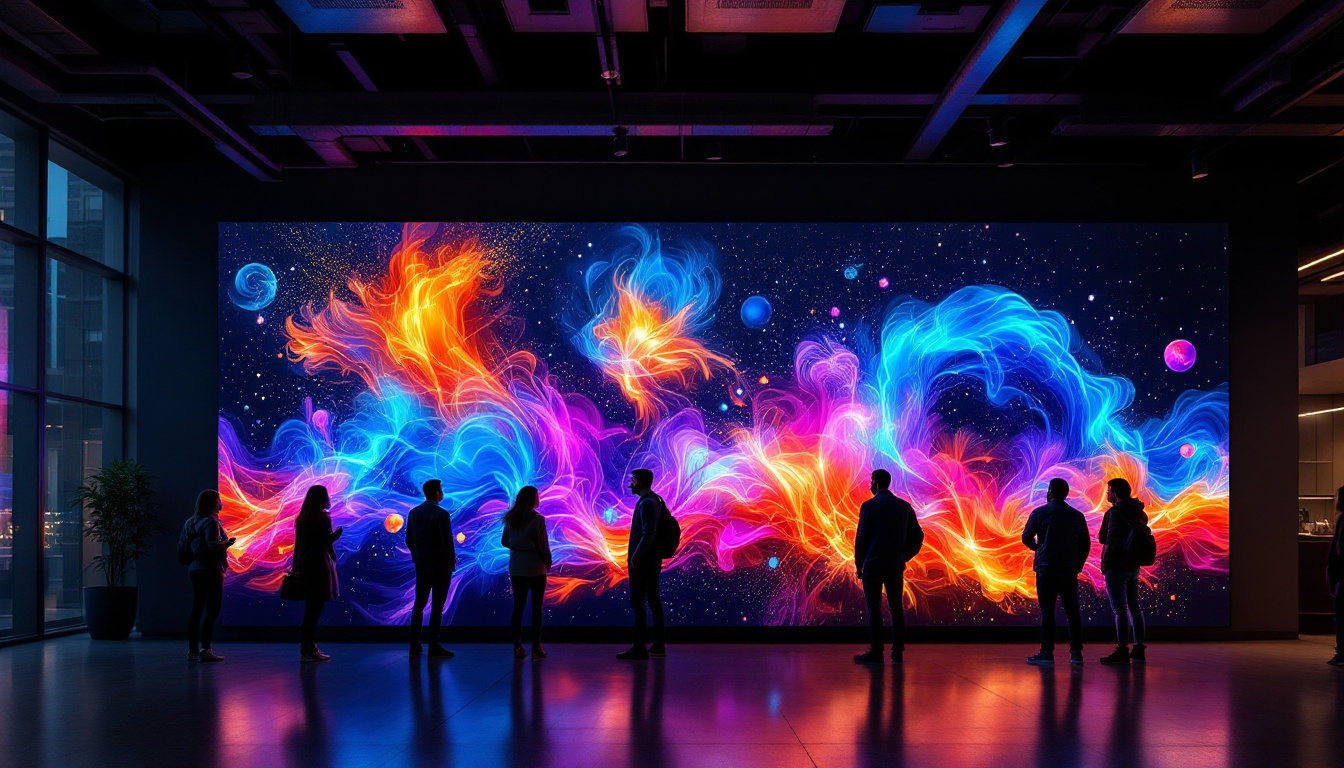
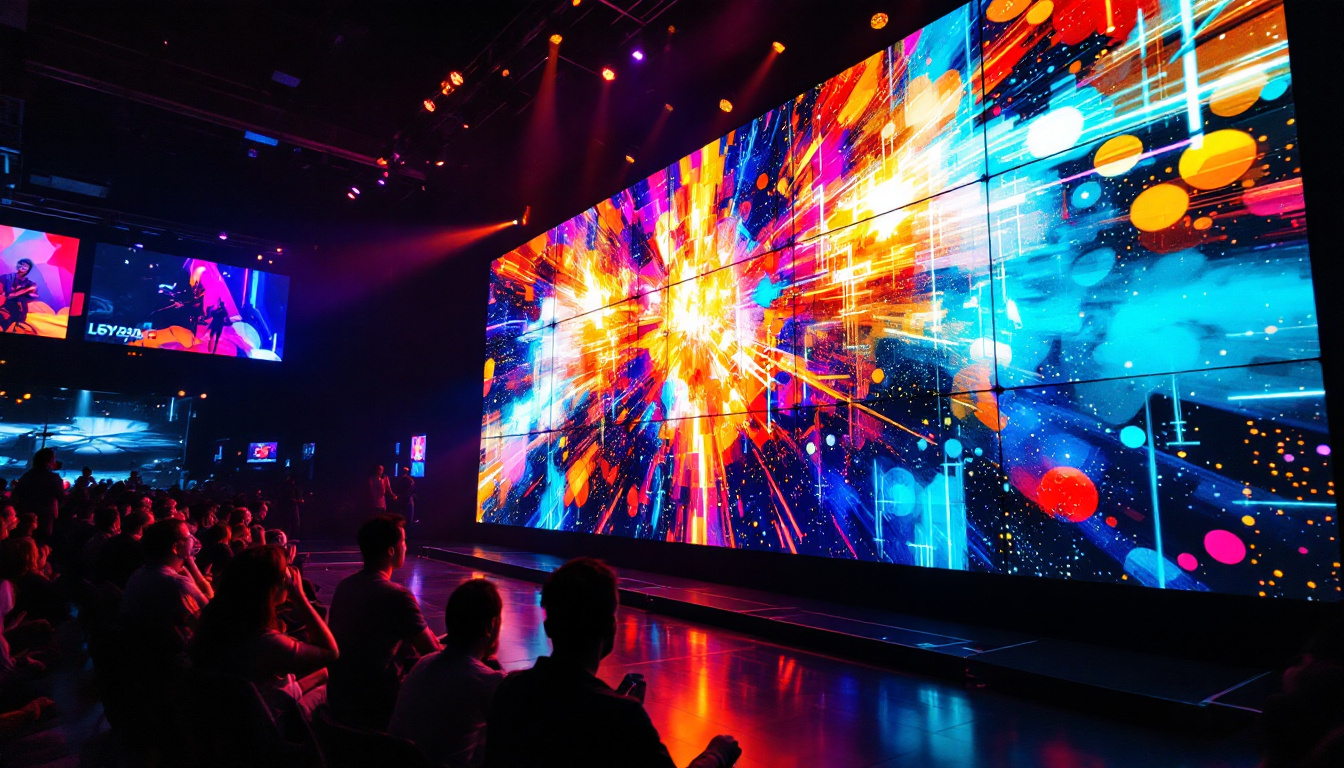
LED video walls consist of multiple LED panels that are seamlessly connected to form a larger display. These panels can be arranged in various configurations, allowing for flexibility in design and application. The technology behind LED displays has evolved significantly, leading to improvements in brightness, resolution, and energy efficiency. As a result, LED video walls have become a popular choice for various industries, including entertainment, advertising, and corporate communications. Their ability to deliver vibrant visuals and dynamic content has transformed the way brands engage with their audiences.
How LED Video Walls Work
At the core of an LED video wall is the light-emitting diode (LED) technology. Each panel is made up of thousands of tiny LEDs that emit light when an electric current passes through them. The combination of red, green, and blue LEDs allows for the creation of a full spectrum of colors. The panels are controlled by sophisticated software that synchronizes the content displayed across the entire wall, ensuring a cohesive visual experience. This technology not only allows for high-definition imagery but also supports real-time content updates, making it possible to display live feeds, interactive graphics, and engaging multimedia presentations.
Types of LED Video Walls
There are several types of LED video walls available in the market, each suited for different applications and environments. The most common types include:
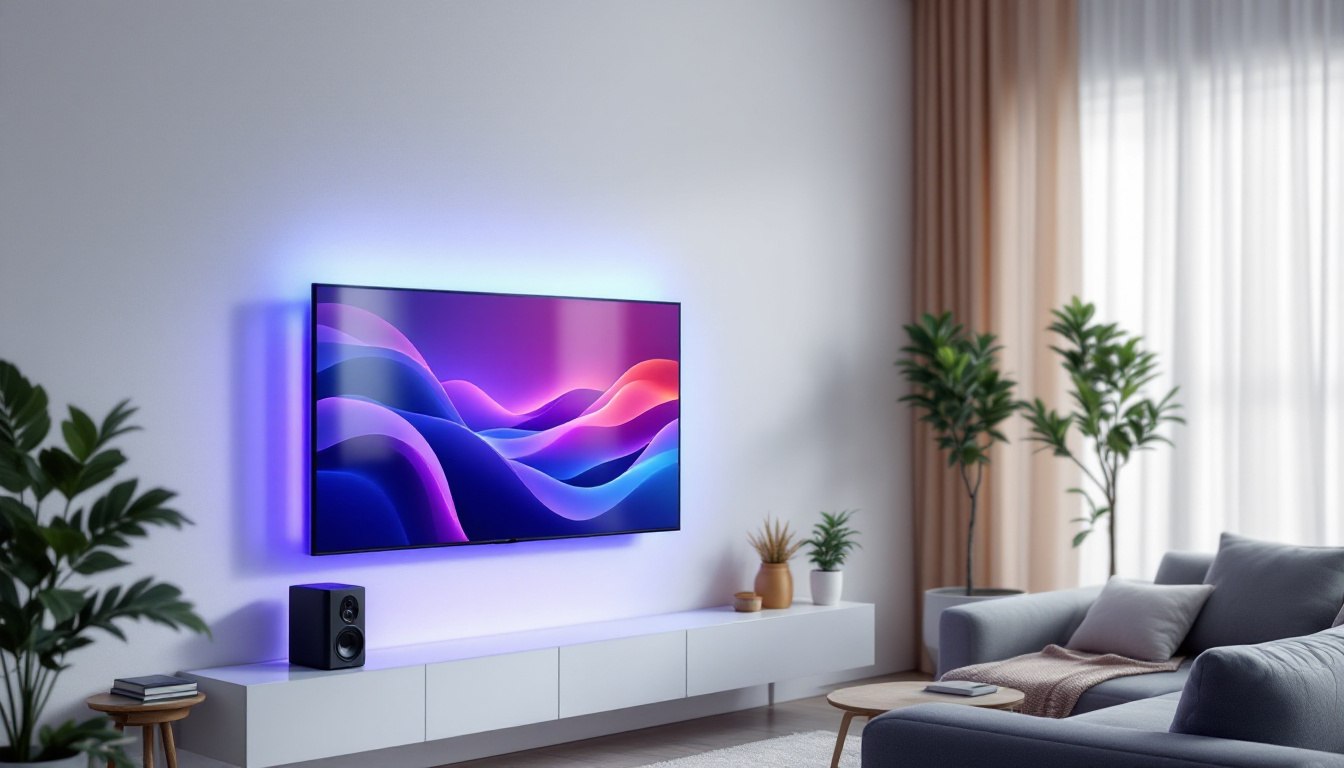
- Indoor LED Video Walls: These are designed for use in controlled environments like conference rooms, retail spaces, and theaters. They typically offer higher resolution and lower brightness levels, making them ideal for showcasing detailed visuals and presentations. Indoor LED walls are often used for corporate events, product launches, and immersive advertising experiences.
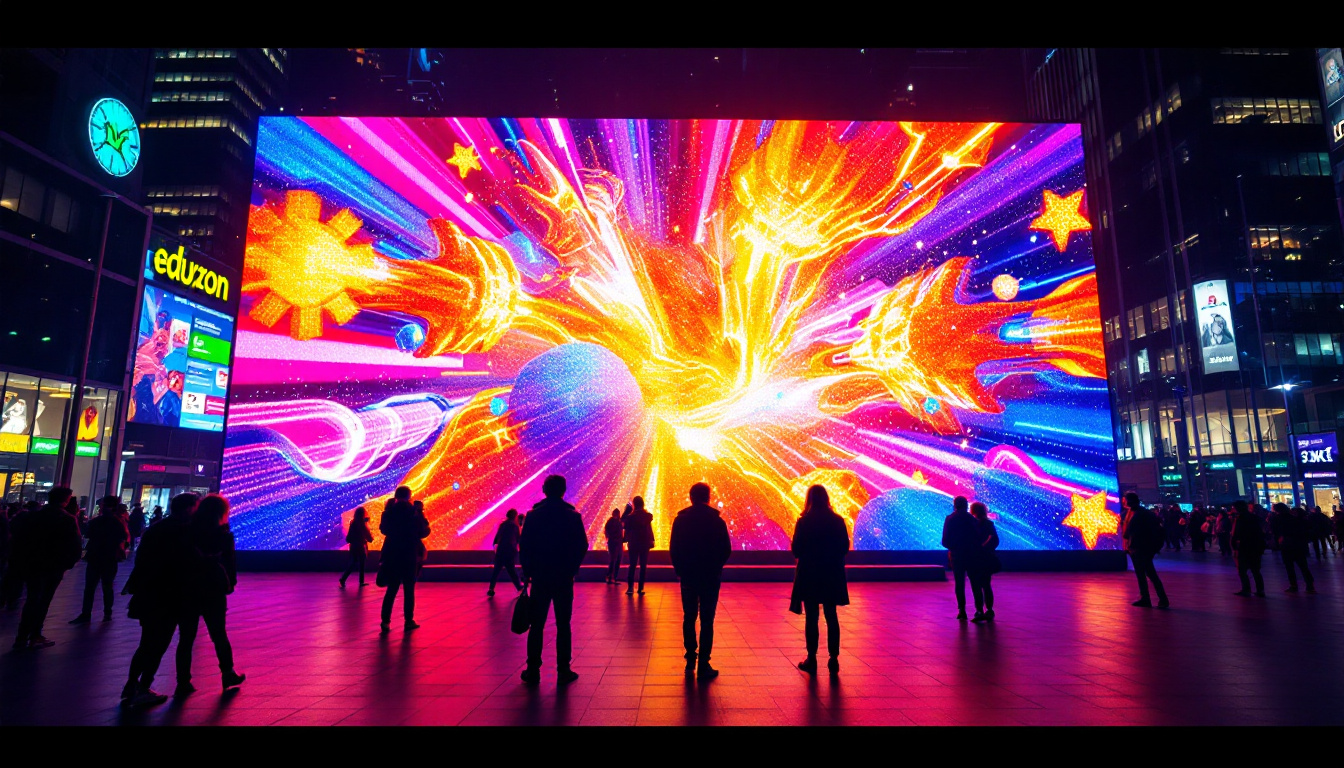
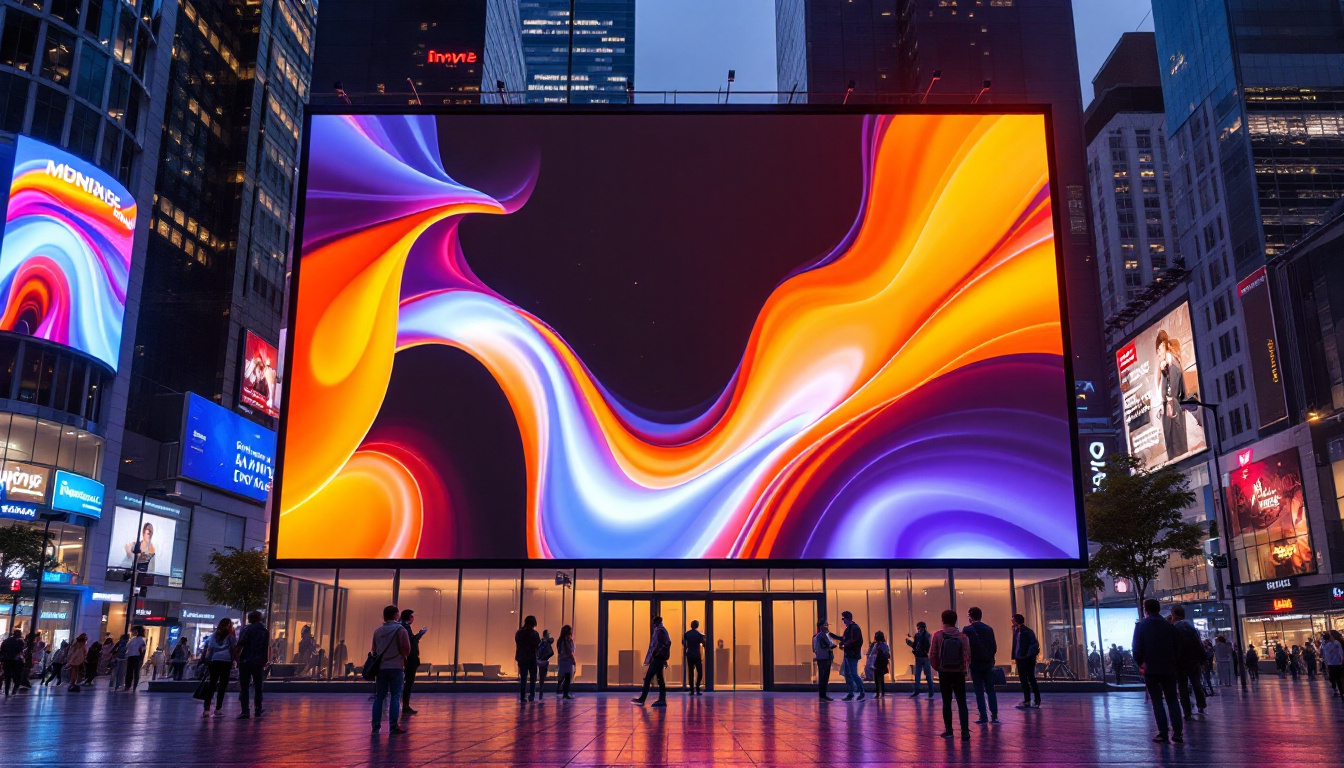
- Outdoor LED Video Walls: Built to withstand harsh weather conditions, these displays are brighter and more durable. They are commonly used for billboards, concerts, and sporting events. Outdoor LED video walls are engineered with protective coatings and robust housing to ensure longevity, even in extreme temperatures and exposure to the elements. Their high brightness levels allow them to be visible in direct sunlight, making them perfect for attracting attention in bustling urban environments.
- Flexible LED Video Walls: These panels can be bent and shaped to fit unique installations, making them ideal for creative displays in art installations or unconventional venues. Their adaptability allows designers to create stunning visual experiences that can wrap around corners or conform to irregular surfaces. This flexibility opens up a world of possibilities for artistic expression and innovative advertising strategies, enabling brands to stand out in a crowded marketplace.
Factors Influencing the Cost of LED Video Walls
The cost of an LED video wall can vary significantly based on several factors. Understanding these elements can help businesses make informed decisions when investing in this technology.
Resolution and Pixel Pitch
One of the primary factors affecting the cost of LED video walls is the resolution, which is determined by the pixel pitch. Pixel pitch refers to the distance between individual pixels on the display. A smaller pixel pitch results in a higher resolution, providing sharper images and more detail. However, higher resolution panels are generally more expensive. For instance, a video wall with a pixel pitch of 1.5mm will cost more than one with a pixel pitch of 3mm. Additionally, the choice of resolution can greatly impact the viewing distance; for close-up viewing, a finer pixel pitch is essential to avoid visible pixelation, while larger pitches may suffice for distant viewing. This consideration can help businesses tailor their investment to their specific audience and application needs.
Size and Configuration
The overall size of the video wall and its configuration also play a crucial role in determining the cost. Larger displays require more panels, which increases the overall price. Additionally, custom configurations, such as curved or irregular shapes, may incur additional costs due to the complexity of installation and the need for specialized equipment. The layout of the video wall can also affect its effectiveness; for example, a multi-screen setup can create a more immersive experience but may require advanced video processing technology to ensure seamless content delivery across screens. This added technology can further elevate costs, but it often results in a more engaging visual presentation that can captivate audiences.
Installation and Maintenance Costs
Installation costs can vary based on the complexity of the setup and the location. Factors such as mounting structures, electrical work, and cabling can add to the overall expense. Furthermore, ongoing maintenance is essential to ensure the longevity of the display. Regular servicing, replacement of faulty components, and cleaning can contribute to the total cost over time. It’s also worth noting that some manufacturers offer extended warranties or service contracts, which can mitigate long-term maintenance costs but may require an upfront investment. Businesses should weigh these options carefully, as a well-maintained video wall can provide years of reliable service and high-quality visuals, ultimately justifying the initial expenditure. Additionally, training staff to operate and troubleshoot the system can also influence costs, as ensuring that personnel are well-equipped to handle minor issues can reduce reliance on external service providers.
Benefits of Investing in LED Video Walls
Despite the initial investment, LED video walls offer numerous benefits that can justify their cost. Businesses should consider these advantages when evaluating whether to implement this technology.
High Visibility and Impact
LED video walls are known for their brightness and clarity, making them highly visible even in well-lit environments. This visibility is crucial for attracting attention in crowded spaces, such as shopping malls or busy streets. The vibrant colors and dynamic content displayed on LED walls can create a significant impact, enhancing brand visibility and engagement.
Versatility in Content Display
Another significant advantage of LED video walls is their versatility. They can display a wide range of content, from promotional videos to live feeds and interactive graphics. This adaptability allows businesses to tailor their messaging to different audiences and events, maximizing the effectiveness of their visual communication strategies.
Energy Efficiency
Modern LED technology is designed to be energy-efficient, consuming less power compared to traditional display methods. This efficiency not only reduces operational costs but also minimizes the environmental impact, making LED video walls a sustainable choice for businesses looking to enhance their green initiatives.
Cost Breakdown of LED Video Walls
To provide a clearer understanding of the costs associated with LED video walls, it is helpful to break down the expenses into specific categories. This breakdown can assist businesses in budgeting and planning for their investment.
Initial Purchase Costs
The initial purchase cost of an LED video wall typically includes the price of the panels, control systems, and any necessary accessories. On average, the cost per square foot for indoor LED displays can range from $1,000 to $3,000, while outdoor displays may cost between $2,000 and $5,000 per square foot, depending on the resolution and pixel pitch.
Installation Costs
Installation costs can vary based on the complexity of the project. Basic installations may start around $500 to $1,500, while more intricate setups, such as those requiring custom mounting solutions or extensive electrical work, can exceed $5,000. It is essential to account for these costs when budgeting for an LED video wall.
Maintenance and Operational Costs
Ongoing maintenance is a crucial aspect of owning an LED video wall. Regular maintenance costs can range from $200 to $1,000 annually, depending on the usage and environment. Additionally, operational costs, including electricity and content management software, should also be factored into the overall budget.
Return on Investment (ROI) for LED Video Walls
Investing in an LED video wall can yield significant returns, making it a worthwhile consideration for businesses. Understanding the potential ROI can help justify the initial costs and ongoing expenses.
Increased Engagement and Sales
One of the most compelling reasons to invest in an LED video wall is the potential for increased customer engagement. Studies have shown that dynamic visual displays can capture attention more effectively than static signage. This heightened engagement can lead to increased foot traffic, higher sales, and improved brand recognition.
Enhanced Brand Image
Incorporating an LED video wall into a business’s marketing strategy can enhance its brand image. A modern, high-quality display conveys professionalism and innovation, making a positive impression on customers. This perception can lead to increased trust and loyalty, further contributing to long-term success.
Cost Savings Over Time
While the upfront costs of an LED video wall may be significant, the long-term savings can offset these expenses. Energy efficiency, reduced printing costs for traditional signage, and lower maintenance requirements can lead to substantial savings over time. Businesses that invest in LED technology often find that the benefits far outweigh the initial investment.
Conclusion
In summary, LED video walls represent a powerful tool for businesses seeking to enhance their visual communication and brand presence. While the costs associated with purchasing, installing, and maintaining these displays can be substantial, the benefits they provide in terms of visibility, engagement, and ROI make them a worthwhile investment. By understanding the factors that influence pricing and the potential returns, businesses can make informed decisions about integrating LED video walls into their marketing strategies.
As technology continues to evolve, LED video walls will likely become even more accessible and affordable, further solidifying their place in the future of visual communication. For businesses looking to stay ahead of the curve, investing in this innovative technology may be the key to unlocking new opportunities and driving success.
Explore Cutting-Edge LED Display Solutions with LumenMatrix
Ready to elevate your visual communication and captivate your audience with unparalleled clarity and impact? Discover LumenMatrix’s innovative LED display technology, designed to transform any space into a dynamic visual spectacle. From Indoor and Outdoor LED Wall Displays to specialized solutions like Vehicle, Sports, and Floor LED Displays, LumenMatrix offers a wide range of products to meet your specific needs. Embrace the future of digital signage with Custom, All-in-One, and Transparent LED Displays that promise to revolutionize your brand’s presence. Check out LumenMatrix LED Display Solutions today and start creating unforgettable visual experiences.