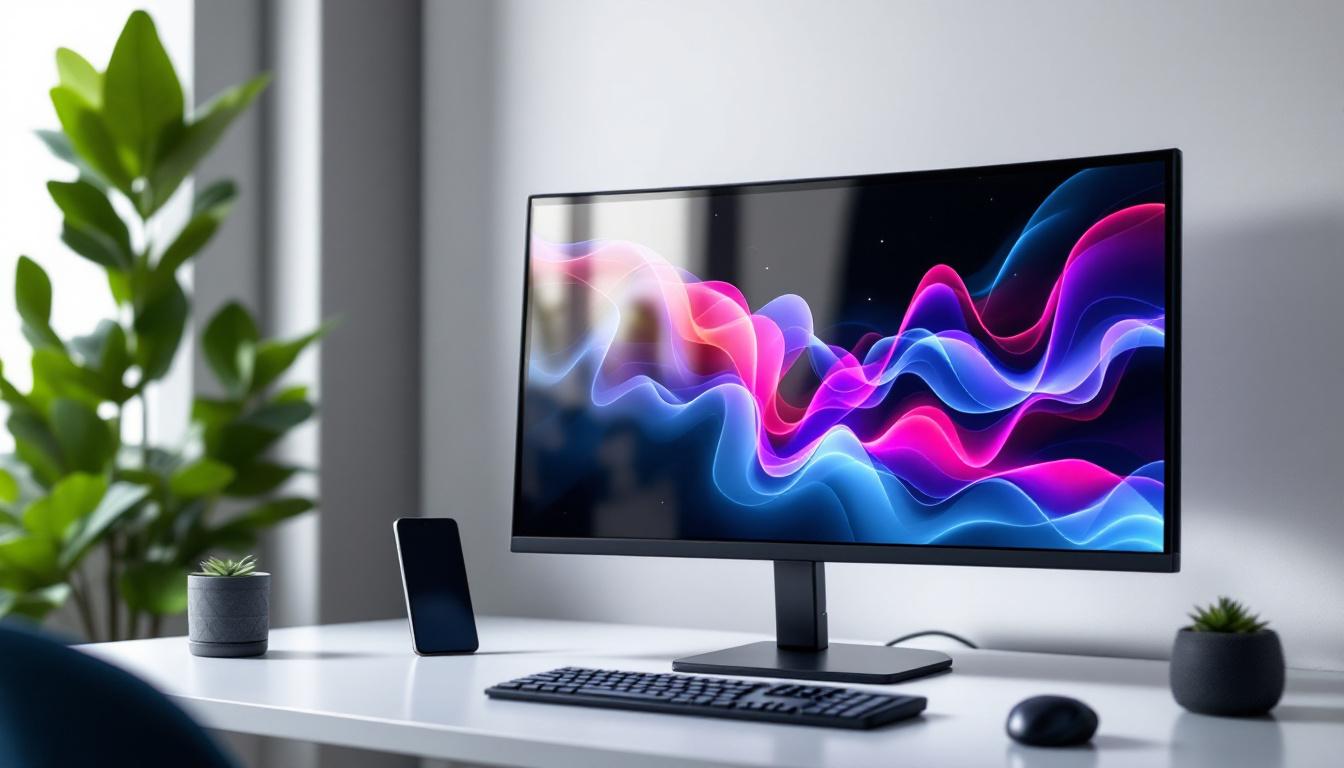
In recent years, the fusion of curved monitors, touchscreen technology, and LED displays has revolutionized the way users interact with digital content. Whether for professional environments, gaming, or creative work, these advanced displays offer a blend of ergonomic design, intuitive control, and vibrant visuals. This article explores the technology behind curved touchscreen LED monitors, their benefits, and what to consider when choosing one for your needs.
Understanding Curved Monitors: Design and Benefits
Curved monitors have gained significant popularity due to their immersive viewing experience. Unlike traditional flat screens, curved monitors feature a concave design that wraps around the viewer’s field of vision. This curvature is measured in radius (e.g., 1800R or 1500R), indicating how sharply the screen bends. The design not only enhances aesthetics but also serves a functional purpose, as it can create a more engaging environment for both work and play.
The primary advantage of a curved monitor is its ability to reduce eye strain and enhance depth perception. By aligning more naturally with the human eye’s shape, curved screens minimize distortion and glare at the edges, creating a more comfortable and engaging viewing experience. This is especially beneficial for large displays, typically 27 inches and above, where flat screens can cause peripheral vision fatigue. Additionally, the curvature can help in reducing reflections from ambient light sources, making it easier to focus on the screen without distractions.
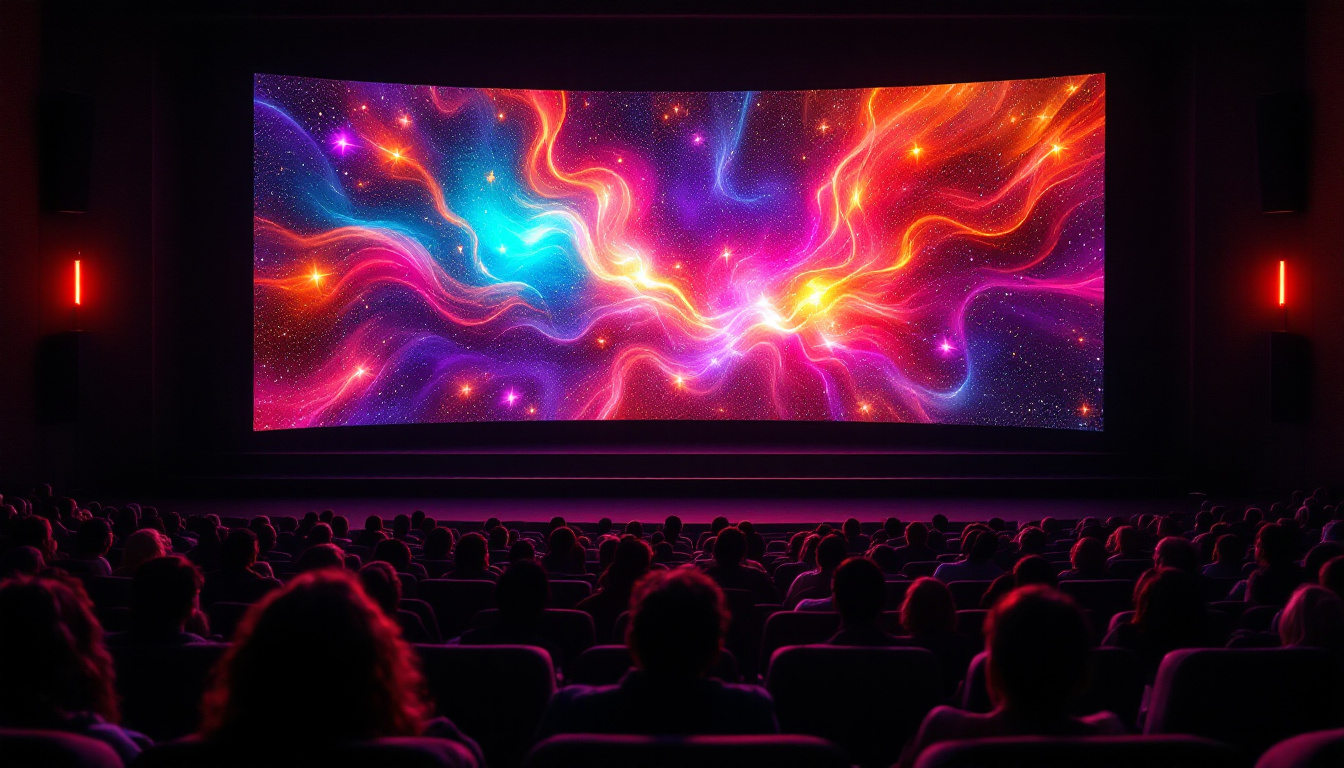
For professionals working with detailed graphics or multiple windows, curved monitors help maintain consistent focus across the entire screen. Gamers also appreciate the increased immersion, as the wraparound effect draws them deeper into virtual worlds. The enhanced field of view provided by these monitors can lead to improved reaction times in competitive gaming scenarios, as players can more easily track movements and changes in their environment.
Curvature Radius and Screen Size
The curvature radius plays a crucial role in user experience. A smaller radius (e.g., 1000R) means a more pronounced curve, which can be ideal for gaming or ultra-wide monitors, while a larger radius (e.g., 3000R) offers a subtler curve suited for general productivity. Selecting the right curvature depends on personal preference and the intended use case. For instance, a gamer might prefer a tighter curve for a more enveloping experience, while a graphic designer might opt for a gentler curve to maintain a more linear perspective when editing images.
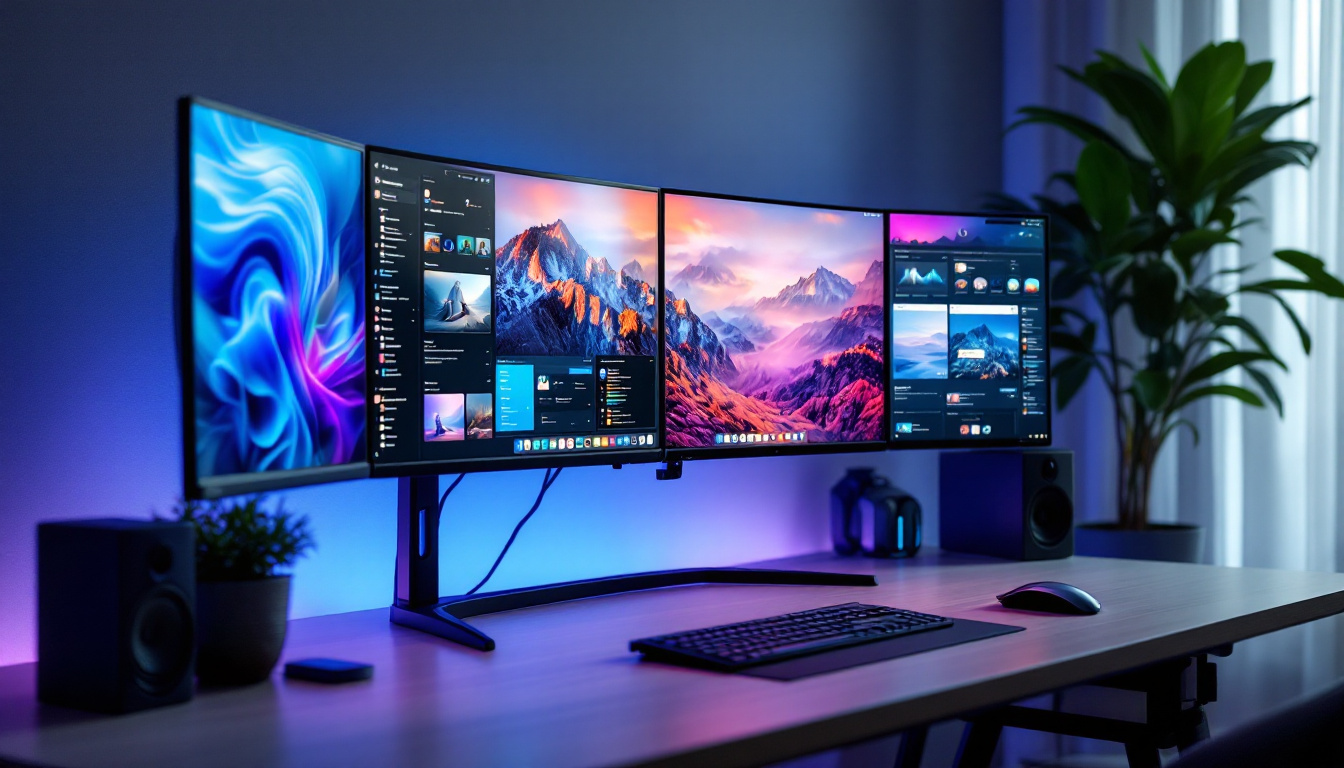
Moreover, the size of the monitor also influences the effectiveness of the curvature. Larger monitors, particularly those in the 34-inch range or greater, can take full advantage of the curved design, allowing users to experience a panoramic view that feels more natural. This is particularly useful in multi-monitor setups, where a curved monitor can seamlessly integrate with other displays, reducing visual breaks and enhancing workflow. As technology advances, manufacturers continue to innovate in this space, introducing features like adjustable curvature and improved panel technologies that further enhance the user experience.
Touchscreen Technology on Curved Monitors
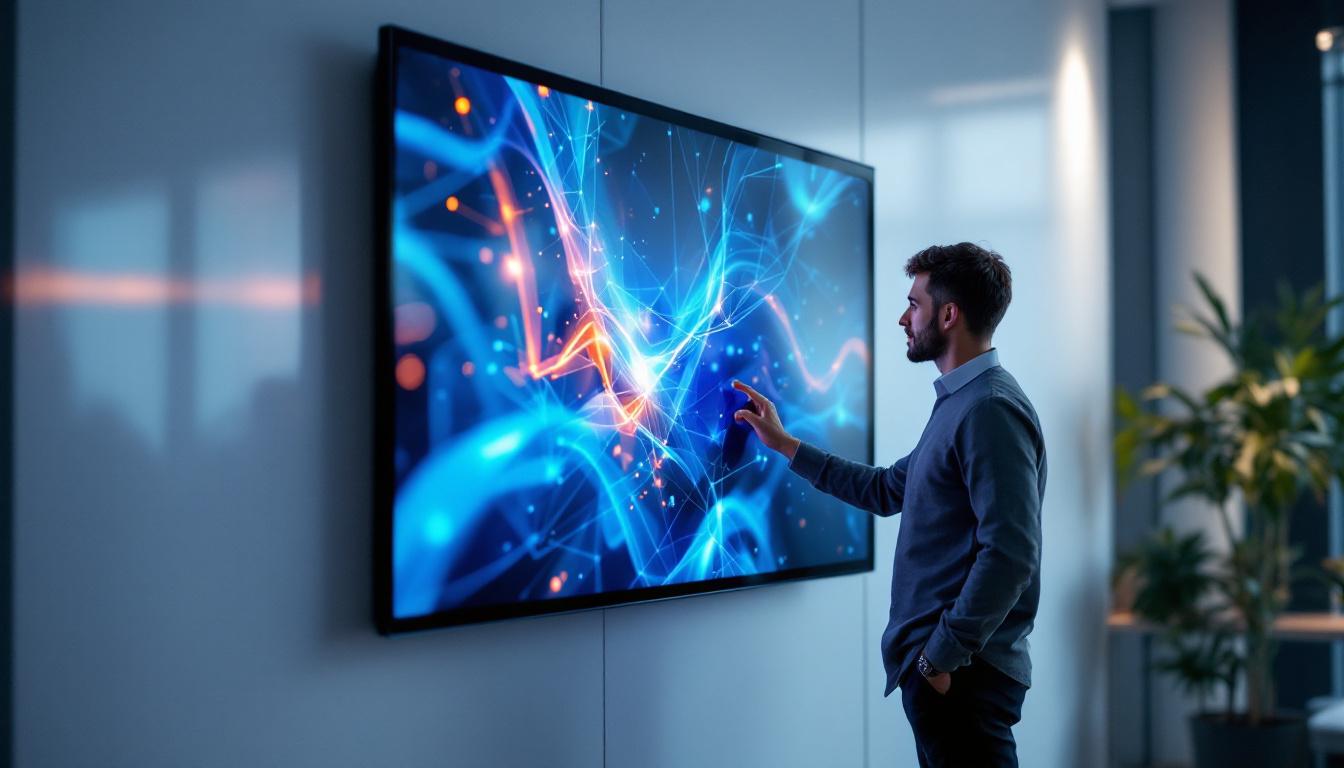
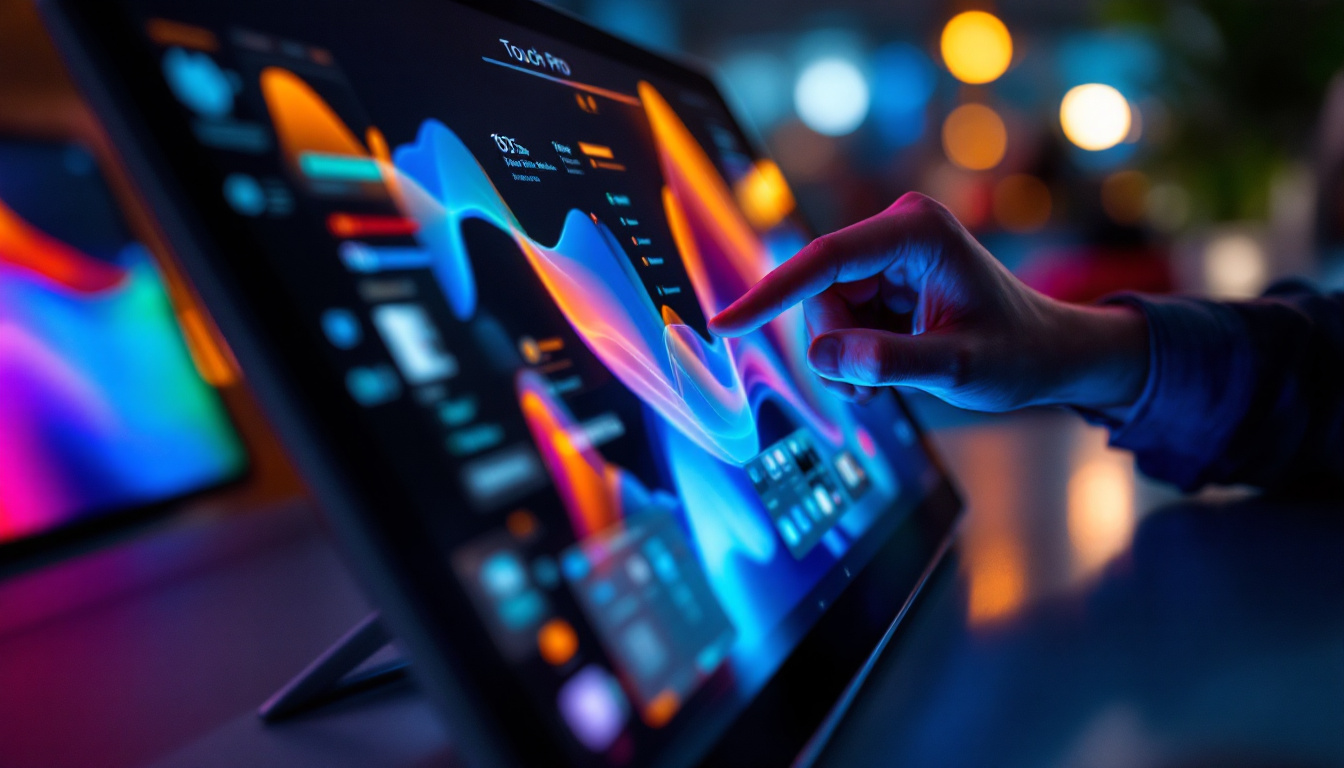
Adding touchscreen capabilities to curved monitors enhances interactivity, allowing users to manipulate content directly on the screen. This combination is particularly useful in sectors such as design, education, and retail, where intuitive control and collaboration are paramount.
Touchscreens on curved monitors typically employ capacitive technology, which detects the electrical properties of the human finger. This method supports multi-touch gestures, enabling users to zoom, rotate, and swipe with ease. The integration of touch sensors on a curved surface presents unique engineering challenges, but advances in flexible sensor materials and precision calibration have made it increasingly viable.
Applications of Curved Touchscreen Monitors
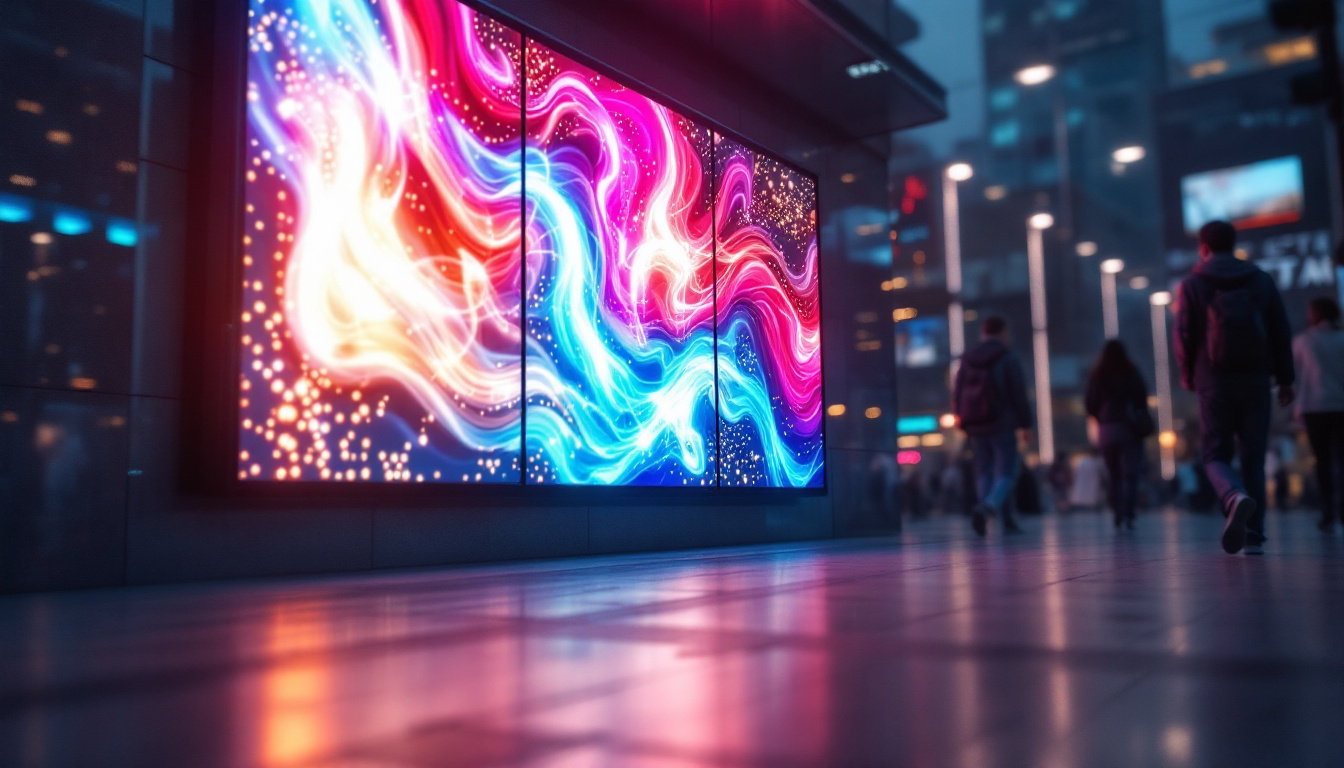
Curved touchscreen monitors are transforming various industries. In education, they facilitate interactive lessons and group activities. Retail environments use them for engaging digital signage and self-service kiosks. Creative professionals benefit from the tactile control when editing images or drafting designs, enhancing workflow efficiency.
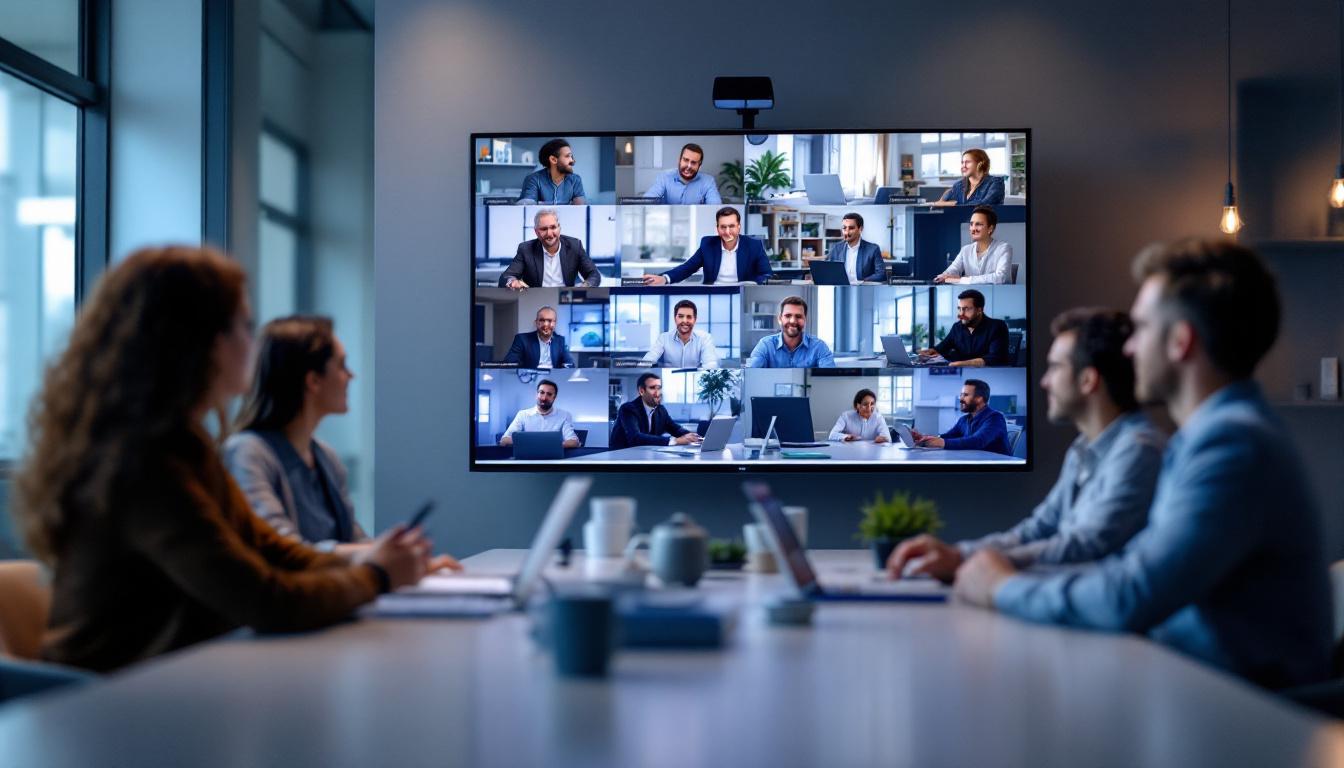
Moreover, in corporate settings, these monitors support collaborative meetings and presentations, allowing participants to annotate and navigate content seamlessly. The ergonomic advantages of the curved design combined with touch interaction make these monitors a versatile tool for modern workplaces.
LED Display Technology Explained
LED (Light Emitting Diode) technology is the backbone of modern monitor displays. Unlike older LCDs that rely on cold cathode fluorescent lamps (CCFL) for backlighting, LED displays use an array of LEDs to illuminate the screen. This shift has brought significant improvements in brightness, color accuracy, energy efficiency, and lifespan.
LED displays can be categorized mainly into two types: edge-lit and full-array. Edge-lit LED monitors place LEDs along the edges of the screen, using light guides to distribute illumination. Full-array LED monitors embed LEDs uniformly behind the entire screen area, enabling precise local dimming and superior contrast ratios.
Advantages of LED Displays in Curved Touchscreen Monitors
The integration of LED displays in curved touchscreen monitors offers several advantages:
- Enhanced Brightness and Contrast: LED backlighting provides brighter images and deeper blacks, crucial for vibrant visuals and detailed content.
- Energy Efficiency: LEDs consume less power than traditional backlighting methods, reducing operational costs and environmental impact.
- Slimmer Design: LED technology allows for thinner panels, which complements the sleek aesthetic of curved monitors.
- Improved Color Accuracy: Many LED displays support wide color gamuts and HDR (High Dynamic Range), delivering lifelike images.
Key Features to Consider When Choosing a Curved Touchscreen LED Monitor
Selecting the right curved touchscreen LED monitor depends on several critical factors tailored to user needs. Understanding these features ensures optimal performance and satisfaction.
Screen Size and Resolution
The size of the monitor should match the workspace and usage scenario. Larger screens (32 inches and above) benefit more from curvature, enhancing immersion and productivity. Resolution is equally important; higher resolutions like 4K (3840 x 2160 pixels) provide sharper images and more screen real estate, ideal for detailed work and multitasking.
Touchscreen Responsiveness and Accuracy
Touchscreen quality varies across models. Look for monitors with low latency and high touch accuracy to ensure smooth interaction. Multi-touch support is essential for advanced gestures and collaborative environments.
Refresh Rate and Response Time
For gamers and video editors, refresh rate and response time are crucial. Higher refresh rates (120Hz or above) offer smoother motion, while low response times (under 5ms) reduce motion blur and ghosting.
Connectivity Options
Modern curved touchscreen LED monitors should offer versatile connectivity, including HDMI, DisplayPort, USB-C, and USB hubs. USB-C ports are particularly valuable for single-cable connections to laptops and mobile devices, delivering video, data, and power simultaneously.
Ergonomics and Adjustability
Adjustable stands that allow tilt, swivel, height adjustment, and pivot enhance comfort during prolonged use. Some models also support VESA mounting for flexible setup options.
Durability and Warranty
Given the investment, choosing a monitor with robust build quality and a comprehensive warranty is advisable. Touchscreens require protection against scratches and fingerprints, so features like anti-glare coatings and durable glass are beneficial.
Popular Use Cases and Industry Examples
Curved touchscreen LED monitors have found applications across diverse fields, each leveraging the unique benefits of this technology.
Creative and Design Professionals
Graphic designers, video editors, and architects benefit from the combination of curved displays and touch input. The curved screen reduces distortion, while touch controls enable precise manipulation of design elements. Adobe Creative Cloud users, for example, report increased efficiency when using these monitors for detailed photo retouching and 3D modeling.
Gaming and Entertainment
Gamers seek immersive experiences, and curved touchscreen LED monitors deliver by wrapping the game environment around the player. Touchscreen functionality adds new interaction possibilities, such as quick menu navigation and in-game controls. Leading gaming brands have released curved monitors with refresh rates exceeding 144Hz and HDR support, enhancing realism and responsiveness.
Education and Collaboration
Interactive curved touchscreen monitors are transforming classrooms and meeting rooms. They support dynamic teaching methods, allowing students to engage directly with content. In corporate settings, these monitors facilitate brainstorming sessions and presentations, improving communication and collaboration.
Retail and Public Spaces
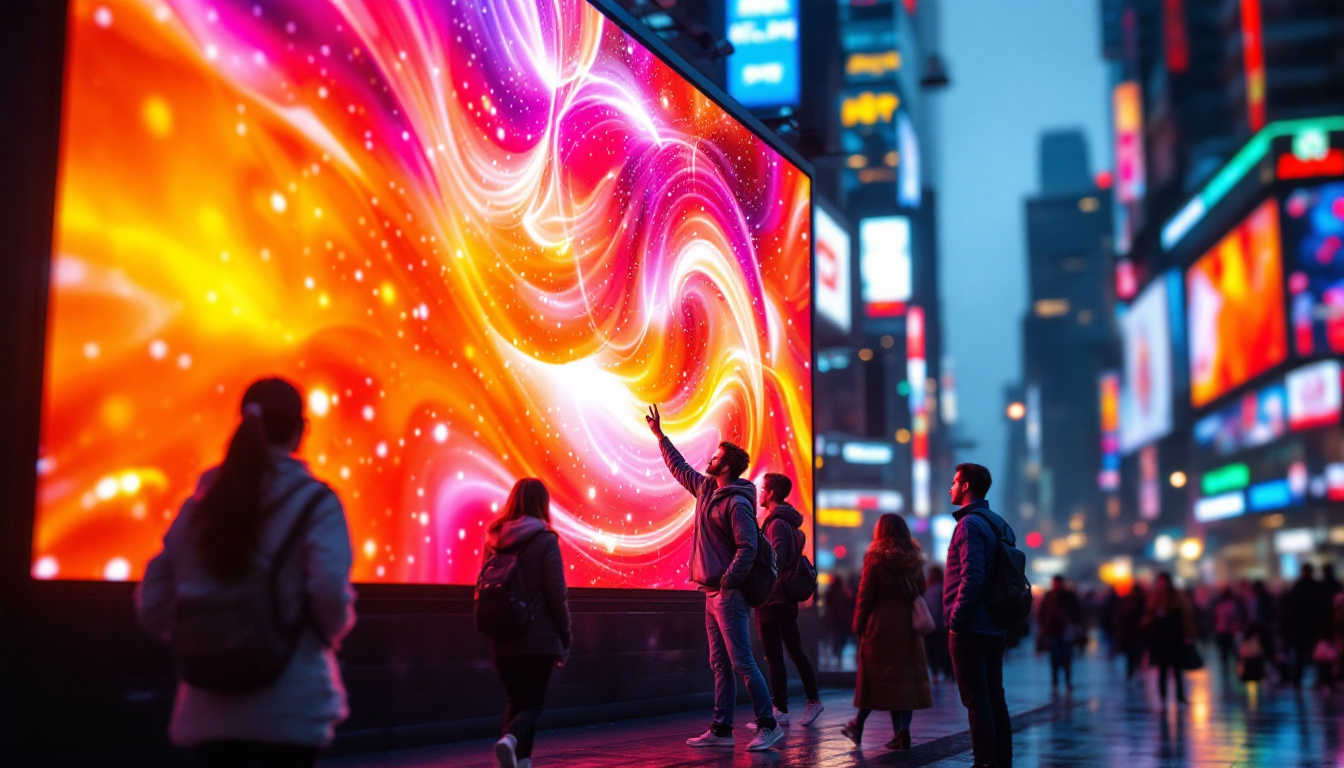
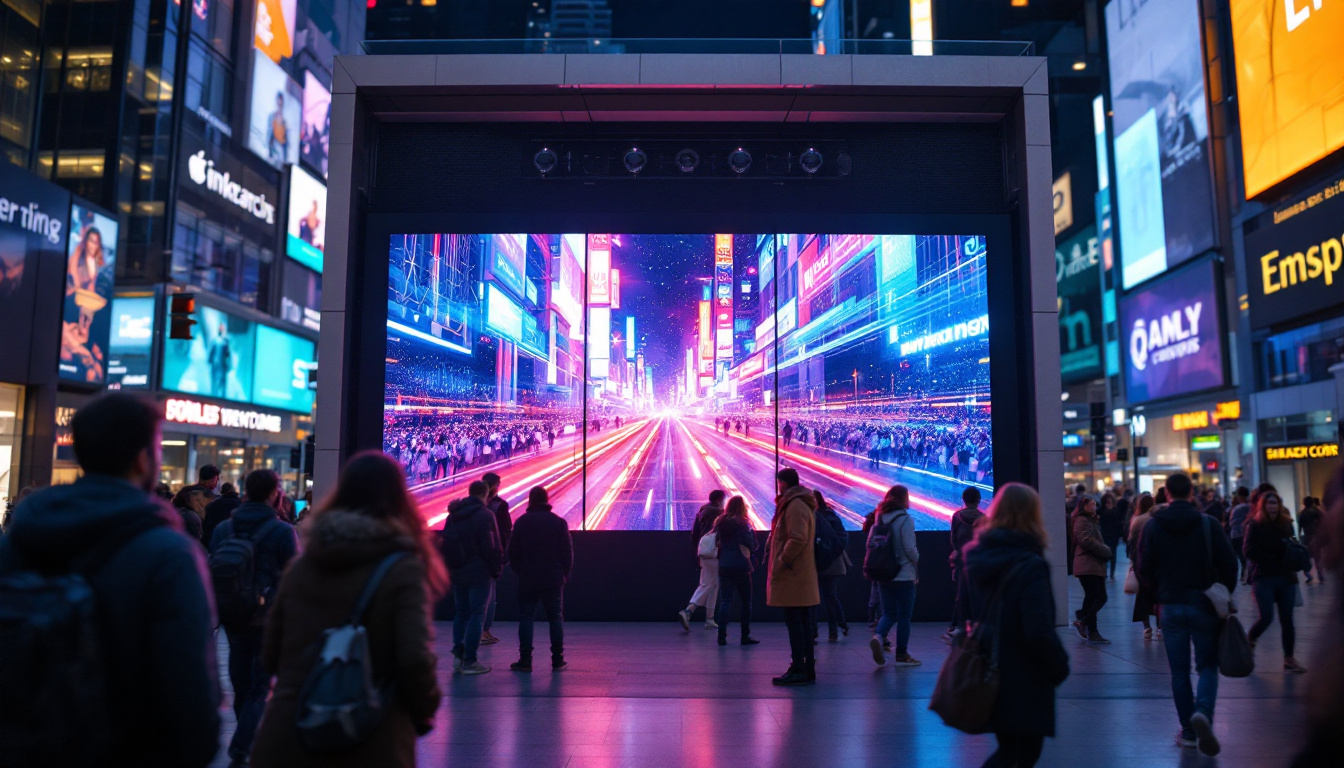
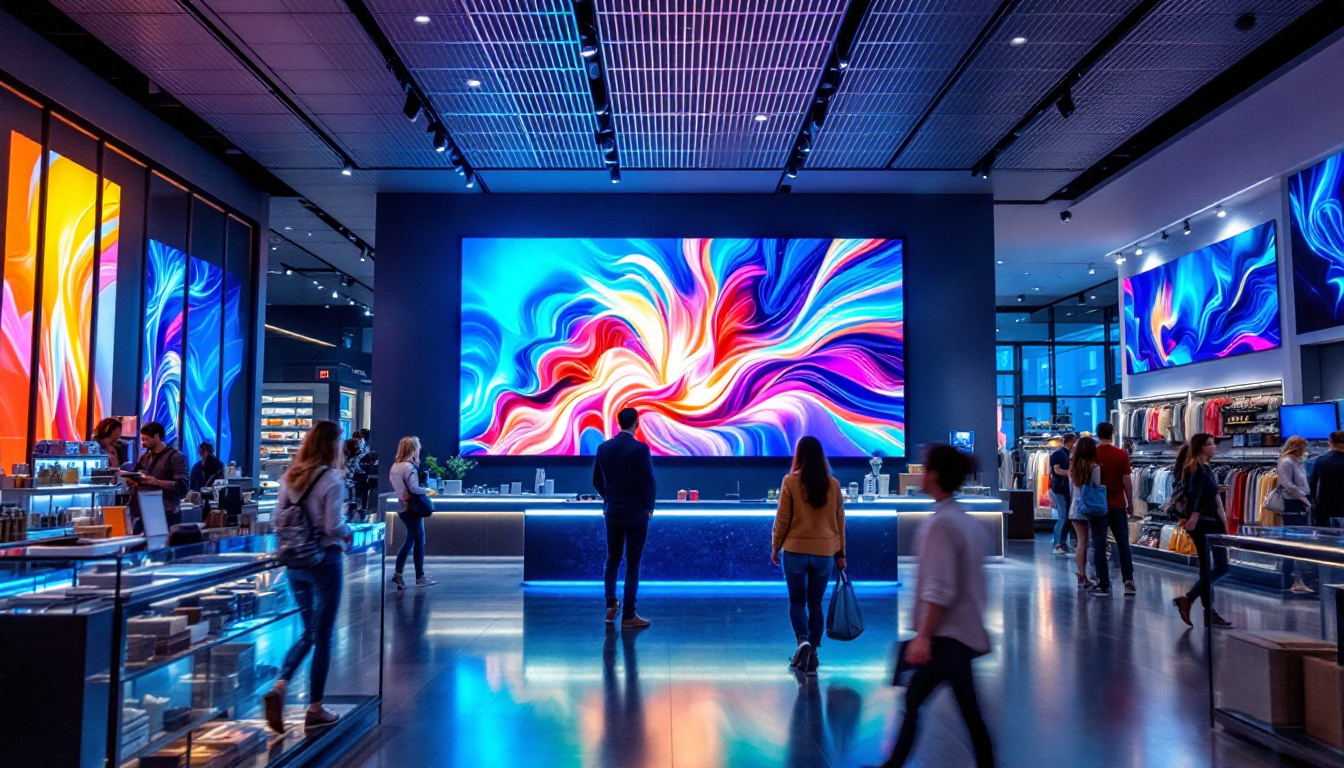
Retailers use curved touchscreen LED displays for digital signage and self-service kiosks, attracting customers with vivid visuals and intuitive interfaces. The curved design draws attention, while touch input simplifies navigation through product catalogs and promotions.
Future Trends in Curved Touchscreen LED Displays
The display industry continues to evolve rapidly, with several emerging trends shaping the future of curved touchscreen LED monitors.
Flexible and Foldable Displays
Advancements in OLED and microLED technology are paving the way for flexible and foldable curved touchscreen monitors. These displays promise greater portability and adaptability, potentially transforming how and where monitors are used.
Higher Refresh Rates and Resolution
As content quality improves, demand for higher refresh rates and resolutions grows. Upcoming models are expected to support 8K resolution and refresh rates beyond 240Hz, catering to professional and gaming markets.
Enhanced Touch and Gesture Recognition
Future touchscreens will incorporate more sophisticated gesture recognition, including air gestures and haptic feedback, creating more immersive and natural user interactions.
Integration with AI and Smart Features
Artificial intelligence will play a larger role in optimizing display settings based on user preferences and ambient conditions. Smart monitors may also integrate voice control and advanced collaboration tools.
Conclusion
Curved touchscreen LED monitors represent a significant advancement in display technology, merging ergonomic design, interactive control, and superior visual performance. Their versatility makes them suitable for a wide range of applications, from creative work and gaming to education and retail. Understanding the underlying technologies and key features helps users make informed decisions tailored to their needs.
As innovation continues, these monitors will become even more integral to how people work, play, and communicate, offering richer and more intuitive digital experiences.
Discover the Future of Display Technology with LumenMatrix
Ready to elevate your visual experience with the latest in curved touchscreen LED monitors? LumenMatrix is at the forefront of LED display innovation, offering a wide array of solutions that bring your content to life. From immersive Indoor LED Wall Displays to dynamic Outdoor LED Wall Displays and beyond, our mission is to transform your visual communication with unparalleled clarity and impact. Don’t miss out on the opportunity to captivate your audience—check out LumenMatrix LED Display Solutions today and join the revolution in display technology.