In the realm of modern technology, LED displays have become ubiquitous, transforming the way we interact with our devices. From televisions to computer monitors, the clarity and vibrancy of LED technology have made it a preferred choice for consumers and professionals alike. This article delves into the intricacies of LED displays, exploring their structure, functionality, and the advantages they offer over traditional display technologies.
Understanding LED Technology
Light Emitting Diodes (LEDs) are semiconductor devices that emit light when an electric current passes through them. This fundamental principle underpins the operation of LED displays, which utilize a matrix of these diodes to create images and videos. Unlike traditional cathode ray tube (CRT) displays, which rely on phosphors and electron beams, LED displays offer a more efficient and versatile solution. The energy efficiency of LEDs is particularly noteworthy; they consume significantly less power compared to their CRT counterparts, making them an environmentally friendly choice that contributes to lower energy bills and reduced carbon footprints.
How LEDs Work
At the core of LED technology is the p-n junction, a boundary between two types of semiconductor material. When voltage is applied, electrons from the n-type material recombine with holes in the p-type material, releasing energy in the form of photons. This process creates light, which can be manipulated to produce various colors by using different semiconductor materials. The ability to fine-tune the materials used in the p-n junction allows manufacturers to create LEDs that emit light across the entire visible spectrum, as well as in ultraviolet and infrared ranges, expanding their applications beyond just display technology.
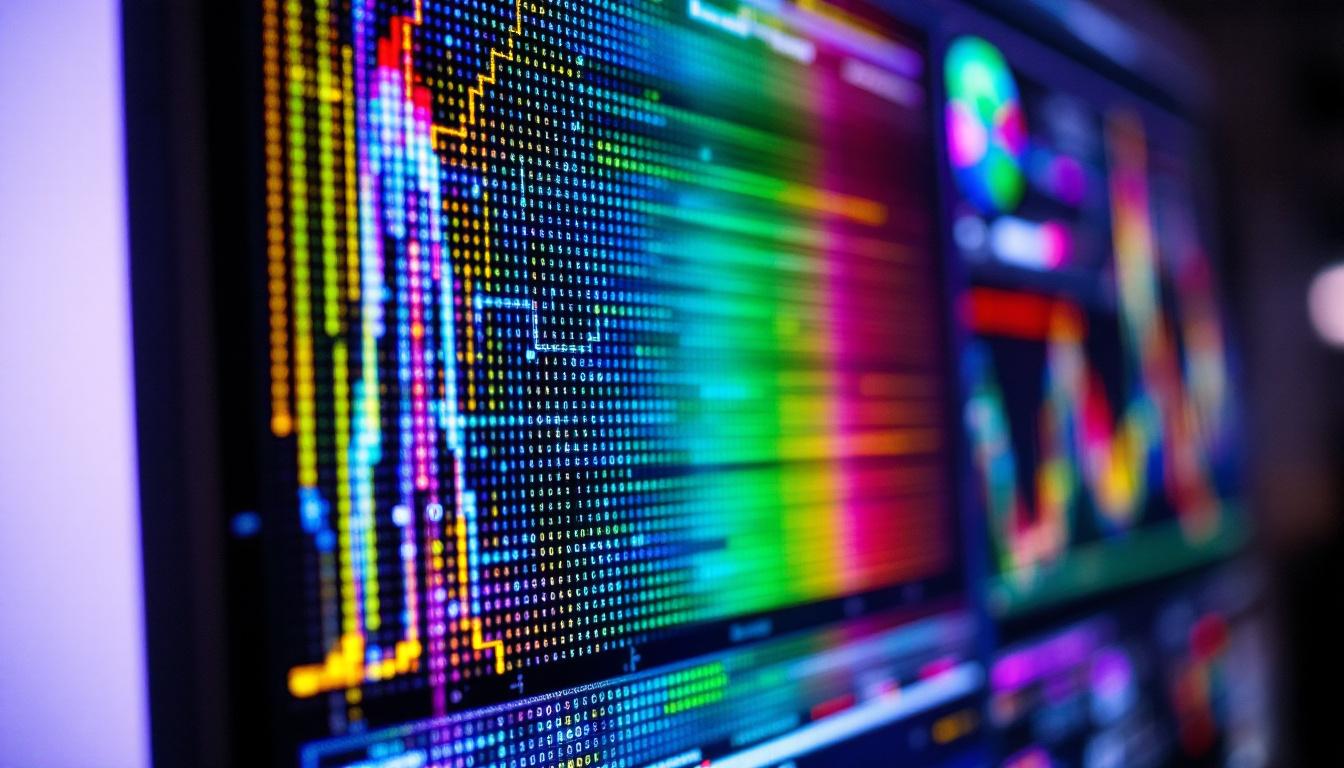
In an LED display, individual diodes are arranged in pixels, which can be controlled independently. This allows for a wide range of colors and brightness levels, enabling the display to render images with remarkable accuracy and detail. The rapid response time of LEDs also means that they can display fast-moving images without blurring, making them ideal for dynamic content such as sports broadcasts and video games. Additionally, advancements in LED technology have led to the development of features like high dynamic range (HDR), which enhances the contrast and color depth of the images displayed.
Types of LED Displays
LED displays can be categorized into several types, each serving different purposes and applications. The most common types include:
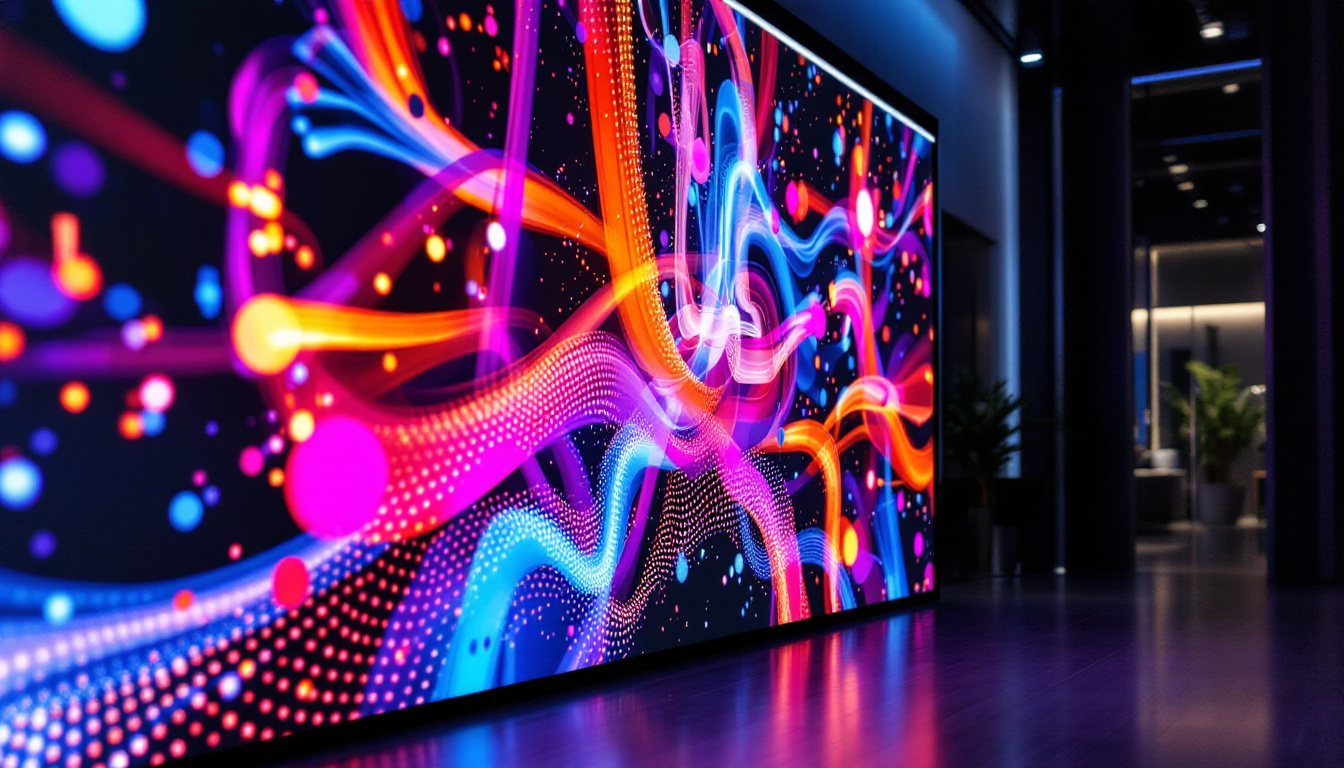
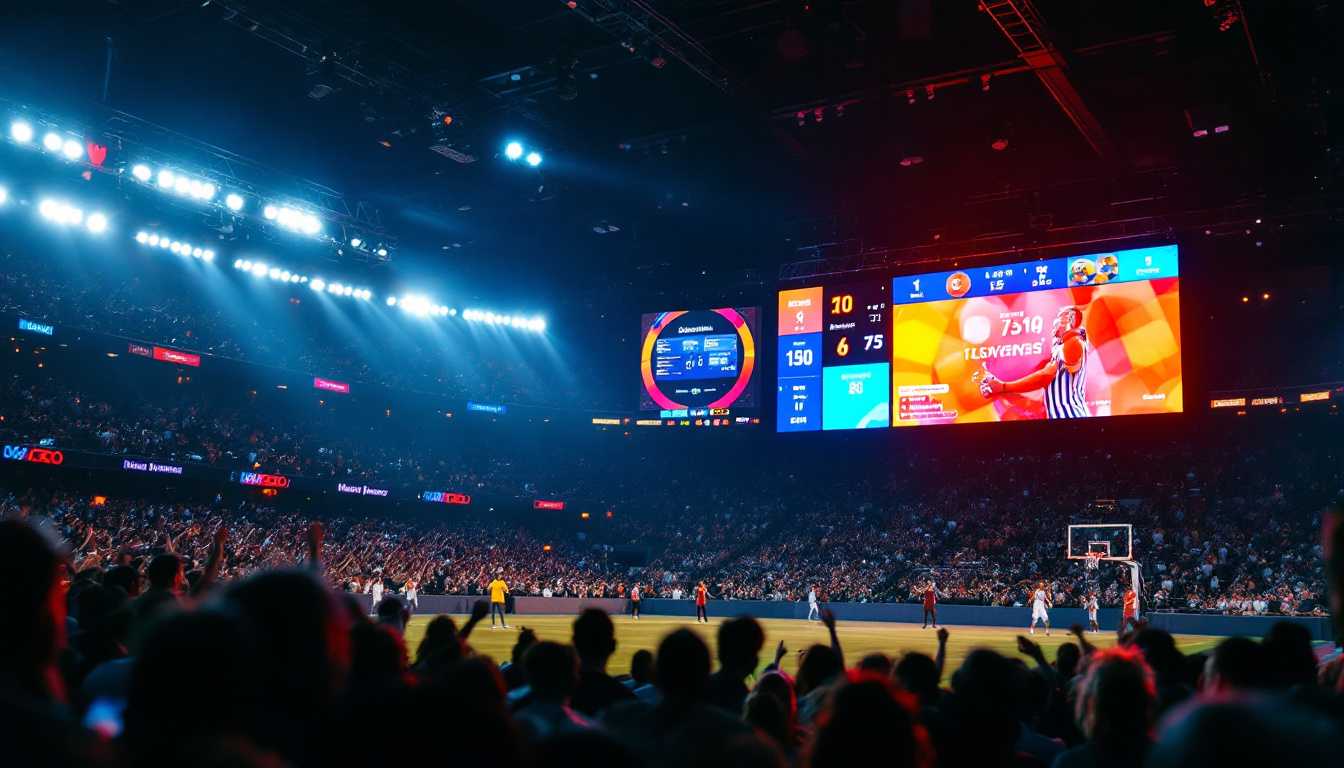
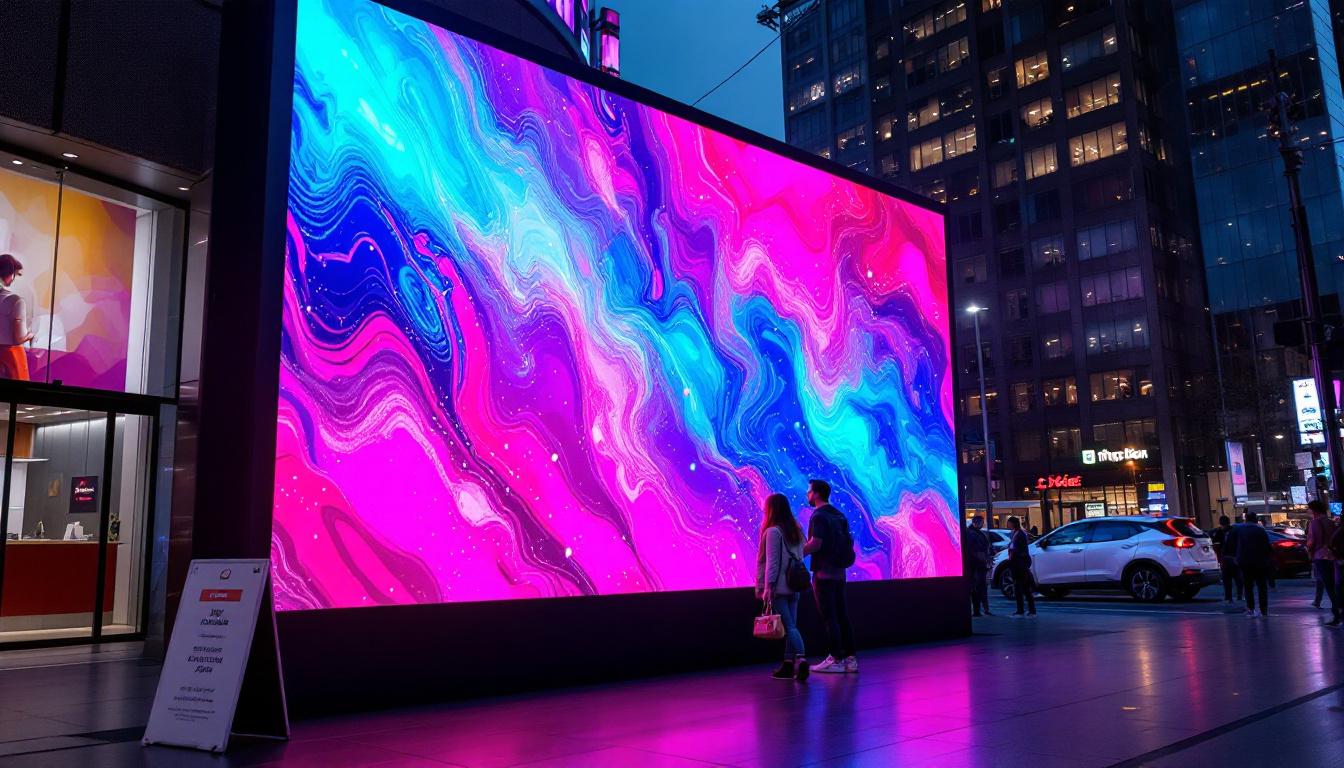
- Direct View LED (DVLED): These displays consist of individual LED modules that are directly visible to the viewer. They are often used in large-scale applications such as billboards and stadium screens, where bright visibility and large size are crucial. The modular nature of DVLEDs also allows for easy repairs and upgrades, making them a practical choice for high-traffic areas.
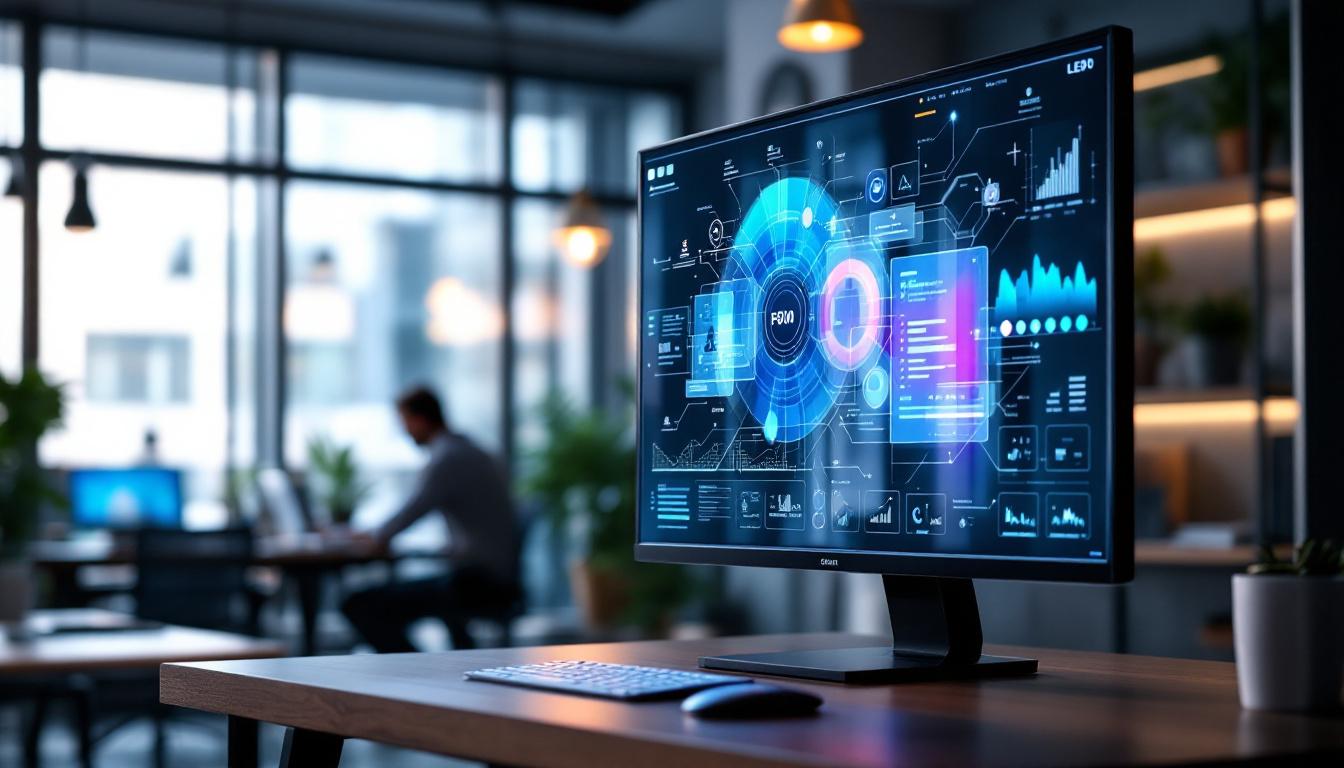
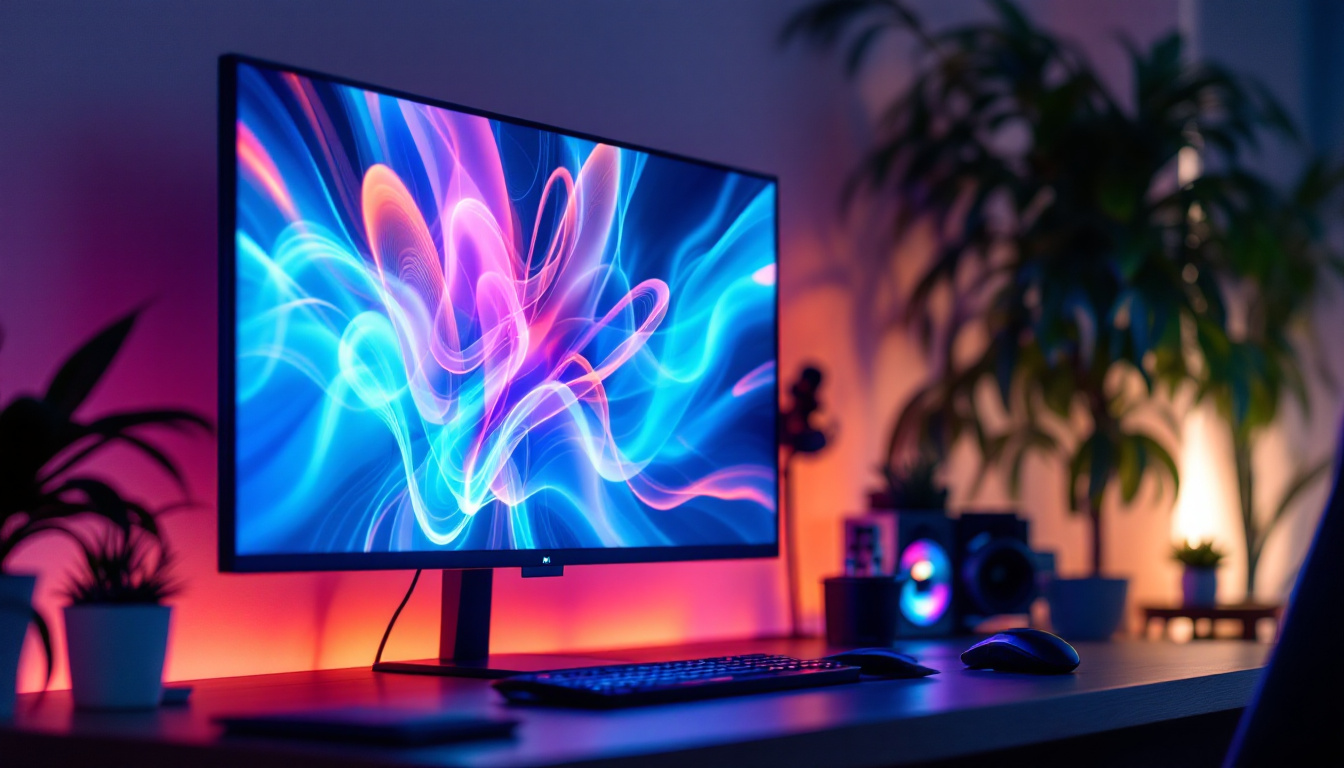
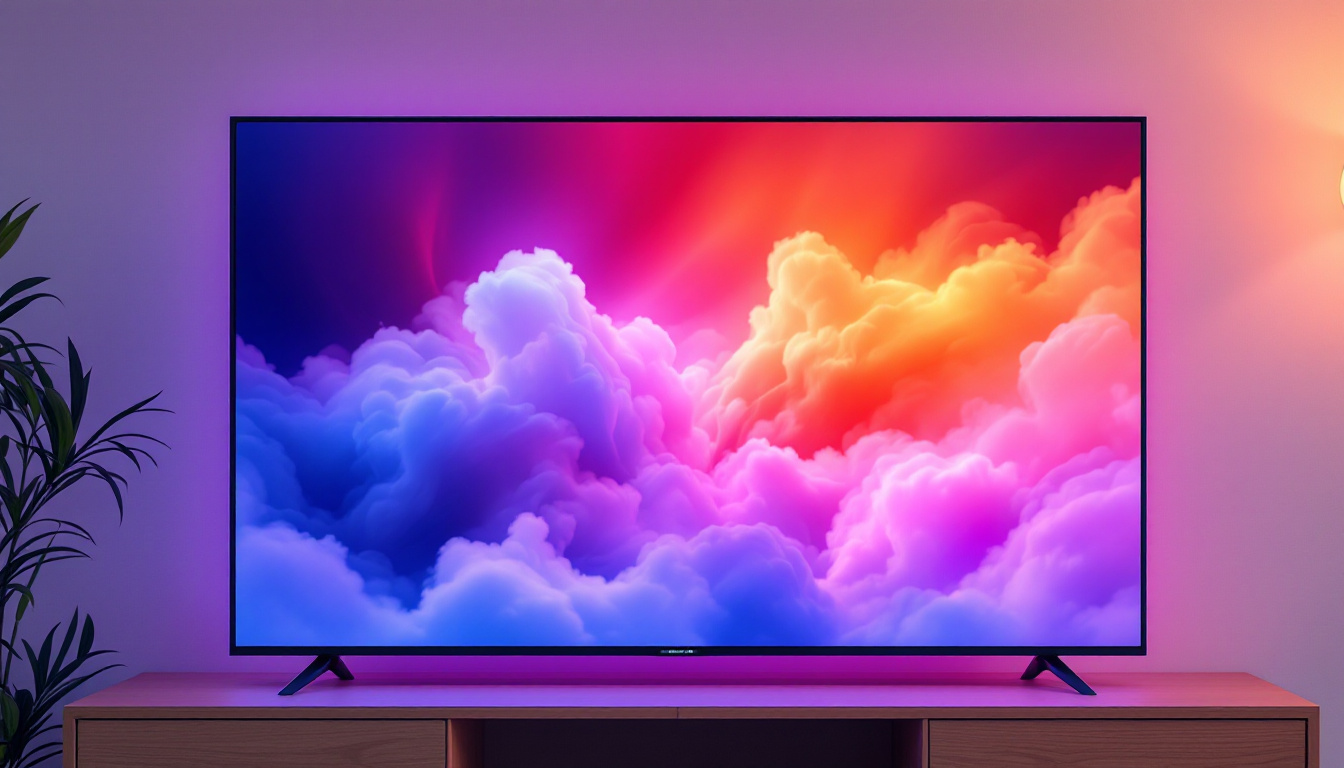
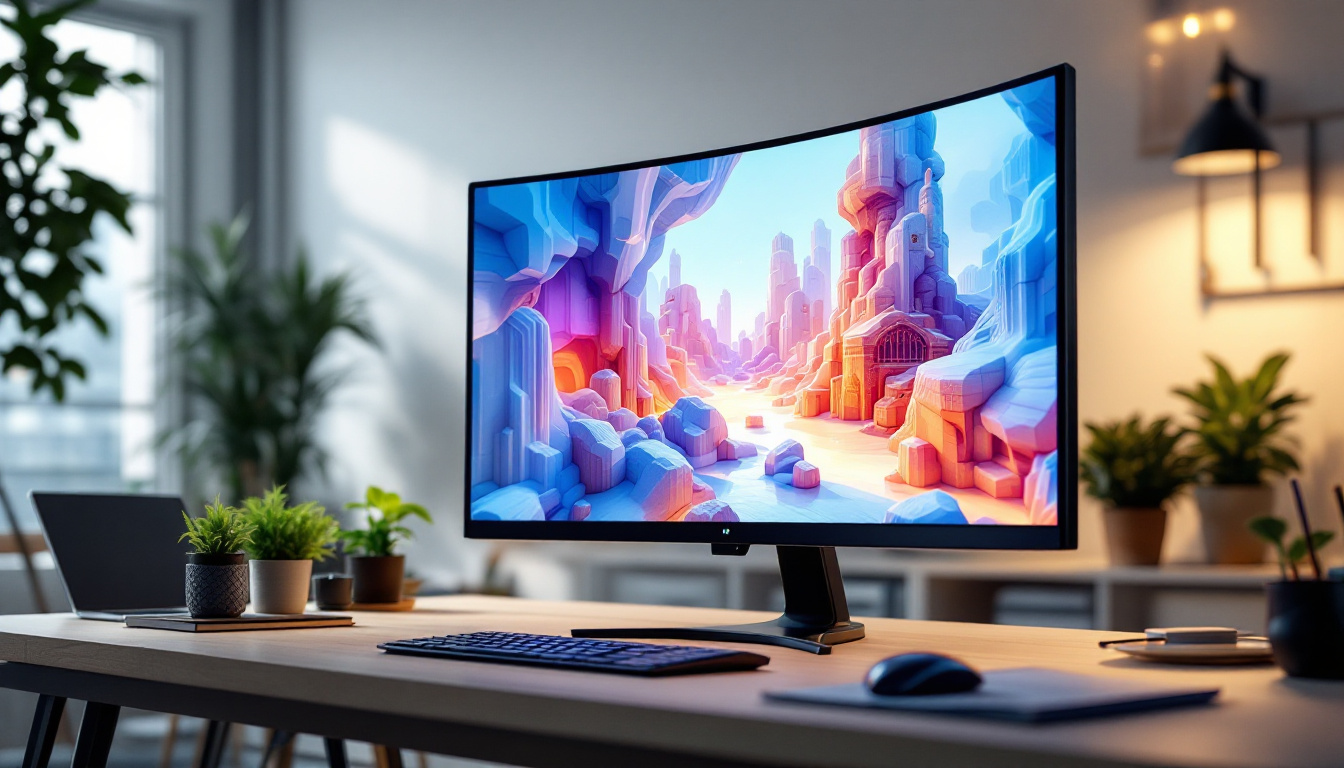
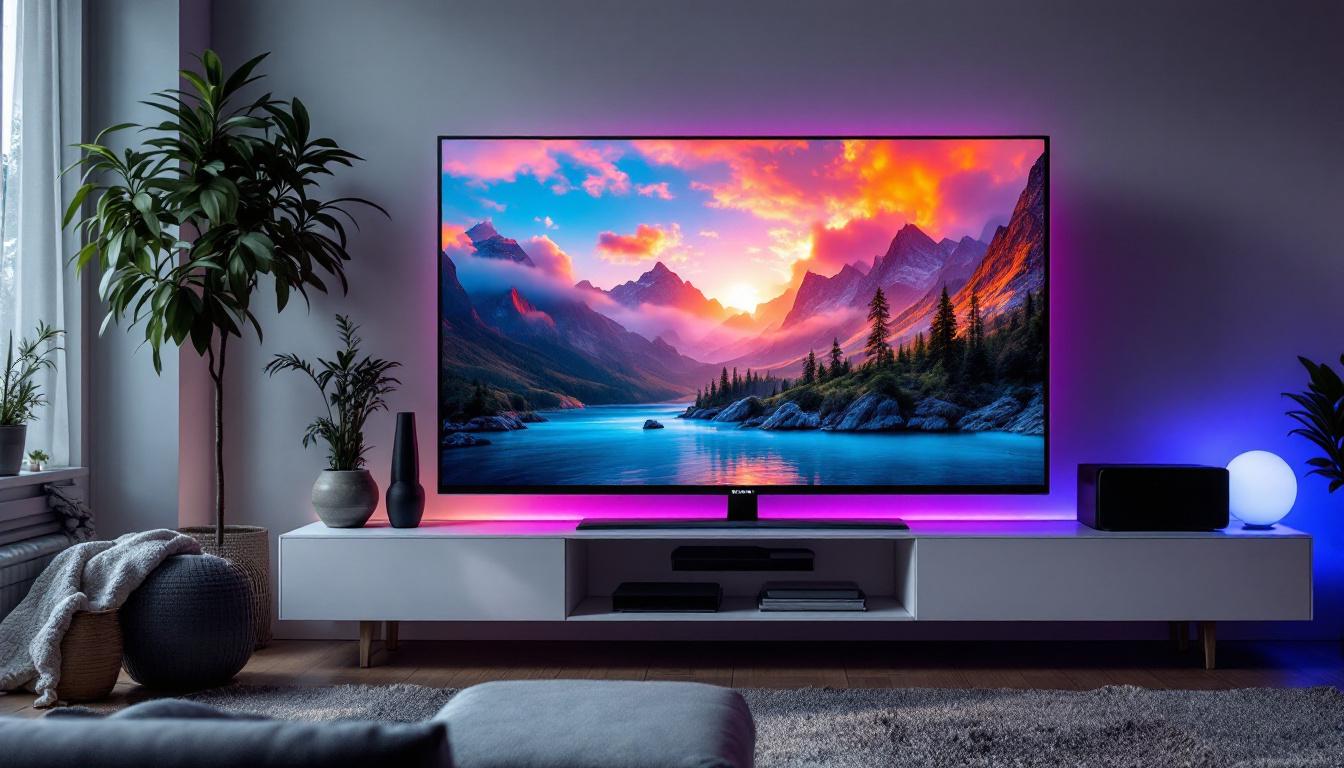
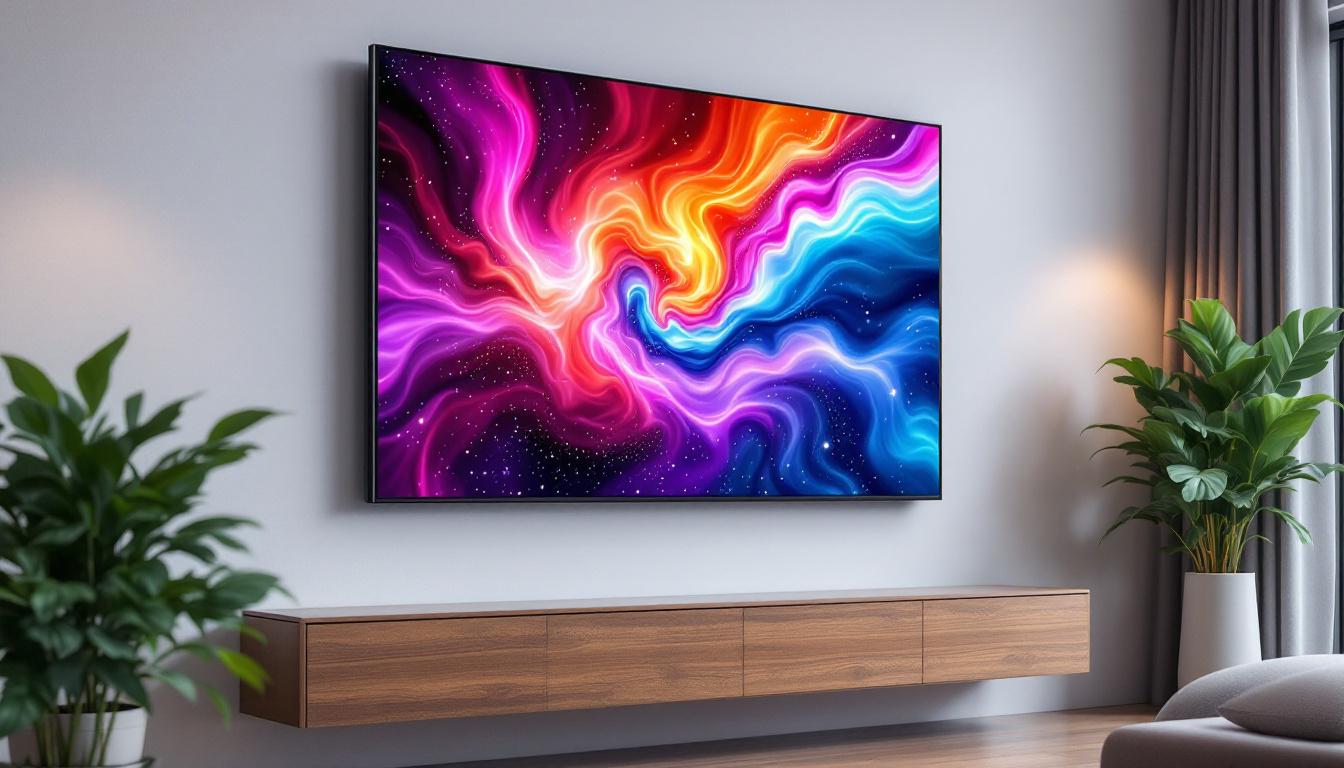
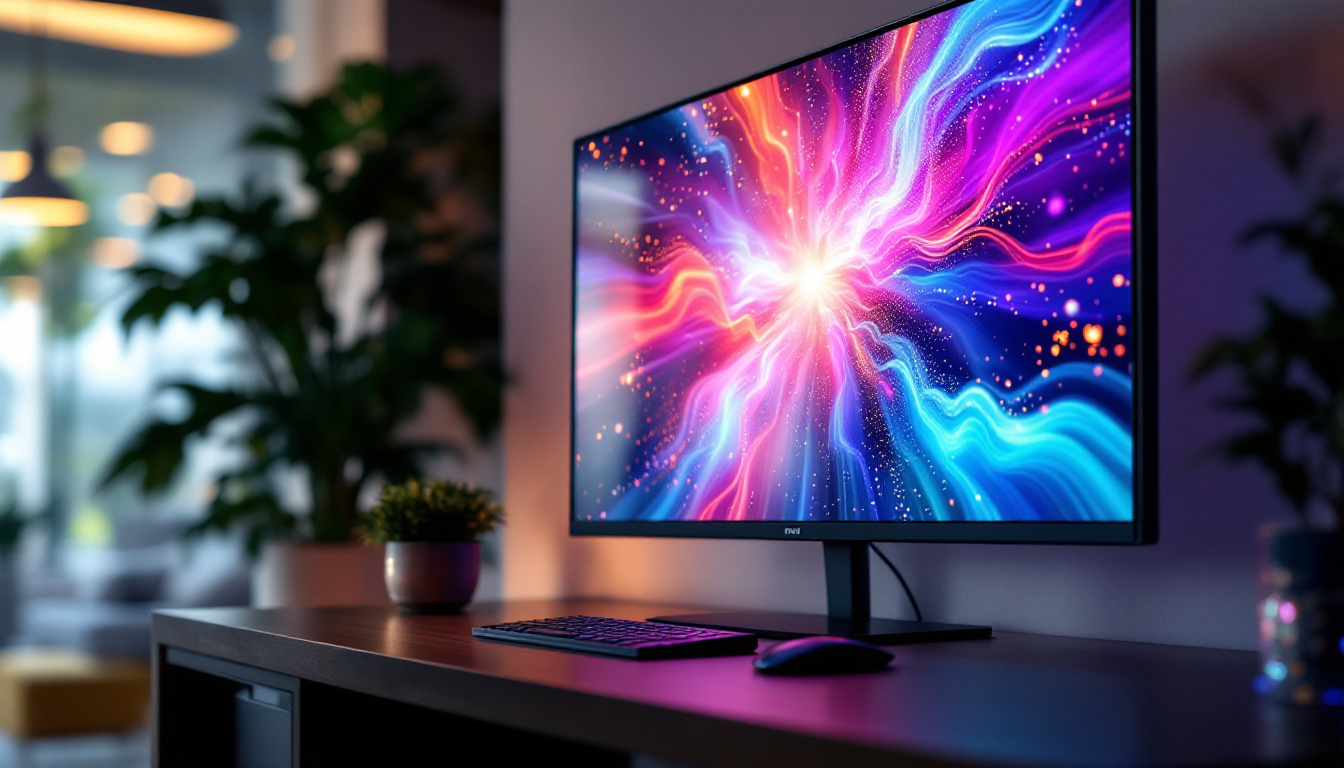
- LED-backlit LCD: This technology combines traditional LCD panels with LED backlighting. It enhances brightness and contrast, making it a popular choice for televisions and computer monitors. The use of LED backlighting allows for thinner designs and improved energy efficiency, as well as local dimming capabilities that can enhance the viewing experience in darker scenes.
- Organic LED (OLED): OLED displays use organic materials to emit light, allowing for thinner screens and better color reproduction. They are widely used in smartphones and high-end televisions. One of the standout features of OLED technology is its ability to achieve true blacks, as individual pixels can be turned off completely, resulting in an infinite contrast ratio that elevates the visual experience.
The Advantages of LED Displays
LED displays offer numerous benefits that contribute to their growing popularity. Understanding these advantages can help consumers make informed decisions when selecting display technology for their needs.
Energy Efficiency
One of the standout features of LED displays is their energy efficiency. Compared to traditional display technologies, LEDs consume significantly less power. This not only reduces electricity bills but also contributes to a lower carbon footprint. As environmental concerns grow, the demand for energy-efficient solutions continues to rise. Many businesses and organizations are now prioritizing sustainability in their operations, and opting for LED displays is a practical step toward achieving those goals. The reduced energy consumption not only benefits the environment but can also enhance a company’s image as a responsible and eco-conscious entity.
Brightness and Contrast
LED displays are known for their exceptional brightness levels, making them suitable for various lighting conditions. Whether in a dimly lit room or a brightly lit environment, LED displays maintain clarity and visibility. Furthermore, the contrast ratio of LED displays is often superior to that of LCDs, resulting in deeper blacks and more vibrant colors. This capability makes them particularly appealing for applications such as advertising, where eye-catching visuals are crucial for capturing audience attention. Additionally, advancements in LED technology have led to the development of high dynamic range (HDR) displays, which further enhance color accuracy and detail, providing an immersive viewing experience that is hard to match.
Longevity and Durability
LEDs are designed to last, with lifespans often exceeding 50,000 hours. This longevity translates to fewer replacements and lower maintenance costs over time. Additionally, LED displays are more resistant to shock and vibration compared to traditional displays, making them ideal for dynamic environments. Their robust construction allows them to withstand harsh conditions, such as outdoor installations where exposure to weather elements is a concern. As a result, many industries, including transportation and entertainment, have adopted LED technology for their displays, knowing that they can rely on their performance and durability in demanding situations. Furthermore, the reduced need for frequent replacements not only saves money but also minimizes waste, aligning with the growing trend of sustainability in technology.
Applications of LED Displays
The versatility of LED displays allows them to be utilized in a wide range of applications. From commercial use to personal devices, the impact of LED technology is profound.
Commercial Use
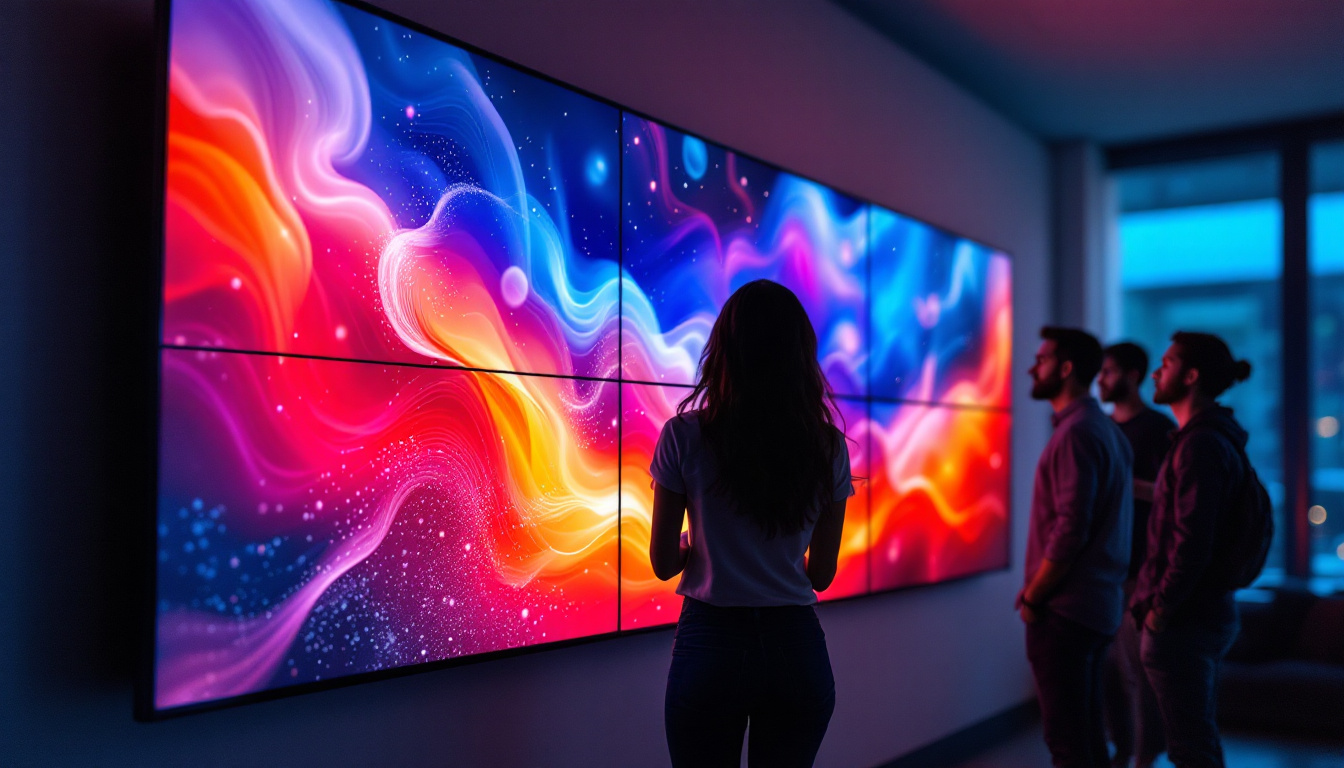
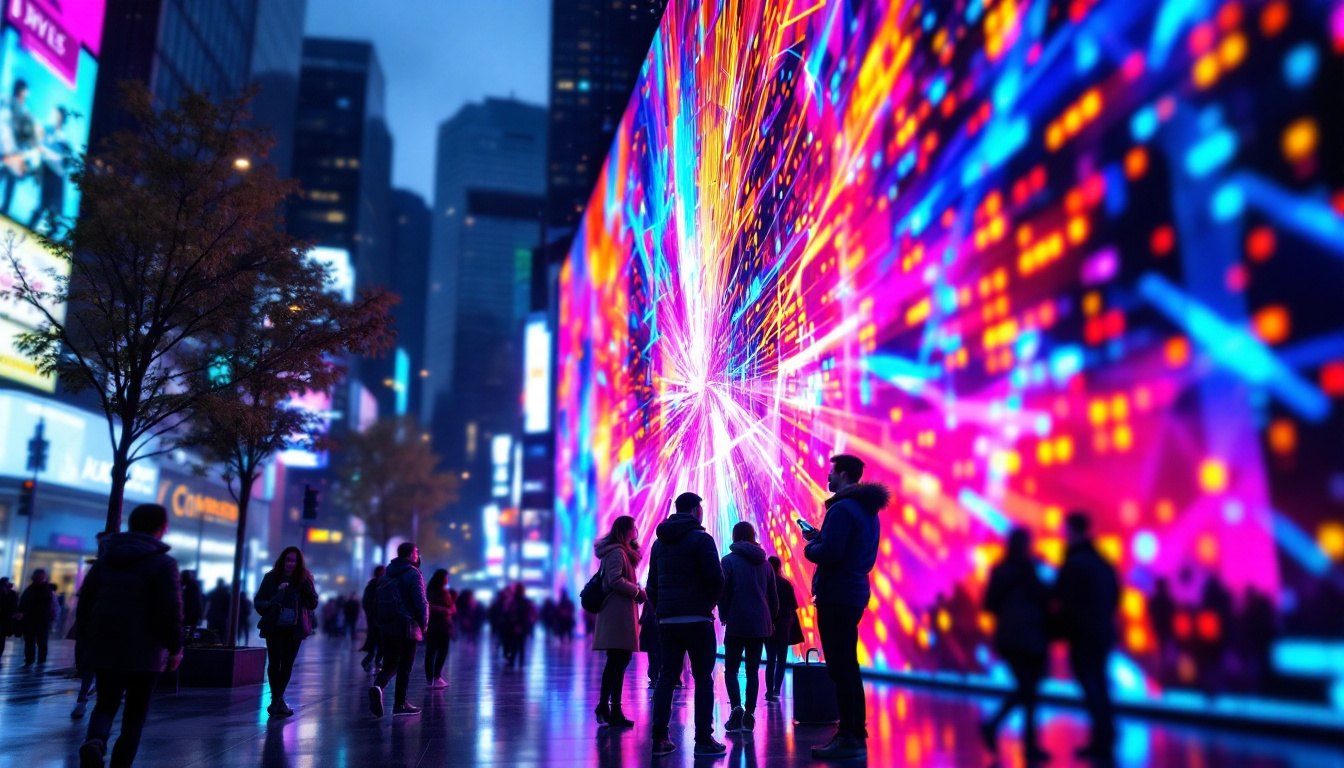
In the commercial sector, LED displays are commonly employed for advertising and information dissemination. Digital billboards, storefront displays, and event signage leverage the vibrant colors and high visibility of LEDs to capture consumer attention. Businesses benefit from the ability to change content quickly and easily, adapting to marketing needs in real-time. Additionally, the energy efficiency of LED technology contributes to lower operational costs, making it an attractive option for businesses looking to reduce their carbon footprint while maximizing their advertising impact.
Moreover, the interactive capabilities of LED displays are gaining traction in retail environments. Touchscreen interfaces and augmented reality features allow customers to engage with products in innovative ways, enhancing the shopping experience. Retailers can also utilize LED displays for personalized marketing, showcasing targeted promotions based on customer behavior and preferences, thereby increasing the likelihood of conversion.
Entertainment and Media
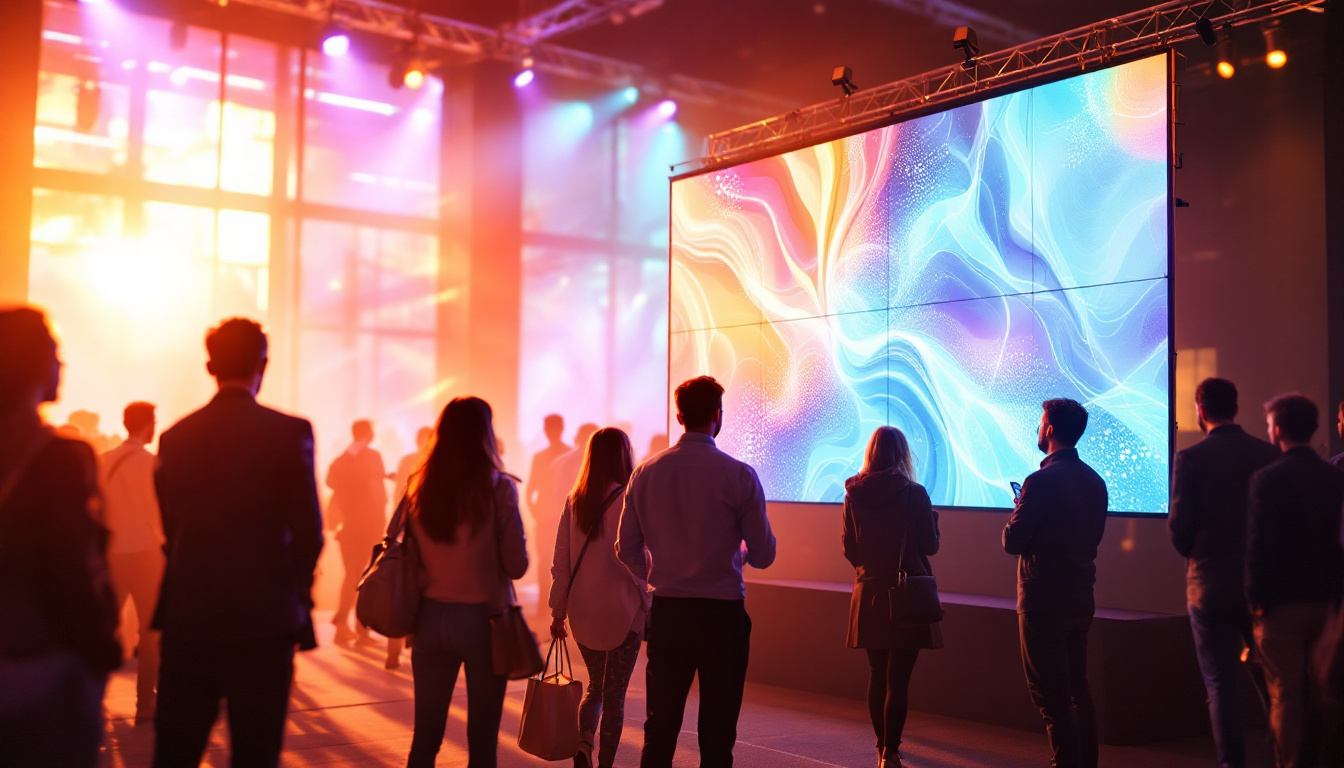
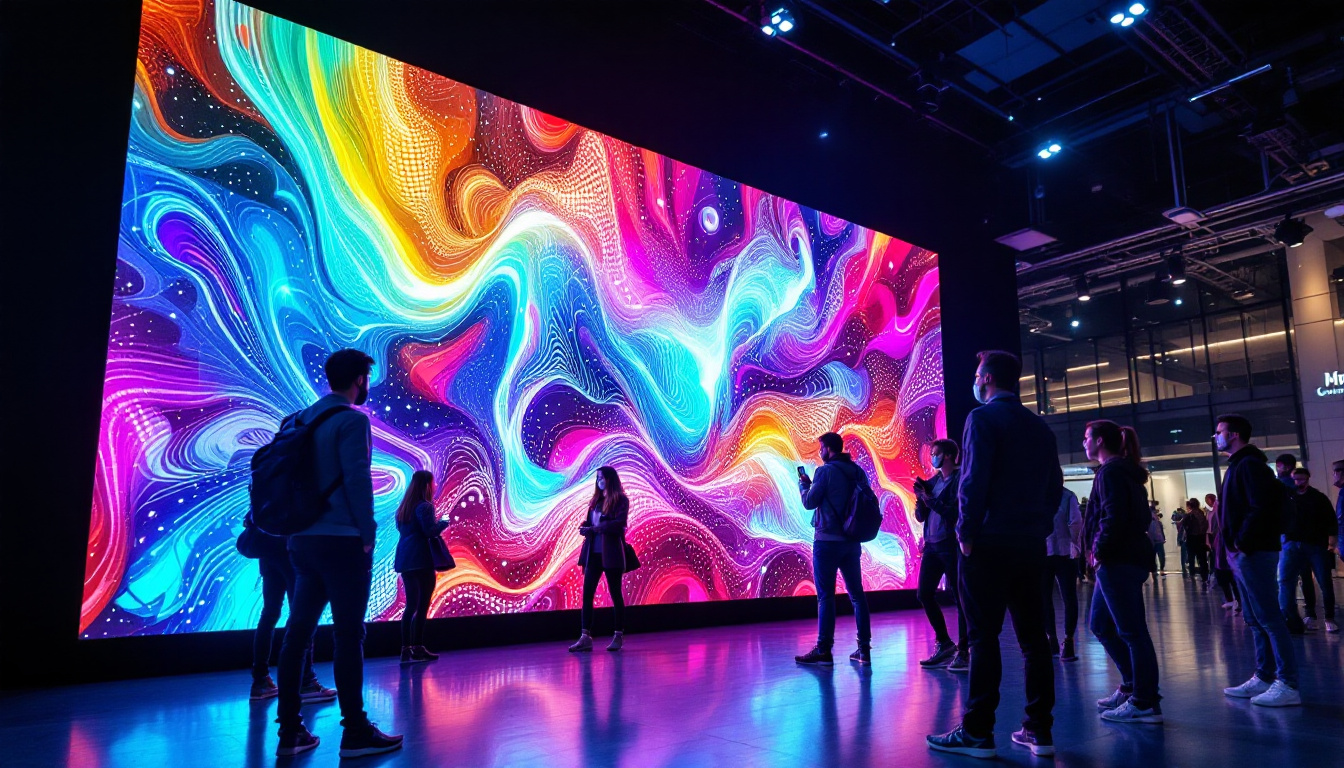
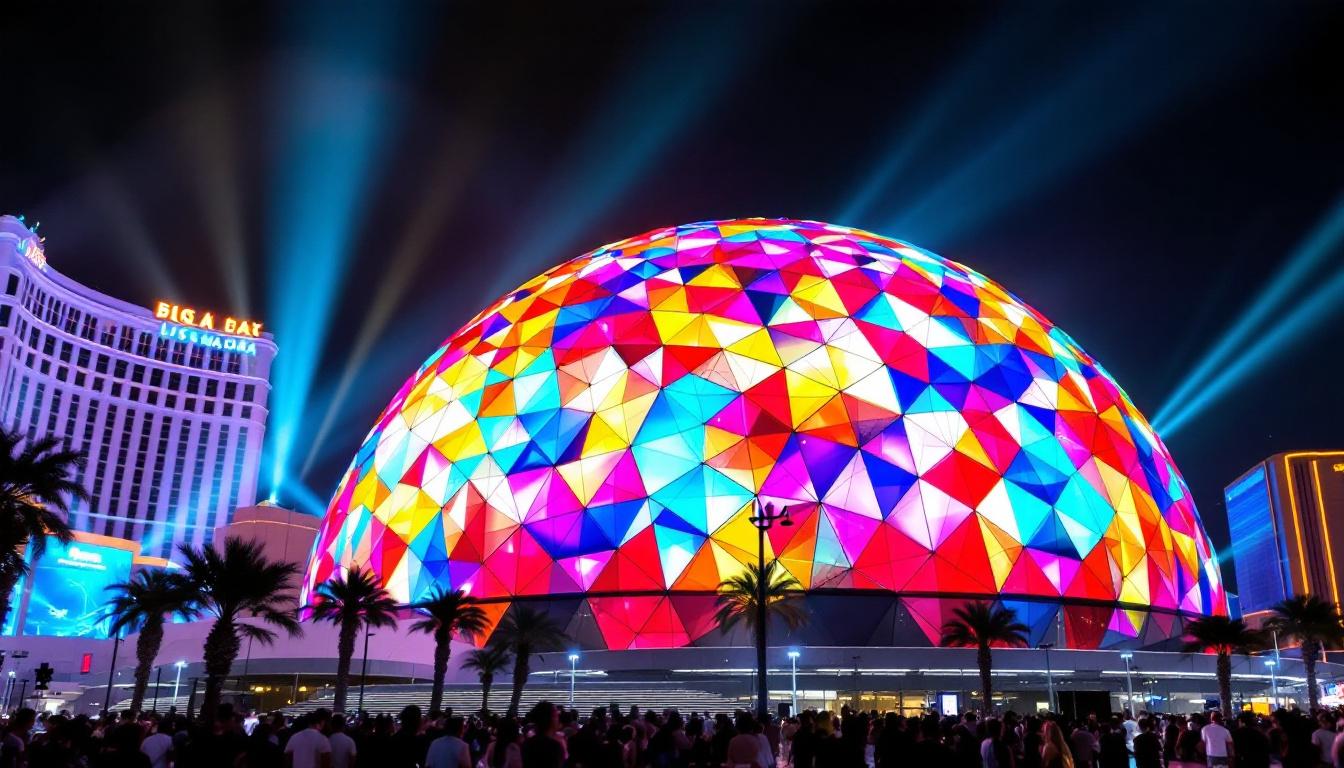
In the entertainment industry, LED displays have revolutionized the way content is presented. Concerts, sports events, and theatrical performances utilize large LED screens to enhance the audience experience. The ability to display high-resolution images and videos in real-time adds a dynamic element to live performances. Furthermore, the use of LED technology in stage design allows for creative lighting solutions that can transform a venue’s atmosphere, creating immersive environments that captivate audiences.
Beyond live events, LED displays are also integral to the film and television industry. From LED walls used in virtual production to enhance backgrounds to the vibrant screens in movie theaters that deliver stunning visuals, the technology plays a crucial role in visual storytelling. As filmmakers explore new techniques, the integration of LED displays continues to push the boundaries of creativity and innovation in media production.
Personal Devices
On a personal level, LED technology is prevalent in smartphones, tablets, and laptops. The compact size and energy efficiency of LED displays make them ideal for portable devices, where battery life and screen quality are paramount. As technology advances, the integration of LED displays continues to evolve, offering users enhanced experiences. For instance, the introduction of OLED (Organic LED) technology has taken display quality to new heights, providing deeper blacks and more vibrant colors, which is particularly beneficial for graphic designers and gamers who require precise color accuracy.
Additionally, the rise of smart home devices has led to an increased demand for LED displays in everyday appliances. From smart refrigerators with built-in screens that display recipes and calendars to smart mirrors that provide news updates and weather forecasts, LED technology is seamlessly integrating into our daily lives. This trend not only enhances functionality but also contributes to a more connected and interactive living environment, showcasing the endless possibilities that LED displays can offer in personal technology.
Future Trends in LED Display Technology
The future of LED display technology is promising, with ongoing innovations poised to further enhance performance and functionality. Several trends are emerging that could shape the landscape of LED displays in the coming years.
MicroLED Technology
MicroLED is an emerging technology that involves the use of microscopic LEDs to create displays. This approach offers several advantages, including improved color accuracy, higher brightness levels, and greater energy efficiency. MicroLED displays are expected to become more prevalent in high-end televisions and commercial applications, providing an unparalleled viewing experience.
Flexible and Transparent Displays
Another exciting trend is the development of flexible and transparent LED displays. These innovative designs open up new possibilities for applications in architecture, automotive, and wearable technology. Imagine a window that can display information or a curved screen that seamlessly fits into various environments. The potential for creativity and functionality is vast.
Integration with Smart Technology
As smart technology continues to permeate everyday life, LED displays are likely to play a crucial role in this evolution. Integration with smart home systems, augmented reality (AR), and virtual reality (VR) applications will enhance user interaction and engagement. The combination of LED displays with AI technology could lead to personalized experiences tailored to individual preferences.
Conclusion
LED displays have transformed the way we perceive and interact with visual content. Their energy efficiency, brightness, and versatility make them a preferred choice across various applications. As technology progresses, the future of LED displays looks bright, with innovations such as MicroLED, flexible designs, and smart integrations on the horizon.
Understanding the fundamentals of LED technology is essential for consumers and professionals alike. As the demand for high-quality displays continues to grow, staying informed about the latest advancements will ensure that users can make the most of this remarkable technology. Whether for commercial use, entertainment, or personal devices, LED displays are set to remain at the forefront of visual technology for years to come.
In summary, the journey of LED displays is one marked by innovation and adaptability. As new technologies emerge and consumer needs evolve, LED displays will undoubtedly continue to illuminate our world in ways previously unimagined.
Illuminate Your Space with LumenMatrix
As you embrace the future of visual technology, consider LumenMatrix, a pioneer in LED display innovation. With a diverse range of solutions including Indoor and Outdoor LED Wall Displays, Vehicle LED Displays, LED Poster Displays, and more, LumenMatrix is committed to revolutionizing visual communication. Whether you’re looking to enhance your brand’s visibility or create immersive experiences, our cutting-edge LED display modules are designed to captivate and engage your audience. Ready to transform your visual presence? Check out LumenMatrix LED Display Solutions and step into a world of vivid clarity and unparalleled performance.