In the rapidly evolving world of digital signage and display technology, understanding the specifications of LED cabinets is crucial for making informed decisions. Among the many options available, Diamond LED cabinets have gained significant attention for their quality, versatility, and performance. This article delves into the detailed specifications of Diamond LED cabinets, explaining what makes them stand out and how to interpret their technical aspects effectively.
Understanding LED Display Cabinets
LED display cabinets are the fundamental building blocks of large-scale digital screens used in advertising, events, sports arenas, and public information systems. Each cabinet contains multiple LED modules that work together to produce bright, high-resolution images visible even in challenging lighting conditions. These cabinets are not just functional; they are also designed to captivate audiences, drawing attention with vibrant colors and dynamic content that can be easily updated in real-time.
Diamond cabinets, in particular, are designed to offer a balance between durability, image quality, and ease of installation. Their specifications encompass various factors such as pixel pitch, brightness, refresh rate, and cabinet dimensions, all of which influence the overall performance of the LED display. The pixel pitch, for instance, determines the distance between the centers of two adjacent pixels, affecting the clarity of the image when viewed from different distances. A smaller pixel pitch results in a higher resolution, making it ideal for close-up viewing scenarios, such as in retail environments or concert venues.
What Defines a Diamond LED Cabinet?
Diamond LED cabinets are characterized by their robust construction, modular design, and advanced LED technology. They typically feature high-quality SMD (Surface-Mounted Device) LEDs, which provide superior color accuracy and viewing angles compared to traditional DIP (Dual In-line Package) LEDs. This technology allows for a wider spectrum of colors and better contrast ratios, enhancing the overall visual experience for viewers. Additionally, the modular design of Diamond cabinets means that they can be easily scaled up or down, allowing for flexible configurations that can adapt to various display needs.
Moreover, these cabinets are engineered to be weather-resistant, making them suitable for both indoor and outdoor applications. The precision in their manufacturing ensures that each cabinet aligns perfectly with others, resulting in seamless, large-format displays. This level of precision is crucial for maintaining a uniform appearance across the entire display, which is particularly important for high-profile events or advertising campaigns where brand image is paramount. Furthermore, many Diamond cabinets come equipped with advanced thermal management systems that help dissipate heat, ensuring optimal performance and longevity even in demanding environments. This durability, combined with their aesthetic appeal, makes Diamond LED cabinets a popular choice for businesses looking to make a lasting impression. In addition to their technical specifications, the ease of installation and maintenance also plays a significant role in their appeal, allowing for quick setup and minimal downtime during servicing. As technology continues to evolve, the capabilities of LED display cabinets like the Diamond series are likely to expand, offering even more innovative solutions for visual communication.
Key Specifications of Diamond LED Cabinets
When evaluating Diamond LED cabinets, several technical specifications must be considered to understand their capabilities and suitability for specific applications.
Pixel Pitch
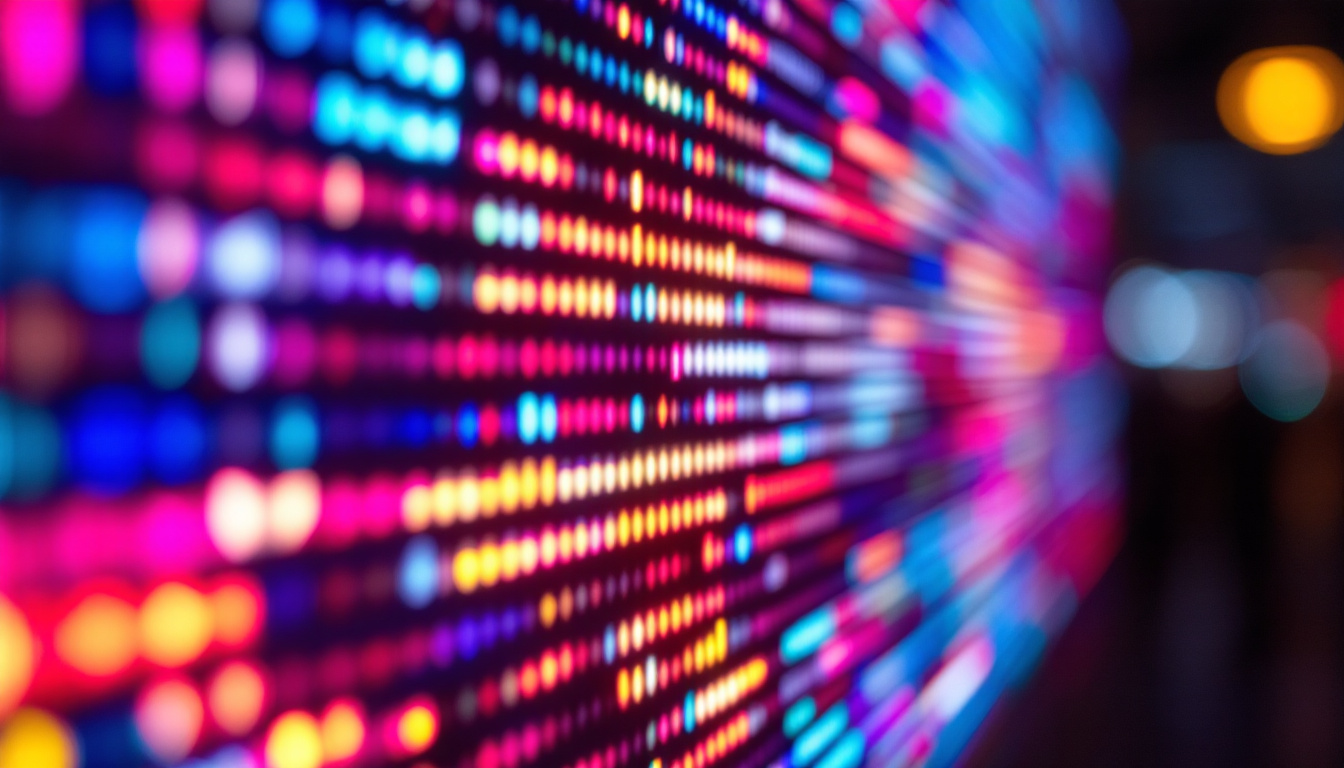
Pixel pitch refers to the distance between the centers of two adjacent pixels, typically measured in millimeters. It is a critical factor that determines the resolution and viewing distance of the LED display. A smaller pixel pitch means higher pixel density, resulting in sharper images and closer optimal viewing distances.
Diamond LED cabinets are available in various pixel pitches, ranging from as fine as 1.2mm for indoor, close-range viewing to around 10mm or more for outdoor, long-distance applications. For example, a 1.5mm pixel pitch is ideal for corporate lobbies or control rooms where viewers are close to the screen, while a 6mm or 8mm pitch suits outdoor billboards or stadium displays.
Brightness and Contrast Ratio
Brightness, measured in nits (cd/m²), indicates how luminous the LED display can be. Outdoor Diamond LED cabinets typically offer brightness levels between 5,000 and 7,000 nits to ensure visibility even under direct sunlight. Indoor cabinets usually have lower brightness, around 800 to 1,200 nits, to prevent glare and eye strain.
The contrast ratio, which compares the luminance of the brightest white to the darkest black, affects image depth and clarity. Diamond cabinets often feature high contrast ratios, enhancing the visual experience by delivering vivid colors and deep blacks, essential for high-quality video playback and detailed graphics.
Refresh Rate and Gray Scale
The refresh rate, measured in Hertz (Hz), is the number of times the image on the screen updates per second. Higher refresh rates reduce flicker and motion blur, which is particularly important for video content and live broadcasts. Diamond LED cabinets typically support refresh rates of 3,840 Hz or higher, ensuring smooth and flicker-free visuals even when recorded by cameras.
Gray scale refers to the number of shades of gray the display can produce, impacting color depth and gradient smoothness. A higher gray scale, such as 14-bit or 16-bit, allows for more nuanced color transitions and better image quality. Diamond cabinets often support high gray scale levels, making them suitable for professional-grade visual applications.
Cabinet Size and Weight
The physical dimensions and weight of each LED cabinet influence installation logistics and structural requirements. Diamond cabinets come in standardized sizes, commonly around 500mm x 500mm or 500mm x 1000mm, allowing for flexible configurations to build screens of various sizes and aspect ratios.
Lightweight cabinets, typically weighing between 8 to 12 kilograms, facilitate easier handling and faster installation, reducing labor costs and downtime. Additionally, their modular design enables quick maintenance by swapping out individual modules without dismantling the entire cabinet.
Advanced Features and Technologies in Diamond Cabinets
Beyond basic specifications, Diamond LED cabinets incorporate advanced technologies that enhance performance, reliability, and user experience.
High IP Ratings for Weather Resistance
For outdoor installations, protection against dust and water ingress is vital. Diamond cabinets often feature IP65 or higher ratings, indicating strong resistance to environmental elements. This ensures longevity and consistent performance in harsh weather conditions, including rain, dust storms, and extreme temperatures.
Calibration and Color Uniformity
Color consistency across the entire display is essential for professional visual presentations. Diamond cabinets undergo factory calibration to ensure uniform brightness and color temperature across all modules. Some models also support in-field calibration, allowing technicians to fine-tune the display post-installation to maintain optimal image quality over time.
Thermal Management Systems
Effective heat dissipation is critical to prevent overheating and extend the lifespan of LED components. Diamond LED cabinets incorporate advanced thermal management solutions, such as built-in fans, heat sinks, and ventilation channels. These features maintain stable operating temperatures even during prolonged use in high ambient temperatures.
Applications and Use Cases
Understanding the specifications of Diamond LED cabinets helps identify the best applications for their deployment. Their versatility makes them suitable for a wide range of environments and purposes.
Outdoor Advertising and Billboards
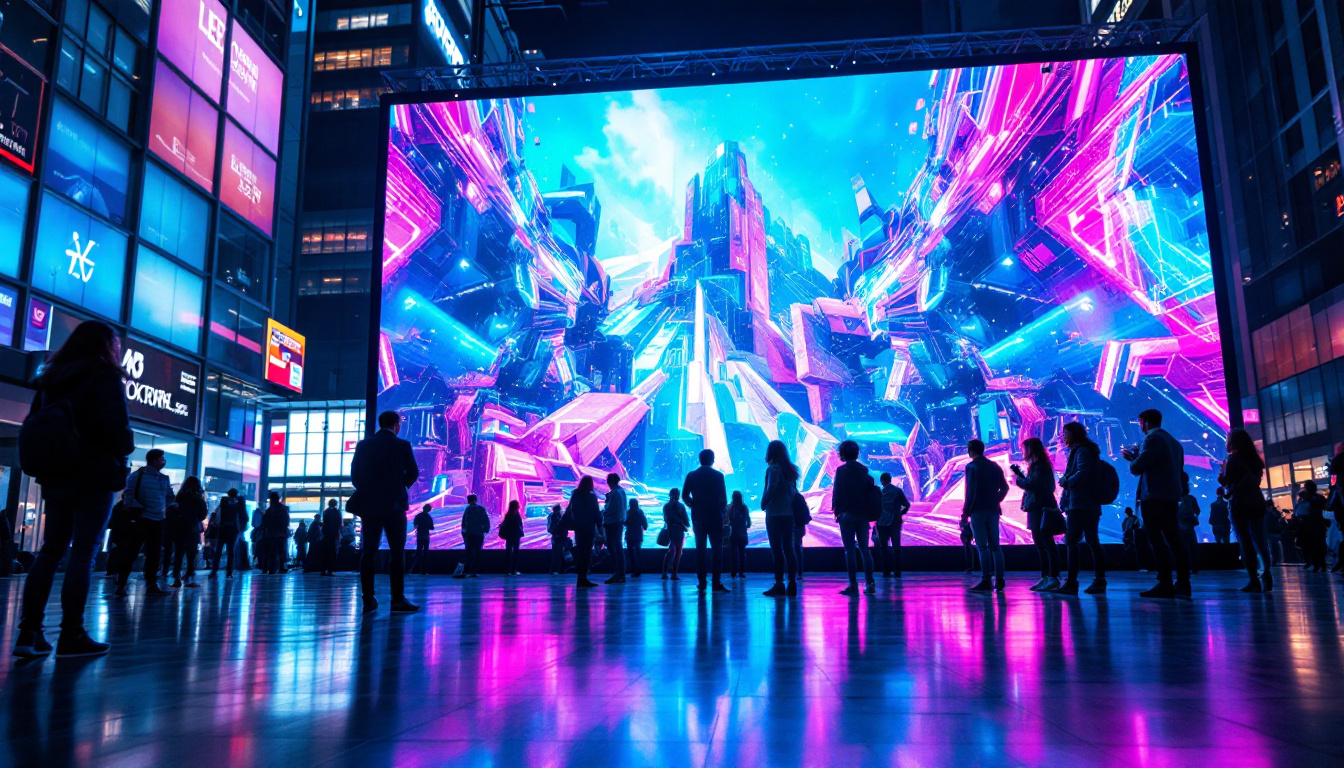
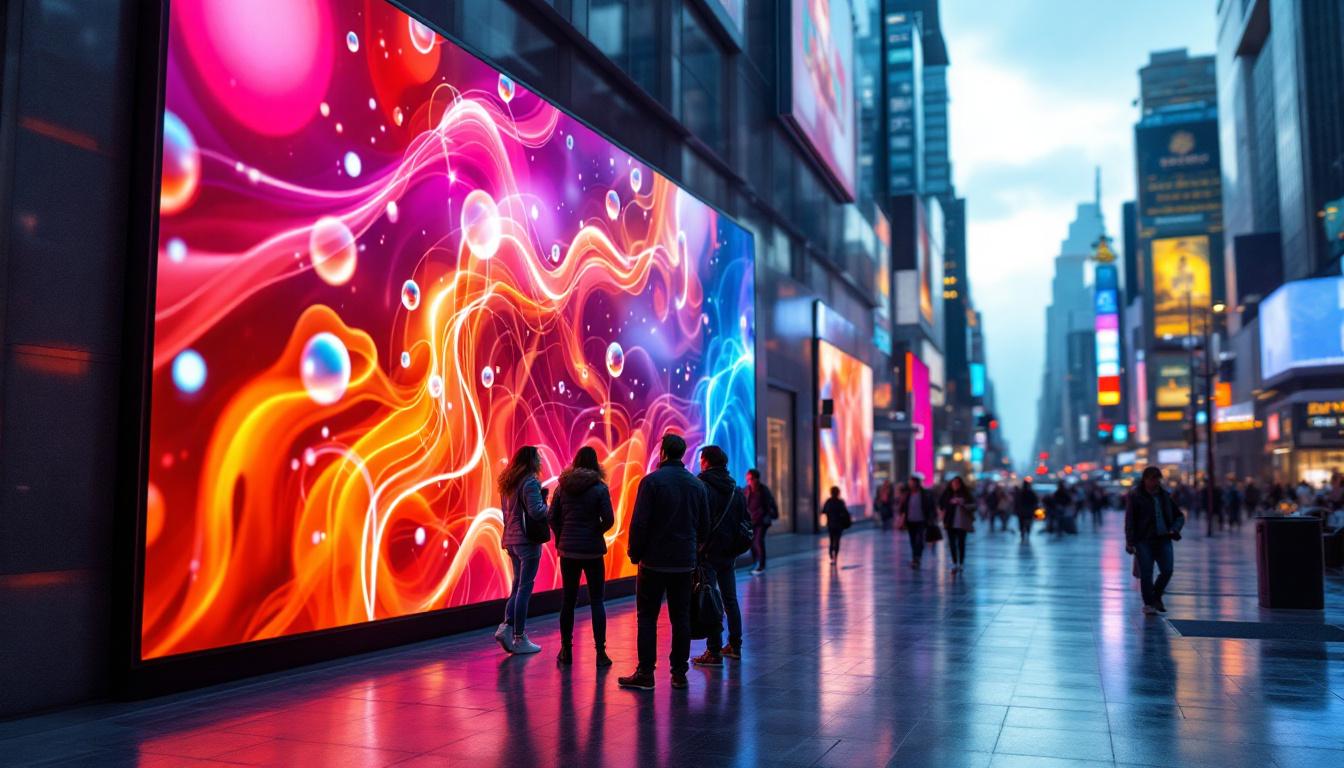
With high brightness, weather resistance, and large size capabilities, Diamond cabinets are ideal for outdoor digital billboards. They deliver eye-catching visuals that attract attention from long distances, making them valuable assets for advertisers aiming to maximize reach and impact.
Sports Arenas and Event Venues
Diamond LED displays are frequently used in stadiums and concert venues to provide live video feeds, replays, and dynamic content. Their high refresh rates and excellent color reproduction ensure a captivating experience for spectators, even in challenging lighting conditions.
Corporate and Control Rooms
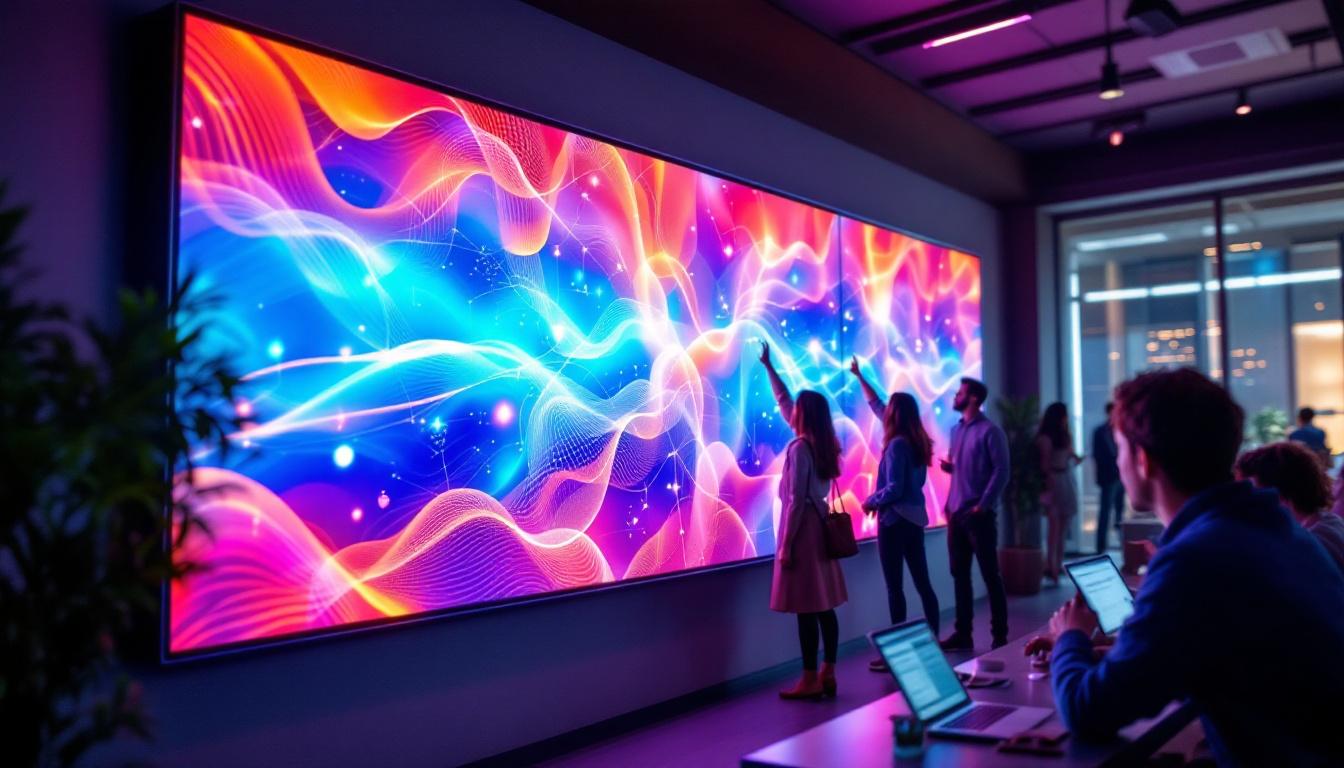
In indoor settings such as corporate lobbies, conference rooms, and control centers, Diamond cabinets with fine pixel pitches offer crisp, detailed imagery. This is crucial for presentations, data visualization, and monitoring systems where clarity and accuracy are paramount.
Retail and Hospitality
Retail stores and hotels use Diamond LED displays for digital signage, promotional content, and interactive installations. The cabinets’ modularity and sleek design allow for creative configurations that enhance customer engagement and brand presence.
How to Choose the Right Diamond LED Cabinet
Selecting the appropriate Diamond LED cabinet depends on several factors, including the intended application, viewing distance, environmental conditions, and budget.
Assess Viewing Distance and Resolution Needs
The pixel pitch should align with the average viewing distance to ensure optimal image clarity. For instance, a 2mm pixel pitch is suitable for viewing distances of 2 to 4 meters, while a 10mm pitch works well for distances beyond 20 meters.
Consider Environmental Factors
Outdoor installations require cabinets with higher brightness and IP ratings to withstand weather exposure. Indoor environments prioritize lower brightness and finer pixel pitches for detailed visuals without causing discomfort.
Evaluate Installation and Maintenance Requirements
Lightweight, modular cabinets simplify installation and reduce maintenance time. Features like front-serviceability can be advantageous in tight spaces or where rear access is limited.
Budget and Total Cost of Ownership
While initial costs are important, consider the long-term benefits of energy efficiency, durability, and ease of maintenance. Diamond cabinets are designed to offer a balance between upfront investment and operational savings.
Conclusion
Diamond LED cabinets represent a sophisticated solution in the LED display market, combining high-quality components, advanced technology, and thoughtful design. By understanding their specifications—such as pixel pitch, brightness, refresh rate, and durability—buyers and installers can make informed decisions that ensure optimal performance for their specific needs.
Whether for outdoor advertising, sports venues, corporate environments, or retail spaces, Diamond cabinets provide reliable, visually stunning displays that meet the demands of modern digital signage. Staying informed about these technical details empowers stakeholders to select the right products, maximize impact, and achieve lasting value from their LED display investments.
Explore LumenMatrix LED Display Solutions
Ready to elevate your visual display capabilities? Discover the full range of innovative LED display solutions offered by LumenMatrix. From vibrant Indoor and Outdoor LED Wall Displays to dynamic Vehicle and Sports Displays, LumenMatrix is at the forefront of creating immersive experiences that captivate and engage. Whether you’re looking to enhance your brand’s visibility or create a custom visual solution, LumenMatrix has the technology to bring your vision to life. Check out LumenMatrix LED Display Solutions today and see how they can transform your space with unparalleled clarity and impact.