In today’s fast-paced world, capturing consumer attention is more challenging than ever. Digital display kiosks equipped with LED screens have emerged as powerful tools in retail, transportation hubs, hospitality, and public spaces. These vibrant, dynamic displays offer businesses the ability to communicate messages clearly and creatively, driving engagement and enhancing customer experience. This article delves into the technology behind LED displays in digital kiosks, their advantages, types, and practical applications.
Understanding LED Display Technology
At the heart of many digital display kiosks lies LED technology, which stands for Light Emitting Diode. Unlike traditional LCD or plasma screens that rely on backlighting, LED displays use tiny diodes that emit light when an electric current passes through them. This fundamental difference results in several key benefits, including superior brightness, energy efficiency, and longevity. Furthermore, the compact nature of LEDs allows for thinner and lighter display units, making them ideal for various applications, from retail environments to transportation hubs.
How LEDs Work in Digital Displays
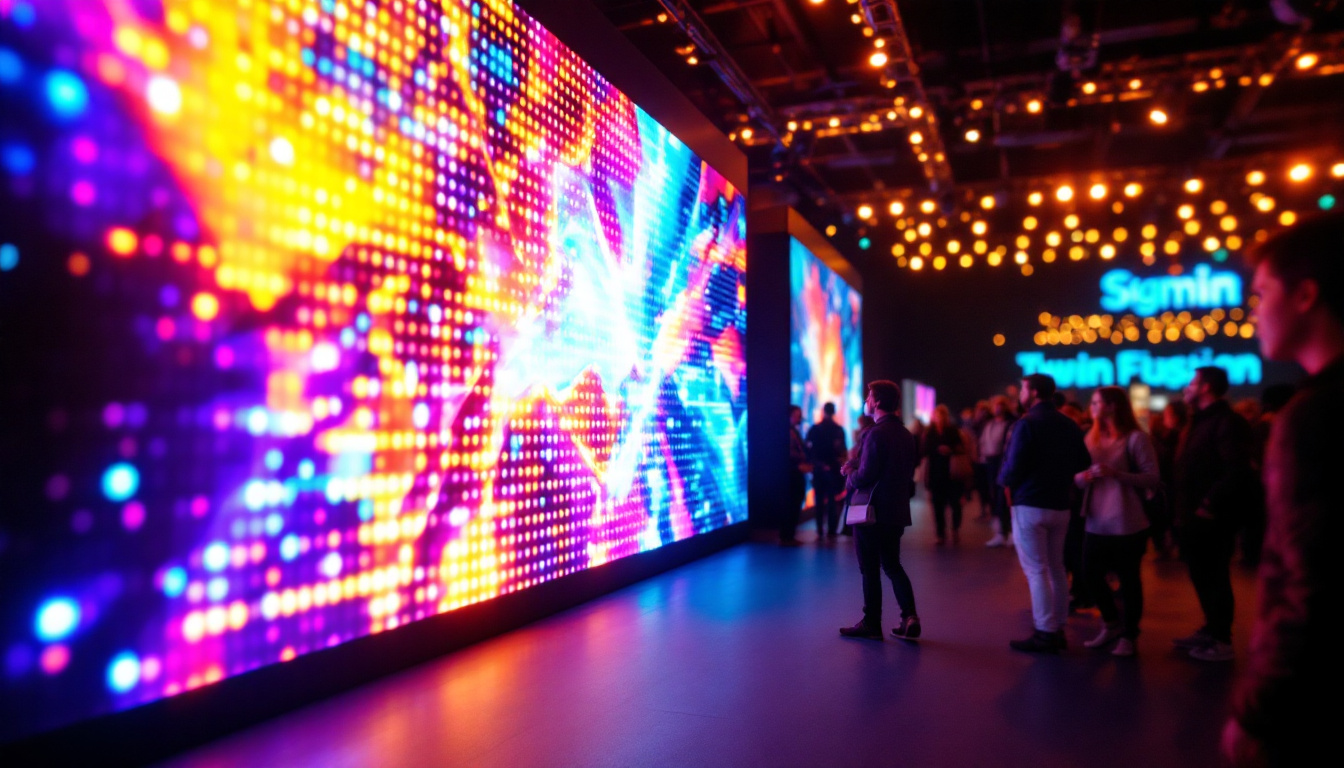
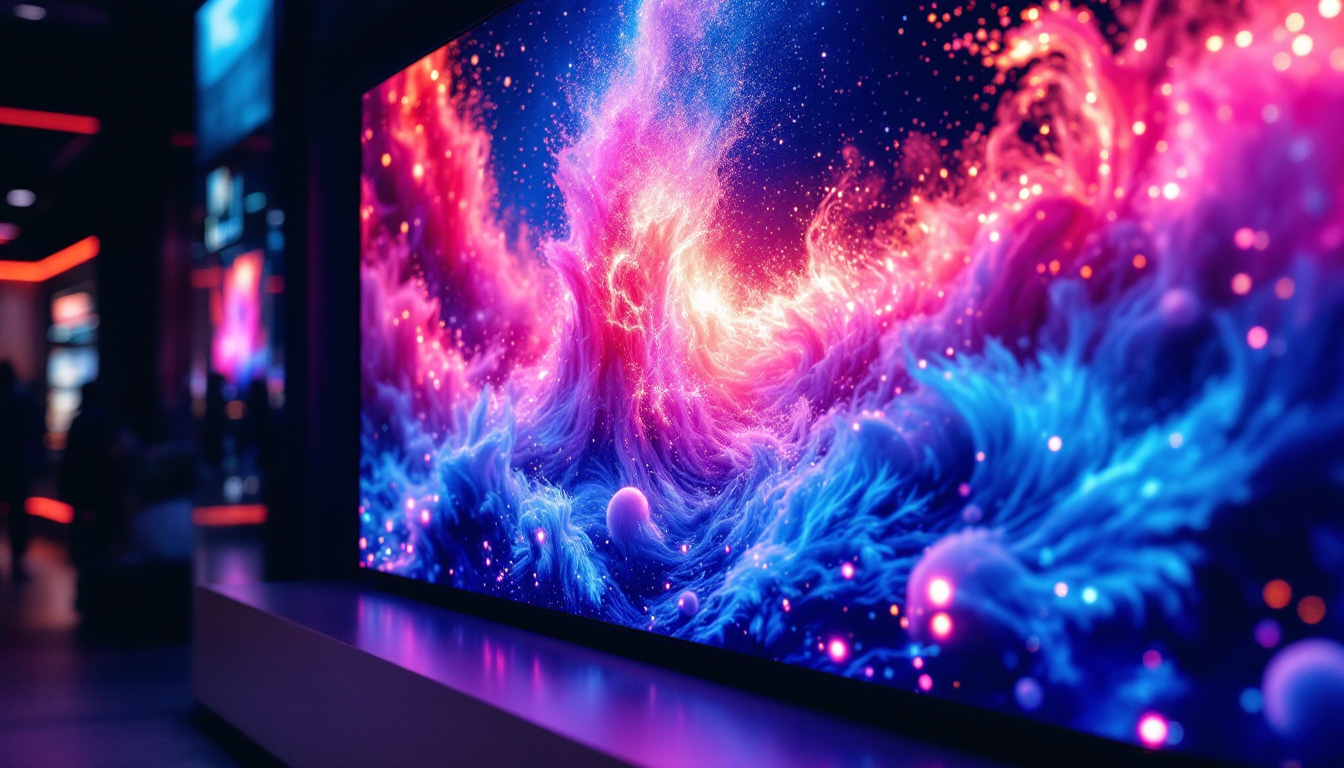
LEDs are semiconductor devices that produce light through electroluminescence. In digital kiosks, millions of these tiny diodes are arranged in a matrix to form pixels. Each pixel can be individually controlled to display a wide range of colors by combining red, green, and blue LEDs. This precise control allows LED displays to render vibrant, high-contrast images and videos that are easily visible even in bright ambient light. The ability to adjust brightness and color dynamically also means that content can be tailored to different times of day or specific lighting conditions, enhancing the viewer’s experience.
Because each diode emits its own light, LED displays do not require a separate backlight, which is a major limitation in LCD screens. This self-illumination enables deeper blacks and more vivid colors, enhancing the overall viewing experience. Additionally, LED technology is inherently more energy-efficient than traditional display methods, leading to lower operational costs and a reduced environmental footprint. As a result, businesses are increasingly turning to LED displays as a sustainable solution for their advertising and informational needs.
Types of LED Displays Used in Kiosks
There are two primary types of LED displays commonly used in digital kiosks: direct view LED and LED-backlit LCD. Direct view LED displays consist entirely of LEDs forming the image, while LED-backlit LCDs use LEDs as a backlight behind an LCD panel.
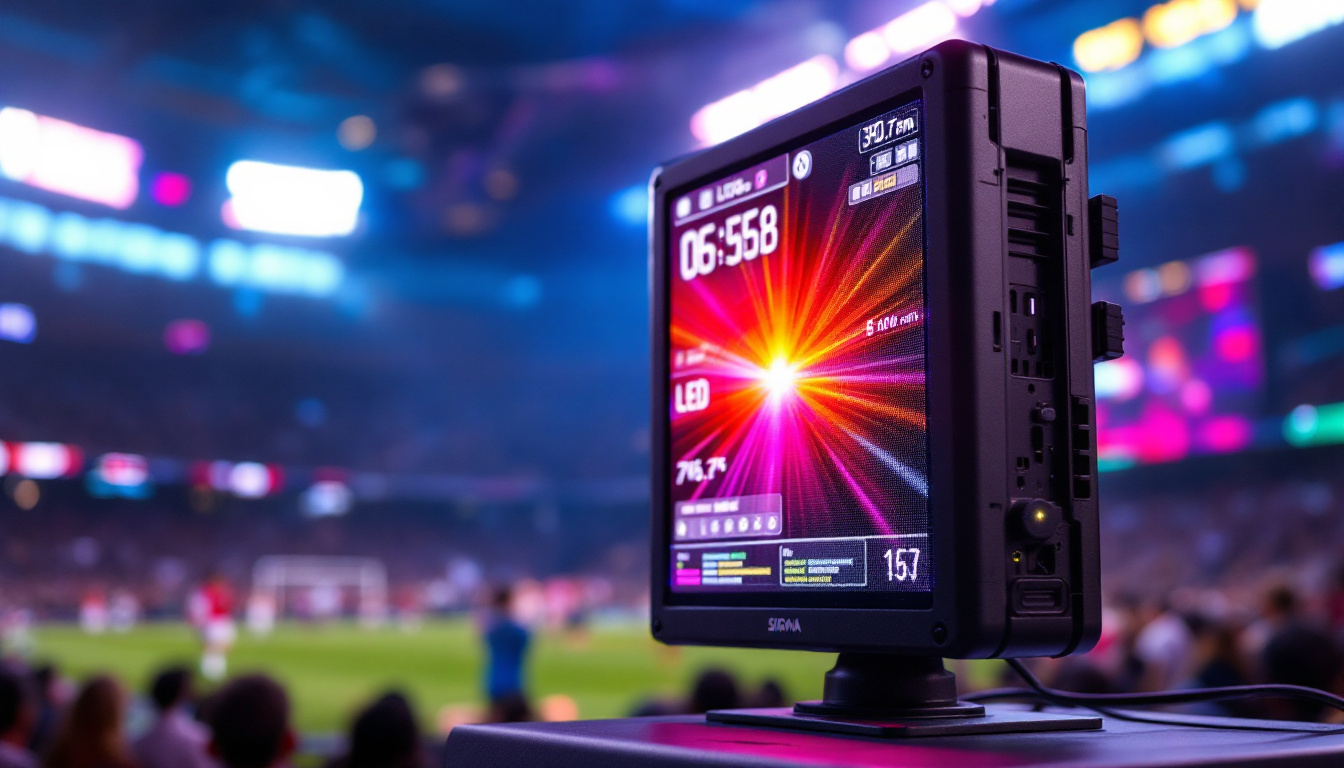
Direct view LED displays are favored for outdoor and large-format kiosks due to their exceptional brightness and durability. They can achieve brightness levels up to 5,000 nits or more, making them easily readable under direct sunlight. This capability is particularly important for outdoor advertising, where visibility is crucial. On the other hand, LED-backlit LCDs are typically used for indoor kiosks where ambient lighting is controlled, offering excellent image quality at a lower cost. These displays are often employed in shopping malls, airports, and other indoor venues, where they can provide engaging content without the challenges posed by external light sources. Additionally, advancements in LED technology have led to the development of flexible and curved displays, opening new possibilities for creative kiosk designs that can fit into various architectural spaces and enhance user interaction.
Advantages of LED Displays in Digital Kiosks
Choosing LED technology for digital kiosks offers numerous advantages that enhance both functionality and user engagement.
High Brightness and Visibility
One of the most significant benefits of LED displays is their superior brightness. With brightness levels ranging from 800 to over 5,000 nits, LED kiosks remain easily readable in various lighting conditions, including direct sunlight. This makes them ideal for outdoor advertising, transit stations, and other high-traffic areas where visibility is critical. Furthermore, the ability to adjust brightness dynamically based on ambient light conditions ensures that content is always displayed optimally, enhancing user experience and ensuring that important information is never missed.
Energy Efficiency and Longevity
LEDs consume significantly less power compared to traditional display technologies. This efficiency translates into lower operating costs, especially for kiosks that operate continuously. Additionally, LED displays boast a longer lifespan, often exceeding 100,000 hours of use before noticeable degradation occurs. This durability reduces maintenance frequency and total cost of ownership. The reduced energy consumption also aligns with sustainability goals, making LED kiosks an eco-friendly choice for businesses looking to minimize their carbon footprint while still delivering impactful advertising.
Vibrant Colors and High Contrast
LED displays produce a wider color gamut and higher contrast ratios than many other display types. This capability allows for eye-catching visuals that can attract and retain viewer attention. For businesses, this means more effective advertising and clearer communication of information. Additionally, the ability to display dynamic content, such as videos and animations, further enhances engagement, allowing brands to convey their messages in a more compelling and memorable way. The rich colors and sharp details provided by LED technology can transform a simple kiosk into an immersive experience that captivates passersby.
Thin and Lightweight Design
LED technology enables the creation of slim and lightweight display panels, making digital kiosks more versatile in terms of placement and design. Whether integrated into retail environments, airports, or outdoor settings, these sleek displays blend seamlessly without compromising aesthetic appeal. This design flexibility allows businesses to create unique installations that fit their branding and spatial requirements. Moreover, the lightweight nature of LED panels simplifies installation and transportation, making it easier for businesses to adapt to changing environments or relocate kiosks as needed. The modern look of LED kiosks also complements contemporary architecture, enhancing the overall ambiance of the space they occupy.
Applications of LED Digital Display Kiosks
LED digital kiosks have become ubiquitous across various industries due to their adaptability and effectiveness. Understanding these applications helps businesses identify opportunities to leverage this technology strategically.
Retail and Advertising
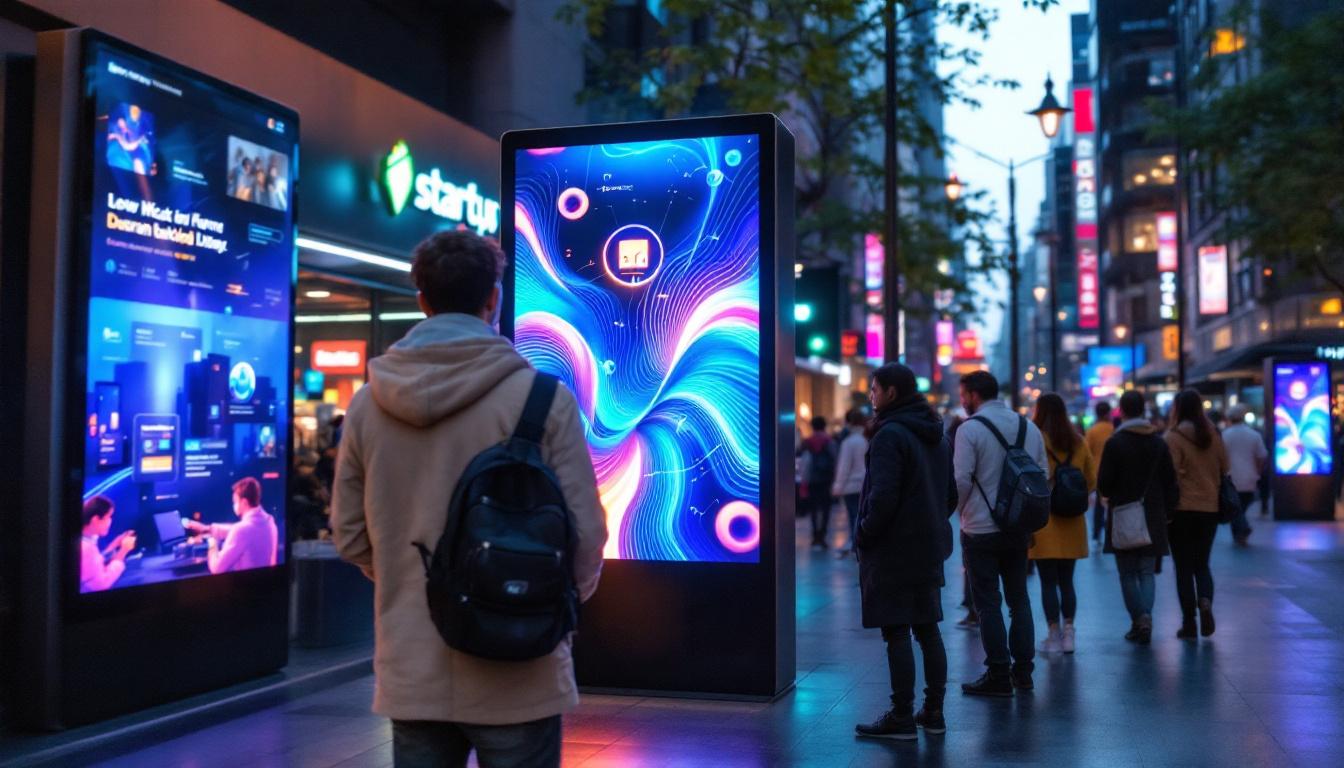
In retail environments, LED kiosks serve as dynamic advertising platforms that can showcase promotions, new products, or interactive catalogs. Studies indicate that digital signage can increase sales by up to 30% by influencing consumer behavior at the point of purchase. LED displays’ brightness and color accuracy make them ideal for grabbing shopper attention in busy stores.
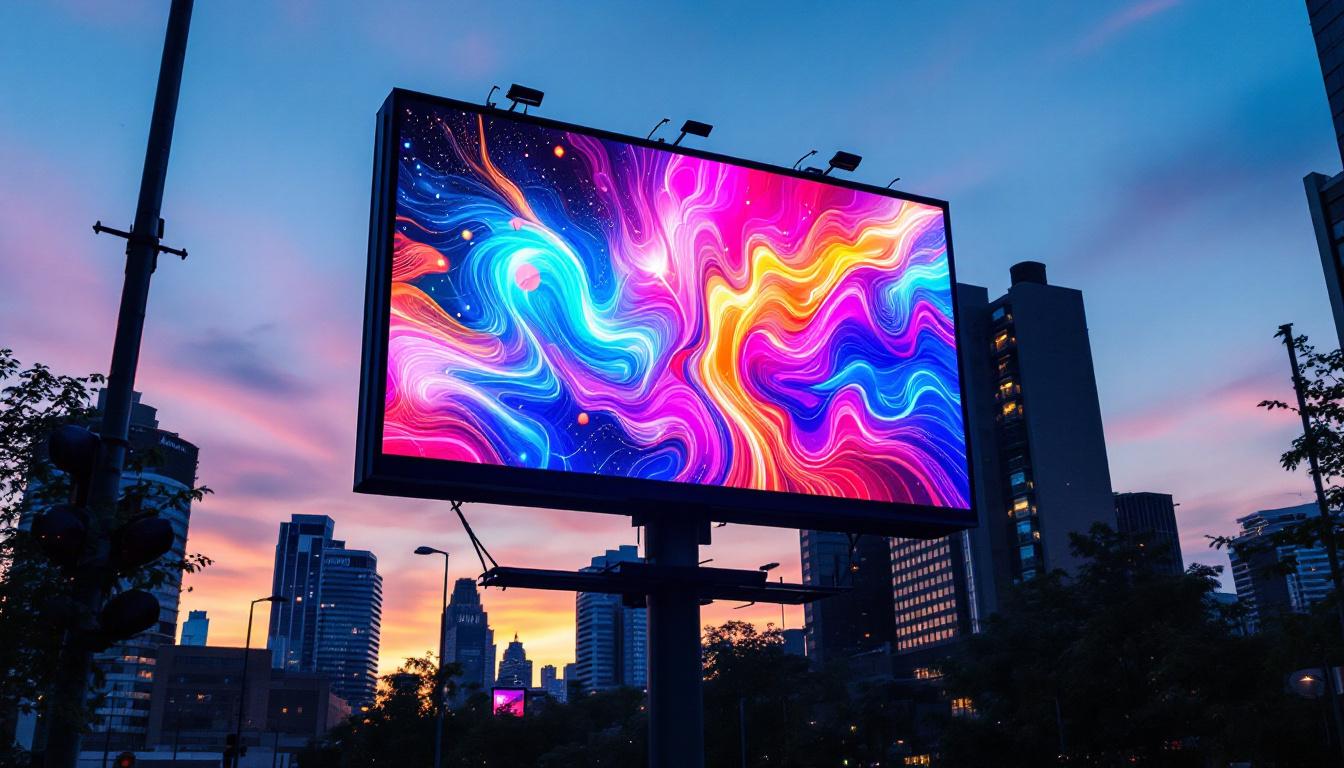
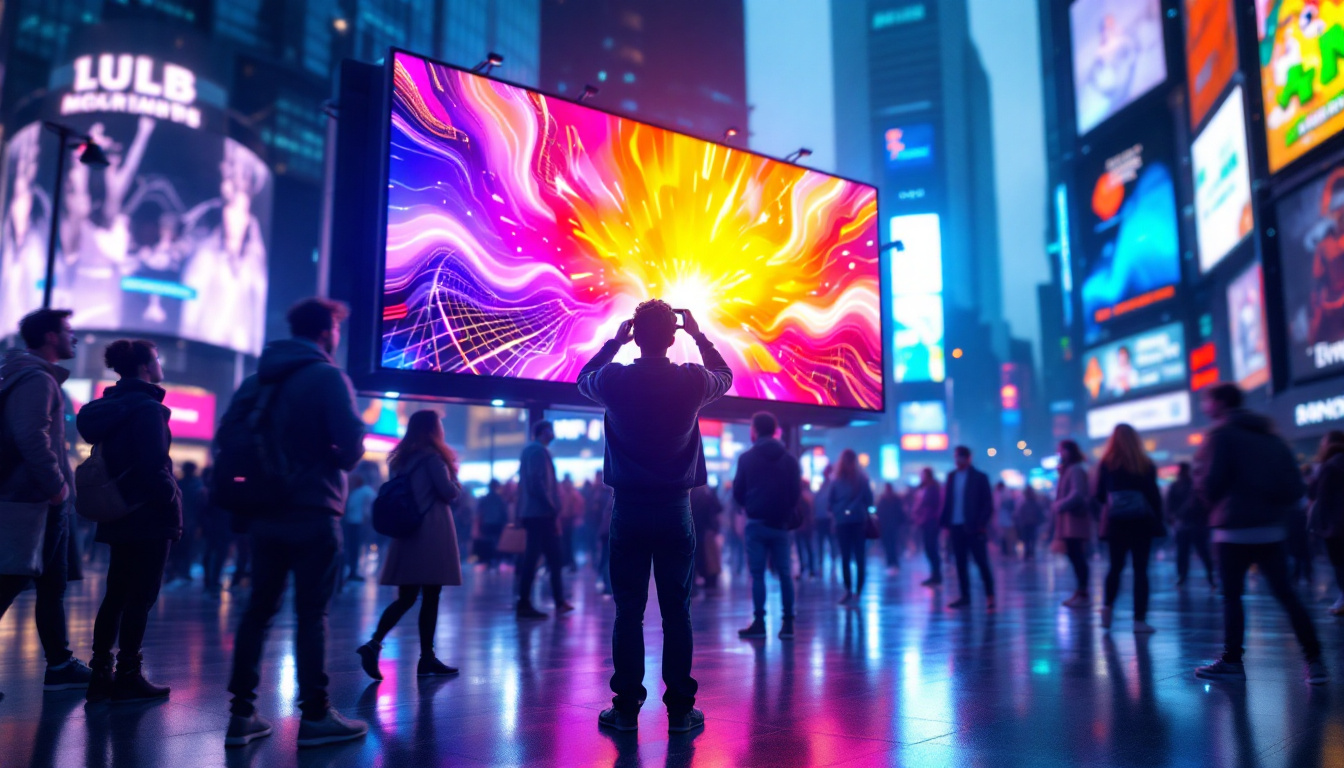
Outdoor LED kiosks are also widely used for billboard advertising, where their ability to display vivid, changing content outperforms static signs. This flexibility allows advertisers to tailor messages based on time of day, audience demographics, or special events.
Transportation and Public Spaces
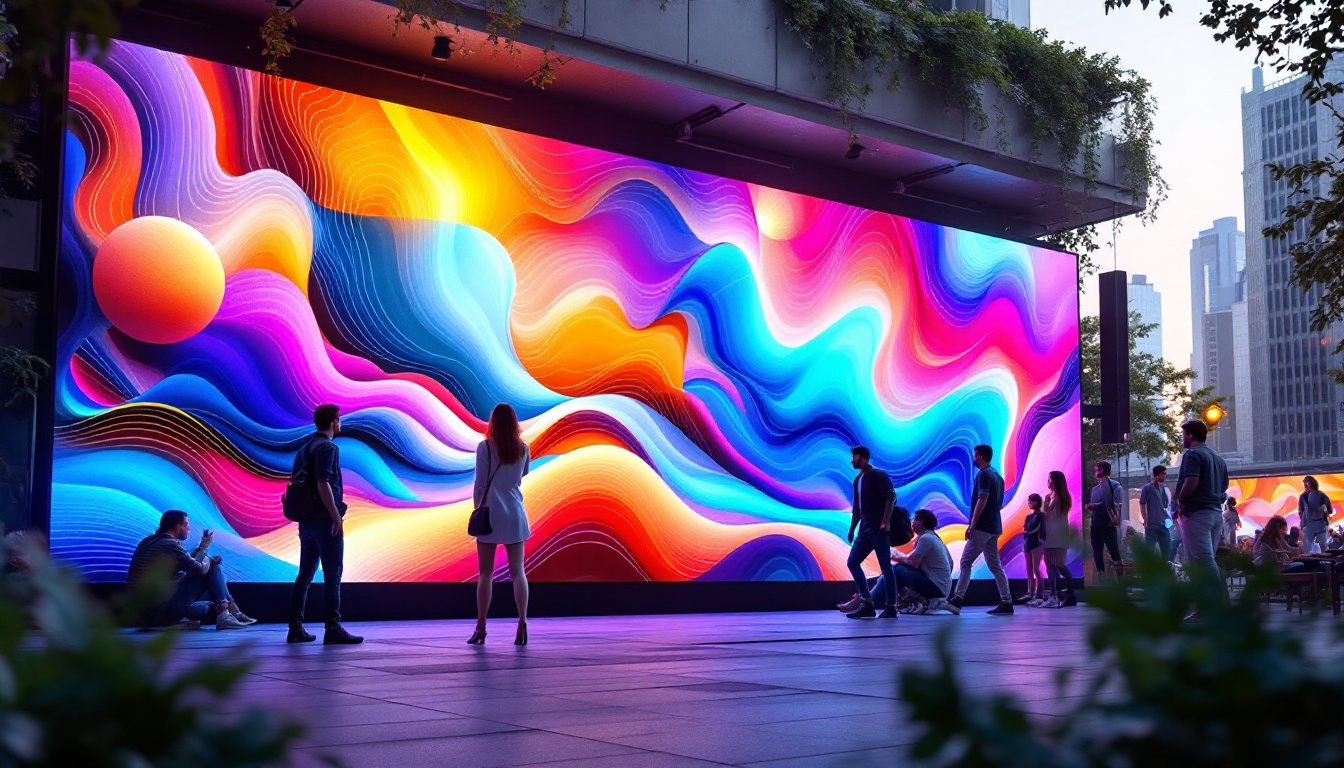
Airports, train stations, and bus terminals utilize LED kiosks for real-time information dissemination, wayfinding, and emergency alerts. The high visibility and reliability of LED displays ensure travelers receive timely updates even in challenging lighting conditions. Additionally, interactive LED kiosks can assist with ticket purchases or customer service inquiries, improving overall passenger experience.
Hospitality and Entertainment
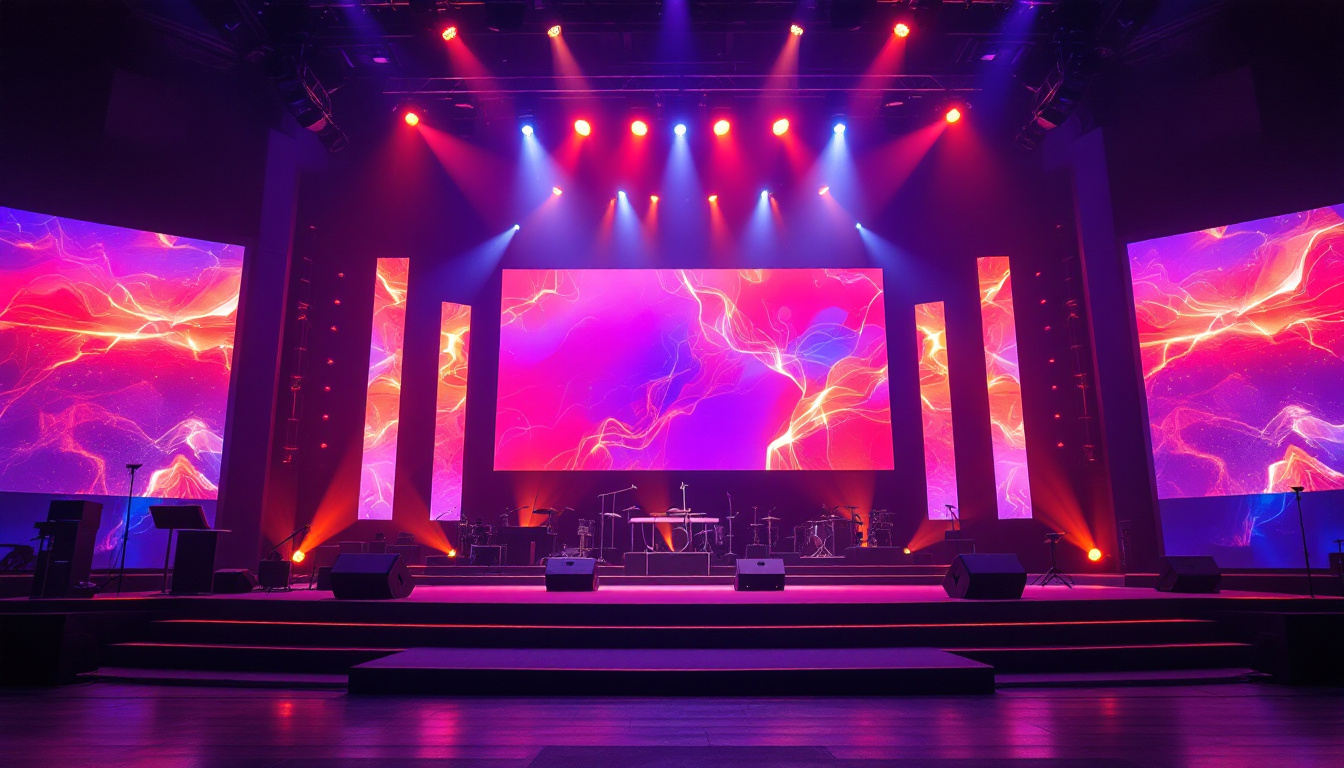
Hotels, casinos, and entertainment venues use LED kiosks to enhance guest engagement. From digital concierge services to event schedules and interactive maps, these kiosks provide valuable information while reinforcing brand identity through vibrant visuals. The robustness of LED displays ensures they perform well in diverse environments, including outdoor patios or poolside areas.
Key Considerations When Choosing LED Digital Display Kiosks
Selecting the right LED kiosk requires careful evaluation of several factors to ensure optimal performance and return on investment.
Resolution and Pixel Pitch
The resolution of an LED display is determined by the pixel pitch—the distance between individual LED clusters. A smaller pixel pitch results in higher resolution and sharper images, which is essential for kiosks viewed up close, such as indoor retail displays. Larger pixel pitches are suitable for outdoor kiosks viewed from a distance, balancing cost and image clarity.
Brightness and Environmental Suitability
Brightness requirements vary depending on the kiosk’s location. Outdoor kiosks need higher brightness levels (typically above 3,000 nits) to combat sunlight glare, whereas indoor kiosks function well at lower brightness settings. Additionally, weatherproofing and durability features are critical for outdoor installations to withstand rain, dust, and temperature fluctuations.
Interactivity and Software Integration
Many LED kiosks incorporate touchscreens or sensors to enable interactive experiences. When selecting a kiosk, it is important to consider compatibility with software platforms that manage content, analytics, and user engagement. Seamless integration ensures that businesses can update messaging quickly and gather valuable insights on kiosk usage.
Maintenance and Support
LED displays require periodic maintenance to maintain optimal brightness and color accuracy. Choosing kiosks from reputable manufacturers with strong technical support and warranty coverage can minimize downtime and repair costs. Additionally, modular designs that allow easy replacement of LED panels or components can extend the kiosk’s operational lifespan.
The Future of LED Digital Display Kiosks
As technology advances, LED digital display kiosks continue to evolve, offering even greater capabilities and applications.
MicroLED and MiniLED Innovations
Emerging technologies like MicroLED and MiniLED promise to enhance image quality and energy efficiency further. MicroLED displays use microscopic LEDs to create pixels, enabling ultra-high resolution and brightness with lower power consumption. These advancements are expected to bring more immersive and flexible display options to digital kiosks in the coming years.
Integration with AI and IoT
Artificial intelligence (AI) and the Internet of Things (IoT) are transforming digital signage by enabling personalized content delivery and real-time responsiveness. LED kiosks equipped with AI can analyze viewer demographics and behavior to tailor advertisements dynamically, increasing relevance and engagement. IoT connectivity allows kiosks to interact with other devices and systems, creating smarter environments in retail stores, airports, and smart cities.
Sustainability and Eco-Friendly Designs
With growing emphasis on sustainability, manufacturers are focusing on eco-friendly LED kiosks that reduce energy consumption and utilize recyclable materials. Energy-efficient LEDs combined with solar-powered kiosks are becoming more common, especially in outdoor and remote locations. These innovations align with corporate social responsibility goals and appeal to environmentally conscious consumers.
Conclusion
LED digital display kiosks have revolutionized the way businesses communicate with their audiences. Their superior brightness, energy efficiency, and versatility make them indispensable tools across industries ranging from retail to transportation. Understanding the technology behind LED displays and the factors influencing their performance enables organizations to select the best solutions for their needs.
As LED technology continues to advance, integrating innovations like MicroLED, AI, and IoT will unlock new possibilities for interactive, personalized, and sustainable digital signage. Investing in high-quality LED kiosks today can provide a competitive edge and create memorable experiences that resonate with customers long into the future.
Discover LumenMatrix’s Innovative LED Solutions
Ready to elevate your brand’s visual impact with the latest in LED display technology? Look no further than LumenMatrix. Our comprehensive range of LED display modules, from vibrant Indoor and Outdoor LED Wall Displays to dynamic Vehicle and Sports LED Displays, is designed to captivate and engage your audience. Whether you’re looking to create an immersive Floor LED Display, a sleek LED Poster, or require a Custom LED solution, LumenMatrix is here to transform your visual communication strategy. Check out LumenMatrix LED Display Solutions today and start creating unforgettable experiences with superior brightness, energy efficiency, and versatility.