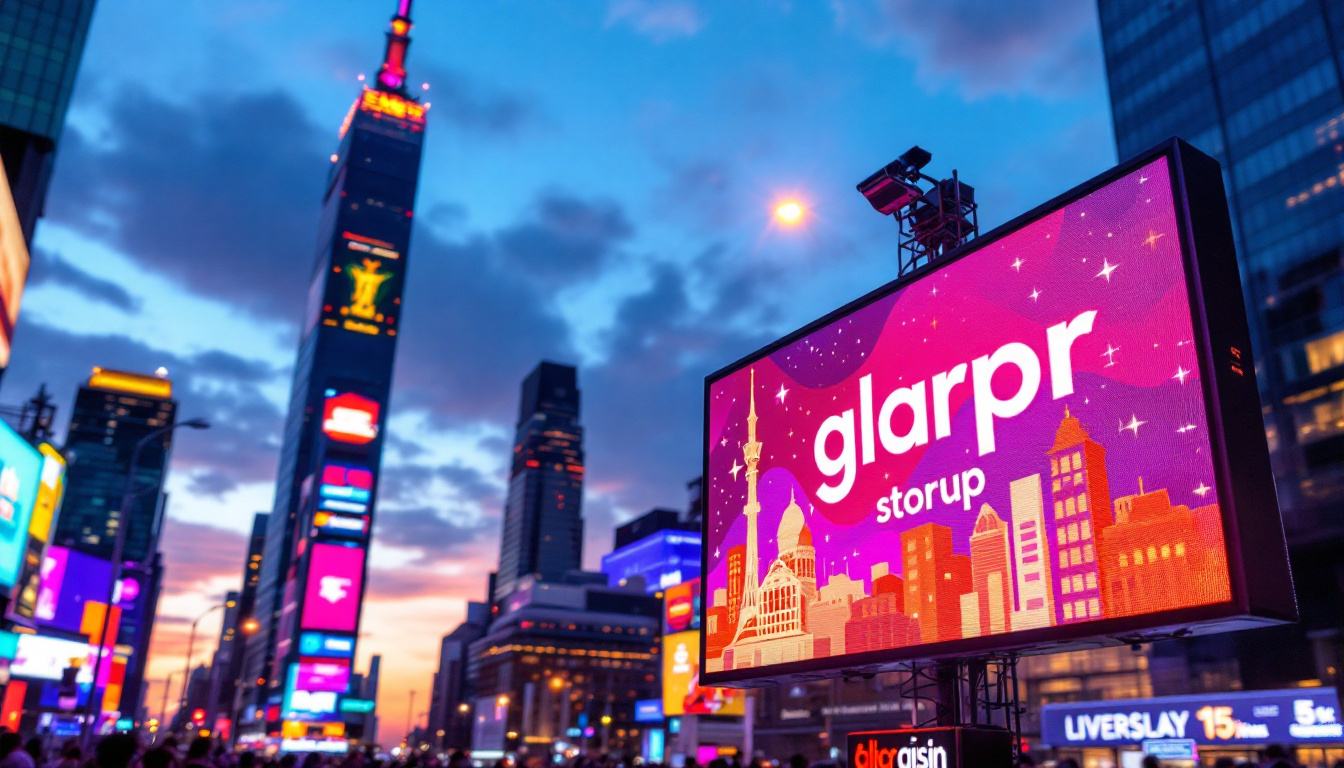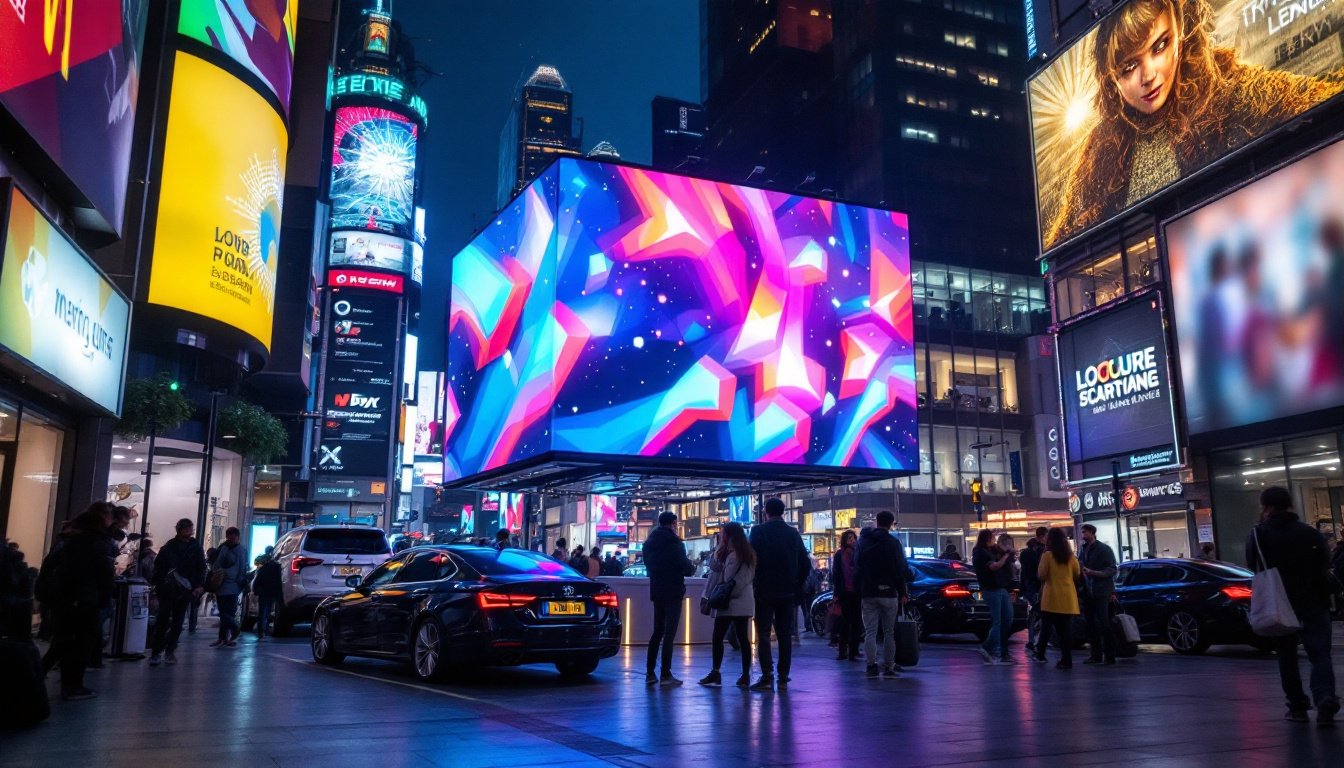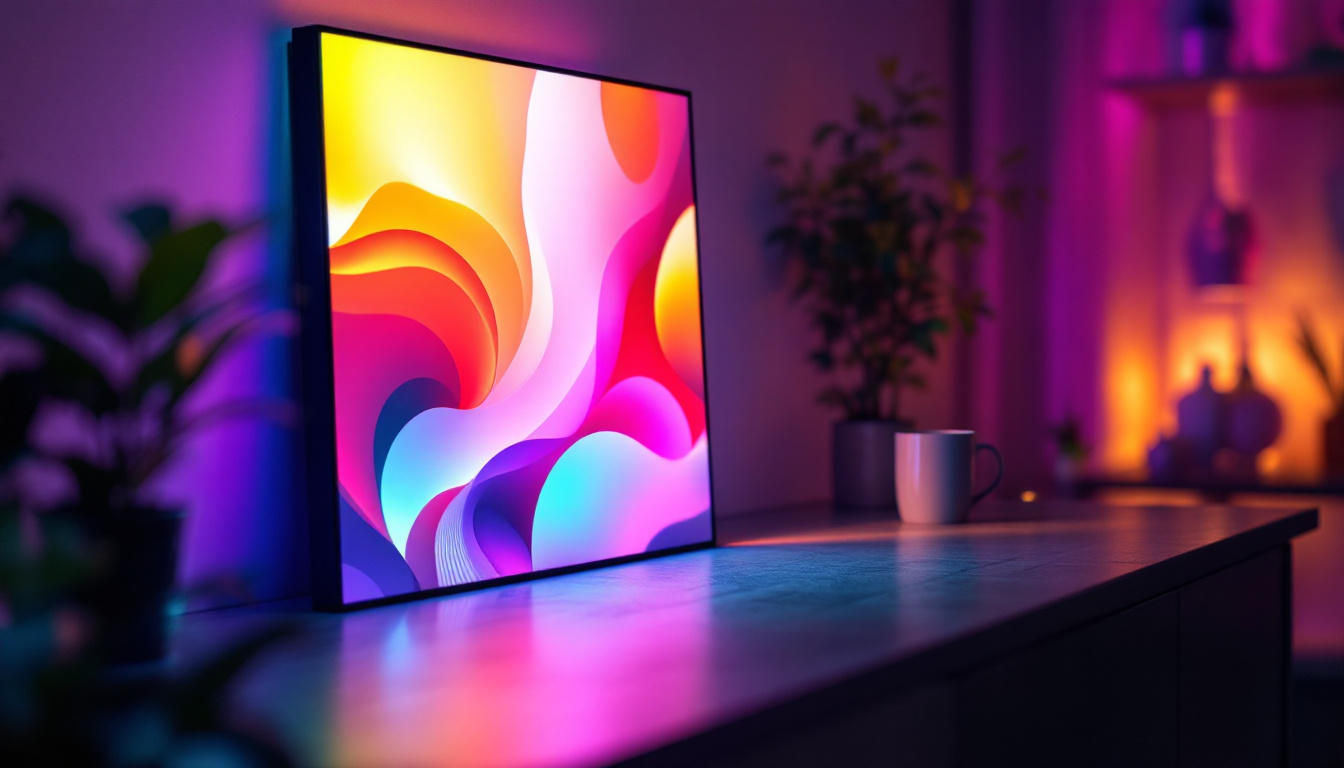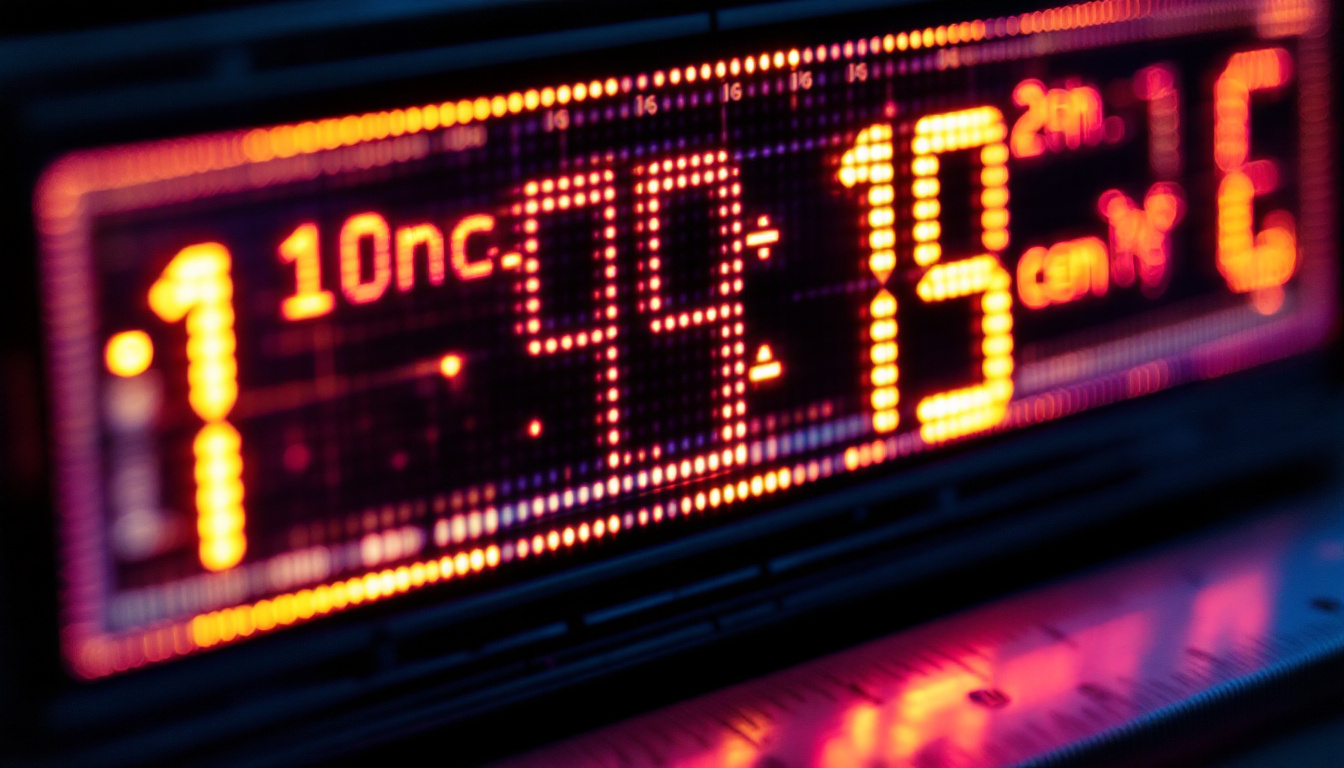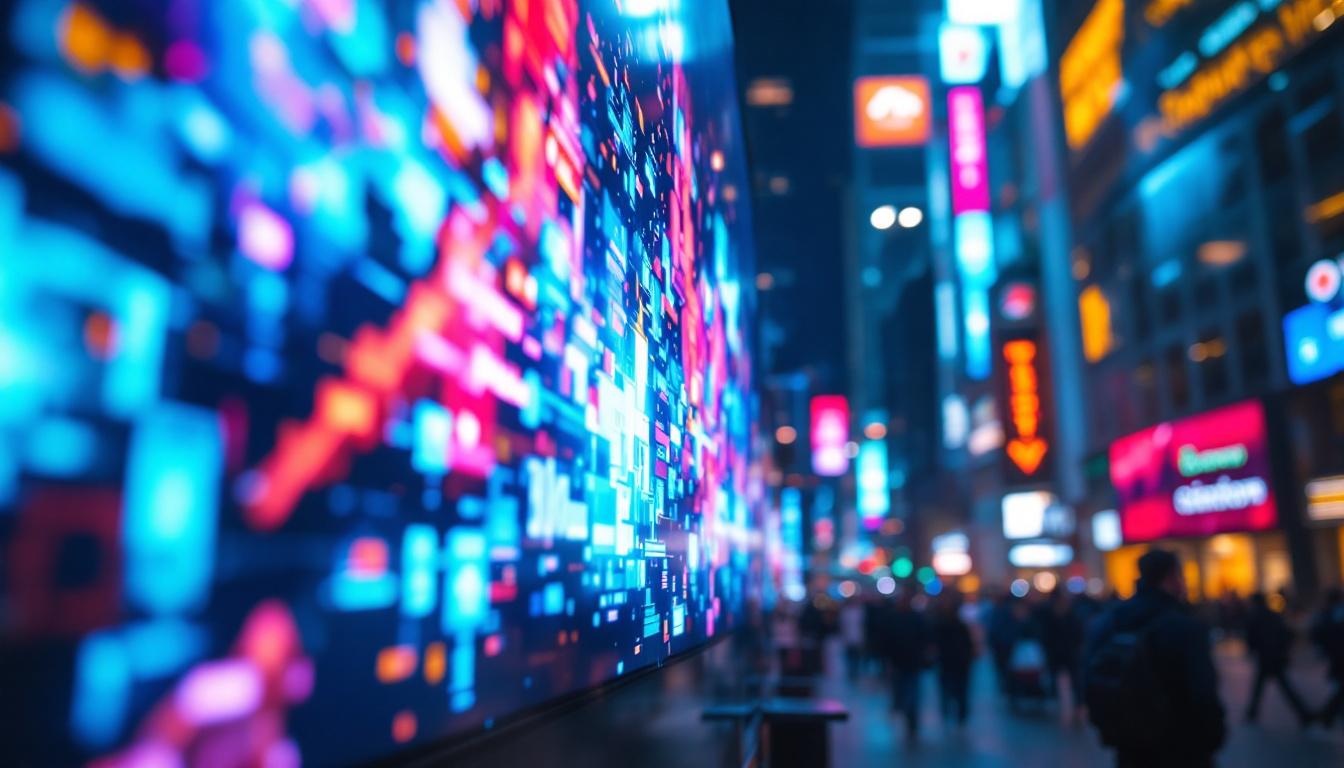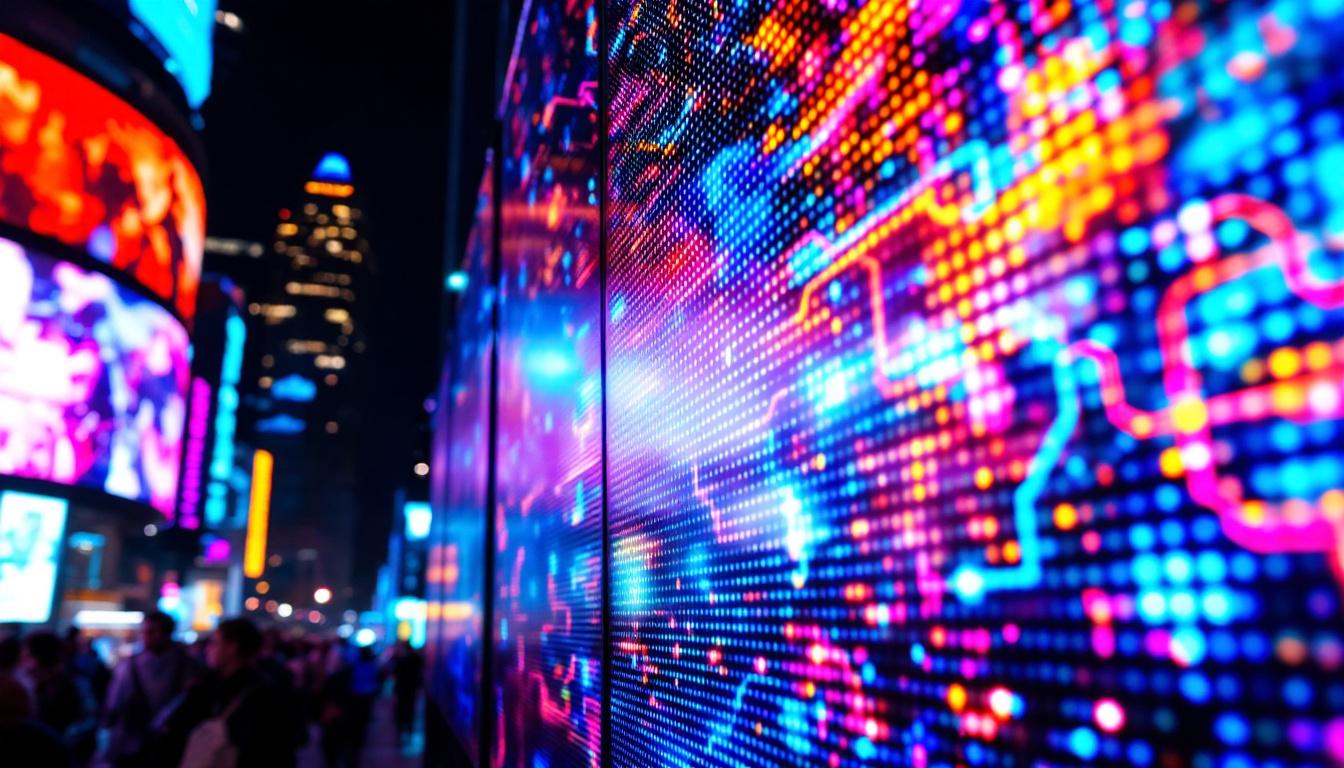
In today’s fast-paced digital world, businesses and public spaces increasingly rely on digital signage to communicate effectively with their audiences. Among the various technologies available, LED displays stand out for their brightness, durability, and versatility. This article delves into the world of digital signage monitors, focusing on LED display technology, its benefits, applications, and what to consider when choosing the right solution.
Understanding Digital Signage and LED Displays
What is Digital Signage?
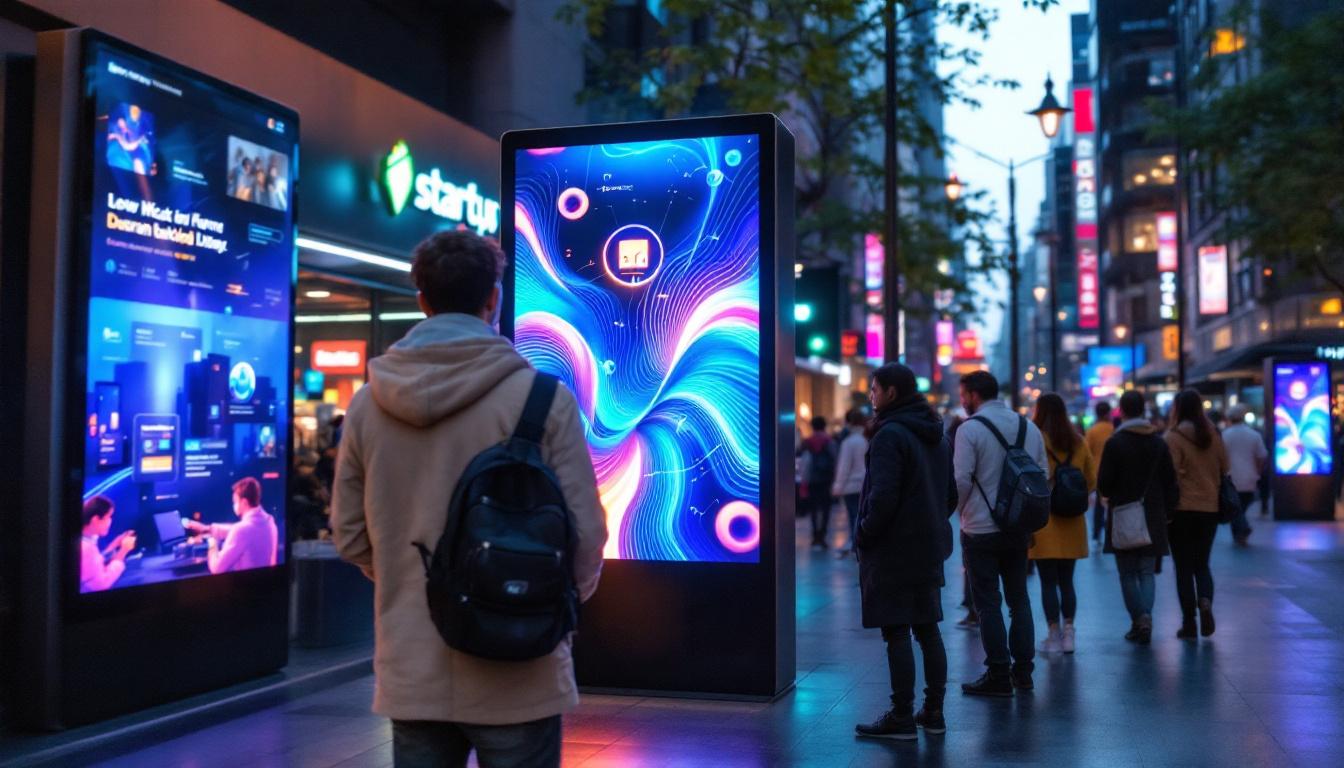
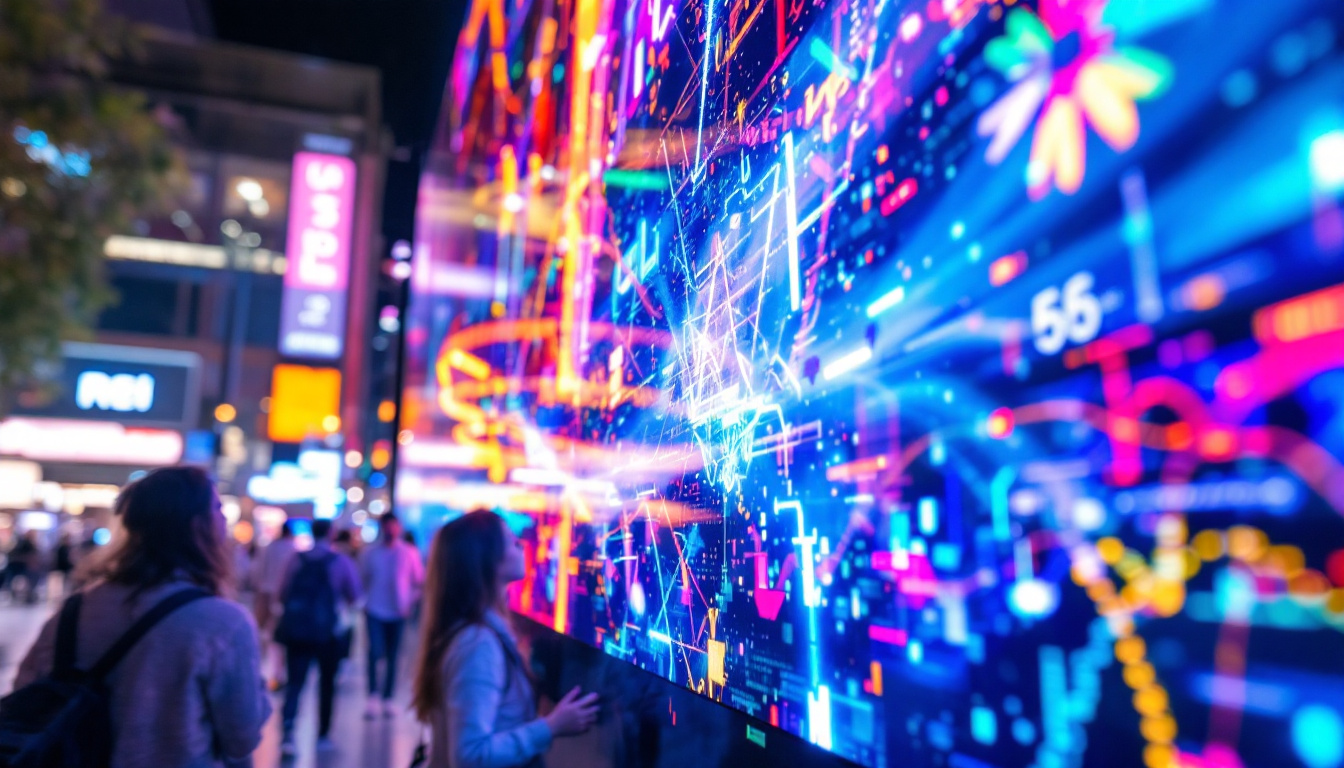
Digital signage refers to electronic displays used to present information, advertisements, or other content in public or private spaces. Unlike traditional static signs, digital signage offers dynamic, easily updatable content that can range from simple text and images to complex videos and interactive interfaces. This adaptability makes digital signage a powerful tool for marketing, wayfinding, entertainment, and information dissemination. Businesses can leverage digital signage to engage customers in real-time, providing them with timely promotions, event announcements, or even interactive experiences that enhance their visit. For instance, a retail store might display a live feed of social media posts, showcasing customer interactions and encouraging others to participate.
Why LED Displays Are Popular in Digital Signage
LED, or Light Emitting Diode, displays have become the preferred technology for digital signage due to several key advantages. LEDs are highly energy-efficient, produce bright and vivid images, and have a long operational lifespan. These qualities make LED displays suitable for both indoor and outdoor environments, where visibility and reliability are critical. The modular nature of LED technology allows for versatile configurations, enabling businesses to create custom shapes and sizes that fit their specific branding needs. This flexibility is particularly advantageous for large installations, such as stadiums or shopping malls, where unique display designs can enhance the overall aesthetic and draw attention.
Compared to LCD or projection-based displays, LED signage offers superior brightness levels, often exceeding 1,000 nits, which ensures readability even under direct sunlight. Additionally, LEDs provide excellent color accuracy and contrast ratios, enhancing the visual impact of displayed content. Moreover, advancements in LED technology, such as the development of microLED and miniLED displays, are pushing the boundaries of resolution and image quality, making it possible to create immersive experiences that captivate audiences. As a result, businesses are increasingly investing in LED displays not just for their functionality, but also for their ability to create stunning visual narratives that resonate with viewers and elevate brand presence in competitive markets.
How LED Digital Signage Monitors Work
Basic Components of an LED Display
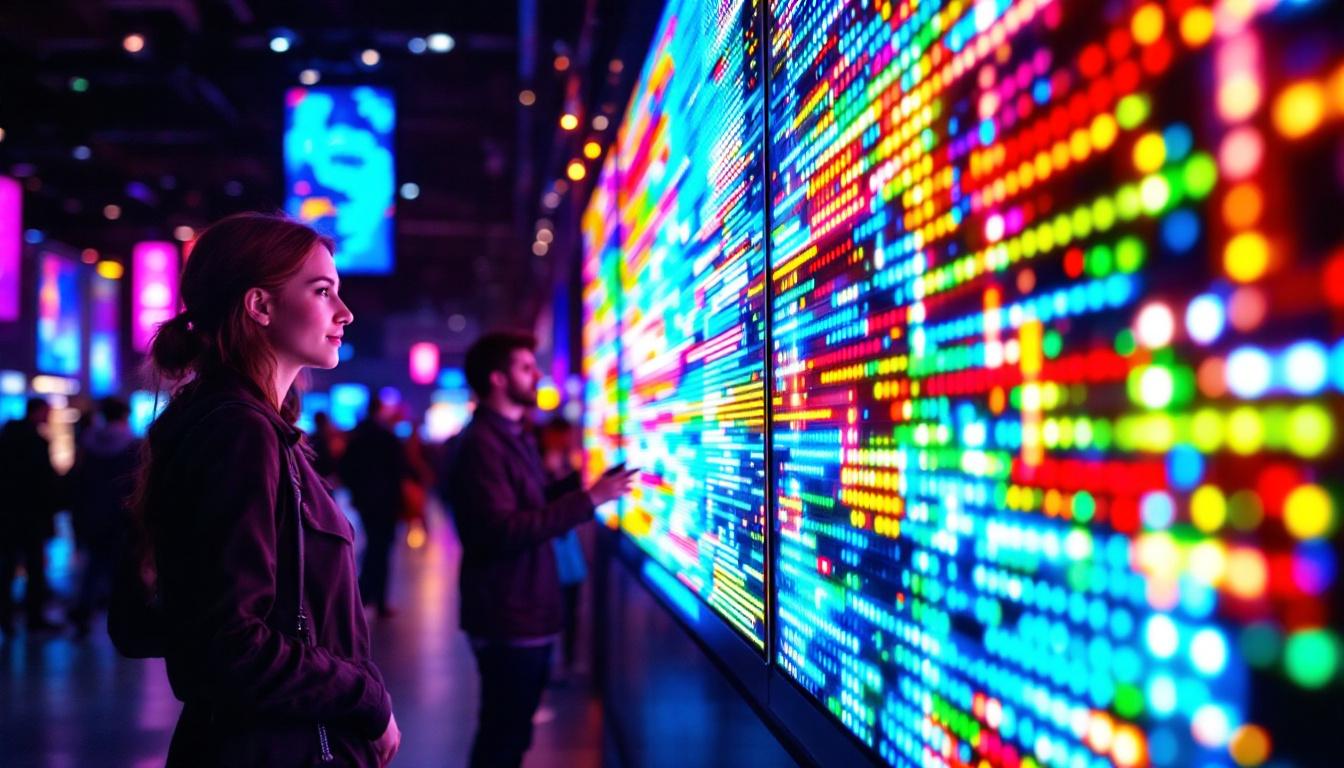
An LED digital signage monitor consists of an array of tiny LEDs arranged in a grid. Each LED acts as a pixel, emitting light in red, green, or blue to create the full spectrum of colors through color mixing. By controlling the intensity of each LED, the display can render detailed images and videos with high fidelity. The precision of this color mixing allows for vibrant displays that can capture attention and convey messages effectively, making them ideal for advertising and informational purposes.
The display is driven by a control system that processes input signals from media players or networked content management systems. This system manages the timing, brightness, and color output of the LEDs to produce smooth, vibrant visuals. Advanced control systems can also incorporate real-time data feeds, enabling dynamic content updates based on current events, weather conditions, or audience engagement metrics. This adaptability ensures that the signage remains relevant and engaging, maximizing its impact on viewers.
Types of LED Displays Used in Digital Signage
LED displays for signage generally come in two main types: direct-view LED and LED-backlit LCD.
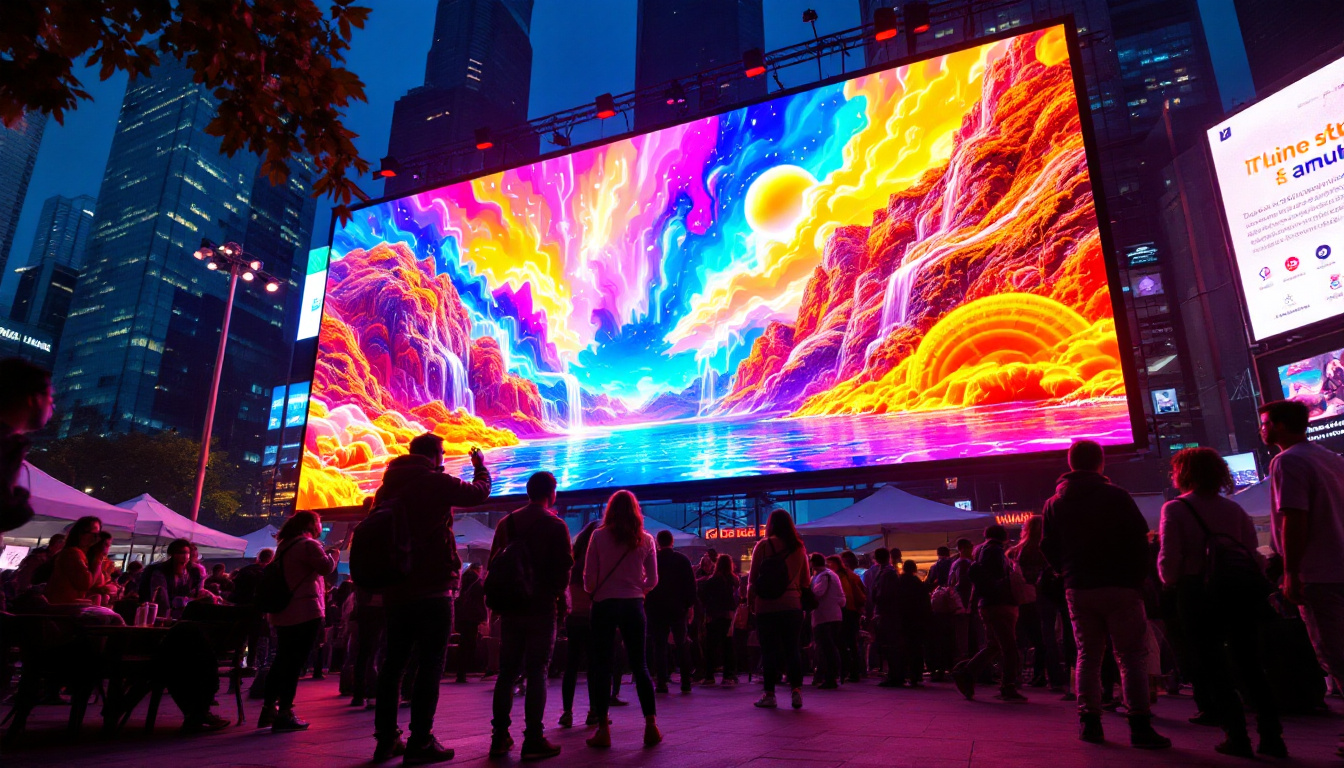
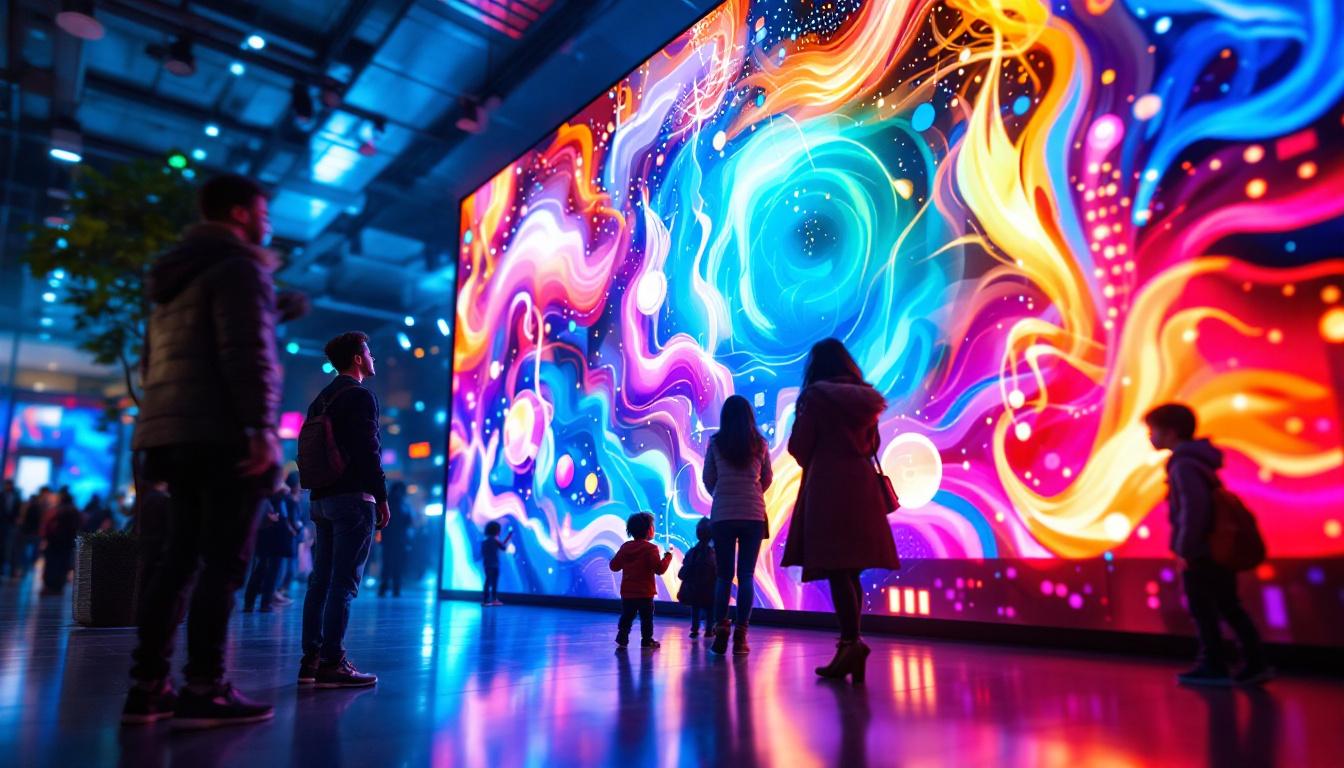
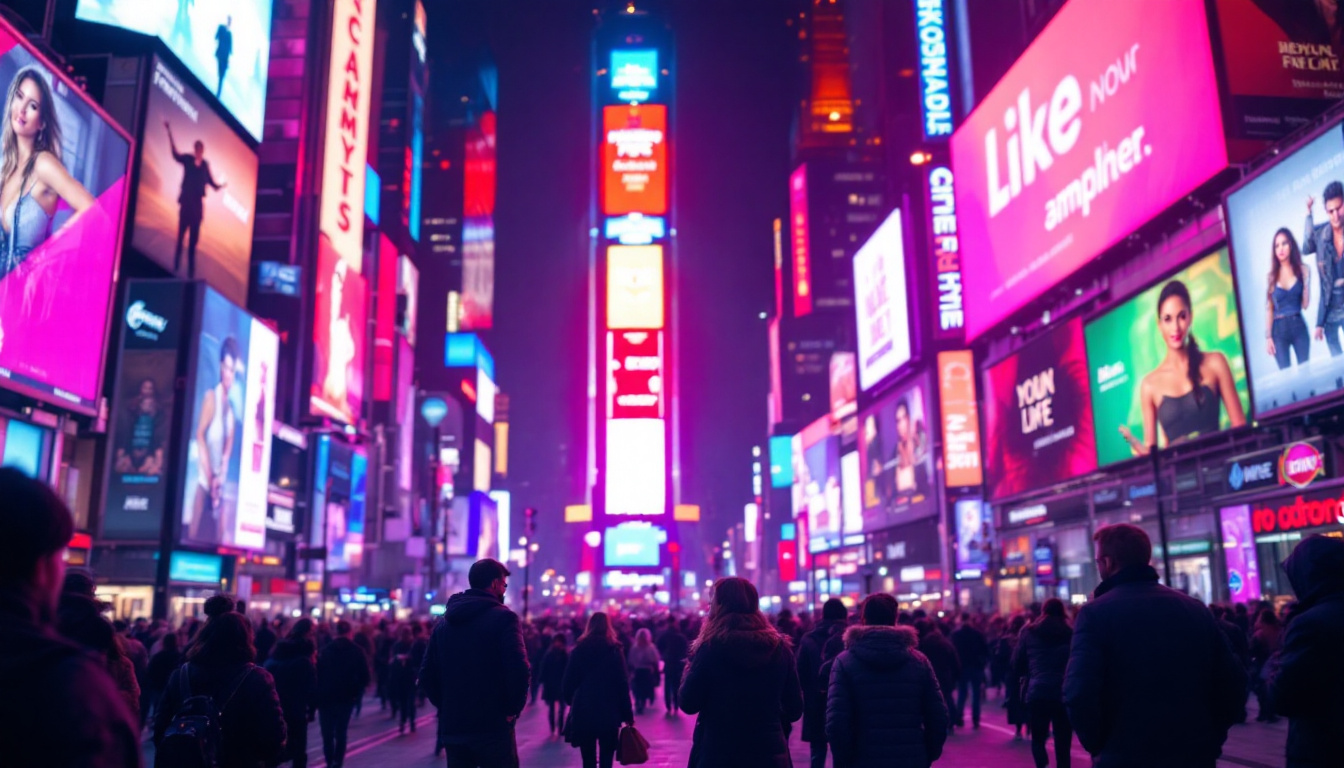
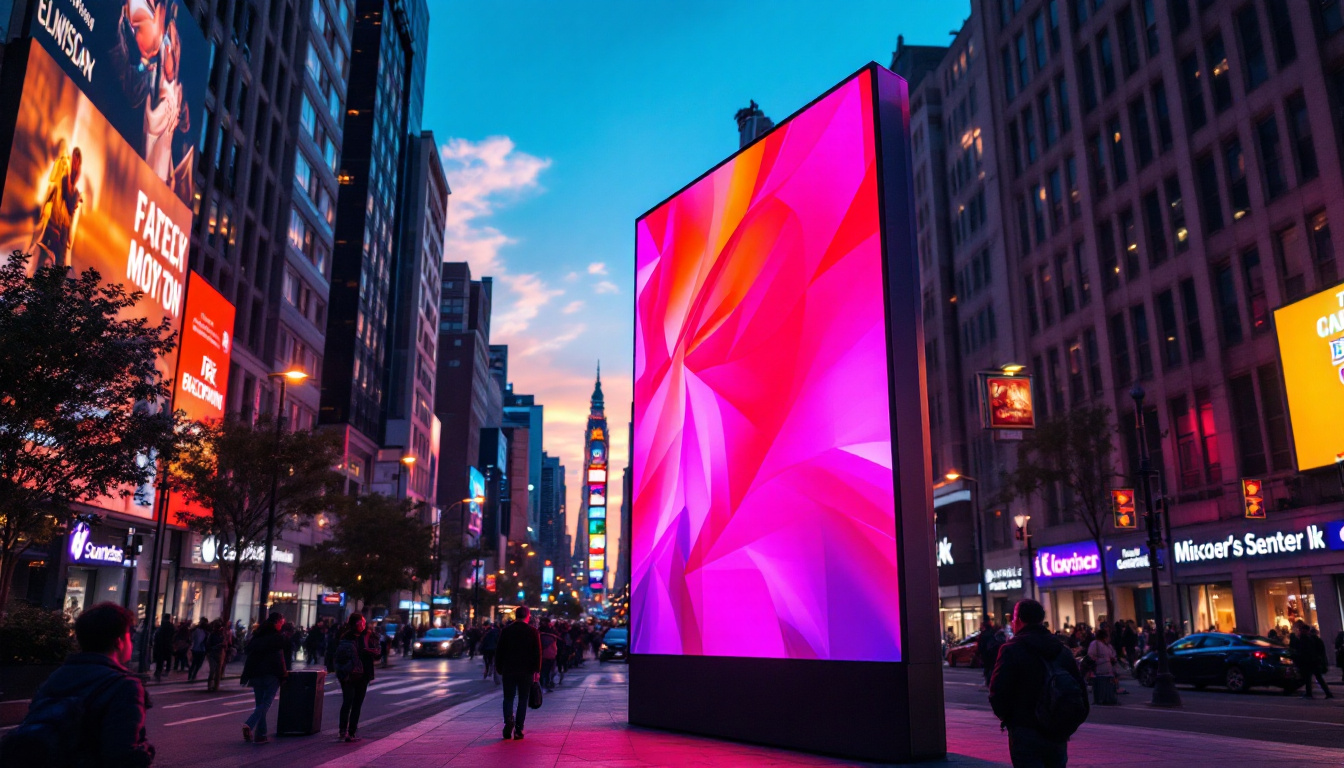
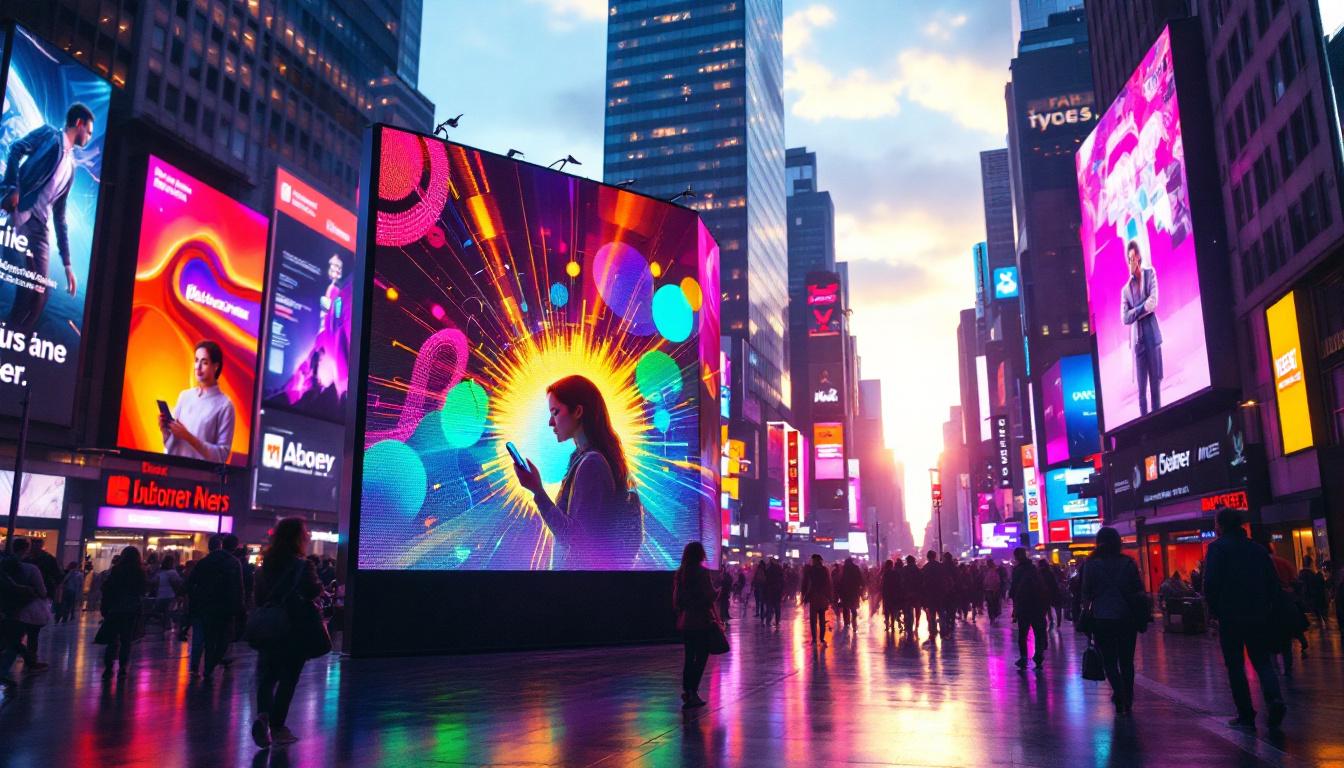
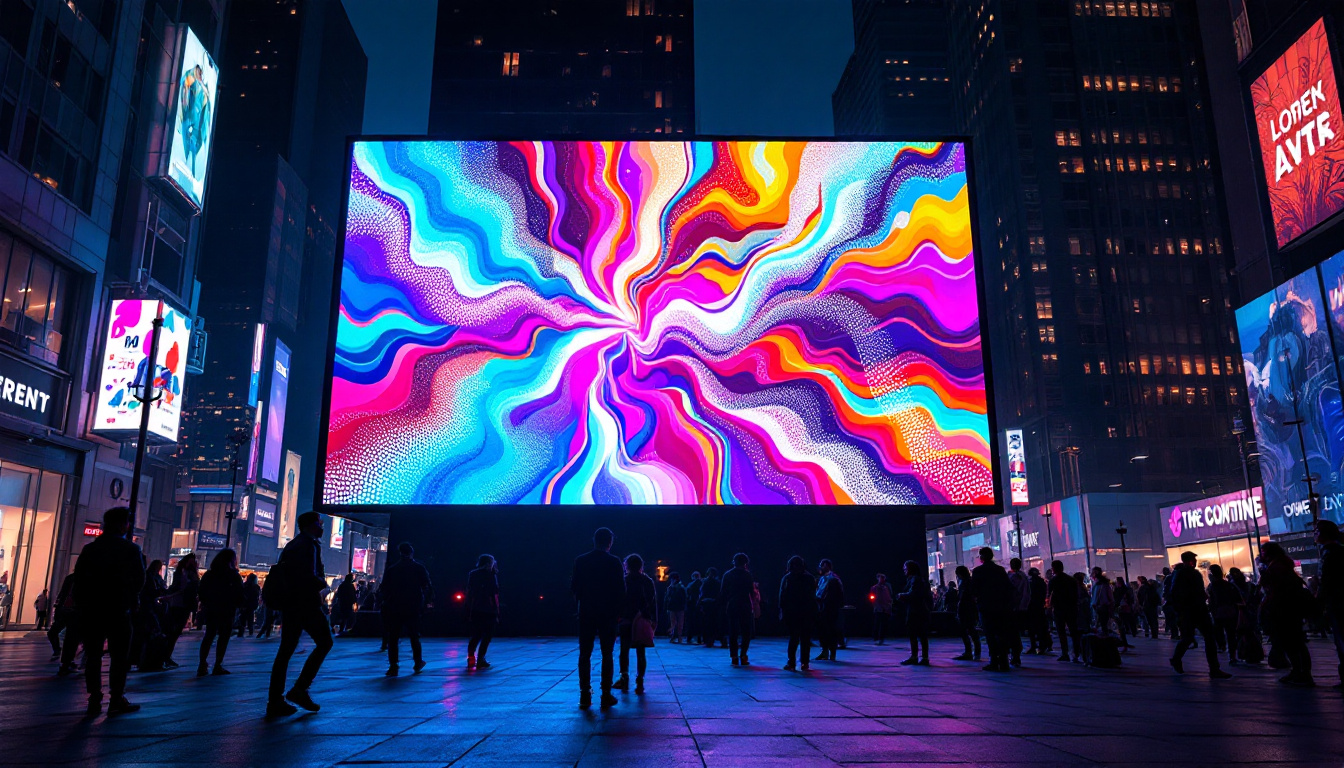
- Direct-View LED: This type features LEDs as the actual pixels on the screen. It is commonly used for large-format outdoor billboards, stadium screens, and indoor video walls. Direct-view LED displays offer exceptional brightness and viewing angles but typically require modular assembly for large sizes. They are particularly effective in high-traffic areas where visibility is crucial, as their brightness can cut through ambient light, ensuring that messages are seen both day and night.
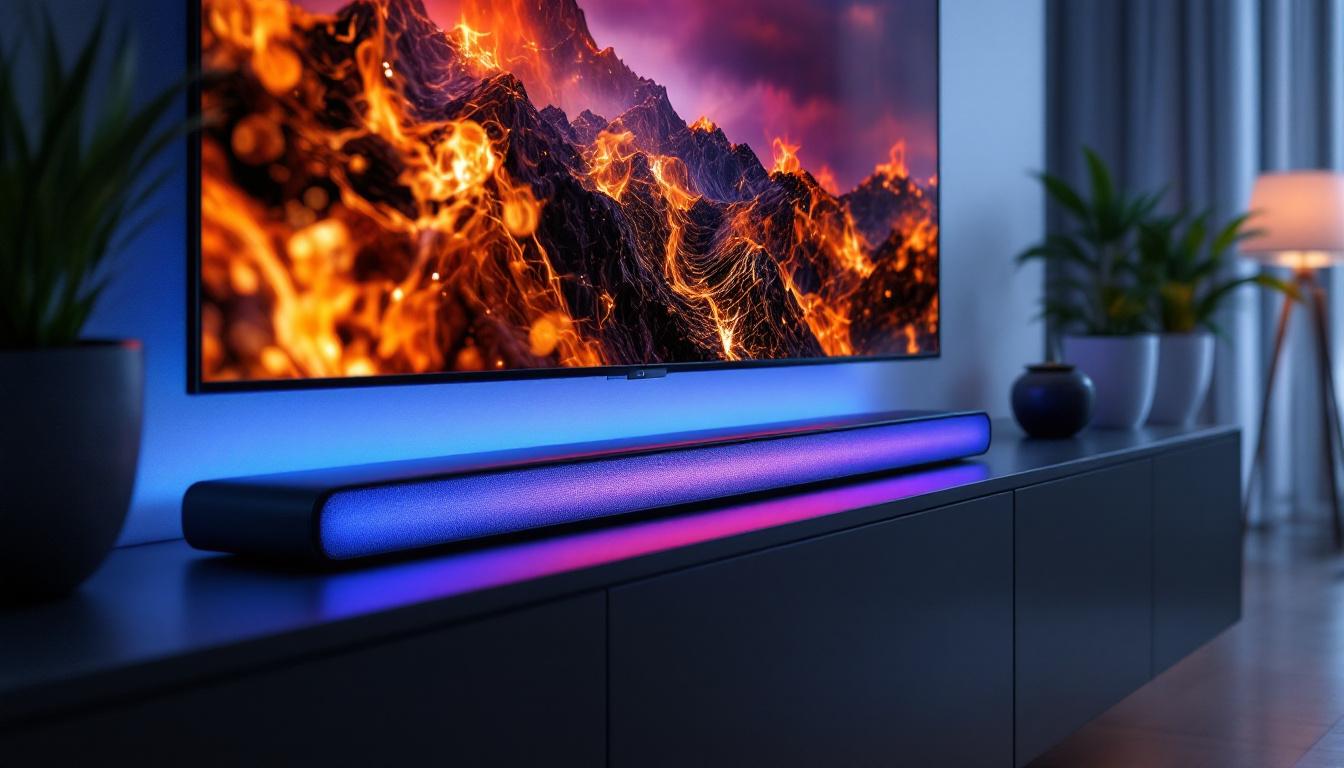
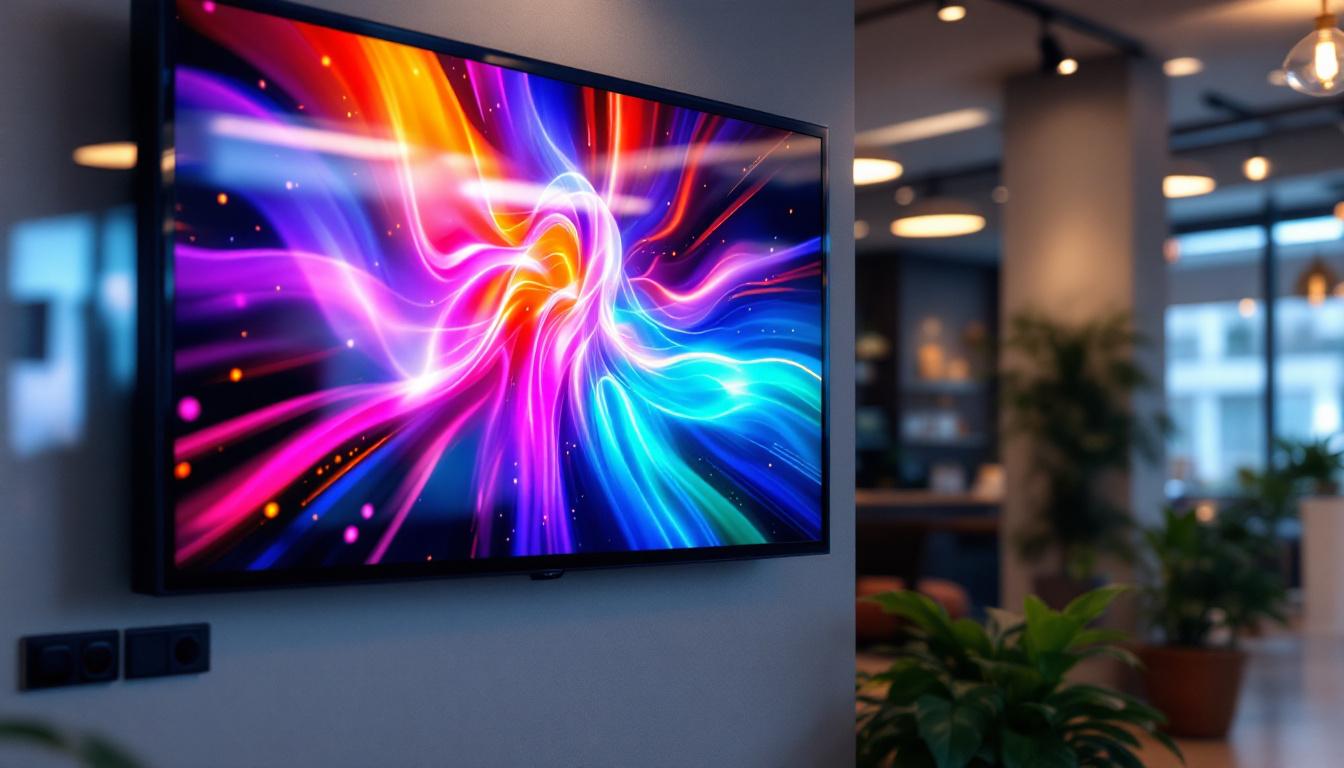
- LED-Backlit LCD: In this configuration, an LCD panel is illuminated by an array of LEDs behind or along the edges. This technology is common in smaller digital signage monitors and indoor applications, offering good image quality at a lower cost than direct-view LED. LED-backlit LCDs are often favored for their slim profiles and energy efficiency, making them suitable for retail environments, conference rooms, and other indoor settings where space and power consumption are considerations.
In addition to these primary types, there are emerging technologies in the LED display market, such as microLED and miniLED. MicroLED displays utilize microscopic LEDs to create incredibly sharp images with high contrast ratios and energy efficiency. They are gaining traction for their potential in high-end applications, including virtual reality and augmented reality environments. MiniLED technology, on the other hand, enhances traditional LCDs by using smaller LEDs for backlighting, allowing for greater control over local dimming and improved picture quality. These innovations are setting the stage for the next generation of digital signage, pushing the boundaries of what is possible in visual communication.
Advantages of LED Digital Signage Monitors
High Brightness and Visibility
One of the most significant benefits of LED displays is their ability to deliver high brightness levels, making content easily visible in various lighting conditions. Outdoor LED signage can reach brightness levels of up to 5,000 nits or more, ensuring that advertisements and information remain clear even in direct sunlight.
Energy Efficiency and Longevity
LED technology is renowned for its energy efficiency compared to other display types. LEDs consume less power while providing superior brightness, which translates to lower operating costs for businesses. Furthermore, LEDs have a long lifespan, often rated at 50,000 to 100,000 hours, reducing the need for frequent replacements and maintenance.
Flexibility and Scalability
LED signage can be customized to virtually any size or shape, from small menu boards to massive video walls. Modular LED panels allow for scalable installations that can be expanded or reconfigured as needed. This flexibility is particularly valuable in retail environments, transportation hubs, and event venues where display requirements may evolve over time.
Enhanced Color Accuracy and Contrast
LED displays provide rich, vibrant colors and deep blacks, resulting in high contrast ratios that improve the clarity and attractiveness of digital content. This capability is essential for brands seeking to create visually compelling advertisements and immersive experiences.
Common Applications of LED Digital Signage Monitors
Retail and Advertising
Retailers use LED digital signage to attract customers, promote products, and enhance the shopping experience. Bright, dynamic displays can highlight sales, showcase new arrivals, and provide interactive features such as touchscreens for product information. According to industry reports, digital signage can increase customer engagement by up to 30%, making it a valuable marketing tool.
Transportation and Public Spaces
Airports, train stations, and bus terminals rely on LED signage to provide real-time information about departures, arrivals, and delays. The high visibility and reliability of LED displays ensure that travelers receive timely updates, improving overall efficiency and satisfaction.
Corporate and Educational Environments
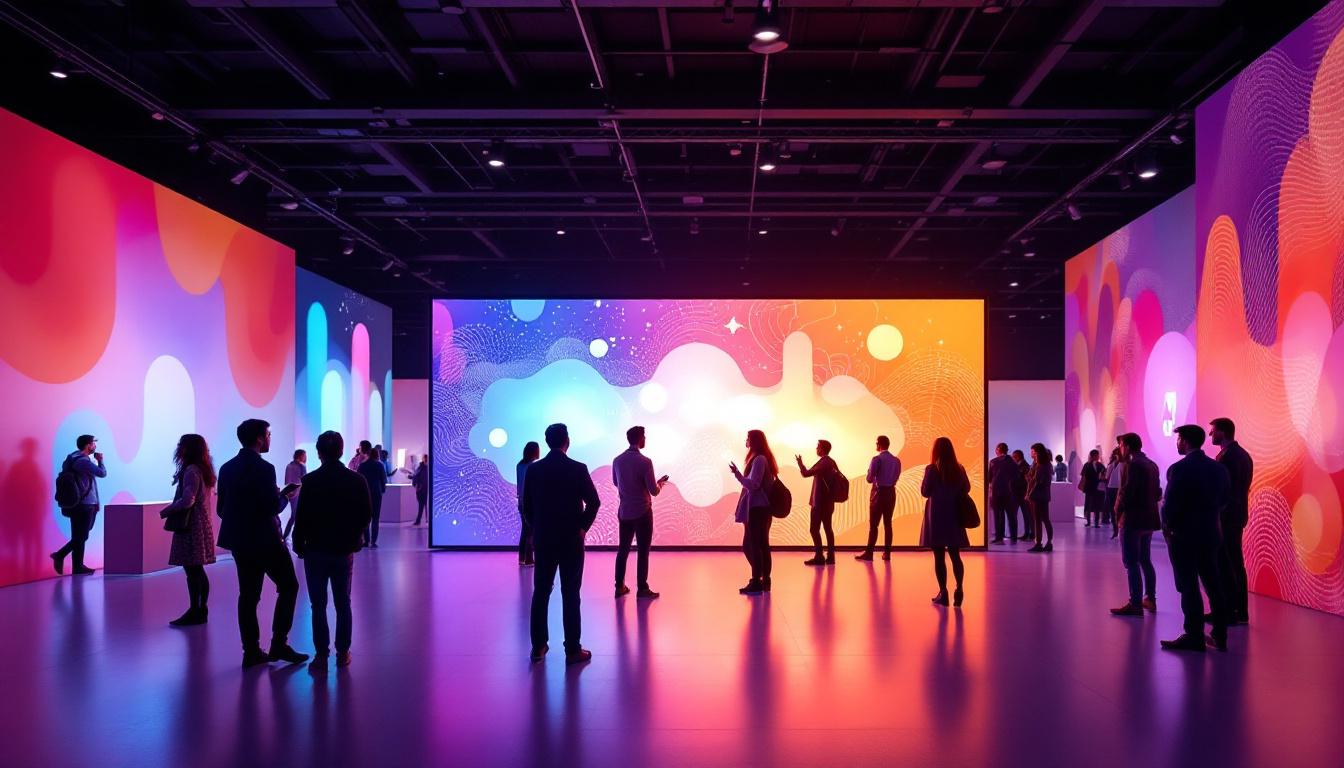
Companies and educational institutions utilize LED signage for internal communications, event announcements, and wayfinding. Large LED video walls can be used in lobbies and auditoriums to create impactful presentations and foster engagement.
Entertainment and Sports Venues
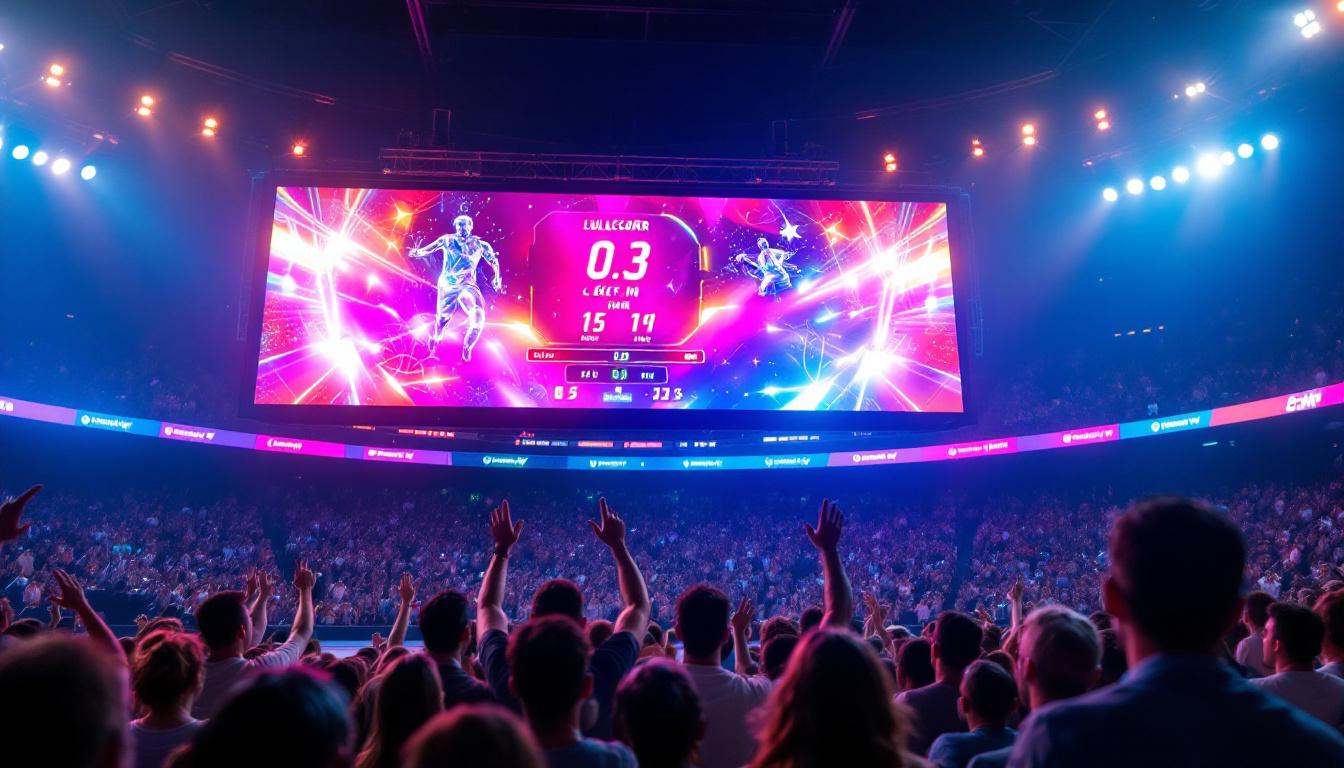
Stadiums and concert halls deploy massive LED screens to enhance the spectator experience with live video feeds, replays, and interactive content. The scalability and brightness of LED technology make it ideal for these large, dynamic environments.
Choosing the Right LED Digital Signage Monitor
Consider Display Size and Resolution
The size of the LED display should align with the viewing distance and the environment where it will be installed. Larger displays with higher resolutions are necessary for venues where viewers are far away, such as outdoor billboards or stadium screens. For indoor applications, smaller, high-resolution displays suffice for close-up viewing.
Evaluate Brightness and Environmental Suitability
Brightness requirements vary depending on ambient lighting conditions. Outdoor displays demand higher brightness levels to combat sunlight, while indoor displays can operate effectively at lower brightness, which also conserves energy. Additionally, consider weatherproofing and durability features for outdoor installations.
Assess Connectivity and Content Management
A robust content management system (CMS) is essential for updating and scheduling digital signage content efficiently. Look for LED monitors compatible with popular CMS platforms and offering multiple connectivity options such as HDMI, USB, and network interfaces.
Budget and Total Cost of Ownership
While LED displays may have higher upfront costs compared to other technologies, their energy efficiency and longevity often result in lower total cost of ownership. It is important to factor in installation, maintenance, and potential upgrade expenses when budgeting.
Future Trends in LED Digital Signage
Advancements in Mini-LED and Micro-LED Technologies
Emerging LED technologies like Mini-LED and Micro-LED promise even higher resolution, improved contrast, and thinner form factors. These innovations will enable more precise and flexible digital signage solutions, expanding creative possibilities for businesses.
Integration with AI and Interactive Features
Artificial intelligence is increasingly integrated into digital signage to personalize content based on audience demographics and behavior. Interactive LED displays equipped with touch, gesture recognition, and facial analytics are transforming passive signage into engaging customer experiences.
Sustainability and Energy Efficiency
As environmental concerns grow, manufacturers are focusing on sustainable materials and energy-saving designs for LED signage. Innovations in power management and recyclable components will make digital signage more eco-friendly in the coming years.
Conclusion
LED digital signage monitors have revolutionized the way businesses and public spaces communicate with their audiences. Their superior brightness, energy efficiency, and flexibility make them an ideal choice for a wide range of applications, from retail advertising to large-scale public information systems. Understanding the technology behind LED displays and considering factors such as size, brightness, and content management can help organizations select the best digital signage solution to meet their needs.
With ongoing advancements in LED technology and integration with intelligent systems, the future of digital signage looks brighter than ever. Investing in LED digital signage monitors not only enhances visual communication but also offers a scalable and sustainable platform for engaging audiences in an increasingly digital world.
Explore Cutting-Edge LED Display Solutions with LumenMatrix
Ready to elevate your visual communication strategy with the latest in LED technology? Discover LumenMatrix’s comprehensive range of LED display modules, designed to bring your brand to life and captivate your audience. From vibrant Indoor and Outdoor LED Wall Displays to innovative solutions like Vehicle LED Displays, LED Posters, and LED Sports Displays, LumenMatrix has the perfect fit for every application. Experience the future of digital signage with our Custom, All-in-One, Floor, and Transparent LED Displays. Check out LumenMatrix LED Display Solutions today and transform your space into a dynamic visual experience.