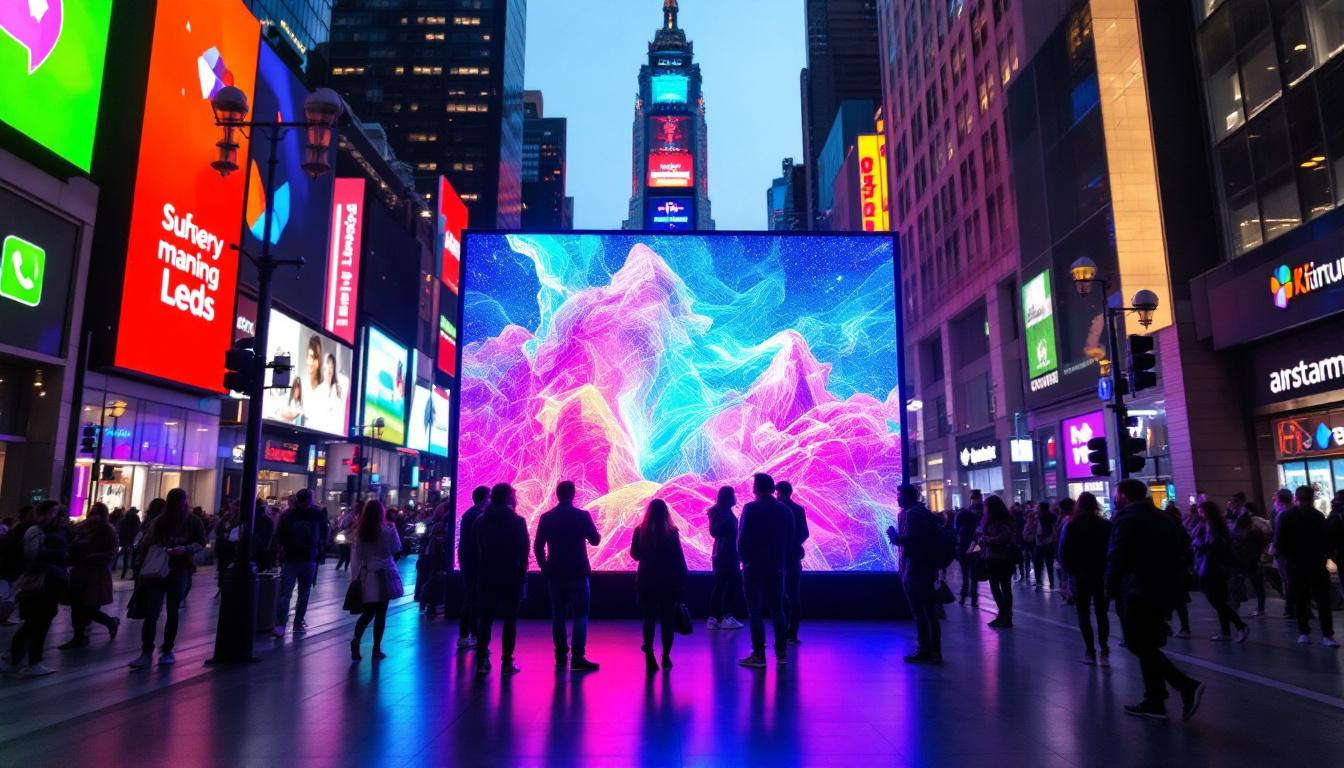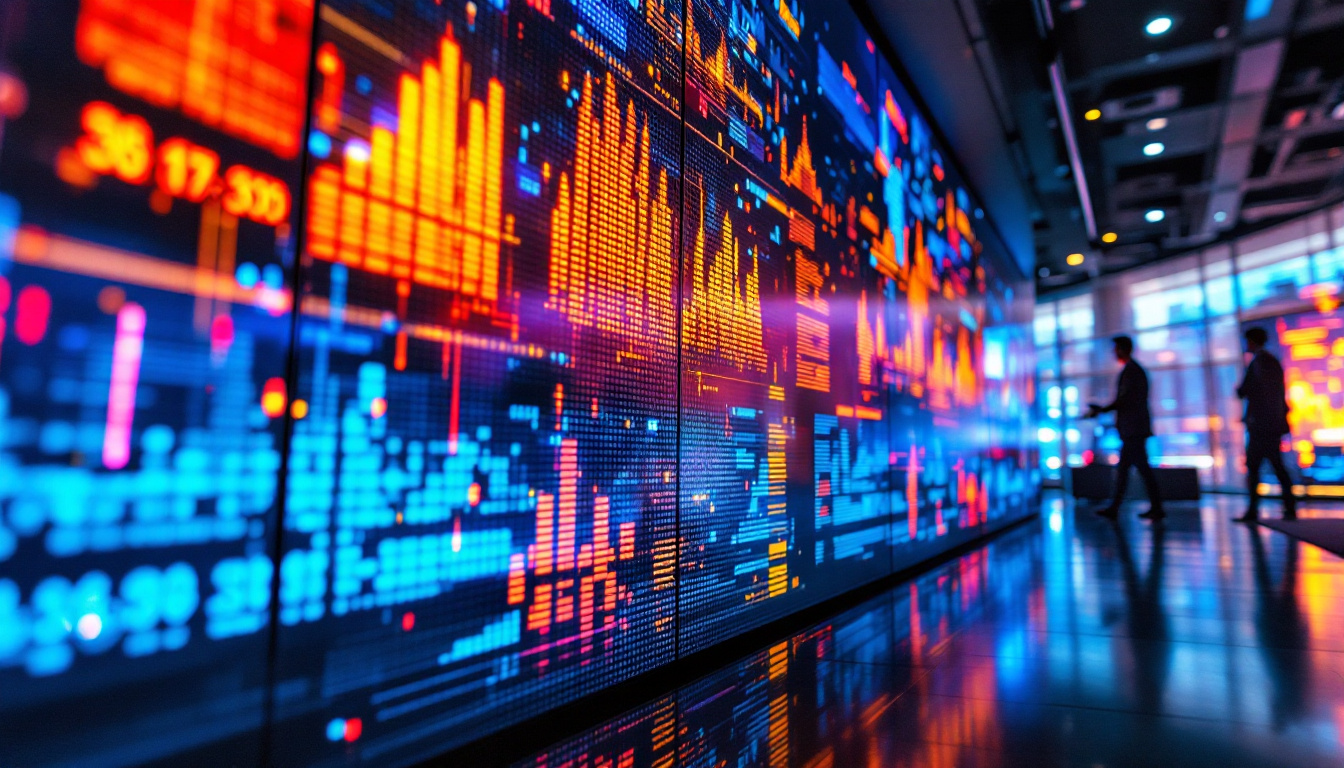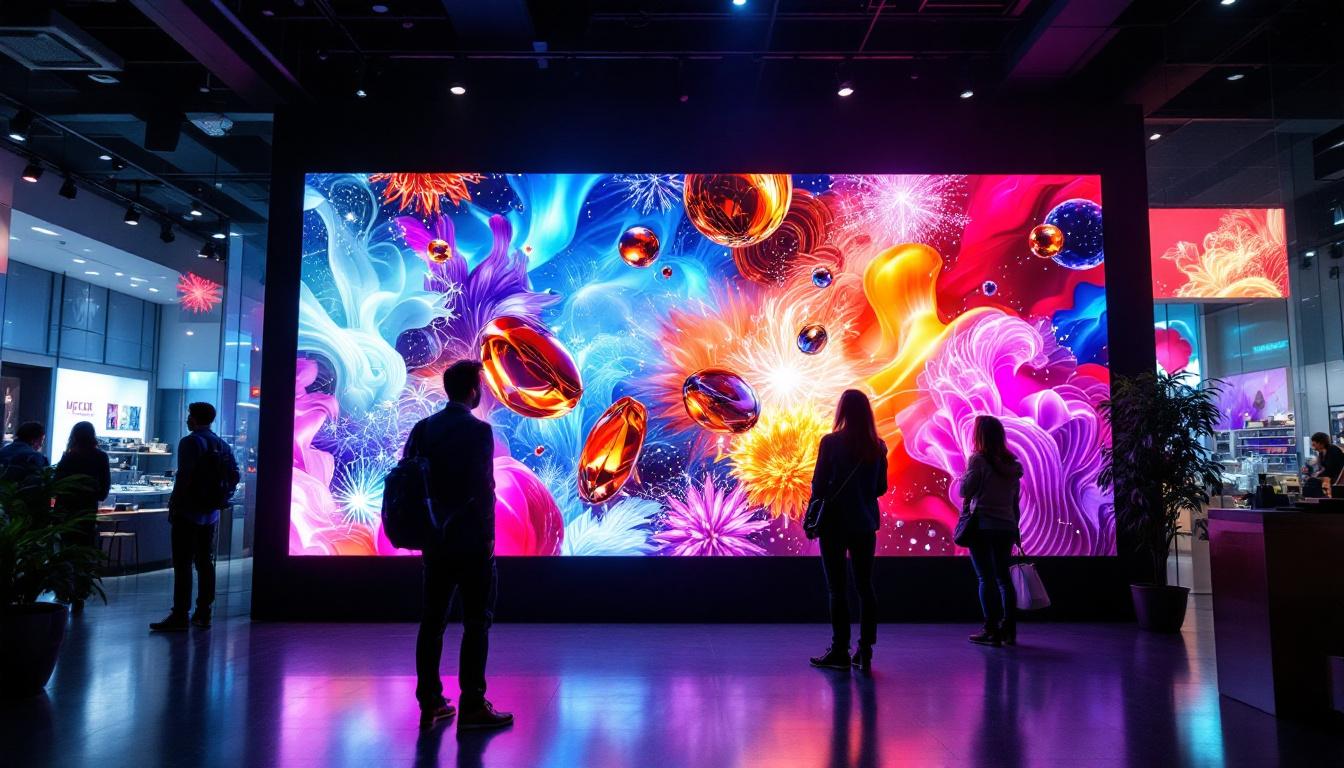
In today’s fast-paced retail and advertising environments, digital signage has become an indispensable tool for businesses aiming to capture attention and convey messages effectively. Among the various technologies powering digital signage, LED displays stand out for their brightness, versatility, and impact. This article delves into the world of LED displays, explaining what they are, how they work, their advantages, and why they are a preferred choice in the digital signage industry.
What is an LED Display?
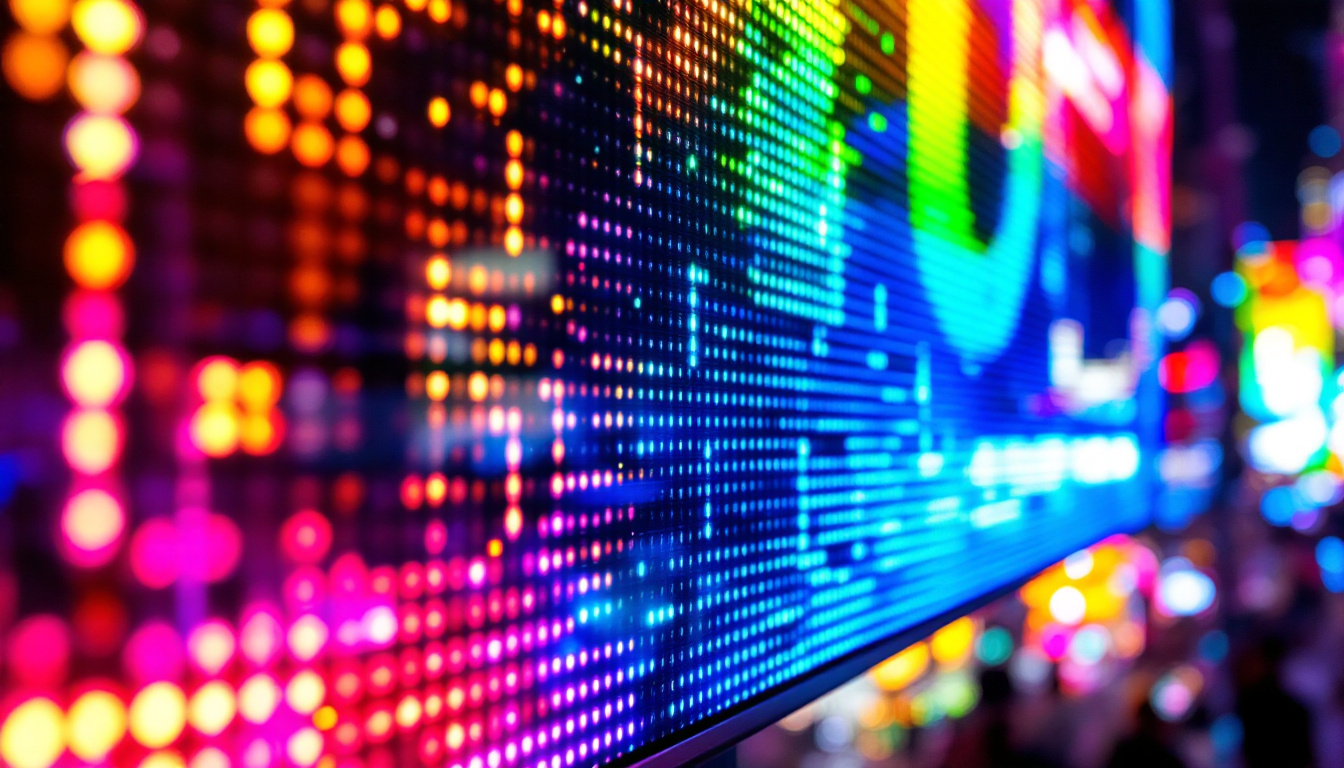
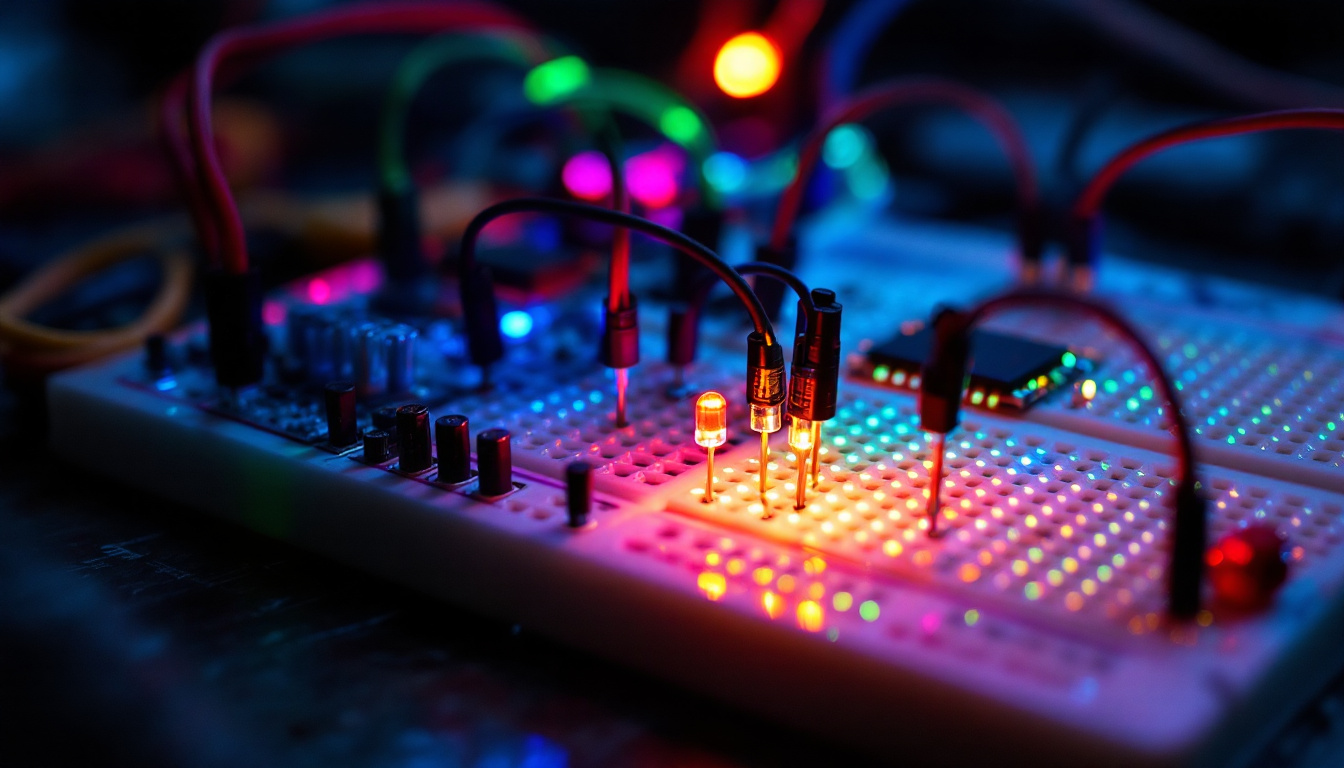
LED stands for Light Emitting Diode, a semiconductor device that emits light when an electric current passes through it. An LED display is a flat panel display that uses these tiny light sources to create images, videos, and text by controlling the light intensity of each diode. Unlike traditional LCD or plasma screens, LED displays are composed of thousands to millions of individual diodes arranged in a matrix to form pixels.
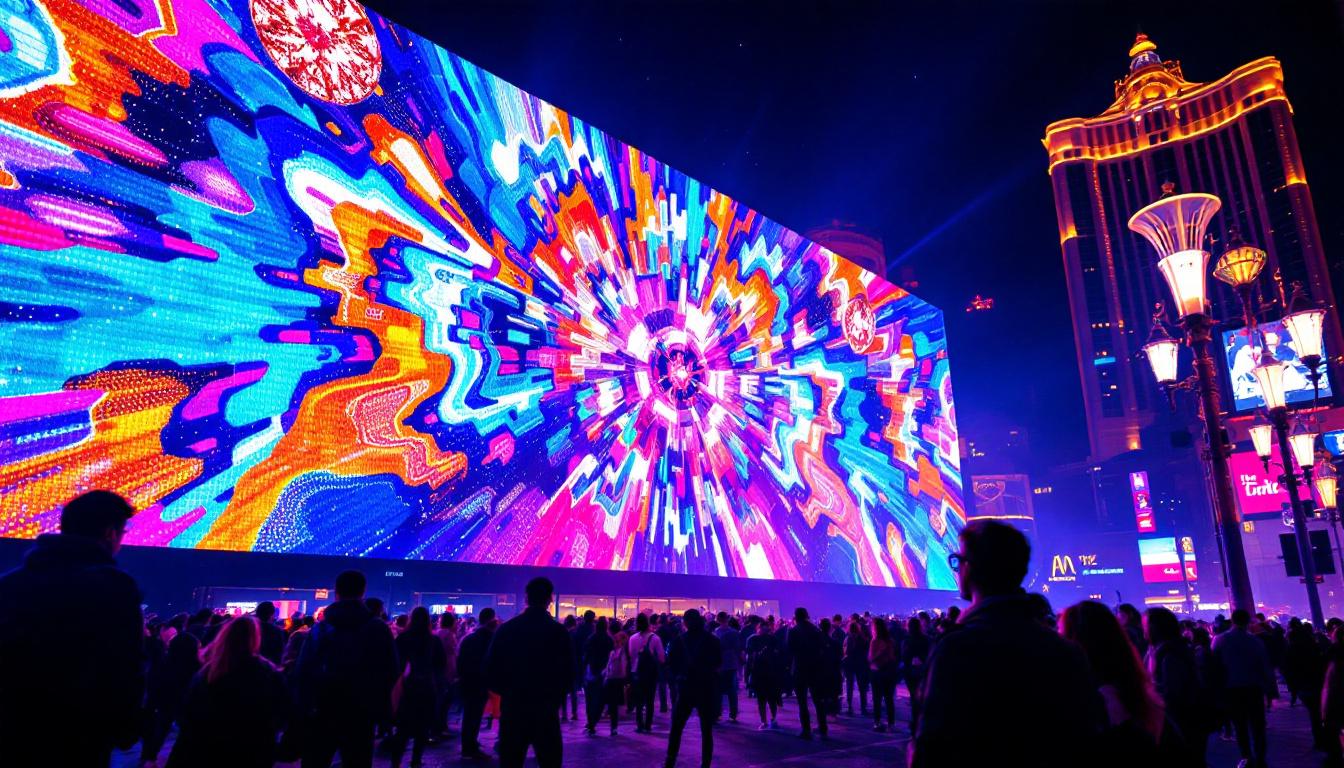
LED displays can be found in various forms, including indoor and outdoor screens, video walls, billboards, and even wearable technology. Their ability to produce vibrant colors and high brightness levels makes them ideal for environments with varying lighting conditions. Additionally, LED technology is energy-efficient, consuming less power compared to older display technologies, which not only reduces operational costs but also minimizes environmental impact. This efficiency is particularly beneficial in large installations where energy consumption can be a significant concern.
Types of LED Displays
There are primarily two types of LED displays used in digital signage: direct view LED and LED-backlit LCD. Direct view LED displays use LEDs as the light source and pixel elements themselves, while LED-backlit LCD screens use LEDs to illuminate an LCD panel.
Direct view LED displays are the most common in large-scale digital signage due to their superior brightness and scalability. They come in two main variants:
- Surface-Mount Device (SMD) LEDs: These are small LEDs mounted on a single chip, allowing for high pixel density and excellent color accuracy, making them suitable for indoor and close-view applications. This technology enables displays to achieve stunning visuals, making them popular in venues like concert halls, shopping malls, and sports arenas.
- Through-Hole LEDs: Larger LEDs mounted through the circuit board, typically used in outdoor displays where higher brightness and durability are required. These displays are designed to withstand harsh weather conditions, ensuring consistent performance and visibility even in direct sunlight, which is crucial for outdoor advertising and public information displays.
Moreover, the advancements in LED technology have led to the development of flexible and transparent LED displays. These innovative designs allow for creative applications, such as curved screens that can fit into unique architectural spaces or transparent displays that can be integrated into windows, providing both functionality and aesthetic appeal. As a result, LED displays are not only transforming the way information is conveyed but also enhancing the overall visual experience in various environments.
How Do LED Displays Work?
At the core of an LED display’s functionality is the ability to control each individual LED’s brightness and color to form images. Each pixel on the screen is made up of three sub-pixels: red, green, and blue. By varying the intensity of these sub-pixels, the display can produce a wide spectrum of colors.
The control system sends signals to the LEDs to turn on or off or adjust brightness levels rapidly, creating the illusion of continuous images or videos. This process happens thousands of times per second, ensuring smooth motion and vivid visuals.
Pixel Pitch and Resolution
One of the critical technical aspects of LED displays is the pixel pitch, which refers to the distance between the centers of two adjacent pixels. Pixel pitch is measured in millimeters and directly influences the display’s resolution and viewing distance.
A smaller pixel pitch means more pixels per square meter, resulting in higher resolution and sharper images. For example, a 1.5mm pixel pitch display is suitable for close viewing distances, such as indoor retail environments, while a 10mm pixel pitch display is better for large outdoor billboards viewed from afar.
Brightness and Contrast
LED displays are renowned for their exceptional brightness, often exceeding 1,000 nits for indoor use and reaching up to 5,000 nits or more for outdoor applications. This high brightness ensures visibility even under direct sunlight, a significant advantage over other display technologies.
Contrast ratio, the difference between the darkest black and brightest white a display can produce, is also a vital factor. LED displays typically offer high contrast ratios, contributing to crisp and vibrant images that stand out in any environment.
Advantages of LED Displays in Digital Signage
LED displays offer numerous benefits that make them the preferred choice for digital signage across industries such as retail, transportation, entertainment, and corporate communications.
1. Superior Visibility and Brightness
One of the most significant advantages of LED displays is their ability to maintain excellent visibility in various lighting conditions. Whether it’s a brightly lit shopping mall or an outdoor stadium under direct sunlight, LED signage remains clear and eye-catching.
2. Energy Efficiency
Compared to traditional lighting and display technologies, LEDs consume less power while delivering higher brightness. This energy efficiency translates to lower operating costs, which is especially important for large-scale installations running continuously.
3. Durability and Longevity
LEDs have a longer lifespan compared to other display technologies, often lasting 50,000 to 100,000 hours of operation. They are also more resistant to shock, vibration, and temperature fluctuations, making them suitable for both indoor and outdoor environments.
4. Scalability and Flexibility
LED displays can be manufactured in virtually any size and shape, from small menu boards to massive video walls covering entire building facades. This scalability allows businesses to customize signage solutions to their specific needs.
5. High Refresh Rates
LED displays support high refresh rates, reducing flicker and providing smooth video playback. This is particularly important for dynamic content such as live broadcasts, advertisements, or interactive displays.
Applications of LED Displays in Digital Signage
LED displays have transformed the way businesses communicate with their audiences. Their versatility and impact have led to widespread adoption across multiple sectors.
Retail and Shopping Centers
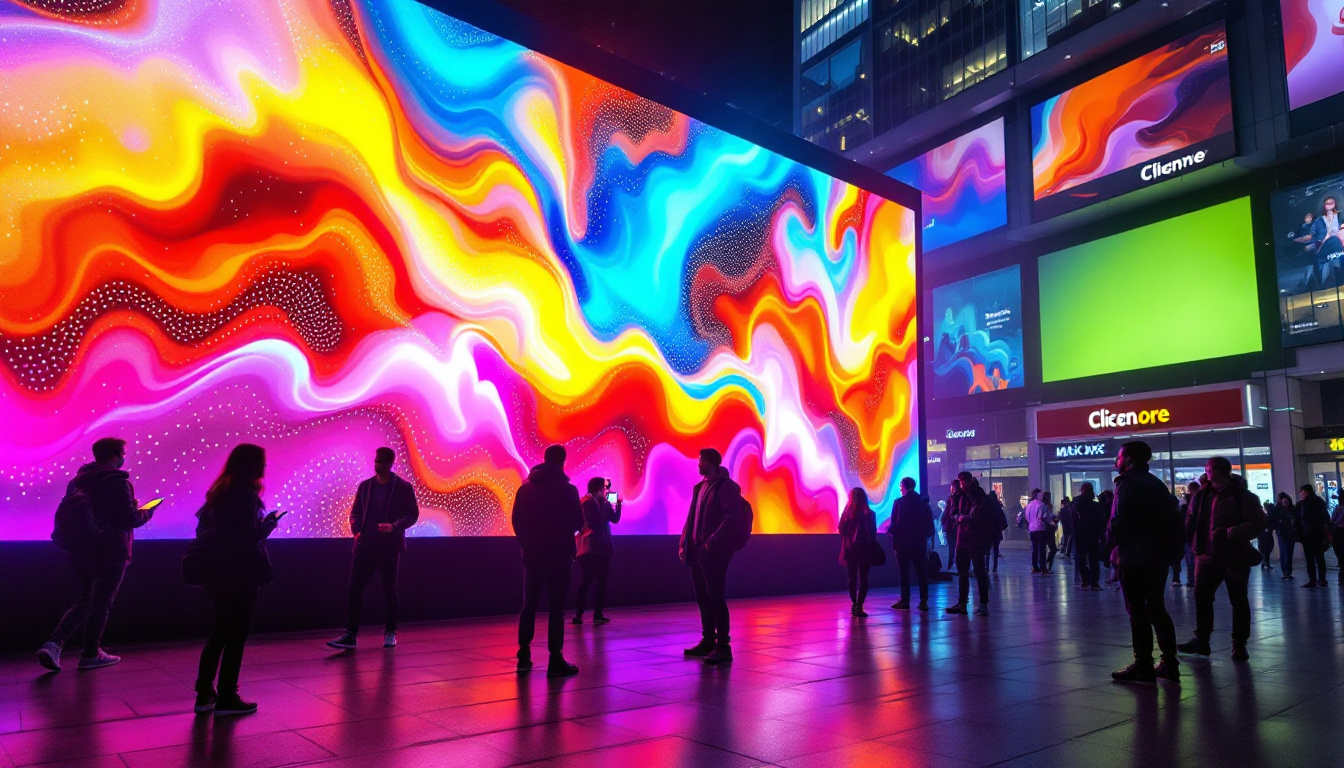
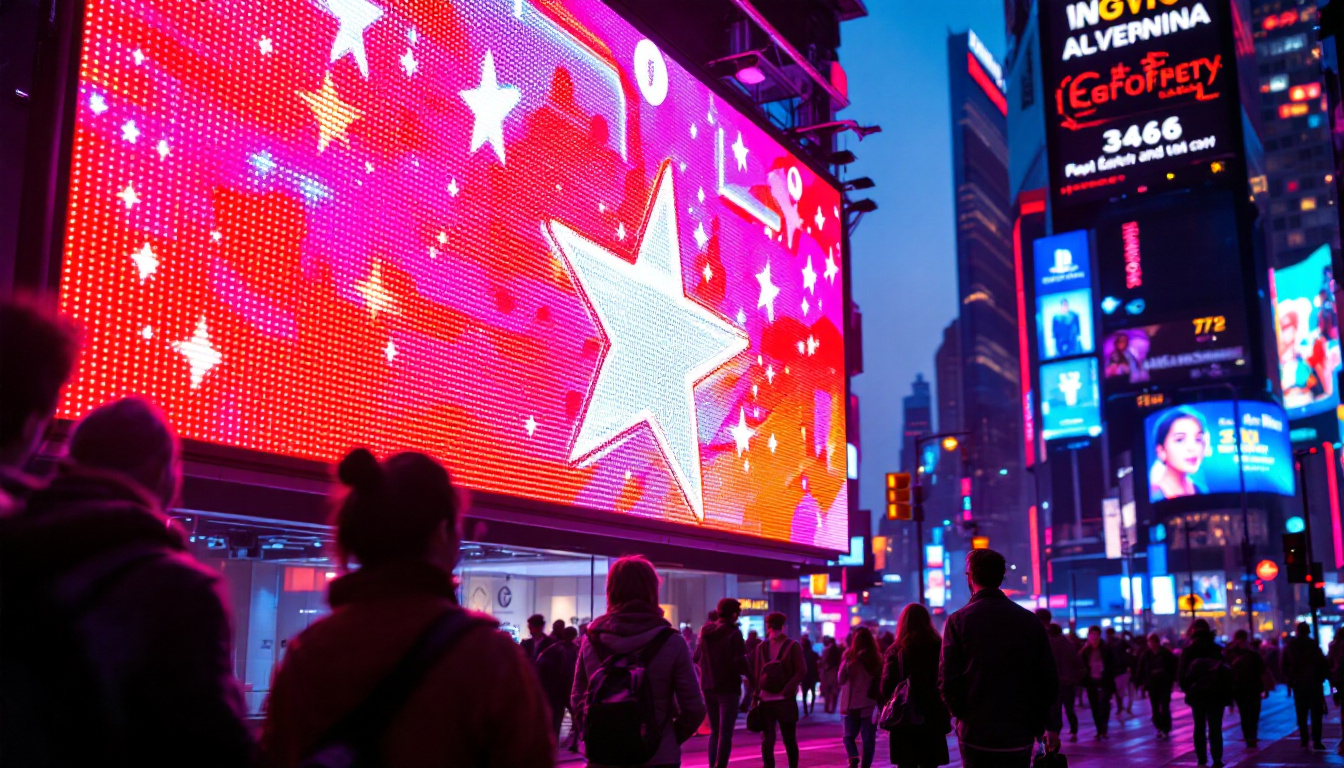
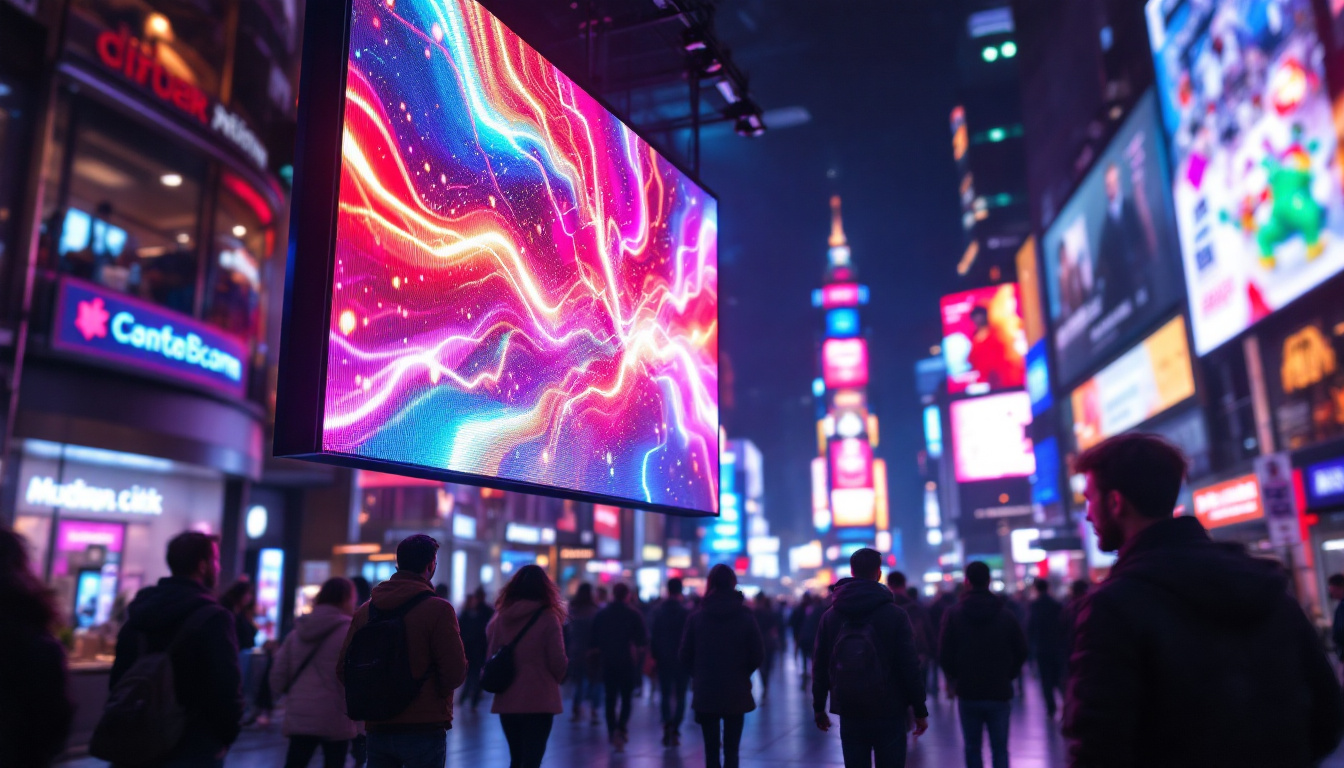
Retailers use LED displays to showcase promotions, new products, and brand messaging. The ability to update content instantly allows for timely marketing campaigns and personalized customer engagement. For example, fashion retailers often use LED video walls to create immersive brand experiences that attract shoppers.
Transportation Hubs
Airports, train stations, and bus terminals rely on LED signage for real-time information such as arrivals, departures, and emergency announcements. The high visibility and reliability of LED displays ensure passengers receive critical updates promptly.
Sports Arenas and Entertainment Venues
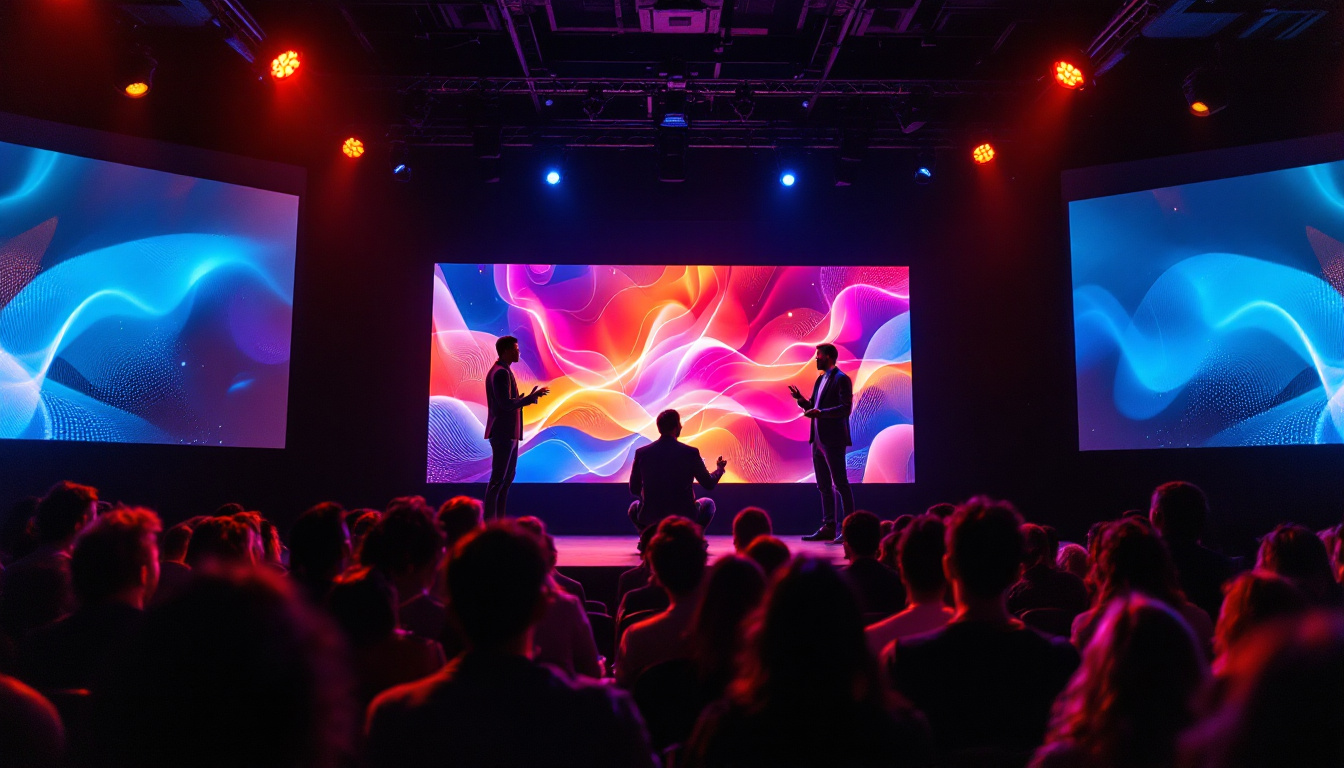
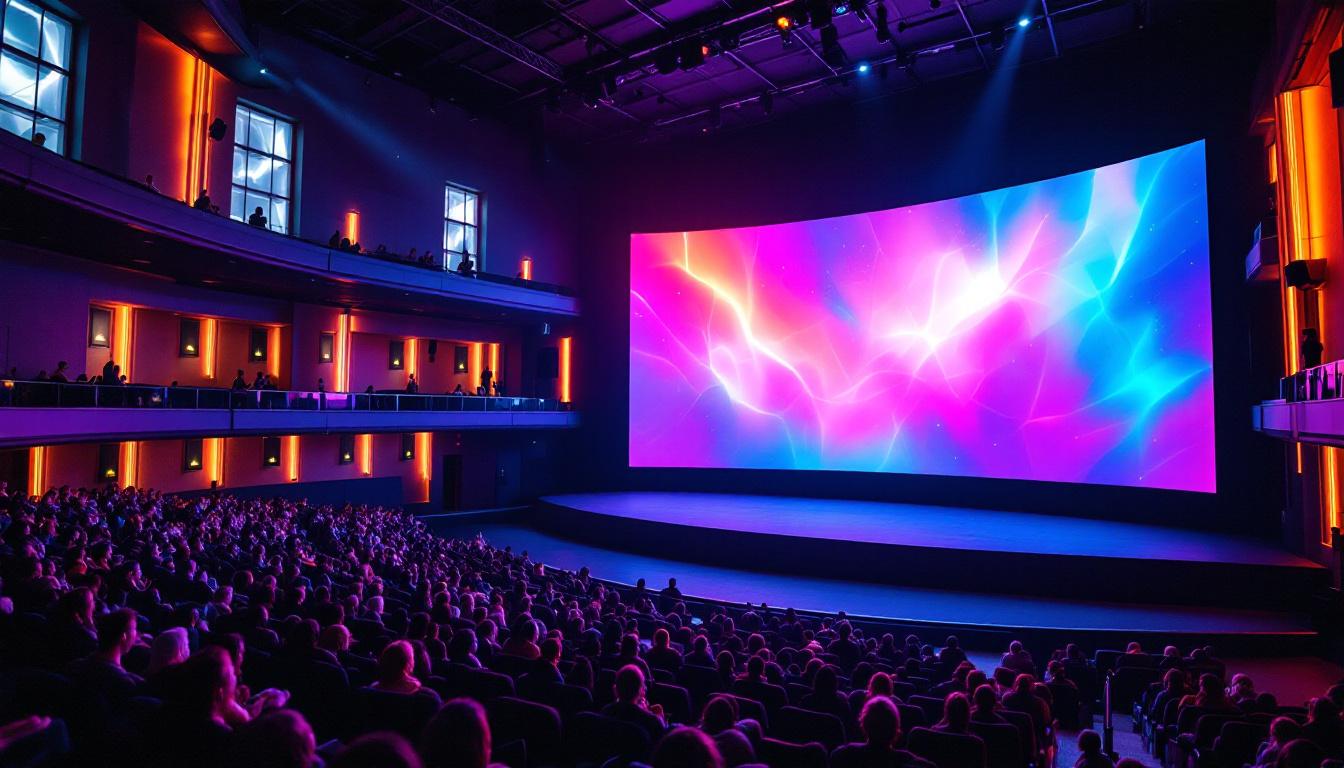
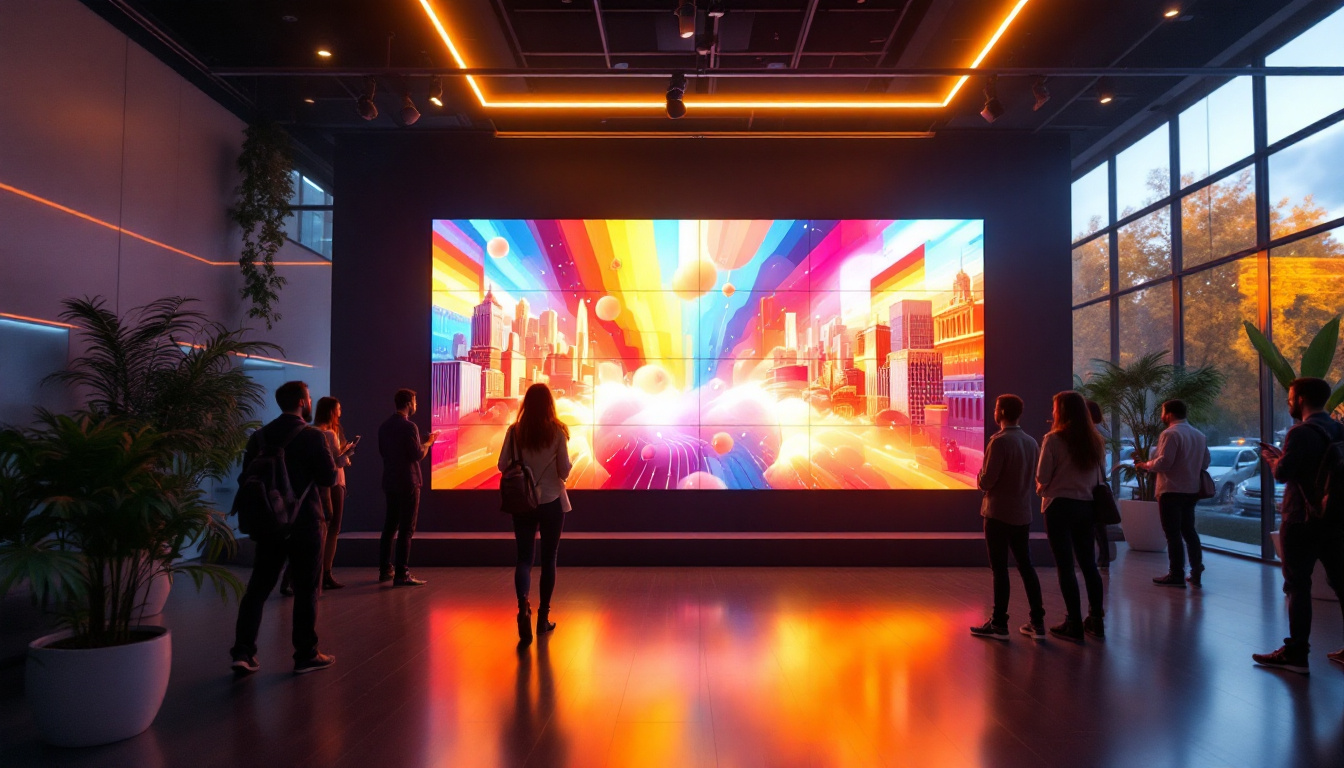
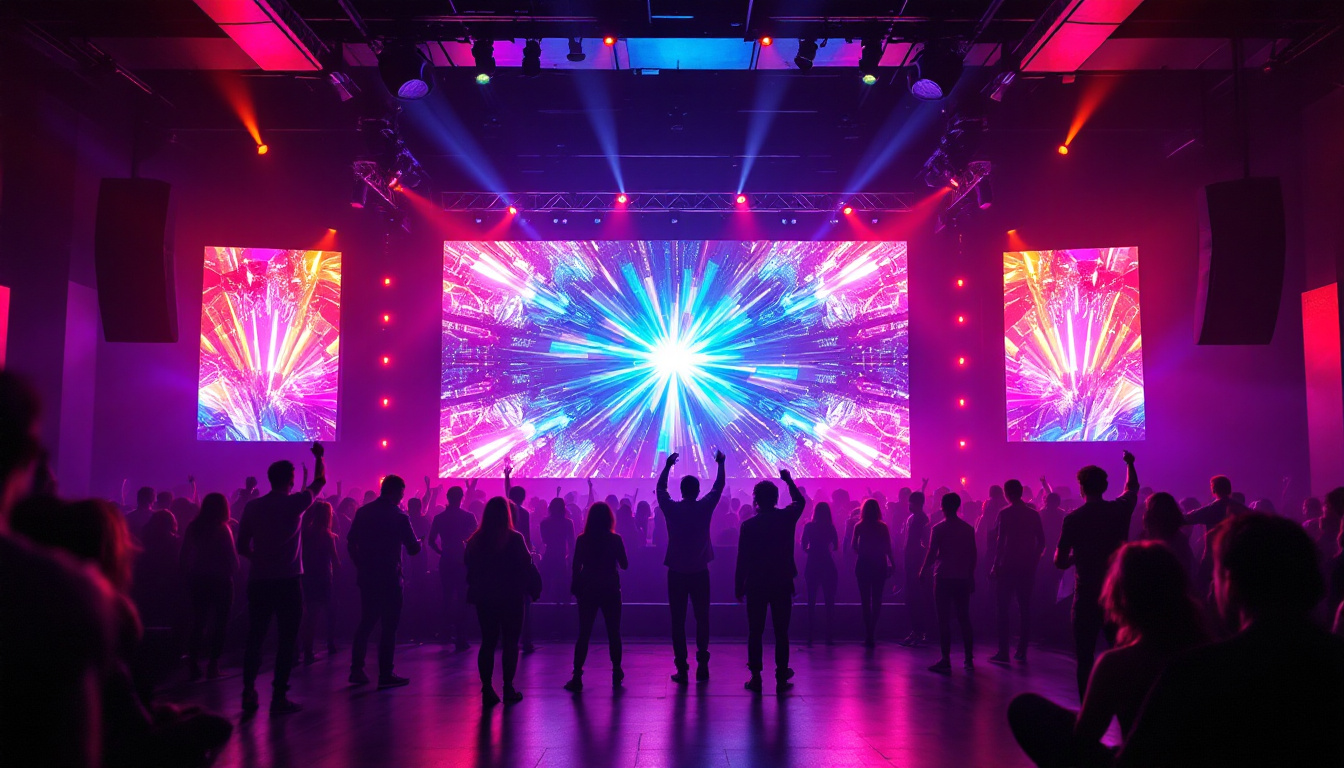
LED displays are integral to modern stadiums and concert venues, providing live video feeds, advertisements, and interactive content that enhance the spectator experience. The large size and brightness of these displays make them visible to thousands of attendees.
Corporate and Educational Environments
Companies and educational institutions utilize LED signage for internal communications, wayfinding, and event promotion. The flexibility to display diverse content types supports effective information dissemination and engagement.
Choosing the Right LED Display for Your Needs
Selecting the appropriate LED display involves considering several factors to ensure it meets the specific requirements of the intended application.
Viewing Distance and Pixel Pitch
As mentioned earlier, the pixel pitch should align with the typical viewing distance. For close-range viewing, such as indoor retail displays, a smaller pixel pitch is essential for clarity. For outdoor billboards viewed from a distance, a larger pixel pitch is acceptable and more cost-effective.
Indoor vs. Outdoor Use
Outdoor LED displays require higher brightness levels and weatherproofing to withstand environmental conditions like rain, dust, and temperature extremes. Indoor displays prioritize higher resolution and color accuracy but do not need the same level of ruggedness.
Content Management and Integration
Modern LED displays often integrate with content management systems (CMS) that allow users to schedule, update, and monitor content remotely. Choosing a display compatible with robust CMS platforms can streamline operations and enhance content delivery.
Budget Considerations
While LED displays offer many benefits, they represent a significant investment. Balancing features, size, resolution, and durability against budget constraints is crucial. It is advisable to work with experienced suppliers who can recommend solutions tailored to business goals and financial parameters.
Future Trends in LED Digital Signage
The digital signage industry continues to evolve, with LED technology at the forefront of innovation. Several trends are shaping the future of LED displays:
MicroLED Technology
MicroLED displays consist of even smaller LEDs than traditional SMDs, offering higher resolution, better energy efficiency, and improved color performance. Although still emerging, MicroLED is expected to revolutionize digital signage by enabling ultra-high-definition displays with exceptional brightness and durability.
Interactive and Smart Displays
Integration of touch sensors, cameras, and AI-driven analytics is making LED signage more interactive and personalized. Smart LED displays can adapt content based on audience demographics, weather conditions, or real-time data, enhancing engagement and effectiveness.
Flexible and Transparent LED Displays
Advances in materials have led to flexible and transparent LED panels that can be integrated into unconventional surfaces such as glass walls, curved structures, and wearable devices. This flexibility opens new creative possibilities for digital signage design.
Conclusion
LED displays have firmly established themselves as a cornerstone of modern digital signage solutions. Their unparalleled brightness, energy efficiency, durability, and versatility make them ideal for a wide range of applications, from retail and transportation to entertainment and corporate communications.
Understanding the technical aspects such as pixel pitch, brightness, and resolution, along with the specific needs of the environment, is essential for selecting the right LED display. As technology advances, LED displays will continue to offer innovative features that enhance visual communication and audience engagement.
For businesses looking to invest in digital signage, partnering with knowledgeable suppliers and staying informed about emerging trends will ensure that their LED display solutions deliver maximum impact and return on investment.
Explore Cutting-Edge LED Displays with LumenMatrix
Ready to elevate your brand’s presence and captivate your audience with stunning visual displays? LumenMatrix is at the forefront of LED display innovation, offering a comprehensive range of solutions tailored to your unique needs. From vibrant Indoor and Outdoor LED Wall Displays to dynamic Vehicle and Sports LED Displays, our technology is designed to make a lasting impression. Discover the possibilities with our Custom, All-in-One, and LED Transparent Displays, and see how LumenMatrix is redefining visual communication. Check out LumenMatrix LED Display Solutions today and transform your digital signage into an unforgettable experience.