In today’s fast-paced commercial environment, capturing customer attention is more challenging than ever. Traditional signage, while still useful, often falls short in delivering dynamic, engaging content that can adapt to changing marketing needs. This is where digital signs, particularly LED displays, come into play. LED (Light Emitting Diode) displays have revolutionized the way businesses communicate with their audience, offering vibrant visuals, energy efficiency, and versatile applications.
Understanding LED Displays: What Makes Them Unique?
LED displays are composed of numerous tiny light-emitting diodes that work together to create bright, colorful images and videos. Unlike LCD or plasma screens, LEDs produce their own light, which results in higher brightness and better visibility even in direct sunlight. This makes them especially suitable for both indoor and outdoor advertising. The vibrant colors and sharp contrasts provided by LED technology can capture attention quickly, making them a favored choice for marketers looking to stand out in crowded environments.
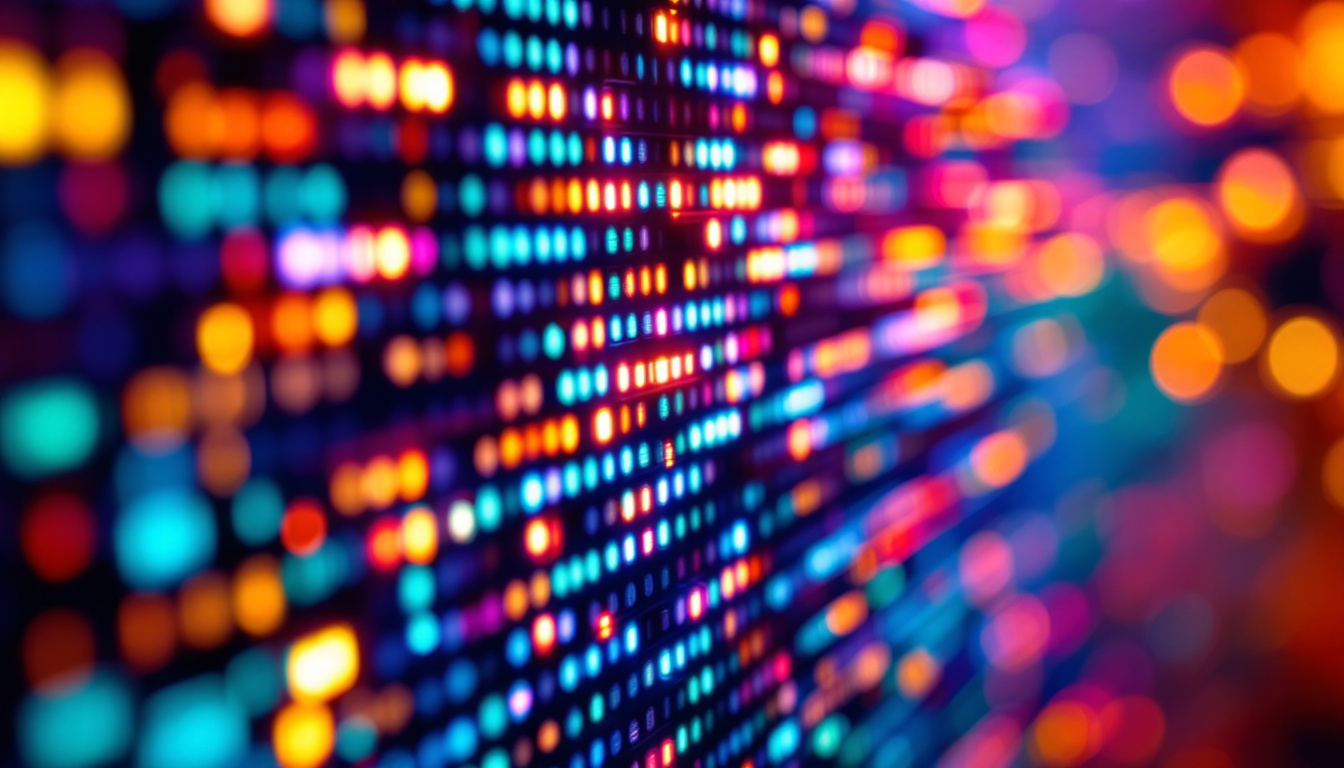
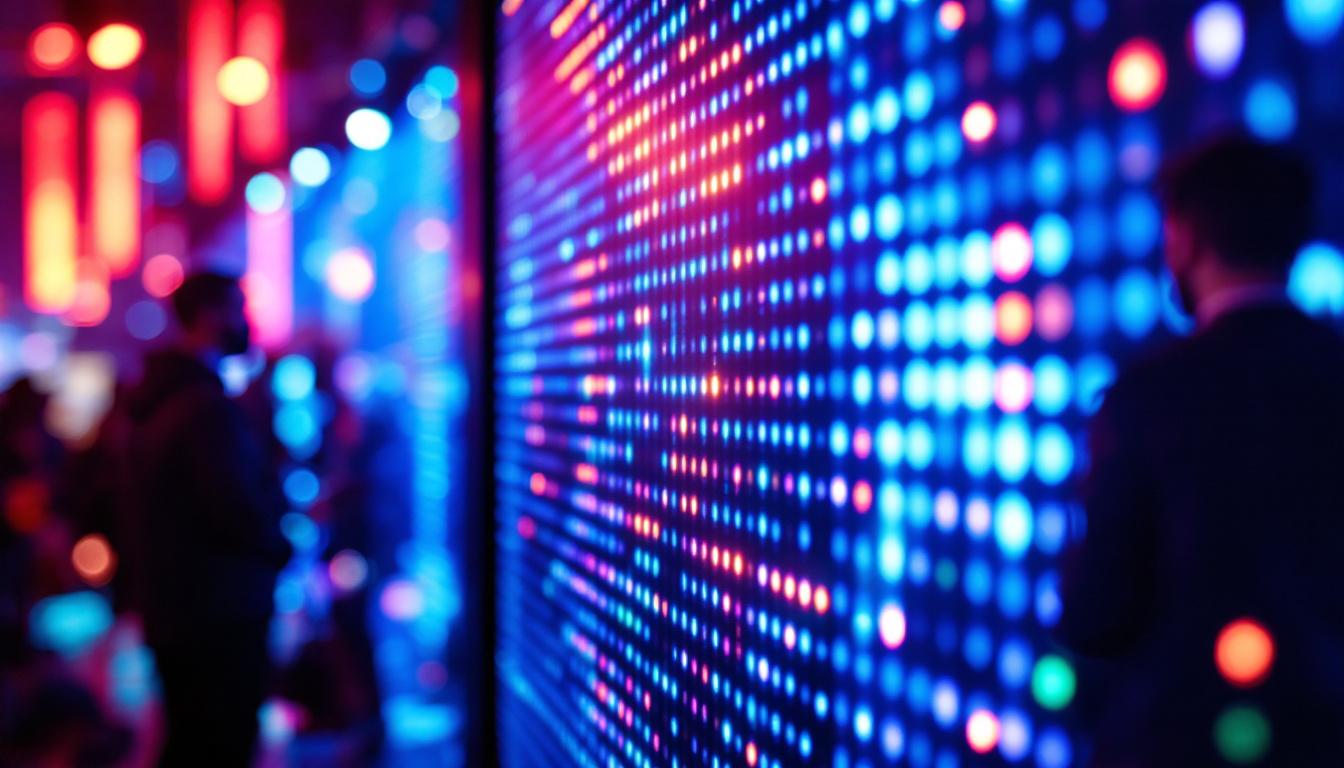
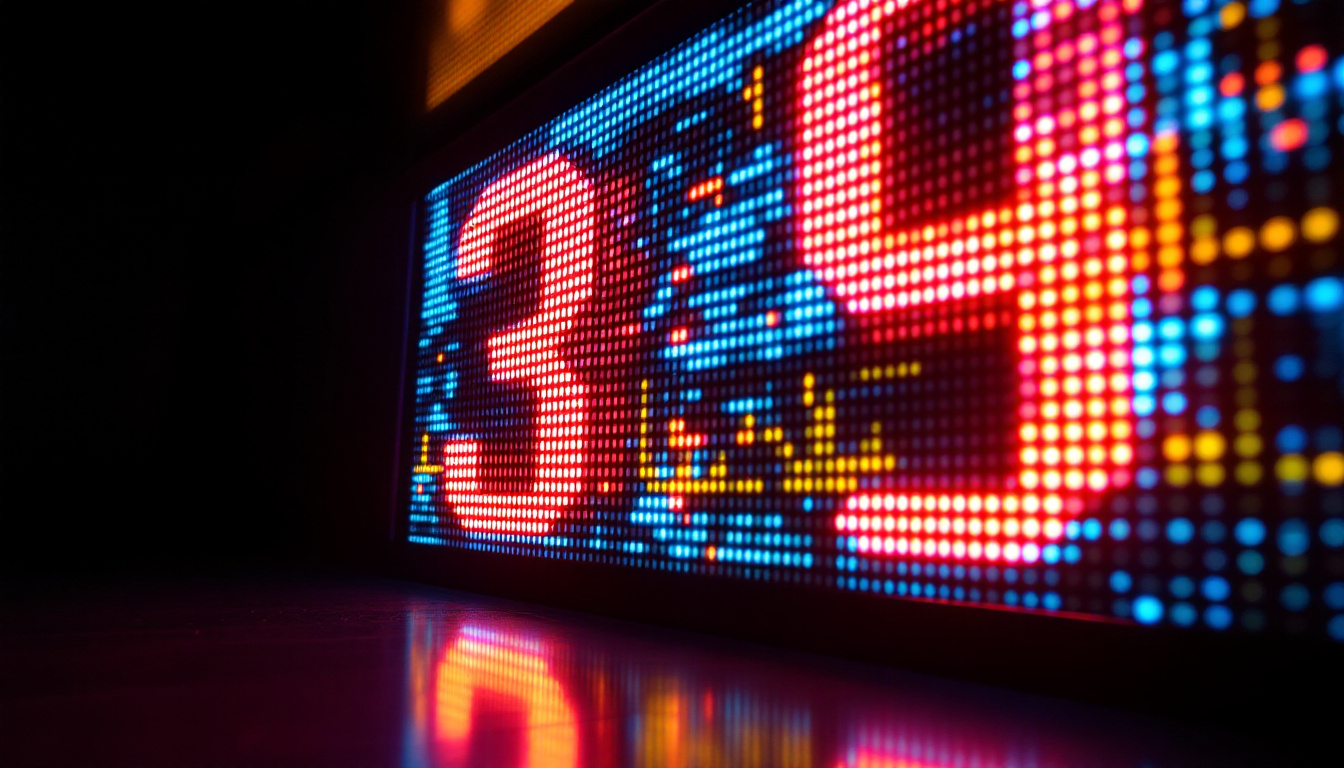
The technology behind LED displays involves arranging diodes in a grid, with each diode representing a pixel. By controlling the intensity and color of each diode, the display can render complex images with remarkable clarity. Advances in LED technology have also led to the development of high-resolution panels that can display detailed graphics and smooth video content, making them ideal for a variety of business applications. Furthermore, the energy efficiency of LED displays is a significant advantage, as they consume less power compared to traditional display technologies, contributing to lower operational costs and a reduced carbon footprint.
Types of LED Displays
Businesses can choose from several types of LED displays depending on their specific needs:
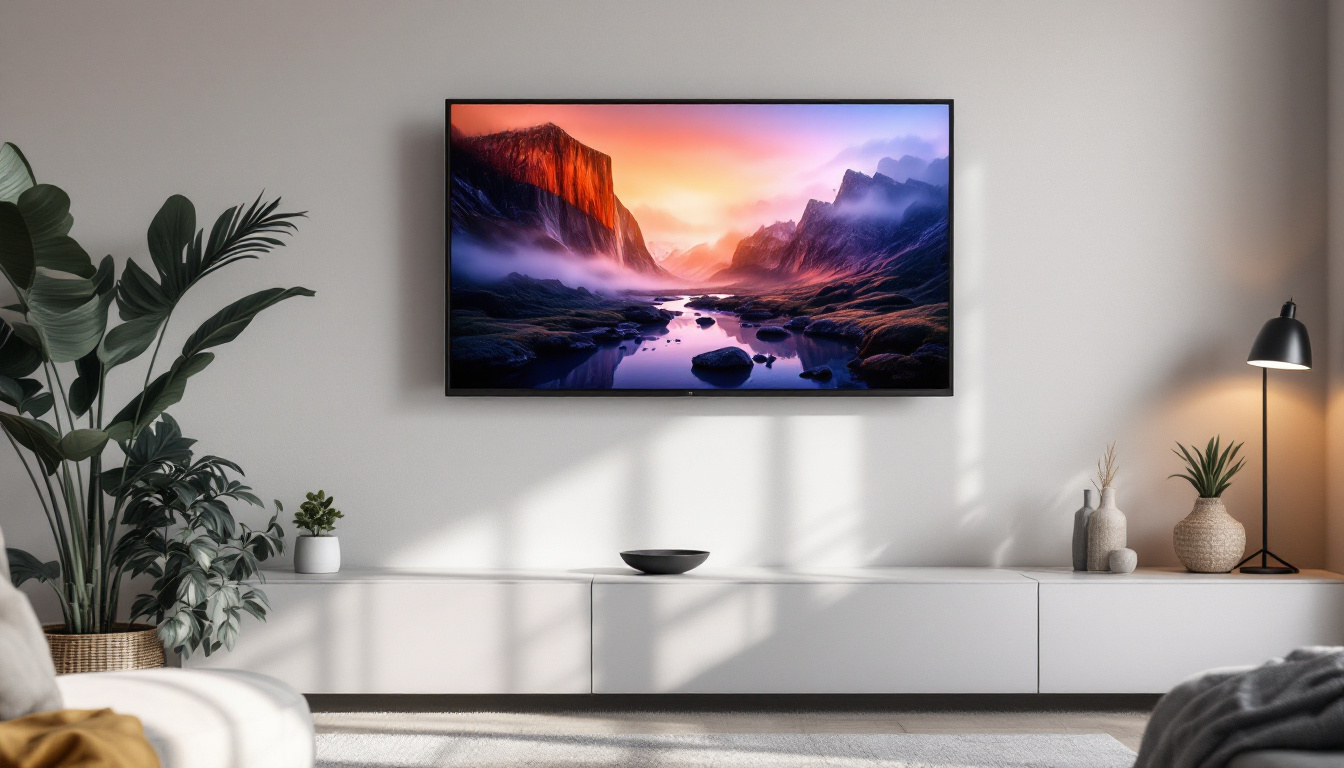
- Indoor LED Displays: Designed for environments with controlled lighting, these displays offer high resolution and fine pixel pitch for close viewing distances. They are often used in retail environments, conference rooms, and entertainment venues where clarity and detail are paramount.
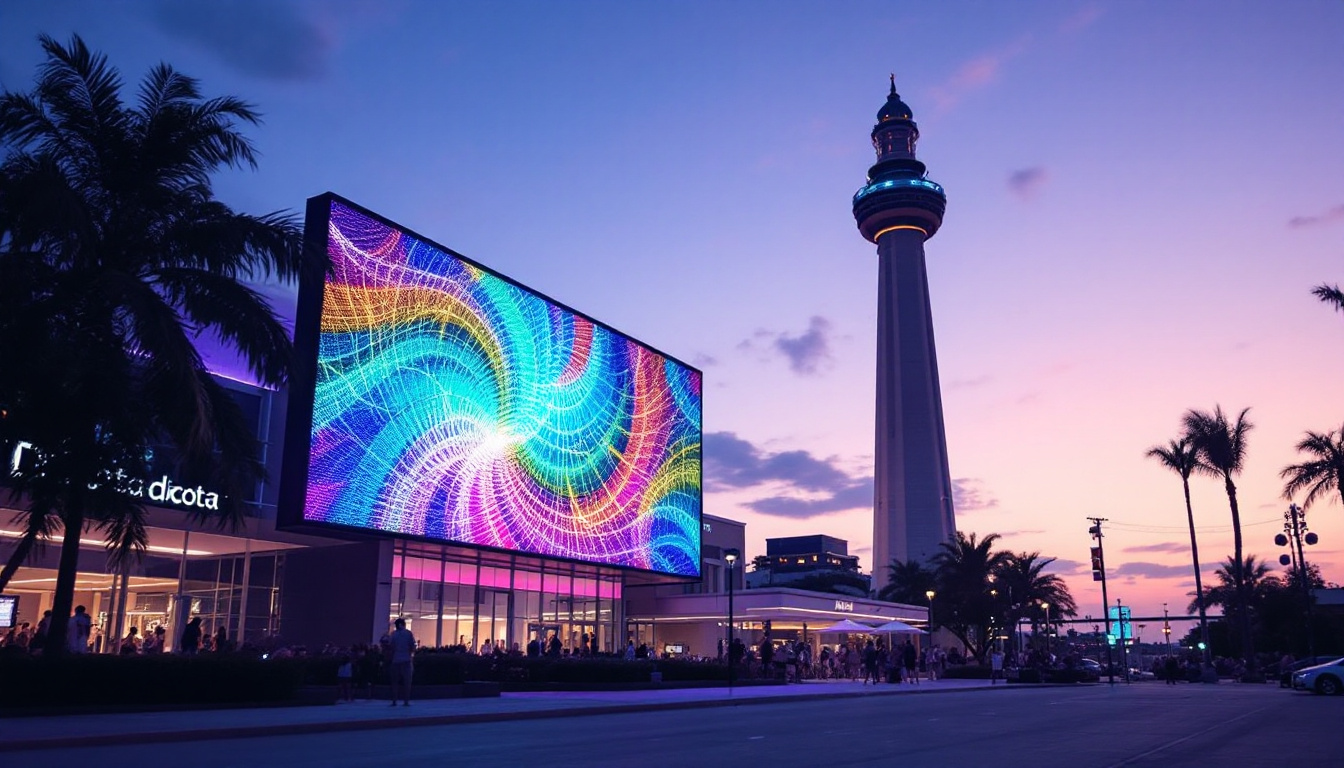
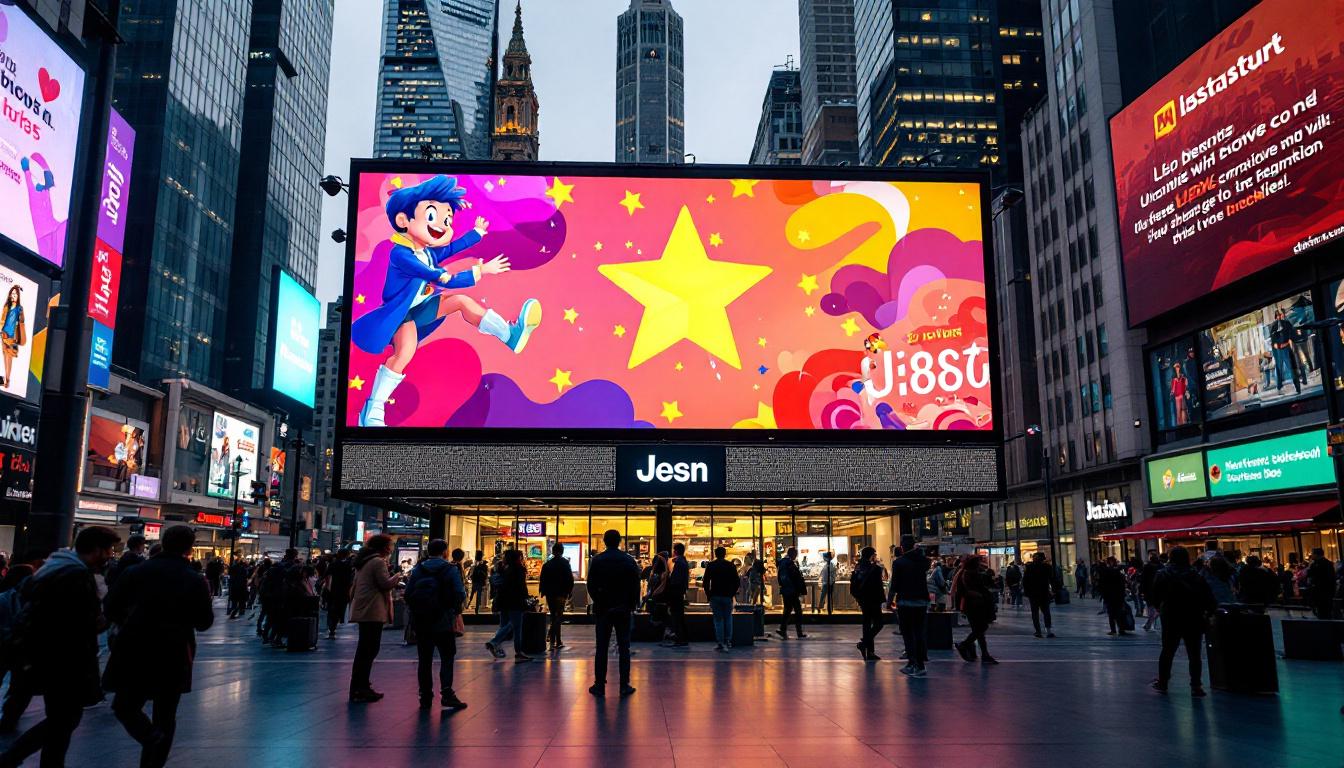
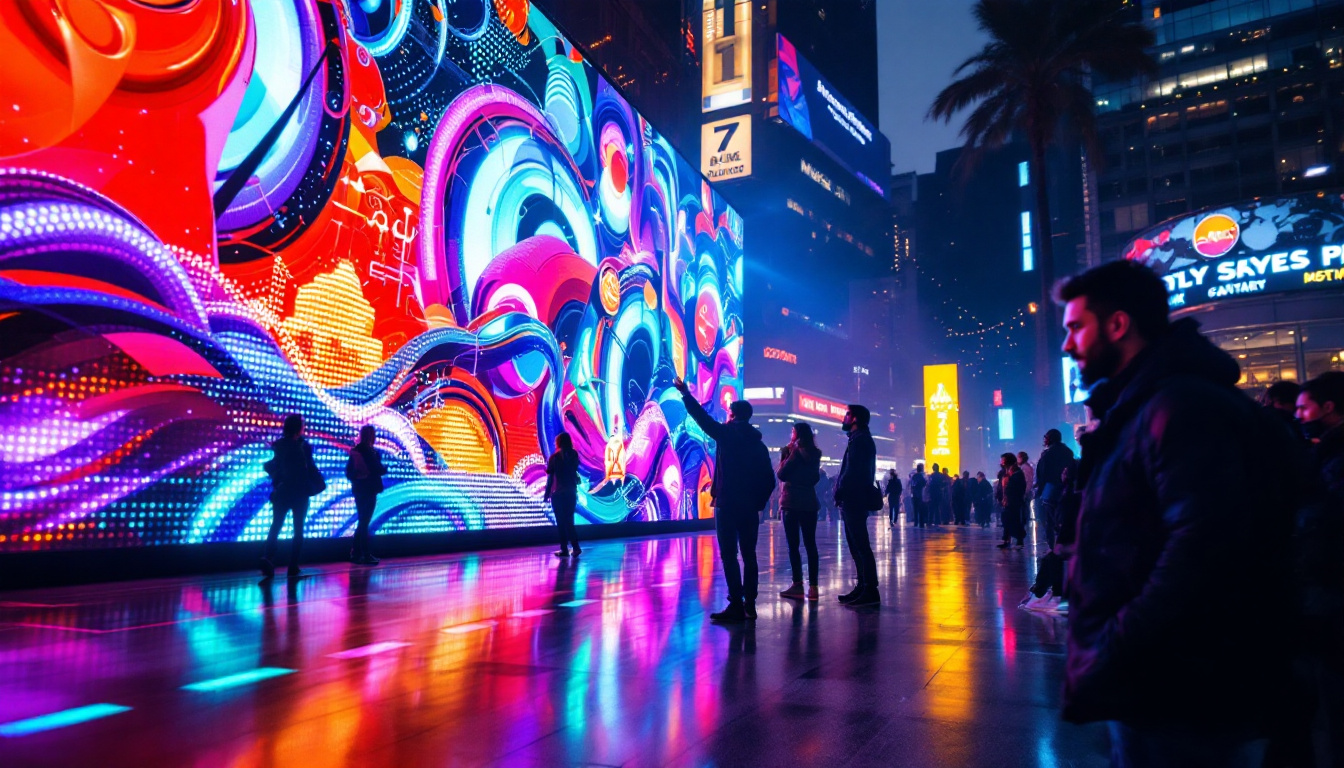
- Outdoor LED Displays: Built to withstand weather conditions, these displays have higher brightness levels and are often used for billboards, storefronts, and event signage. Their durability ensures that they can operate effectively in rain, snow, or extreme heat, making them a reliable choice for outdoor advertising campaigns.
- Transparent LED Displays: These innovative panels allow light to pass through, making them perfect for glass storefronts and windows without obstructing views. This unique feature not only enhances aesthetic appeal but also allows businesses to display advertisements while maintaining visibility of their products inside.
- Flexible LED Displays: Utilizing bendable materials, these signs can wrap around curved surfaces, opening new creative possibilities for branding. They can be used in unique installations, such as in art exhibits or immersive environments, where traditional flat displays would be impractical.
In addition to these types, LED displays also come equipped with various features that enhance their functionality. For instance, many modern LED displays support smart technology integration, allowing for real-time content updates and remote management through mobile apps or cloud-based systems. This capability is particularly beneficial for businesses that need to change their messaging frequently or respond to current events. Moreover, the advent of interactive LED displays has transformed the way consumers engage with advertisements, allowing for touch-screen capabilities that invite user participation and create memorable experiences.
Key Benefits of LED Displays for Business
Integrating LED displays into a business’s marketing strategy offers numerous advantages that can directly impact customer engagement and sales.
High Visibility and Brightness
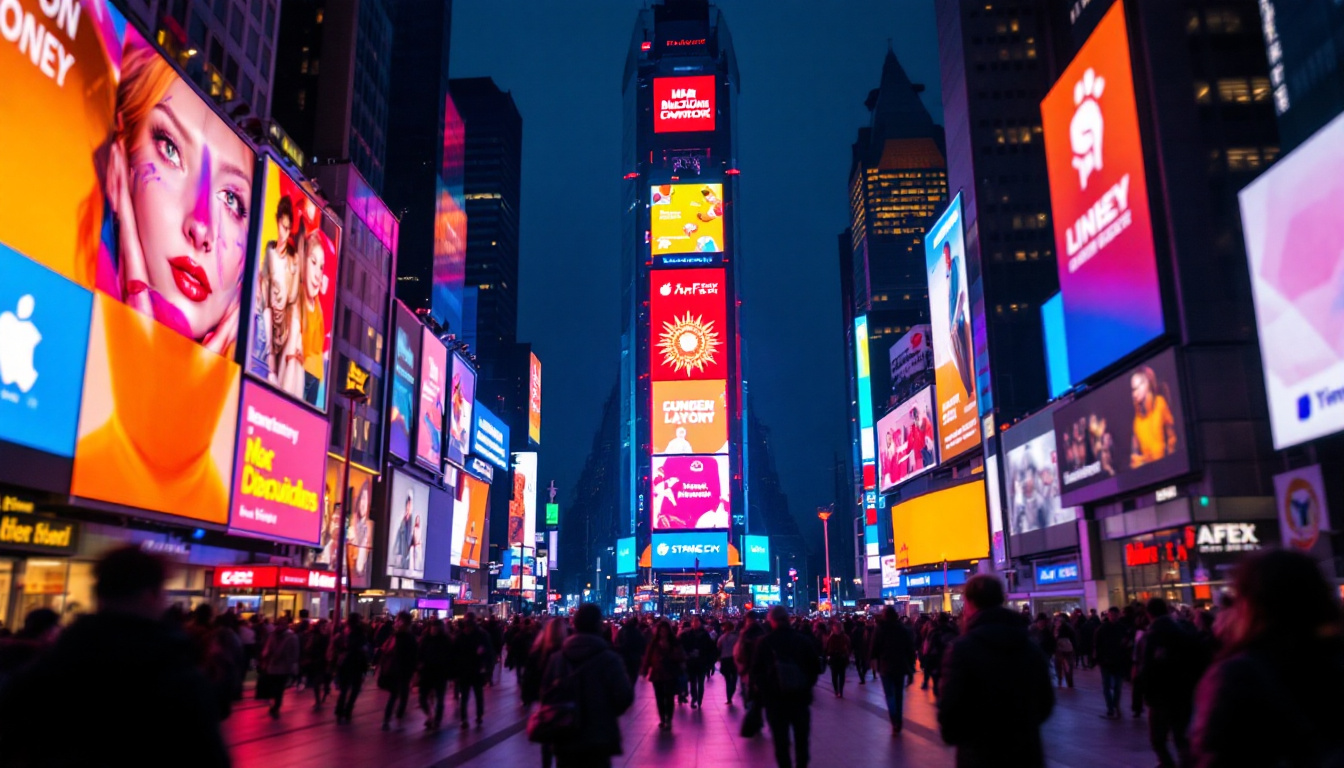
One of the most significant benefits of LED displays is their exceptional brightness. LED signs can reach brightness levels of up to 10,000 nits, which is far superior to traditional signage. This ensures that messages are visible from long distances and under various lighting conditions, including direct sunlight.
For retail stores, this means attracting passersby effectively, while for outdoor advertising, it guarantees that the message stands out even in busy urban environments.
Dynamic and Flexible Content
Unlike static signs, LED displays allow businesses to change content quickly and remotely. This flexibility enables real-time updates, such as promotional offers, event announcements, or emergency messages. The ability to schedule content also helps in targeting different audiences at various times of the day.
For example, a restaurant can display breakfast menus in the morning and switch to dinner specials in the evening without the need for physical sign changes.
Energy Efficiency and Longevity
LED technology is known for its energy efficiency, consuming significantly less power than traditional neon or incandescent signs. This translates into lower operating costs and a reduced environmental footprint.
Moreover, LED displays have a long lifespan, often exceeding 50,000 hours of operation. This durability means less frequent replacements and maintenance, providing a better return on investment over time.
Enhanced Brand Image and Customer Engagement
High-quality digital signage can elevate a brand’s image by showcasing professionalism and innovation. Interactive LED displays, such as touchscreens or motion-activated signs, further increase customer engagement by offering personalized experiences.
Studies have shown that digital signage can increase customer dwell time by up to 30%, which often correlates with higher sales and stronger brand loyalty.
Practical Applications of LED Displays in Business
LED displays are versatile tools that can be adapted to various industries and business models. Understanding how to leverage this technology effectively can lead to significant competitive advantages.
Retail and Hospitality
In retail environments, LED displays are commonly used for promotional signage, product launches, and wayfinding. Their ability to attract attention and convey messages quickly makes them invaluable for driving foot traffic and boosting sales.
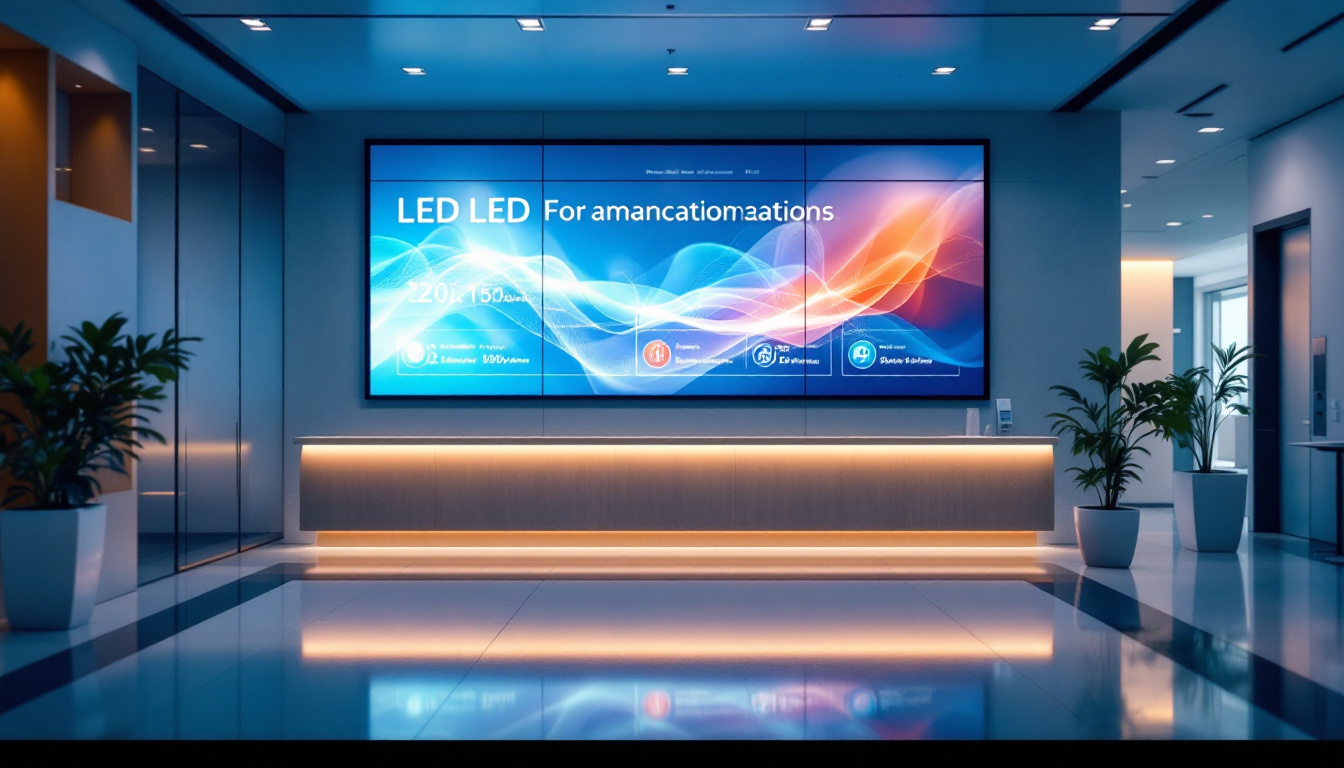
Hotels and restaurants use LED signage to highlight amenities, display menus, and promote special events. For instance, a hotel lobby may feature an LED wall showcasing local attractions, enhancing guest experience and encouraging longer stays.
Transportation and Public Spaces
Airports, train stations, and bus terminals rely on LED displays to provide real-time information such as schedules, delays, and safety announcements. The clarity and brightness of LED screens ensure that travelers receive critical updates promptly.
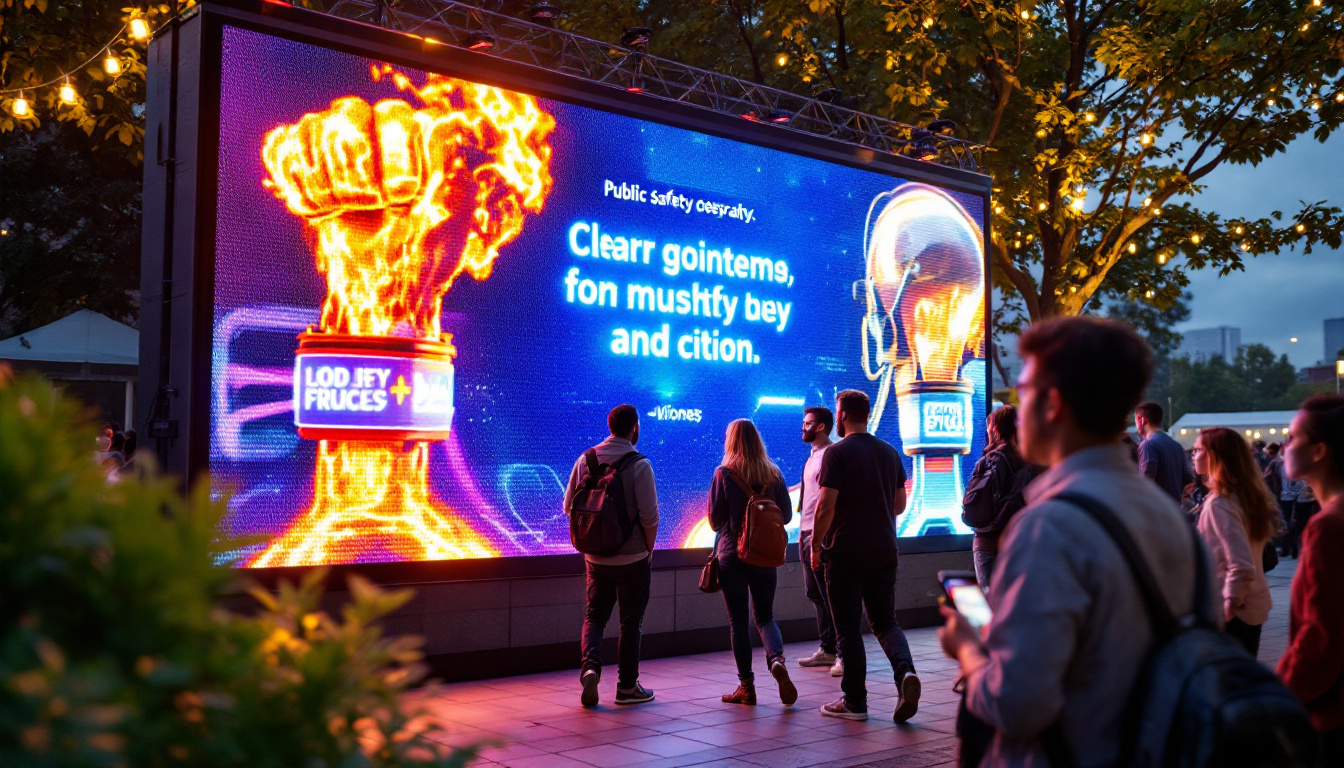
In public spaces, LED billboards and digital kiosks serve as platforms for advertising, community messages, and interactive experiences, contributing to urban vibrancy and connectivity.
Corporate and Educational Settings
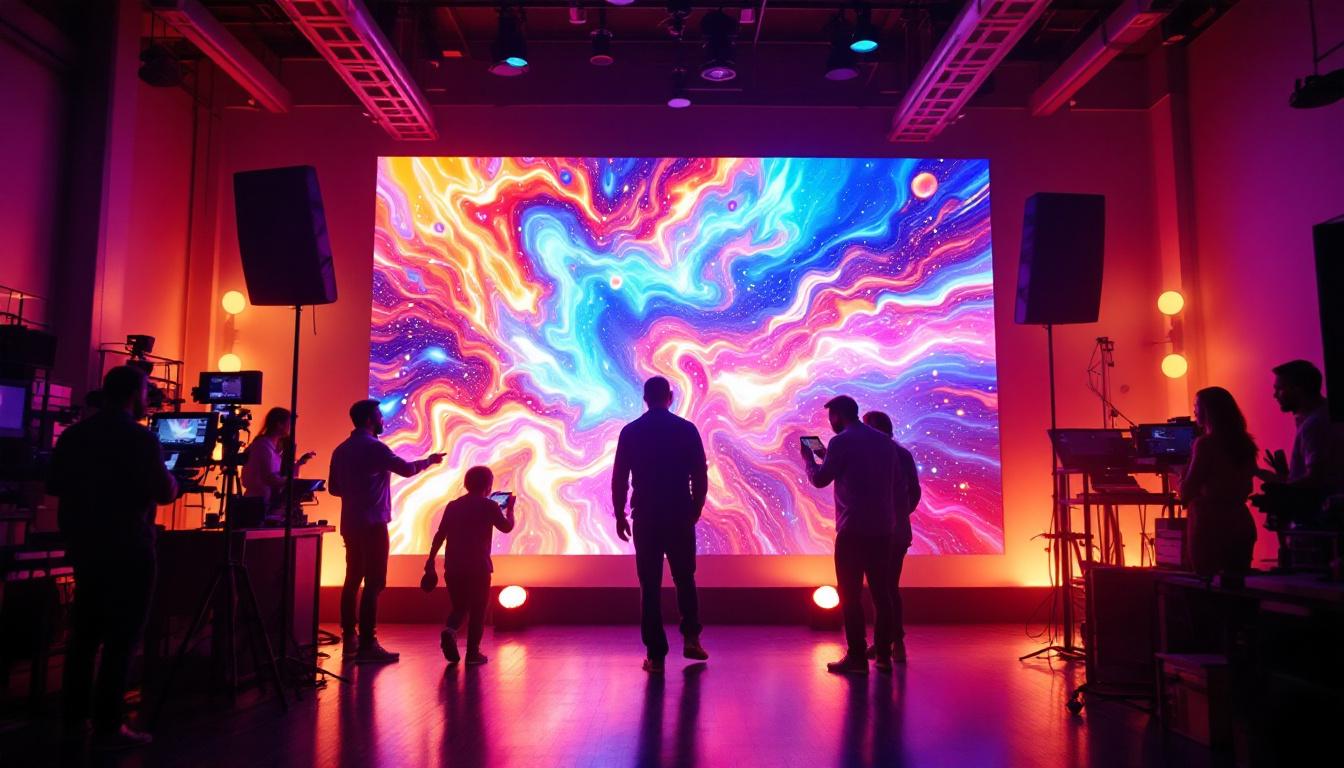
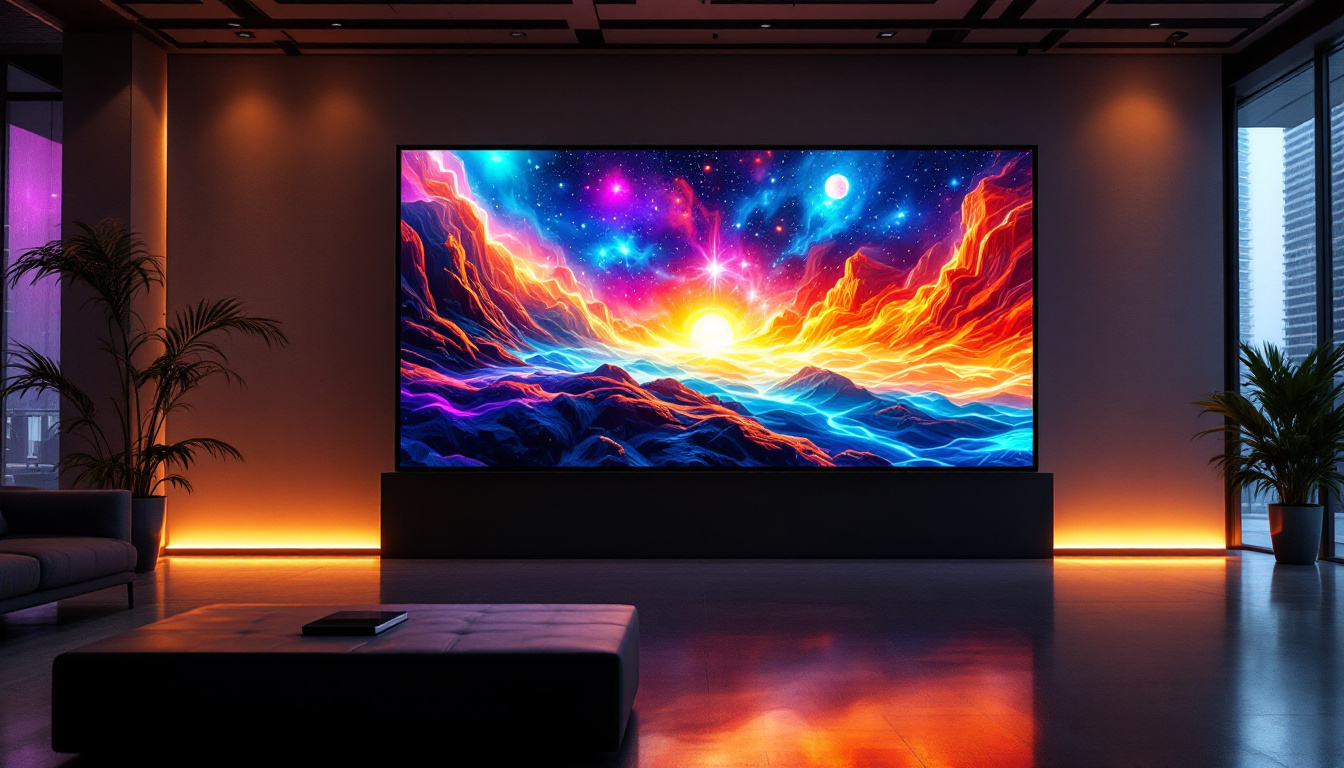
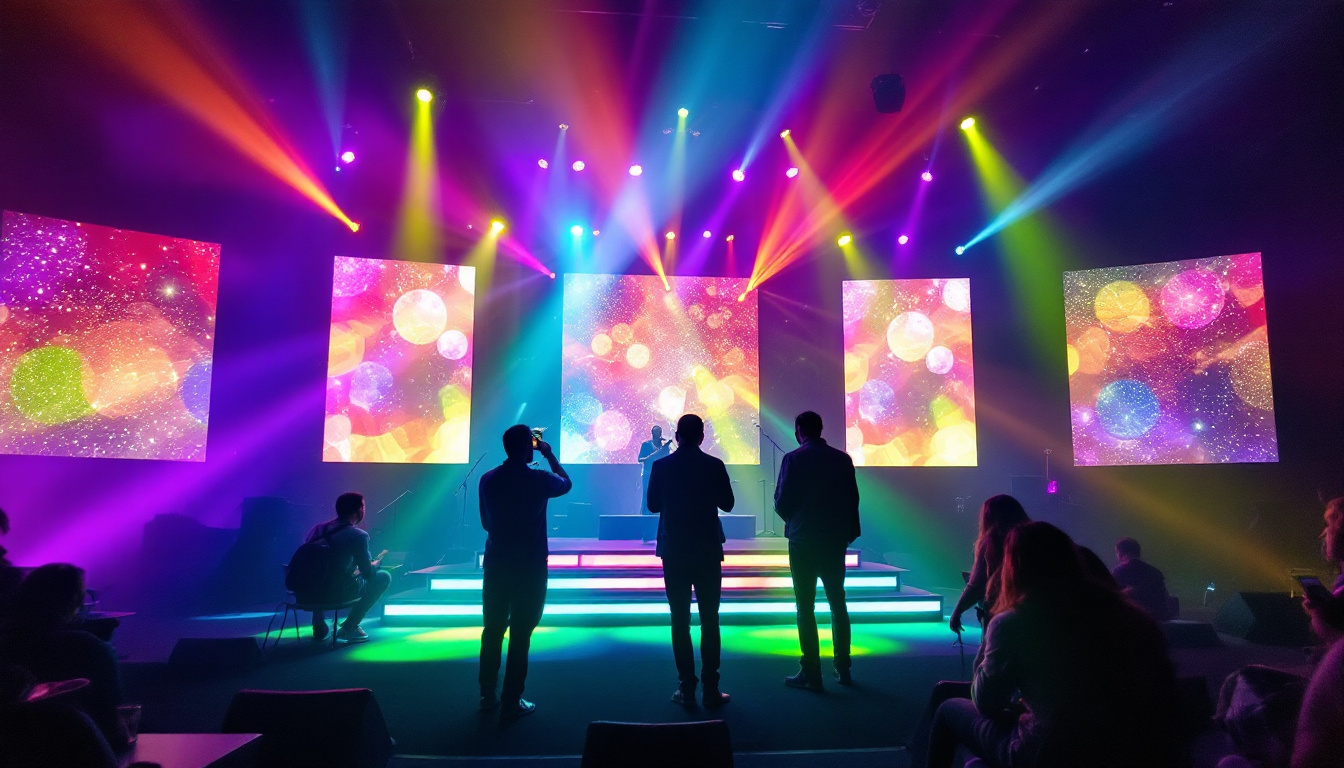
Businesses utilize LED displays for internal communications, presentations, and event branding. Large LED video walls can transform conference rooms and auditoriums, creating immersive environments for meetings and product launches.
Educational institutions employ LED signage to share campus news, promote events, and enhance wayfinding, improving the overall student and visitor experience.
Choosing the Right LED Display for Your Business
Selecting the ideal LED display involves considering several factors to ensure it meets the specific needs of your business and environment.
Resolution and Pixel Pitch
Resolution refers to the number of pixels on the display, while pixel pitch is the distance between individual LEDs. A smaller pixel pitch means higher resolution and better image clarity, especially at close viewing distances.
For indoor applications where viewers are close to the screen, a pixel pitch of 1.5mm to 2.5mm is typical. Outdoor displays, viewed from farther away, can have larger pixel pitches ranging from 4mm to 10mm or more.
Brightness and Contrast Ratio
Brightness is crucial for visibility, particularly outdoors. Businesses should choose displays with adjustable brightness settings to optimize performance in different lighting conditions and reduce energy consumption at night.
Contrast ratio affects how well the display can differentiate between light and dark areas, impacting image quality. Higher contrast ratios produce more vivid and engaging visuals.
Size and Viewing Distance
The physical size of the display should align with the typical viewing distance. Larger screens are necessary for billboards or large venues, while smaller panels may suffice for storefront windows or indoor signage.
Calculating the optimal size ensures that content is readable and visually impactful without overwhelming the space.
Durability and Weather Resistance
For outdoor installations, it is essential to choose LED displays with appropriate ingress protection (IP) ratings to withstand rain, dust, and temperature fluctuations. High-quality enclosures and cooling systems extend the lifespan of the display and maintain performance.
Installation and Maintenance Considerations
Proper installation and ongoing maintenance are critical to maximizing the benefits of LED signage and protecting your investment.
Professional Installation
LED displays require precise mounting, electrical connections, and calibration. Engaging experienced professionals ensures that the display is securely installed, operates safely, and delivers optimal image quality.
Additionally, professional installers can advise on the best placement to maximize visibility and comply with local regulations regarding signage.
Routine Maintenance and Troubleshooting
Regular cleaning of LED panels prevents dust buildup that can reduce brightness and image quality. Scheduled inspections help identify potential issues such as dead pixels or power supply failures before they impact performance.
Many modern LED displays come with remote monitoring capabilities, allowing technicians to diagnose and resolve problems quickly, minimizing downtime.
Future Trends in LED Digital Signage
The digital signage industry continues to evolve rapidly, with emerging technologies enhancing the capabilities of LED displays.
Integration with AI and Data Analytics
Artificial intelligence is enabling smarter content delivery by analyzing audience demographics and behavior in real time. This allows businesses to tailor messages dynamically, increasing relevance and engagement.
Interactive and Immersive Experiences
Advances in touch technology, augmented reality (AR), and 3D displays are transforming LED signage into interactive platforms that invite customer participation and create memorable brand interactions.
Sustainability and Energy Innovations
As environmental concerns grow, LED manufacturers are focusing on reducing power consumption further and developing recyclable materials. Solar-powered LED signs and energy harvesting technologies are also gaining traction, making digital signage more eco-friendly.
Conclusion
LED displays represent a powerful tool for businesses seeking to enhance their marketing efforts and customer engagement. Their brightness, flexibility, and durability make them suitable for a wide range of applications, from retail storefronts to large-scale outdoor advertising. By understanding the technology, benefits, and practical considerations, businesses can make informed decisions that maximize the impact of their digital signage investments.
As technology advances, LED displays will continue to offer innovative ways to connect with audiences, making them an essential component of modern business communication strategies.
Illuminate Your Brand with LumenMatrix
Ready to elevate your marketing and captivate your audience with unparalleled brightness and clarity? Discover LumenMatrix’s innovative LED display solutions, from dynamic Indoor and Outdoor LED Wall Displays to versatile Vehicle and Sports LED Displays. Each product is crafted to transform your visual communication and create immersive experiences that resonate with viewers. Embrace the future of digital signage with LumenMatrix and make a lasting impression. Check out LumenMatrix LED Display Solutions today and see your brand in a new light.