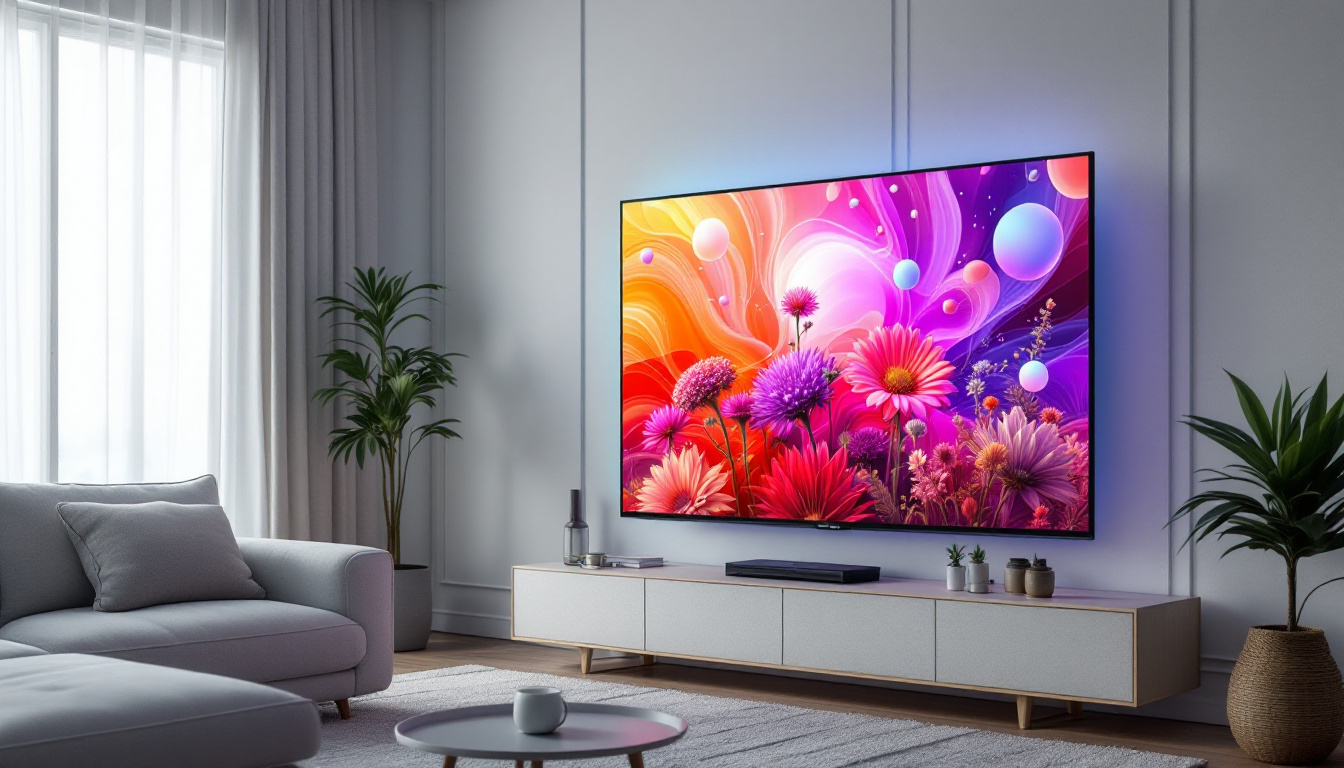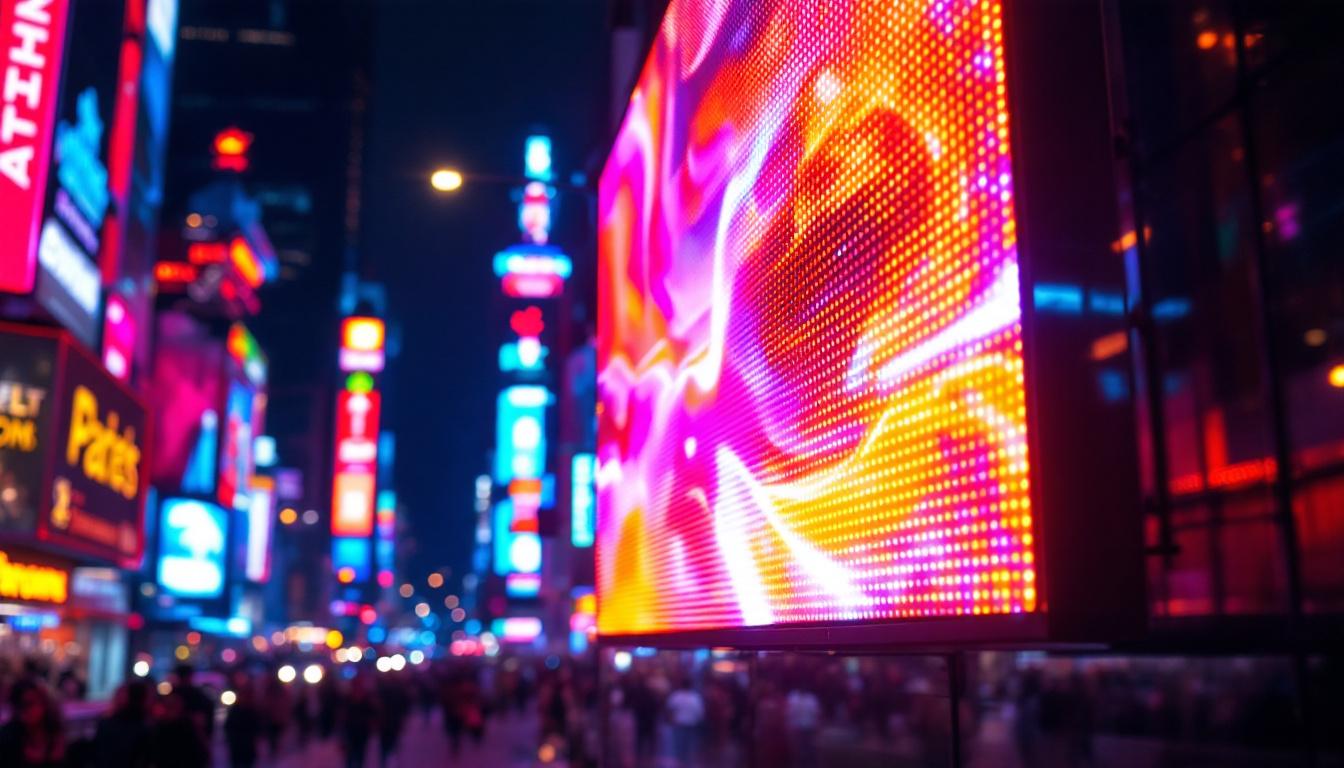
In today’s fast-paced digital world, touch screen monitors have become an integral part of both professional and personal environments. From interactive kiosks in shopping malls to high-end graphic design studios, these devices offer an intuitive user interface that simplifies interaction with technology. Among the various types of touch screen monitors available, LED display technology stands out for its superior visual quality, energy efficiency, and versatility.
This comprehensive guide delves into the world of digital touch screen monitors with LED displays, explaining their fundamental technology, advantages, and practical applications. Whether you’re a business owner considering a digital signage solution or a tech enthusiast curious about the latest display technologies, this article will provide valuable insights into what makes LED touch screen monitors a preferred choice in modern digital displays.
Understanding LED Display Technology
What is an LED Display?
LED stands for Light Emitting Diode, a semiconductor device that emits light when an electric current passes through it. LED displays use an array of these tiny diodes to create images by controlling the brightness and color of each pixel. Unlike traditional LCDs that rely on backlighting, LED displays either use LEDs as the light source behind an LCD panel (LED-backlit LCDs) or as the actual pixels themselves in the case of OLED or microLED technologies.
In the context of touch screen monitors, LED technology typically refers to LED-backlit LCDs, which combine the sharp image quality of LCD panels with the energy efficiency and brightness of LED backlighting. This hybrid approach has become the industry standard for most modern monitors, offering a balance between cost, performance, and durability.
How LED Displays Work
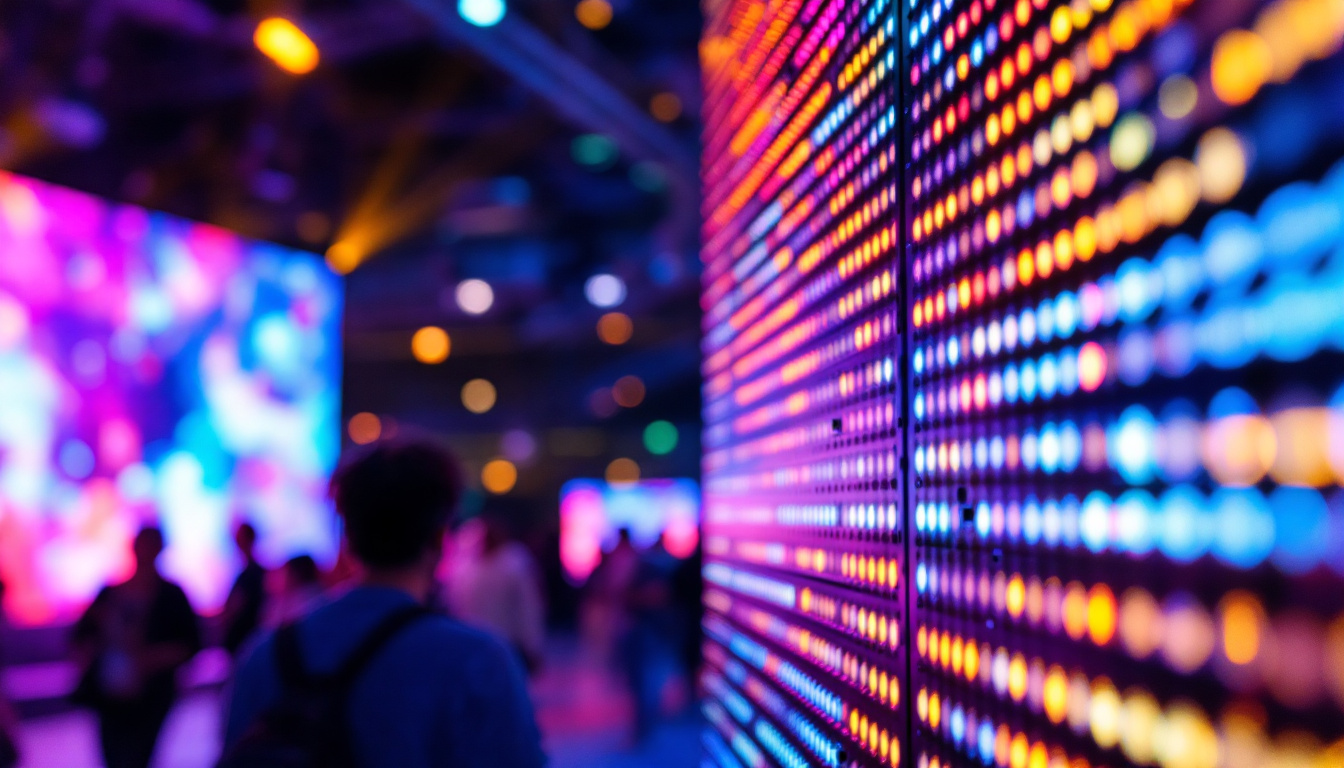
At the core of an LED display is the pixel matrix, where each pixel is made up of red, green, and blue sub-pixels. By varying the intensity of these sub-pixels, the display can produce millions of colors. The LEDs behind the LCD panel provide the necessary light to illuminate these pixels. Advanced LED displays use local dimming zones, allowing certain areas of the screen to dim independently, which enhances contrast and deepens black levels.
In touch screen monitors, this LED display is paired with a touch-sensitive layer that detects user input. This layer can be based on different technologies such as capacitive, resistive, or infrared touch sensing, each with its own strengths and use cases. Capacitive touchscreens, for example, are highly responsive and support multi-touch gestures, making them ideal for consumer electronics and interactive displays.
Advantages of LED Touch Screen Monitors
Superior Image Quality and Brightness
One of the primary benefits of LED displays is their ability to produce vibrant colors and high brightness levels. LED backlighting ensures that images are bright and clear, even in well-lit environments. This is particularly important for touch screen monitors used in public spaces or commercial settings where ambient lighting can vary significantly.
Moreover, LED displays offer excellent color accuracy and wide viewing angles, ensuring that the content remains consistent and visually appealing from different perspectives. This feature is essential for collaborative workspaces, digital signage, and retail environments where multiple viewers may be interacting with the screen simultaneously.
Energy Efficiency and Longevity
Compared to older display technologies like CCFL (cold cathode fluorescent lamp) backlighting, LED displays consume significantly less power. This energy efficiency translates into lower operating costs and a reduced environmental footprint, which is increasingly important for businesses aiming to meet sustainability goals.
LEDs also have a longer lifespan, often rated for tens of thousands of hours of use. This durability reduces the frequency of replacements and maintenance, making LED touch screen monitors a cost-effective investment over time.
Thin and Lightweight Design
LED technology enables manufacturers to produce thinner and lighter monitors without compromising on screen size or quality. This sleek form factor enhances the aesthetic appeal of devices and allows for more flexible installation options, such as wall mounting or integration into kiosks and point-of-sale systems.
Types of Touch Screen Technologies Used with LED Displays
Capacitive Touch Screens
Capacitive touch screens are the most common type used in modern LED monitors. They work by sensing the electrical properties of the human finger, allowing for precise and responsive touch input. Capacitive screens support multi-touch gestures, which are essential for interactive applications like zooming, rotating, and swiping.
These screens are highly durable and generally require less maintenance since they do not rely on pressure. However, they may not work well with gloves or styluses unless specifically designed to do so.
Resistive Touch Screens
Resistive touch technology operates by detecting pressure applied to the screen surface. It consists of multiple layers that register input when pressed together. While resistive screens are less sensitive and do not support multi-touch, they can be used with any pointing device, including gloves and styluses.
This technology is often found in industrial or medical environments where users may need to wear protective gear or use specialized tools to interact with the screen.
Infrared and Optical Touch Screens
Infrared touch screens use an array of IR LEDs and sensors around the screen edges to detect touch by interruption of the light beams. Optical touch screens employ cameras or sensors to detect touch points. Both technologies offer high durability and can detect touch without direct contact, making them suitable for harsh environments or applications requiring stylus-free operation.
Applications of LED Touch Screen Monitors
Retail and Digital Signage
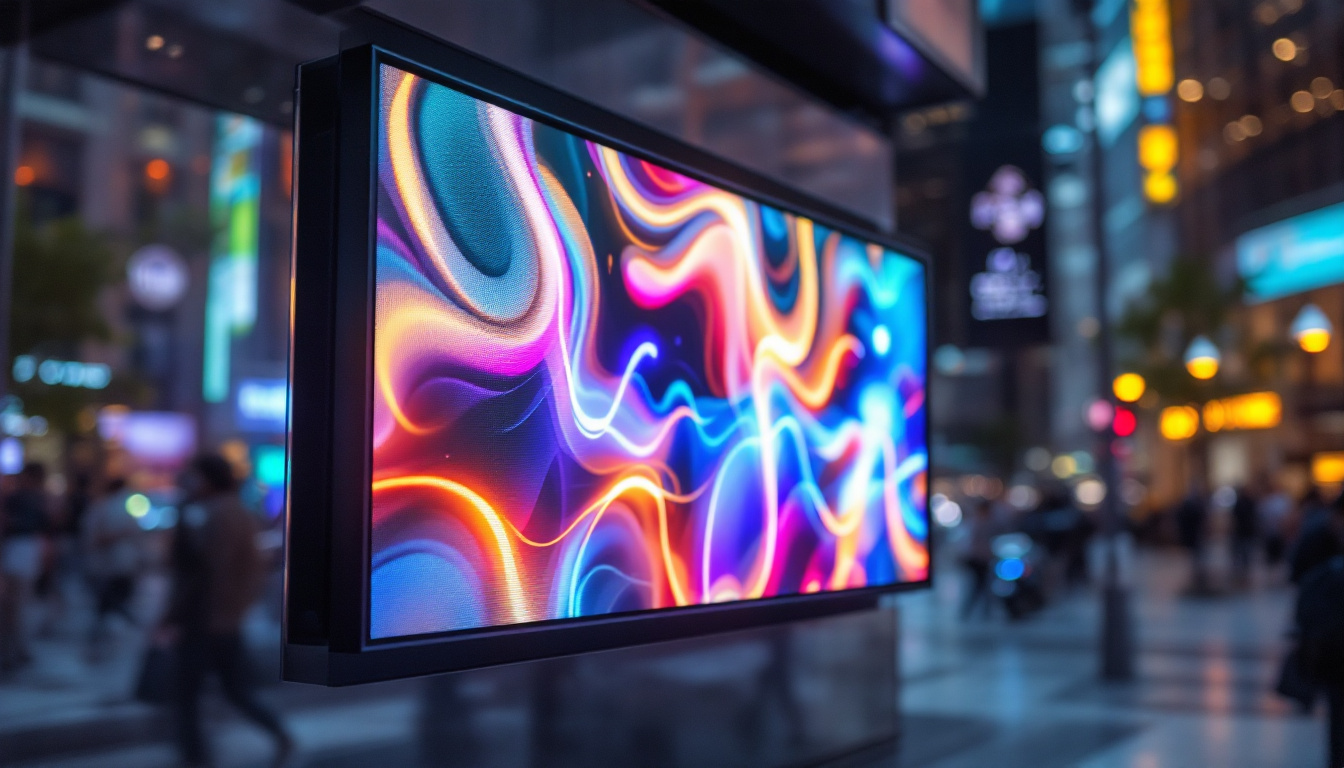
LED touch screen monitors have revolutionized the retail sector by enabling interactive digital signage and self-service kiosks. These displays attract customers with dynamic content and allow for personalized shopping experiences through touch interaction. For example, clothing stores use touch screens for virtual fitting rooms, while supermarkets deploy them for self-checkout stations.
The high brightness and color accuracy of LED displays ensure that advertisements and product information remain eye-catching and easy to read, even under bright store lighting conditions.
Education and Training
Interactive whiteboards and digital displays equipped with LED touch screens have transformed classrooms and training centers. They facilitate collaborative learning by allowing multiple users to interact with educational content simultaneously. The responsiveness and clarity of LED displays enhance engagement and improve information retention.
Additionally, LED touch screen monitors are used in virtual labs and simulation environments, providing realistic and immersive experiences for students and trainees.
Healthcare and Medical Devices
In healthcare, LED touch screen monitors are used in diagnostic equipment, patient monitoring systems, and information kiosks. The clarity and precision of LED displays are critical for accurately viewing medical images and data. Touch functionality simplifies navigation, allowing healthcare professionals to access information quickly and efficiently.
Durability and ease of cleaning are also important factors, and many medical-grade LED touch screen monitors are designed to withstand rigorous sanitation protocols.
Corporate and Creative Workspaces
LED touch screen monitors have become essential tools in corporate environments for presentations, video conferencing, and collaborative projects. Their large, bright screens and interactive capabilities foster more dynamic meetings and brainstorming sessions.
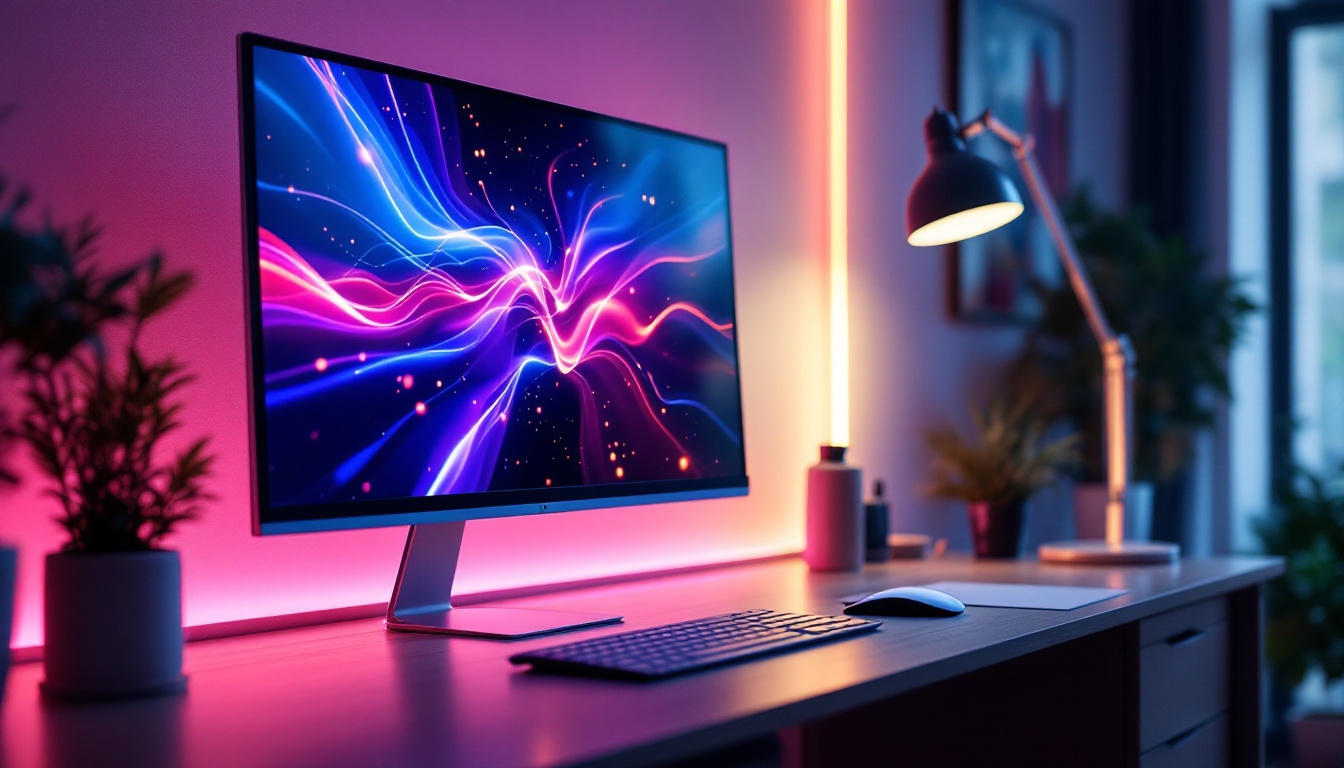
Creative professionals benefit from the color accuracy and responsiveness of LED touch screens, especially in fields like graphic design, video editing, and digital art, where precision is paramount.
Choosing the Right LED Touch Screen Monitor
Screen Size and Resolution
Selecting the appropriate screen size depends on the intended use case. Larger screens are preferable for collaborative environments and public displays, while smaller monitors suit personal workstations or point-of-sale terminals.
Resolution is equally important; higher resolutions such as 4K provide sharper images and more screen real estate, which is advantageous for detailed work and high-quality content presentation.
Touch Technology Considerations
Choosing between capacitive, resistive, infrared, or optical touch technologies depends on the environment and user needs. For example, capacitive screens are ideal for consumer-facing applications requiring multi-touch, while resistive or infrared screens may be better suited for industrial settings.
Durability and Environmental Resistance
For outdoor or harsh environment applications, monitors with enhanced durability features such as IP ratings for dust and water resistance, anti-glare coatings, and reinforced glass are essential. These features ensure reliable performance and longevity under challenging conditions.
Connectivity and Compatibility
Modern LED touch screen monitors offer a variety of connectivity options including HDMI, DisplayPort, USB, and wireless interfaces. Ensuring compatibility with existing systems and peripherals is crucial for seamless integration and optimal performance.
Future Trends in LED Touch Screen Technology
Advancements in MicroLED and OLED Displays
Emerging display technologies like microLED and OLED promise even greater brightness, contrast, and energy efficiency. MicroLED displays use microscopic LEDs as individual pixels, offering superior color accuracy and longevity without burn-in issues common in OLEDs.
As these technologies mature and become more affordable, they are expected to replace traditional LED-backlit LCDs in high-end touch screen monitors, delivering an unparalleled visual experience.
Integration of AI and Gesture Recognition
Future touch screen monitors are likely to incorporate artificial intelligence (AI) to enhance user interaction. Features such as gesture recognition, eye tracking, and voice control will complement touch input, creating more natural and immersive experiences.
These advancements will benefit sectors like education, healthcare, and retail by enabling hands-free operation and personalized content delivery.
Flexible and Transparent Displays
Research into flexible and transparent LED displays is opening new possibilities for innovative device designs. Flexible screens can be curved or folded, expanding their use in wearable technology and portable devices. Transparent displays enable augmented reality applications and futuristic retail displays that blend digital content with physical environments.
Conclusion
Digital touch screen monitors with LED displays represent a convergence of cutting-edge display technology and intuitive user interfaces. Their superior image quality, energy efficiency, and versatility make them suitable for a wide range of applications, from retail and education to healthcare and corporate environments.
Understanding the underlying LED technology, touch screen types, and practical considerations helps businesses and consumers make informed decisions when selecting the right monitor for their needs. As display technology continues to evolve with innovations like microLED, AI integration, and flexible designs, LED touch screen monitors will remain at the forefront of interactive digital experiences.
Investing in an LED touch screen monitor today is not only a step towards enhanced user engagement but also a future-proof choice that aligns with the ongoing digital transformation across industries.
Explore the Future of Visual Engagement with LumenMatrix
Ready to elevate your interactive digital experiences with the latest in LED display technology? LumenMatrix is at the forefront of innovation, offering a diverse range of LED display solutions tailored to your unique needs. From captivating Indoor and Outdoor LED Wall Displays to dynamic Vehicle and Sports LED Displays, our products are designed to make your brand stand out. Discover the transformative power of LED displays and join the digital revolution with LumenMatrix. Check out LumenMatrix LED Display Solutions today and witness how we can illuminate your message with brilliance and precision.