In today’s fast-paced digital world, LED displays have become an integral part of how businesses and individuals communicate visually. From vibrant advertising billboards to sleek retail display cases, LED technology offers unparalleled brightness, energy efficiency, and versatility. This article delves into the fundamentals of LED displays, focusing on their application in display cases, and explains why they have become the preferred choice for modern visual merchandising and information presentation.
What is an LED Display?
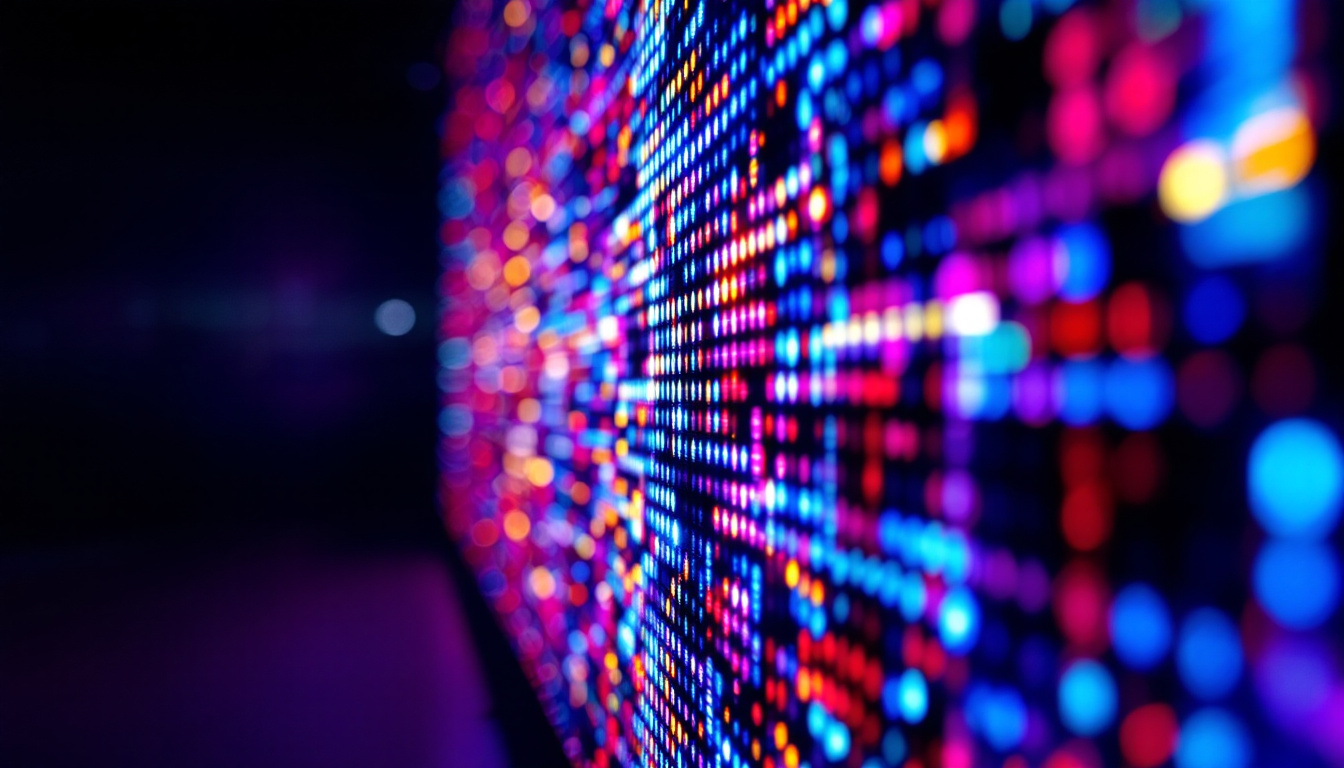
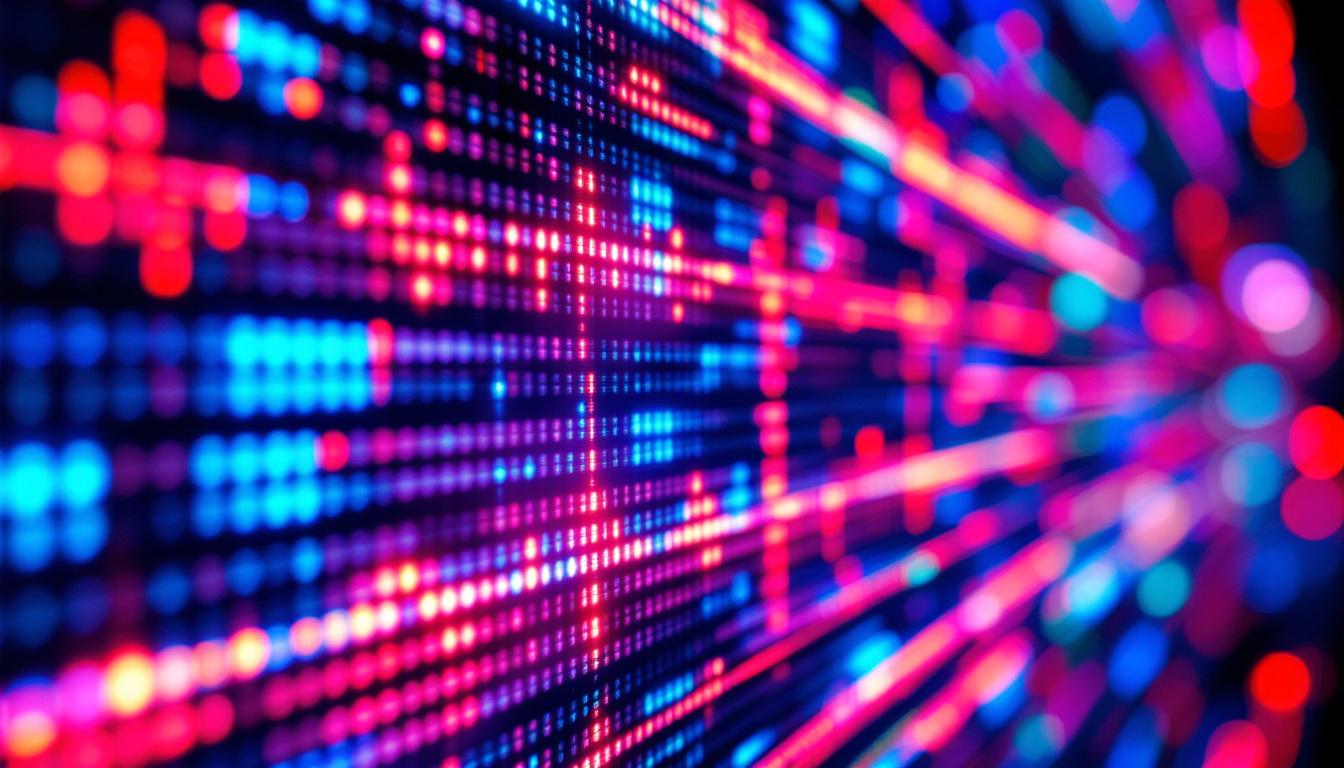
LED stands for Light Emitting Diode, a semiconductor device that emits light when an electric current passes through it. An LED display is a flat panel that uses an array of these tiny diodes to create images, text, or videos by controlling the intensity and color of each diode. Unlike traditional display technologies such as LCD or plasma, LED displays can deliver higher brightness levels and more vivid colors, making them ideal for both indoor and outdoor use. This capability is particularly beneficial in environments with high ambient light, where visibility can be a challenge for other display types.
The core advantage of LED technology lies in its efficiency and longevity. LEDs consume significantly less power than conventional lighting sources, which translates into lower operating costs and a reduced environmental footprint. Additionally, LEDs have a lifespan that can exceed 50,000 hours, meaning they require less frequent replacement and maintenance. This durability not only reduces waste but also ensures that businesses can rely on their displays for extended periods without the need for constant upkeep, making them a smart investment in the long run.
Types of LED Displays
LED displays come in various forms, each suited for specific applications. The two primary categories are:
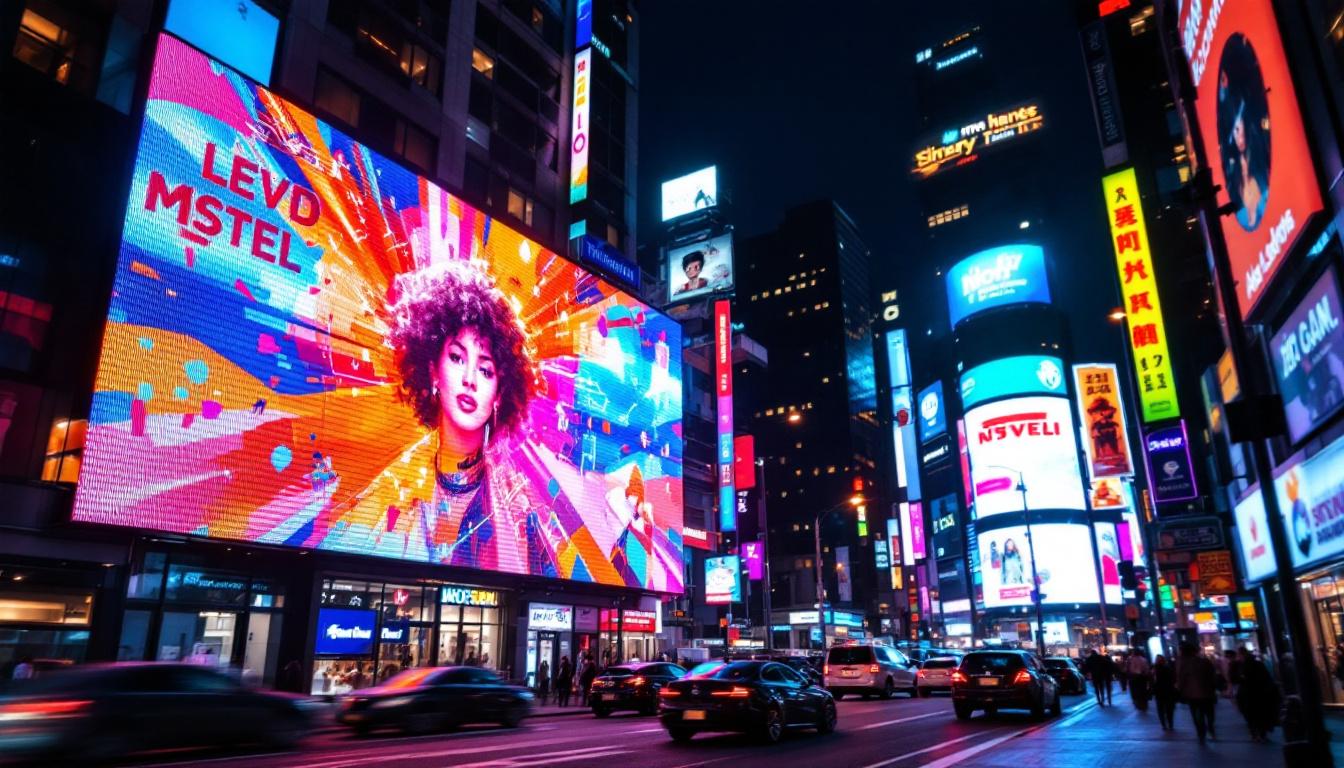
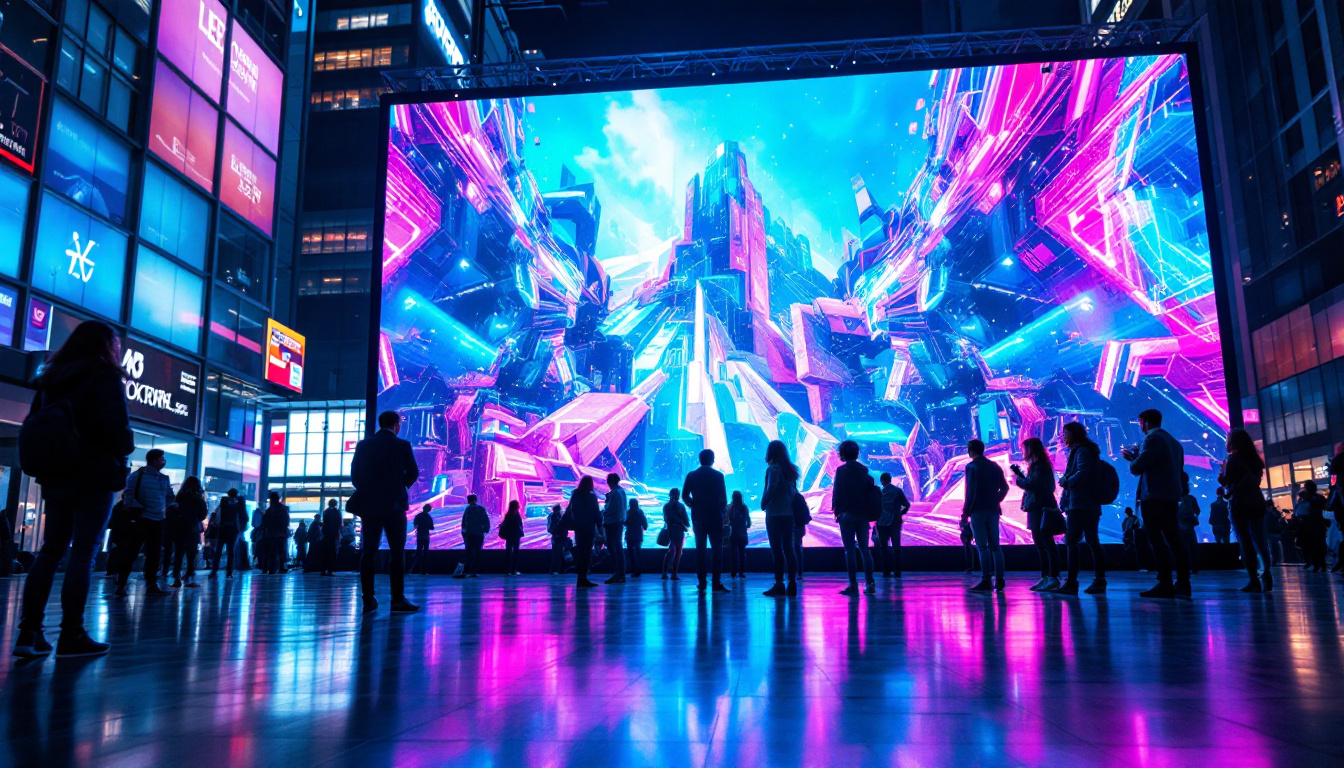
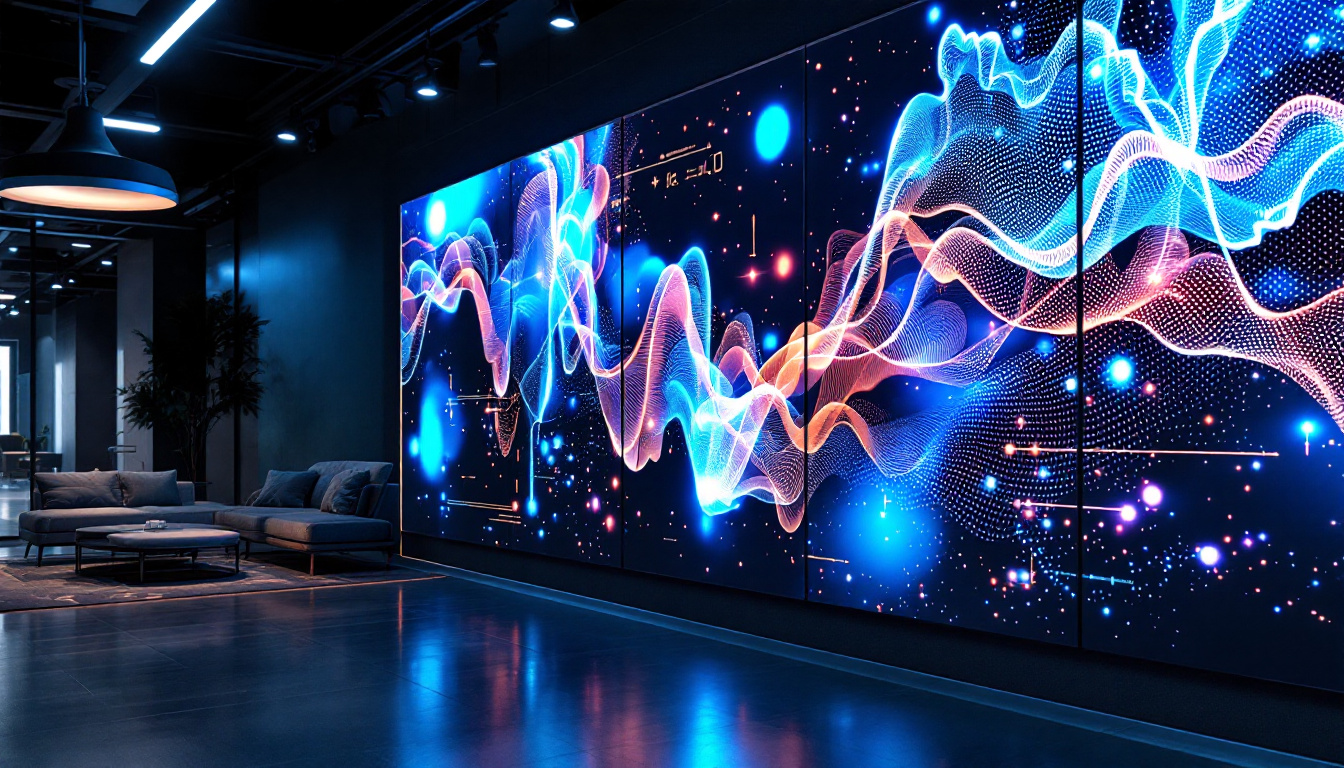
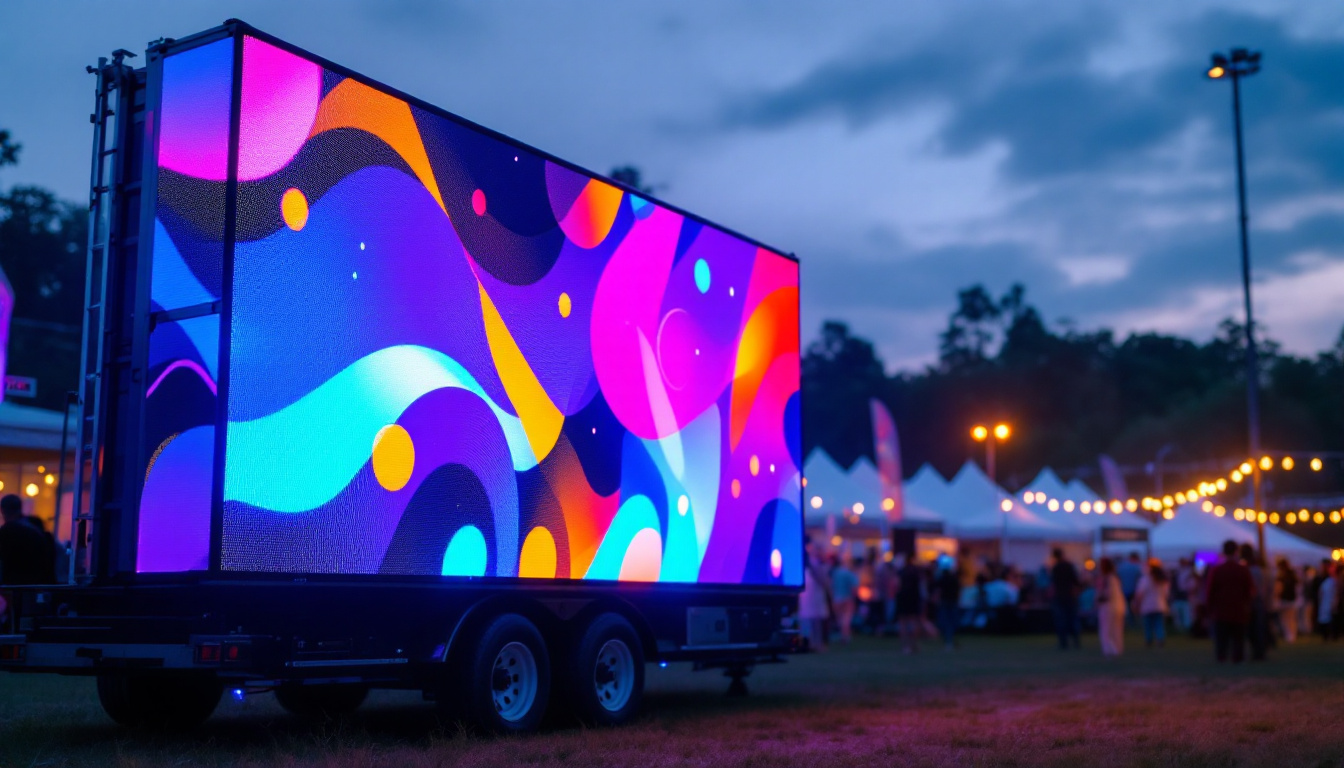
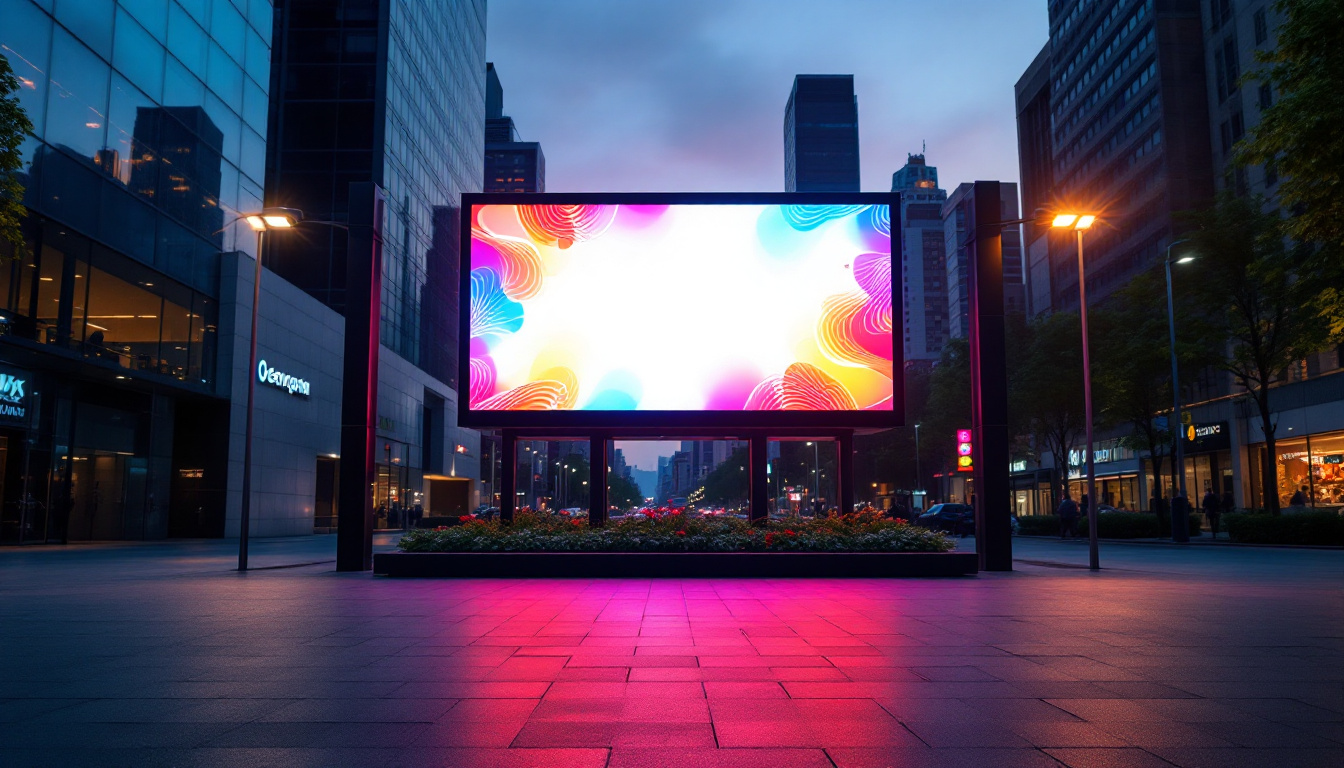
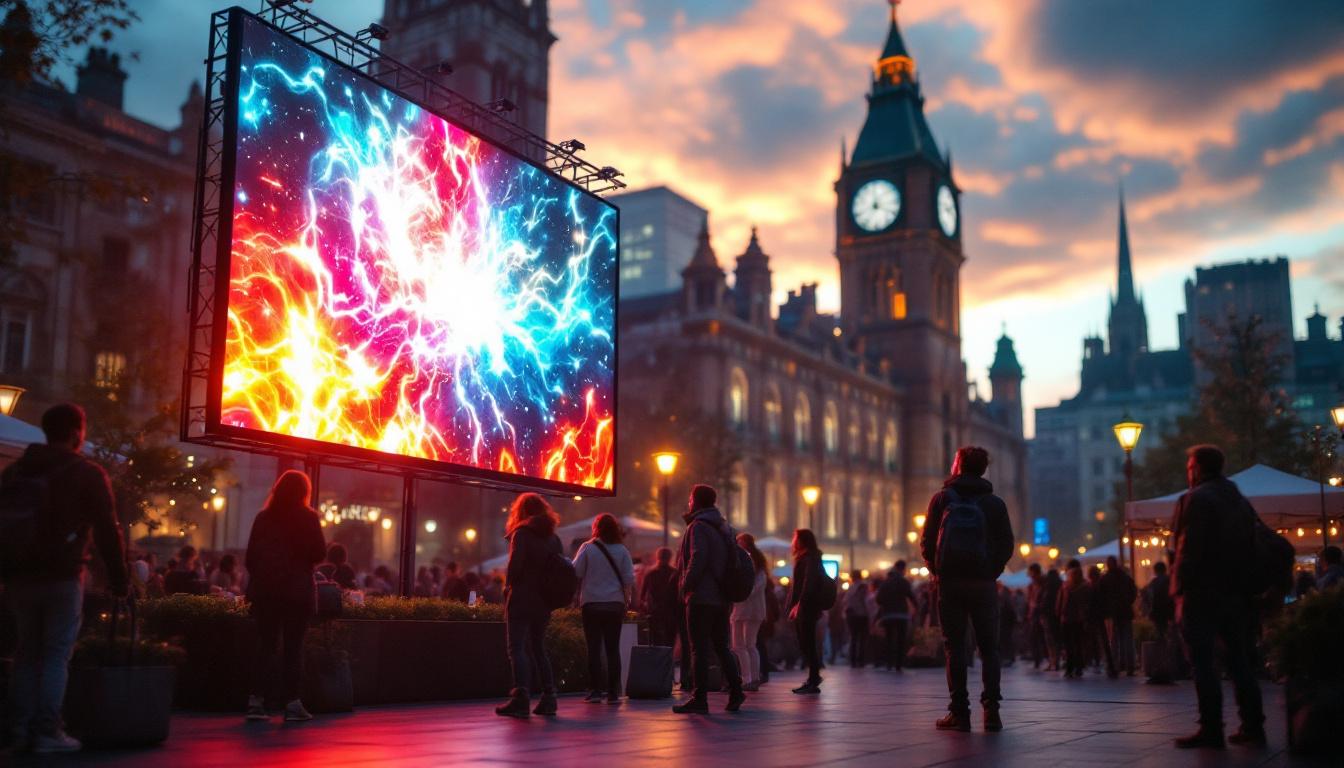
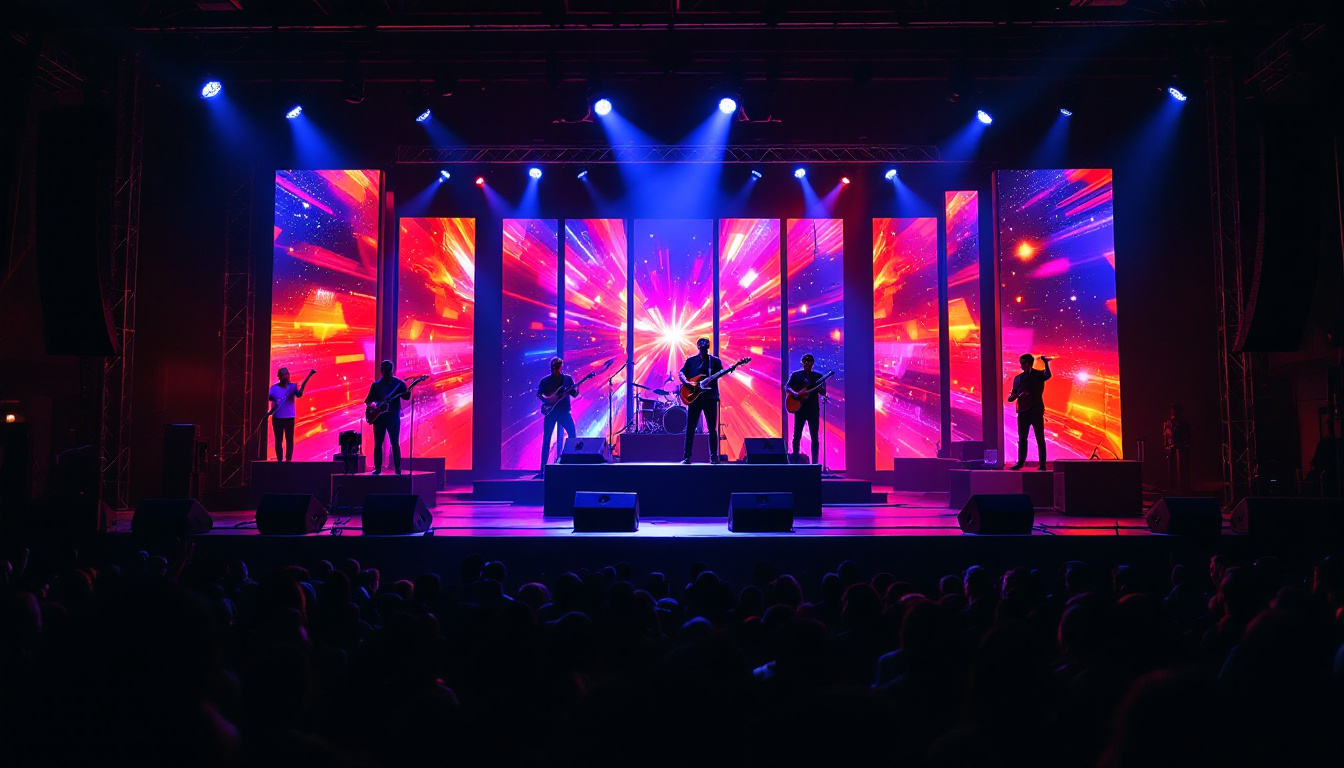
- Direct View LED Displays: These are composed of individual LED pixels that are visible to the naked eye. They are commonly used in large-scale video walls, stadium screens, and outdoor billboards. Their modular design allows for flexibility in size and shape, enabling creative installations that can fit any space or requirement.
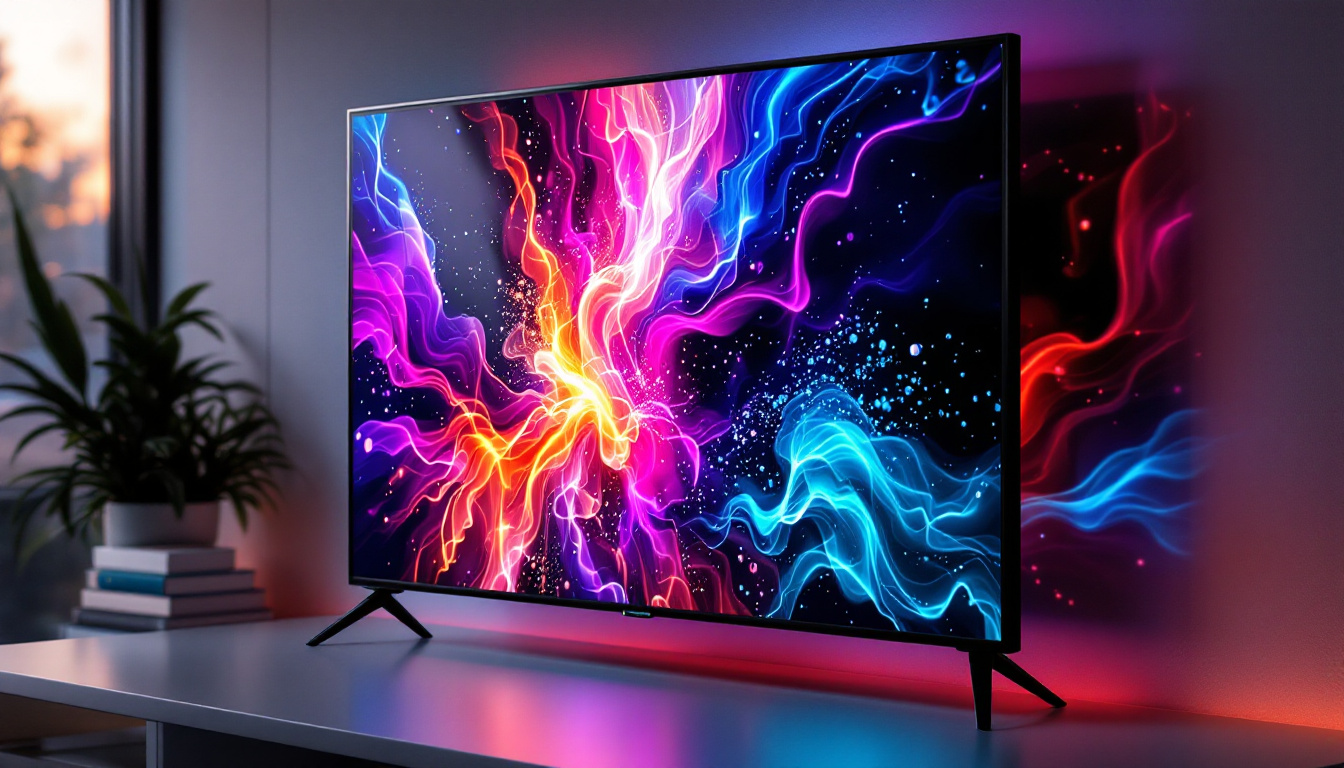
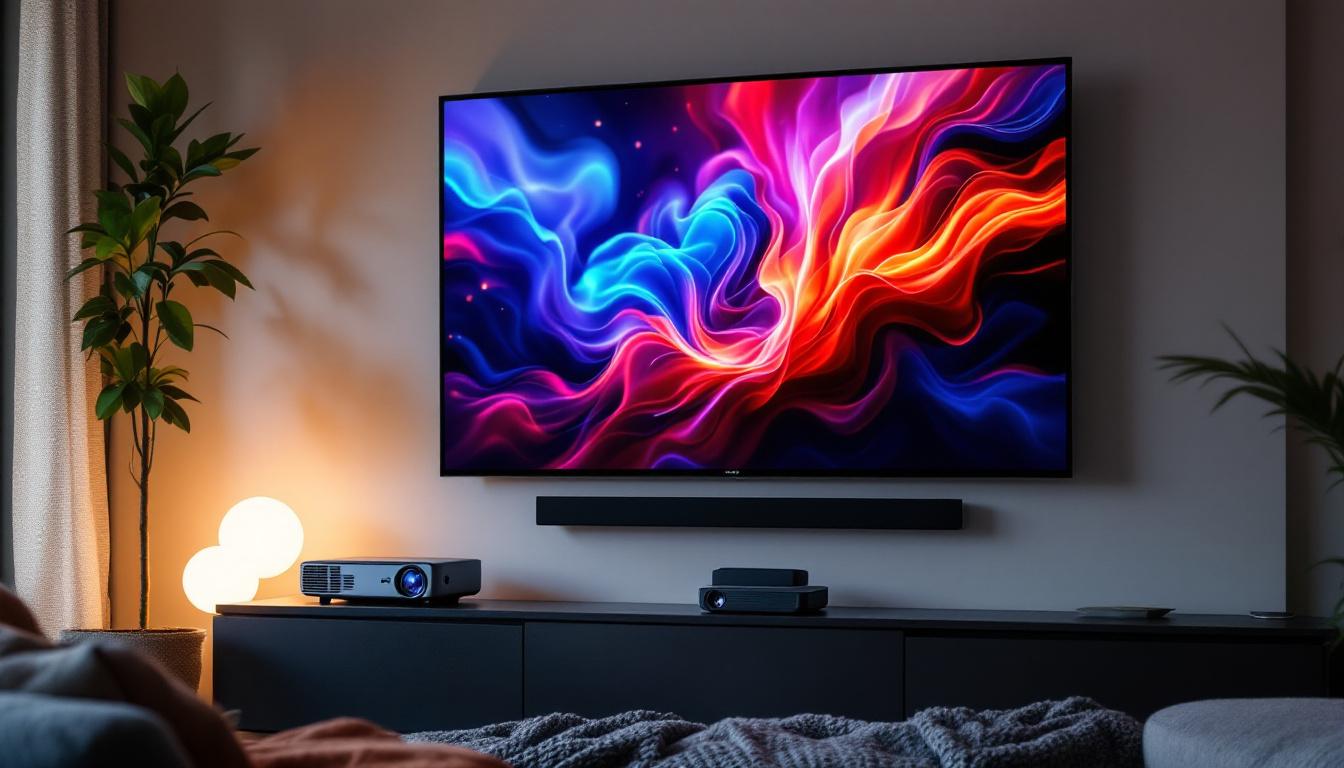
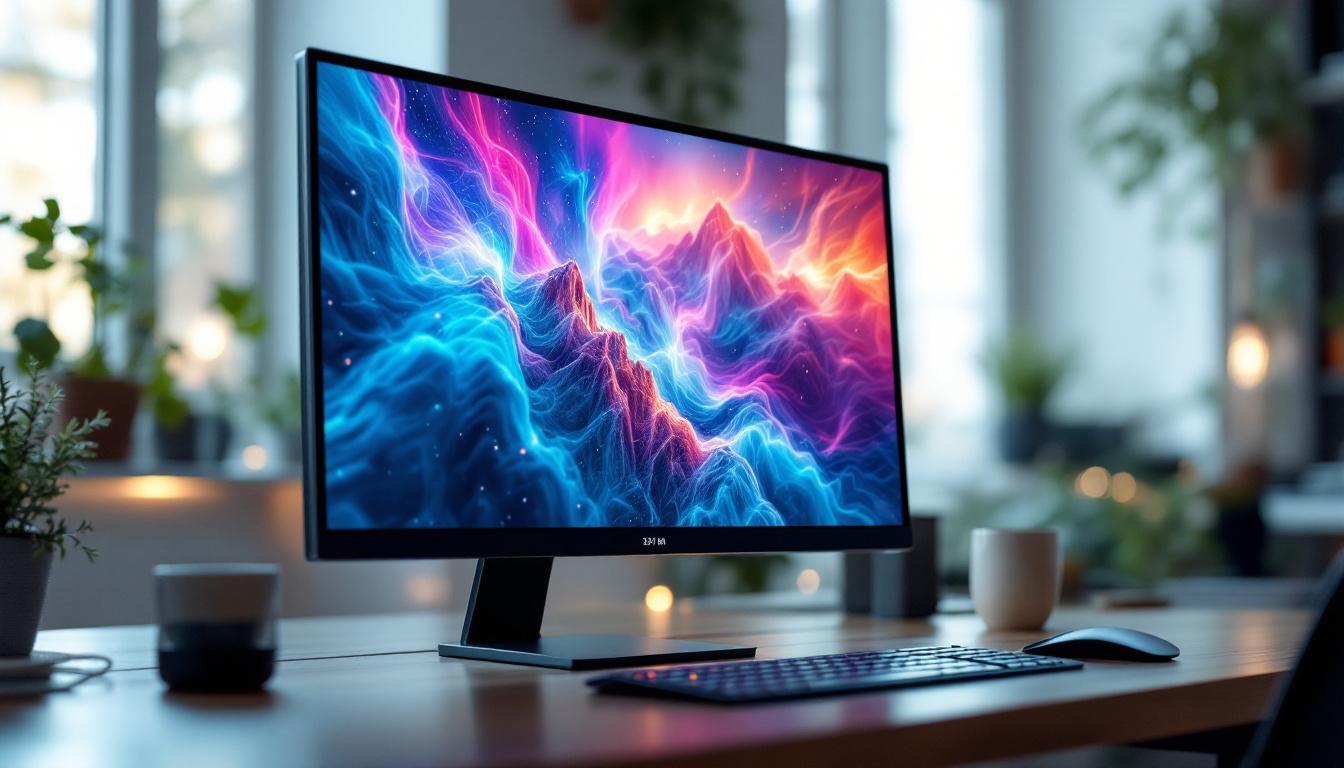
- LED-Backlit LCD Displays: In this case, LEDs serve as the backlighting source behind an LCD panel, enhancing brightness and color accuracy. This type is prevalent in televisions, computer monitors, and smaller digital signage. The integration of LED backlighting has revolutionized the LCD market, providing a more vibrant viewing experience while maintaining the thin profile that consumers desire.
For display cases, direct view LED displays are often preferred due to their ability to deliver bright, eye-catching visuals that attract customer attention. Moreover, the flexibility of these displays allows businesses to showcase dynamic content, such as promotional videos or real-time updates, which can significantly enhance customer engagement. The ability to change the displayed content quickly and easily makes LED displays an invaluable tool for marketing and advertising, allowing brands to adapt their messaging to suit different audiences or occasions.
Furthermore, the advancements in LED technology have led to the emergence of innovative features such as pixel pitch, which refers to the distance between the centers of two adjacent pixels. A smaller pixel pitch results in a higher resolution display, making it suitable for close viewing distances, while a larger pixel pitch is ideal for larger audiences viewing from a distance. This versatility ensures that LED displays can be tailored to meet the specific needs of various environments, from intimate retail spaces to expansive outdoor venues, providing unparalleled visual experiences across the board.
How LED Displays Enhance Display Cases
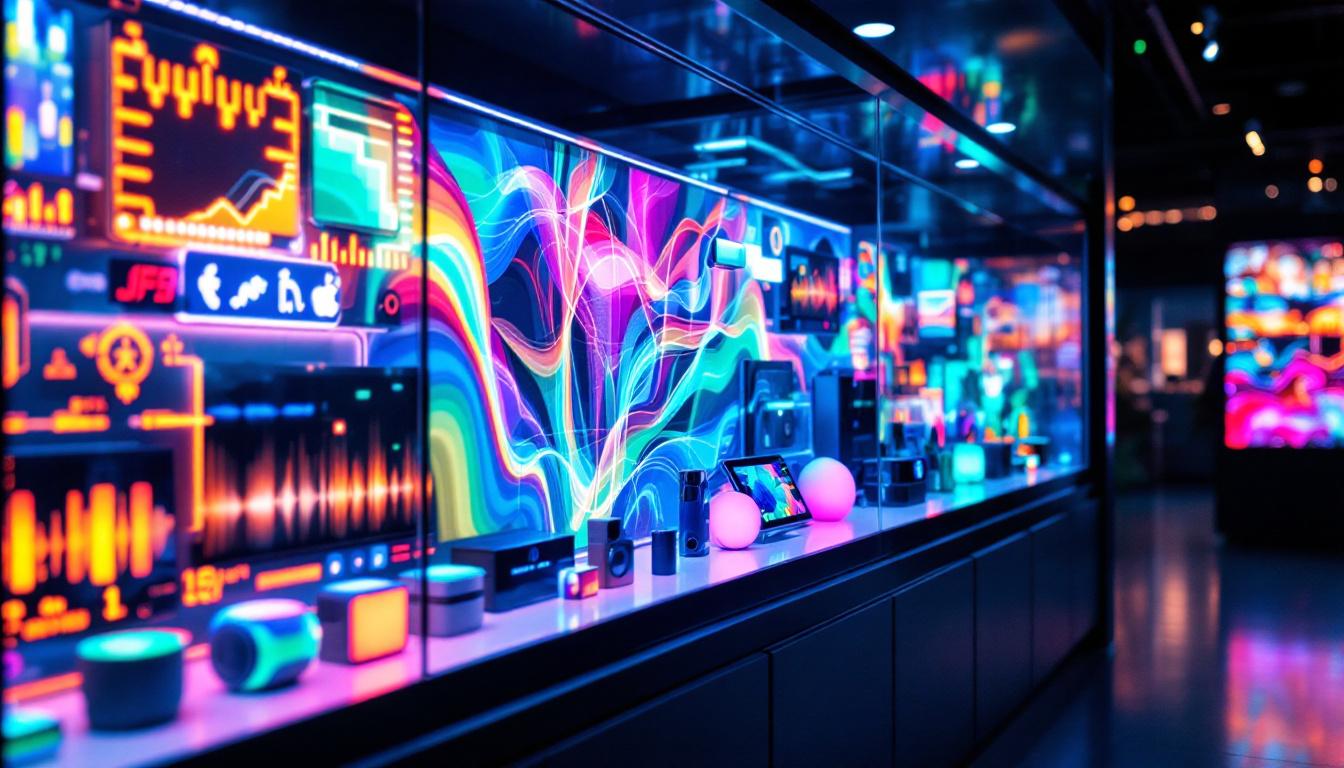
Display cases are essential for showcasing products in retail environments, museums, exhibitions, and more. Incorporating LED displays into these cases elevates the presentation by combining illumination with dynamic content delivery.
Improved Product Visibility and Appeal
Proper lighting is crucial in highlighting the features and details of products. LED displays integrated into display cases provide consistent, bright illumination that enhances the visual appeal of items, whether jewelry, electronics, or collectibles.
Unlike traditional fluorescent or incandescent lighting, LEDs emit less heat, reducing the risk of damage to sensitive products. Moreover, LEDs can be programmed to change colors or display animations, creating an engaging atmosphere that draws customers closer. This adaptability not only showcases the products in their best light but also allows retailers to create themed displays for special occasions or seasonal promotions, further captivating the attention of potential buyers.
Additionally, the energy efficiency of LED lighting means that retailers can maintain vibrant displays without incurring high electricity costs, making it a sustainable choice for businesses looking to reduce their carbon footprint while still providing an eye-catching presentation.
Dynamic Content and Interactive Capabilities
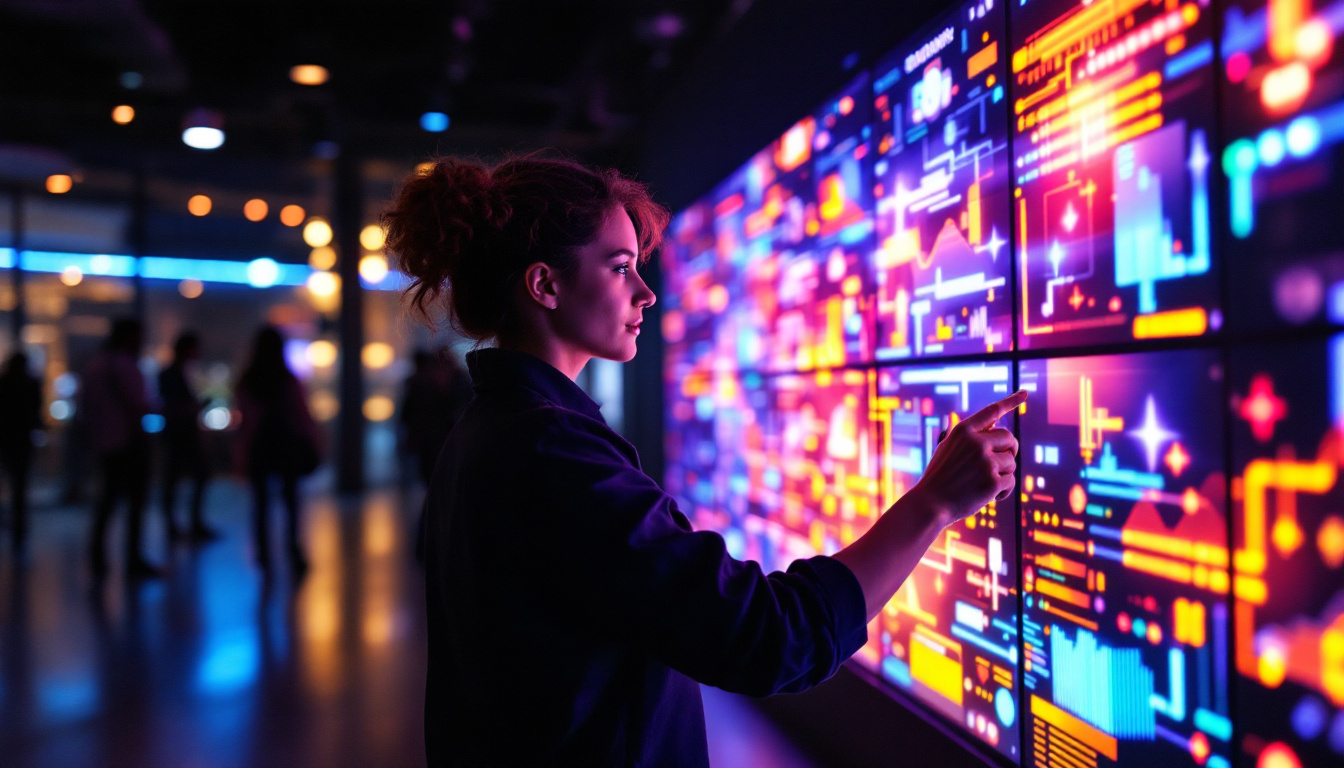
Static displays are increasingly being replaced by dynamic digital content. LED displays enable retailers and exhibitors to showcase videos, slideshows, and interactive graphics directly on or within the display case. This capability allows for storytelling, product demonstrations, and real-time updates, which can significantly enhance customer engagement.
For example, a luxury watch brand might use an LED display case to show the intricate workings of a timepiece or highlight its craftsmanship through high-resolution videos. This immersive experience can influence purchasing decisions by providing deeper insights into the product. Furthermore, interactive features such as touchscreens can allow customers to explore product specifications, view customer reviews, or even customize their selections, thereby creating a personalized shopping experience that resonates with modern consumers.
Moreover, the integration of LED technology with smart systems can facilitate data collection on customer interactions. Retailers can analyze which displays attract the most attention or which products generate the most inquiries, allowing them to refine their marketing strategies and optimize their inventory based on real-time consumer behavior. This data-driven approach not only enhances the shopping experience but also empowers businesses to make informed decisions that align with customer preferences.
Technical Considerations for Display Case LED Implementation
Choosing and installing LED displays for display cases involves several technical factors to ensure optimal performance and longevity.
Resolution and Pixel Pitch
Resolution refers to the number of pixels displayed, while pixel pitch is the distance between the centers of two adjacent pixels. For display cases, a higher resolution with a smaller pixel pitch is preferred because viewers are typically close to the display. This ensures crisp, detailed images without visible pixelation.
Pixel pitches in the range of 1.5mm to 3mm are common for indoor display cases, balancing image clarity with cost considerations.
Brightness and Viewing Angles
Brightness levels must be sufficient to overcome ambient lighting conditions, especially in well-lit retail environments. LED displays in display cases typically offer brightness levels between 800 to 1,500 nits, which is bright enough to maintain visibility without causing glare.
Wide viewing angles are also critical since customers may view the display from various positions. High-quality LED modules provide consistent color and brightness across angles up to 160 degrees horizontally and vertically.
Power Consumption and Heat Management
While LEDs are energy-efficient, the compact nature of display cases requires careful heat dissipation to prevent overheating. Manufacturers often integrate heat sinks, ventilation, or low-power LED modules to maintain safe operating temperatures and prolong the lifespan of the display.
Applications of LED Display Cases Across Industries
LED display cases are versatile and find applications across a broad spectrum of industries, each leveraging the technology’s unique benefits.
Retail and Luxury Goods
Retailers use LED display cases to showcase high-value products such as jewelry, watches, designer handbags, and electronics. The bright, customizable lighting and dynamic content help create an immersive shopping experience that can increase sales conversion rates.
According to a 2023 report by the National Retail Federation, stores that utilize digital displays in their merchandising see an average sales increase of 30% compared to those relying solely on traditional displays.
Museums and Exhibitions
Museums employ LED display cases to protect and illuminate artifacts while providing contextual information through embedded screens. This enhances visitor engagement by combining preservation with education.
For instance, an ancient artifact can be displayed alongside a digital panel showing its historical significance, restoration process, or related multimedia content.
Corporate and Hospitality Environments
In corporate settings, LED display cases are used to highlight awards, prototypes, or company milestones. Hotels and restaurants may use them to display menus, promotional offers, or decorative elements that enhance ambiance.
Future Trends in LED Display Case Technology
As LED technology continues to evolve, several trends are shaping the future of display cases.
MicroLED and MiniLED Innovations
MicroLED and MiniLED technologies represent the next generation of LED displays, offering even higher resolution, improved brightness, and better color accuracy. These advancements will enable ultra-thin, flexible, and more energy-efficient display cases that seamlessly integrate into retail and exhibition environments.
Integration with Augmented Reality (AR)
Combining LED display cases with AR technology is an emerging trend. Customers can interact with products virtually, viewing additional information or trying out features through AR overlays projected by the display case. This fusion of physical and digital experiences is expected to revolutionize product engagement.
Sustainability and Eco-Friendly Designs
Environmental concerns are driving manufacturers to develop LED display cases with recyclable materials, reduced power consumption, and smart energy management systems. Sustainable design not only appeals to eco-conscious consumers but also helps businesses meet regulatory requirements and reduce operational costs.
Conclusion
LED displays have transformed the way products and information are presented in display cases across various industries. Their superior brightness, energy efficiency, and ability to deliver dynamic content make them an indispensable tool for modern visual communication.
Understanding the technical aspects such as resolution, brightness, and heat management is crucial for selecting the right LED display solution tailored to specific use cases. As technology advances, innovations like MicroLED, AR integration, and sustainable designs will continue to enhance the capabilities and appeal of LED display cases.
For businesses aiming to captivate audiences and elevate their visual merchandising, investing in LED display cases is a strategic move that combines functionality with cutting-edge technology.
Illuminate Your Space with LumenMatrix
Ready to take your visual merchandising to the next level? Discover the future of LED display technology with LumenMatrix. Our extensive range of innovative solutions, from Indoor LED Wall Displays to Custom LED Displays, is designed to captivate your audience and amplify your message. Experience the power of cutting-edge LED displays and transform your space into a dynamic visual environment. Check out LumenMatrix LED Display Solutions today and see how we can help you create unforgettable brand experiences.