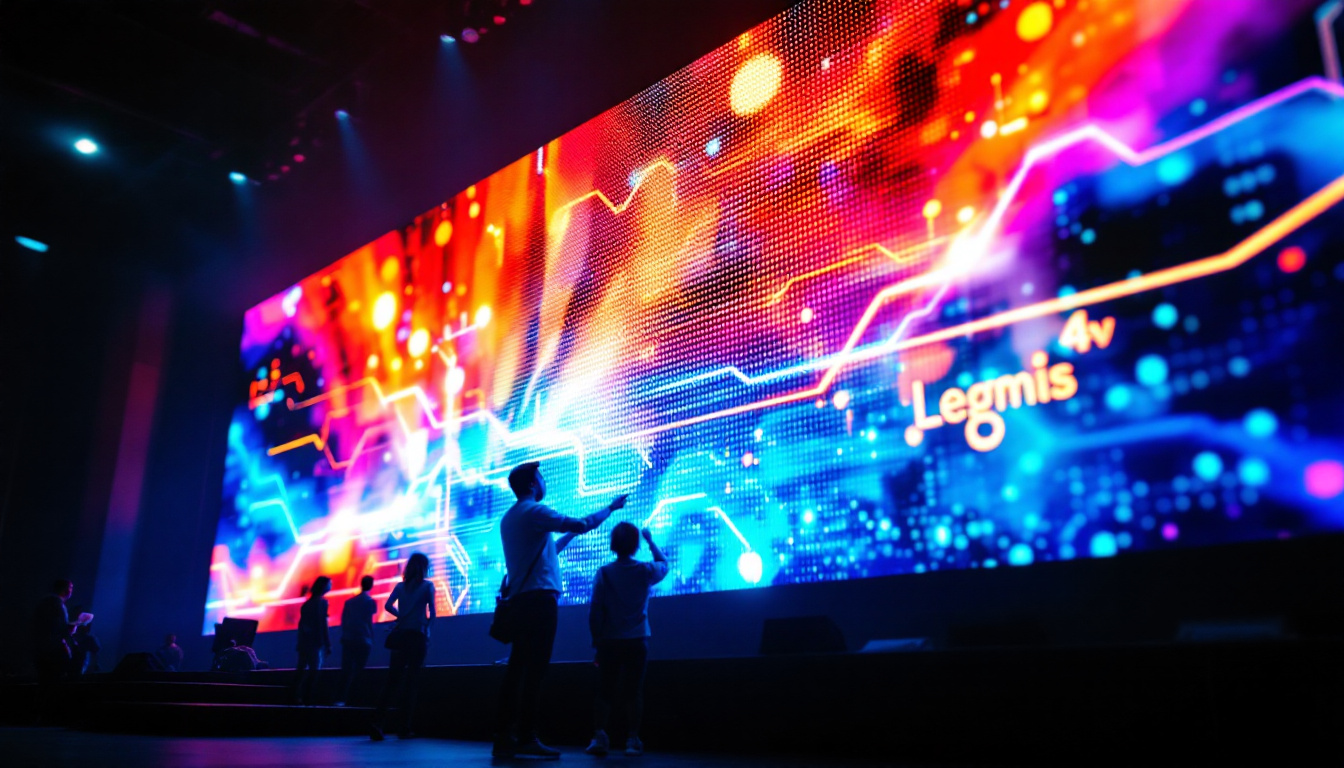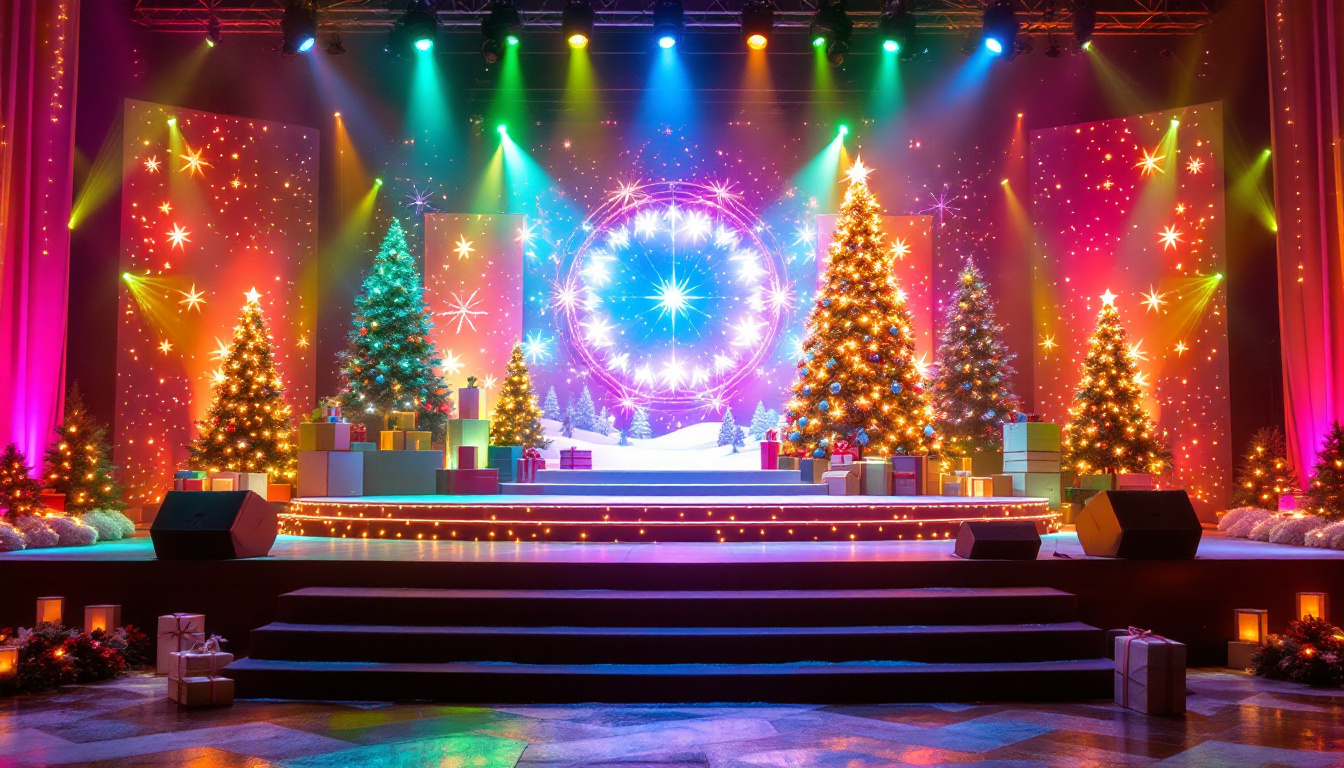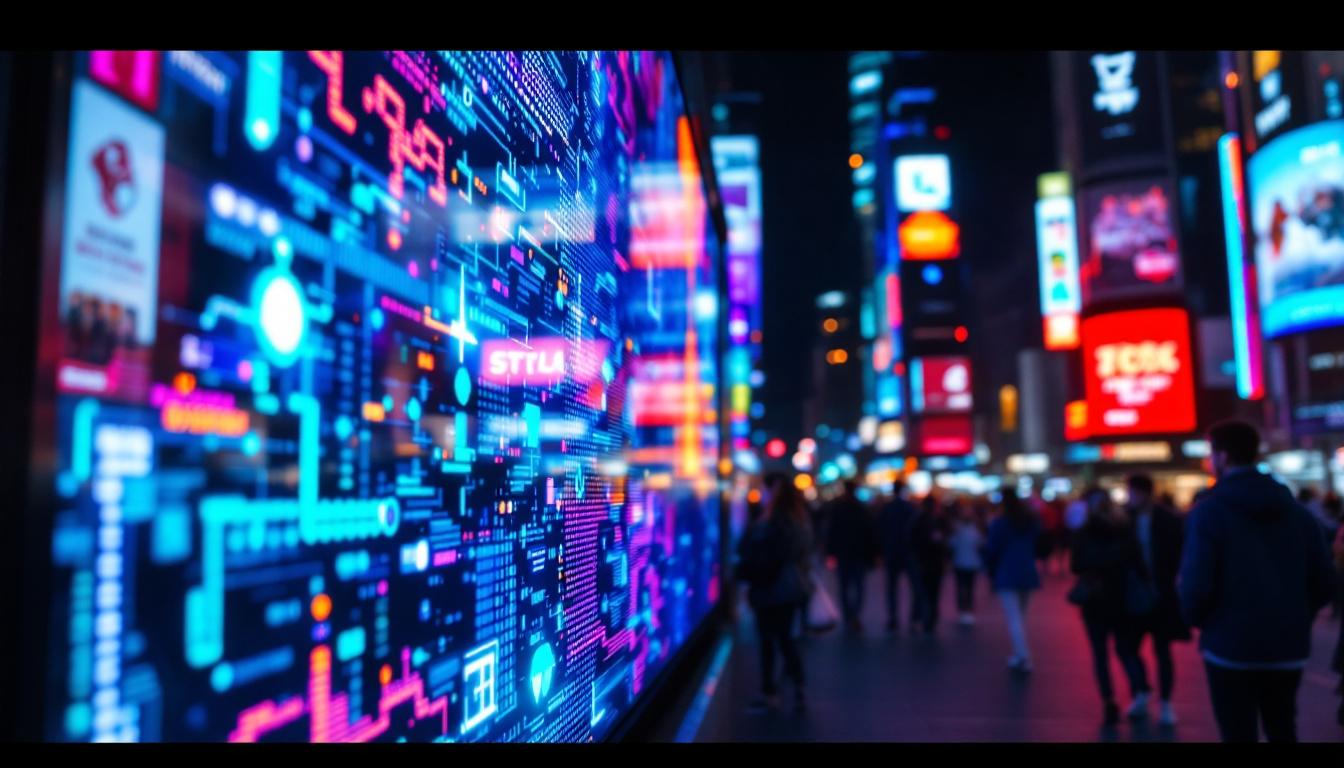
In the rapidly evolving world of digital signage and visual communication, LED displays have become a cornerstone technology. From towering billboards in Times Square to dynamic video walls in corporate lobbies, LED displays offer unparalleled brightness, flexibility, and visual impact. Among these, modular LED displays stand out as a versatile solution that can be tailored to diverse applications and environments.
This article delves into the fundamentals of modular LED displays, exploring their technology, advantages, applications, and future trends. Whether you are a business owner considering digital signage, a designer planning immersive environments, or a technology enthusiast curious about display innovations, understanding modular LED displays is essential in today’s visual landscape.
What is a Modular LED Display?
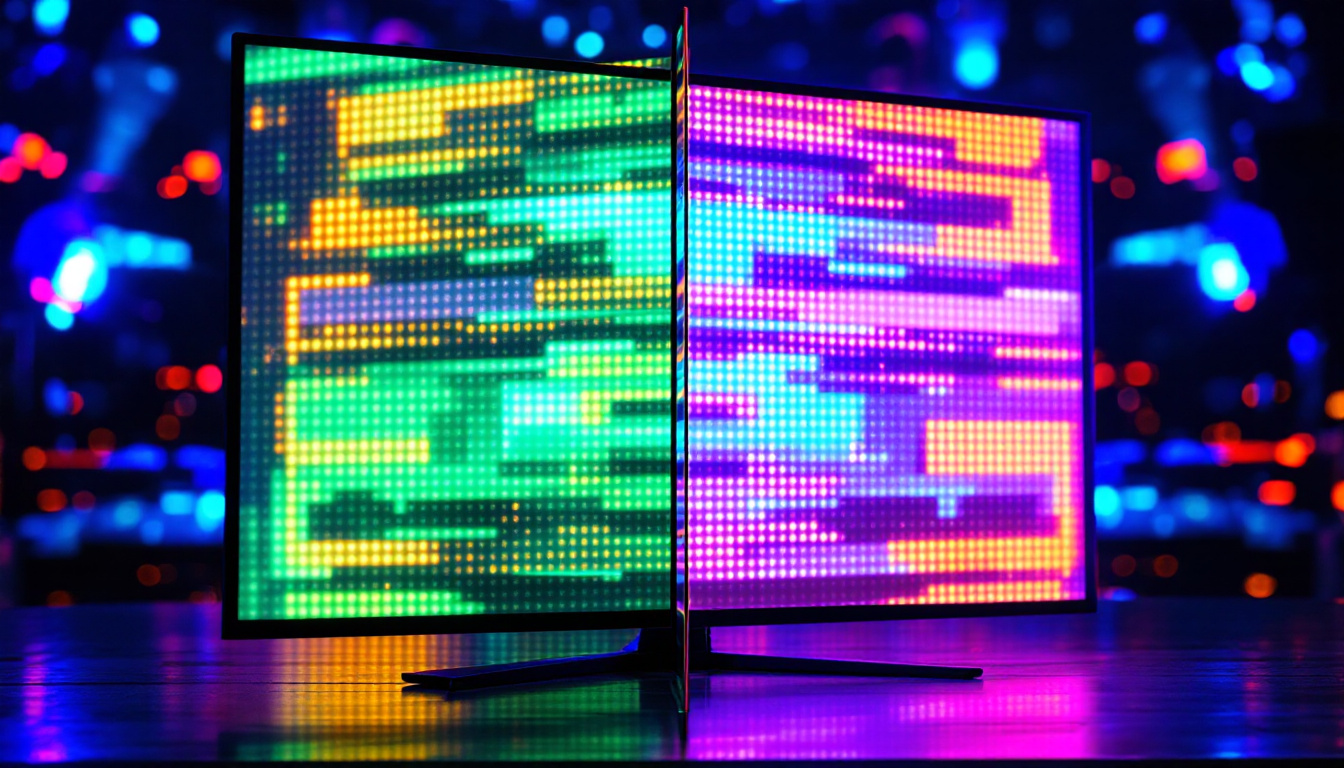
At its core, a modular LED display is a large screen composed of multiple smaller units called modules. Each module contains an array of light-emitting diodes (LEDs) arranged in a grid. These modules fit together like building blocks to create a seamless, scalable display surface.
The modular design allows for easy customization of size and shape. Unlike traditional fixed-size LED panels, modular displays can be configured to fit unique spatial requirements — from irregular architectural surfaces to massive outdoor billboards spanning hundreds of square meters. This flexibility not only enhances aesthetic appeal but also enables businesses and organizations to tailor their visual communications to specific environments, ensuring maximum impact and engagement.
Key Components of Modular LED Displays
Each module typically includes:
- LED Pixels: Tiny light sources that emit red, green, and blue light to create full-color images.
- Driver ICs: Integrated circuits that control the brightness and color of each LED pixel.
- Control Board: Manages data input and synchronization between modules.
- Power Supply: Provides the necessary electrical power to the LEDs and control electronics.
- Frame and Mounting Hardware: Ensures structural integrity and facilitates installation.
In addition to these core components, some modular LED displays incorporate advanced features such as temperature sensors and automatic brightness adjustment systems. These enhancements help maintain optimal performance in various lighting conditions, ensuring that the display remains vibrant and visible, whether in bright sunlight or dim indoor environments. Furthermore, the modular design allows for easy maintenance; individual modules can be replaced or upgraded without the need to dismantle the entire display, minimizing downtime and costs.
How Modular LED Displays Work
The operation of a modular LED display involves receiving digital video signals, processing them, and illuminating the LEDs accordingly. The control system breaks down the image into pixel data and distributes it across the modules. Because the modules are interconnected, they synchronize to produce a uniform, high-resolution image that appears as a single continuous display.
Advancements in control technology allow for real-time content updates, remote management, and integration with various media sources, making modular LED displays highly dynamic and interactive. This capability enables businesses to showcase live feeds, advertisements, or even interactive content that responds to viewer engagement. For instance, during events or promotions, modular displays can be programmed to change messages or visuals instantly, capturing audience attention and enhancing the overall experience. The versatility of these displays also extends to various applications, from retail environments where they can showcase products in eye-catching ways, to sports arenas where they provide real-time statistics and highlights, making them an essential tool in modern visual communication.
Advantages of Modular LED Displays
Modular LED displays offer several compelling benefits that make them a preferred choice for many industries and applications.
Scalability and Flexibility
One of the most significant advantages is scalability. Modular displays can be expanded or reduced simply by adding or removing modules. This flexibility supports a wide range of sizes, from small indoor screens to enormous outdoor installations exceeding 1,000 square meters.
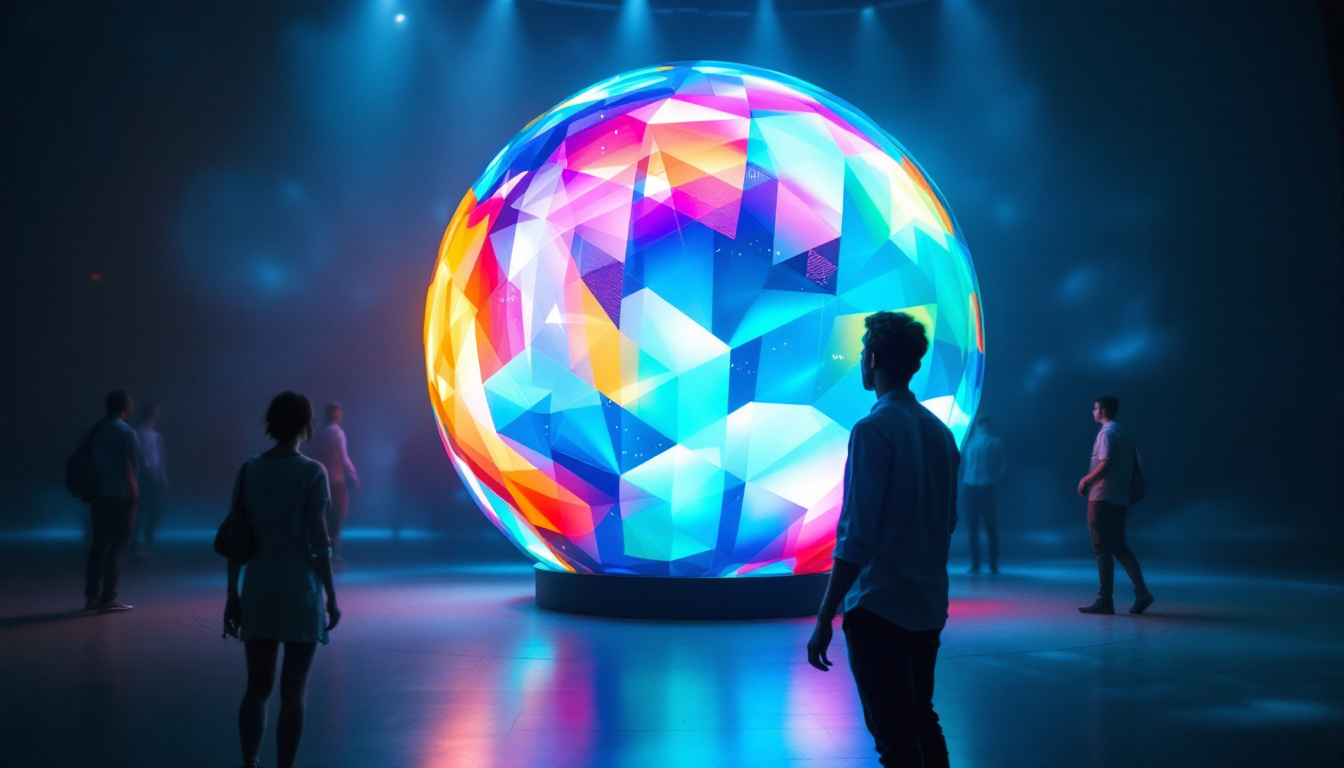
Additionally, the modular nature allows for creative shapes and configurations. For example, curved or angled displays can be assembled by adjusting the orientation of individual modules, enabling designers to produce visually striking installations that conform to architectural features.
Ease of Maintenance and Repair
Because each module operates independently, faulty modules can be quickly replaced without dismantling the entire display. This reduces downtime and maintenance costs, which is especially important for large-scale or mission-critical installations where continuous operation is essential.
High Brightness and Visibility
LED technology inherently offers high brightness levels, often exceeding 5,000 nits for outdoor displays, ensuring visibility even in direct sunlight. Modular LED displays maintain this brightness uniformly across the entire surface, making them ideal for outdoor advertising, sports arenas, and public information displays.
Energy Efficiency and Longevity
Modern LEDs consume significantly less power compared to traditional display technologies like LCD or projection. Additionally, LEDs have a long operational lifespan, often rated at 50,000 to 100,000 hours, which translates to years of reliable use with minimal degradation.
Applications of Modular LED Displays
The versatility of modular LED displays has led to their adoption across a wide spectrum of industries and use cases.
Advertising and Outdoor Signage
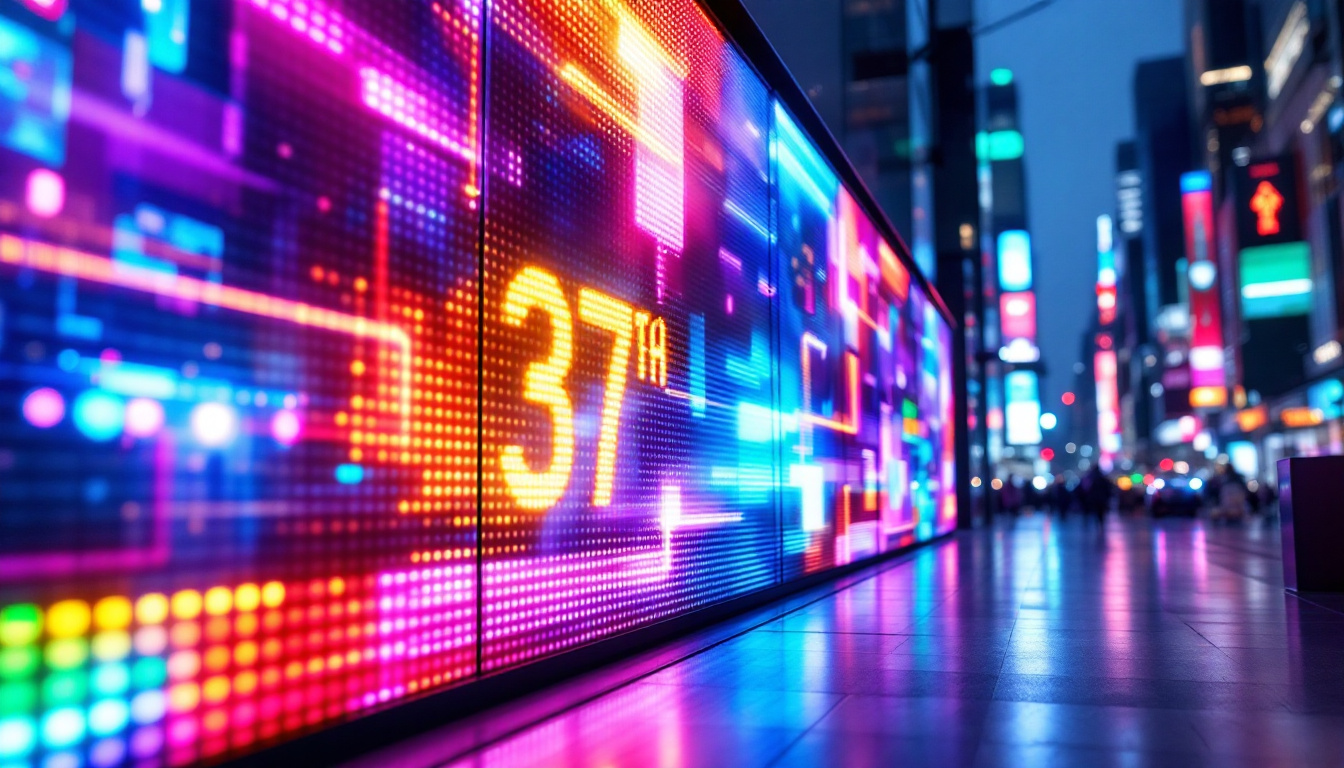
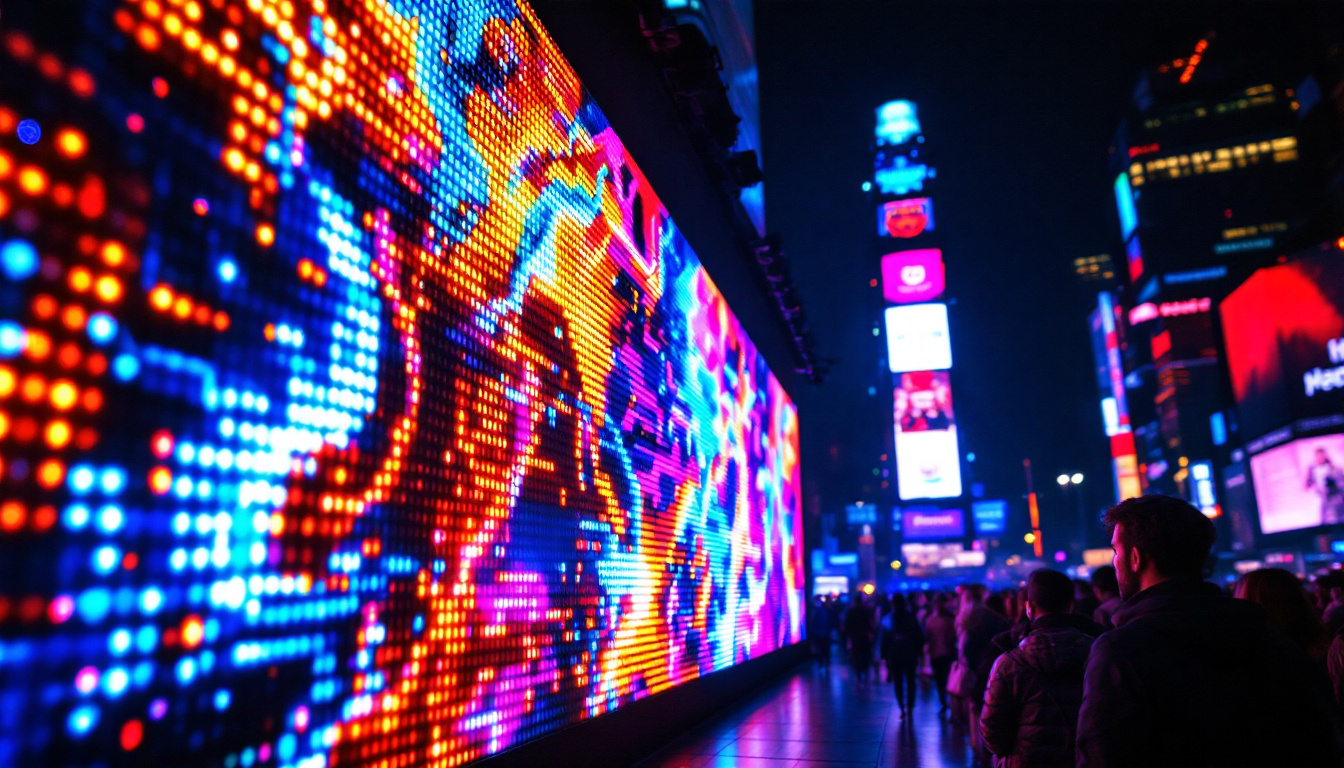
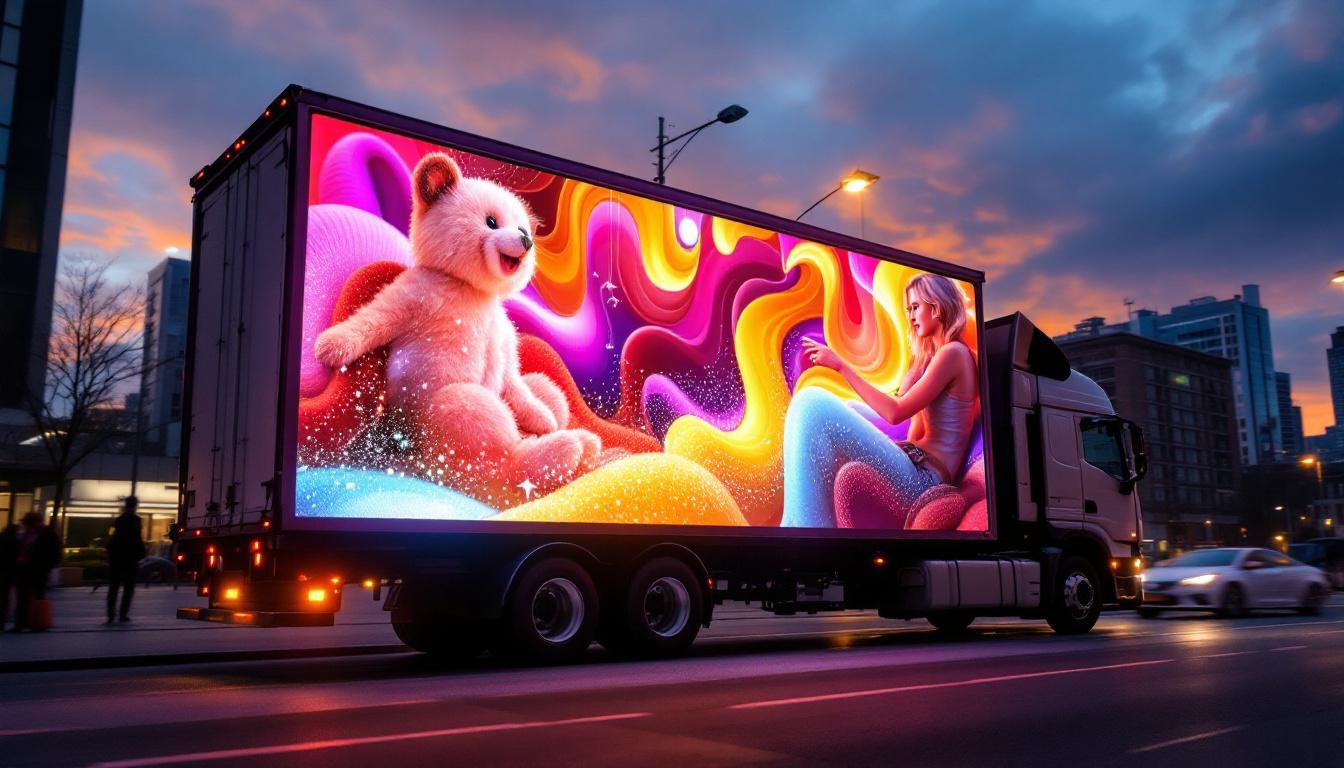
Digital billboards and outdoor advertising have been revolutionized by modular LED displays. Their brightness and scalability allow advertisers to capture attention with vibrant, dynamic content visible from great distances and in varying weather conditions.
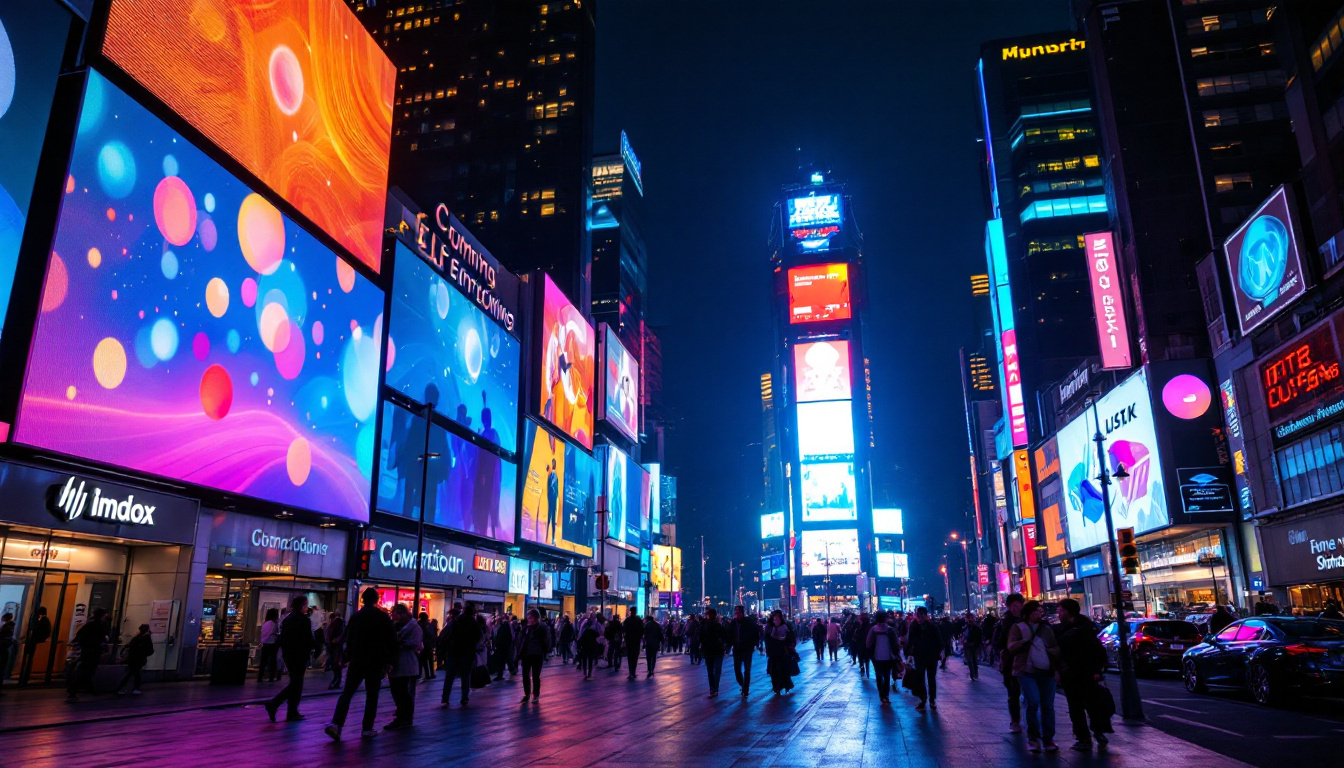
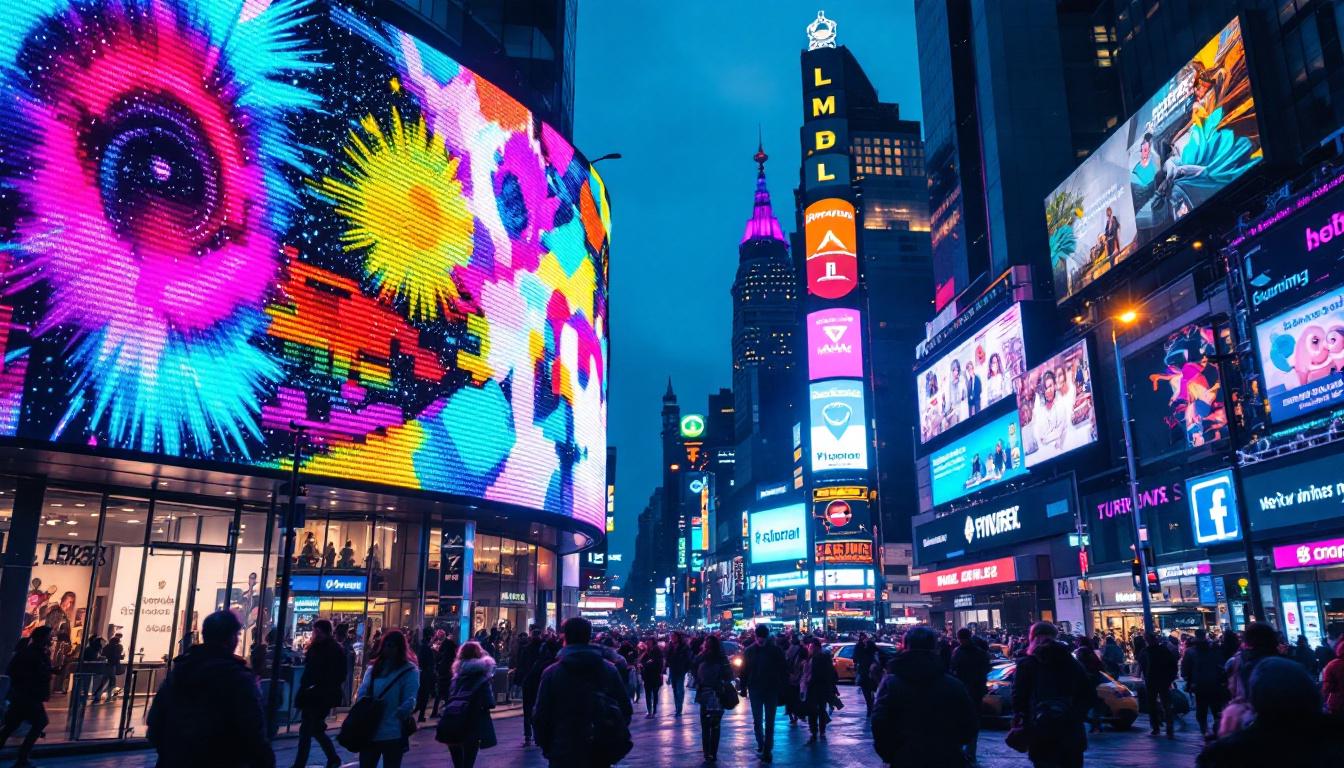
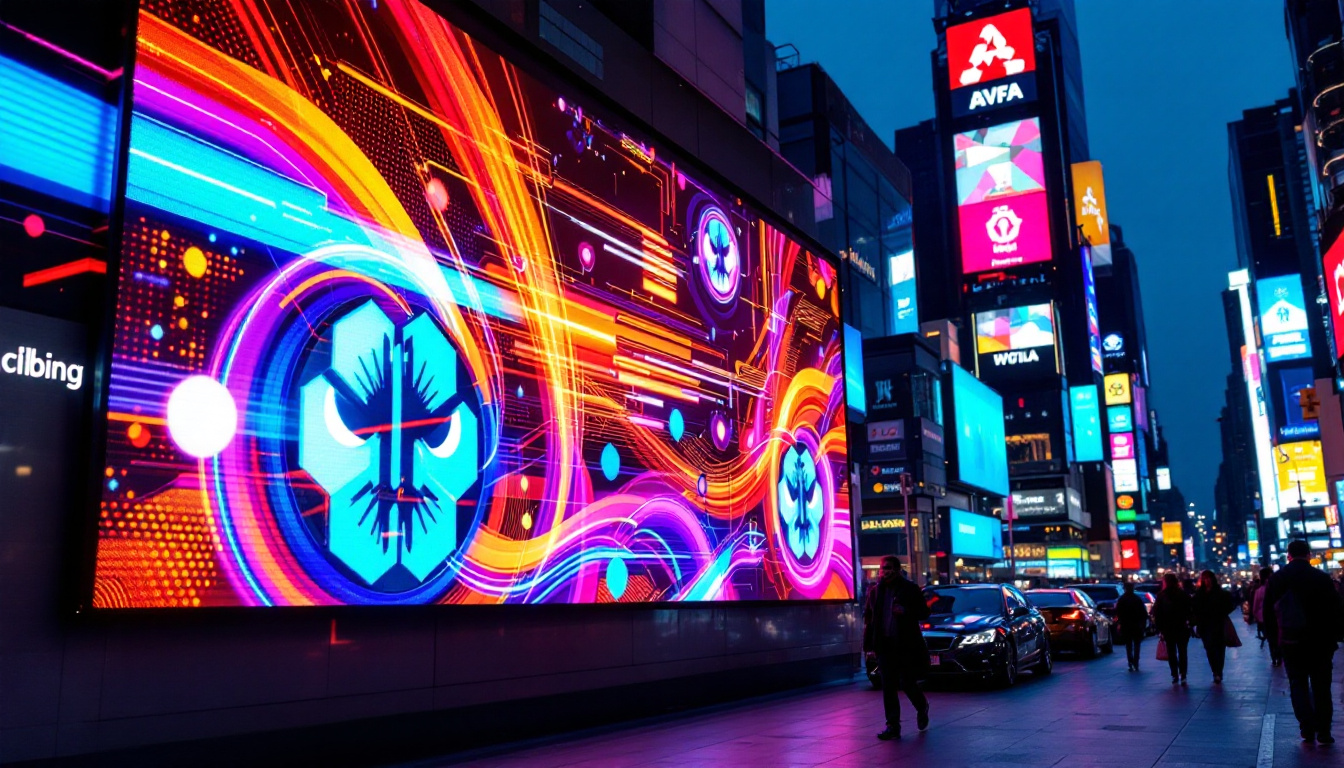
For example, the iconic digital billboards in New York City’s Times Square utilize modular LED technology to deliver high-resolution, eye-catching advertisements that can be updated instantly, maximizing marketing effectiveness.
Sports and Entertainment Venues
Stadiums and arenas use modular LED displays for scoreboards, video walls, and immersive fan experiences. The ability to create large, curved, or wrap-around screens enhances visibility and engagement, while the high refresh rates and color accuracy ensure smooth, vivid video playback.
Corporate and Retail Environments
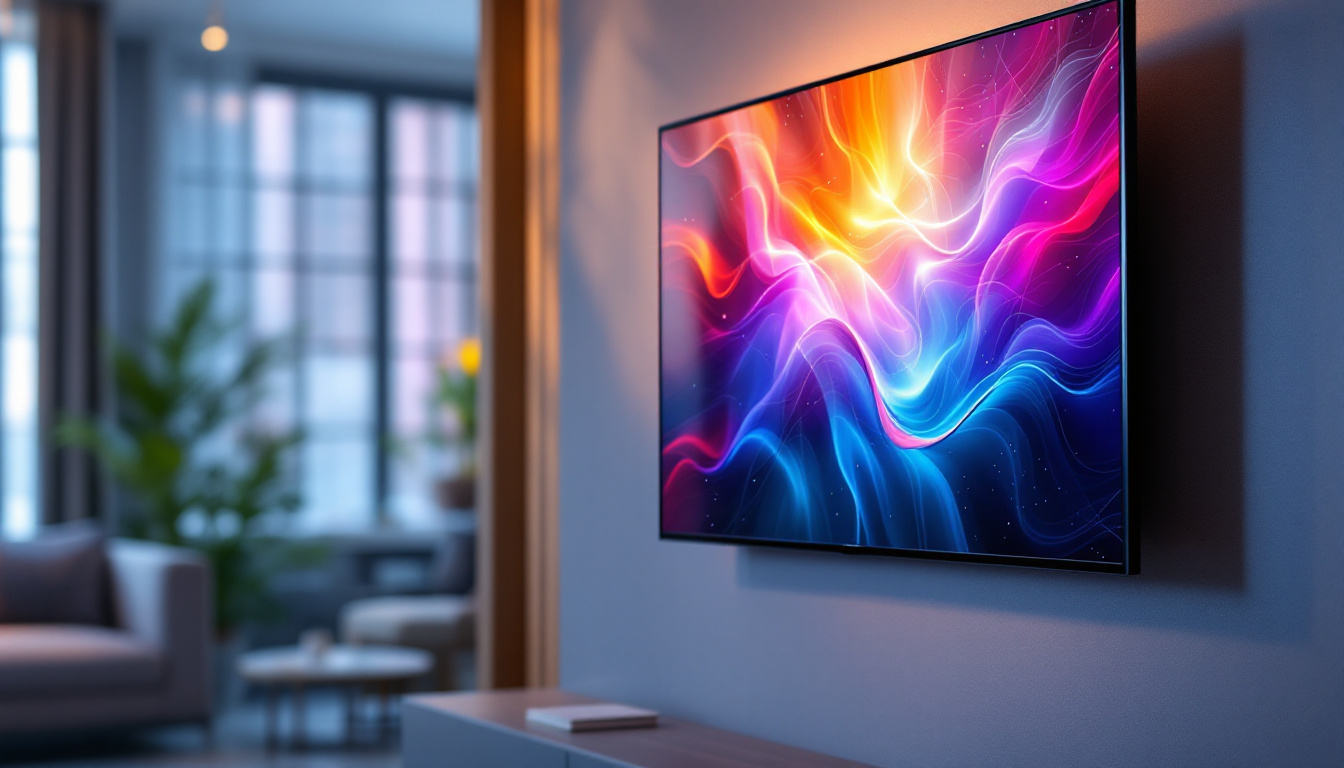
In corporate lobbies and retail stores, modular LED displays serve as digital signage, branding elements, and interactive information hubs. Their customizable sizes and shapes allow integration into architectural designs, creating modern, engaging spaces that communicate brand identity and promotional messages.
Transportation and Public Spaces
Airports, train stations, and city centers employ modular LED displays for wayfinding, public announcements, and event promotion. The durability and brightness of LEDs make them suitable for high-traffic areas where clear, reliable communication is critical.
Technical Considerations When Choosing a Modular LED Display
Selecting the right modular LED display involves evaluating several technical factors to ensure optimal performance and suitability for the intended application.
Pixel Pitch and Resolution
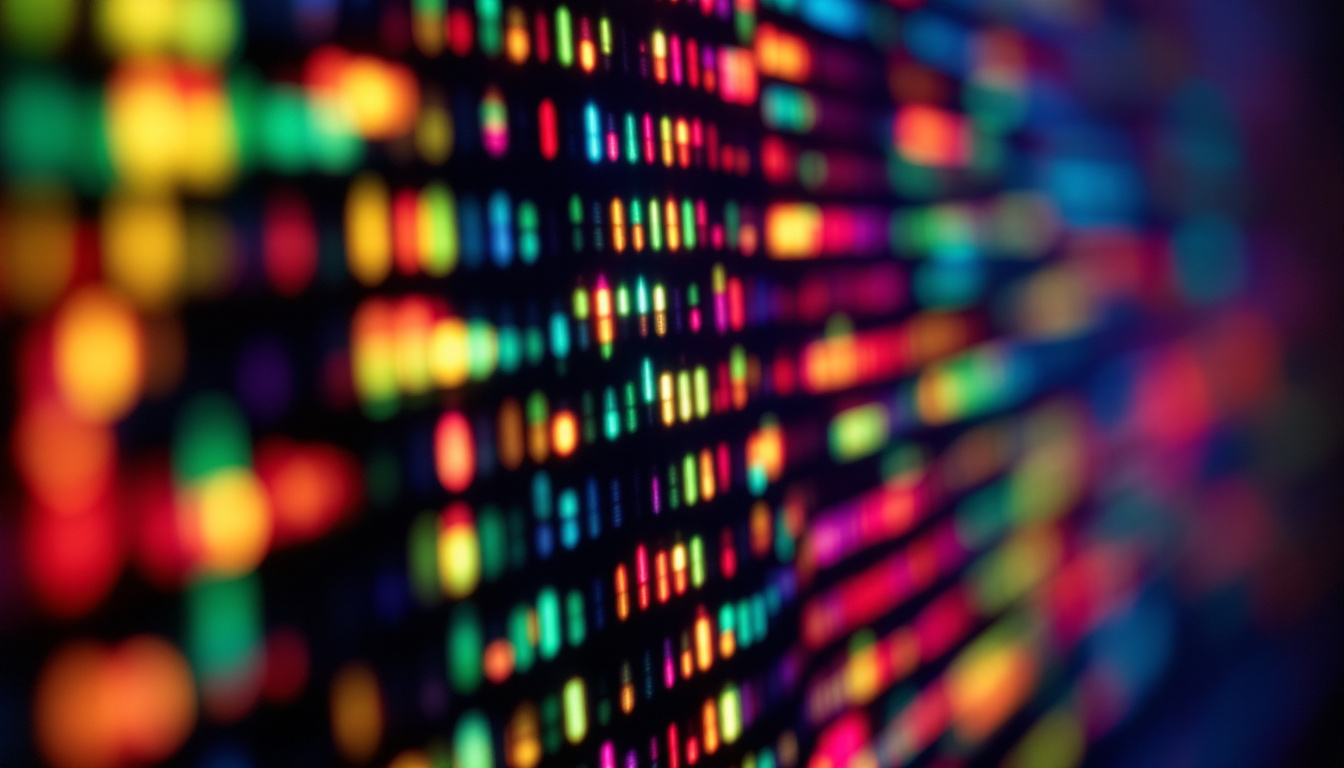
Pixel pitch refers to the distance between the centers of adjacent LED pixels and is measured in millimeters. Smaller pixel pitches yield higher resolution and finer image detail but increase cost and complexity.
For indoor environments where viewers are close to the screen, pixel pitches between 1.2 mm and 2.5 mm are common. Outdoor displays typically have larger pixel pitches (4 mm to 10 mm or more) since viewers are farther away, and higher brightness is prioritized over ultra-fine resolution.
Brightness and Contrast Ratio
Brightness is a critical factor for visibility, especially outdoors. It is measured in nits (candelas per square meter). A brightness level of at least 1,000 nits is recommended for indoor displays, while outdoor displays often require 5,000 to 8,000 nits or higher.
Contrast ratio, the difference between the brightest and darkest parts of the display, affects image clarity and color vibrancy. High contrast ratios improve readability and visual impact.
Refresh Rate and Color Accuracy
Refresh rate, measured in hertz (Hz), indicates how many times per second the display updates its image. Higher refresh rates (above 3,000 Hz) reduce flicker and motion blur, which is essential for video playback and live broadcasts.
Color accuracy ensures that displayed images closely match the intended colors. Advanced calibration and high-quality LEDs contribute to superior color reproduction.
Durability and Environmental Resistance
Outdoor modular LED displays must withstand harsh weather conditions, including rain, dust, temperature fluctuations, and UV exposure. Look for displays with appropriate IP (Ingress Protection) ratings, typically IP65 or higher for outdoor use.
Indoor displays focus more on aesthetics and integration but should still offer robust construction to endure frequent use and maintenance.
Emerging Trends and Future of Modular LED Displays
As LED technology continues to advance, several trends are shaping the future of modular LED displays.
MicroLED and MiniLED Innovations
MicroLED and MiniLED technologies represent the next generation of LED displays with even smaller pixel sizes and improved performance. MicroLEDs, in particular, promise higher brightness, better energy efficiency, and longer lifespans than traditional LEDs, potentially revolutionizing display quality.
Flexible and Transparent LED Displays
Flexible modular LED displays enable curved, foldable, or even wearable screens, opening new possibilities for creative installations. Transparent LED displays allow viewers to see through the screen while still displaying vivid content, ideal for retail windows and architectural glass facades.
Integration with IoT and Smart Technologies
Modular LED displays are increasingly integrated with Internet of Things (IoT) platforms and smart control systems. This integration facilitates real-time data-driven content, remote diagnostics, and automated adjustments based on environmental conditions or audience engagement metrics.
Enhanced Interactivity and Immersive Experiences
Touch-sensitive modules, gesture recognition, and augmented reality (AR) overlays are enhancing the interactivity of modular LED displays. These features transform passive screens into engaging, participatory experiences, valuable in retail, education, and entertainment sectors.
Conclusion
Modular LED displays represent a powerful and adaptable technology that has transformed the way visual content is presented across industries. Their scalability, brightness, and ease of maintenance make them an ideal choice for everything from advertising and entertainment to corporate communication and public information.
Understanding the technical aspects and emerging trends of modular LED displays enables businesses and designers to make informed decisions, ensuring that their visual installations are not only impactful but also future-proof. As LED technology continues to evolve, modular displays will remain at the forefront of digital signage innovation, delivering vibrant, dynamic, and immersive visual experiences worldwide.
Explore Cutting-Edge LED Display Solutions with LumenMatrix
Ready to elevate your visual communication with the latest in LED display technology? Discover LumenMatrix’s comprehensive range of innovative solutions, from Indoor and Outdoor LED Wall Displays to specialized options like Vehicle, Sports, and Floor LED Displays. Our mission is to revolutionize your digital signage experience with displays that not only captivate audiences but also empower your brand to shine. Don’t miss the opportunity to transform your space with our Custom, All-in-One, and Transparent LED Displays. Check out LumenMatrix LED Display Solutions today and step into the future of vibrant, dynamic visual storytelling.