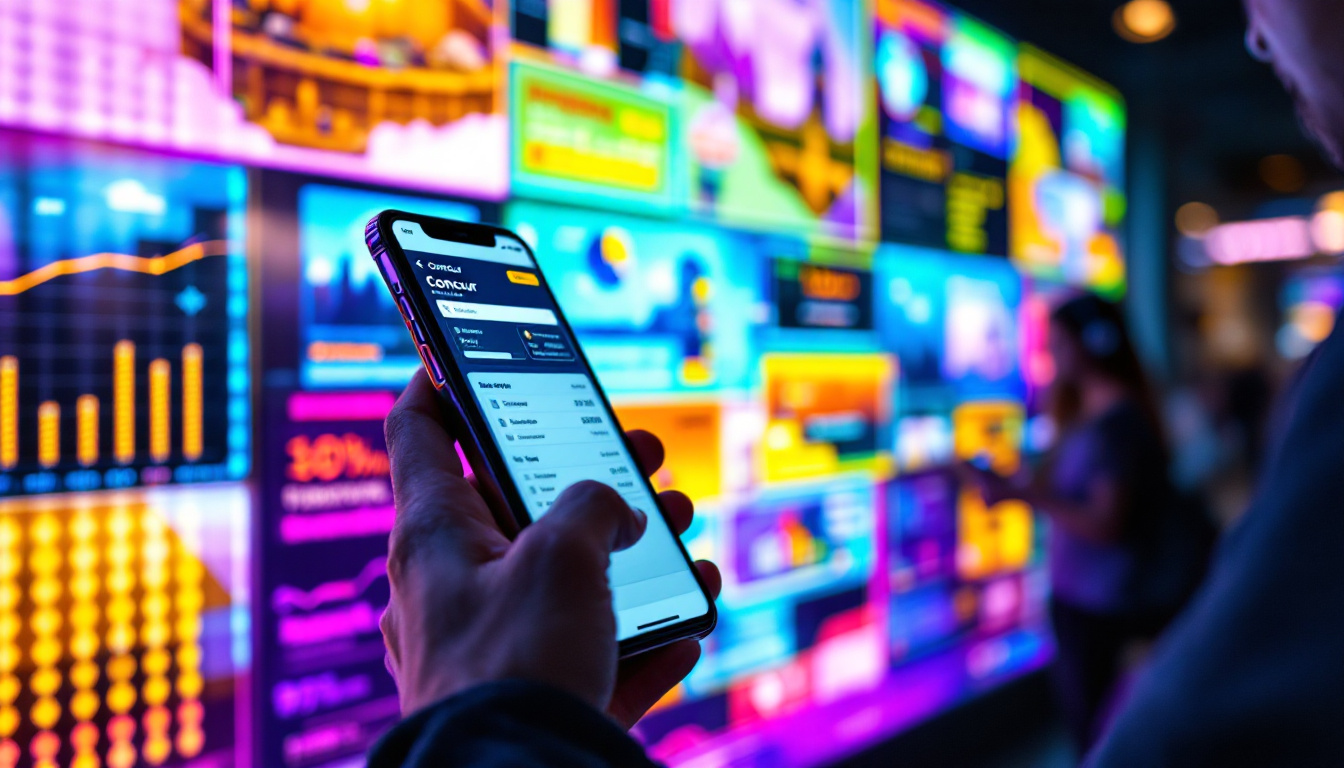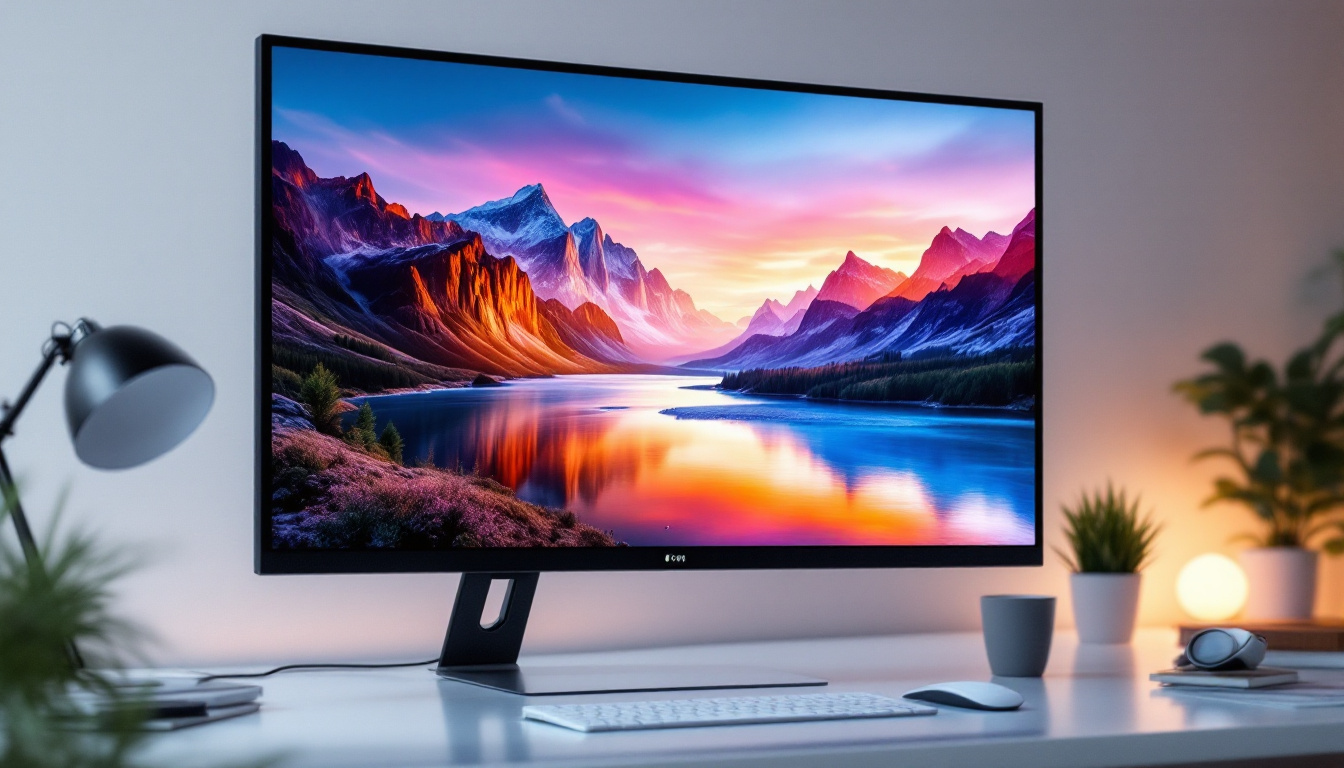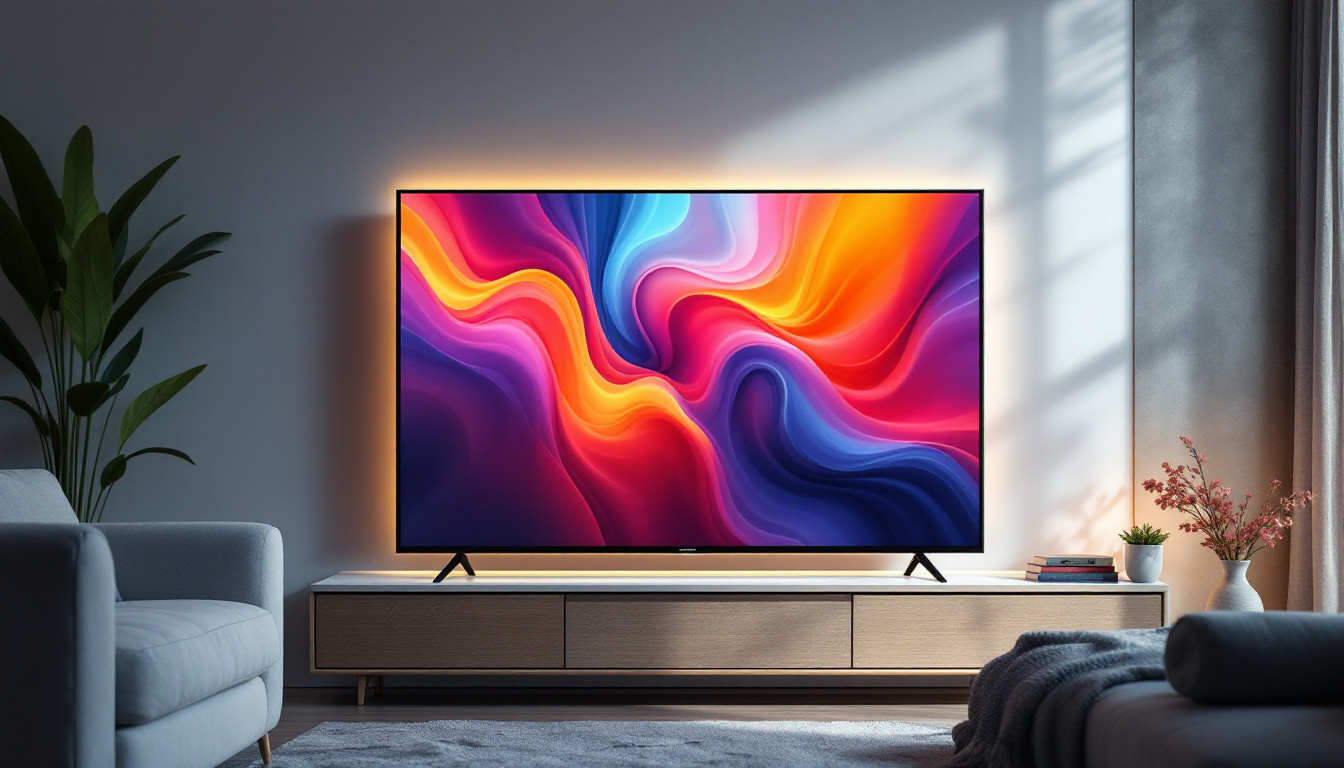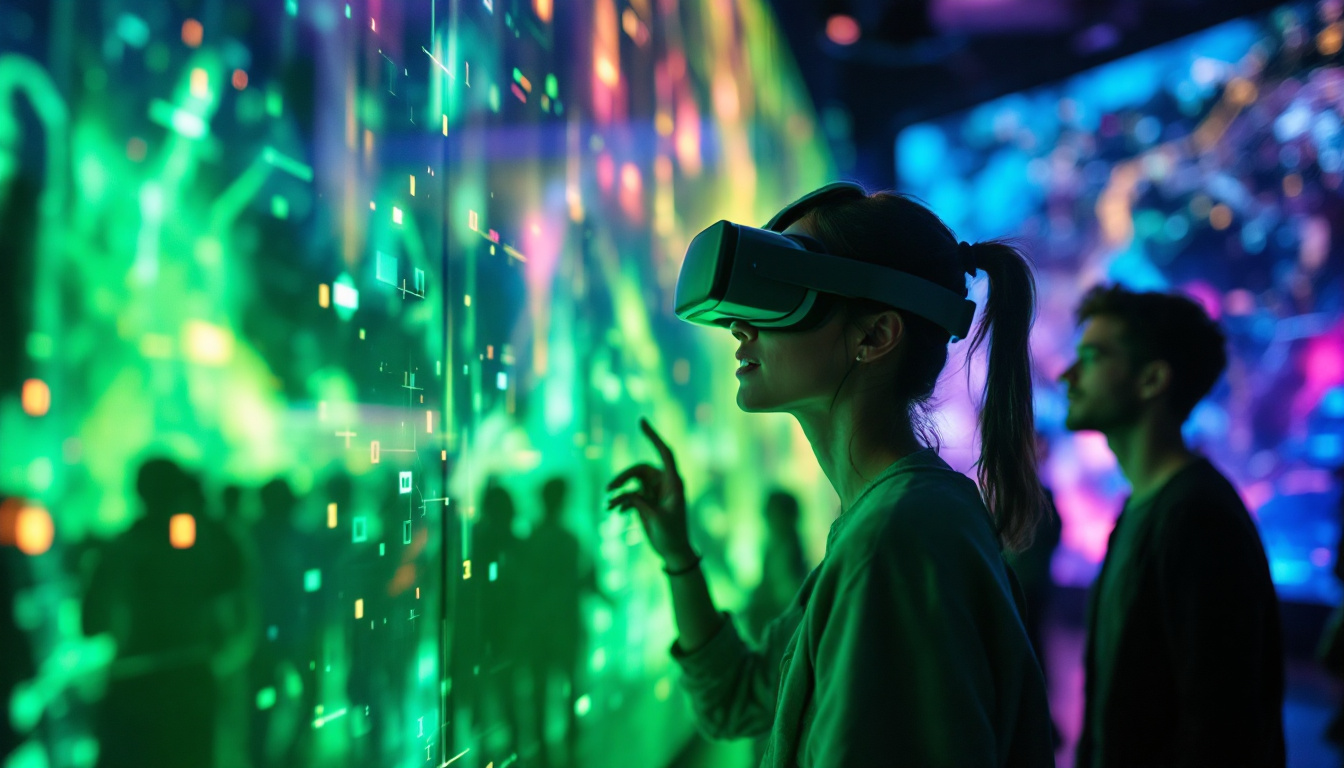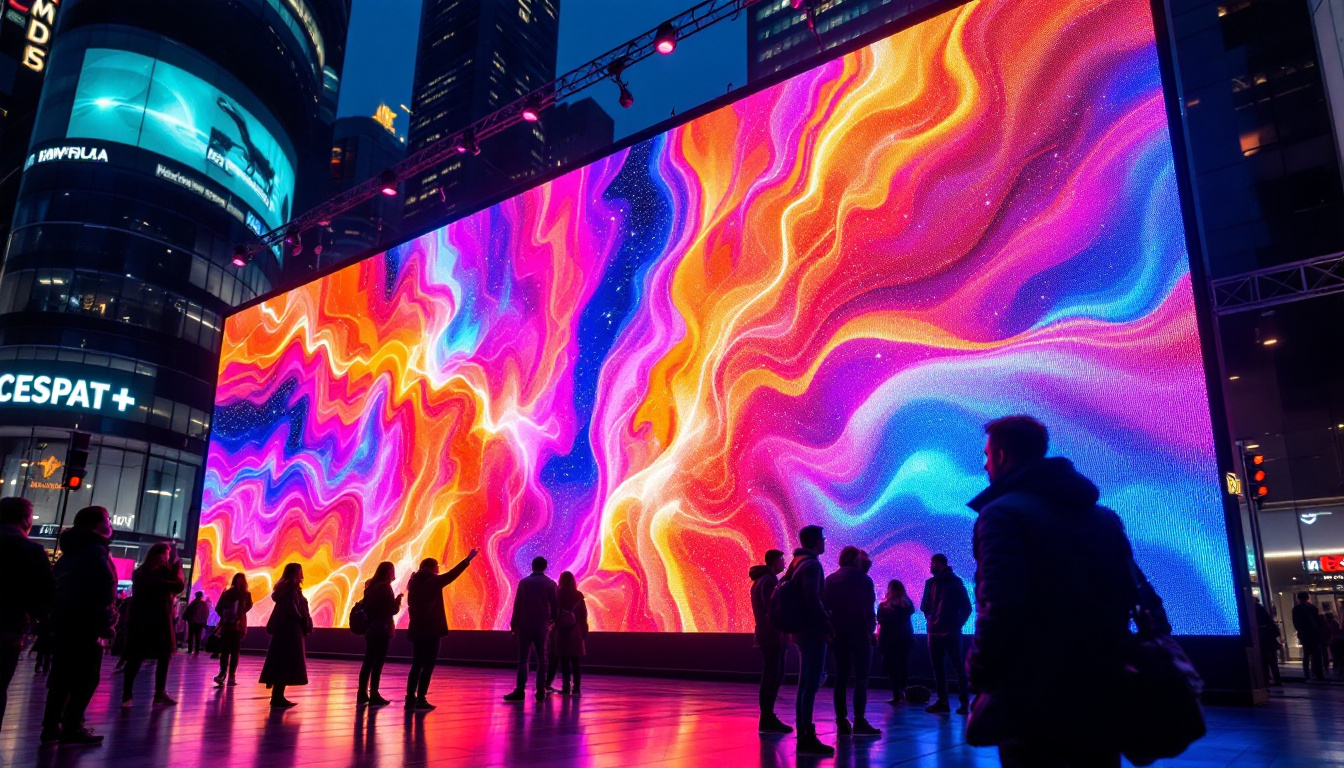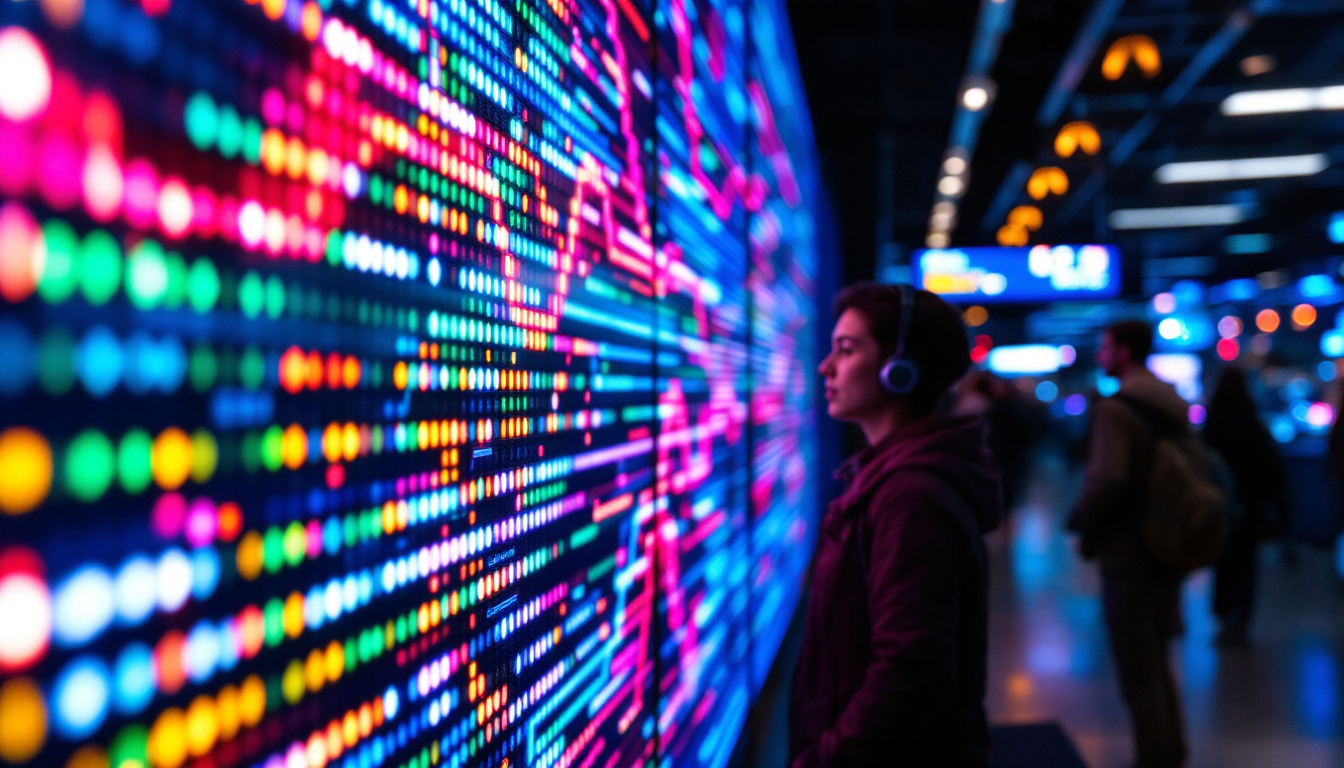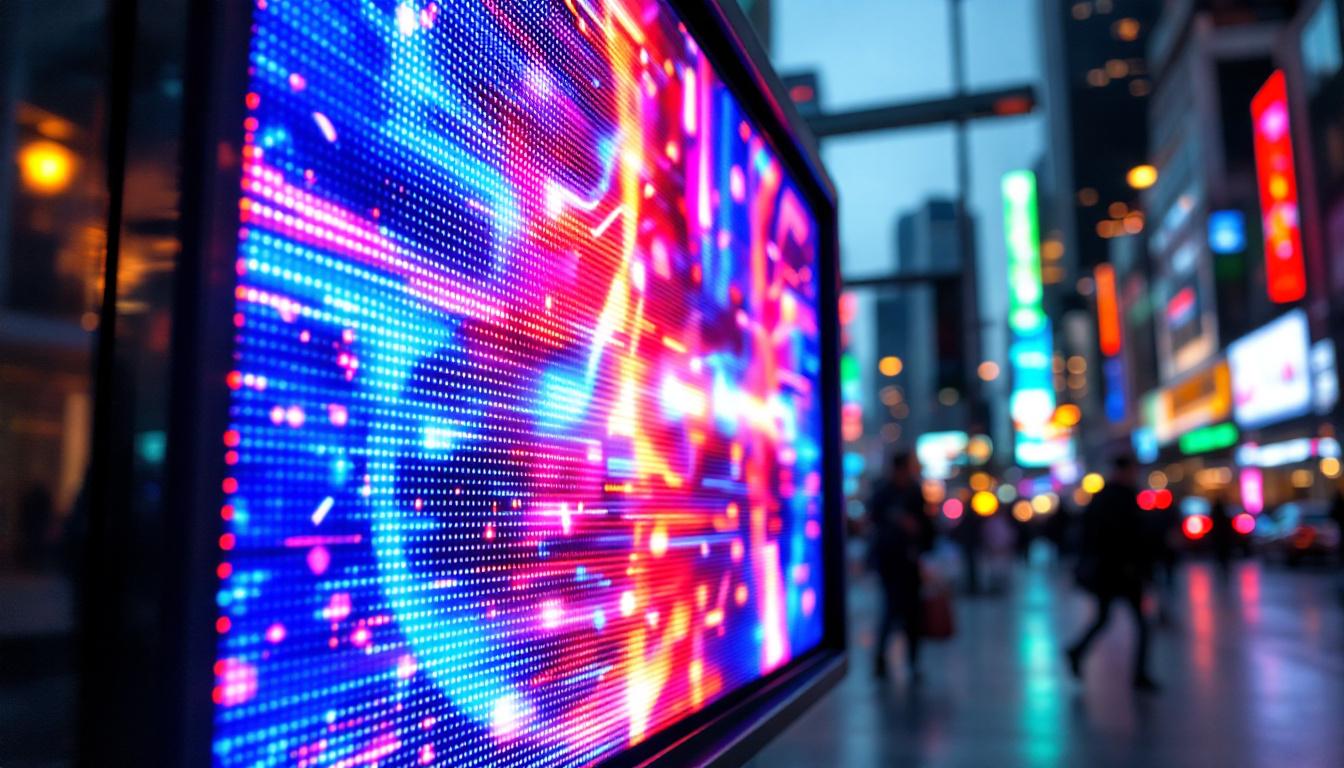
In today’s fast-paced world, visual communication plays a crucial role in capturing attention and conveying information effectively. Among the various technologies available, LED electronic display boards have emerged as a dominant force in advertising, public information dissemination, and entertainment. This article delves into the fundamentals of LED display boards, exploring their technology, applications, benefits, and future trends.
Understanding LED Display Technology
What is an LED Display Board?
An LED display board is an electronic visual display that uses light-emitting diodes (LEDs) as the primary source of illumination. These boards consist of numerous tiny LEDs arranged in a matrix to form images, text, or videos. Unlike traditional display technologies, LED boards offer superior brightness, energy efficiency, and durability, making them ideal for both indoor and outdoor use.
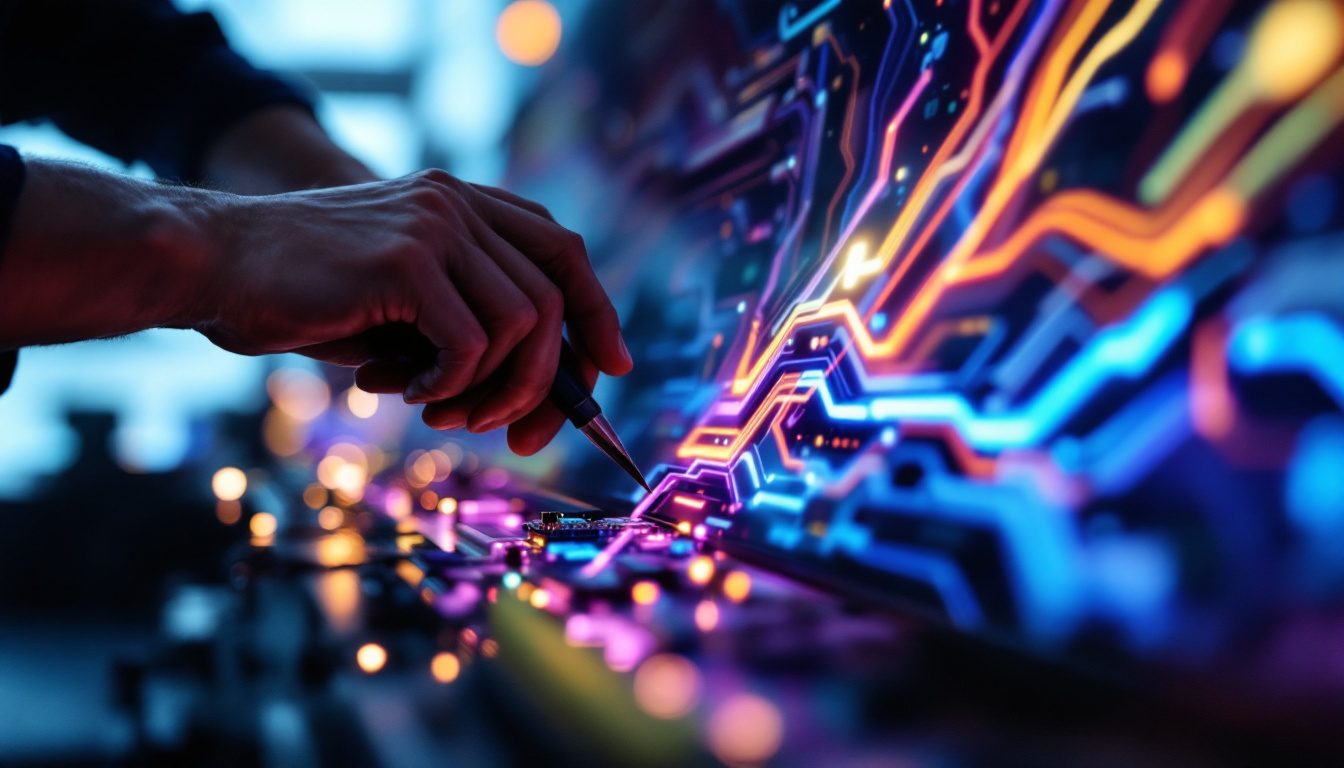
LEDs are semiconductor devices that emit light when an electric current passes through them. The ability to control each LED individually allows for high-resolution displays capable of showing dynamic content with vivid colors and high contrast. This versatility has made LED technology a popular choice for various applications, from advertising and entertainment to information dissemination and artistic installations.
Types of LED Displays
LED display boards come in various forms, primarily categorized based on their pixel pitch, size, and intended application. The most common types include:
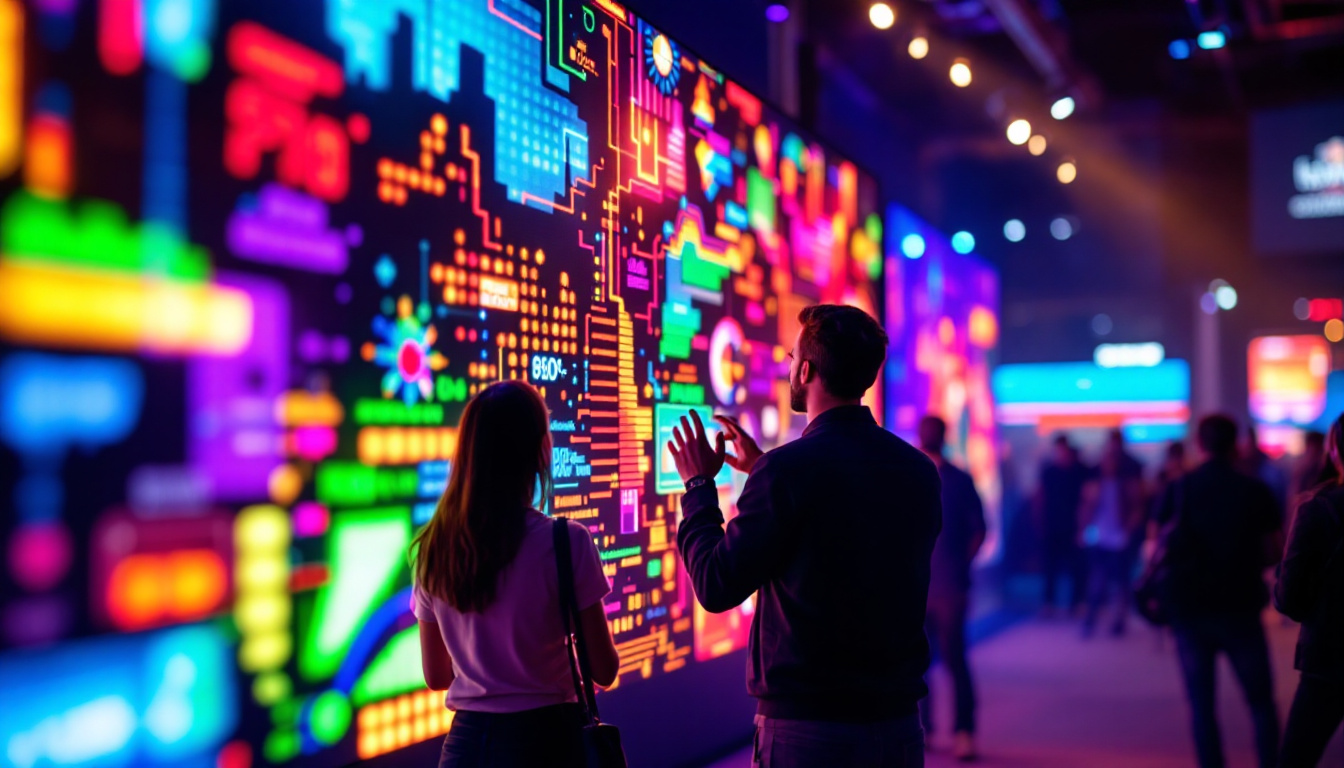
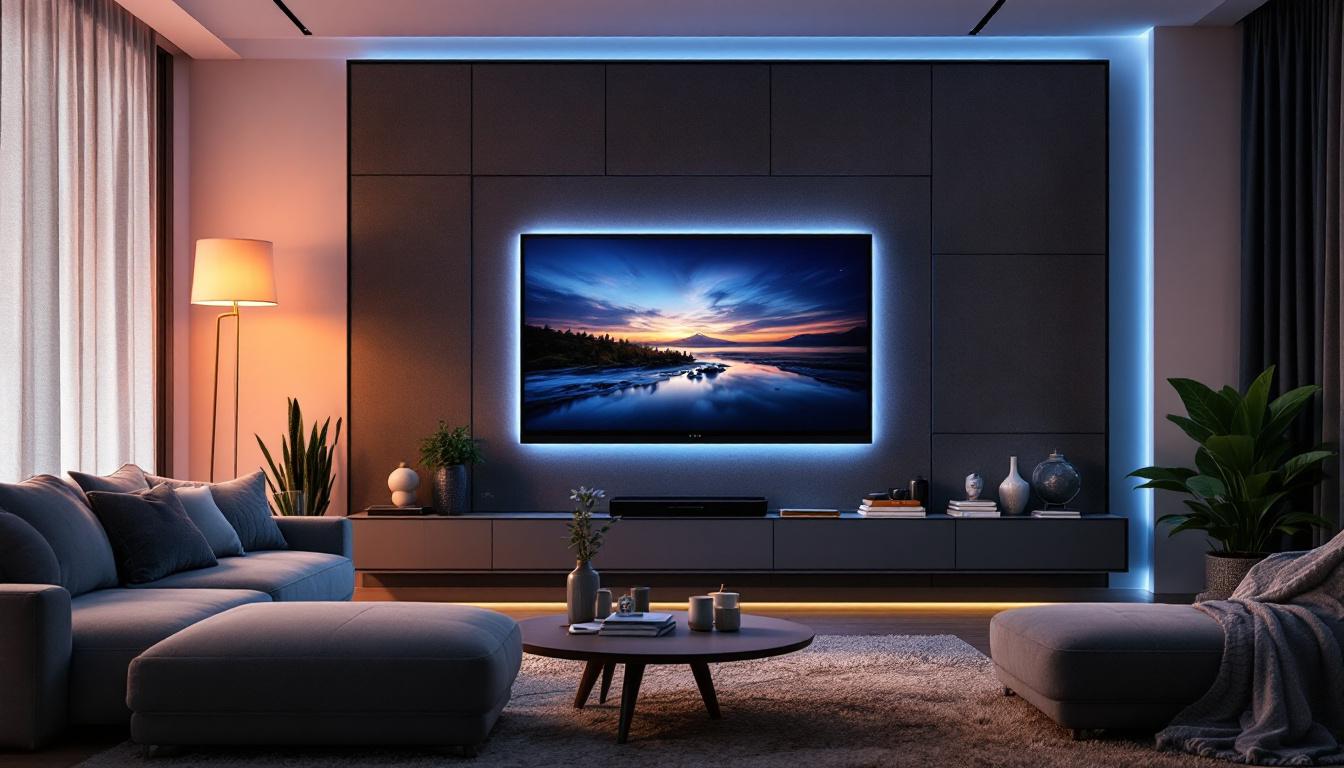
- Indoor LED Displays: Designed for close-range viewing, these displays have a smaller pixel pitch (typically 1-4 mm), providing high resolution and sharp images. They are widely used in retail stores, conference rooms, and entertainment venues. Their ability to deliver eye-catching visuals makes them a favorite among marketers looking to engage customers effectively.
- Outdoor LED Displays: Built to withstand harsh weather conditions, these displays have a larger pixel pitch (usually 4-20 mm) to maintain visibility over longer distances. They are commonly seen in billboards, stadiums, and public transportation hubs. With advancements in technology, outdoor displays now feature enhanced brightness and weatherproofing, ensuring they remain functional and visually appealing in all environments.
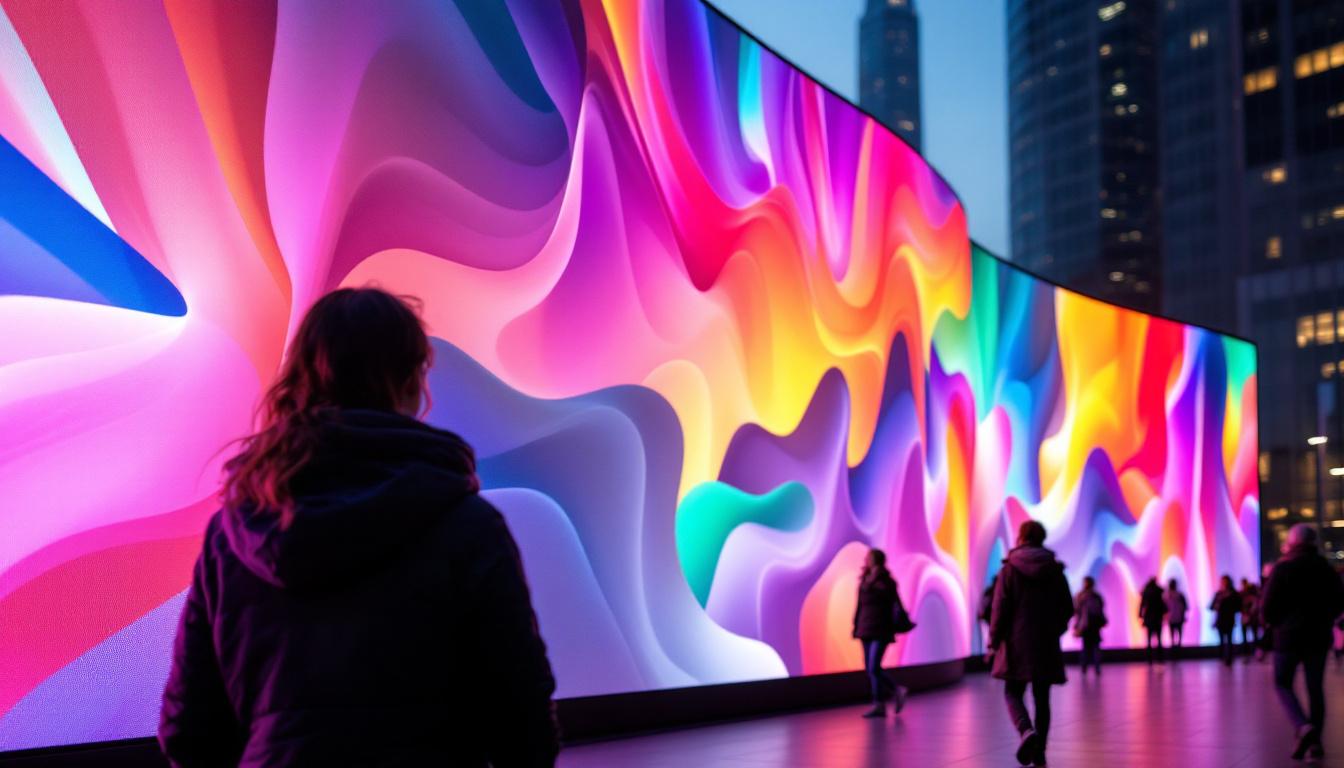
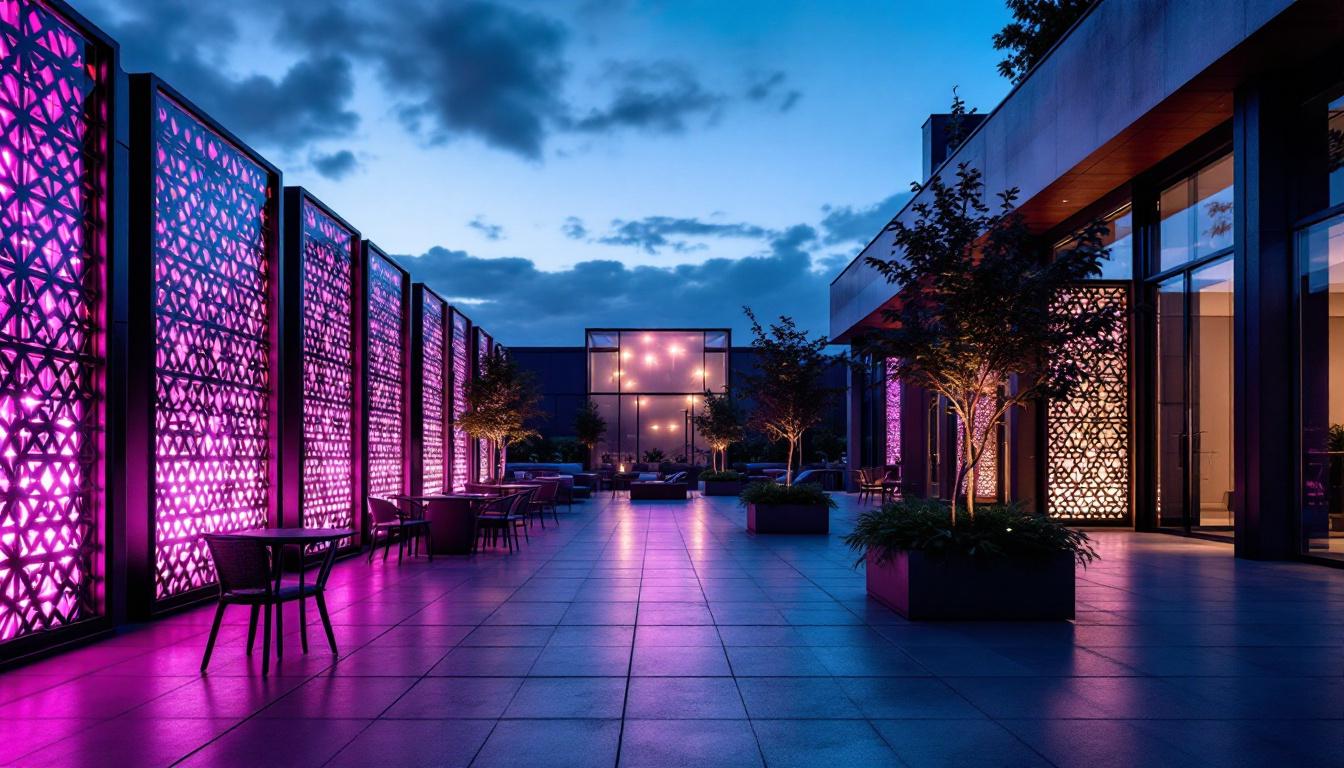
- Flexible and Transparent LED Displays: Recent innovations have introduced flexible panels that can curve around surfaces and transparent displays that allow light to pass through, expanding creative possibilities in architecture and advertising. These types of displays open up new avenues for artistic expression, allowing designers to integrate screens seamlessly into their environments.
How LED Displays Work
The core principle behind LED displays is the control of individual diodes to emit light in specific colors and intensities. Each pixel on the display typically consists of three sub-pixels: red, green, and blue (RGB). By varying the brightness of these sub-pixels, the display can produce a broad spectrum of colors. This RGB configuration is fundamental to creating the rich visuals that LED displays are known for, enabling everything from simple text to complex animations.
The display is driven by a controller that processes input signals, such as video or text data, and translates them into electrical signals to activate the LEDs accordingly. Modern LED controllers support high refresh rates and color depth, ensuring smooth and vibrant visuals. Additionally, some advanced systems incorporate features like automatic brightness adjustment based on ambient light conditions, further enhancing the viewing experience and energy efficiency.
Furthermore, the integration of smart technology into LED displays has revolutionized their functionality. Many contemporary LED boards can connect to the internet, allowing for real-time updates and remote management. This capability is particularly beneficial for businesses that need to change their advertising content frequently or respond to current events. The combination of LED technology with digital connectivity not only enhances user engagement but also streamlines operational efficiency, making LED displays an indispensable tool in modern communication strategies.
Applications of LED Display Boards
Advertising and Marketing
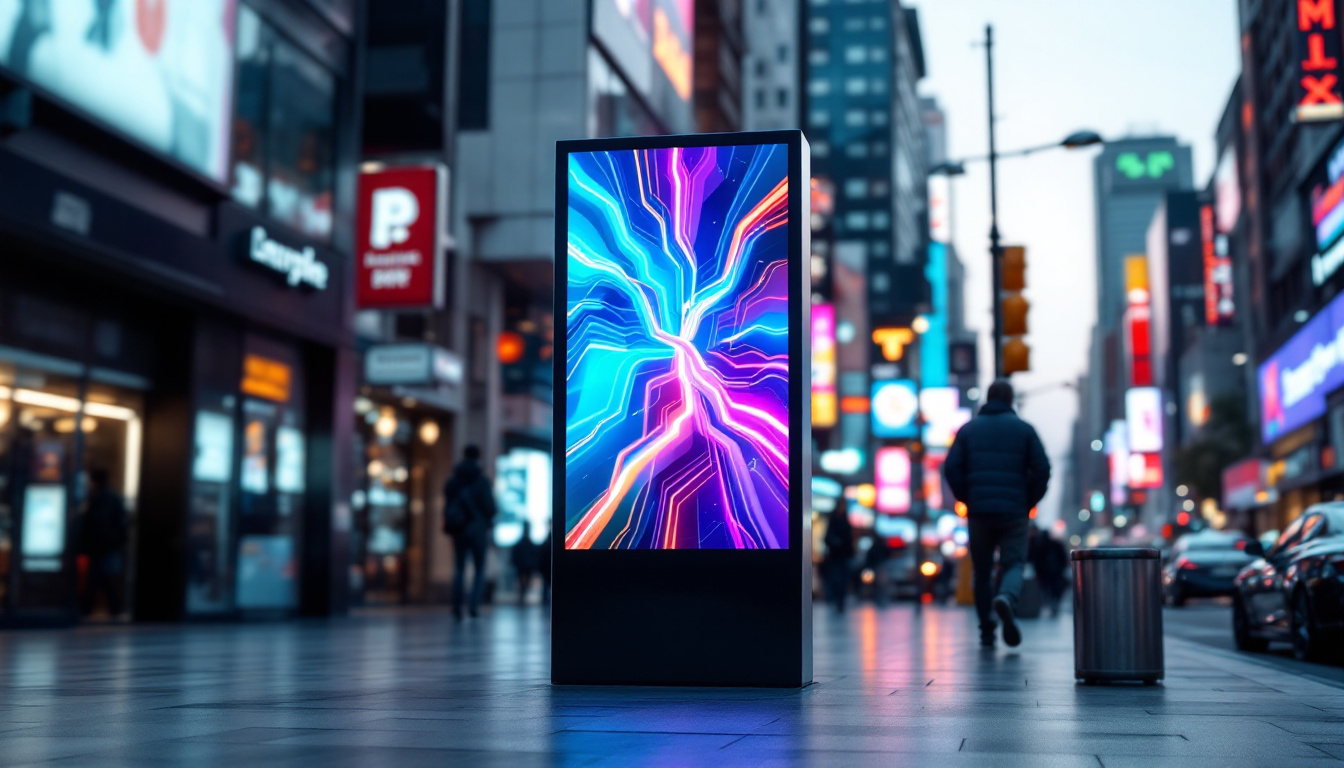
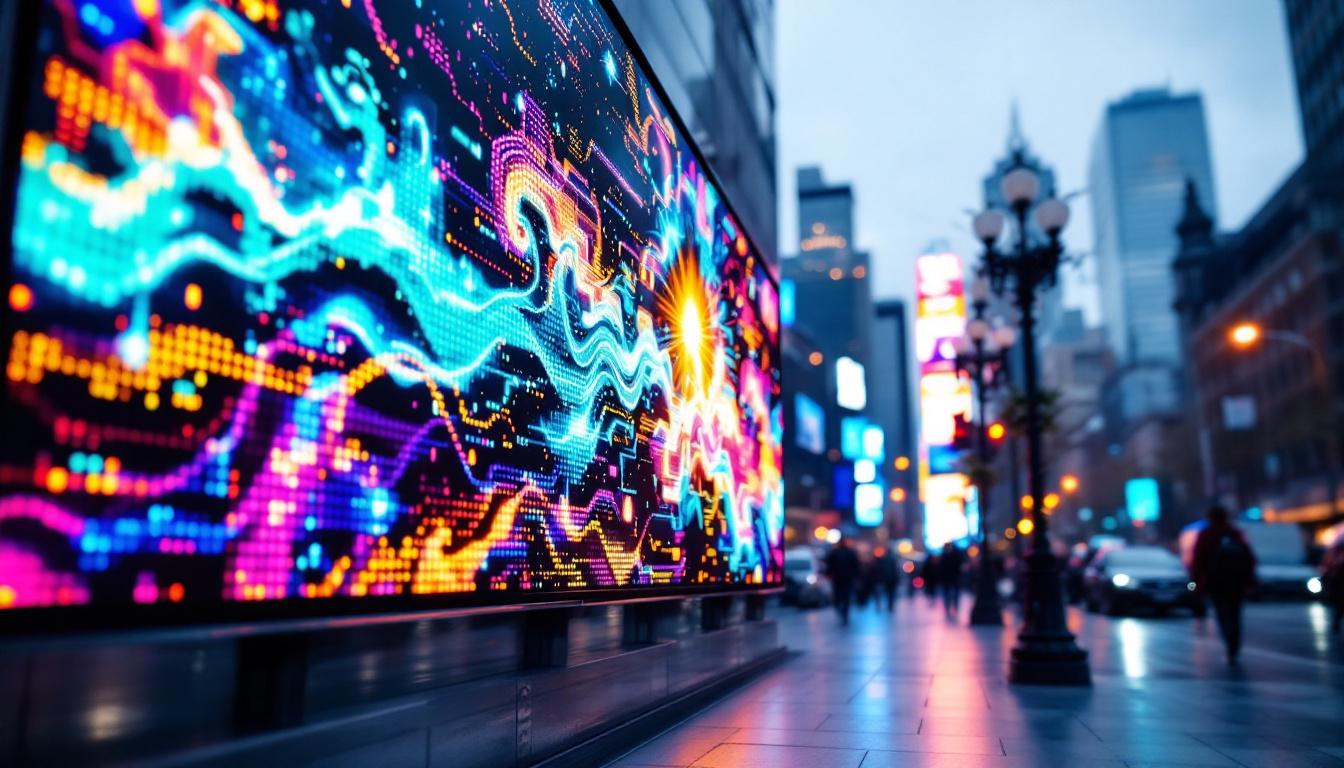
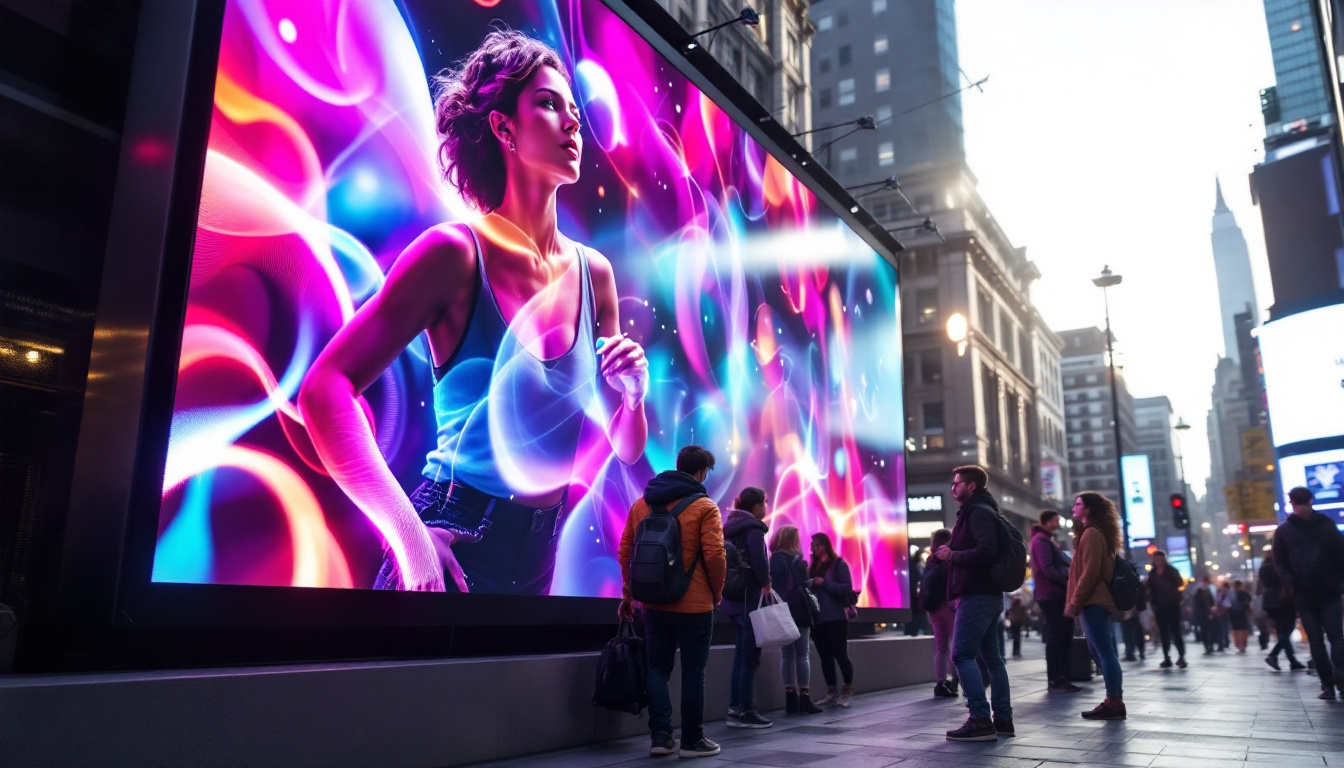
One of the most prominent uses of LED display boards is in advertising. Their brightness and dynamic capabilities enable advertisers to capture the attention of passersby effectively. According to a study by the Outdoor Advertising Association of America, digital billboards with LED technology can increase brand recall by up to 47% compared to static billboards.
LED displays allow for real-time content updates, enabling marketers to tailor messages based on time of day, weather conditions, or special events. This flexibility enhances engagement and maximizes the impact of advertising campaigns.
Public Information and Safety
Municipalities and transportation authorities extensively use LED display boards to provide real-time information to the public. Examples include traffic updates, weather alerts, emergency notifications, and event schedules. The high visibility of LED displays ensures that critical information is communicated promptly and clearly.
For instance, LED message boards on highways can warn drivers about accidents or road closures ahead, contributing to improved safety and traffic management. Similarly, airports and train stations utilize LED displays for arrival and departure information, enhancing passenger experience.
Entertainment and Events
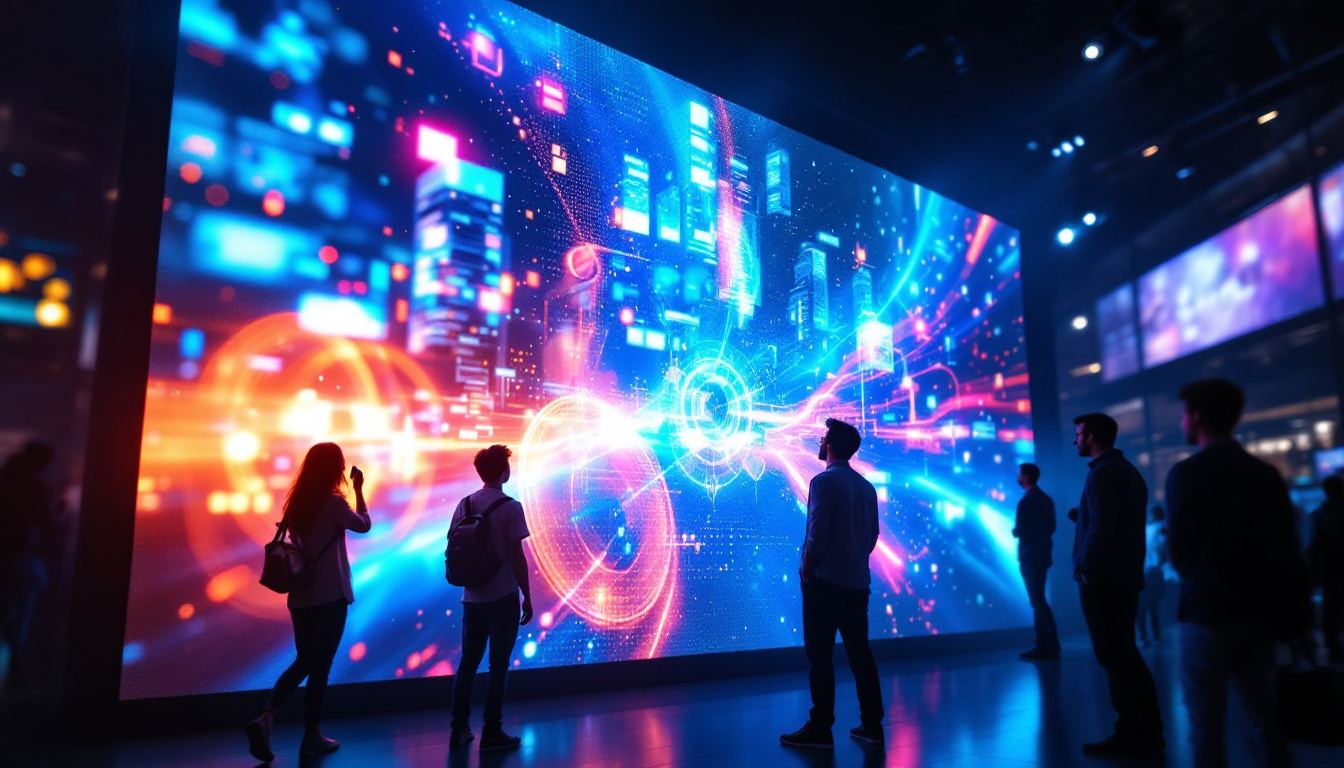
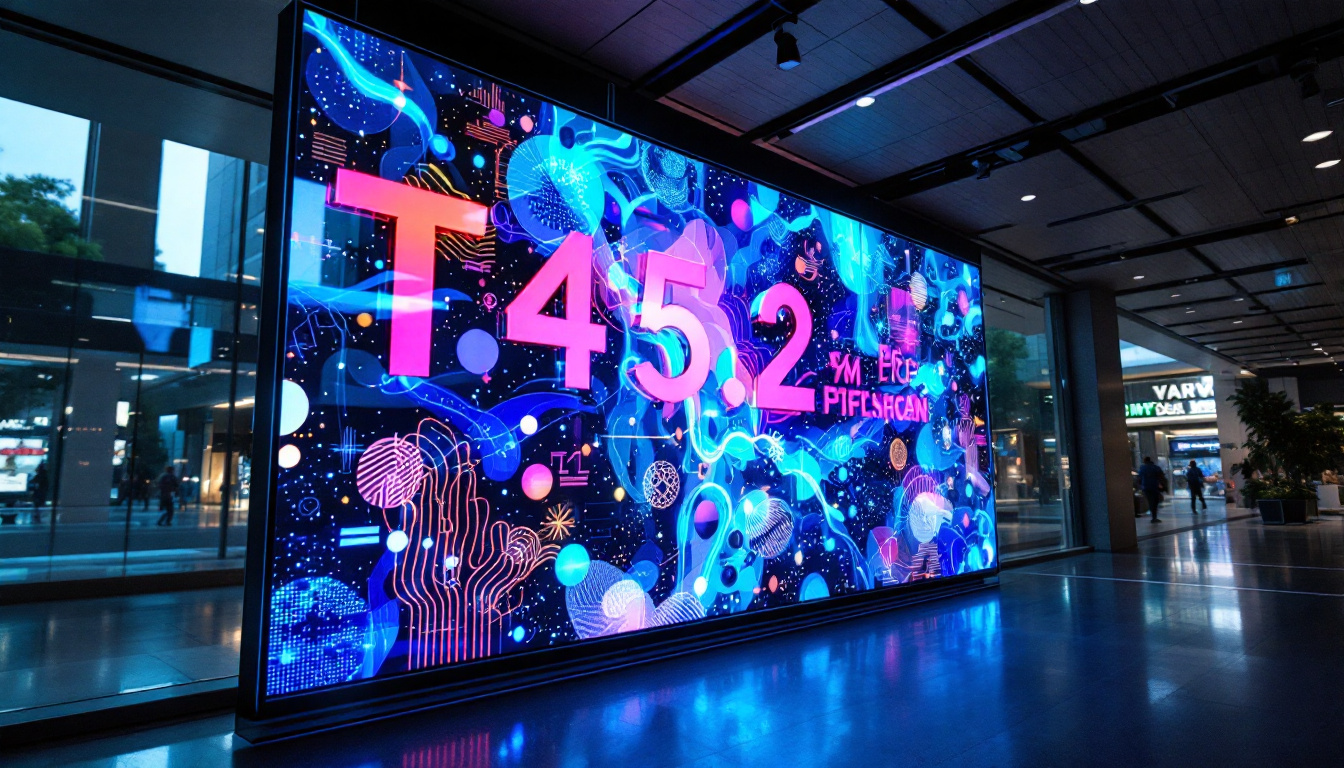
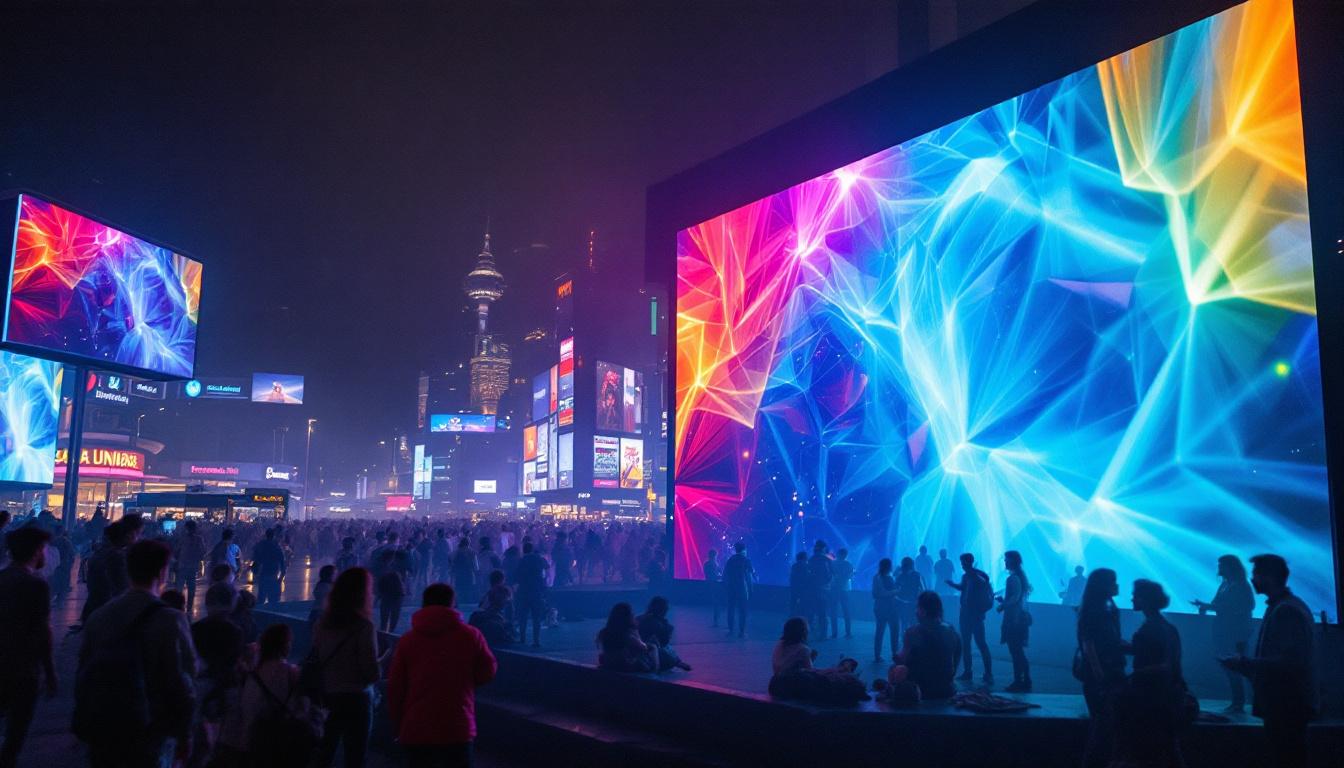
In the entertainment industry, LED display boards have revolutionized stage design and audience engagement. Concerts, sports events, and festivals often feature large LED screens that display live footage, graphics, and interactive content. The ability to produce bright, high-resolution images even in daylight makes LED displays indispensable for outdoor events.
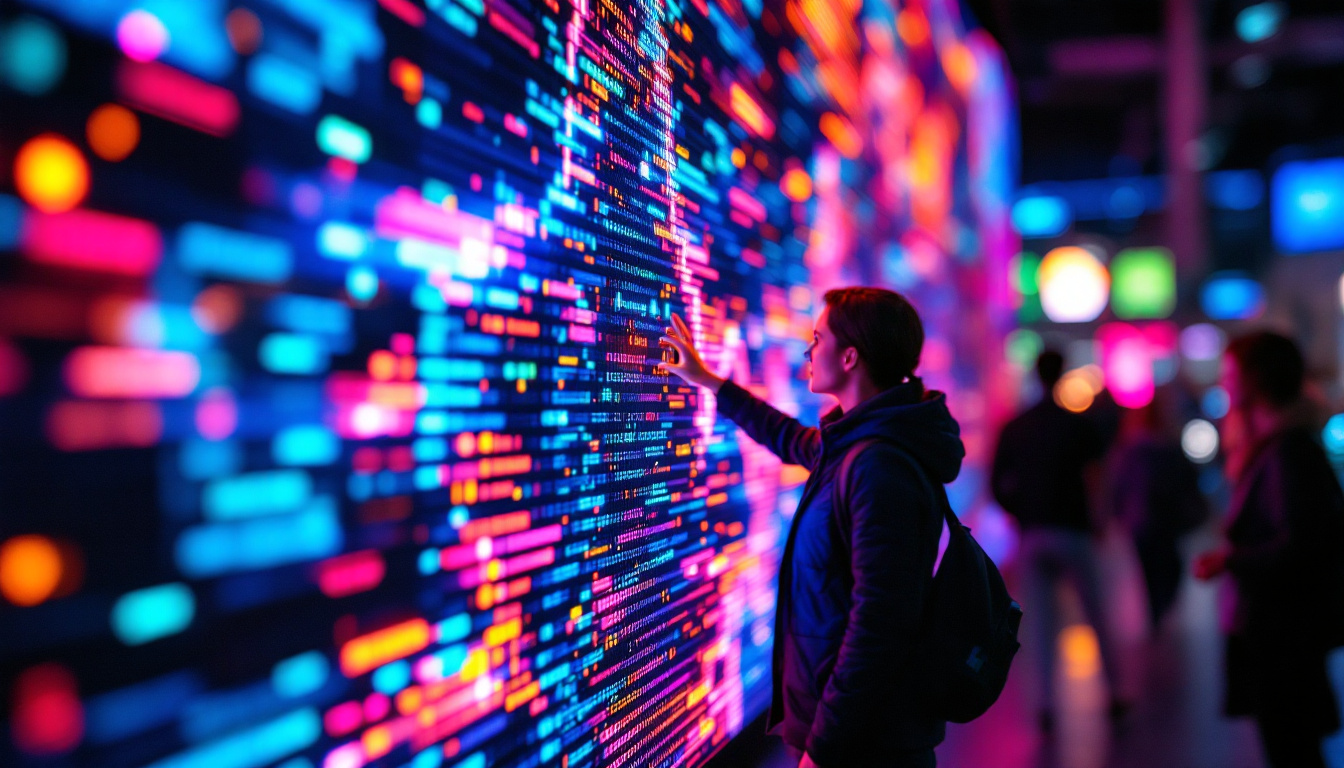
Moreover, LED video walls allow for immersive experiences by wrapping visuals around venues or creating dynamic backdrops, adding a new dimension to performances and presentations.
Retail and Corporate Use
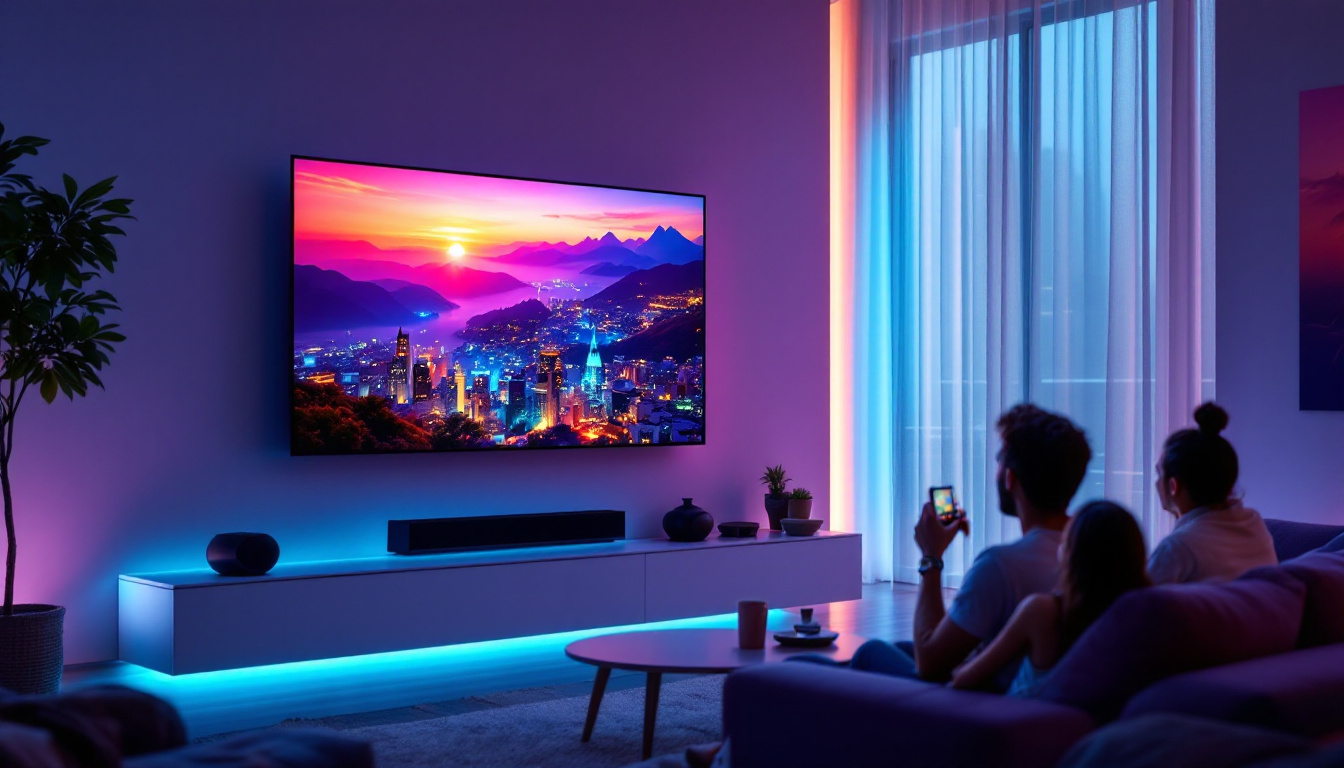
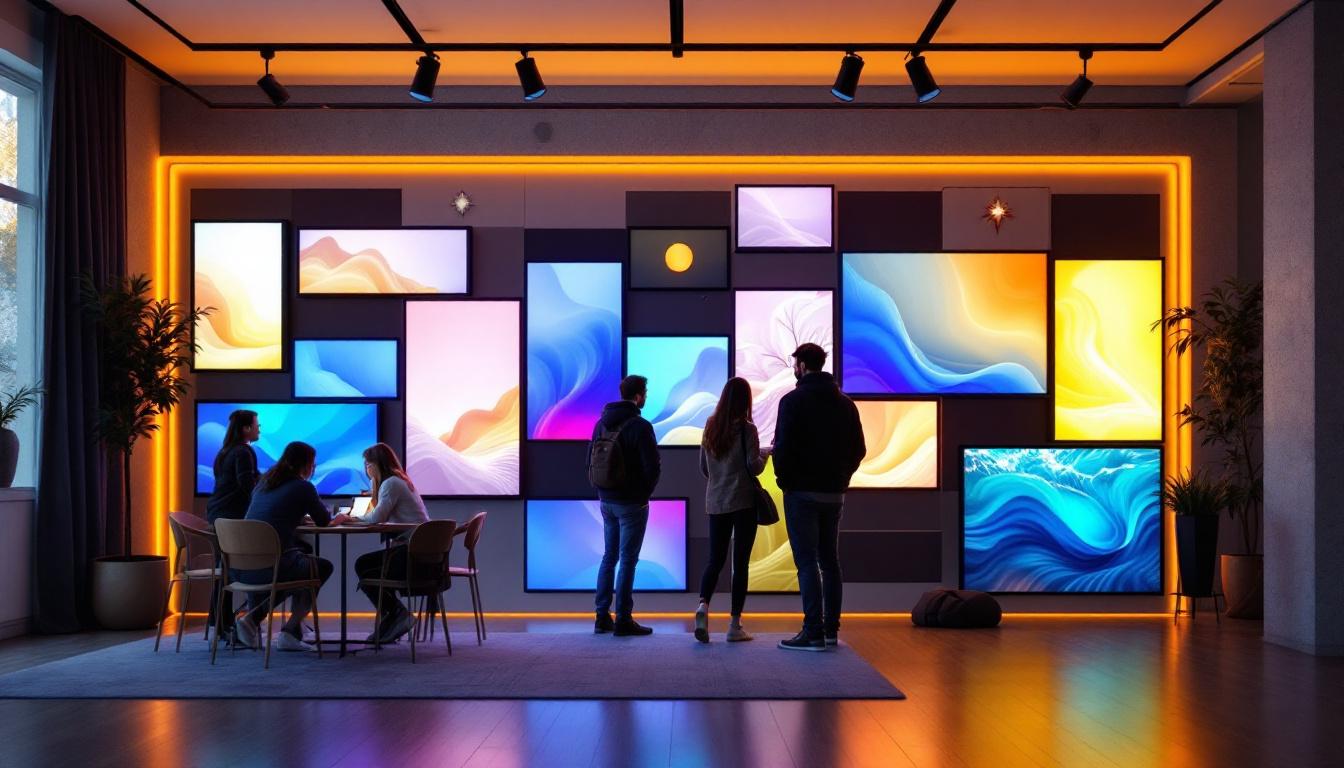
Retailers use LED displays to attract customers and promote products within stores. Digital signage can highlight promotions, showcase product features, and create an engaging shopping environment. Corporate offices employ LED boards for internal communications, such as displaying company news, performance metrics, or motivational messages.
Benefits of LED Display Boards
Energy Efficiency
Compared to traditional lighting and display technologies like incandescent bulbs or LCD screens with backlighting, LEDs consume significantly less power. This energy efficiency translates into lower operational costs and a reduced environmental footprint. For example, an LED billboard can use up to 80% less energy than a neon sign of comparable size.
Durability and Longevity
LEDs are solid-state devices, which means they are more resistant to shock, vibration, and external impacts than other lighting types. This durability makes LED display boards suitable for outdoor environments where weather and physical wear can be challenging.
Additionally, LEDs have a long lifespan, often exceeding 50,000 hours of operation. This longevity reduces maintenance frequency and costs, ensuring a reliable display over many years.
Brightness and Visibility
One of the standout features of LED displays is their exceptional brightness, which can reach up to 5,000 nits or more. This level of luminance ensures clear visibility even under direct sunlight, a critical factor for outdoor advertising and public information boards.
The high contrast ratio and wide viewing angles of LED displays also contribute to better readability from different positions and distances.
Flexibility and Customization
LED display boards offer remarkable flexibility in terms of size, shape, and content. Modular design allows for custom configurations, from small indoor panels to massive outdoor video walls. Content can be updated remotely and scheduled in advance, providing dynamic and targeted communication.
Choosing the Right LED Display Board
Considerations for Pixel Pitch
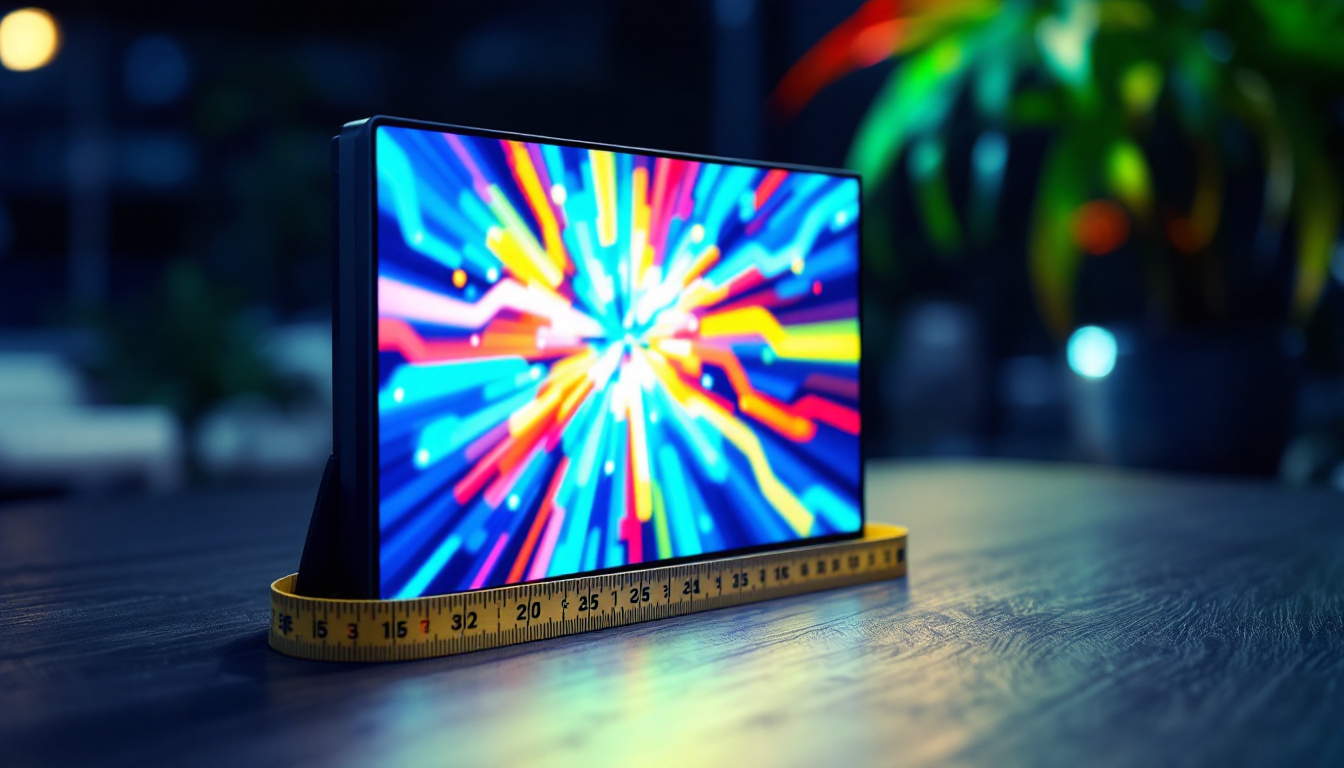
Pixel pitch, the distance between the centers of adjacent LEDs, is a critical factor influencing display resolution and viewing distance. A smaller pixel pitch yields higher resolution but at a higher cost, while a larger pitch is more suitable for distant viewing.
For example, an indoor display intended for close viewing might use a pixel pitch of 2 mm, whereas an outdoor billboard viewed from hundreds of feet away might use a pitch of 10 mm or more.
Environmental and Installation Factors
When selecting an LED display board, it is essential to consider environmental conditions such as exposure to rain, dust, temperature extremes, and sunlight. Outdoor displays require weatherproof enclosures and high brightness levels, while indoor displays prioritize resolution and color accuracy.
Installation logistics, including mounting options, power supply, and data connectivity, also influence the choice of display. Professional consultation and site assessment are recommended to ensure optimal performance.
Budget and Maintenance
Initial investment and ongoing maintenance costs vary depending on the display size, technology, and features. While LED displays may have higher upfront costs compared to traditional signage, their energy savings and durability often result in a lower total cost of ownership over time.
Maintenance considerations include cleaning, firmware updates, and potential repairs. Choosing reputable manufacturers and service providers can mitigate risks and ensure long-term reliability.
The Future of LED Display Boards
Technological Advancements
The LED display industry continues to evolve rapidly, driven by innovations in materials, manufacturing, and control systems. Micro-LED technology, which uses microscopic LEDs, promises even higher resolution, improved brightness, and lower power consumption.
Flexible and transparent LED displays are becoming more mainstream, enabling new applications in architecture, automotive design, and wearable technology. Integration with artificial intelligence and Internet of Things (IoT) platforms will allow for smarter, context-aware displays that adapt content based on audience behavior and environmental factors.
Sustainability and Energy Considerations
As sustainability becomes a global priority, LED display manufacturers are focusing on eco-friendly materials and energy-efficient designs. Solar-powered LED displays and recyclable components are gaining traction, aligning with corporate social responsibility goals and regulatory requirements.
Expanding Applications
Beyond traditional advertising and information, LED displays are finding applications in healthcare, education, and smart cities. For example, hospitals use LED boards for patient information and wayfinding, while schools employ them for interactive learning. Smart city initiatives leverage LED displays for real-time data visualization and community engagement.
Conclusion
LED electronic display boards have transformed the way information and advertising are presented in public and private spaces. Their combination of brightness, durability, flexibility, and energy efficiency makes them a preferred choice across diverse industries. Understanding the technology, applications, and considerations involved in selecting LED displays empowers businesses and organizations to harness their full potential effectively.
As LED technology continues to advance, the future promises even more innovative and sustainable display solutions that will further enhance communication and visual experiences worldwide.
Discover LumenMatrix’s Innovative LED Solutions
Ready to elevate your visual communication strategy with the latest in LED technology? LumenMatrix is at the forefront of crafting immersive and dynamic LED display modules tailored to a wide range of applications. From vibrant Indoor LED Walls to robust Outdoor LED Displays, and from versatile Vehicle LED Displays to sleek LED Poster Displays, our solutions are designed to captivate and engage. Experience the future of digital signage with our LED Sports Displays, interactive Floor LED Displays, customizable Custom LED Displays, convenient All-in-One LED Displays, and stunning LED Transparent Displays. Embrace the revolution in visual storytelling with LumenMatrix and let your brand shine like never before. Check out LumenMatrix LED Display Solutions and transform your space into a beacon of innovation and engagement.