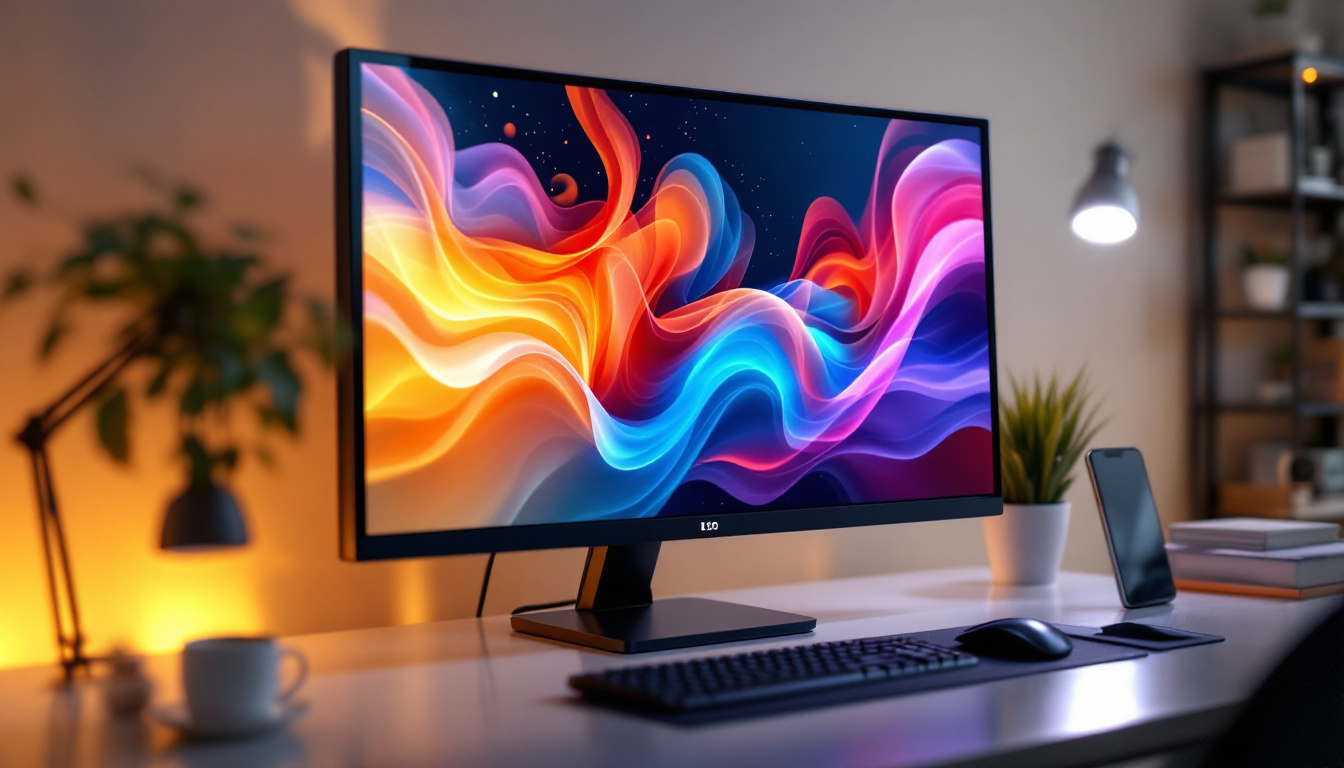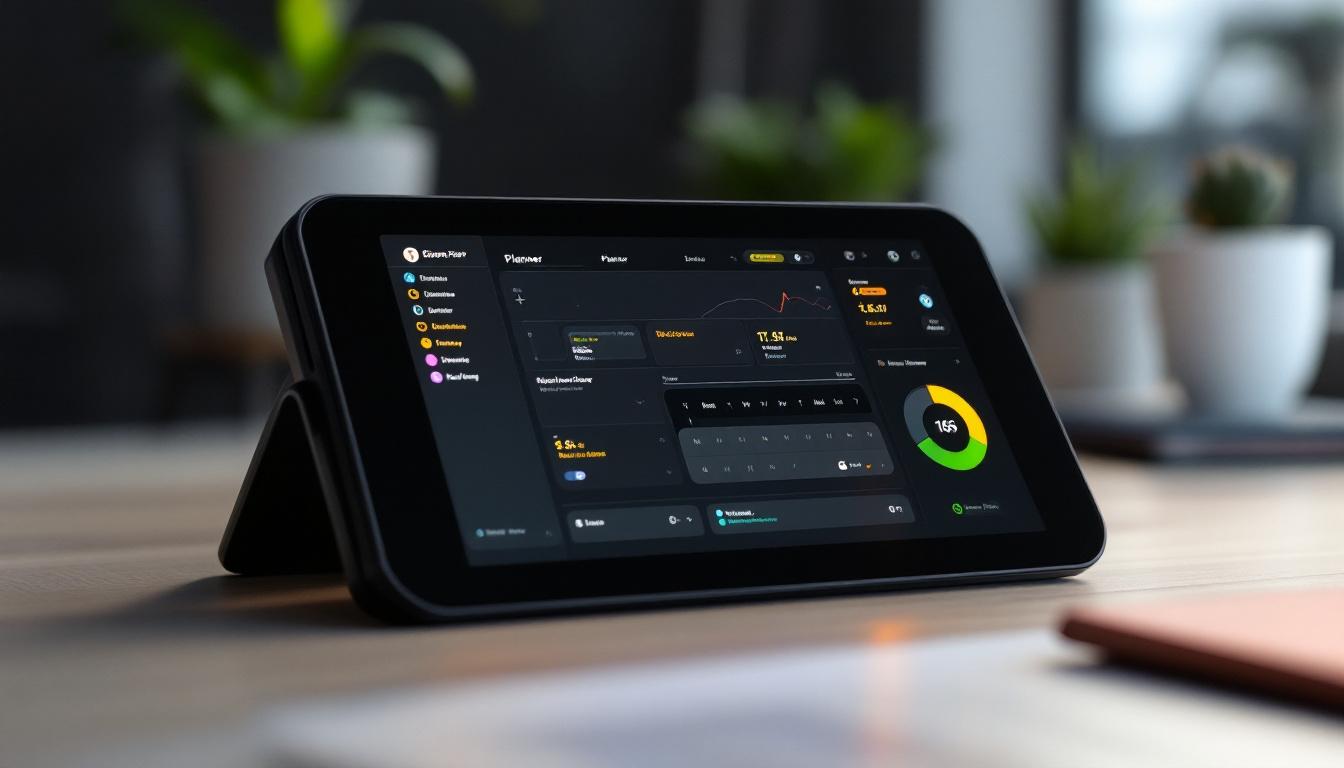
In today’s fast-paced world, electronic planner devices have become indispensable tools for managing schedules, tasks, and personal goals. Among the many features that define these devices, the LED display stands out as a critical component that influences usability, readability, and overall user experience. This article delves into the technology behind LED displays in electronic planners, exploring how they work, their advantages, and what to consider when choosing a device with an LED screen.
Understanding LED Displays in Electronic Planners
What is an LED Display?
LED stands for Light Emitting Diode, a semiconductor light source that emits light when current flows through it. In electronic planners, LED displays serve as the interface between the device and the user, presenting information such as calendar entries, reminders, and notes. Unlike traditional LCDs (Liquid Crystal Displays), which rely on backlighting, LED displays produce their own light, resulting in brighter and more vibrant visuals. This characteristic makes them particularly appealing for users who need to access information quickly and clearly, especially in fast-paced environments.
There are several types of LED displays used in electronic devices, including:
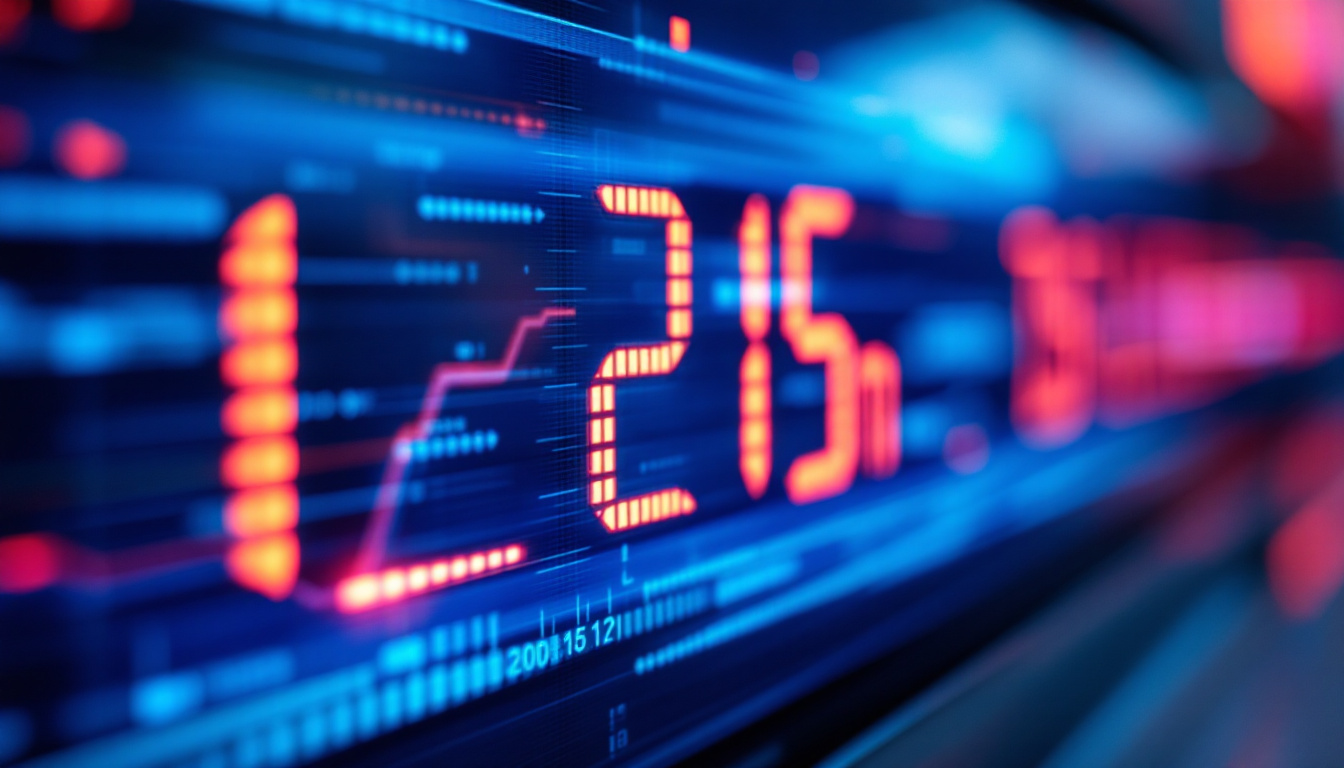
- Segmented LED Displays: Common in simple devices, these displays show numbers or limited characters using predefined segments.
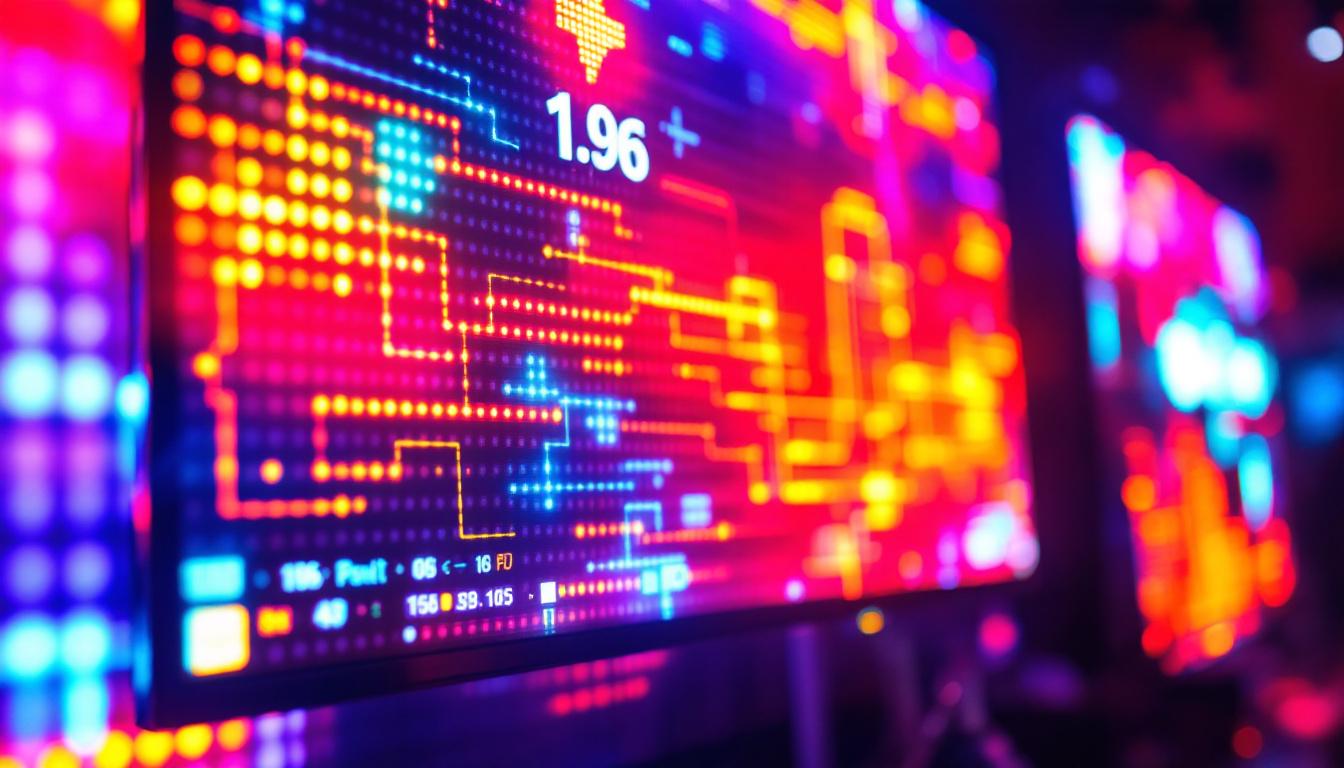
- Dot Matrix LED Displays: Composed of a grid of LEDs, allowing for more complex characters and graphics.
- OLED Displays: A subset of LED technology where organic compounds emit light, offering high contrast and flexibility.
Each type of LED display has its unique advantages, catering to different user needs. For instance, segmented displays are often found in basic calculators and clocks, where simplicity is key. In contrast, dot matrix displays are favored in more advanced applications, such as digital signage and electronic billboards, where dynamic content is essential. OLED displays, with their ability to produce deep blacks and vibrant colors, are increasingly popular in high-end electronic planners, providing an aesthetically pleasing experience that enhances user engagement.
How LED Displays Work in Electronic Planners
In an electronic planner, the LED display is controlled by the device’s microprocessor, which sends electrical signals to specific LEDs to illuminate them in patterns that form readable text and symbols. The display’s refresh rate, resolution, and color depth determine how smoothly and clearly information is presented. A higher refresh rate ensures that animations and transitions appear fluid, making the user experience more enjoyable and intuitive. Furthermore, advancements in LED technology have led to displays that consume less power while providing superior brightness, extending battery life for portable electronic planners.
Modern electronic planners often use LED displays combined with touchscreen technology, enhancing interactivity. The LED screen’s brightness and contrast ensure visibility in various lighting conditions, from bright daylight to dim indoor environments. This adaptability is crucial for users who may need to access their planners in diverse settings, whether in a brightly lit office or during a late-night study session. Additionally, many planners now incorporate features like adjustable brightness and color temperature, allowing users to customize their viewing experience for comfort and efficiency. As technology continues to evolve, we can expect even more innovative uses of LED displays in electronic planners, further enhancing their functionality and user appeal.
Advantages of LED Displays in Electronic Planners
Enhanced Visibility and Readability
One of the most significant benefits of LED displays is their superior brightness and contrast compared to older display technologies. This translates into better readability, which is crucial for users who rely on their planners throughout the day, often in different lighting environments.
Studies show that displays with higher contrast ratios reduce eye strain and improve information retention. For professionals managing tight schedules, this can make a substantial difference in productivity and comfort. In addition, the ability to adjust brightness settings allows users to customize their viewing experience based on ambient light conditions, whether they are outdoors in bright sunlight or in a dimly lit conference room. This adaptability not only enhances usability but also promotes a more user-friendly interface, ensuring that critical information is always accessible at a glance.
Energy Efficiency and Longevity
LED technology is known for its energy efficiency. Electronic planners equipped with LED displays typically consume less power than those with traditional LCDs, leading to longer battery life. This is particularly important for mobile users who need their devices to last through busy days without frequent recharging.
Additionally, LEDs have a longer lifespan, often exceeding tens of thousands of hours, which means the display will maintain its brightness and performance over the device’s lifetime, reducing the need for replacements or repairs. This longevity not only translates to cost savings for consumers but also contributes to a more sustainable approach to technology, as fewer devices need to be manufactured and disposed of. As environmental consciousness grows, the choice of LED displays in electronic planners aligns with a commitment to reducing electronic waste and promoting eco-friendly practices.
Durability and Design Flexibility
LED displays are more robust and resistant to physical shocks compared to older technologies. This durability is essential for electronic planners, which are often carried around and subjected to daily wear and tear.
Furthermore, the thin and lightweight nature of LED displays allows manufacturers to design sleek, compact planners that are easy to carry without sacrificing screen size or clarity. The design flexibility also opens up possibilities for innovative features, such as touch sensitivity and multi-screen layouts, enabling users to interact with their planners in more dynamic ways. As a result, these devices can incorporate advanced functionalities like gesture controls and customizable interfaces, enhancing the overall user experience and making electronic planners not just tools for organization, but versatile companions for daily life.
Key Features to Consider in LED Displays for Electronic Planners
Resolution and Screen Size
The resolution of an LED display determines how much detail can be shown on the screen. Higher resolution means sharper text and more detailed graphics, which can enhance user experience by making information easier to read at a glance.
Screen size is also a critical factor. While larger screens offer more space for displaying information, they can make the device bulkier. The ideal size balances portability with usability, often ranging between 3 to 5 inches diagonally for electronic planners.
Color vs. Monochrome Displays
Electronic planners with color LED displays provide a richer visual experience, allowing users to differentiate between calendar entries, tasks, and alerts using color coding. This can improve organization and reduce cognitive load.
However, monochrome LED displays consume less power and often have better visibility under direct sunlight. Users should consider their typical usage scenarios when choosing between color and monochrome screens.
Touchscreen Capability and Responsiveness
Many modern electronic planners integrate touchscreen functionality with their LED displays, enabling intuitive navigation and quick data entry. The responsiveness of the touchscreen is crucial; lag or inaccuracy can frustrate users and hinder productivity.
Capacitive touchscreens, which detect the electrical properties of the human finger, are generally preferred for their sensitivity and multi-touch support, compared to resistive touchscreens that rely on pressure.
LED Display Trends and Innovations in Electronic Planners
Integration of OLED Technology
Organic LED (OLED) displays are gaining traction in electronic planners due to their superior contrast ratios, thinner profiles, and flexibility. OLEDs can display true blacks by turning off individual pixels, enhancing battery life and visual quality.
Manufacturers are beginning to incorporate flexible OLED screens, which could lead to foldable or rollable planners, combining portability with larger display areas.
Adaptive Brightness and Eye Comfort Features
Advanced electronic planners now feature adaptive brightness controls that automatically adjust screen brightness based on ambient lighting conditions. This not only improves visibility but also reduces eye strain during prolonged use.
Some devices include blue light filters or “night mode” settings to minimize the impact of screen light on sleep patterns, an important consideration for users who check their planners late at night.
Connectivity and Smart Display Integration
With the rise of smart devices, electronic planners with LED displays are increasingly incorporating wireless connectivity options such as Bluetooth and Wi-Fi. This allows synchronization with smartphones, cloud calendars, and other productivity tools.
Smart displays can also support voice commands and AI-driven scheduling assistance, making the planner a more dynamic and interactive tool.
Choosing the Right Electronic Planner with LED Display
Assessing Your Needs
Before selecting an electronic planner, it’s essential to evaluate how you intend to use it. Consider factors such as:
- Do you need color coding for tasks and appointments?
- Will you use the planner primarily indoors or outdoors?
- How important is battery life for your daily routine?
- Do you prefer a touchscreen interface or physical buttons?
Answering these questions will help narrow down the options and ensure the chosen device aligns with your workflow.
Comparing Display Specifications
When comparing electronic planners, pay close attention to the LED display specifications:
- Brightness: Measured in nits, higher brightness improves visibility in sunlight.
- Resolution: Higher pixel density results in crisper text and images.
- Color Depth: More colors allow for better differentiation of information.
- Refresh Rate: A higher refresh rate ensures smoother transitions and animations.
These technical details directly impact usability and comfort.
Budget and Brand Reliability
Electronic planners with advanced LED displays can vary widely in price. While it’s tempting to opt for the most feature-rich model, balancing cost with essential features is key.
Choosing devices from reputable brands with positive user reviews ensures better build quality, customer support, and software updates, which are critical for long-term satisfaction.
Conclusion
LED displays are at the heart of the electronic planner experience, shaping how users interact with their schedules and tasks. Understanding the technology behind these displays helps users make informed decisions when selecting a planner that suits their needs.
From enhanced visibility and energy efficiency to innovative features like OLED integration and adaptive brightness, LED displays continue to evolve, offering increasingly sophisticated tools for personal productivity. By carefully considering display type, size, color capabilities, and additional features, users can find an electronic planner that not only keeps them organized but also provides a comfortable and engaging user experience.
As electronic planners become more integrated with smart technologies, the role of LED displays will only grow in importance, making it essential to stay informed about the latest advancements and how they can enhance everyday planning.
Discover LumenMatrix’s Advanced LED Display Solutions
As you consider upgrading your electronic planner experience, don’t miss the opportunity to explore LumenMatrix’s innovative LED display technologies. LumenMatrix is at the forefront of creating immersive visual experiences with a wide array of products, from Indoor and Outdoor LED Wall Displays to specialized solutions like Vehicle LED Displays and LED Sports Displays. Embrace the future of visual communication with LumenMatrix’s All-in-One LED Displays, LED Transparent Displays, and more, designed to captivate your audience and amplify your message. Check out LumenMatrix LED Display Solutions today and see how they can transform your personal productivity tools and professional engagements.