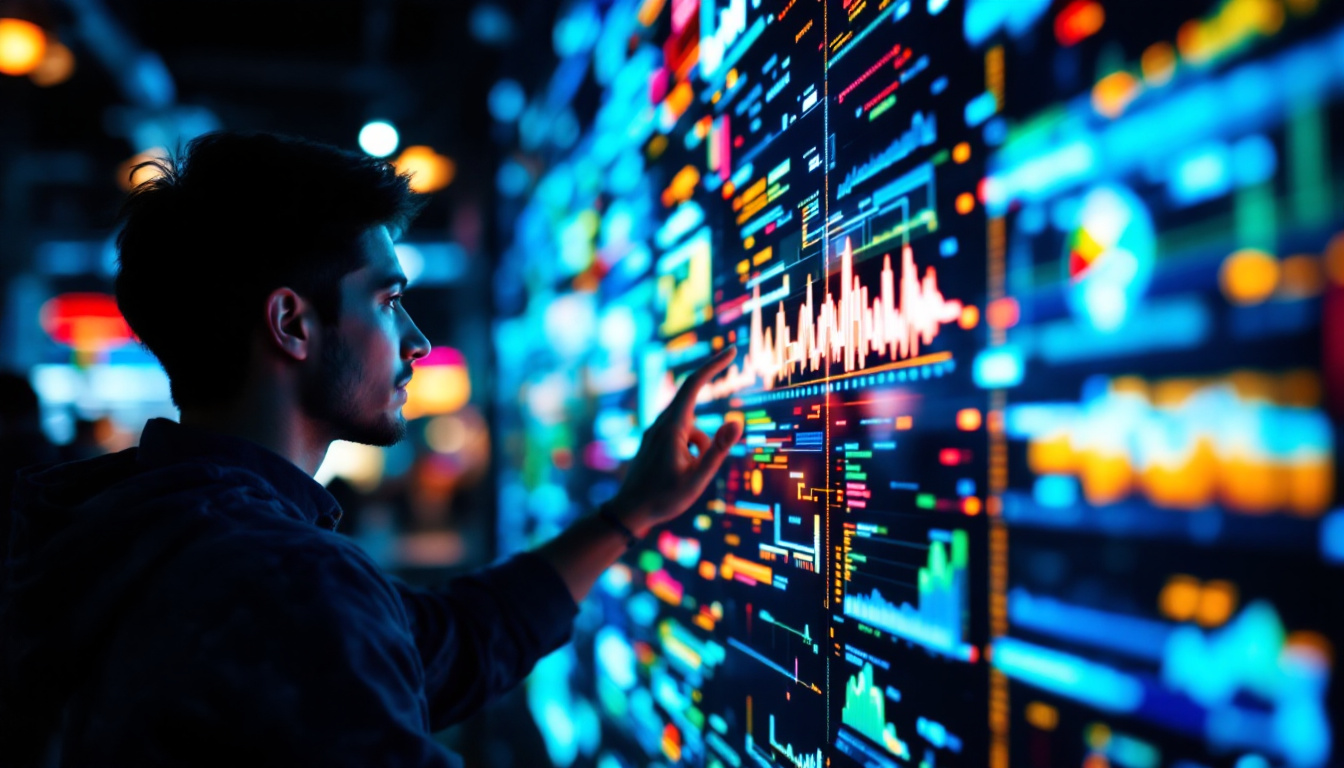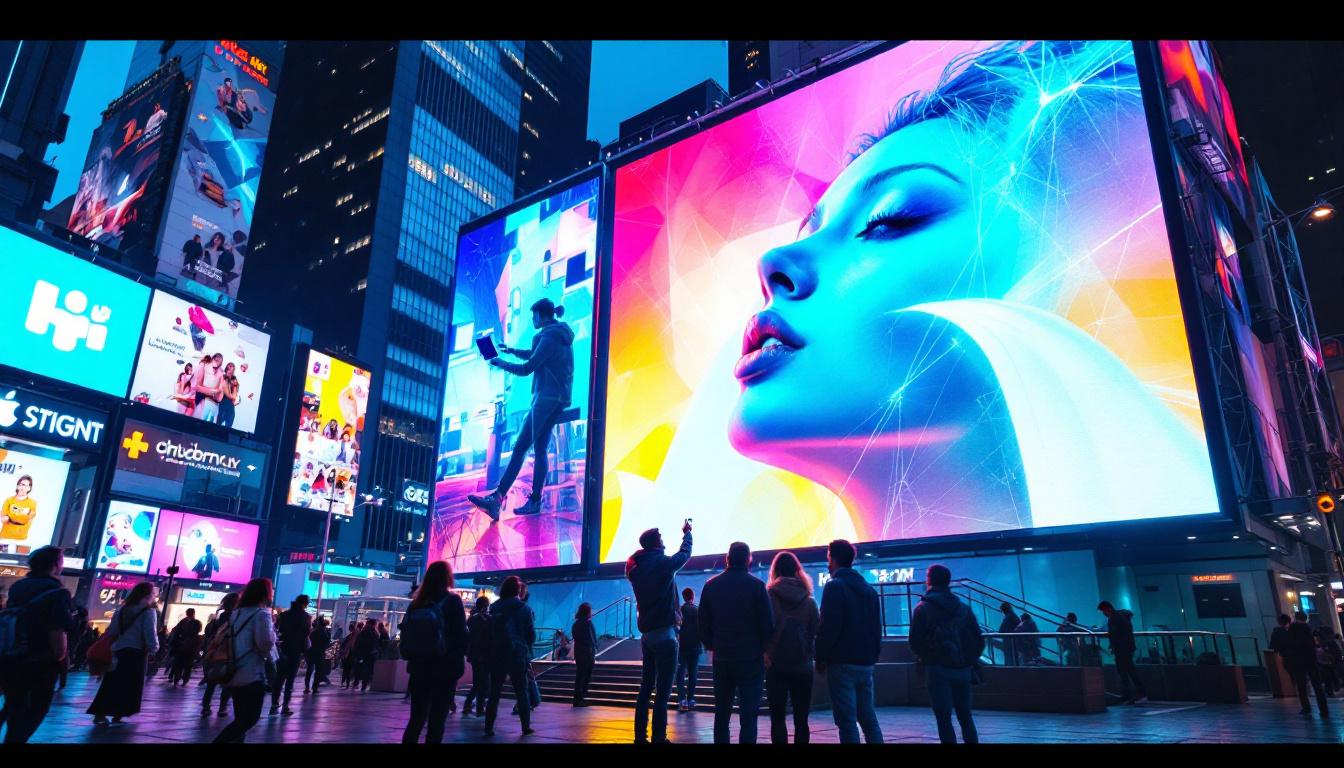
In today’s digital world, LED displays have become an integral part of everyday life, from smartphones and televisions to massive outdoor billboards and stadium screens. Understanding how LED displays work, their types, advantages, and applications can provide valuable insights into the technology that powers much of modern visual communication. This article delves into the fundamentals of LED displays, exploring their construction, functionality, and the innovations shaping their future.
What is an LED Display?
LED stands for Light Emitting Diode, a semiconductor device that emits light when an electric current passes through it. An LED display is a flat panel display that uses an array of LEDs as pixels to create images, videos, or text. Unlike traditional LCDs that rely on backlighting, LED displays generate their own light, resulting in brighter and more vibrant visuals.
The core of an LED display is the tiny LED chip, which can emit different colors based on the materials used in its construction. By combining red, green, and blue LEDs at the pixel level, these displays can produce a full spectrum of colors, enabling high-quality, vivid images. This capability makes LED displays particularly popular in environments where visual impact is crucial, such as advertising billboards, concert stages, and sports arenas, where the clarity and brightness can significantly enhance the viewer’s experience.
How LED Displays Work
Each pixel in an LED display is made up of one or more LEDs that can be individually controlled to emit varying intensities of light. When these pixels are illuminated in different combinations and brightness levels, they form images and videos. The control system rapidly switches LEDs on and off, creating the illusion of continuous motion and detailed pictures. This rapid switching is often facilitated by sophisticated software that can manage complex animations and transitions, allowing for dynamic content that can capture and hold the audience’s attention.
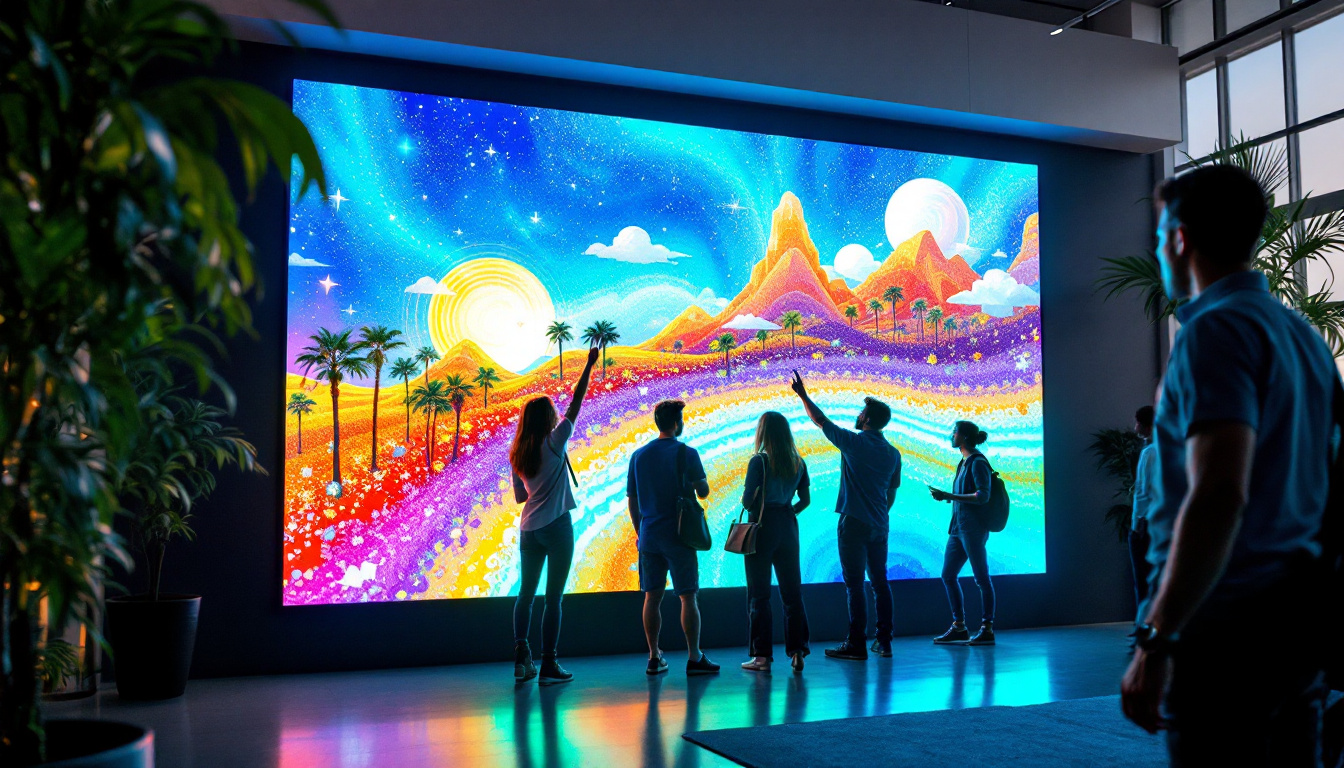
Modern LED displays often use surface-mounted device (SMD) technology, where tiny LEDs are mounted directly onto a circuit board. This allows for higher pixel density and thinner displays, making them suitable for a wide range of applications from handheld devices to large-scale video walls. Additionally, advancements in LED technology have led to the development of flexible and transparent displays, opening up new possibilities in design and functionality. These innovations not only enhance aesthetic appeal but also provide opportunities for interactive installations, where users can engage with the display in real-time, creating a more immersive experience.
Types of LED Displays
LED displays come in various types, each designed for specific uses and environments. Understanding these types helps in selecting the right display technology for a given application.
1. Direct View LED Displays
Direct View LED (DV-LED) displays are composed of individual LEDs that form the pixels themselves. These are commonly used in large outdoor screens, stadium displays, and digital billboards. DV-LED displays are known for their brightness, durability, and ability to be viewed clearly even in direct sunlight.
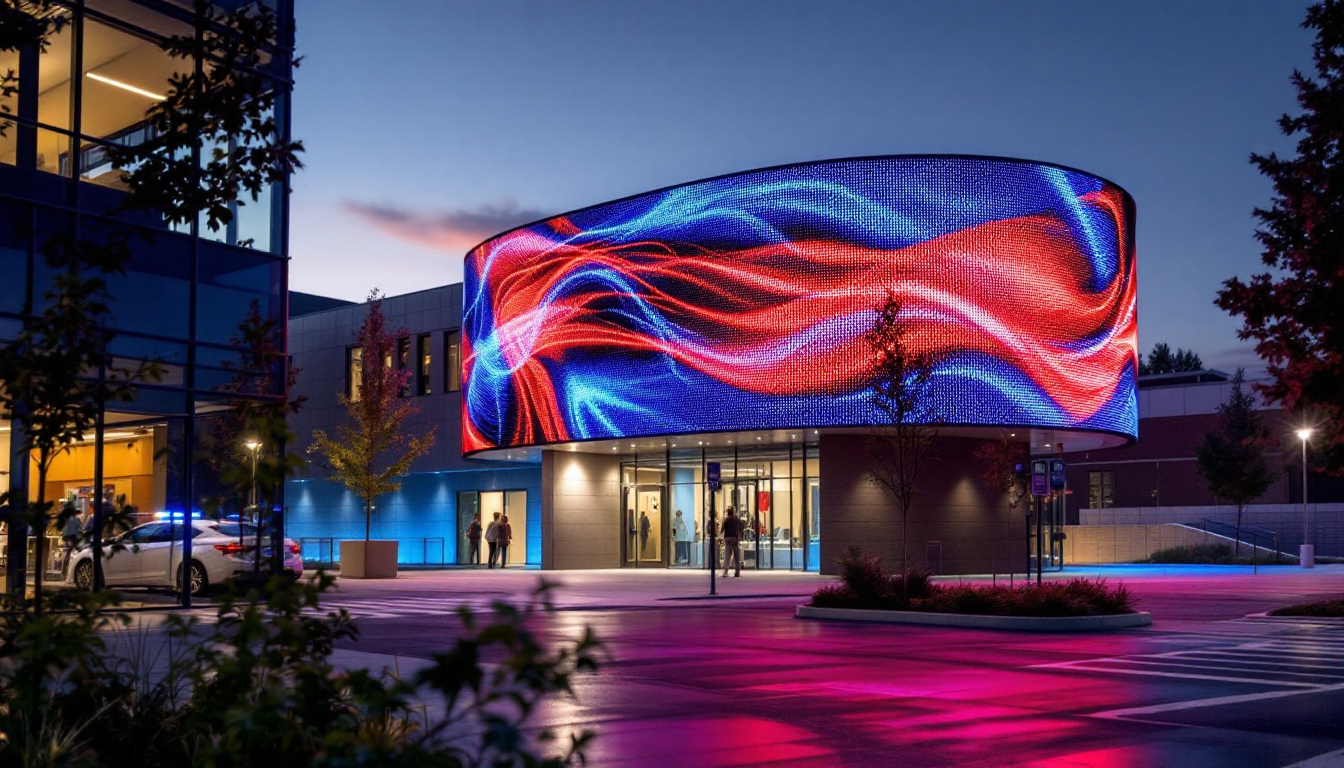
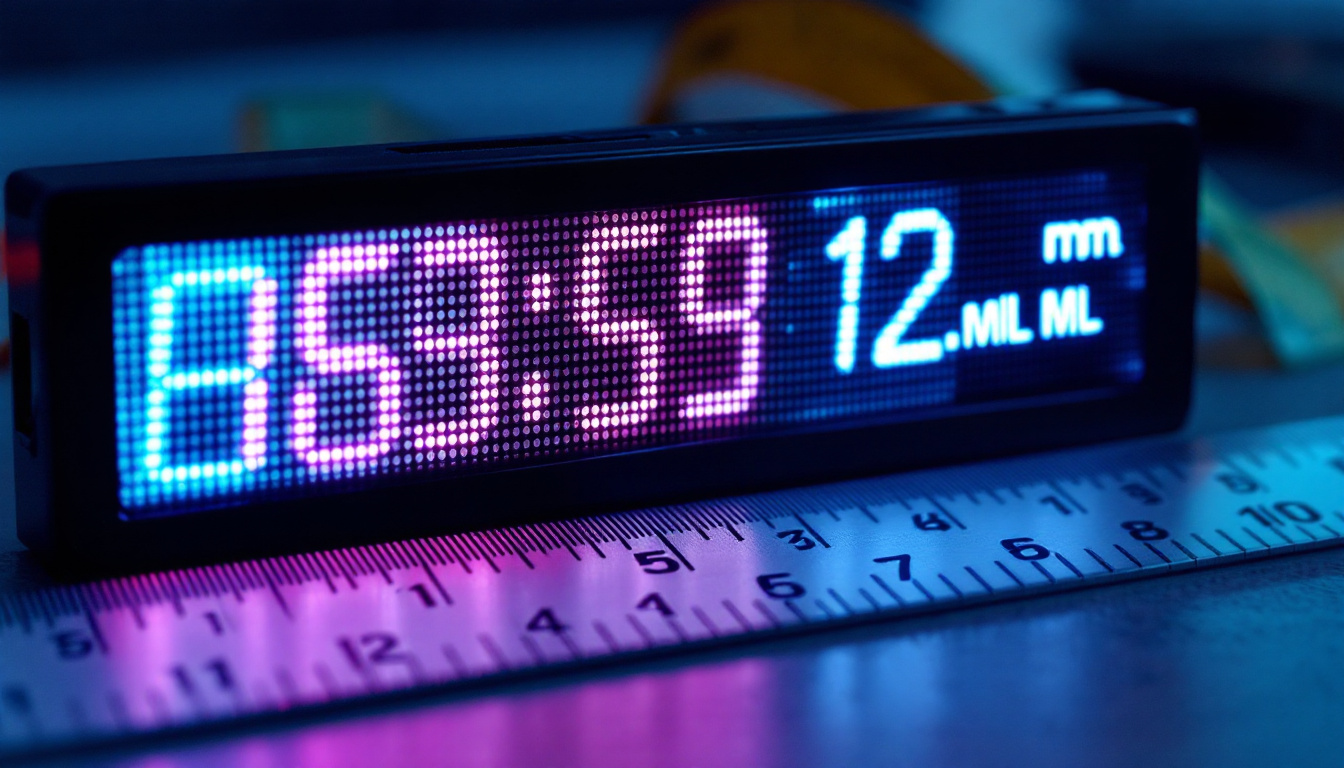
The pixel pitch, which is the distance between the centers of two adjacent pixels, is a critical factor in DV-LED displays. Smaller pixel pitches yield higher resolution and sharper images but are more expensive and complex to manufacture. Advances in technology have pushed pixel pitches down to less than 1mm, enabling DV-LED displays to be used in indoor environments with close viewing distances. Additionally, these displays can be configured in various shapes and sizes, allowing for creative installations that can enhance architectural aesthetics or create immersive environments in retail spaces and exhibitions.
2. LED-Backlit LCD Displays
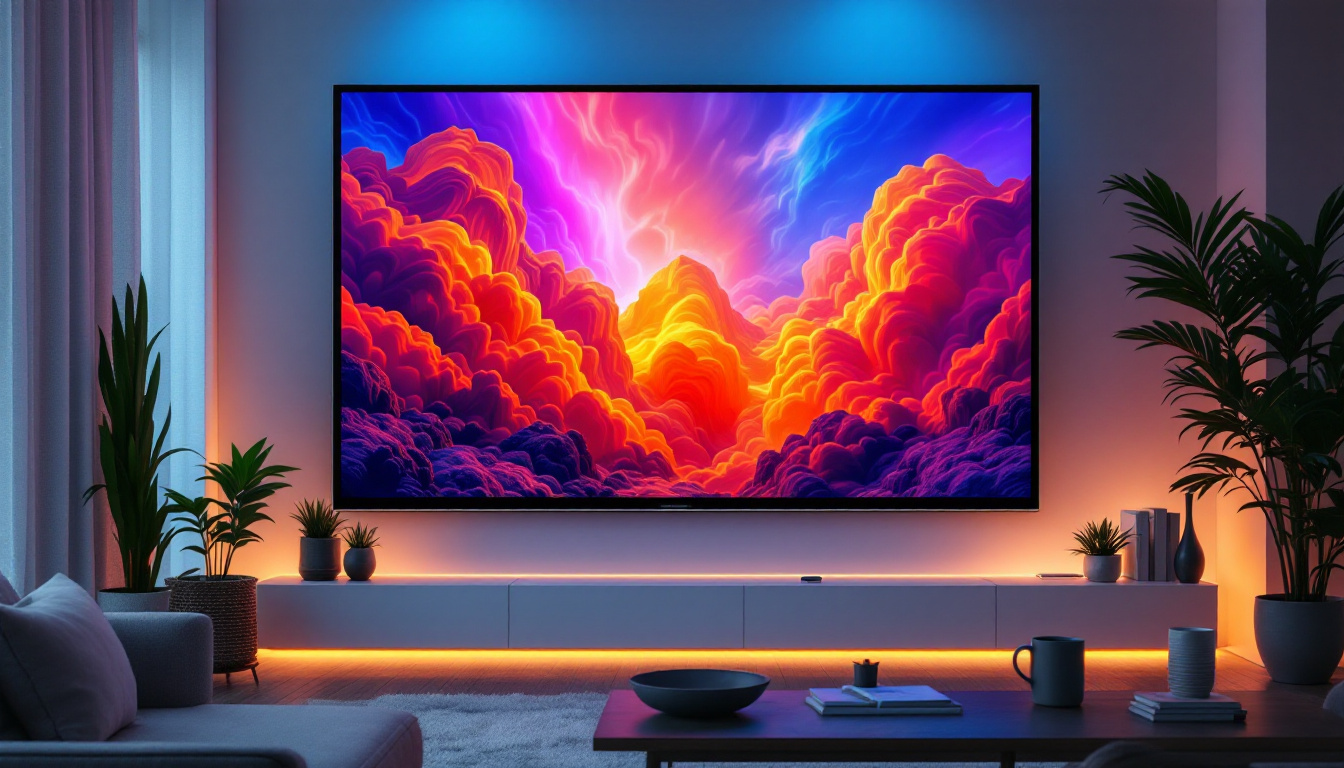
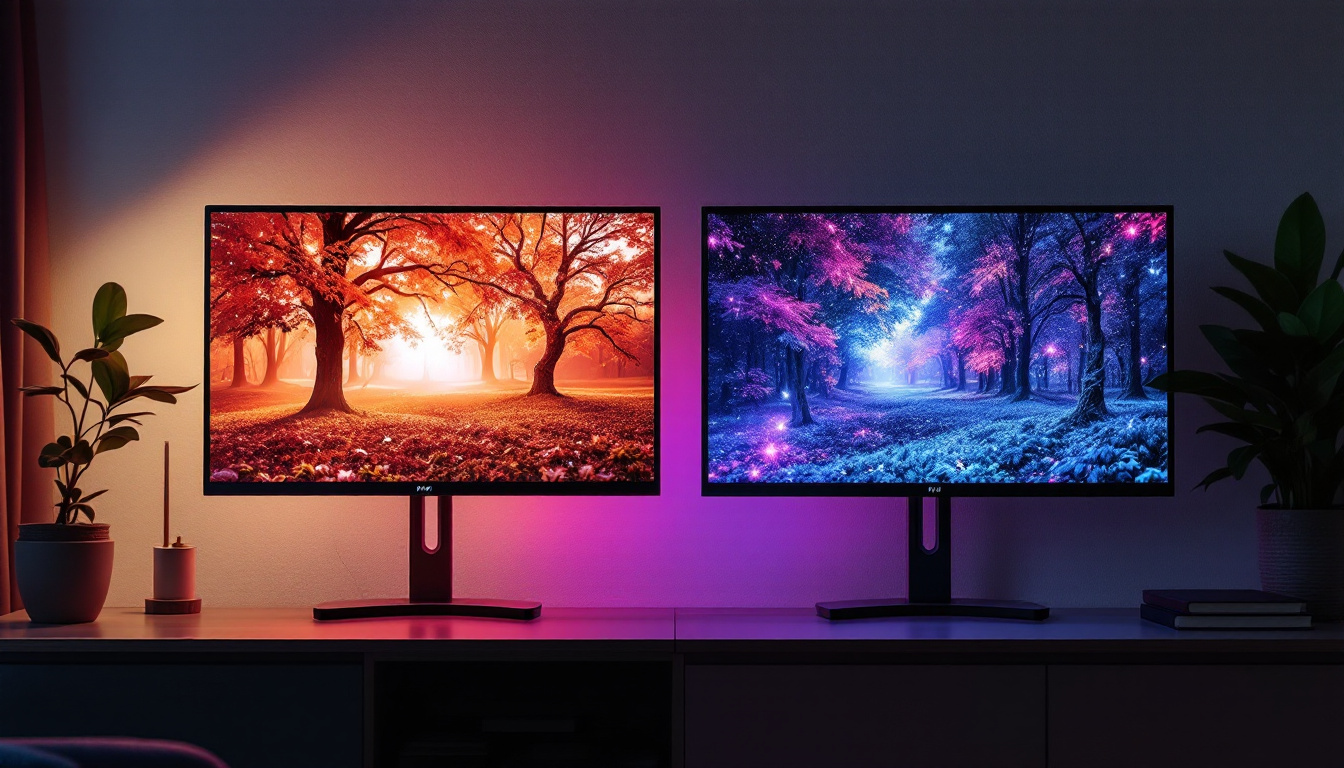
Many consumer electronics, including televisions, monitors, and smartphones, use LED backlighting behind an LCD panel. In this configuration, the LEDs do not form the image directly but provide the light source that illuminates the liquid crystal display. This method combines the color accuracy and sharpness of LCDs with the energy efficiency and slim design enabled by LEDs.
LED-backlit LCDs can use edge-lit or full-array backlighting. Full-array backlighting with local dimming allows for better contrast ratios and deeper blacks, enhancing the viewing experience. Furthermore, advancements in color calibration techniques have made it possible for these displays to achieve a wider color gamut, making them suitable for professional applications such as graphic design and video editing. The integration of smart technology into LED-backlit LCDs has also transformed them into multifunctional devices that can connect to the internet, stream content, and even integrate with home automation systems.
3. OLED and MicroLED Displays
While not traditional LED displays, OLED (Organic LED) and MicroLED technologies are closely related. OLED uses organic compounds that emit light when electrically stimulated, enabling displays that are thinner, more flexible, and capable of perfect blacks due to pixel-level light control. MicroLED, on the other hand, uses microscopic LEDs to form each pixel, combining the advantages of OLED with higher brightness and longer lifespan.
Both technologies are gaining traction in high-end smartphones, televisions, and emerging display applications, promising superior image quality and energy efficiency. The flexibility of OLED displays has led to innovative designs, including curved screens and foldable devices that cater to the evolving needs of consumers. Meanwhile, MicroLED is being heralded as the next frontier in display technology, with potential applications ranging from large-scale video walls to wearable devices, as it offers the possibility of seamless, modular displays that can be customized to any size or shape, further pushing the boundaries of visual experiences.
Advantages of LED Displays
LED displays offer several benefits over other display technologies, making them a preferred choice in many industries.
Brightness and Visibility
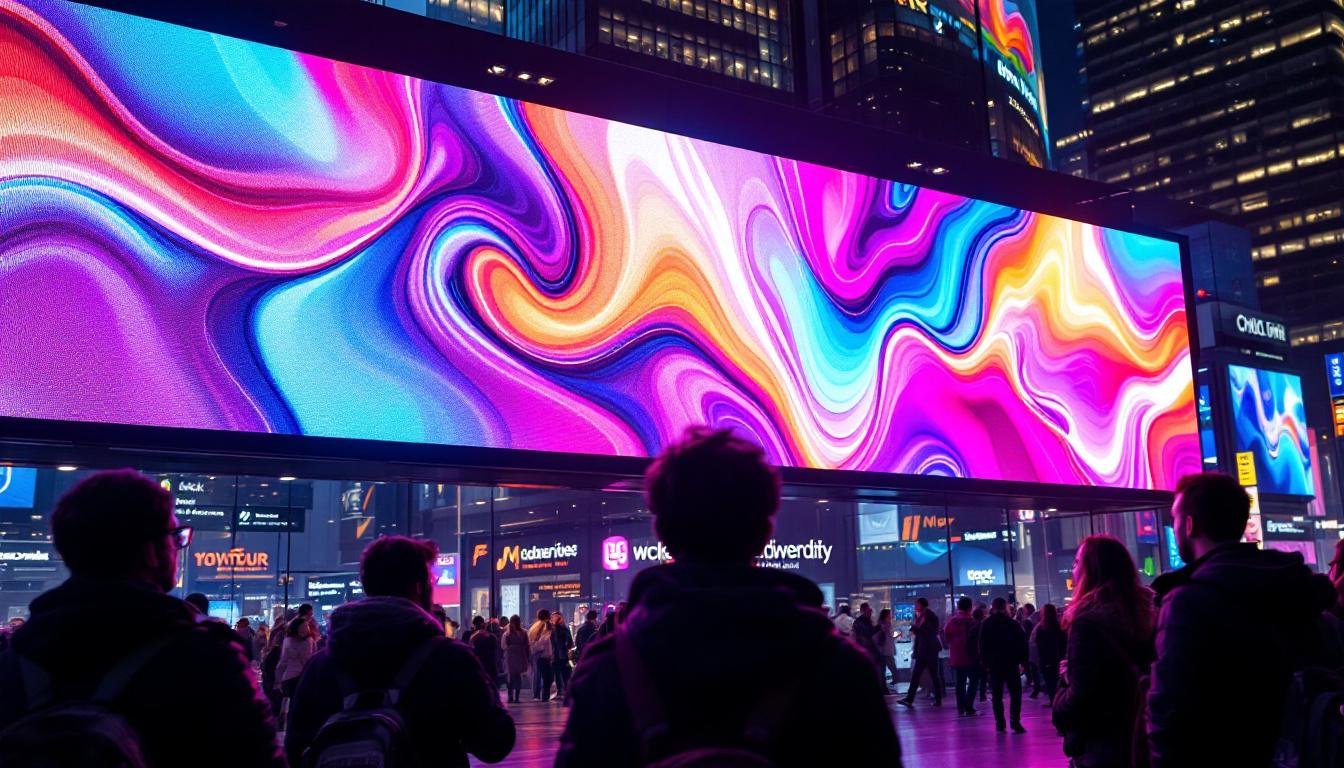
One of the standout features of LED displays is their brightness. LEDs can produce intense light, making these displays easily visible even in bright daylight conditions. This is why LED billboards and outdoor signage are so effective in attracting attention and conveying messages clearly.
Energy Efficiency
Compared to traditional incandescent or fluorescent lighting, LEDs consume significantly less power. This energy efficiency translates to lower operating costs and reduced environmental impact, which is particularly important for large-scale installations that run continuously.
Durability and Longevity
LEDs are solid-state devices with no fragile filaments or glass components, making them more resistant to shock and vibration. They also have a longer operational lifespan, often exceeding 50,000 hours, which reduces maintenance and replacement costs.
Color Accuracy and Flexibility
With precise control over each LED’s brightness and color output, LED displays can achieve high color accuracy and wide color gamuts. This capability is essential for applications requiring true-to-life image reproduction, such as digital signage, broadcast studios, and medical imaging.
Applications of LED Displays
The versatility of LED displays has led to their adoption across numerous sectors, each leveraging the technology’s strengths to meet specific needs.
Advertising and Digital Signage
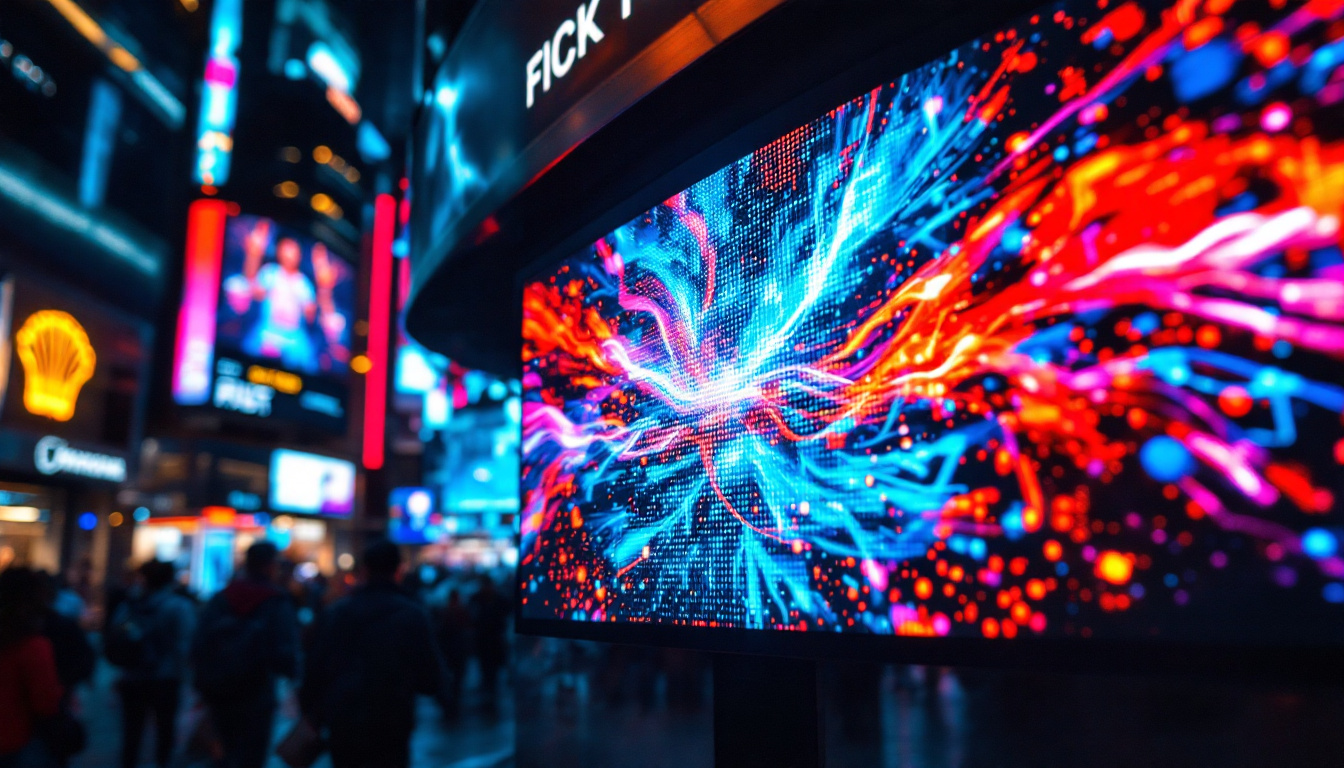
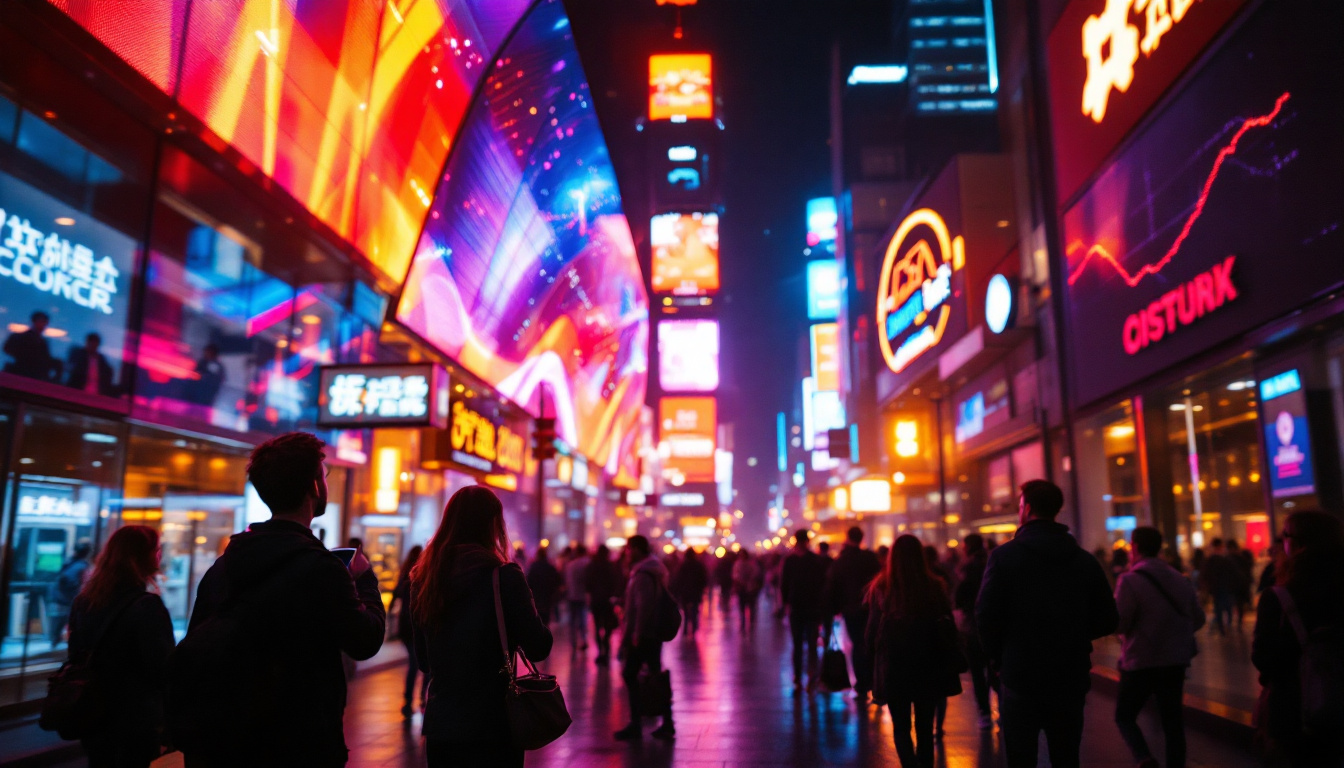
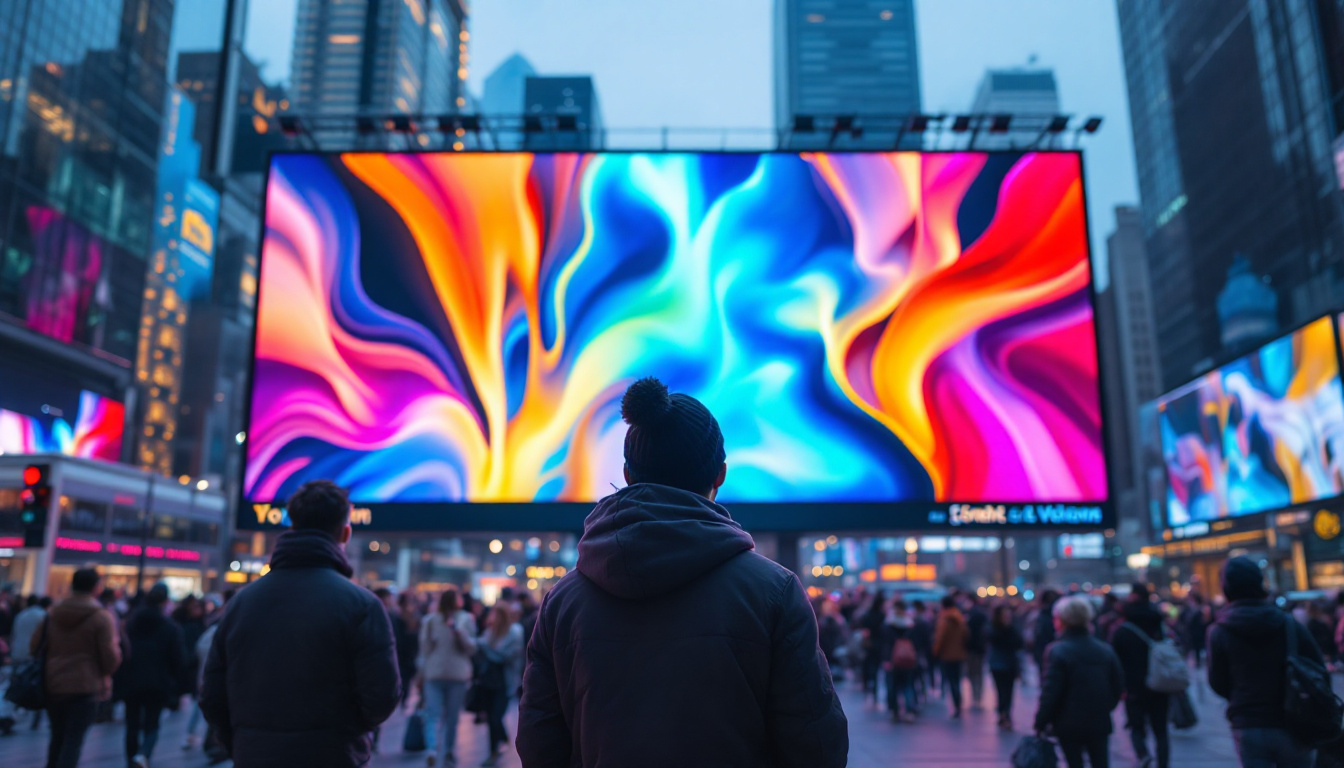
Outdoor and indoor advertising heavily rely on LED displays for dynamic content delivery. Digital billboards can be updated remotely and instantly, allowing advertisers to tailor messages based on time of day, location, or audience demographics. The high brightness and vivid colors of LED displays ensure maximum visibility and impact.
Entertainment and Sports Venues
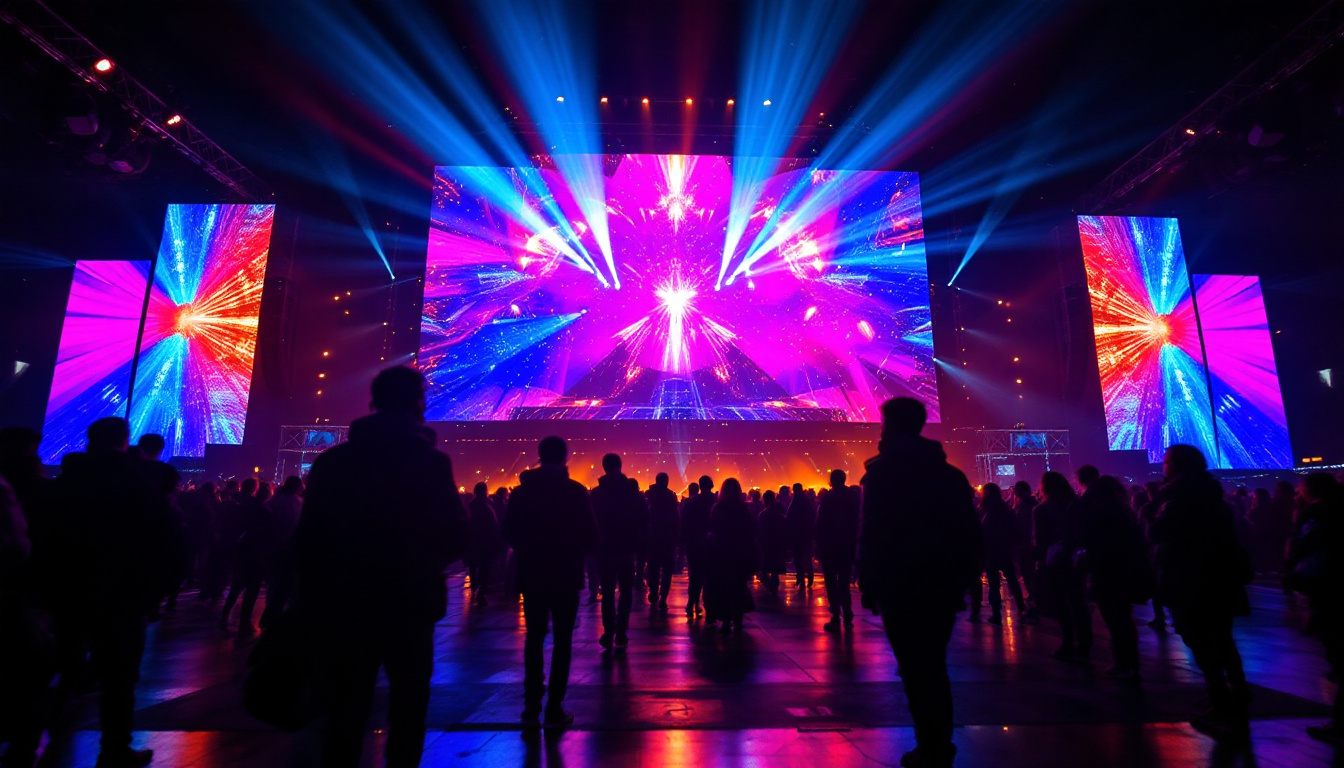
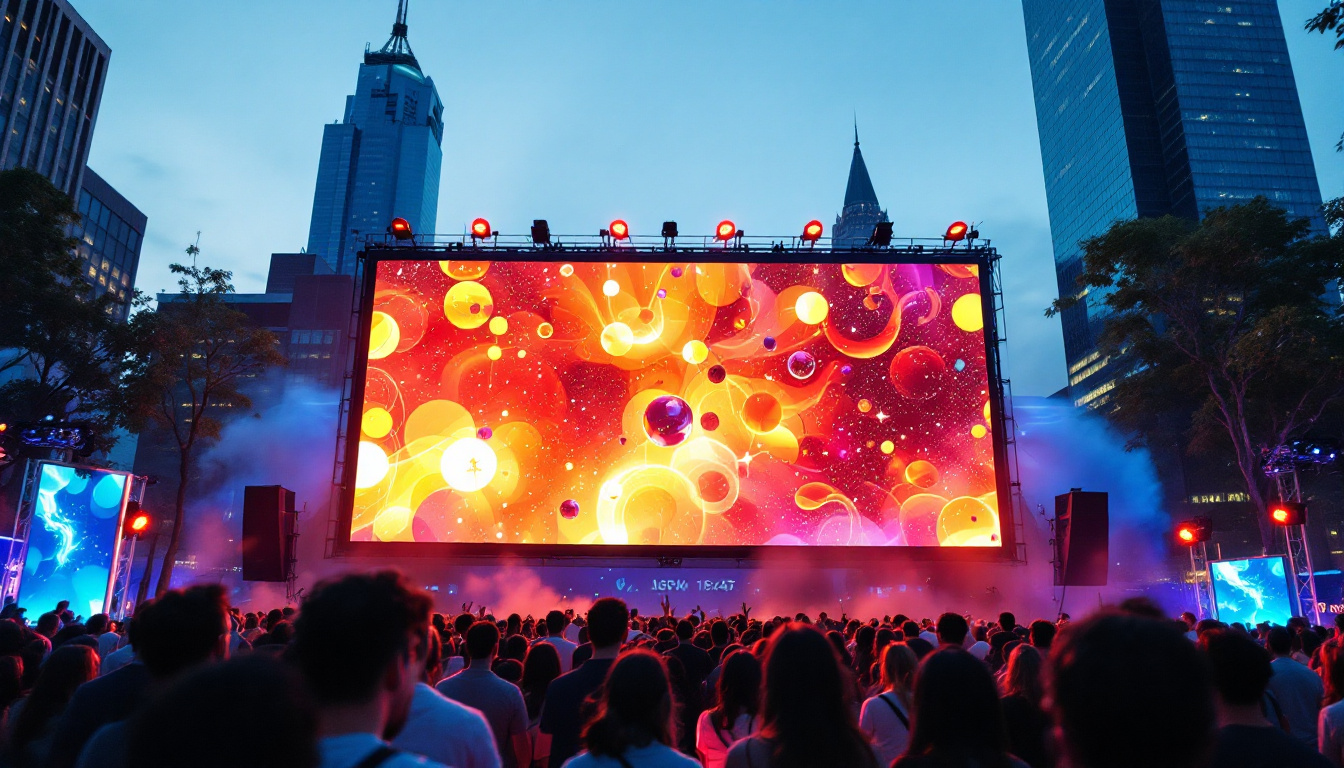
Stadiums, concert halls, and theaters use large LED video walls to enhance the spectator experience. These displays provide live video feeds, replays, scores, and interactive content, making events more engaging and immersive.
Consumer Electronics
From smartphones to televisions and computer monitors, LED technology is central to modern consumer devices. The slim profiles, energy efficiency, and superior image quality of LED-backlit LCDs and OLEDs have revolutionized the way people consume media.
Transportation and Public Information
LED displays are widely used in airports, train stations, and bus terminals to provide real-time information such as schedules, alerts, and directions. Their clarity and reliability are crucial for ensuring smooth transit operations and passenger convenience.
Healthcare and Industrial Applications
In medical imaging, LED displays offer high resolution and color fidelity, aiding in accurate diagnosis. Industrial environments use LED screens for monitoring systems, control panels, and safety alerts, benefiting from their robustness and visibility.
Future Trends in LED Display Technology
As LED technology continues to evolve, several trends are shaping the future of displays, promising enhanced performance and new possibilities.
Higher Resolution and Smaller Pixel Pitch
Continued advancements in manufacturing are enabling LED displays with ultra-fine pixel pitches, suitable for close-up viewing without visible pixelation. This opens up new applications in retail, museums, and corporate environments where image clarity is paramount.
Flexible and Transparent Displays
Research into flexible substrates and transparent LED panels is paving the way for innovative display forms. Flexible LED displays can be curved or bent, allowing integration into unconventional surfaces such as clothing, vehicles, or architectural elements. Transparent LED displays enable digital content to be overlaid on glass surfaces without obstructing the view.
Integration with AI and IoT
Smart LED displays integrated with artificial intelligence and Internet of Things (IoT) technologies can adapt content dynamically based on environmental conditions, audience behavior, and real-time data. This interactivity enhances user engagement and operational efficiency.
Sustainability and Eco-Friendly Materials
With growing environmental concerns, manufacturers are focusing on reducing the ecological footprint of LED displays. This includes using recyclable materials, reducing hazardous substances, and improving energy efficiency further to meet stringent global standards.
Conclusion
LED displays have transformed the way visual information is presented and consumed across various industries. Their superior brightness, energy efficiency, durability, and versatility make them indispensable in advertising, entertainment, consumer electronics, and beyond. As technology progresses, LED displays will continue to evolve, offering higher resolutions, innovative form factors, and smarter functionalities that enrich user experiences and expand the boundaries of digital communication.
Understanding the fundamentals and advancements in LED display technology equips businesses, designers, and consumers to make informed decisions and harness the full potential of this dynamic medium.
Discover LumenMatrix LED Display Solutions
Ready to elevate your visual communication with the latest in LED technology? LumenMatrix is at the forefront of innovation, offering a comprehensive range of LED display modules designed to capture attention and create immersive experiences. From vibrant Indoor and Outdoor LED Wall Displays to dynamic Vehicle and Sports LED Displays, our solutions are tailored to meet your unique needs. Explore our LED Poster Displays, interactive Floor LED Displays, and the versatility of Custom and All-in-One LED Display solutions. Experience the future of transparent visuals with our LED Transparent Display. Join the revolution and Check out LumenMatrix LED Display Solutions today to share your message with unparalleled impact and clarity.