In today’s fast-paced world, clear and dynamic communication is crucial for businesses, especially in the retail fuel industry. Gas stations rely heavily on their price signage to attract customers and convey essential information quickly and effectively. The evolution of gas price signs from static boards to vibrant LED displays has transformed how these businesses operate and engage with consumers. This article delves into the technology behind LED gas price signs, their benefits, and why they have become the industry standard.
Understanding LED Technology in Gas Price Signs
Light Emitting Diodes (LEDs) have revolutionized digital displays across various sectors, including gas stations. Unlike traditional incandescent bulbs or neon signs, LEDs offer superior brightness, energy efficiency, and longevity. But what exactly makes LED displays ideal for gas price signs?
What is an LED Display?
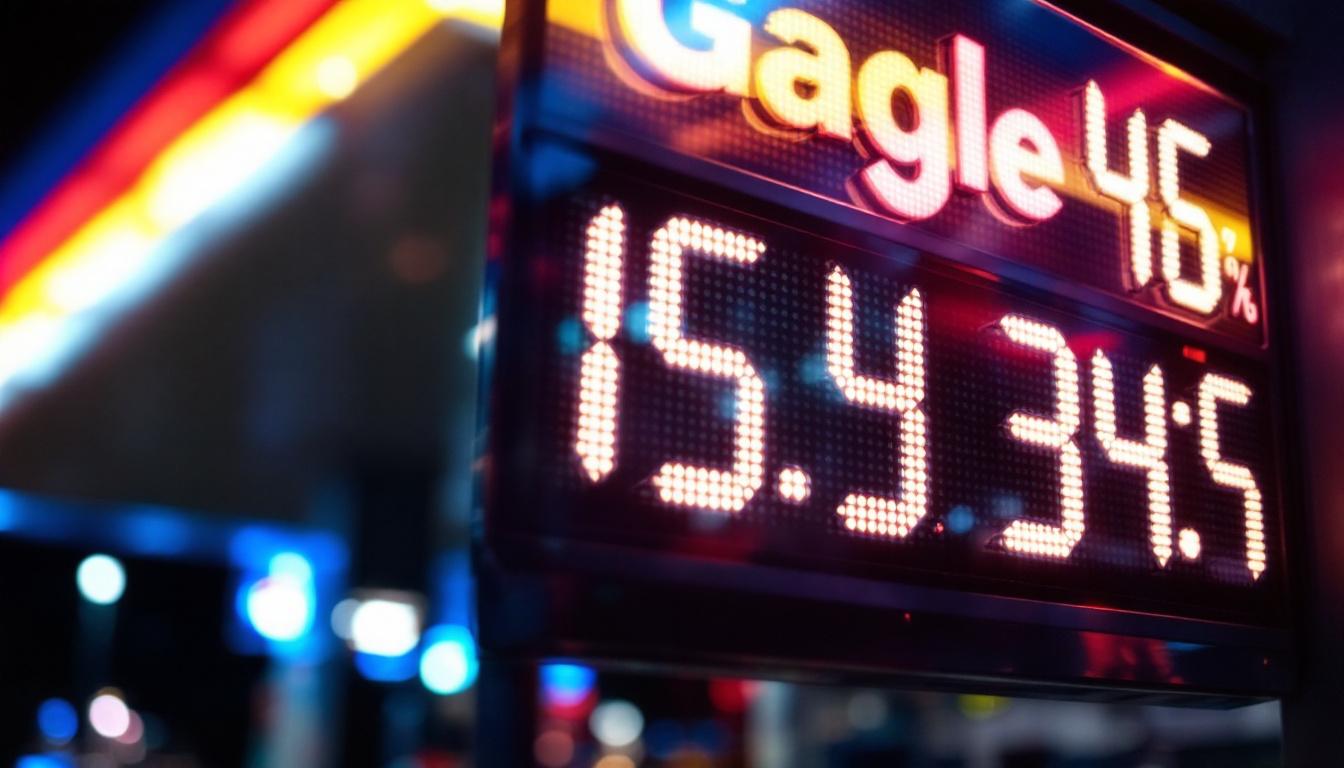
An LED display is a flat panel that uses an array of light-emitting diodes to present images, text, or numbers. Each diode emits light when an electric current passes through it, allowing for high visibility even under direct sunlight. In gas price signs, LEDs are arranged to form digits that display fuel prices clearly and vividly. This clarity is crucial for drivers who are often in a hurry and need to quickly ascertain fuel costs while navigating busy roads.
Moreover, the technology behind LEDs allows for rapid updates, meaning that gas stations can adjust their prices in real-time to reflect market fluctuations. This feature not only enhances customer experience by providing accurate pricing but also helps stations remain competitive in a volatile market. The ability to change prices instantly can be particularly advantageous during peak travel times or when there are sudden changes in fuel supply costs.
Types of LED Displays Used in Gas Price Signs
Gas price signs primarily utilize two types of LED displays: seven-segment and dot matrix.
- Seven-Segment Displays: These are the most common and consist of seven individual LED bars that can be lit in different combinations to form numbers. They are simple, cost-effective, and highly readable from a distance. Their design is optimized for displaying numerical data, making them an ideal choice for straightforward price announcements.
- Dot Matrix Displays: These consist of a grid of LEDs that can be selectively lit to display not only numbers but also letters and symbols. They offer more flexibility for displaying additional information such as promotions or messages. This versatility allows gas stations to communicate special deals, loyalty program information, or even weather updates, making them more than just price indicators.
The choice between these depends on the station’s needs, budget, and desired functionality. Seven-segment displays are often favored for their simplicity and ease of use, while dot matrix displays are increasingly popular for their ability to engage customers with dynamic content. As technology advances, we may see further innovations in LED displays, such as the integration of smart features that allow for remote management and analytics, enhancing operational efficiency and customer interaction.
Advantages of LED Gas Price Signs
Transitioning to LED gas price signs offers numerous benefits that impact both operational efficiency and customer experience.
Enhanced Visibility and Readability
One of the primary reasons for adopting LED technology is the superior visibility it provides. LEDs produce bright, sharp light that remains clear even in adverse weather conditions or direct sunlight. This ensures that customers can easily read prices from a distance, which is critical for attracting drivers on busy roads.
Research shows that well-lit signage can increase customer engagement by up to 30%, making LED displays a valuable investment for gas stations aiming to boost foot traffic. Furthermore, the clarity of LED signs can reduce the likelihood of miscommunication regarding fuel prices, fostering trust and transparency between the gas station and its customers.
Energy Efficiency and Cost Savings
LEDs consume significantly less power compared to traditional lighting methods. For example, an LED gas price sign can use up to 80% less energy than neon or incandescent signs. This reduction in energy consumption translates into lower utility bills and a smaller carbon footprint.
Moreover, LEDs have a longer lifespan, often exceeding 50,000 hours of operation. This durability reduces maintenance costs and the frequency of replacements, offering further financial benefits over time. The energy savings can also be reinvested into other areas of the business, such as improving customer service or enhancing the overall station experience.
Flexibility and Ease of Updating Prices
Gas prices fluctuate frequently due to market conditions, supply issues, and other factors. LED signs allow for quick and remote updates, often through wireless or internet-connected systems. This eliminates the need for manual price changes, which can be time-consuming and prone to errors.
Some advanced LED displays even integrate with point-of-sale systems, enabling automatic price adjustments based on real-time data, enhancing operational efficiency. This capability not only saves time but also ensures that the displayed prices are always accurate, reducing customer frustration and potential loss of sales due to outdated information.
Improved Aesthetics and Branding
Modern LED gas price signs come in various colors and designs, allowing stations to customize their displays to align with branding and marketing strategies. The ability to incorporate animations or flashing effects can also draw more attention to promotions or special offers.
Such dynamic signage contributes to a more professional and attractive storefront, which can positively influence customer perception and loyalty. Additionally, the visual appeal of LED signs can help differentiate a gas station from its competitors, creating a unique identity that resonates with local consumers. This strategic branding approach can lead to increased recognition and preference among drivers looking for fuel options in their area.
Technical Considerations for LED Gas Price Signs
While the advantages of LED displays are clear, several technical factors must be considered to ensure optimal performance and compliance with regulations.
Brightness and Contrast Levels
LED brightness is measured in nits, with gas price signs typically ranging from 5,000 to 10,000 nits to ensure visibility in daylight. However, excessive brightness can cause glare, especially at night, which may distract drivers or violate local ordinances.
Many LED signs include ambient light sensors that automatically adjust brightness based on surrounding light conditions, balancing visibility and safety.
Weather Resistance and Durability
Gas price signs are exposed to harsh outdoor environments, including rain, snow, wind, and UV radiation. High-quality LED displays are designed with weatherproof enclosures and corrosion-resistant materials to withstand these conditions.
Ingress Protection (IP) ratings, such as IP65 or higher, indicate that the sign is dust-tight and protected against water jets, ensuring long-term reliability.
Regulatory Compliance
Many jurisdictions have specific regulations governing the size, brightness, and placement of gas price signs to prevent driver distraction and maintain community aesthetics. Compliance with these rules is essential to avoid fines or forced modifications.
Before installation, gas station operators should consult local zoning laws and obtain necessary permits. Working with experienced LED sign manufacturers can help ensure that the signage meets all legal requirements.
Case Studies: Successful Implementation of LED Gas Price Signs
Examining real-world examples highlights the practical benefits and considerations of LED gas price signs.
Case Study 1: Urban Gas Station Boosts Sales with LED Upgrade
A busy city gas station replaced its outdated neon price signs with high-brightness LED displays. The new signs improved visibility from a distance, especially during peak traffic hours. Within six months, the station reported a 15% increase in fuel sales, attributed largely to enhanced roadside appeal.
Additionally, the station reduced its energy costs by 60%, thanks to the LEDs’ efficiency, and minimized maintenance downtime.
Case Study 2: Rural Station Enhances Customer Communication
A rural gas station installed dot matrix LED signs capable of displaying not only prices but also messages about fuel types, promotions, and safety alerts. This flexibility allowed the station to engage customers more effectively and provide timely information.
The station noted improved customer satisfaction and a stronger community presence, demonstrating how LED technology can support broader business goals beyond pricing.
Future Trends in LED Gas Price Signage
The gas station industry continues to evolve, and LED technology is at the forefront of this transformation.
Integration with Smart Technologies
Emerging smart signage solutions incorporate sensors, cameras, and AI to deliver personalized and context-aware messaging. For example, signs could adjust prices dynamically based on demand patterns or display targeted advertisements to specific demographics.
Such innovations promise to enhance profitability and customer engagement further.
Eco-Friendly and Sustainable Solutions
As environmental concerns grow, LED signs are increasingly paired with solar power systems, reducing reliance on grid electricity. This combination supports sustainability goals and can provide energy independence for remote stations.
Manufacturers are also developing recyclable and low-impact materials for LED sign components, aligning with circular economy principles.
Enhanced Interactivity
Future LED gas price signs may incorporate touch or gesture controls, allowing customers to interact with the display for information on fuel options, loyalty programs, or nearby amenities. This interactivity can create a more engaging and informative experience.
Conclusion
LED gas price signs represent a significant advancement in fuel retail communication. Their superior visibility, energy efficiency, and flexibility make them an indispensable tool for gas stations aiming to attract customers and operate efficiently. By understanding the technology, benefits, and considerations involved, station owners can make informed decisions that enhance their business performance and customer satisfaction.
As LED technology continues to advance, gas price signage will become even more dynamic, interactive, and sustainable, shaping the future of the fuel retail industry.
Discover LumenMatrix’s Advanced LED Solutions
Ready to elevate your gas station’s visibility and customer engagement? Explore LumenMatrix’s innovative LED display solutions tailored for the fuel retail industry. From vibrant outdoor price signs to interactive indoor messaging, our cutting-edge technology is designed to capture attention and streamline operations. Check out LumenMatrix LED Display Solutions today and transform your gas station into a beacon of efficiency and appeal.