When discussing LED displays, one of the most frequently mentioned specifications is the pixel pitch, often measured in millimeters or centimeters. A pixel pitch of 0.7 cm, or 7 millimeters, is a common figure in the world of LED technology, but what does it actually mean in terms of size and visual quality? This article delves into the concept of 0.7 cm pixel pitch, explaining its significance, practical implications, and how it compares to other pixel pitches in LED displays.
Understanding Pixel Pitch: The Basics
Pixel pitch is the distance from the center of one LED cluster (or pixel) to the center of the adjacent pixel on an LED display. It is a critical factor that influences the display’s resolution, clarity, and viewing distance. The smaller the pixel pitch, the closer the LEDs are to each other, resulting in a higher resolution and sharper image quality.
To put it simply, a pixel pitch of 0.7 cm means that the center-to-center distance between two adjacent pixels is 0.7 centimeters, or 7 millimeters. This measurement directly affects how detailed and crisp the displayed image will be, especially when viewed from a close distance. Displays with smaller pixel pitches are often preferred in environments where high-definition visuals are essential, such as museums, art galleries, and high-end retail stores, where every detail counts and can significantly impact the viewer’s experience.
Why Pixel Pitch Matters
Pixel pitch determines the density of pixels per unit area, which in turn impacts the resolution of the display. A smaller pixel pitch allows for more pixels in the same physical space, enabling finer details and smoother images. Conversely, a larger pixel pitch means fewer pixels per area, which can result in a more pixelated or grainy image when viewed up close.
For example, a display with a 0.7 cm pixel pitch will have a higher pixel density than one with a 1.5 cm pixel pitch, making it more suitable for applications where viewers are close to the screen, such as indoor advertising, control rooms, or retail environments. Additionally, the choice of pixel pitch can influence the overall cost of the display; smaller pixel pitches generally come with a higher price tag due to the increased number of LEDs and the complexity of the technology involved. This makes it essential for businesses to carefully consider their specific needs and the typical viewing distance of their audience when selecting an LED display, ensuring that they achieve the right balance between quality and budget.
Visualizing 0.7 cm: How Big Is It Really?
To better understand the size of 0.7 cm, it helps to compare it with everyday objects and measurements. 0.7 cm is roughly equivalent to the width of a standard pencil eraser or the thickness of a typical credit card. It’s a small but significant distance when it comes to LED pixel pitch. This measurement is crucial in various applications, particularly in digital signage and large display systems, where clarity and detail are essential for effective communication.
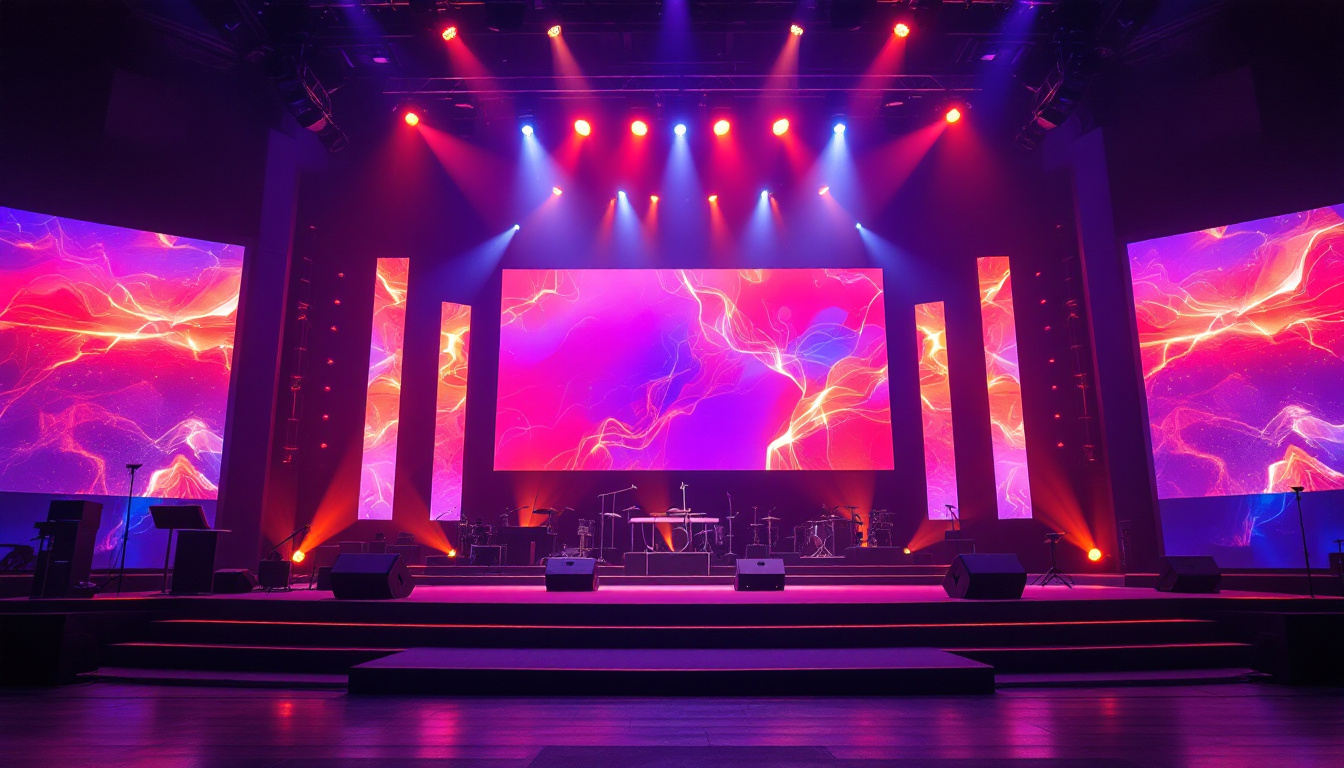
In practical terms, this means that each pixel on an LED display with a 0.7 cm pitch is spaced 7 millimeters apart. This spacing allows for a dense arrangement of LEDs, which contributes to high-definition image quality. The arrangement of these pixels not only affects the visual output but also influences the overall viewing experience, making it easier for audiences to engage with the content being displayed. For instance, in a concert setting, the audience can appreciate the vibrant colors and sharp details of the visuals even from a distance, thanks to the effective pixel pitch.
Pixel Density and Screen Size
Pixel density is often expressed as pixels per inch (PPI), but for LED displays, pixel pitch is the more relevant metric. To calculate the pixel density for a 0.7 cm pitch, consider that 1 inch equals 2.54 cm. Therefore, the number of pixels per inch is approximately:
Pixels per inch (PPI) = 2.54 cm / 0.7 cm ≈ 3.63 pixels per inch
While this might seem low compared to smartphone screens that boast hundreds of PPI, it’s important to remember that LED displays are typically viewed from a distance where such pixel density is sufficient for clear images. For example, in a stadium or a large auditorium, viewers are often seated several meters away from the screen, making the perceived resolution much higher than the raw pixel density might suggest. This distance allows for a more immersive experience, as the individual pixels blend together to form cohesive images that captivate the audience.
Moreover, the choice of a 0.7 cm pixel pitch is often a strategic decision made by designers and engineers, balancing the need for high resolution with cost considerations and the intended viewing environment. In settings where large audiences gather, such as sports events or concerts, the ability to deliver vibrant visuals without breaking the bank is paramount. Thus, understanding pixel pitch not only aids in appreciating the technology behind LED displays but also highlights the intricate relationship between design, functionality, and viewer experience.
Applications of 0.7 cm Pixel Pitch LED Displays
LED displays with a 0.7 cm pixel pitch strike a balance between high resolution and cost-effectiveness, making them ideal for several indoor and semi-indoor applications.
Indoor Advertising and Retail Displays
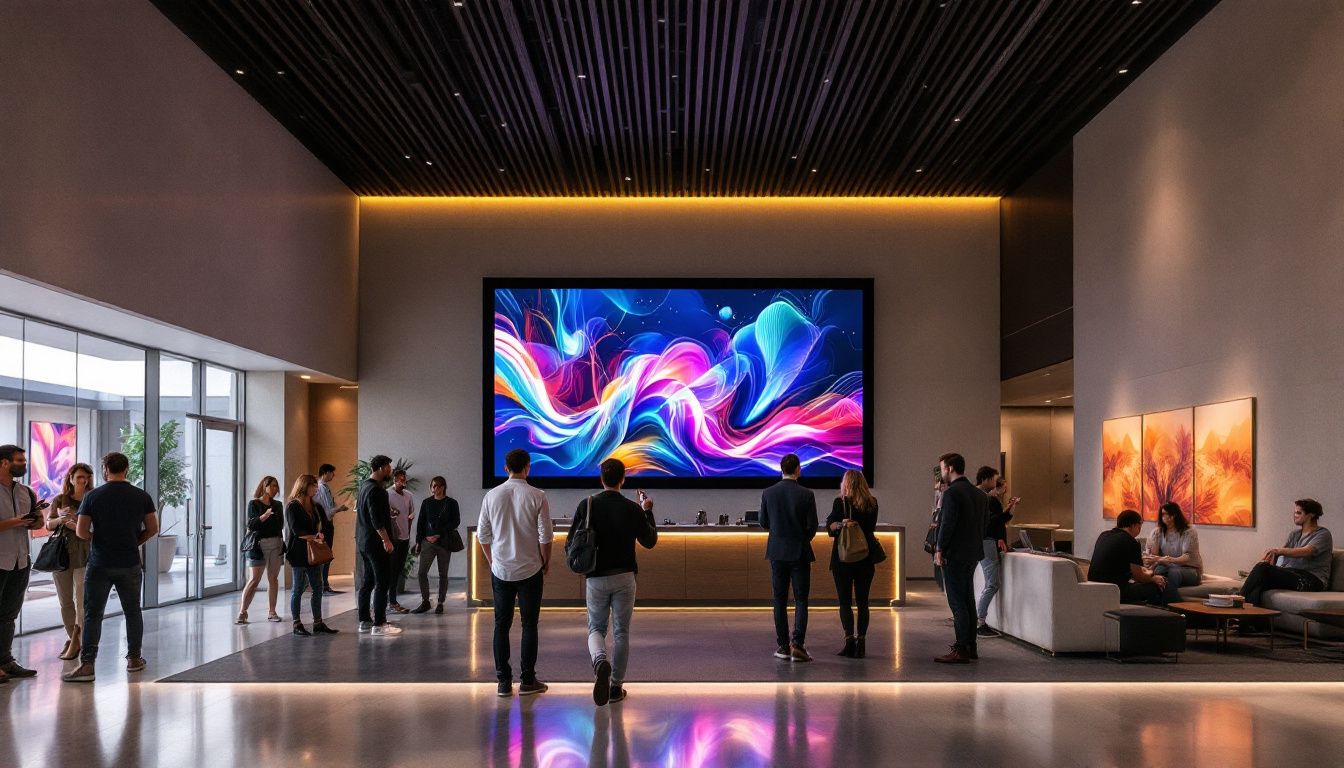
In retail environments, LED displays with a 0.7 cm pitch provide vibrant, eye-catching visuals that attract customers. Their high resolution ensures that promotional content, product images, and videos appear sharp and engaging, even when viewed from a few meters away.
For example, a digital signage display in a shopping mall or a storefront window often employs pixel pitches ranging from 0.5 cm to 1.0 cm. The 0.7 cm pitch fits perfectly within this range, offering a good balance between image quality and cost.
Corporate and Control Room Screens
In control rooms, where operators monitor multiple data streams and video feeds, clarity is paramount. LED displays with a 0.7 cm pitch provide the necessary detail to read text and interpret graphics without straining the eyes. The fine pixel pitch ensures that even small fonts and detailed charts are legible from a typical viewing distance of several meters.
Broadcast and Studio Use
Television studios and broadcast environments often require LED walls with high pixel density to serve as dynamic backdrops. A 0.7 cm pixel pitch display can deliver crisp, vibrant images that look great on camera, enhancing the overall production quality.
Comparing 0.7 cm Pixel Pitch to Other Common Sizes
Understanding how 0.7 cm compares to other pixel pitches can help in selecting the right LED display for a specific use case.
Smaller Pixel Pitches: 0.5 cm and Below
Displays with pixel pitches smaller than 0.7 cm, such as 0.5 cm or even 0.3 cm, offer even higher resolution and finer detail. These are typically used in environments where viewers are very close to the screen, such as in museums, high-end retail, or indoor arenas.
However, smaller pixel pitches come with increased manufacturing complexity and cost. The higher density of LEDs requires more sophisticated electronics and power management, which can significantly raise the price of the display.
Larger Pixel Pitches: 1.0 cm and Above
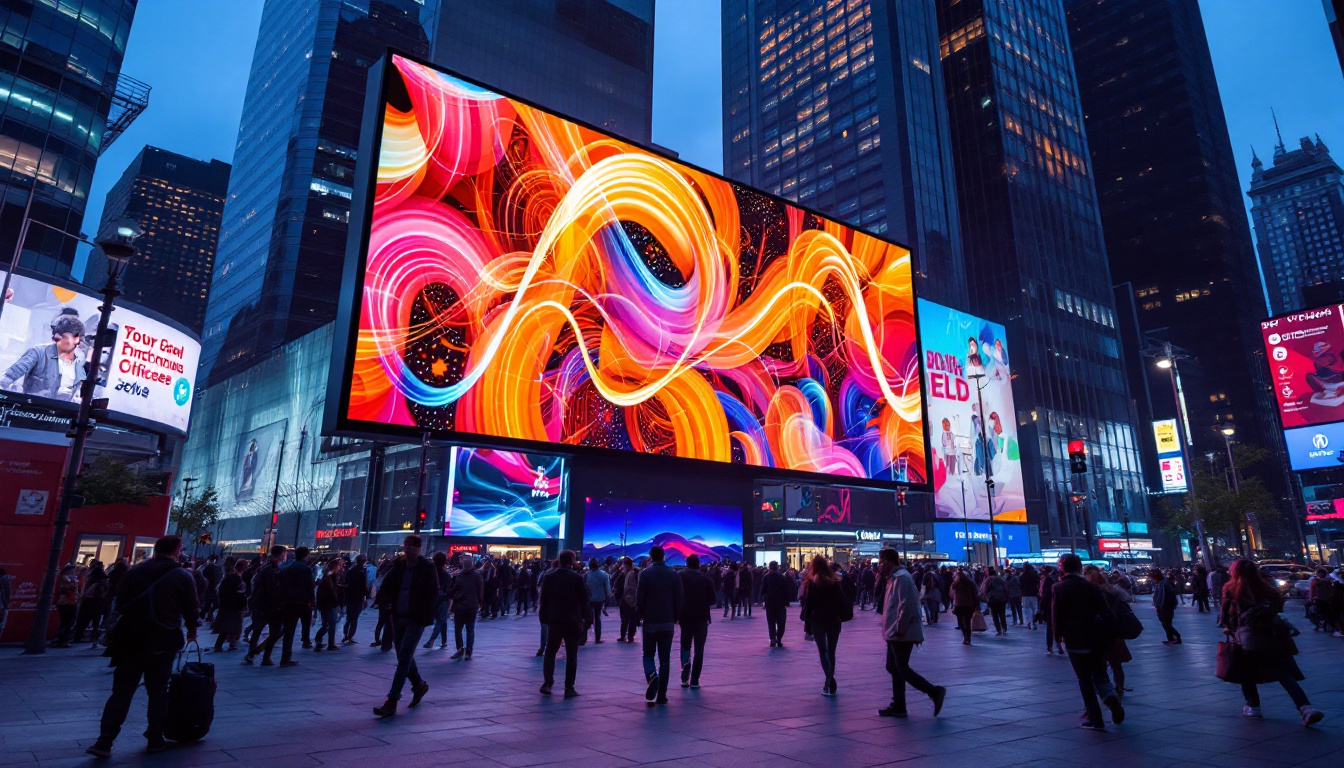
On the other end, pixel pitches of 1.0 cm or more are common in outdoor LED displays and large-format signage viewed from a distance. The larger spacing between pixels reduces the overall resolution but allows for bigger, brighter LEDs that can be seen clearly in daylight and from hundreds of meters away.
For instance, billboards and stadium screens often use pixel pitches ranging from 1.5 cm to 10 cm, depending on the viewing distance and budget constraints.
Factors Influencing the Choice of Pixel Pitch
Selecting the appropriate pixel pitch for an LED display involves considering multiple factors beyond just size and resolution.
Viewing Distance
The optimal pixel pitch depends heavily on the typical viewing distance. As a general rule, the minimum viewing distance (in meters) is approximately equal to the pixel pitch (in millimeters) multiplied by 1.5 to 2. For a 0.7 cm (7 mm) pixel pitch, this means viewers should ideally be at least 10 to 14 meters away to perceive a seamless image without noticing individual pixels.
Indoor environments with closer viewing distances benefit from smaller pixel pitches, while outdoor displays with longer viewing distances can use larger pixel pitches without sacrificing image quality.
Resolution Requirements
The intended content also influences pixel pitch choice. Displays showing detailed graphics, fine text, or high-definition video require smaller pixel pitches to maintain clarity. Conversely, displays primarily showing simple text or large images can use larger pixel pitches.
Budget and Maintenance
Smaller pixel pitches generally increase the cost of the display and its maintenance. Higher pixel density means more LEDs, more complex circuitry, and potentially higher power consumption. Organizations must balance the need for image quality with available budget and operational costs.
Technical Considerations for 0.7 cm LED Displays
LED displays with a 0.7 cm pixel pitch incorporate advanced technology to deliver high-quality images.
LED Type and Brightness
These displays typically use SMD (Surface-Mount Device) LEDs, which allow for compact placement and uniform light distribution. Brightness levels for indoor 0.7 cm pitch displays usually range from 800 to 1500 nits, sufficient for well-lit environments without causing glare.
Refresh Rate and Color Accuracy
High refresh rates (above 1920 Hz) are common in 0.7 cm pitch displays, ensuring smooth motion and reducing flicker, which is especially important for video content and camera filming. Color accuracy is enhanced through advanced calibration techniques, delivering vivid and true-to-life images.
Power Consumption and Heat Management
Due to the dense arrangement of LEDs, these displays require efficient power management and heat dissipation systems. Manufacturers often integrate heat sinks and optimized circuitry to maintain performance and prolong the lifespan of the display.
Conclusion: Is a 0.7 cm Pixel Pitch Right for Your LED Display?
A 0.7 cm pixel pitch LED display offers a compelling combination of high resolution and cost efficiency, making it suitable for a wide range of indoor applications. It provides sharp, vibrant images that are ideal for environments where viewers are relatively close to the screen, such as retail spaces, corporate settings, and broadcast studios.
Understanding the size and implications of a 0.7 cm pixel pitch helps businesses and individuals make informed decisions when investing in LED display technology. By considering factors like viewing distance, content type, and budget, it is possible to select a display that delivers the desired visual impact without unnecessary expense.
In summary, 0.7 cm is more than just a measurement—it represents a balance point in LED display technology that caters to modern visual communication needs with clarity and efficiency.
Discover the Perfect LED Display with LumenMatrix
Ready to elevate your visual experience with the ideal balance of high resolution and cost efficiency? LumenMatrix is at the forefront of LED display innovation, offering a diverse range of solutions tailored to your unique needs. From captivating Indoor LED Walls to dynamic Outdoor LED Displays, and from versatile Vehicle LED Displays to sleek LED Poster Displays, our technology is designed to make your brand shine. Embrace the future of visual communication with LumenMatrix and create unforgettable impressions. Check out LumenMatrix LED Display Solutions today and transform your space into a visual masterpiece.