Understanding the relationship between millimeters and pixels is fundamental when discussing LED displays. Whether you’re a professional in digital signage, a designer working with screen resolutions, or simply curious about how LED screens deliver crisp images, knowing how pixel pitch translates to physical dimensions is crucial. This article dives deep into the concept of “how many millimeters in a pixel” in the context of LED displays, explaining key terms, practical implications, and the technology behind it.
What Is Pixel Pitch in LED Displays?
Pixel pitch is the most important metric when converting pixels to millimeters on an LED display. It refers to the distance from the center of one LED pixel to the center of the adjacent pixel, usually measured in millimeters (mm). This measurement directly impacts the resolution, image quality, and viewing distance of the display.
For example, a pixel pitch of 2 mm means each pixel is spaced 2 millimeters apart from the next. The smaller the pixel pitch, the higher the pixel density, resulting in sharper images and better detail, especially noticeable when viewed up close.
Pixel pitch is a physical measurement, not a digital one. Unlike screen resolution, which counts pixels per inch or per screen area, pixel pitch defines the actual physical spacing of LEDs on the display panel.
Why Pixel Pitch Matters
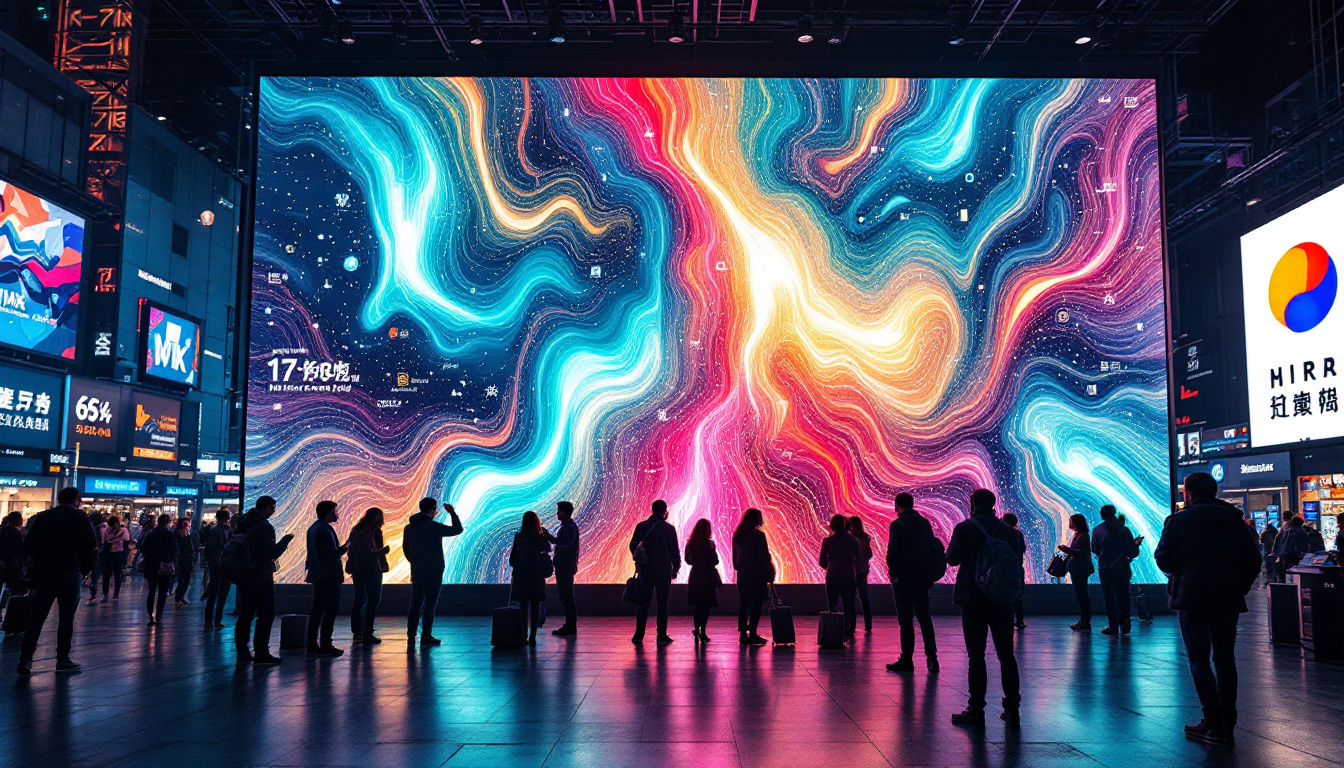
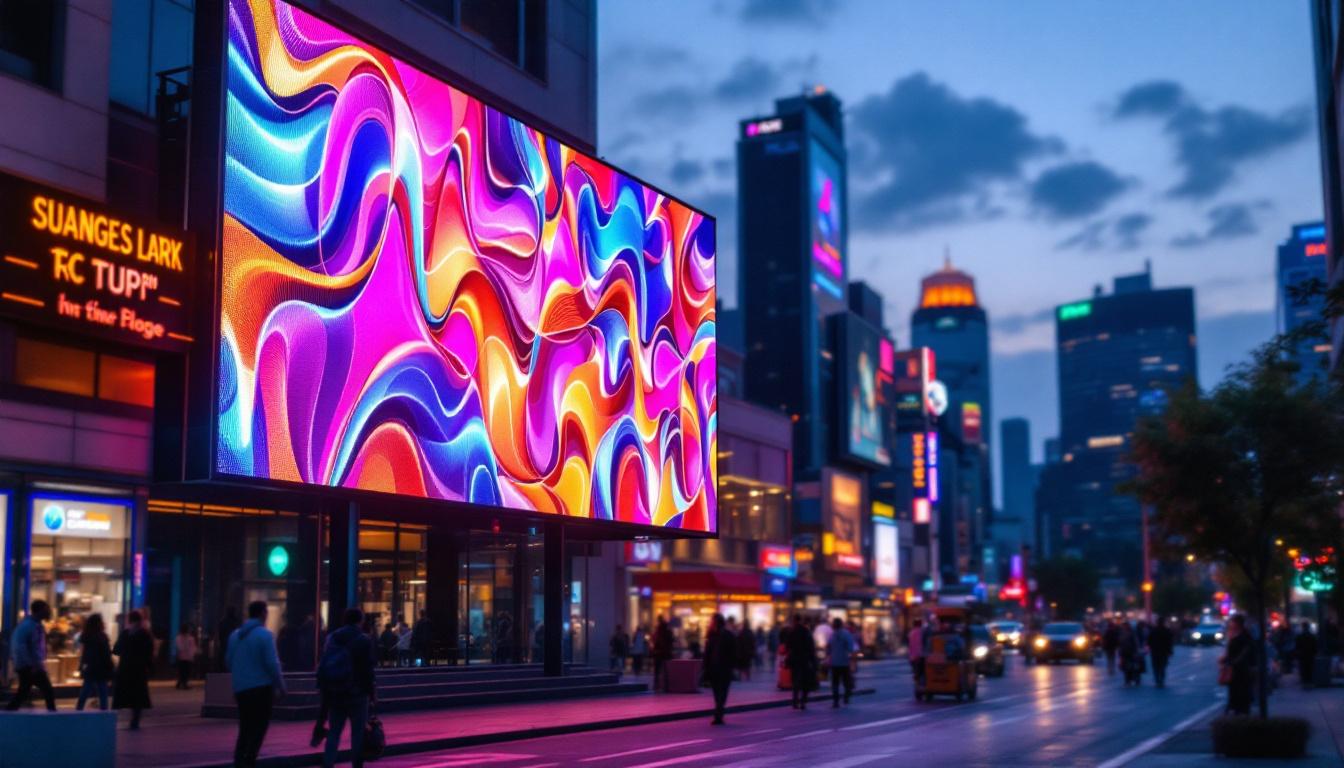
Pixel pitch determines the optimal viewing distance for an LED display. A display with a larger pixel pitch (e.g., 10 mm) is best suited for long-distance viewing, such as billboards or stadium screens, where viewers are far away and individual pixels blend seamlessly. Conversely, smaller pixel pitches (e.g., 1.2 mm) are ideal for indoor use, where viewers stand close to the screen and expect high-definition clarity.
Choosing the right pixel pitch affects not only image quality but also cost. Smaller pixel pitches require more LEDs per square meter, increasing manufacturing complexity and price. Therefore, understanding pixel pitch helps businesses balance quality and budget effectively.
In addition to resolution and cost, pixel pitch also influences the overall design and aesthetic of the display installation. For instance, in environments such as retail spaces or trade shows, where visual impact is crucial, a smaller pixel pitch can create stunning visuals that draw in customers. Furthermore, advancements in technology have led to the development of flexible LED displays with varying pixel pitches, allowing for creative installations that can fit unconventional spaces while maintaining high image quality.
Moreover, pixel pitch can affect the longevity and maintenance of LED displays. Displays with smaller pixel pitches may require more frequent calibration and upkeep due to the higher density of components, while larger pixel pitches might be more forgiving in terms of maintenance. This aspect is particularly important for businesses that rely on their displays for constant operation, as downtime can lead to lost revenue and diminished customer engagement.
How Many Millimeters Are in a Pixel?
When asking “how many millimeters in a pixel,” the answer depends entirely on the pixel pitch of the LED display. Unlike digital screens where pixels are defined by resolution and screen size, LED displays have physical pixels spaced apart by a measurable distance.
For example, if an LED display has a pixel pitch of 5 mm, then each pixel occupies a 5 mm x 5 mm square area. This means one pixel corresponds to 5 millimeters physically on the display surface. In this case, there are 5 millimeters per pixel.
To put it simply:
Millimeters per pixel = Pixel pitch (in mm)
This relationship makes it straightforward to calculate the physical size of a display if you know the pixel count and pixel pitch.
Calculating Display Size from Pixels and Pixel Pitch
Suppose you have an LED display with a resolution of 1920 pixels wide and a pixel pitch of 2.5 mm. To find the physical width of the display in millimeters:
- Width (mm) = Number of pixels × Pixel pitch
- Width = 1920 pixels × 2.5 mm = 4800 mm (or 4.8 meters)
This calculation helps designers and engineers understand the physical dimensions of the display before installation, ensuring the display fits the intended space.
Pixel Pitch Variations and Their Applications
LED displays come in a wide range of pixel pitches, each suited for different environments and use cases. Understanding these variations is essential for selecting the right display technology.
Large Pixel Pitch (10 mm and above)
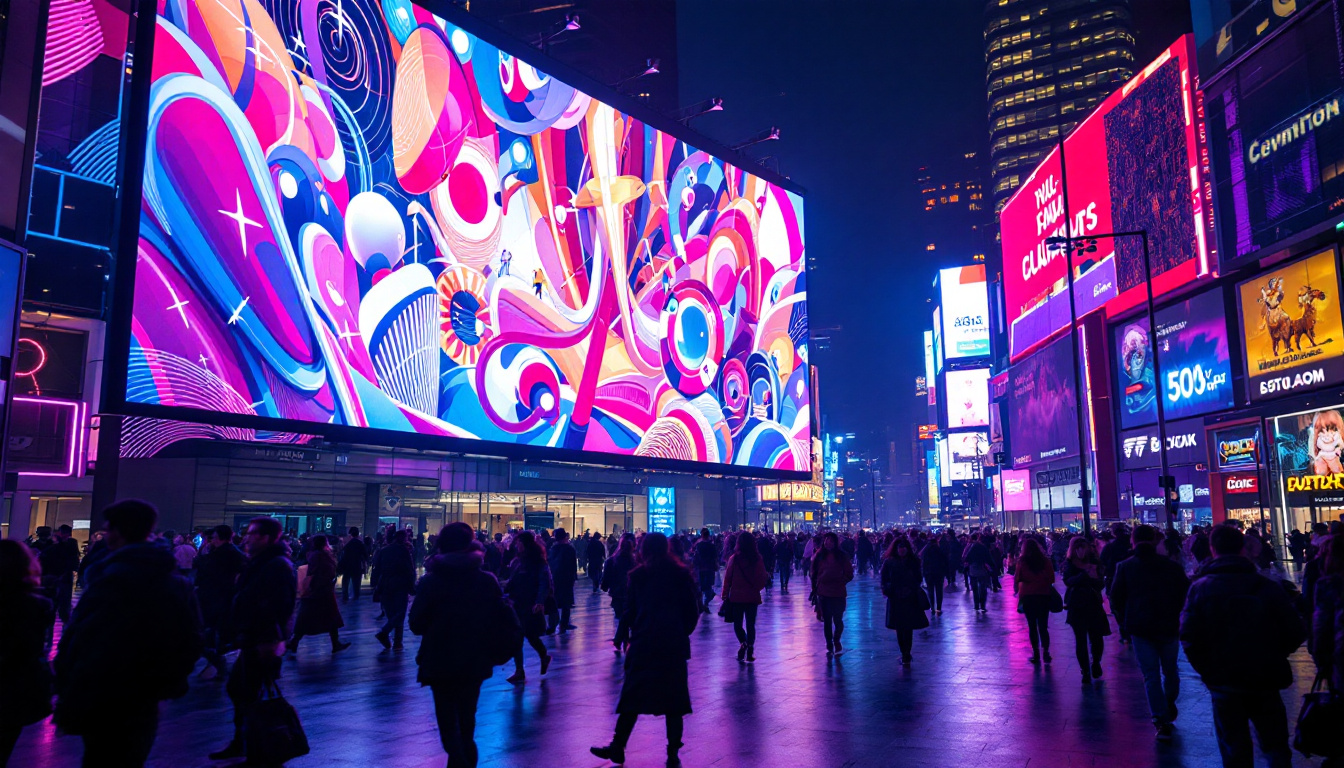
Displays with pixel pitches of 10 mm or more are typically used for outdoor advertising, sports arenas, and large-scale signage. Because the pixels are spaced further apart, these displays are visible from hundreds of meters away but lack fine detail up close.
For example, a 10 mm pixel pitch LED billboard might be 10 meters wide with 1000 pixels horizontally. Its physical size and pixel spacing make it ideal for drivers or stadium spectators who view the screen from a distance.
Medium Pixel Pitch (4 mm to 10 mm)
Medium pixel pitch LED displays are versatile and often used for indoor arenas, shopping malls, and conference rooms. They strike a balance between cost and image clarity, suitable for viewers standing several meters away.
A 6 mm pixel pitch screen, for instance, offers better resolution than a 10 mm pitch but is less expensive than ultra-fine pitch displays. This makes it a popular choice for many commercial applications.
Fine Pixel Pitch (Below 4 mm)
Fine pixel pitch LED displays, ranging from 0.9 mm to 3 mm, deliver high-definition images and video suitable for close-up viewing. These are commonly found in control rooms, broadcast studios, retail environments, and corporate lobbies.
Such displays can rival LCD and OLED screens in clarity but offer the benefits of LED technology, including brightness and scalability. For example, a 1.5 mm pixel pitch display provides crisp visuals even when viewed just a meter away.
How Pixel Pitch Affects Viewing Experience
The pixel pitch directly influences the perceived image quality and the optimal viewing distance. If viewers stand too close to a display with a large pixel pitch, they will notice pixelation, where individual LEDs become visible. Conversely, a display with a very small pixel pitch viewed from too far away may appear unnecessarily detailed, increasing costs without added benefit.
Optimal Viewing Distance Formula
Industry experts often use a simple formula to estimate the minimum recommended viewing distance for LED displays:
Viewing Distance (meters) ≈ Pixel Pitch (mm) × 1.5
This means a 5 mm pixel pitch display is best viewed from about 7.5 meters or more. Standing closer may reveal the grid of LEDs, while standing further away blends the pixels into a smooth image.
Impact on Content Design
Knowing the pixel pitch helps content creators design visuals that look good on the screen. For example, text and graphics should be sized appropriately to avoid blurriness or pixelation. High pixel density displays allow for more detailed content, while larger pixel pitch screens require simpler, bold designs.
LED Technology and Pixel Structure
Each pixel in an LED display comprises multiple tiny LEDs, usually red, green, and blue, which combine to produce a full spectrum of colors. The size and arrangement of these LEDs contribute to the overall pixel pitch.
Types of LED Pixels
There are two main types of LED pixel structures:
- Surface Mount Device (SMD): These use tiny LEDs mounted on the surface of the circuit board. SMD pixels can achieve very fine pixel pitches, making them suitable for indoor, high-resolution displays.
- Through-Hole LEDs: Larger LEDs placed through holes on the board, typically used for outdoor displays with larger pixel pitches. They are more robust but less dense.
Advancements in Pixel Pitch Reduction
Technological progress has enabled manufacturers to produce LED displays with pixel pitches below 1 mm, a feat that was once impossible. These ultra-fine pitch displays offer unprecedented image clarity and are increasingly used in premium applications such as broadcast studios and high-end retail environments.
Practical Examples: Pixel Pitch in Real-World LED Displays
To better understand the concept, consider these practical examples of LED displays with different pixel pitches:
Outdoor Billboard with 16 mm Pixel Pitch
Imagine a large roadside billboard measuring 8 meters wide and 4 meters tall with a 16 mm pixel pitch. The pixel count horizontally would be:
- Width in mm: 8000 mm
- Pixels horizontally = 8000 mm ÷ 16 mm = 500 pixels
This setup is ideal for highway drivers who view the billboard from a distance of 50 meters or more, where the coarse pixel pitch is not noticeable.
Indoor Conference Room Display with 2.5 mm Pixel Pitch
An LED wall in a conference room might be 3 meters wide and 1.7 meters tall with a 2.5 mm pixel pitch. The pixel count horizontally is:
- Width in mm: 3000 mm
- Pixels horizontally = 3000 mm ÷ 2.5 mm = 1200 pixels
This pixel pitch allows for detailed presentations and video playback, suitable for audiences sitting a few meters away.
Retail Store Display with 1.2 mm Pixel Pitch
A high-resolution LED display in a retail store measuring 1.2 meters wide by 0.7 meters tall with 1.2 mm pixel pitch would have:
- Width in mm: 1200 mm
- Pixels horizontally = 1200 mm ÷ 1.2 mm = 1000 pixels
This ultra-fine pitch display delivers crisp images and is perfect for close-up customer interaction.
Conclusion: Understanding Millimeters per Pixel Is Key to LED Display Selection
Determining “how many millimeters in a pixel” is essentially understanding the pixel pitch of an LED display. This measurement is the foundation for calculating physical display size, selecting appropriate viewing distances, and designing content that looks great on screen.
Whether selecting a massive outdoor billboard or a sleek indoor video wall, knowing the pixel pitch helps balance image quality, cost, and application requirements. Advances in LED technology continue to push pixel pitches lower, enabling sharper, more immersive visual experiences.
For anyone involved in digital signage, event production, or display technology, mastering the concept of pixel pitch and its relationship to millimeters per pixel is essential for making informed decisions and achieving optimal results.
Explore Cutting-Edge LED Displays with LumenMatrix
Now that you understand the importance of millimeters per pixel in selecting the perfect LED display, take the next step with LumenMatrix. As a leading innovator in LED display technology, we offer a wide array of solutions tailored to your needs, from Indoor and Outdoor LED Wall Displays to specialized options like Vehicle, Sports, and Floor LED Displays. Our mission is to revolutionize visual communication with displays that not only enhance brand visibility but also create captivating visual experiences. Don’t just share your message—make it resonate with clarity and impact. Check out LumenMatrix LED Display Solutions and see how we can help you transform your space today.