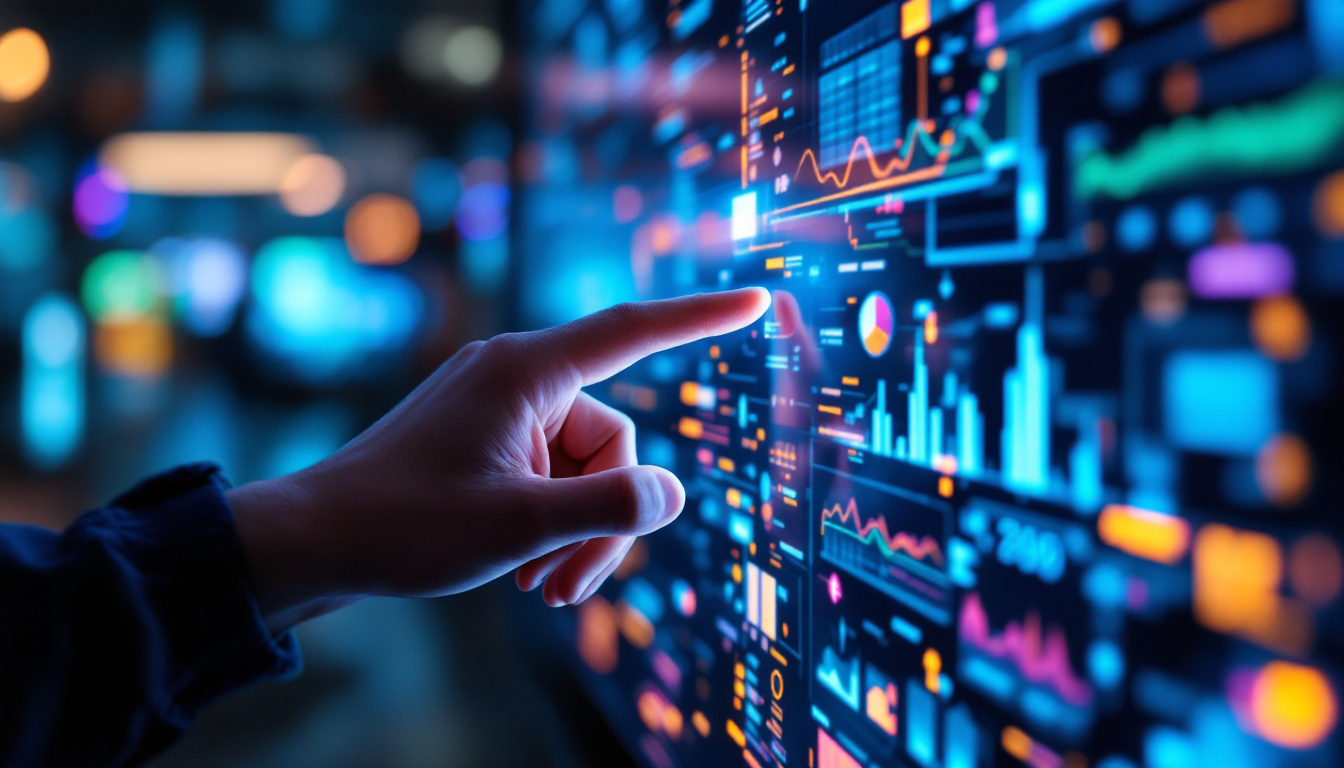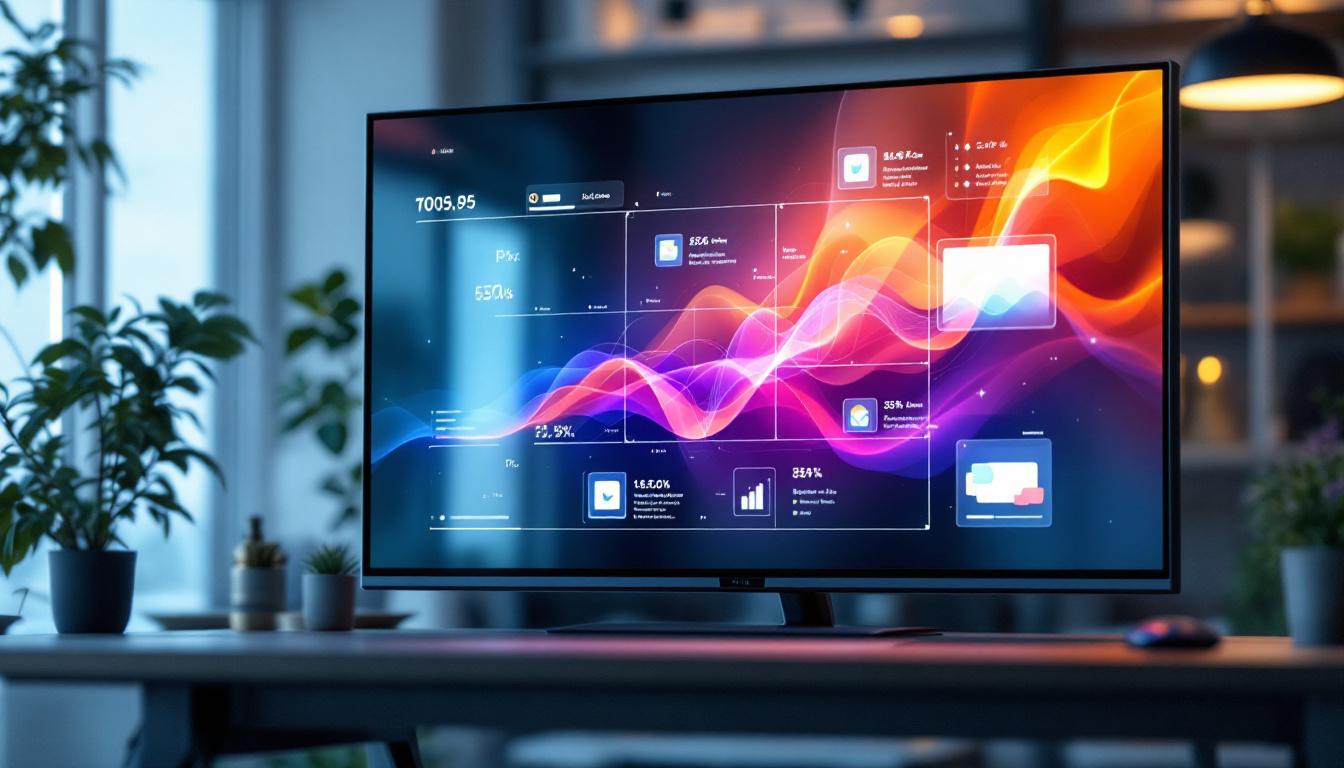
In today’s fast-paced digital world, huge touch screen monitors have become an integral part of various industries, from corporate boardrooms to educational institutions and retail environments. These expansive displays, often utilizing LED technology, offer an interactive and visually stunning experience that traditional monitors simply cannot match. Understanding the technology behind these impressive devices is essential for businesses and consumers alike who want to make informed decisions about their display investments.
What Defines a Huge Touch Screen Monitor?
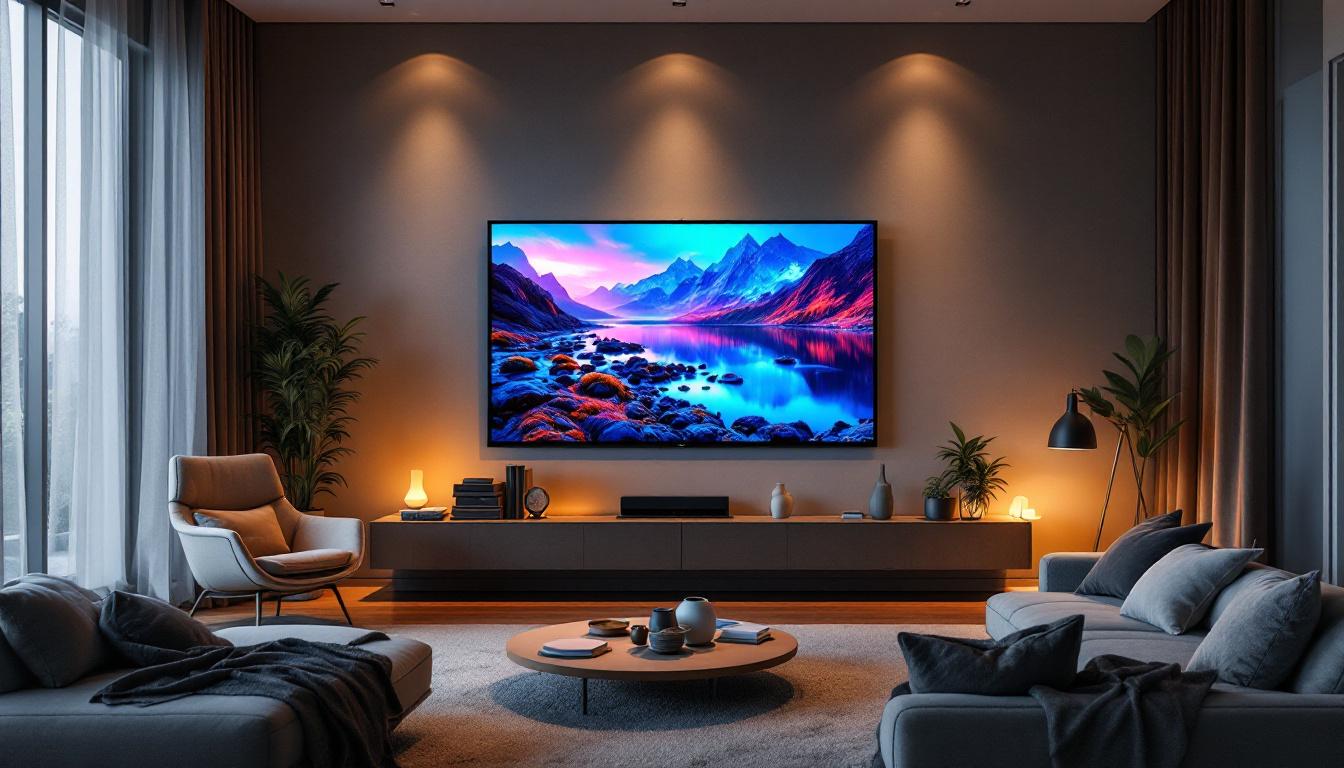
When discussing huge touch screen monitors, size is the most obvious characteristic. Typically, these monitors start at around 55 inches and can extend well beyond 100 inches diagonally. Their large surface area allows multiple users to interact with the screen simultaneously, making them ideal for collaborative environments.
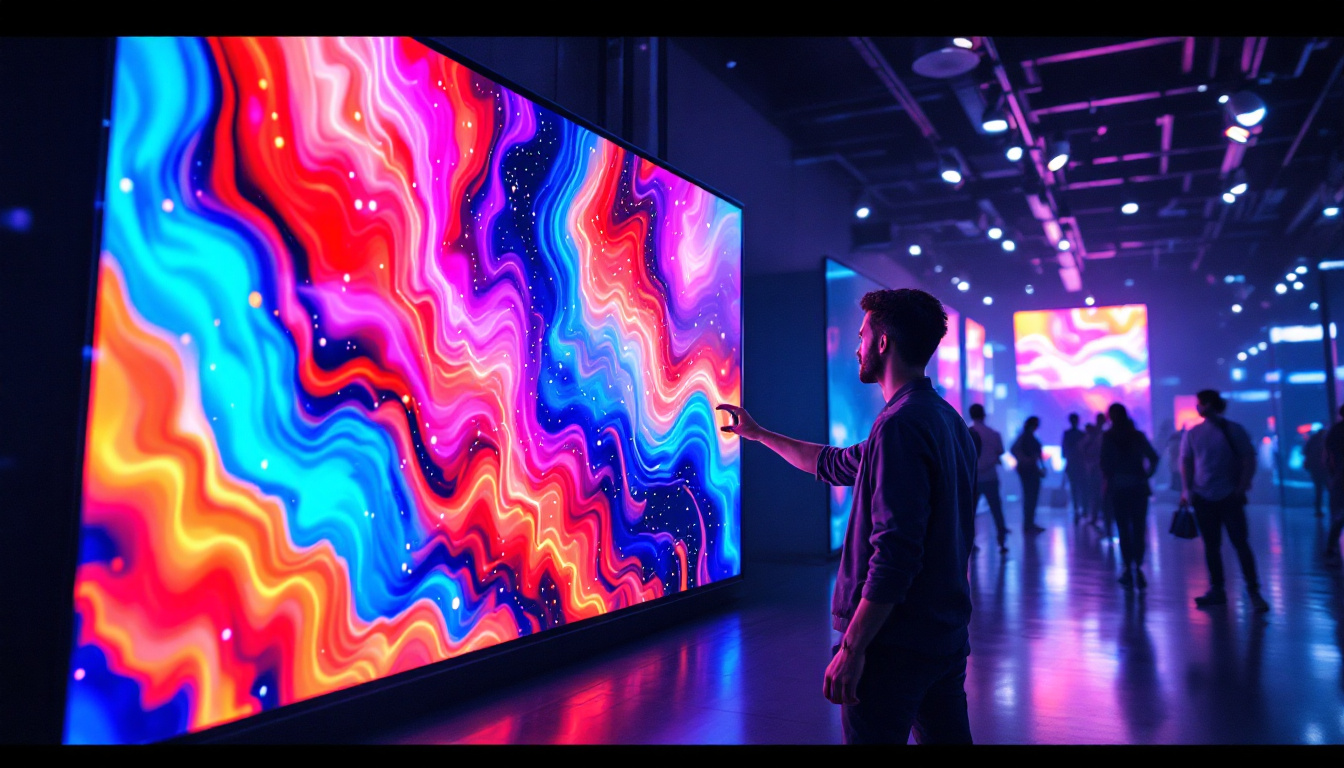
However, size alone does not define these monitors. The integration of touch technology and high-quality LED displays are equally important. Touch functionality enables users to manipulate content directly on the screen, enhancing engagement and productivity. Meanwhile, LED technology provides bright, vivid images with excellent color accuracy and energy efficiency. Furthermore, many of these monitors come equipped with multi-touch capabilities, allowing for gestures such as pinch-to-zoom and swipe, which can significantly enhance user experience and interaction.
Applications Across Industries
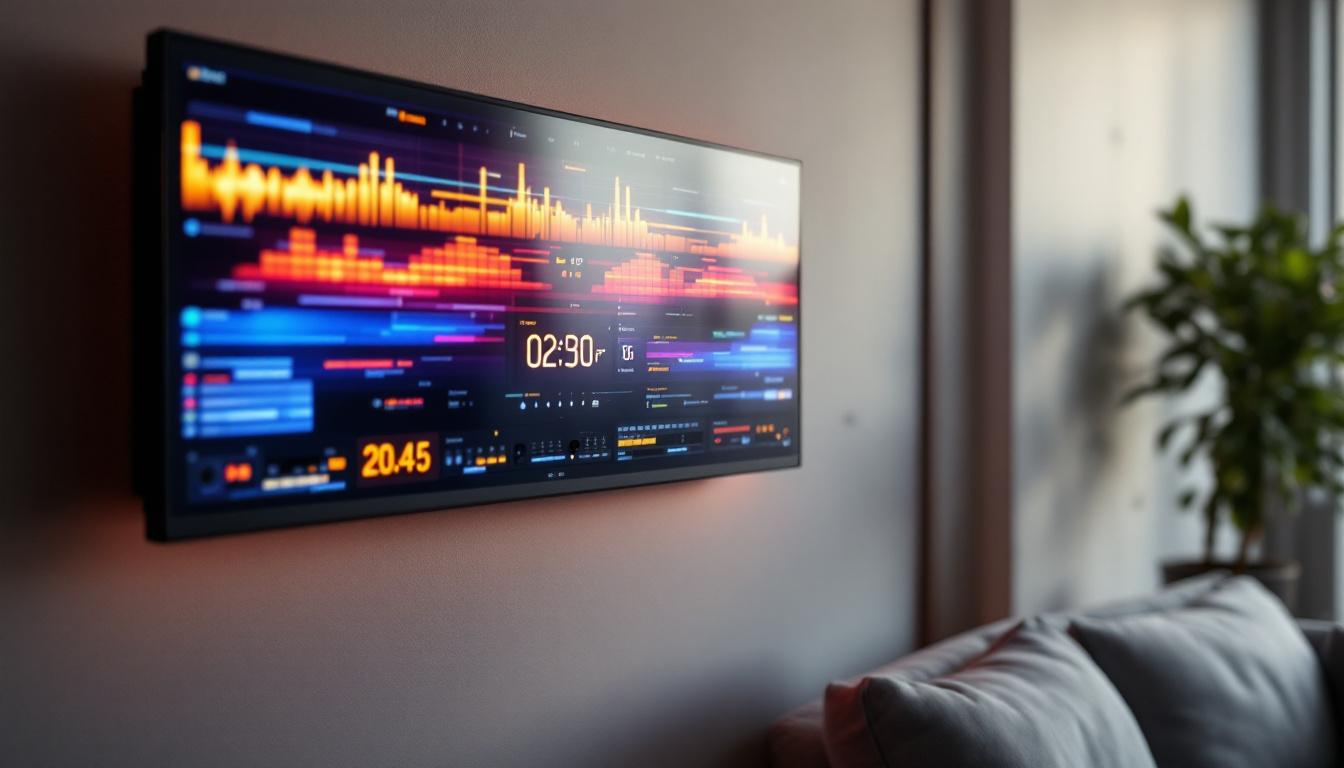
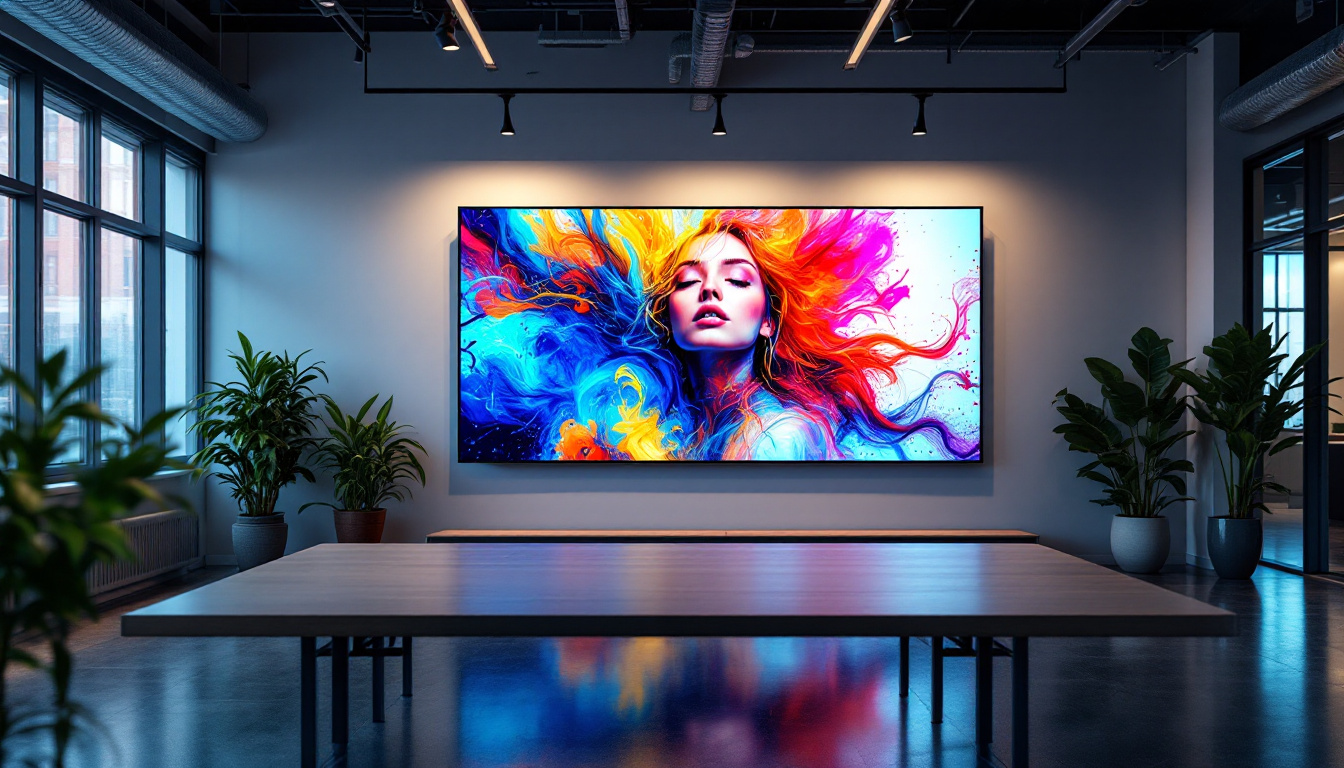
Huge touch screen monitors are widely used in sectors such as education, corporate, healthcare, retail, and entertainment. In classrooms, they replace traditional whiteboards, allowing teachers to present dynamic lessons that students can interact with. In corporate settings, they facilitate brainstorming sessions, video conferencing, and presentations. The ability to annotate directly on the screen during meetings not only keeps participants engaged but also allows for real-time collaboration, making it easier to visualize concepts and strategies.
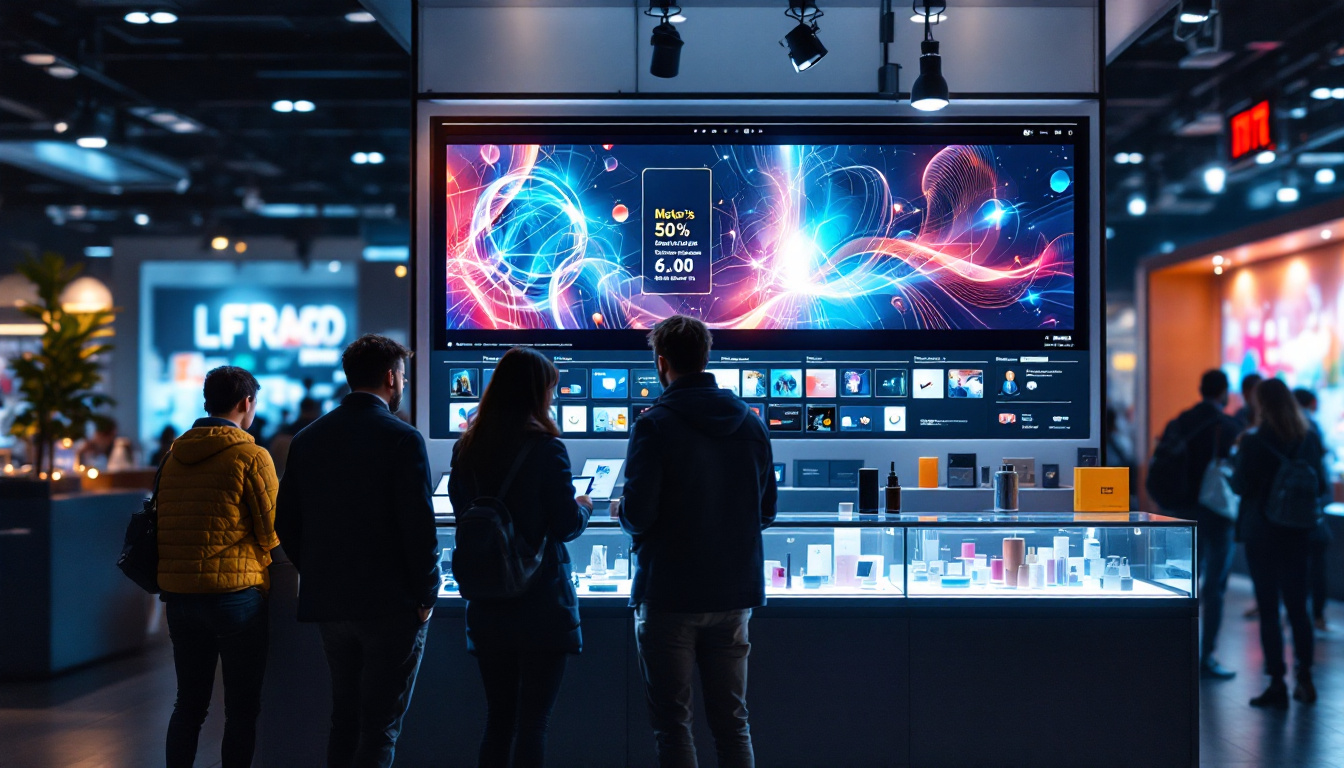
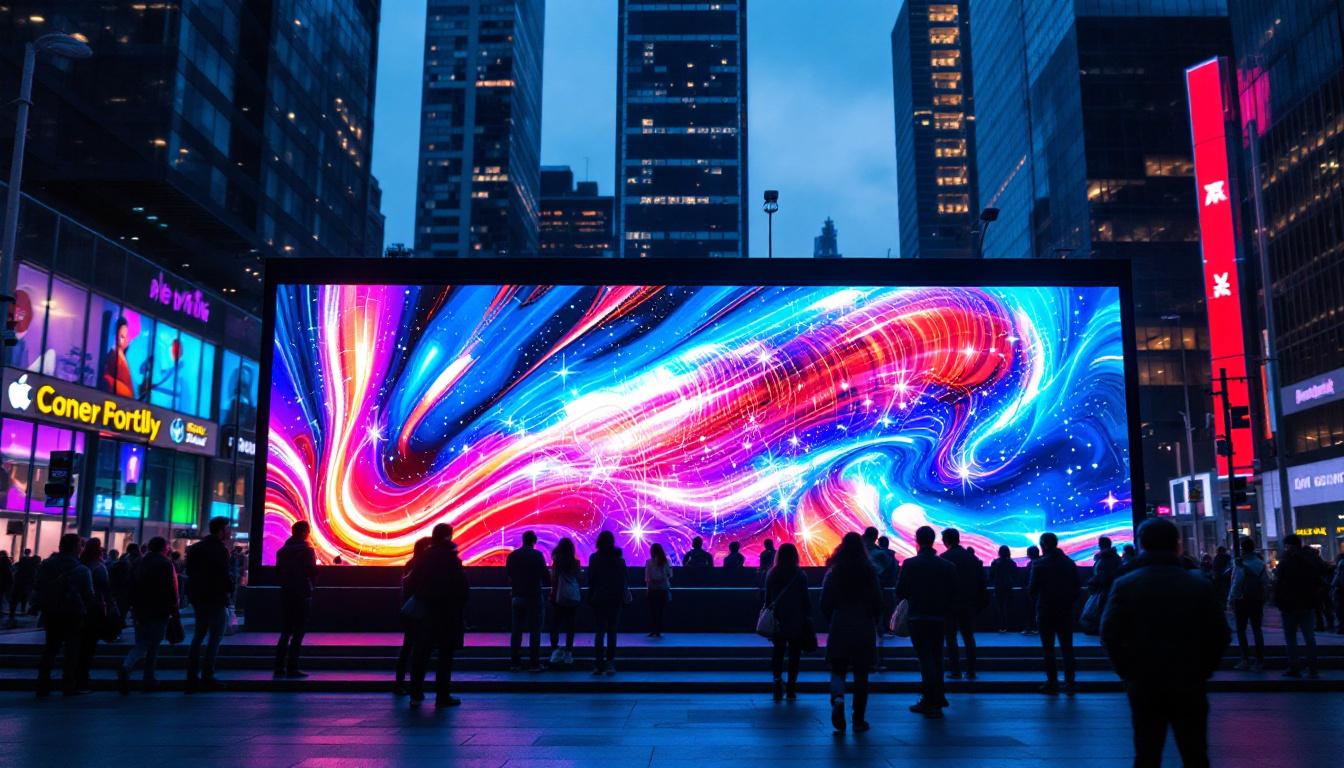
Retail environments leverage these monitors for digital signage and interactive kiosks, improving customer engagement and sales. These displays can showcase promotions, product information, and even virtual try-on experiences, which can significantly enhance the shopping experience. Healthcare professionals use large touch screens for detailed imaging and collaborative diagnostics, allowing for better patient outcomes through shared information and visual aids. Meanwhile, entertainment venues employ them for immersive gaming and digital art displays, creating an interactive atmosphere that captivates audiences and enhances the overall experience. The versatility of these monitors truly makes them a transformative tool across various fields, driving innovation and engagement in ways that traditional displays cannot match.
Understanding LED Display Technology
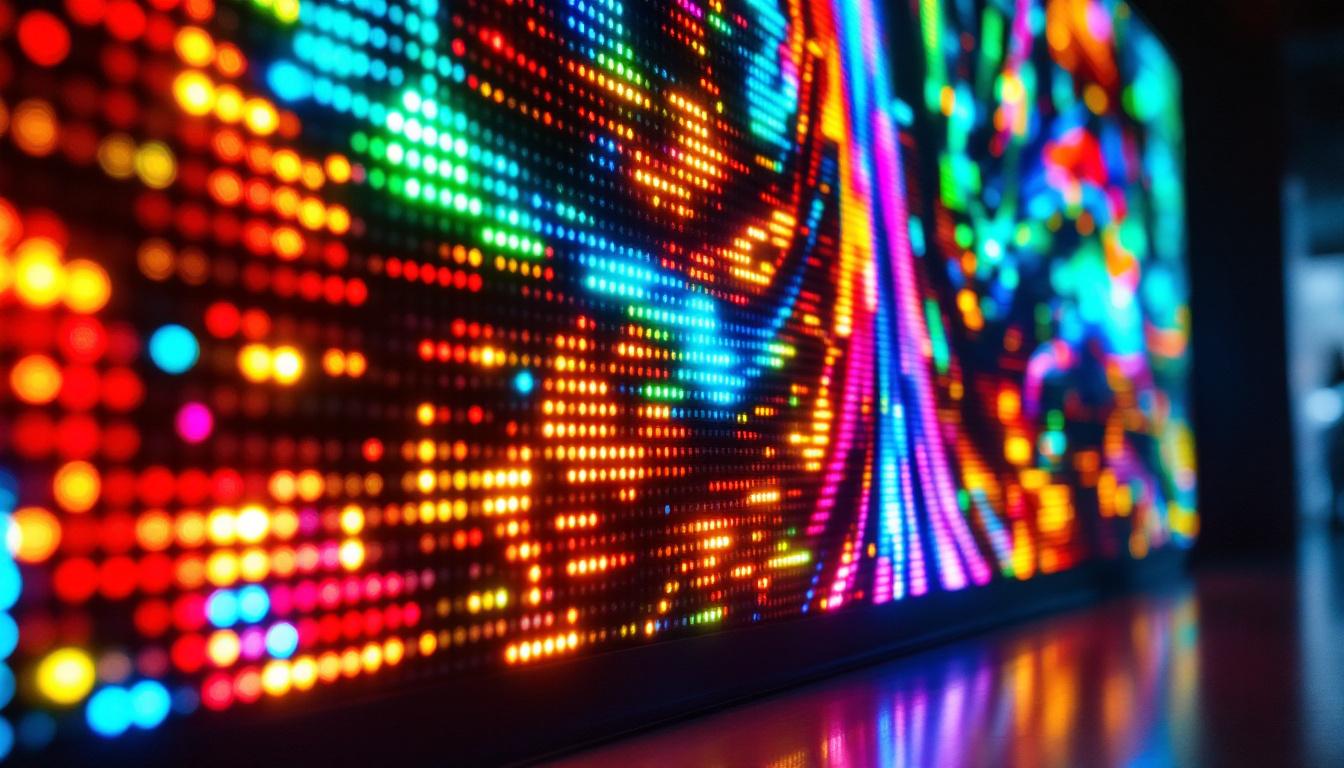
LED, or Light Emitting Diode, technology is the backbone of modern huge touch screen monitors. Unlike older LCD displays that rely on fluorescent backlighting, LED displays use tiny diodes that emit light when an electric current passes through them. This fundamental difference brings numerous advantages, including enhanced energy efficiency and improved visual performance, which are essential in today’s fast-paced digital environments.
Types of LED Displays
There are two primary types of LED displays used in large monitors: edge-lit and direct-lit (or full-array) LED panels. Edge-lit LED displays place LEDs along the edges of the screen, using light guides to distribute illumination evenly. This design allows for thinner panels but may sacrifice some uniformity in brightness, particularly in darker scenes where light bleed can occur. Despite this, edge-lit displays are often favored for their sleek design and lower manufacturing costs, making them a popular choice for consumer electronics.
Direct-lit LED displays position LEDs directly behind the screen, providing more consistent brightness and better contrast ratios. This type is generally preferred for high-end large monitors where image quality is paramount. In addition to their superior performance, direct-lit displays often incorporate local dimming technology, which allows certain areas of the screen to be dimmed or brightened independently, enhancing the overall dynamic range and depth of the image. This capability is particularly beneficial for displaying high-definition content, where detail and clarity are critical.
Advantages of LED Technology
LED displays offer several key benefits over other display technologies. Firstly, they provide superior brightness levels, often reaching 500 to 1,000 nits or more, which ensures clear visibility even in well-lit environments. This is crucial for huge monitors used in conference rooms or public spaces, where ambient light can often hinder visibility. Furthermore, the high brightness levels contribute to a more vibrant viewing experience, making colors pop and details stand out, which is especially advantageous in presentations and advertising displays.
Secondly, LED technology delivers excellent color accuracy and a wide color gamut, supporting standards like DCI-P3 and Adobe RGB. This makes them suitable for professional applications such as graphic design and video editing. Additionally, LEDs consume less power and have longer lifespans compared to traditional backlighting methods, reducing operational costs and environmental impact. The longevity of LED displays also means less frequent replacements, which can be a significant cost-saving factor for businesses. Moreover, advancements in LED technology continue to evolve, with innovations like microLED and miniLED paving the way for even more impressive display capabilities, including higher resolutions and improved energy efficiency, ensuring that LED technology remains at the forefront of visual display solutions for years to come.
Touch Screen Technology: How It Works on Large Displays
Integrating touch functionality into huge monitors is a technical challenge that manufacturers have overcome through various technologies. The most common touch technologies used in large displays include capacitive, infrared, and optical touch systems.
Capacitive Touch Screens
Capacitive touch screens detect touch through the electrical properties of the human body. When a finger touches the screen, it changes the local electrostatic field, which the sensor detects. This technology is highly responsive and supports multi-touch gestures, making it popular in consumer devices like smartphones and tablets.
However, scaling capacitive touch to very large screens can be costly and complex. Additionally, it requires direct skin contact, which may limit usability in some environments where gloves are worn.
Infrared and Optical Touch Systems
Infrared touch screens use an array of IR LEDs and photodetectors around the edges of the screen to create an invisible grid. When an object interrupts the grid, the system calculates the touch location. This technology supports multi-touch and works with any object, including gloved hands or styluses.
Optical touch systems rely on cameras placed around the display to detect touch points by tracking shadows or reflections. These systems are highly scalable and can detect multiple touch points simultaneously, making them ideal for huge monitors used in interactive kiosks and collaborative workspaces.
Key Features to Consider When Choosing a Huge Touch Screen Monitor
Selecting the right huge touch screen monitor involves evaluating several critical features to ensure it meets the specific needs of the intended application.
Resolution and Image Quality
Resolution is a vital factor that affects image clarity and detail. Most large touch screen monitors offer at least Full HD (1920×1080 pixels), but many now support 4K UHD (3840×2160 pixels) or higher. Higher resolution is especially important for applications requiring detailed visuals, such as architectural design or medical imaging.
Touch Responsiveness and Accuracy
The responsiveness of the touch interface directly impacts user experience. Look for monitors with low latency and high touch accuracy to ensure smooth and precise interactions. Multi-touch support is also essential for collaborative environments where several users interact simultaneously.
Connectivity and Compatibility
Modern huge touch screen monitors come equipped with a variety of connectivity options, including HDMI, DisplayPort, USB-C, and wireless capabilities like Bluetooth and Wi-Fi. Compatibility with different operating systems and software platforms ensures seamless integration into existing workflows.
Durability and Maintenance
Given their size and frequent use, these monitors must be robust and easy to maintain. Features such as anti-glare coatings, scratch-resistant glass, and sealed touch surfaces enhance durability. Additionally, consider the ease of cleaning and the availability of technical support and warranty services.
Emerging Trends in Huge Touch Screen Monitors and LED Displays
As technology evolves, huge touch screen monitors continue to advance in functionality and design, driven by innovations in LED and touch technologies.
MicroLED and MiniLED Innovations
MicroLED and MiniLED technologies represent the next generation of LED displays. MicroLEDs are microscopic LEDs that offer superior brightness, contrast, and energy efficiency without the burn-in issues associated with OLED displays. MiniLEDs use thousands of tiny LEDs to create more precise local dimming zones, enhancing contrast and HDR performance.
These technologies are beginning to appear in large-format monitors, promising even better image quality and durability in the near future.
AI-Enhanced Display Features
Artificial intelligence is being integrated into display systems to optimize image quality dynamically based on ambient lighting and content type. AI algorithms can also improve touch responsiveness and gesture recognition, making huge touch screen monitors more intuitive and user-friendly.
Flexible and Transparent Displays
Research into flexible and transparent LED displays is opening new possibilities for huge monitors. Flexible screens can be curved or rolled, allowing for innovative installation options, while transparent displays enable augmented reality applications and futuristic retail experiences.
Conclusion: Choosing the Right Huge Touch Screen Monitor for Your Needs
Huge touch screen monitors featuring LED displays are transforming how people interact with digital content across various sectors. Their combination of size, touch interactivity, and superior image quality makes them invaluable tools for collaboration, education, retail, and beyond.
Understanding the underlying LED and touch technologies helps buyers make informed decisions, ensuring they select monitors that deliver the best performance, durability, and user experience. As LED technology continues to advance and new innovations emerge, the potential applications and capabilities of huge touch screen monitors will only expand, making them an exciting investment for the future.
Discover LumenMatrix’s Innovative LED Display Solutions
Ready to elevate your interactive digital experiences with the latest in LED display technology? Look no further than LumenMatrix, a pioneer in crafting visually stunning and technologically advanced LED displays. Whether you’re seeking to enhance collaboration in corporate settings, engage students in educational environments, or captivate shoppers with dynamic retail displays, LumenMatrix has a solution tailored to your needs. From Indoor and Outdoor LED Walls to Custom and All-in-One LED Displays, our offerings are designed to revolutionize visual communication and bring your content to life. Check out LumenMatrix LED Display Solutions today and see how our commitment to innovation can transform your space.