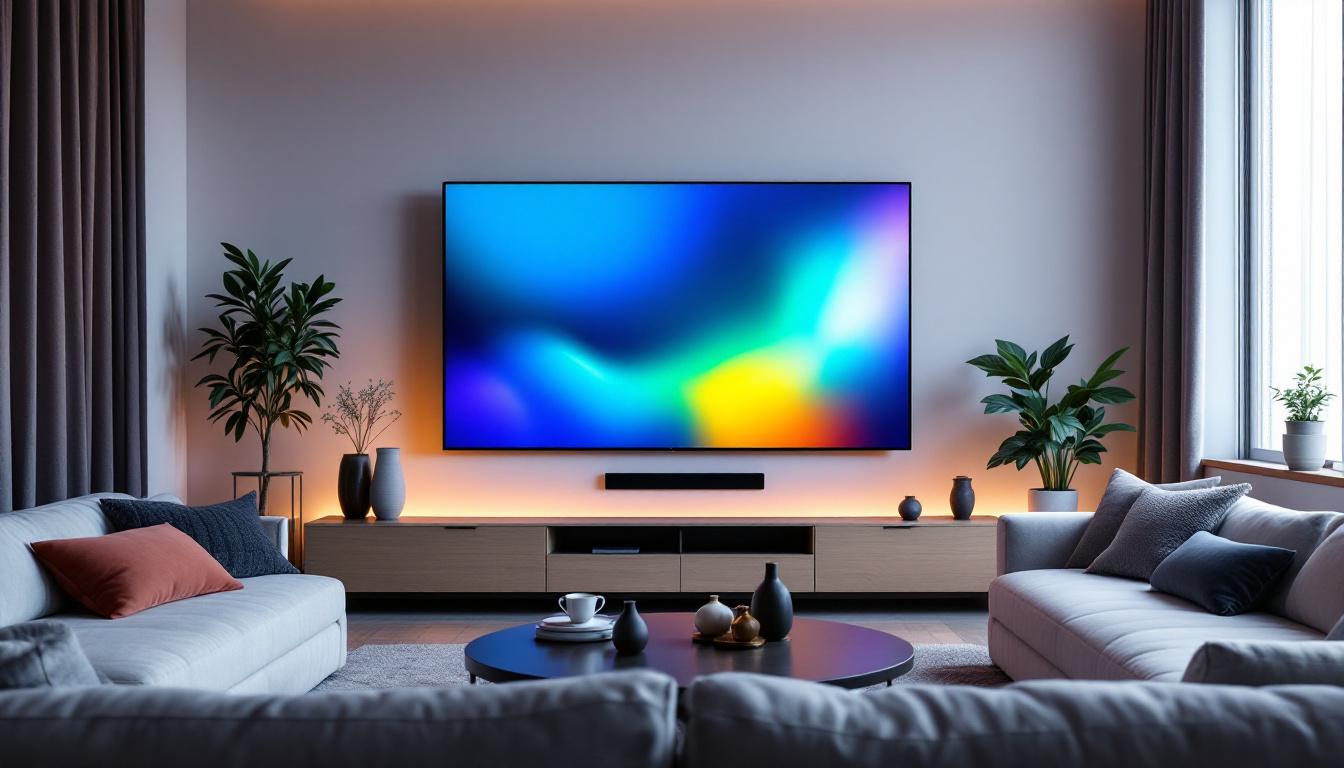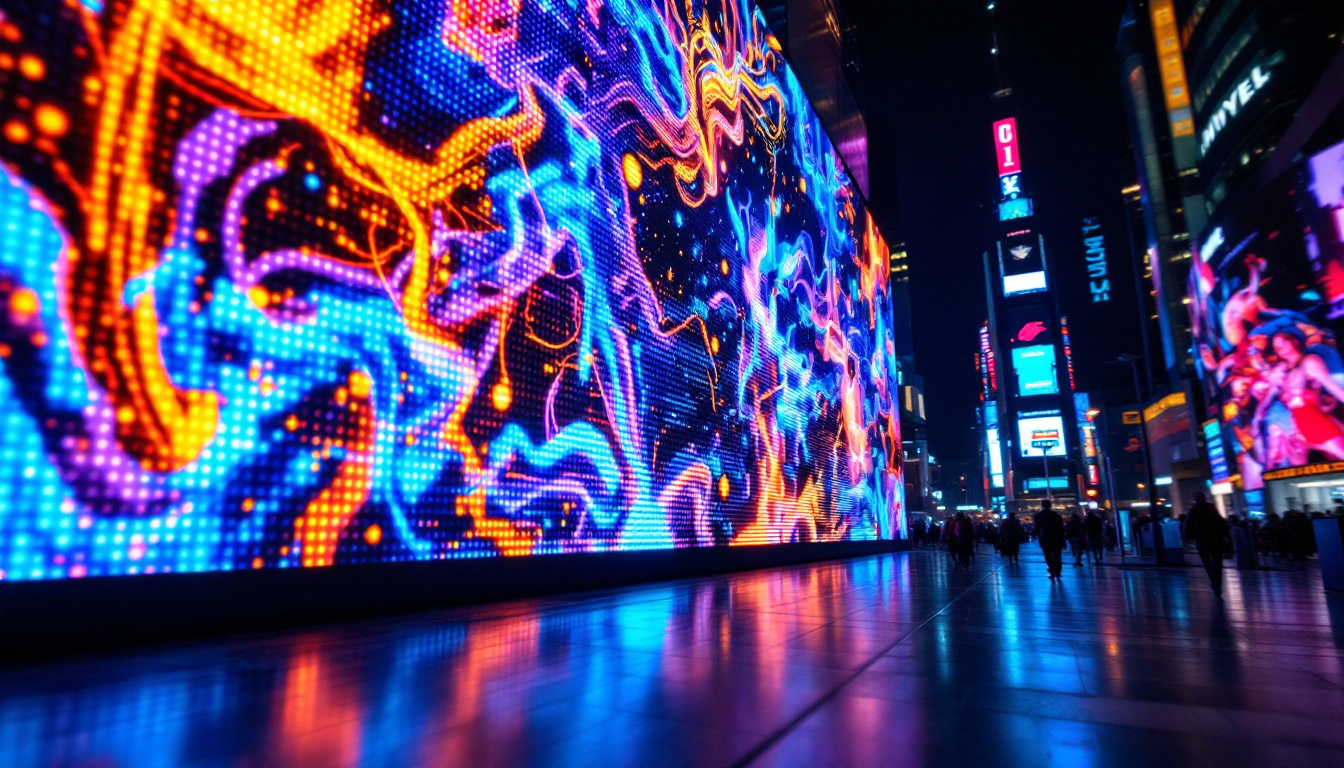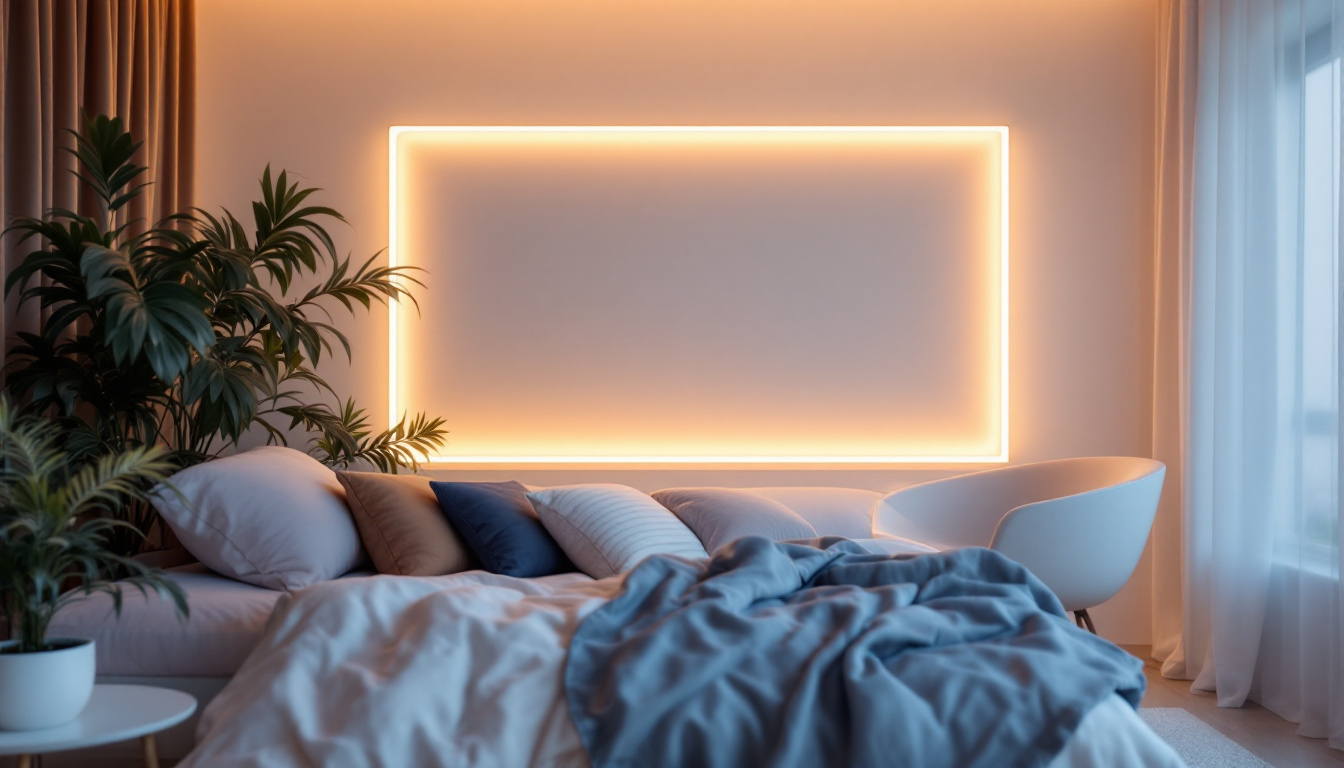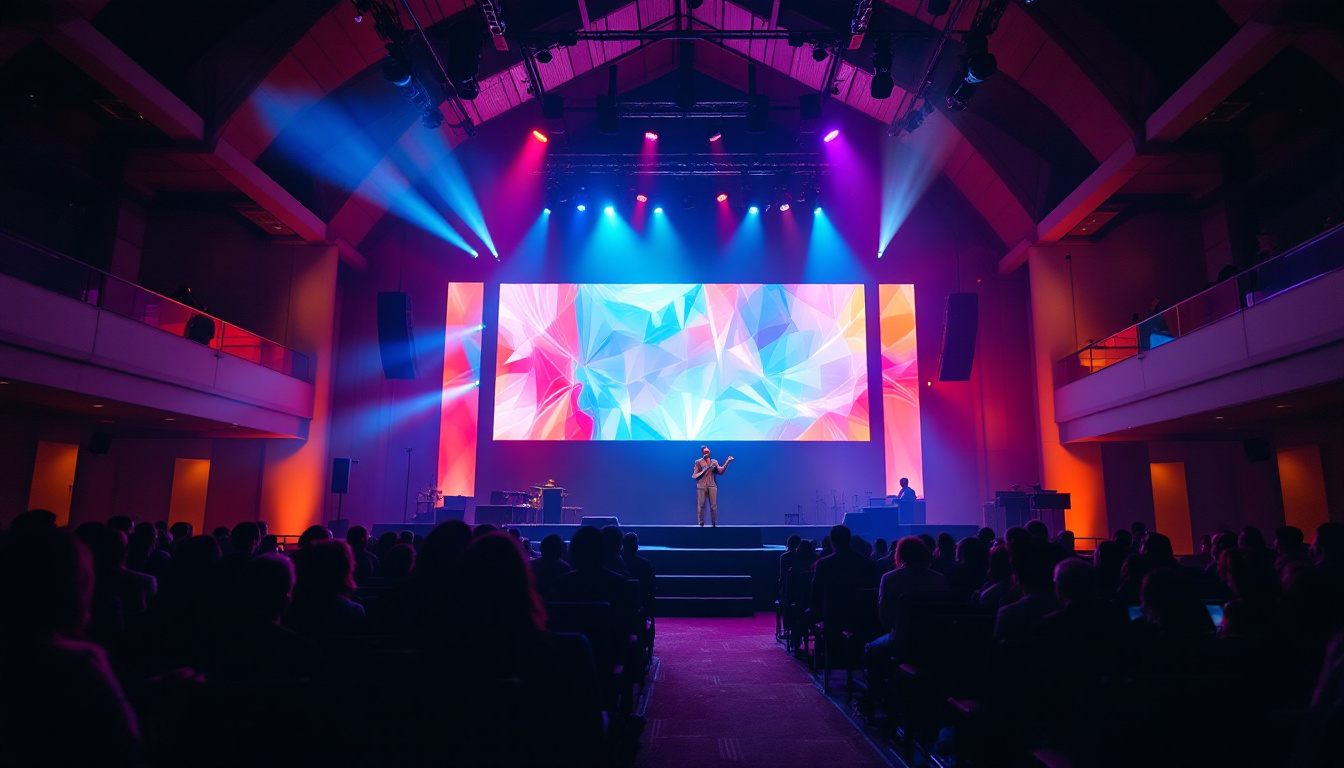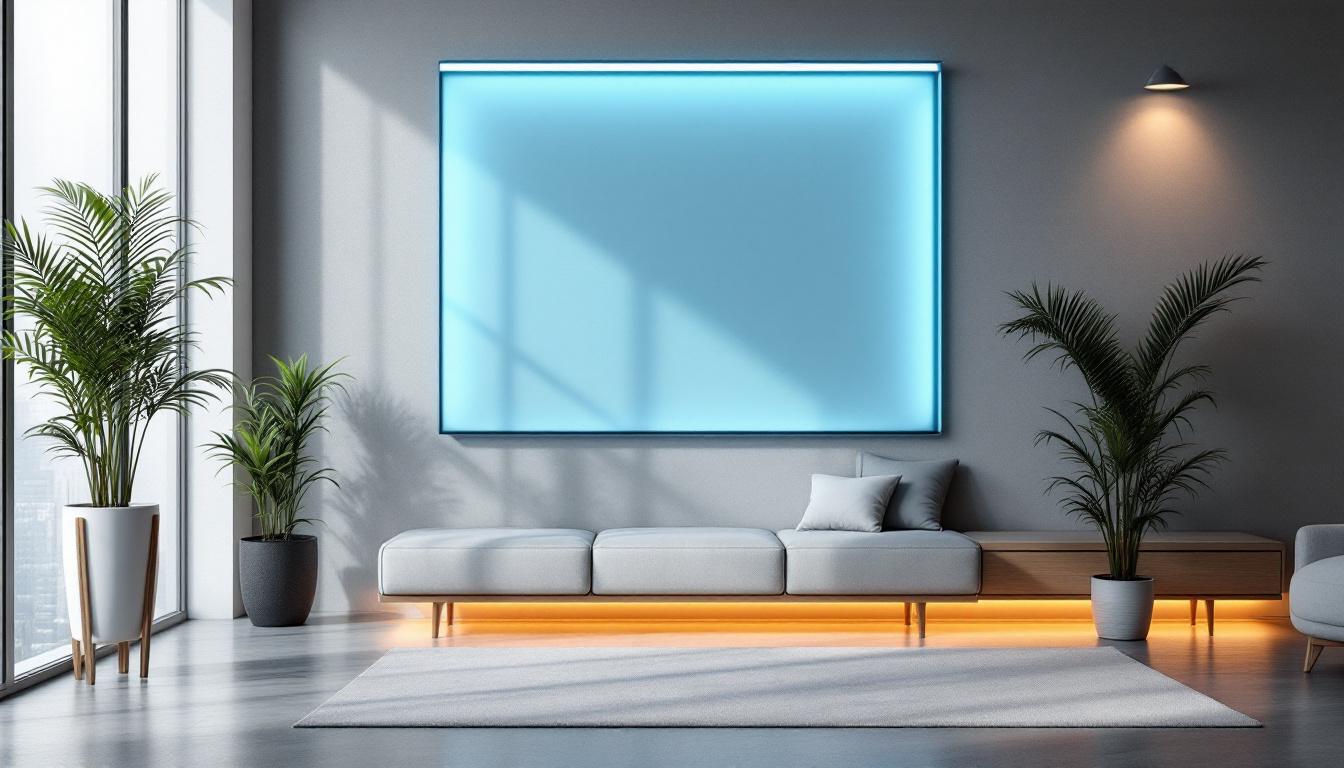
In modern office environments, retail spaces, and even residential interiors, privacy and visual appeal are no longer mutually exclusive. The advent of LED display technology integrated into interior privacy screens has revolutionized how spaces are designed and utilized. These innovative solutions not only offer functional privacy but also provide dynamic visual communication and aesthetic enhancement.
This article explores the concept of interior privacy screens with LED displays, detailing their technology, benefits, applications, and considerations for implementation. Whether you are an interior designer, facility manager, or business owner, understanding these systems can help you make informed decisions about incorporating cutting-edge privacy solutions into your space.
Understanding Interior Privacy Screens with LED Displays
What Are Interior Privacy Screens?
Interior privacy screens are partitions or barriers designed to create separation within a space, offering privacy without the permanence of walls. Traditionally, these screens have been made from materials such as wood, fabric, glass, or metal. Their primary function is to block visual access, reduce distractions, and define distinct zones within open-plan areas.
With the rise of flexible workspaces and multi-purpose environments, the demand for adaptable privacy solutions has increased. Interior privacy screens now often incorporate technology to enhance their functionality beyond simple physical barriers. These screens can be easily reconfigured to suit changing needs, making them ideal for collaborative work settings, conference rooms, or even residential spaces where privacy is occasionally required. The versatility of these screens allows for a seamless transition between open and closed environments, catering to both social interaction and focused work.
Integration of LED Displays
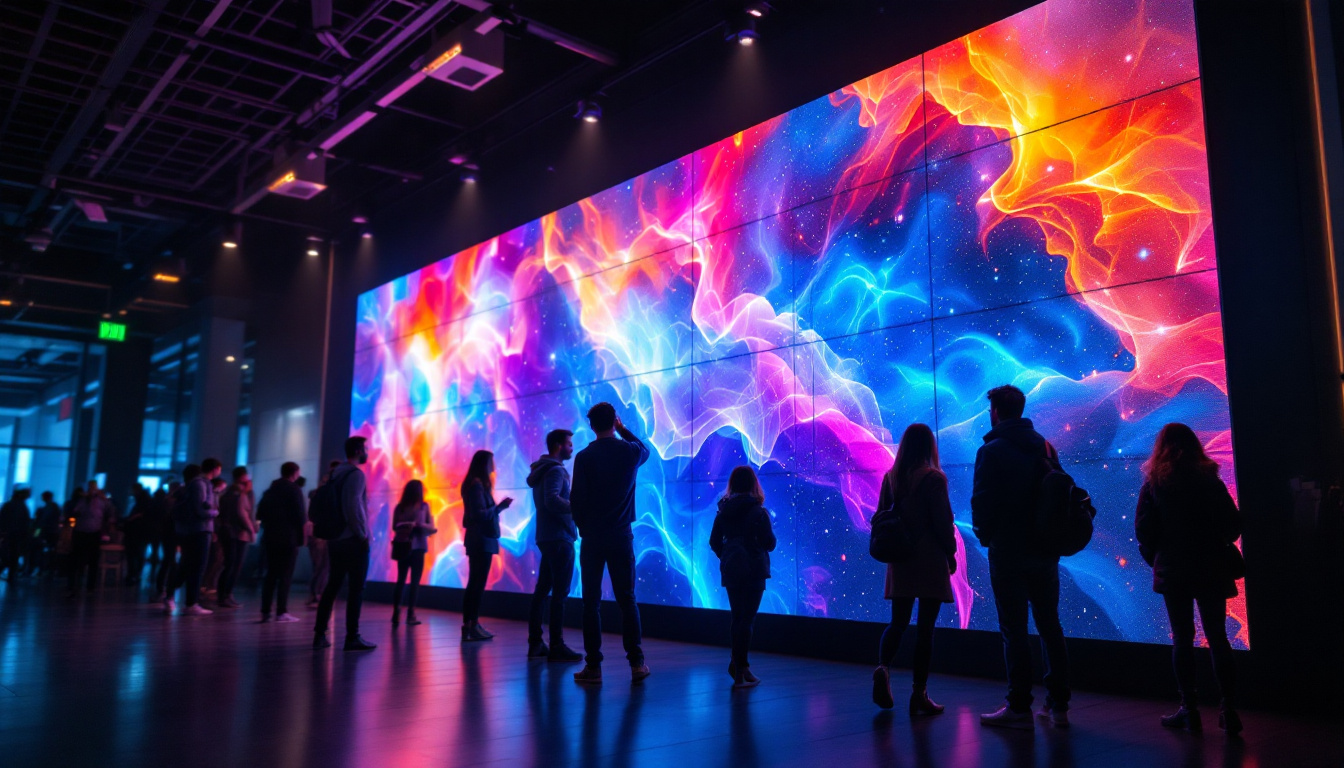
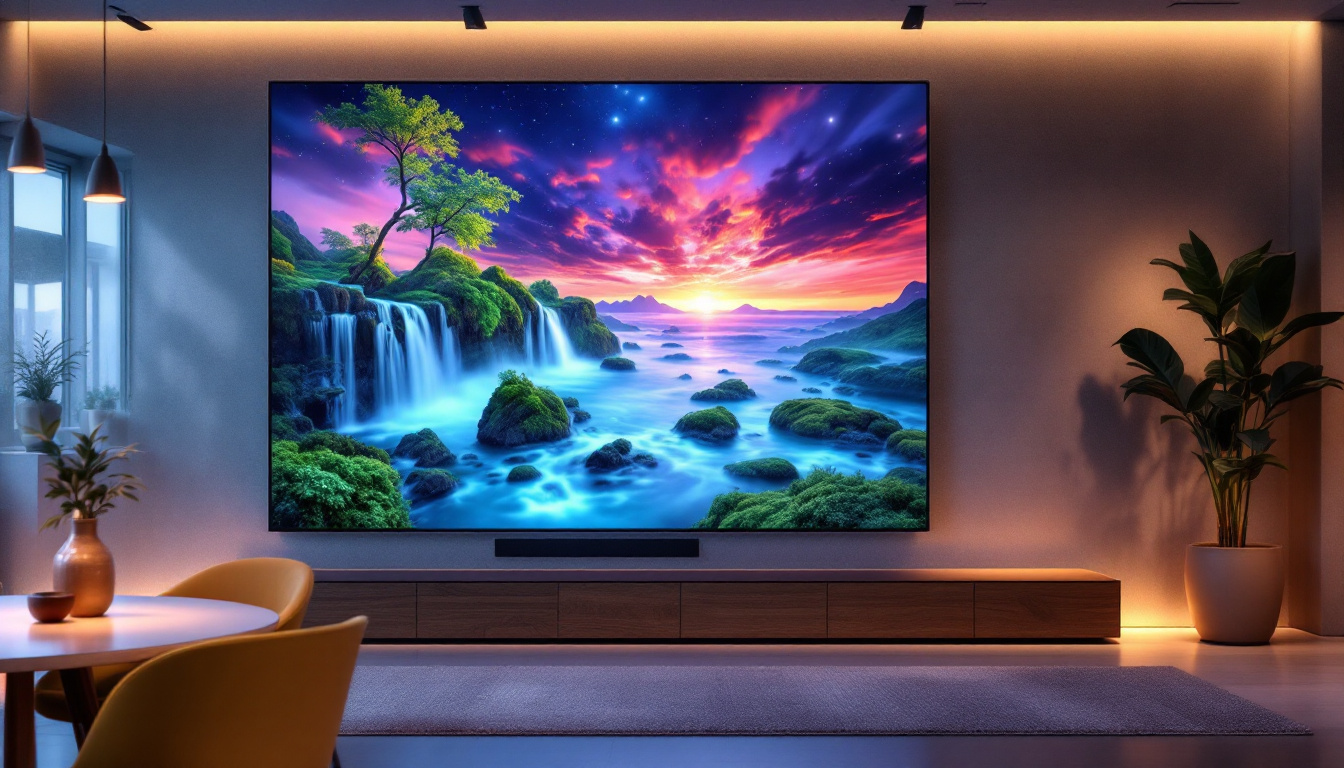
LED (Light Emitting Diode) technology has become a popular choice for integrating displays into privacy screens. These LED display screens can be transparent, semi-transparent, or fully opaque, depending on the design and intended use. They are embedded within the screen structure, allowing the screen to serve dual purposes: providing privacy and acting as a digital display surface.
Unlike traditional LCD screens, LED displays offer higher brightness, better color accuracy, and longer lifespan. When incorporated into privacy screens, they can display dynamic content such as branding, informative messages, or decorative visuals, transforming a static partition into an interactive element. This capability not only enhances the aesthetic appeal of a space but also allows businesses to communicate important information in real-time, such as schedules, announcements, or promotional content. Furthermore, the ability to customize the display content means that organizations can tailor their messages to suit specific events or themes, creating a more engaging environment for both employees and visitors.
Moreover, the integration of LED technology into privacy screens aligns with the growing trend of smart office design. These screens can be connected to a central management system, allowing for remote updates and control of the displayed content. This feature is particularly beneficial in environments where information needs to be frequently updated or changed, such as in educational institutions or corporate offices. By utilizing advanced technology, businesses can foster a more dynamic and responsive atmosphere, enhancing both productivity and creativity in the workplace.
Key Benefits of LED Privacy Screens
Enhanced Privacy with Visual Appeal
The primary benefit of interior privacy screens is to create secluded spaces. When combined with LED displays, these screens can obscure sightlines effectively while simultaneously enhancing the interior design. For example, a semi-transparent LED screen can display patterns or images that block direct views but still allow light to pass through, maintaining an open and airy feel.
This balance is particularly valuable in environments like offices, where collaboration and privacy need to coexist. Employees can have private work areas without feeling confined or isolated.
Dynamic Content and Communication
LED privacy screens enable real-time content updates, allowing businesses to communicate messages directly within their environment. Retailers can use these screens to showcase promotions or product information, while offices can display schedules, announcements, or motivational content.
According to a 2023 report by Digital Signage Today, digital displays integrated into interior design can increase customer engagement by up to 30%, highlighting the effectiveness of LED screens as communication tools. This dynamic capability turns privacy screens into multifunctional assets.
Space Optimization and Flexibility
Unlike fixed walls, LED privacy screens are often mobile or modular, allowing spaces to be reconfigured easily. This flexibility is crucial in modern workspaces that prioritize adaptability. Additionally, the integration of LED displays means that a single element can serve multiple purposes, reducing the need for additional signage or decorative installations.
Applications of LED Interior Privacy Screens
Corporate and Office Environments
Open-plan offices are a common setting where LED privacy screens shine. They provide employees with quiet zones for focused work while maintaining an open atmosphere. The ability to display internal communications or branding also reinforces company culture.
For example, a multinational technology firm implemented LED privacy screens in their headquarters, resulting in a 20% increase in employee satisfaction related to workspace comfort, according to an internal survey conducted in 2023.
Retail and Hospitality
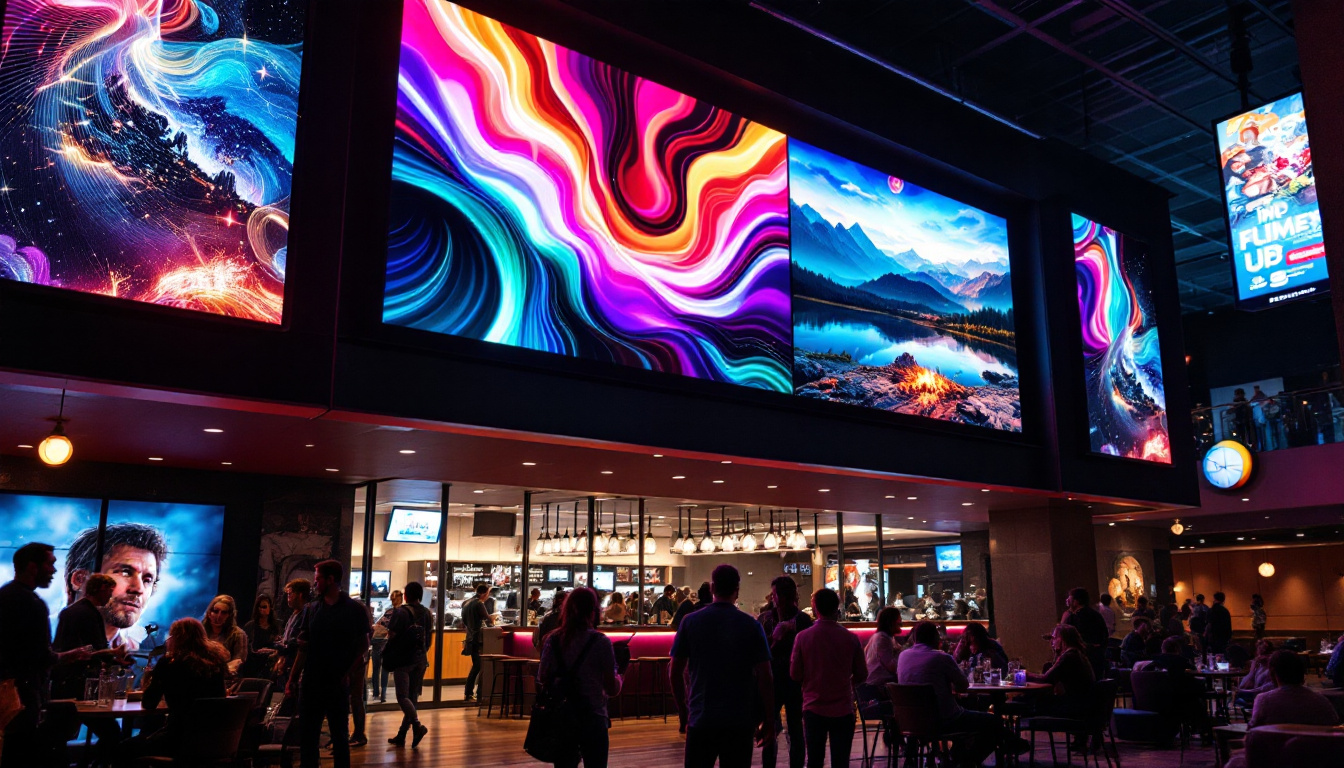
Retailers use LED privacy screens to create visually striking displays that also serve as partitions between different sections of a store or between customers. In hospitality, hotels and restaurants incorporate these screens to enhance ambiance and provide guests with privacy without sacrificing style.
In a recent case study, a luxury hotel chain reported that guests appreciated the privacy screens’ ability to offer discreet separation in their lobby lounge, contributing to a more comfortable and exclusive experience.
Healthcare Facilities
Privacy is paramount in healthcare settings. LED privacy screens can be used in waiting rooms, patient rooms, and consultation areas to provide necessary separation while also displaying health information, wayfinding, or calming visuals to improve patient experience.
Hospitals adopting LED privacy screens have noted improvements in patient satisfaction scores, as reported in a 2022 healthcare design journal.
Technical Considerations for LED Privacy Screens
Types of LED Displays
Choosing the right LED technology is critical. Common types include:
- Transparent LED Screens: These allow light and partial visibility through the screen, perfect for maintaining openness while providing privacy.
- Opaque LED Screens: These offer full coverage and are ideal where complete visual separation is required.
- Flexible LED Panels: These can conform to curved surfaces, expanding design possibilities.
Each type has different brightness levels, pixel pitches, and viewing angles, which must be matched to the environment’s lighting conditions and viewing distances.
Installation and Maintenance
Proper installation ensures both the privacy function and display quality are optimized. LED privacy screens require electrical connections, control systems, and sometimes network integration for content management. Maintenance includes regular cleaning and software updates to keep the display functioning correctly.
Working with experienced installers and suppliers is essential to avoid issues such as glare, uneven brightness, or connectivity problems.
Energy Efficiency and Sustainability
LED technology is known for its energy efficiency compared to other lighting and display options. Many modern LED privacy screens incorporate low-power components and smart controls to minimize energy consumption, aligning with corporate sustainability goals.
Additionally, some manufacturers use recyclable materials and design screens for easy disassembly, contributing to a circular economy approach in interior design.
Design and Aesthetic Integration
Customization Options
LED privacy screens offer extensive customization possibilities. From size and shape to display content and frame materials, these screens can be tailored to fit any interior design scheme. This adaptability allows designers to integrate technology seamlessly without compromising the overall aesthetic.
For instance, a creative agency might choose LED screens with vibrant, animated graphics to reflect their brand’s energy, while a law firm may opt for subtle, professional patterns that enhance a sense of calm and focus.
Balancing Transparency and Privacy
Designers must carefully balance transparency and privacy levels. Too much transparency can undermine privacy, while too little can make spaces feel closed off. LED screens with adjustable brightness and opacity settings provide control over this balance, allowing environments to adapt throughout the day or for different activities.
Lighting and Ambiance
LED screens contribute to ambient lighting, which can be used creatively to influence mood and perception of space. Color temperature, brightness, and motion effects can all be adjusted to complement natural light and interior finishes, enhancing the overall atmosphere.
Future Trends and Innovations
Smart Integration and IoT
As smart building technologies evolve, LED privacy screens are increasingly integrated with Internet of Things (IoT) systems. This integration allows for automated content changes based on occupancy, time of day, or environmental conditions, enhancing user experience and operational efficiency.
For example, screens can automatically switch from privacy mode to display mode when a meeting starts or adjust brightness according to ambient light sensors.
Advances in Display Technology
Emerging technologies such as microLED and OLED promise even higher resolution, improved flexibility, and better energy efficiency. These advances will expand the possibilities for interior privacy screens, making them thinner, lighter, and more visually striking.
Environmental and Health Considerations
Future designs are expected to emphasize not only aesthetics and functionality but also health and wellbeing. Features like blue light reduction, anti-glare coatings, and integration with air quality sensors may become standard, supporting healthier indoor environments.
Conclusion
Interior privacy screens with integrated LED displays represent a significant advancement in interior design and space management. They combine the essential function of privacy with dynamic digital communication and aesthetic enhancement, meeting the diverse needs of modern environments.
By understanding the technology, benefits, applications, and design considerations, stakeholders can leverage these innovative screens to create adaptable, engaging, and efficient spaces. As technology continues to evolve, LED privacy screens will undoubtedly become a staple in contemporary interior solutions, blending form and function in unprecedented ways.
Discover LumenMatrix’s Innovative LED Display Solutions
Ready to transform your space with the latest in LED display technology? LumenMatrix offers a comprehensive range of LED display solutions tailored to meet the demands of modern environments. From enhancing brand visibility to creating immersive visual experiences, our products are designed to captivate and engage. Explore our Indoor LED Wall Display, Transparent LED Screens, and more to see how we can elevate your interior privacy screens and beyond. Check out LumenMatrix LED Display Solutions today and step into the future of visual communication.