In today’s fast-paced digital landscape, businesses and organizations are increasingly turning to interactive kiosks to enhance customer engagement, streamline operations, and deliver dynamic content. At the heart of many of these kiosks lies the LED display—a technology that has revolutionized how information is presented in public and commercial spaces. This article delves into the role of LED displays within Kiosk Pro environments, exploring their technology, benefits, and practical applications.
Understanding Kiosk Pro and Its Integration with LED Displays
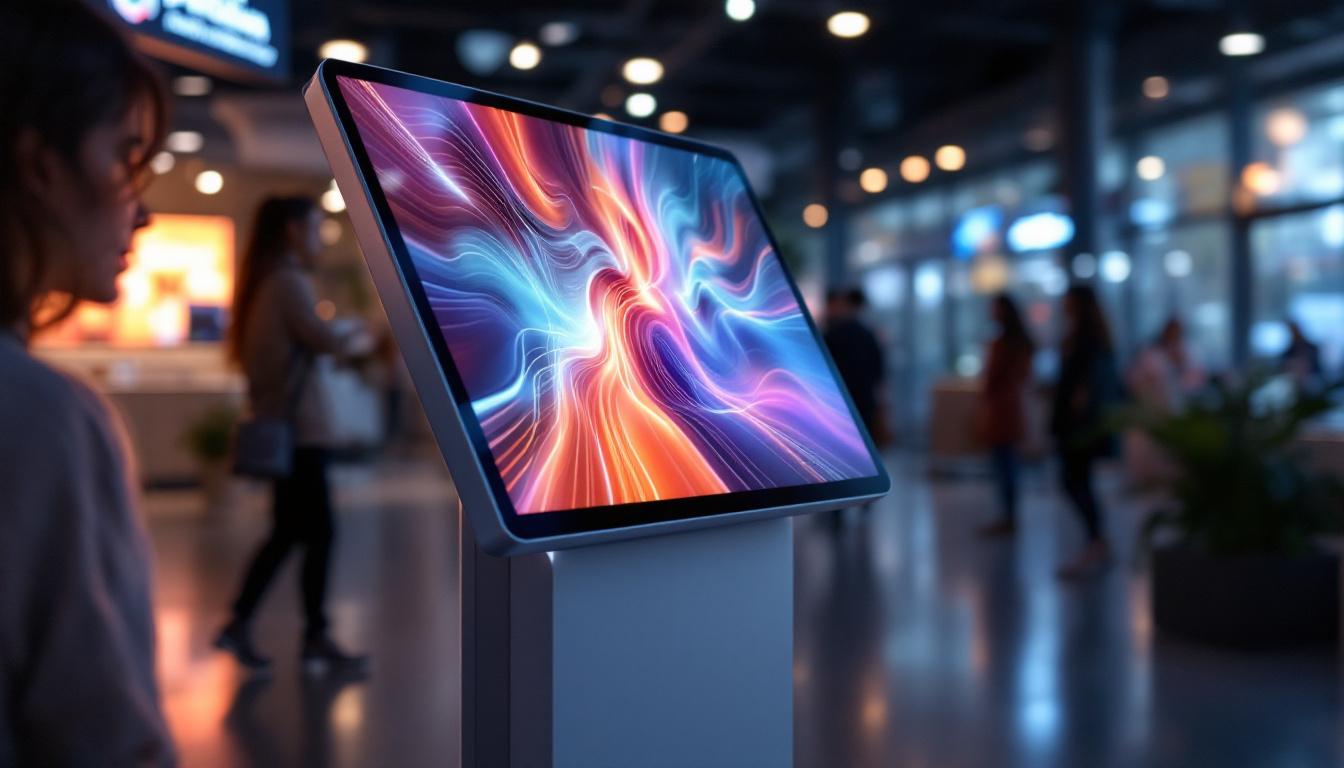
Kiosk Pro is a powerful software platform designed to transform iPads and other tablets into interactive kiosks. It is widely used in retail, hospitality, museums, healthcare, and other sectors to provide self-service options, wayfinding, information dissemination, and customer feedback collection. While Kiosk Pro primarily runs on tablet devices, integrating LED displays can significantly enhance its visibility and impact, especially in larger or high-traffic environments.
LED displays, known for their brightness, energy efficiency, and adaptability, serve as an ideal complement to Kiosk Pro’s interactive capabilities. By pairing Kiosk Pro’s intuitive interface with vibrant LED screens, businesses can create engaging digital signage and kiosk solutions that attract attention and deliver clear messaging even in challenging lighting conditions. This combination not only improves user experience but also increases the likelihood of customer engagement, making it a strategic investment for businesses looking to stand out in competitive markets.
The Role of LED Displays in Kiosk Environments
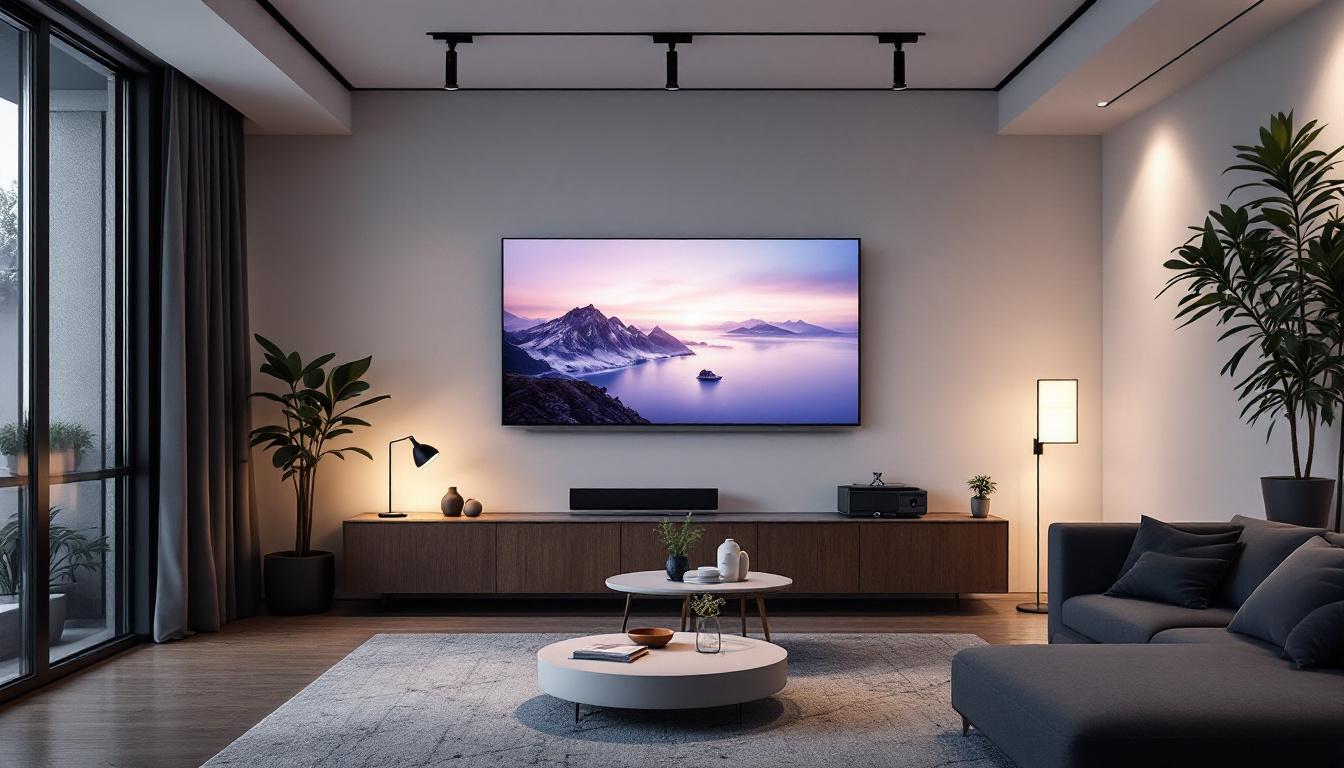
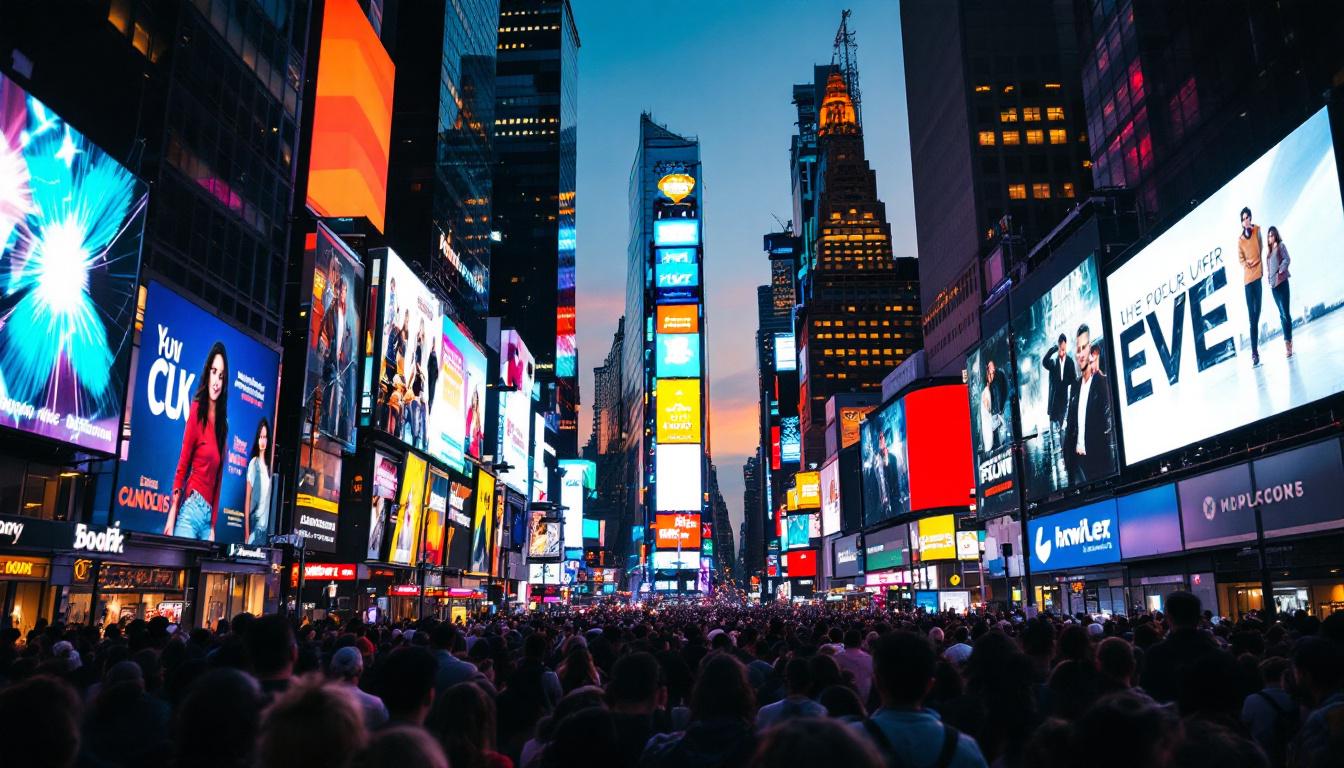
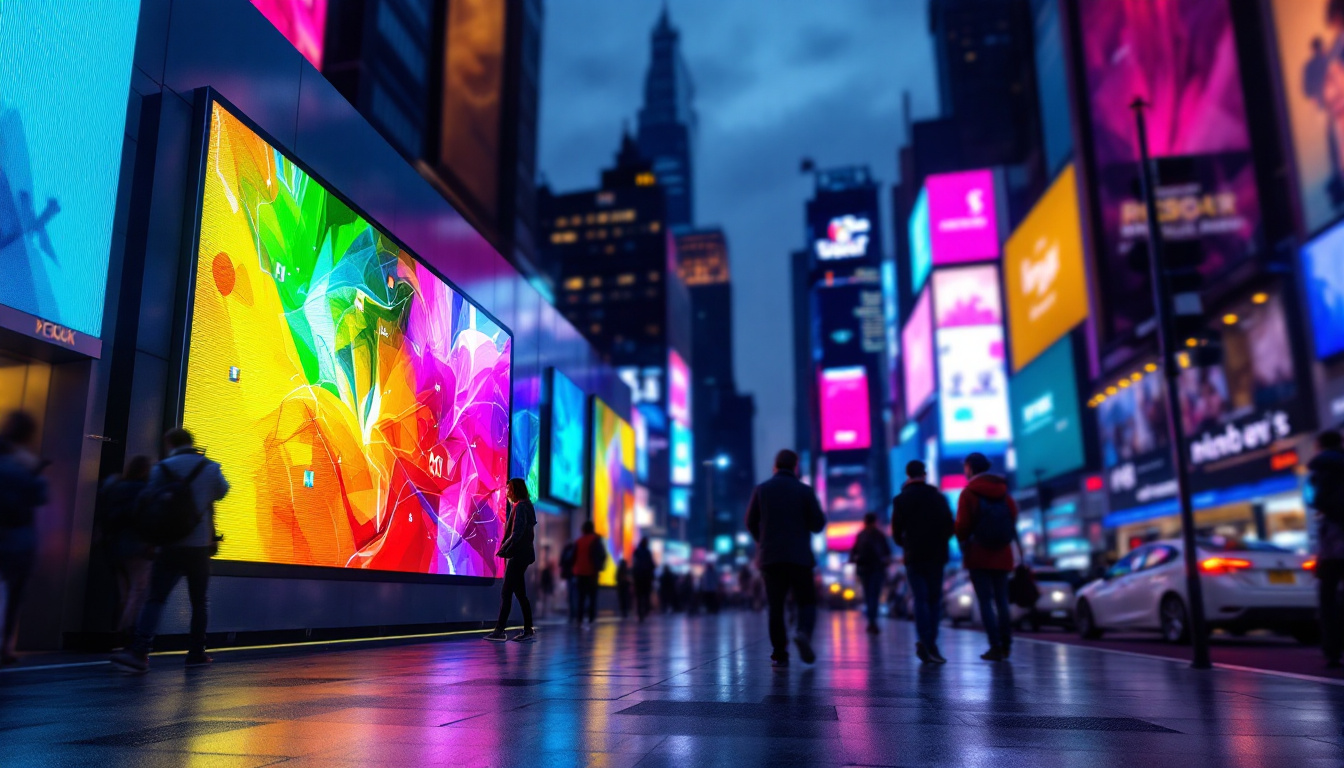
LED (Light Emitting Diode) displays consist of an array of tiny LEDs that emit light when electrical current passes through them. Unlike traditional LCD or plasma screens, LED displays offer superior brightness, contrast, and color accuracy. This makes them particularly effective in environments such as shopping malls, airports, or outdoor locations where ambient light can diminish screen visibility.
In the context of Kiosk Pro, LED displays can be used in several ways:
- Primary Display: Serving as the main screen for user interaction, especially when larger touchscreens are employed.
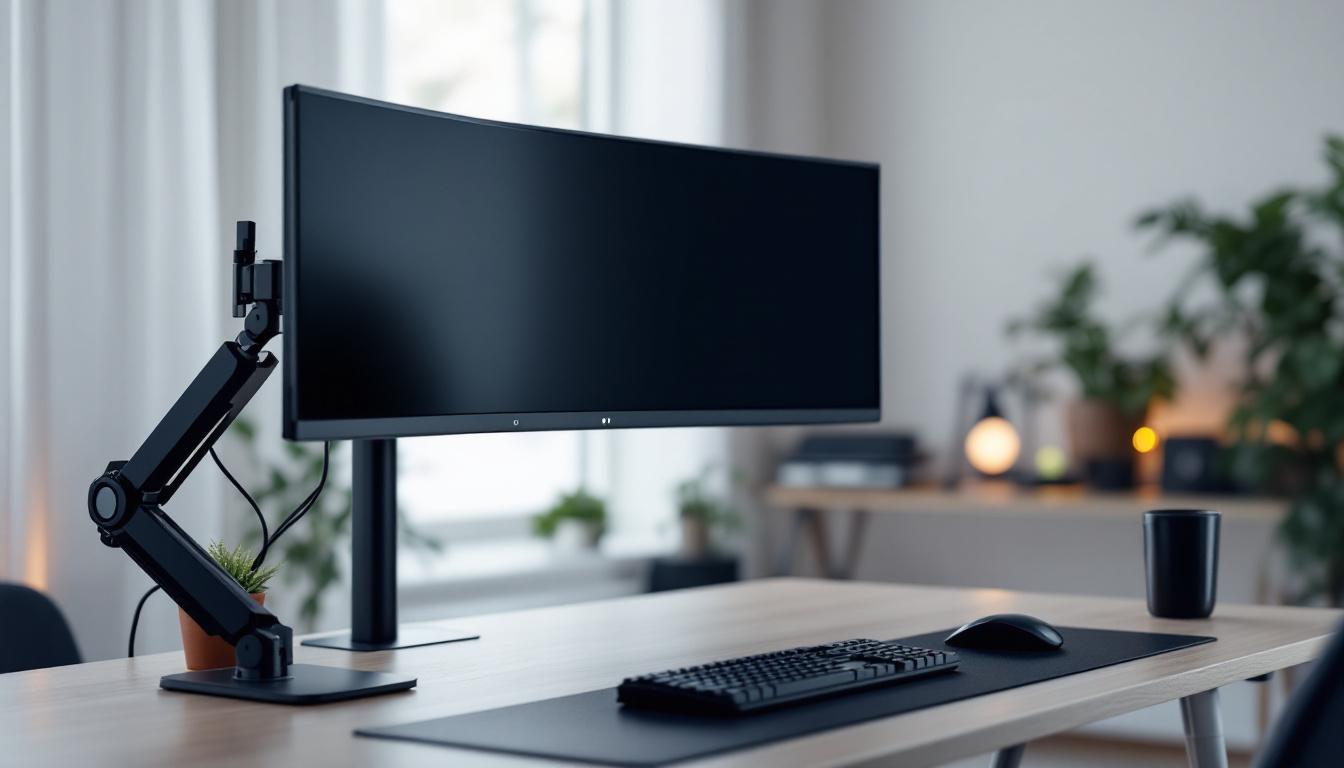
- Secondary Display: Complementing the tablet interface by showing promotional content, advertisements, or instructions.
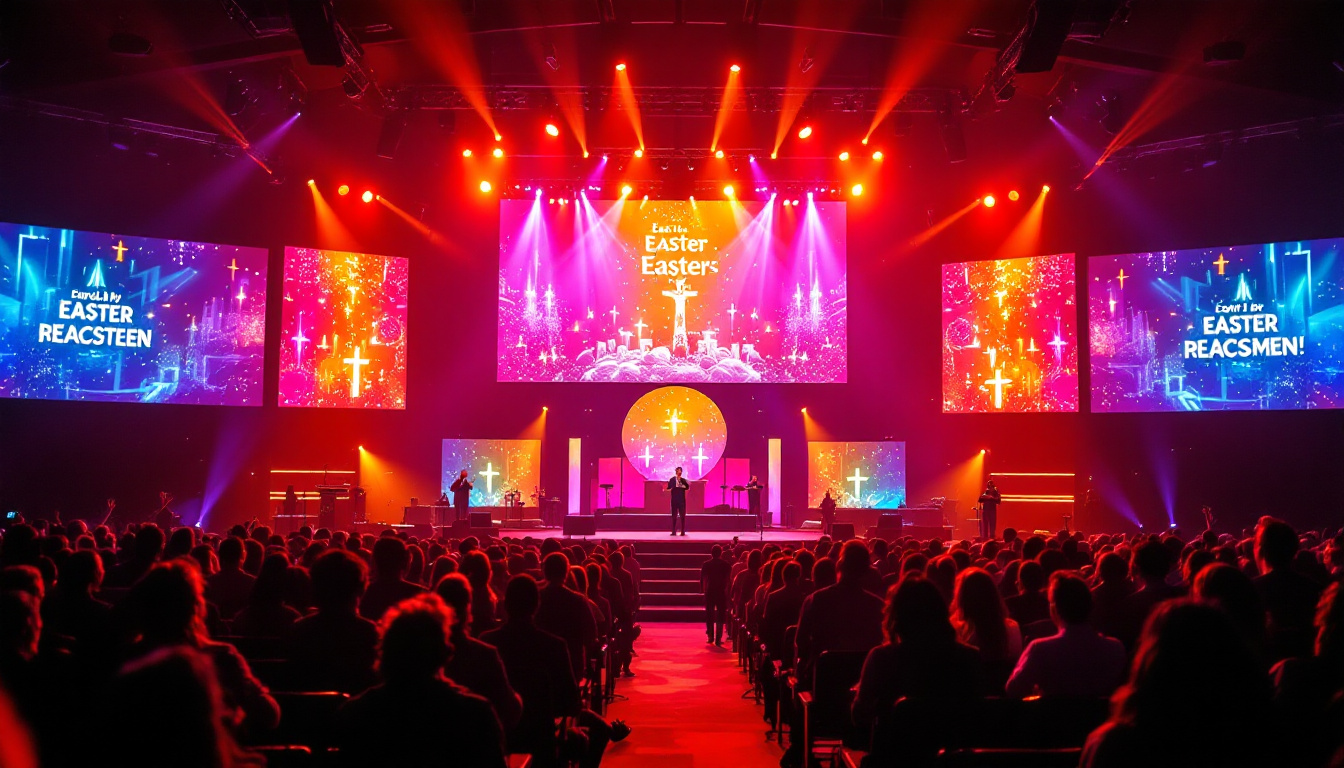
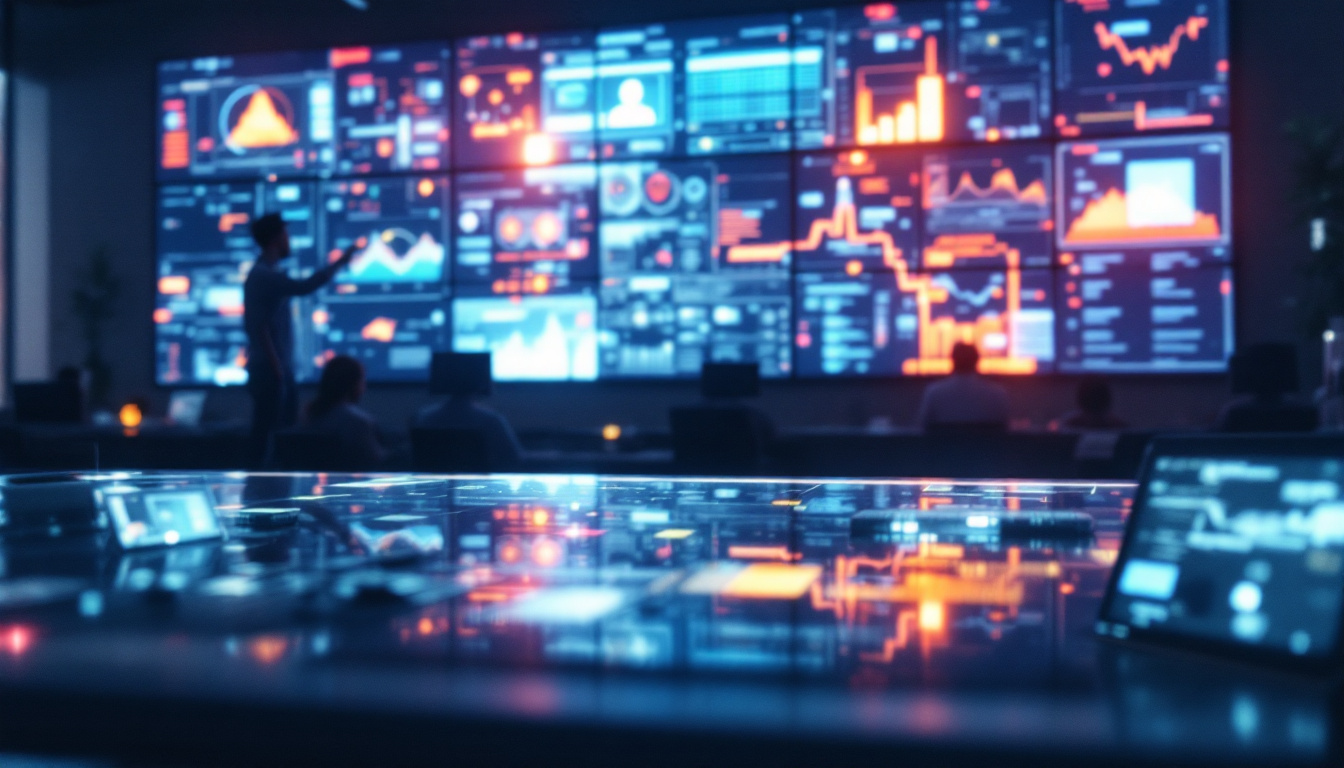
- Video Walls: Combining multiple LED panels to create immersive, large-scale digital signage that can be controlled via Kiosk Pro software.
Moreover, the integration of LED displays with Kiosk Pro allows for dynamic content updates, enabling businesses to tailor their messaging in real-time. For instance, a retail store can instantly switch from a promotional campaign for winter apparel to a spring sale, ensuring that the content remains relevant and engaging for customers. This flexibility is particularly beneficial in fast-paced environments where customer preferences can shift rapidly. Additionally, the ability to display high-definition video content on LED screens can further enhance storytelling and brand messaging, captivating audiences and driving foot traffic to physical locations.
Furthermore, the durability and low maintenance requirements of LED technology make it a cost-effective solution for businesses. Unlike traditional displays that may require frequent replacements or repairs, LED screens are designed to withstand the rigors of daily use, particularly in high-traffic areas. This reliability, combined with the energy efficiency of LED technology, means that businesses can enjoy lower operating costs while delivering a visually stunning experience to their customers. As a result, the synergy between Kiosk Pro and LED displays not only enhances customer interaction but also contributes to a more sustainable business model.
Key Features and Advantages of LED Displays in Kiosk Pro Setups
Brightness and Visibility
One of the standout advantages of LED displays is their exceptional brightness. Typical LED screens can reach brightness levels of 1,000 to 5,000 nits or more, compared to 250-350 nits for standard LCD screens. This makes LED displays easily readable in direct sunlight or brightly lit indoor environments, a critical factor for kiosks placed in public spaces.
For example, a retail kiosk positioned near large windows or outdoors can maintain clear visibility throughout the day, ensuring that customers can interact with the content without straining their eyes or missing important information.
Energy Efficiency and Longevity
LED technology is known for its energy efficiency. Compared to older display technologies, LEDs consume less power while delivering higher brightness. This translates into lower operating costs for businesses, especially when kiosks run continuously during business hours.
Moreover, LED displays have a longer lifespan, often exceeding 50,000 hours of operation. This durability reduces maintenance needs and replacement frequency, making LED-equipped kiosks a cost-effective long-term investment.
Color Accuracy and Image Quality
LED displays provide vibrant colors and deep contrast ratios, enhancing the visual appeal of kiosk content. This is particularly important for applications such as product showcases, wayfinding maps, and promotional videos where color fidelity can influence customer perception and engagement.
High-resolution LED panels can display sharp images and smooth video playback, ensuring that interactive content runs seamlessly and professionally.
Flexibility and Scalability
LED technology offers remarkable flexibility in terms of size and shape. From small, compact screens integrated into countertop kiosks to expansive video walls covering entire walls or facades, LED displays can be tailored to fit a wide range of kiosk designs and environments.
This scalability allows businesses to customize their digital signage strategies, scaling up or down based on location, audience size, and budget.
Practical Applications of Kiosk Pro with LED Displays
Retail and Hospitality
In retail, LED displays integrated with Kiosk Pro enable interactive product catalogs, self-checkout stations, and promotional signage that dynamically updates based on inventory or sales campaigns. Bright LED screens attract shoppers’ attention and can be used to highlight special offers or new arrivals.
Hospitality venues such as hotels and restaurants use LED-enhanced kiosks for check-in/check-out processes, digital menus, and wayfinding. The clarity and brightness of LED displays ensure guests can easily navigate services, even in dimly lit lobbies or busy dining areas.
Healthcare and Public Services
Healthcare facilities employ Kiosk Pro with LED displays for patient check-in, appointment scheduling, and information dissemination. The high visibility of LED screens helps reduce wait times and improves patient flow by providing clear instructions and updates.
Public service kiosks, such as those in government offices or transportation hubs, benefit from LED displays by delivering real-time updates, maps, and service information accessible to diverse populations.
Education and Museums
Educational institutions and museums use LED displays with Kiosk Pro to create interactive exhibits, digital directories, and event information points. The engaging visuals and responsive touch interfaces foster immersive learning experiences and improve visitor satisfaction.
Technical Considerations When Choosing LED Displays for Kiosk Pro
Resolution and Pixel Pitch
The resolution of an LED display refers to the number of pixels it contains, while pixel pitch measures the distance between individual LEDs. A smaller pixel pitch results in higher resolution and sharper images, which is crucial for close-up viewing in kiosk applications.
For kiosks where users interact at arm’s length, a pixel pitch of 1.5mm to 2.5mm is typically recommended to ensure crisp visuals without visible pixelation.
Touchscreen Compatibility
While LED displays excel in brightness and image quality, integrating touch functionality can be challenging. Many LED screens require an additional touch overlay or separate touchscreen technology, such as capacitive or infrared touch frames.
Kiosk Pro’s software is compatible with a variety of touch input devices, but careful selection and calibration are necessary to ensure smooth user interaction without latency or accuracy issues.
Connectivity and Integration
Seamless integration between Kiosk Pro devices and LED displays requires compatible connectivity options. Common interfaces include HDMI, DisplayPort, and USB for touch input. Wireless solutions are also emerging, but wired connections remain the most reliable for high-resolution video and responsive touch control.
Additionally, network capabilities allow remote content management and software updates, which are essential for maintaining up-to-date kiosk experiences across multiple locations.
Environmental Durability
Depending on the kiosk’s location, LED displays may need to withstand varying environmental conditions such as temperature fluctuations, humidity, dust, or vandalism. Outdoor-rated LED panels with protective enclosures and weatherproofing are necessary for kiosks exposed to the elements.
Indoor kiosks benefit from models designed for high-traffic areas, featuring reinforced glass and anti-glare coatings to enhance durability and user comfort.
Future Trends in Kiosk Pro and LED Display Technology
Advancements in MicroLED and MiniLED
Emerging display technologies like MicroLED and MiniLED promise to push the boundaries of brightness, color accuracy, and energy efficiency even further. These technologies use smaller LEDs, enabling higher pixel densities and improved contrast ratios, which could revolutionize kiosk displays in the near future.
AI-Driven Content Personalization
Artificial intelligence is increasingly being integrated into kiosk software platforms, including Kiosk Pro, to deliver personalized content based on user behavior, demographics, or real-time data. Coupled with LED displays’ dynamic capabilities, this enables highly targeted and engaging user experiences.
Enhanced Interactivity and Multimodal Interfaces
Future kiosks are likely to incorporate multimodal interaction methods such as voice recognition, gesture control, and augmented reality overlays. LED displays will play a crucial role in rendering these experiences with high visual fidelity and responsiveness.
Conclusion
LED displays are a transformative component in the evolution of interactive kiosks powered by Kiosk Pro. Their superior brightness, energy efficiency, and flexibility make them ideal for diverse environments and applications. By understanding the technical aspects and practical benefits of LED technology, businesses can design kiosk solutions that captivate audiences, improve operational efficiency, and future-proof their digital engagement strategies.
As LED display technology continues to advance and integrate with intelligent software platforms like Kiosk Pro, the possibilities for immersive, interactive kiosks are expanding rapidly. Investing in the right LED display setup today can position organizations at the forefront of customer experience innovation for years to come.
Explore Cutting-Edge LED Display Solutions with LumenMatrix
Ready to elevate your interactive kiosk experience with the latest in LED display technology? LumenMatrix is at the forefront of innovation, offering a diverse range of LED display modules tailored to your unique needs. From vibrant Indoor and Outdoor LED Wall Displays to dynamic Vehicle and Sports LED Displays, our solutions are designed to captivate and engage your audience. Discover the transformative power of our LED Poster, Floor, Custom, All-in-One, and Transparent Displays. Embrace the future of visual communication and check out LumenMatrix LED Display Solutions today to create unforgettable visual experiences that resonate with your customers.