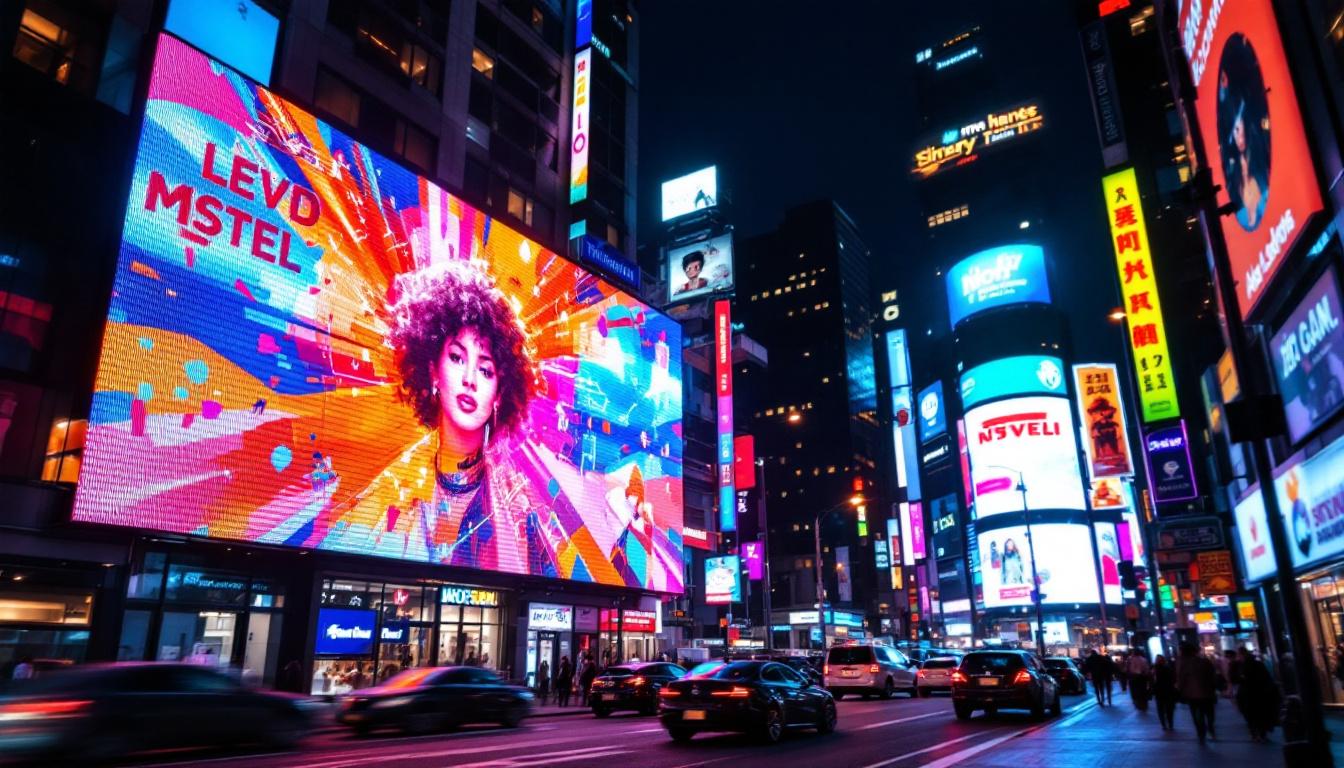
In the modern world of advertising, communication, and public information, large LED signs have become a dominant force. They are everywhere—from bustling city centers and sports arenas to retail storefronts and transportation hubs. But what exactly are large LED signs, how do they work, and why have they become so popular? This article dives deep into the technology behind LED displays, their benefits, applications, and what to consider when choosing one for your needs.
Understanding LED Technology
What is an LED?
LED stands for Light Emitting Diode, a semiconductor device that emits light when an electric current passes through it. Unlike traditional incandescent bulbs that produce light by heating a filament, LEDs produce light through electroluminescence, making them far more energy-efficient and longer-lasting.
The first practical visible-spectrum LED was developed in the early 1960s, and since then, LED technology has evolved dramatically. Today’s LEDs come in various colors and sizes, enabling their use in everything from tiny indicator lights to massive display screens. The versatility of LEDs has led to their adoption in numerous applications, including automotive lighting, streetlights, and even in household appliances, showcasing their adaptability and efficiency in modern technology.
How Do LED Displays Work?
Large LED signs are essentially composed of thousands, sometimes millions, of tiny LEDs arranged in a grid or matrix. Each LED acts as a pixel, which can be individually controlled to display images, text, or video. By adjusting the brightness and color of each LED, the display can produce vibrant, dynamic content visible from long distances. This capability is particularly beneficial for advertising and public information systems, where visibility and impact are crucial.
Most large LED displays use RGB (Red, Green, Blue) LEDs. By combining these three primary colors at varying intensities, the display can produce a full spectrum of colors. This capability allows for high-resolution images and videos that grab attention and convey messages effectively. Additionally, advancements in technology have led to the development of smart LED displays that can be programmed to change content based on time, weather conditions, or audience engagement, further enhancing their functionality and appeal in various settings, from sports arenas to concert venues.
Types of Large LED Signs
Outdoor LED Displays
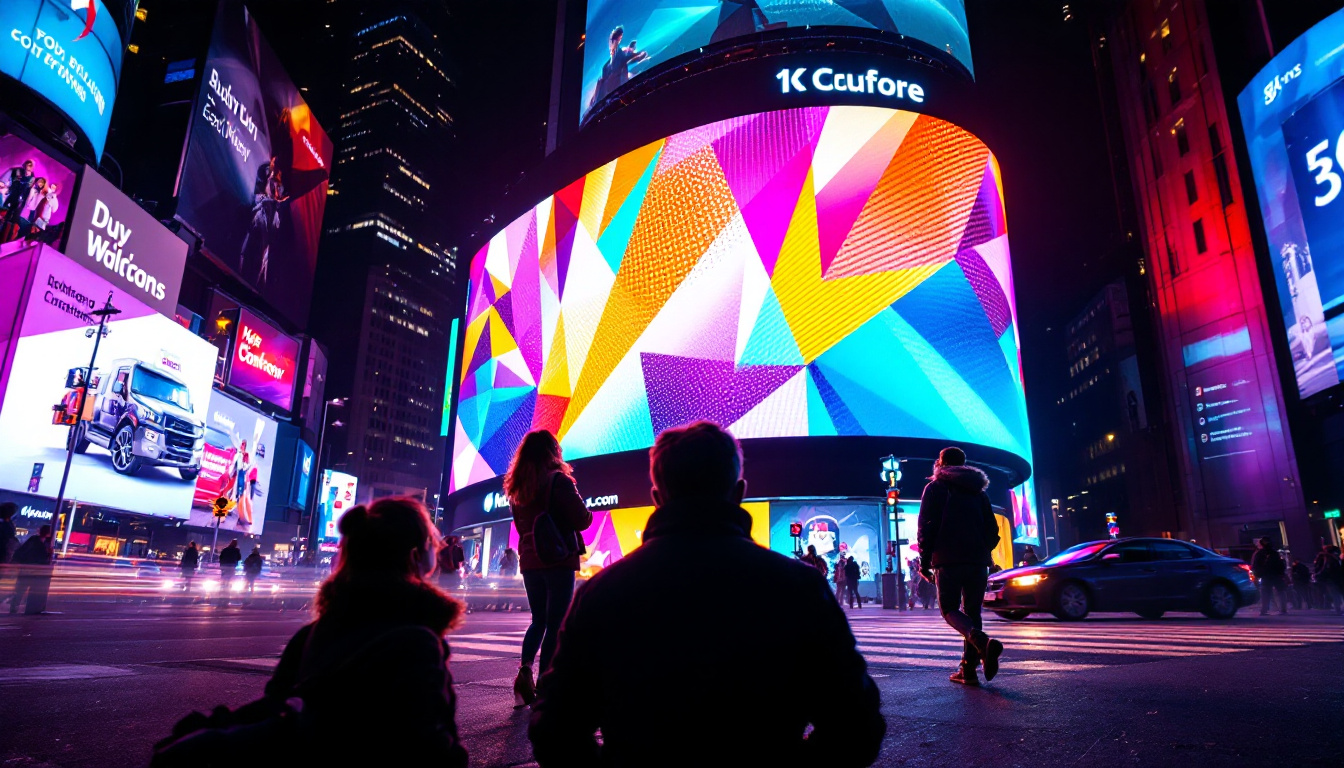
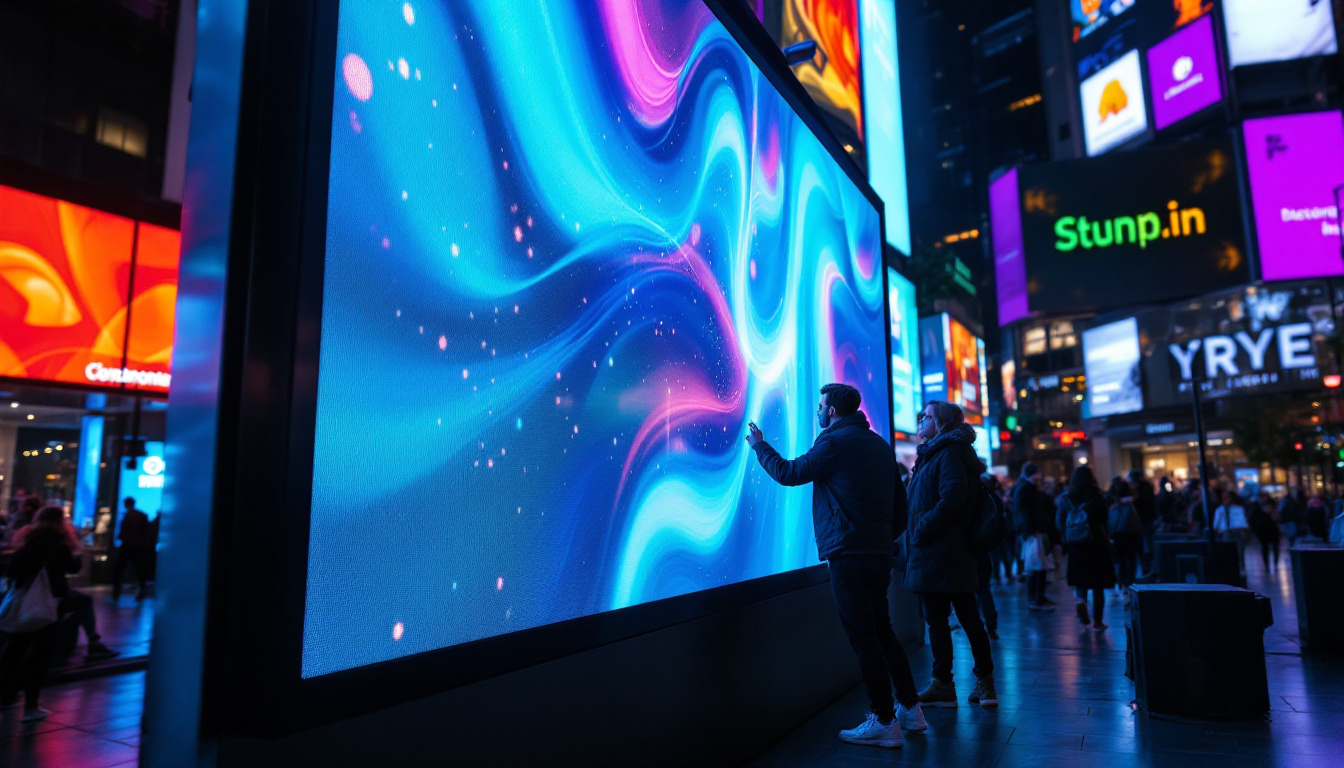
Outdoor LED signs are designed to withstand harsh weather conditions, including rain, snow, heat, and UV exposure. They typically feature high brightness levels, often exceeding 5,000 nits, to ensure visibility even in direct sunlight. Common applications include billboards, stadium screens, and digital signage for retail storefronts or transportation centers.
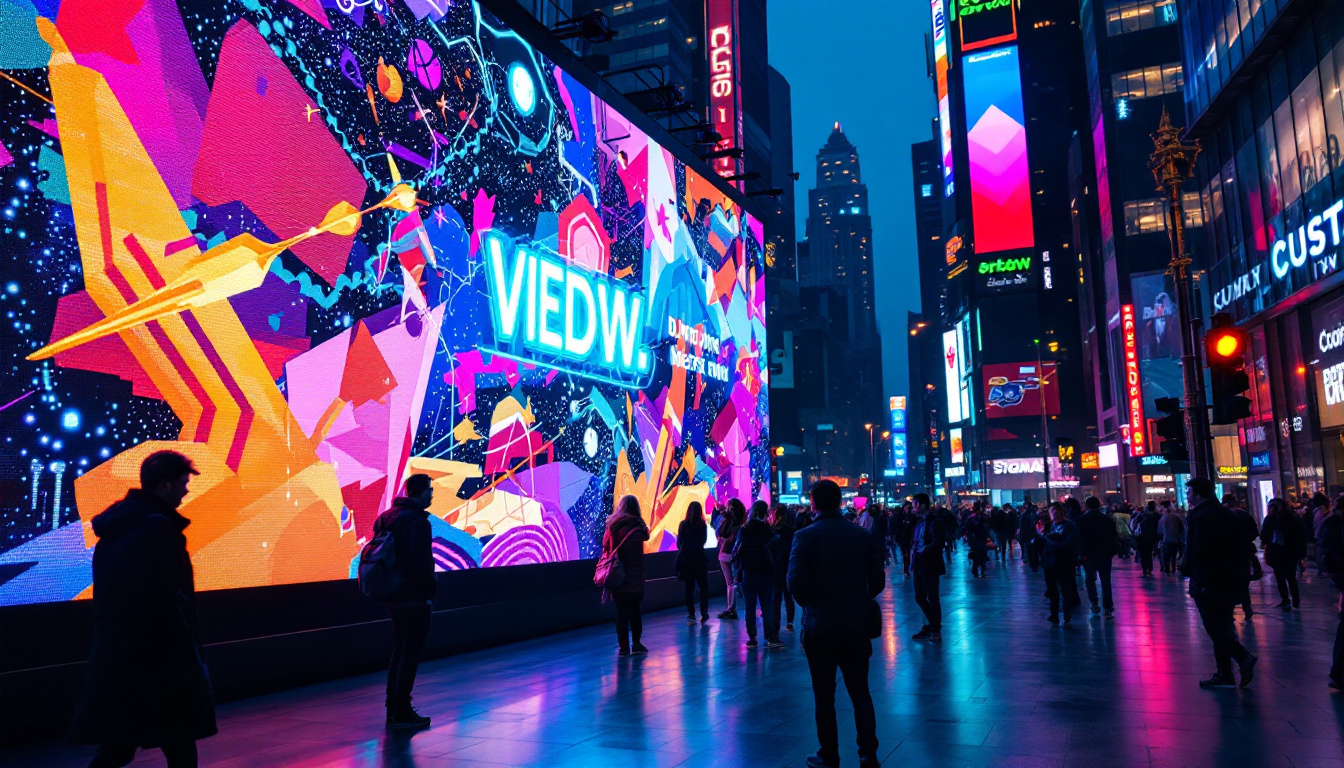
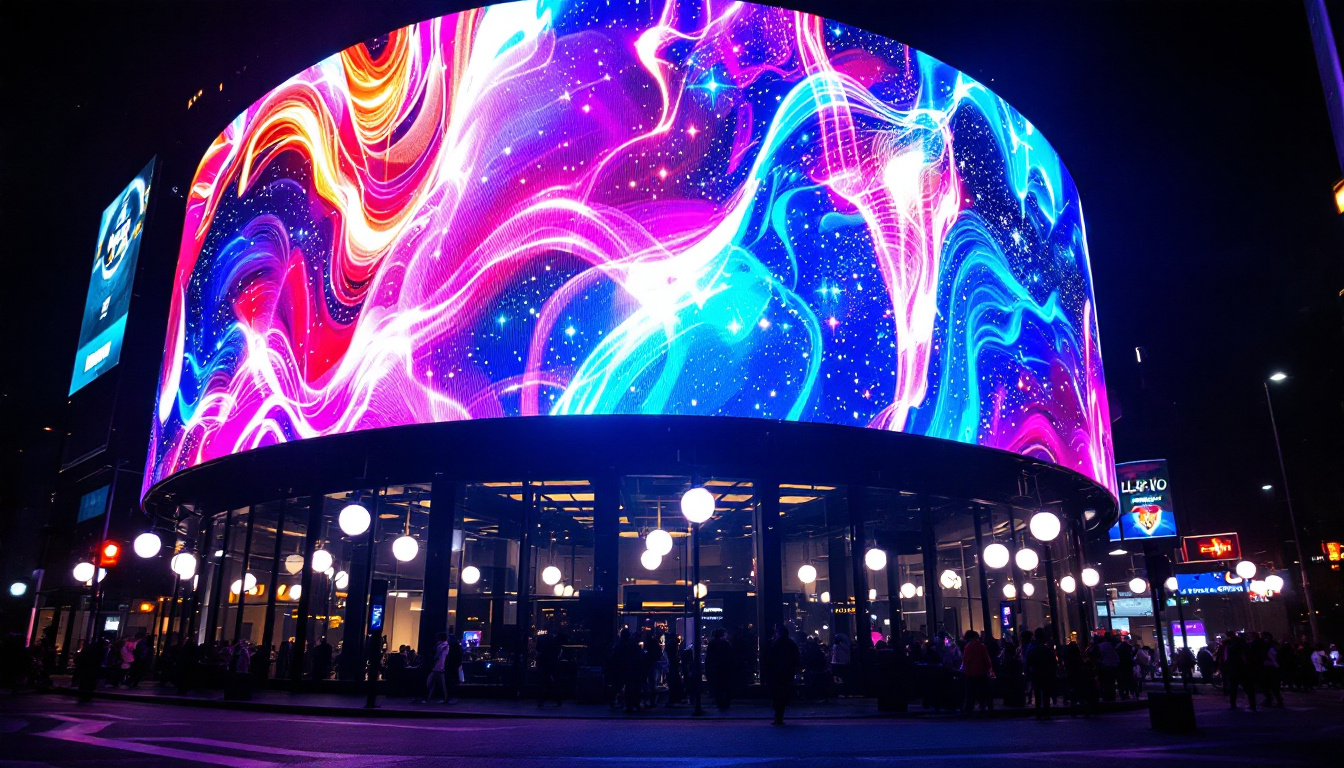
One notable example is Times Square in New York City, where massive outdoor LED billboards create a vibrant and dynamic advertising environment that attracts millions of visitors annually. These displays not only serve as advertising platforms but also contribute to the cultural fabric of the area, often showcasing art installations and public service announcements that resonate with the diverse audience that frequents the square.
Furthermore, outdoor LED signs are increasingly being integrated with smart technology, allowing for real-time updates and interactive features. This capability enables advertisers to tailor their messages based on time of day, weather conditions, or even audience demographics, making outdoor advertising more effective and engaging than ever before.
Indoor LED Displays
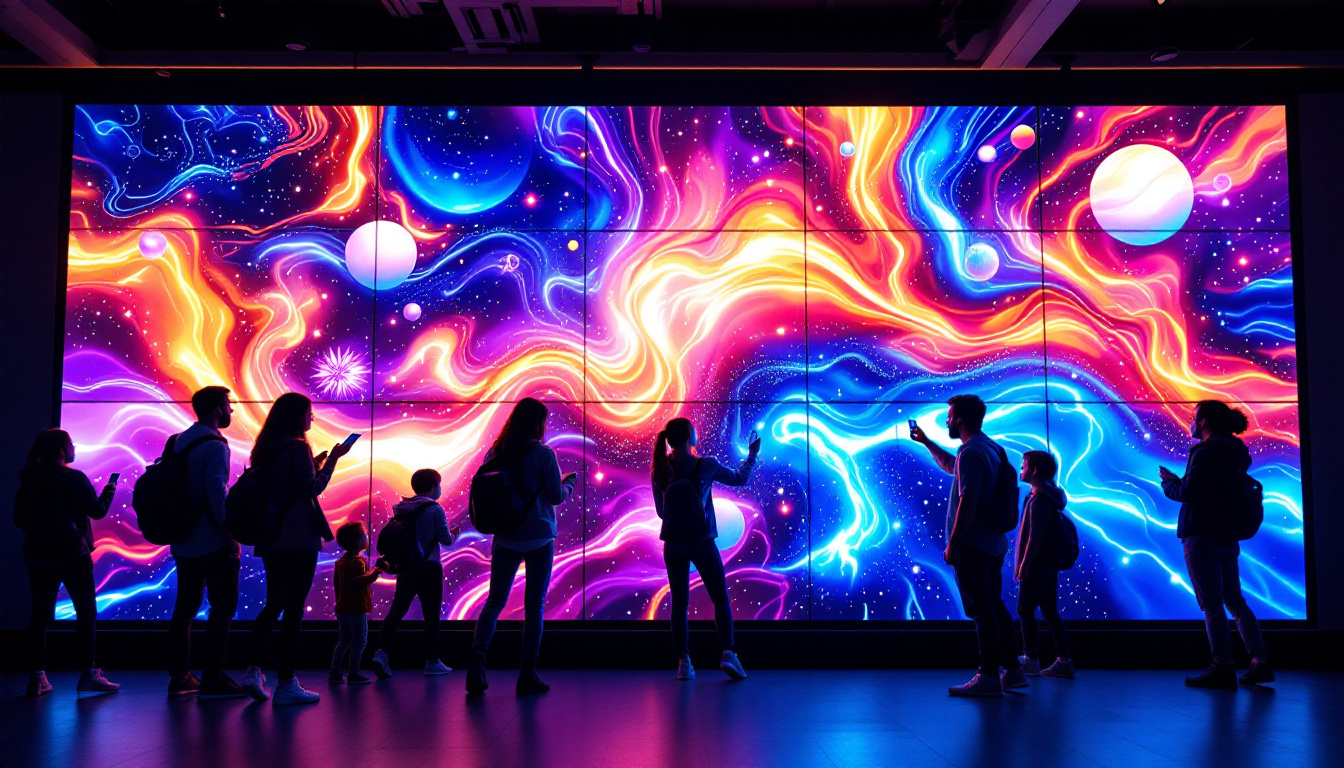
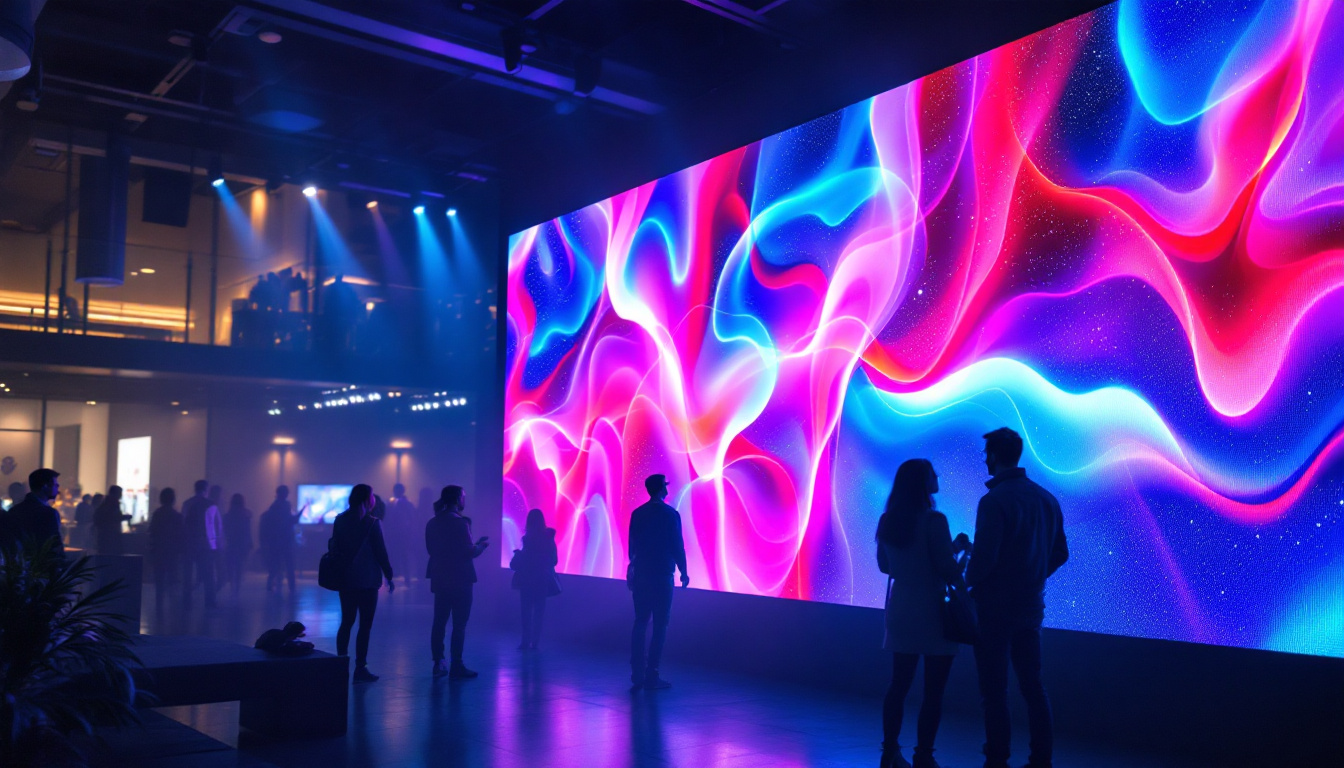
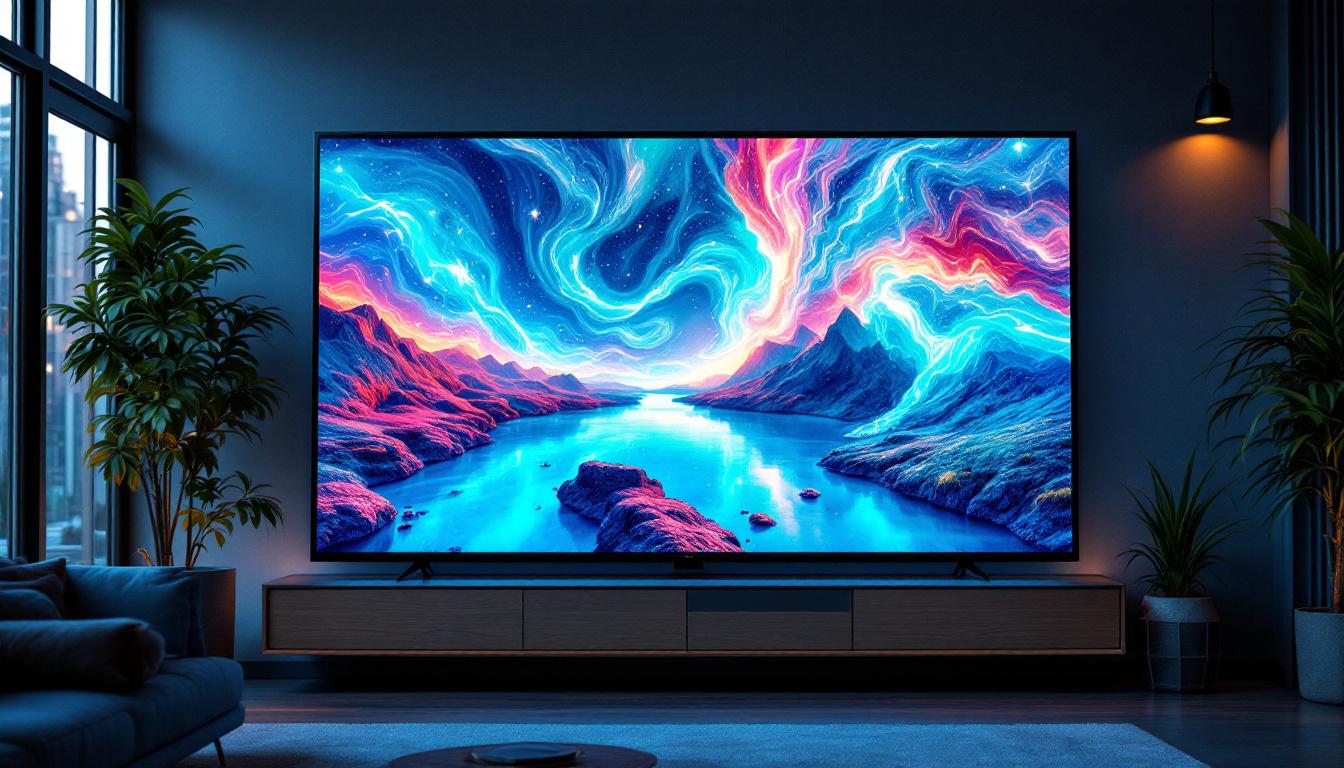
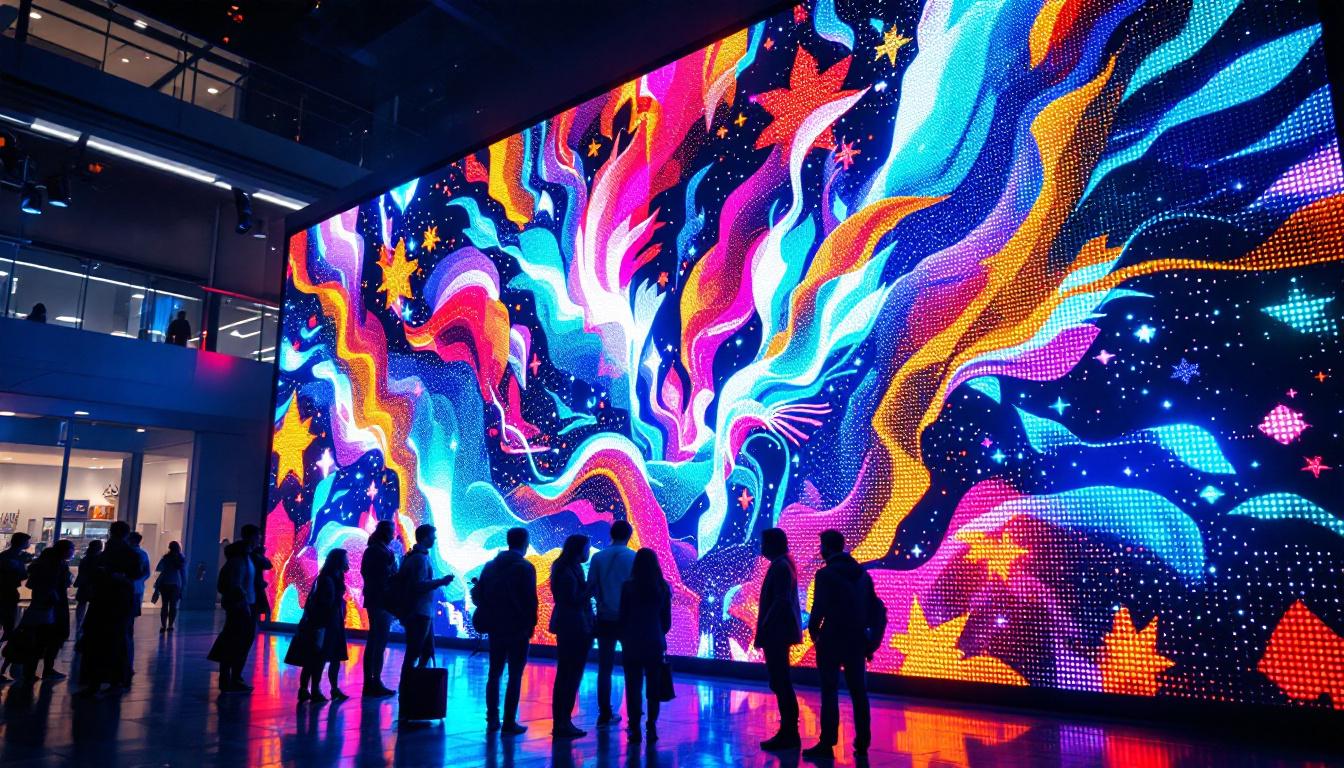
Indoor LED signs are used in environments such as shopping malls, airports, conference centers, and concert venues. These displays usually have lower brightness levels (around 800 to 1,500 nits) since they don’t need to compete with sunlight. Indoor LED screens often have higher pixel densities, enabling sharper images and more detailed content at close viewing distances.
In addition to traditional advertising, indoor LED displays are also utilized for wayfinding and information dissemination. Airports, for instance, employ these screens to provide real-time flight information, helping travelers navigate the terminal with ease. Similarly, shopping malls use them to highlight promotions, store directories, and event schedules, enhancing the overall shopping experience for visitors.
Flexible and Curved LED Displays
Advancements in LED technology have led to the development of flexible and curved LED panels. These can be bent or shaped to fit unique architectural designs, creating immersive and eye-catching displays. They are popular in modern retail environments, museums, and event spaces where innovative visual experiences are desired.
These displays not only offer aesthetic appeal but also allow for creative storytelling through visual media. For example, a curved LED wall in a museum can wrap around a visitor, immersing them in a narrative experience that enhances the exhibit’s theme. Additionally, flexible LED technology is paving the way for interactive installations, where viewers can engage with the content in a dynamic manner, further blurring the lines between digital and physical spaces.
Benefits of Large LED Signs
High Visibility and Brightness
One of the primary advantages of large LED signs is their exceptional brightness. Unlike traditional printed signs or LCD screens, LEDs can be seen clearly in almost any lighting condition, including direct sunlight. This makes them ideal for outdoor advertising and public information displays.
Energy Efficiency and Longevity
LEDs consume significantly less power compared to other lighting technologies, such as incandescent or fluorescent bulbs. This energy efficiency translates into lower operating costs, especially for large-scale displays that run continuously. Additionally, LEDs have a long lifespan, often exceeding 100,000 hours, which reduces maintenance and replacement expenses.
Dynamic Content and Flexibility
Large LED signs can display a wide range of content, including static images, animations, videos, and real-time data. This flexibility allows businesses and organizations to update messages quickly and tailor content to specific audiences or events. For example, a sports stadium can show live scores, advertisements, and instant replays all on the same screen.
Improved Audience Engagement
Studies have shown that digital signage, including LED displays, can increase audience engagement by up to 83% compared to static signs. The movement, brightness, and color of LED displays naturally draw attention, making them more effective for marketing and communication purposes.
Applications of Large LED Displays
Advertising and Marketing
Large LED billboards and signs are a staple in outdoor advertising. Brands use these displays to promote products, services, and events to a broad audience. The ability to schedule and rotate ads throughout the day maximizes exposure and allows for targeted campaigns.
For instance, retail chains often use LED signs to announce sales or new product launches, while entertainment venues promote upcoming shows. The dynamic nature of LED displays enables advertisers to keep content fresh and relevant.
Public Information and Safety
Government agencies and municipalities utilize large LED signs for public messaging, including traffic updates, emergency alerts, and community announcements. These signs can be updated instantly to provide critical information during natural disasters or public safety incidents.
Highway variable message signs (VMS) are a common example, informing drivers about road conditions, detours, or speed limits. The clarity and immediacy of LED displays make them invaluable tools for public safety.
Sports and Entertainment Venues
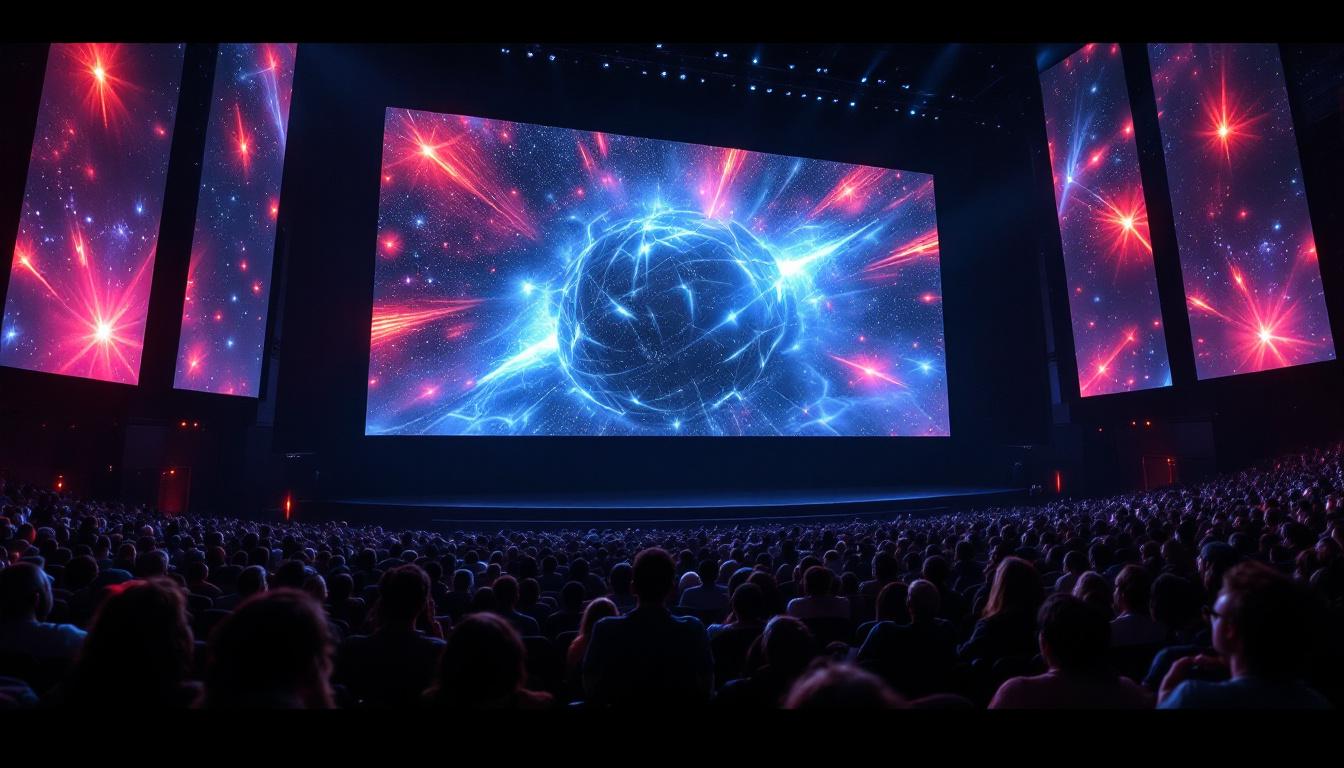
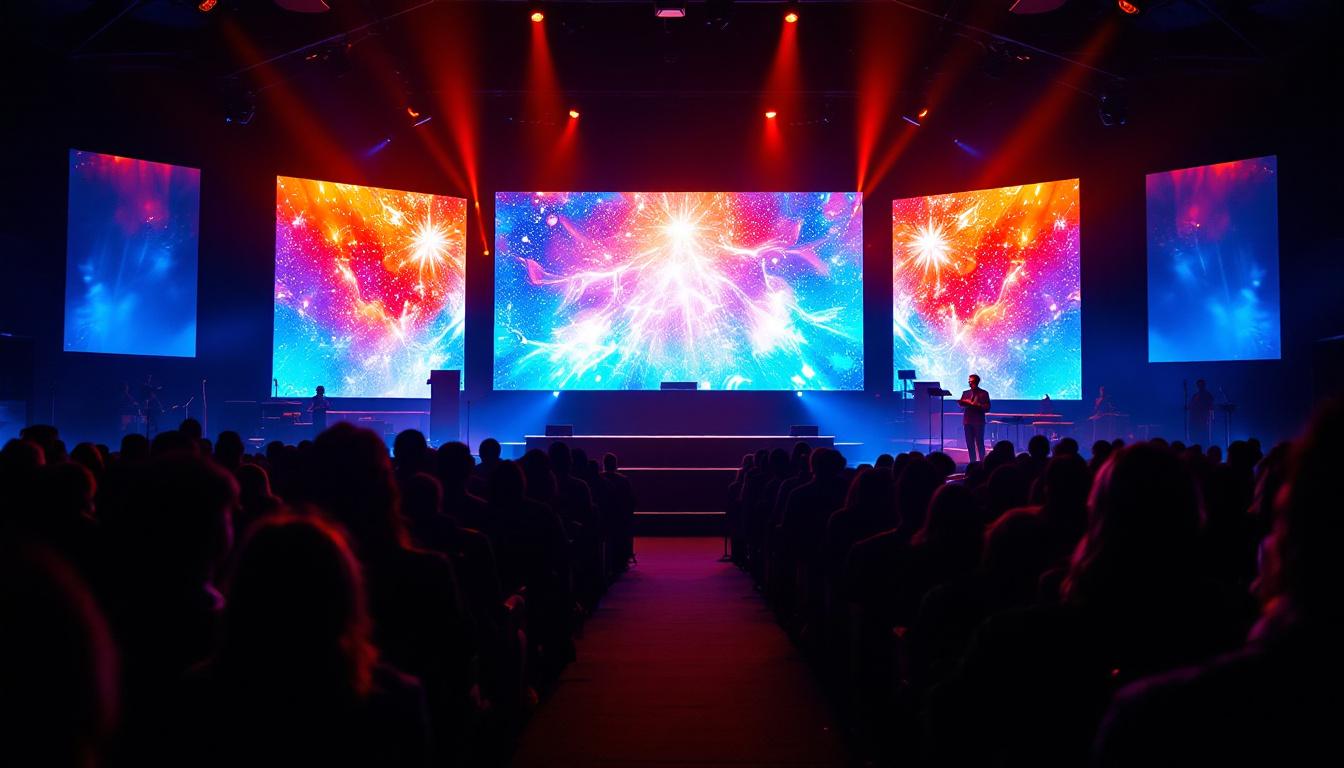
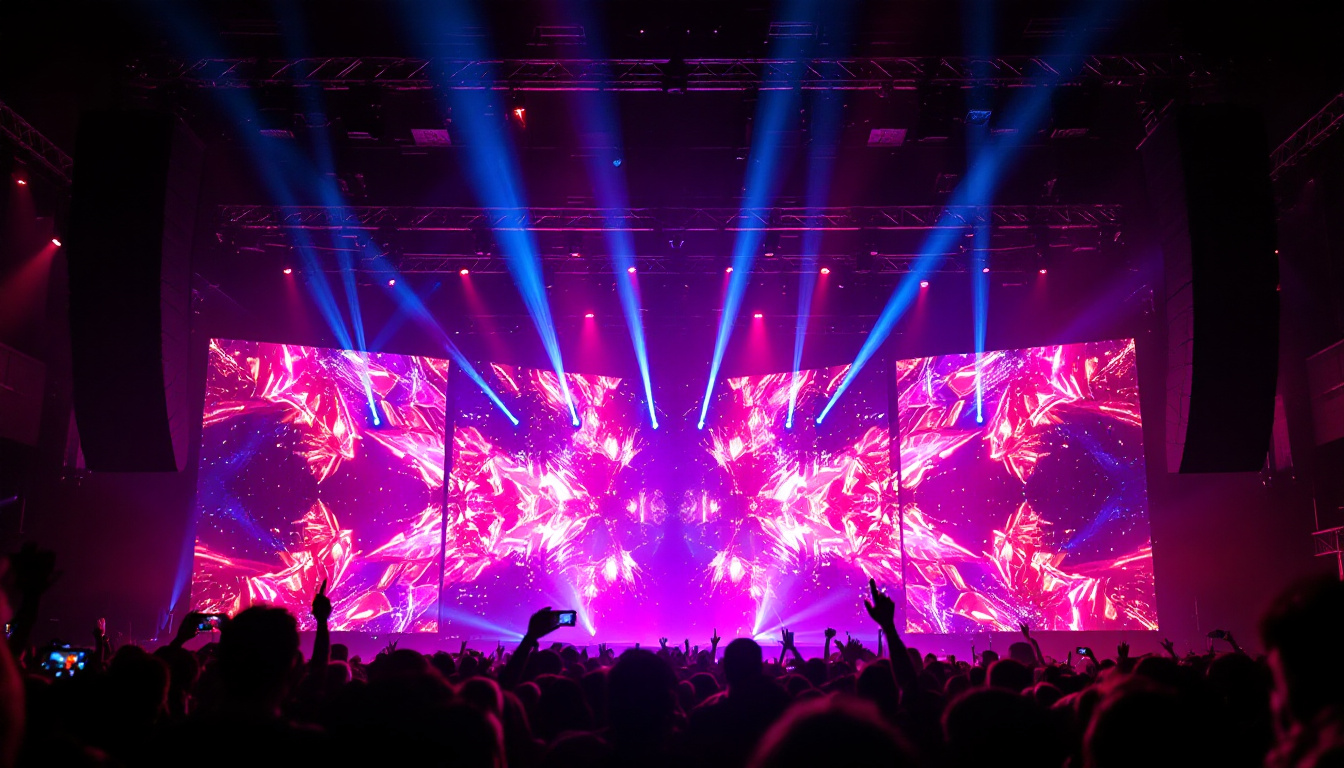
Sports arenas and concert venues rely heavily on large LED displays to enhance the spectator experience. These screens show live action, replays, scores, and interactive content that keep audiences engaged throughout events.
Modern stadiums, such as the AT&T Stadium in Texas, feature massive LED video boards that can span hundreds of feet, creating immersive environments that elevate the excitement of live events.
Transportation Hubs
Airports, train stations, and bus terminals use large LED signs to provide travelers with real-time schedules, gate information, and wayfinding assistance. The brightness and clarity of LED displays ensure that important information is easily accessible, even in crowded or fast-moving environments.
Key Considerations When Choosing a Large LED Sign
Resolution and Pixel Pitch
Resolution refers to the number of pixels on the display, while pixel pitch is the distance between individual LEDs. Smaller pixel pitches mean higher resolution and sharper images, which is especially important for displays viewed from close distances.
For outdoor billboards that are viewed from hundreds of feet away, a larger pixel pitch is acceptable and can reduce costs. Conversely, indoor displays or those meant for close-up viewing require finer pixel pitches to maintain image clarity.
Brightness and Viewing Distance
Brightness is measured in nits, and the required level depends on the environment. Outdoor signs need very high brightness to combat sunlight, whereas indoor signs require less. Understanding the typical viewing distance also helps determine the appropriate brightness and resolution for optimal visibility.
Durability and Weather Resistance
For outdoor installations, the LED sign must be weatherproof and resistant to dust, moisture, and temperature extremes. Look for displays with high IP (Ingress Protection) ratings, such as IP65 or higher, which indicate strong protection against environmental factors.
Control Systems and Software
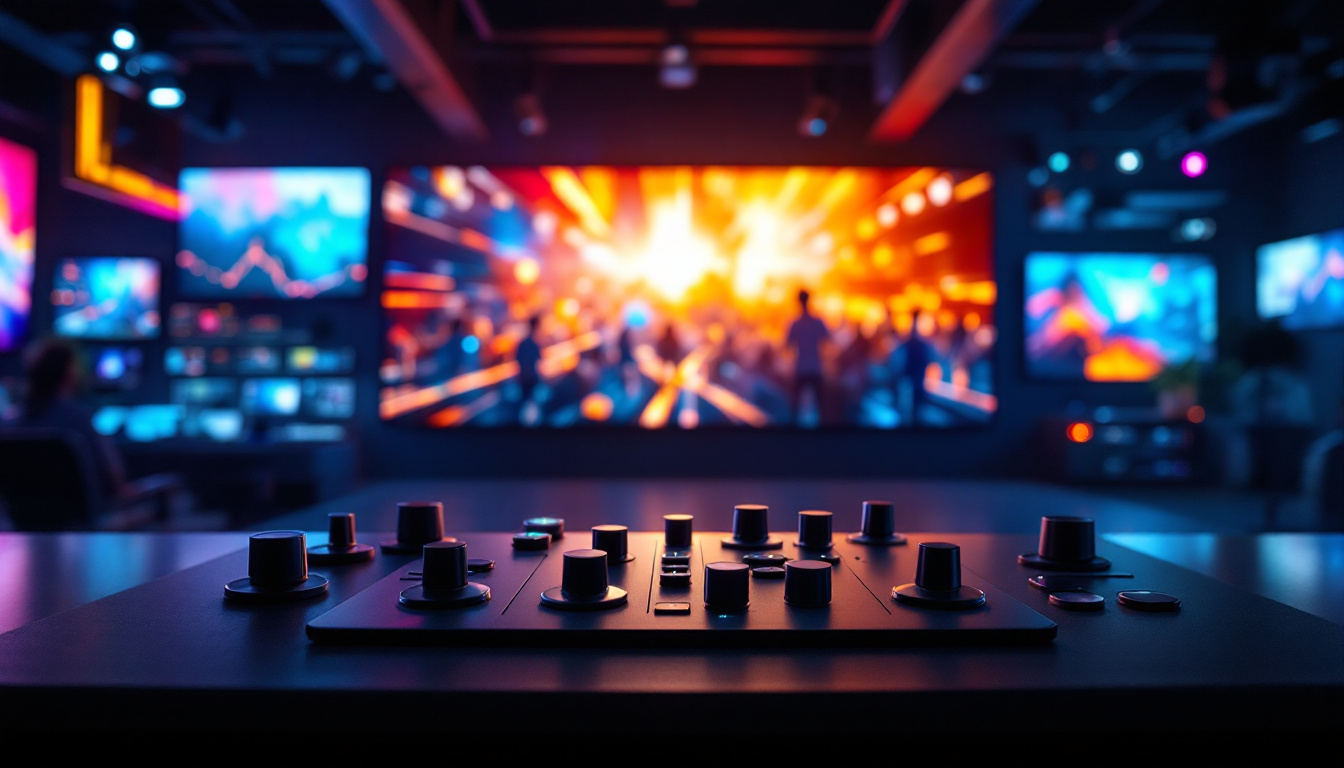
Modern LED signs come with sophisticated control systems that allow users to manage content remotely, schedule playlists, and monitor display health. Choosing a system with user-friendly software and reliable connectivity ensures smooth operation and easy updates.
Energy Consumption and Maintenance
While LEDs are energy-efficient, the size and brightness of the display will impact overall power usage. It’s important to consider ongoing energy costs and maintenance requirements when budgeting for an LED sign. Opting for high-quality components and reputable manufacturers can reduce downtime and repair expenses.
Future Trends in Large LED Displays
MicroLED and MiniLED Technologies
Emerging technologies like MicroLED and MiniLED promise even greater brightness, color accuracy, and energy efficiency. These smaller LEDs enable higher pixel densities and thinner display panels, opening new possibilities for design and application.
Integration with IoT and Smart Systems
Integration with the Internet of Things (IoT) allows LED signs to become part of smart city infrastructure. Displays can automatically adjust brightness based on ambient light, show personalized content based on audience analytics, or interact with mobile devices for enhanced engagement.
Sustainability and Eco-Friendly Designs
As environmental concerns grow, manufacturers are focusing on sustainable materials and energy-saving features. Solar-powered LED signs and recyclable components are becoming more common, helping reduce the ecological footprint of large digital displays.
Conclusion
Large LED signs have transformed the way businesses, governments, and organizations communicate with the public. Their combination of high visibility, energy efficiency, and dynamic content capabilities make them an indispensable tool in today’s visual landscape. Whether used for advertising, public safety, entertainment, or information dissemination, understanding the technology and key considerations behind LED displays ensures that users can maximize their impact and return on investment.
As LED technology continues to evolve, the future holds exciting possibilities for even more immersive, interactive, and sustainable large-scale displays. Investing in the right LED sign today means staying ahead in a world where visual communication is more important than ever.
Illuminate Your Message with LumenMatrix
Ready to elevate your visual communication with high-impact LED displays? LumenMatrix is at the forefront of LED display innovation, offering a comprehensive range of solutions tailored to your unique needs. From the vibrant clarity of our Indoor and Outdoor LED Wall Displays to the dynamic versatility of our Vehicle and Sports LED Displays, each product is designed to captivate and engage your audience. Discover the transformative power of our LED Poster Displays, Floor Displays, Custom Solutions, and more. Check out LumenMatrix LED Display Solutions today and step into the future of digital signage.