In the world of woodworking and industrial manufacturing, precision and efficiency are paramount. One of the essential tools that professionals rely on to achieve smooth, accurate surfaces on large wooden boards is the large planer. Over recent years, the integration of LED displays into these machines has revolutionized how operators interact with planers, enhancing usability, accuracy, and productivity. This article delves into the role of LED displays in large planers, explaining their benefits, functionality, and why they have become a critical feature in modern woodworking equipment.
Understanding the Large Planer and Its Applications
A large planer is a woodworking machine designed to trim boards to a consistent thickness and create a smooth surface by shaving off thin layers of wood. Unlike handheld planers, large planers are stationary and capable of handling wide and long boards, making them indispensable in furniture manufacturing, cabinetry, and large-scale construction projects. Their robust design allows them to process hardwoods, softwoods, and engineered woods with equal efficiency, catering to a diverse range of woodworking needs.
The primary function of a planer is to ensure uniform thickness across the entire length of a board, which is crucial for joinery, aesthetic appeal, and structural integrity. In industrial settings, large planers often accommodate boards several feet wide and long, requiring precise control over feed rates, cutting depth, and blade adjustments. This capability not only enhances productivity but also ensures that the finished pieces meet stringent quality standards, which is essential in competitive markets where craftsmanship is paramount.
Why Precision Matters in Planing
Woodworking tolerances are tight; even a fraction of a millimeter can affect the fit and finish of the final product. Inconsistent thickness can lead to warped furniture, misaligned panels, and wasted materials. Therefore, operators must closely monitor and adjust the planer settings to maintain exact specifications. The precision of a large planer can significantly influence the overall quality of the woodworking project, making it an essential tool in the arsenal of professional woodworkers and manufacturers alike.
Historically, this process involved manual measurements and adjustments, which were time-consuming and prone to human error. The advent of digital controls and LED displays has transformed this landscape, allowing for real-time monitoring and precise control. Additionally, many modern large planers are equipped with advanced features such as automated feed systems and self-adjusting blades, which further enhance efficiency and accuracy. These innovations not only streamline the workflow but also reduce the physical strain on operators, allowing them to focus on the artistry of woodworking rather than the mechanics of the machine.
The Role of LED Displays in Large Planers
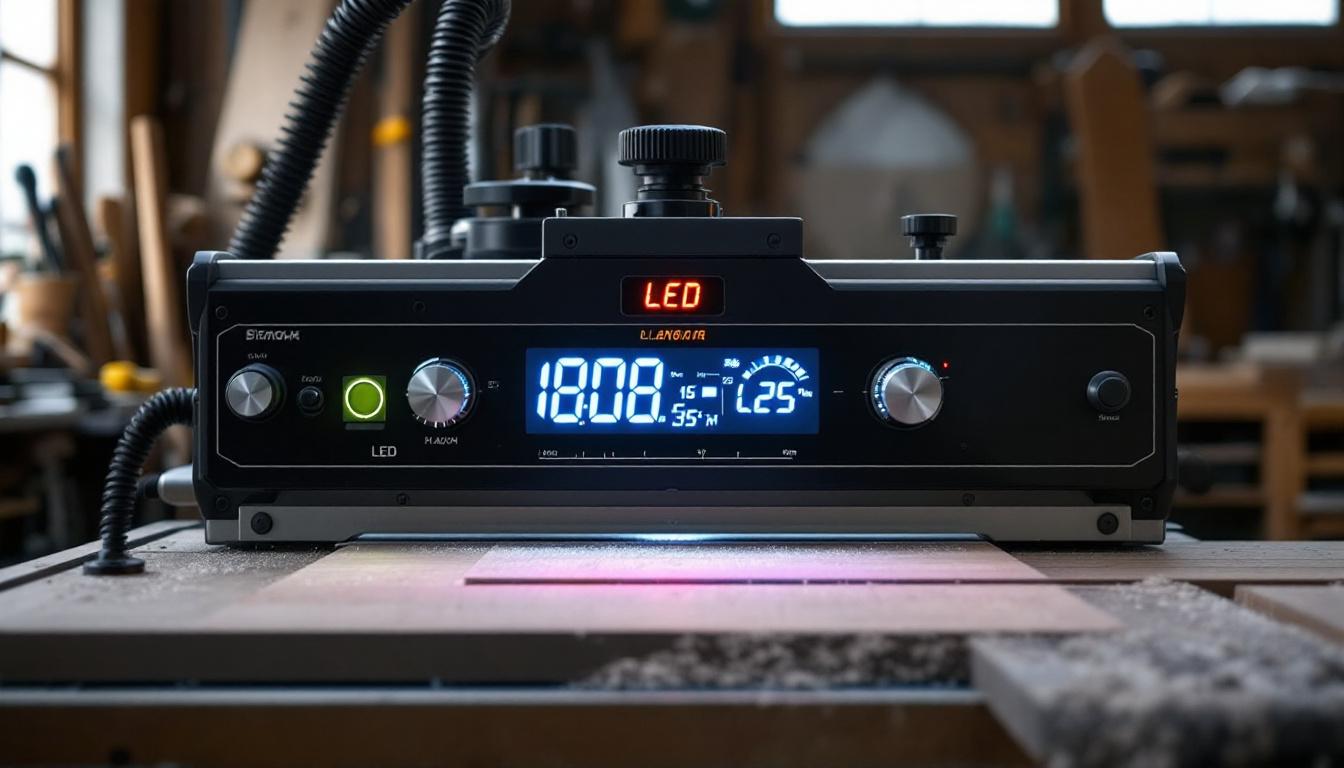
LED (Light Emitting Diode) displays have become a standard feature in modern large planers, serving as the interface between the machine and the operator. These displays provide clear, immediate feedback on various operational parameters, improving both accuracy and ease of use. The integration of LED technology not only enhances the functionality of planers but also contributes to a more efficient workflow, allowing operators to focus on the quality of their work rather than struggling with outdated interfaces.
Key Parameters Displayed on LED Screens
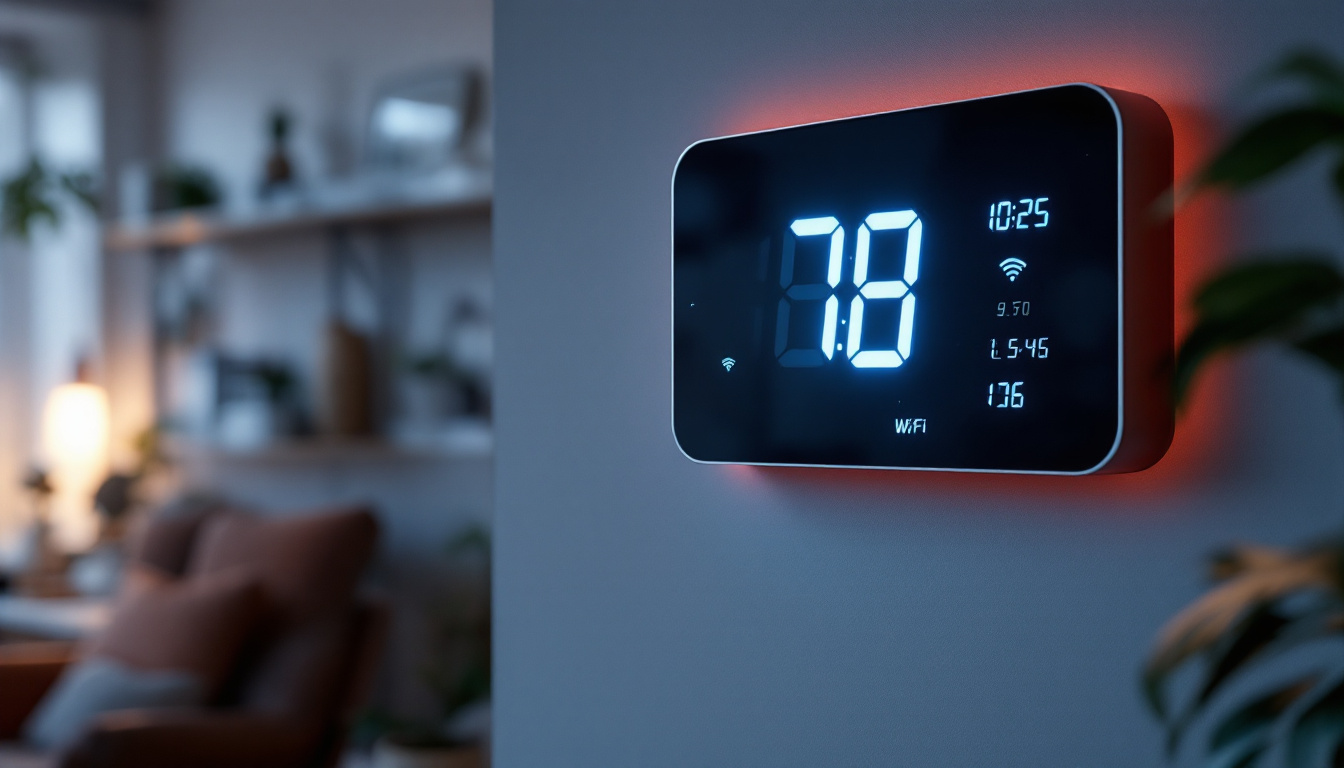
Typical LED displays on large planers show critical information such as:
- Thickness Setting: The target thickness to which the board is being planed.
- Current Thickness: Real-time measurement of the board’s thickness as it passes through the planer.
- Feed Speed: The rate at which the board moves through the planer, affecting surface finish quality.
- Blade Height Adjustment: Precise control of blade position for consistent cutting depth.
- Error Messages and Alerts: Notifications for maintenance needs, jams, or operational faults.
By consolidating this information in a single, easy-to-read display, operators can make quick, informed decisions without interrupting workflow. Furthermore, many LED displays are designed to be customizable, allowing operators to prioritize the information they find most relevant. This adaptability not only enhances usability but also empowers operators to tailor their experience based on specific tasks or preferences, ultimately leading to improved productivity.
Advantages of LED Displays Over Traditional Analog Controls
Before LED displays, large planers typically relied on analog dials, gauges, or mechanical indicators. These methods had limitations in accuracy, visibility, and user-friendliness. LED displays offer several advantages:
- Enhanced Visibility: Bright, backlit screens are easy to read in various lighting conditions, including dimly lit workshops.
- Improved Accuracy: Digital readouts provide precise measurements, often down to hundredths of a millimeter, reducing guesswork.
- Ease of Use: Intuitive interfaces with buttons or touch controls simplify adjustments and reduce operator fatigue.
- Data Logging: Some advanced systems can store operational data, enabling better quality control and traceability.
Moreover, the transition to LED displays has facilitated the integration of advanced features such as real-time diagnostics and predictive maintenance alerts. This proactive approach not only minimizes downtime but also extends the lifespan of the equipment, as operators can address potential issues before they escalate into significant problems. Additionally, many modern LED displays are equipped with connectivity options, allowing for remote monitoring and control, which is particularly beneficial in large-scale operations where multiple machines are in use simultaneously.
How LED Displays Enhance Workflow and Productivity
Integrating LED displays into large planers not only improves accuracy but also streamlines the entire planing process. This section explores how these displays contribute to better workflow and higher productivity in professional settings.
Real-Time Monitoring and Adjustments
One of the most significant benefits of LED displays is the ability to monitor thickness and other parameters in real time. Operators no longer need to stop the machine to measure the board manually. Instead, the display shows continuous feedback, allowing for immediate adjustments to blade height or feed speed.
This capability reduces downtime and material waste, as errors can be corrected on the fly before producing defective pieces. Furthermore, the integration of LED displays with advanced sensors enhances the precision of these measurements, ensuring that even the slightest variations are detected and addressed promptly. This level of responsiveness not only boosts efficiency but also fosters a culture of quality control, where operators are empowered to maintain high standards throughout the production process.
Consistency Across Multiple Boards
When working on batches of boards, maintaining consistent thickness is critical. LED displays enable operators to set exact thickness values and replicate these settings across multiple runs. This consistency is especially important in mass production environments where uniformity affects assembly and final product quality.
Reducing Operator Error
Human error is a common cause of defects in woodworking. LED displays minimize this risk by providing clear, unambiguous information and automated alerts. For example, if the blade height is set outside safe parameters, the display can warn the operator, preventing damage to the machine or workpiece.
Moreover, the intuitive design of many LED interfaces means that operators can quickly familiarize themselves with the system, reducing the learning curve associated with new machinery. Training sessions can be streamlined as operators spend less time grappling with complex controls and more time focusing on their craft. This ease of use not only enhances safety but also boosts morale, as workers feel more confident and competent in their roles, leading to a more productive work environment overall.
Technological Innovations in LED Display Systems for Large Planers
As technology advances, LED display systems in large planers continue to evolve, incorporating new features that further enhance functionality and user experience.
Touchscreen Interfaces and Programmability
Modern large planers often feature touchscreen LED displays, allowing operators to input settings directly on the screen. This innovation simplifies the setup process and enables the storage of multiple presets for different materials or thicknesses.
Programmable displays can also integrate with other workshop systems, such as CNC controls or inventory management software, facilitating a more connected and automated production environment.
Integration with Sensors and IoT
Advanced planers utilize sensors to measure board thickness, moisture content, and feed rate, feeding this data to the LED display in real time. Coupled with Internet of Things (IoT) technology, these machines can transmit operational data to centralized monitoring systems, enabling predictive maintenance and remote diagnostics.
This connectivity reduces unexpected downtime and extends the lifespan of the equipment, offering significant cost savings.
Energy Efficiency and Sustainability
LED technology itself is energy-efficient, consuming less power than traditional display methods. Additionally, by improving precision and reducing waste, LED-equipped planers contribute to more sustainable woodworking practices.
Choosing a Large Planer with an LED Display: What to Consider
For woodworking professionals and businesses looking to invest in a large planer, understanding the features and capabilities of LED displays is essential to making an informed purchase decision.
Display Size and Resolution
A larger, high-resolution LED display improves readability and allows for more information to be shown simultaneously. This is especially beneficial in busy workshop environments where quick glances at the screen are necessary.
User Interface and Controls
The intuitiveness of the display interface affects how quickly operators can learn and efficiently use the machine. Touchscreen controls, clear icons, and customizable settings enhance usability.
Compatibility with Existing Equipment
Consider whether the LED display system can integrate with other machinery or software used in the workshop. Compatibility can streamline operations and data management.
Support and Maintenance
Choose planers from manufacturers who offer reliable technical support and firmware updates for the LED display system. This ensures the machine remains up-to-date and functional over its operational life.
Conclusion: The Future of Large Planers and LED Displays
LED displays have transformed large planers from purely mechanical devices into sophisticated, user-friendly machines that enhance precision and productivity. As woodworking demands grow more complex and automated, the role of digital interfaces will only increase.
Investing in a large planer equipped with an advanced LED display system is not just about convenience—it is a strategic decision that impacts quality, efficiency, and profitability. By embracing these technological advancements, woodworking professionals can meet the highest standards of craftsmanship while optimizing their workflows.
Discover the Future of Woodworking with LumenMatrix
As you consider the advancements in large planers and the integral role of LED displays, take the next step in optimizing your woodworking projects with LumenMatrix. Our innovative LED display technology is designed to bring your craft into the future. From enhancing precision in your workshop to captivating your audience with stunning visual displays, LumenMatrix offers a wide range of solutions including Indoor and Outdoor LED Wall Displays, Vehicle LED Displays, and more. Experience the transformative power of our LED display modules and elevate your woodworking business today. Check out LumenMatrix LED Display Solutions and join the revolution of visual communication.