In the rapidly evolving world of digital displays, LED technology stands out as a cornerstone for vibrant, energy-efficient, and versatile visual solutions. Lattice Semiconductor Corporation, a notable player in the semiconductor industry, has been instrumental in advancing LED display technologies through its innovative FPGA (Field Programmable Gate Array) solutions. This article delves into the intricacies of LED displays, the role of Lattice Semiconductor in this domain, and how their products empower modern LED display systems.
Understanding LED Display Technology
What Is an LED Display?
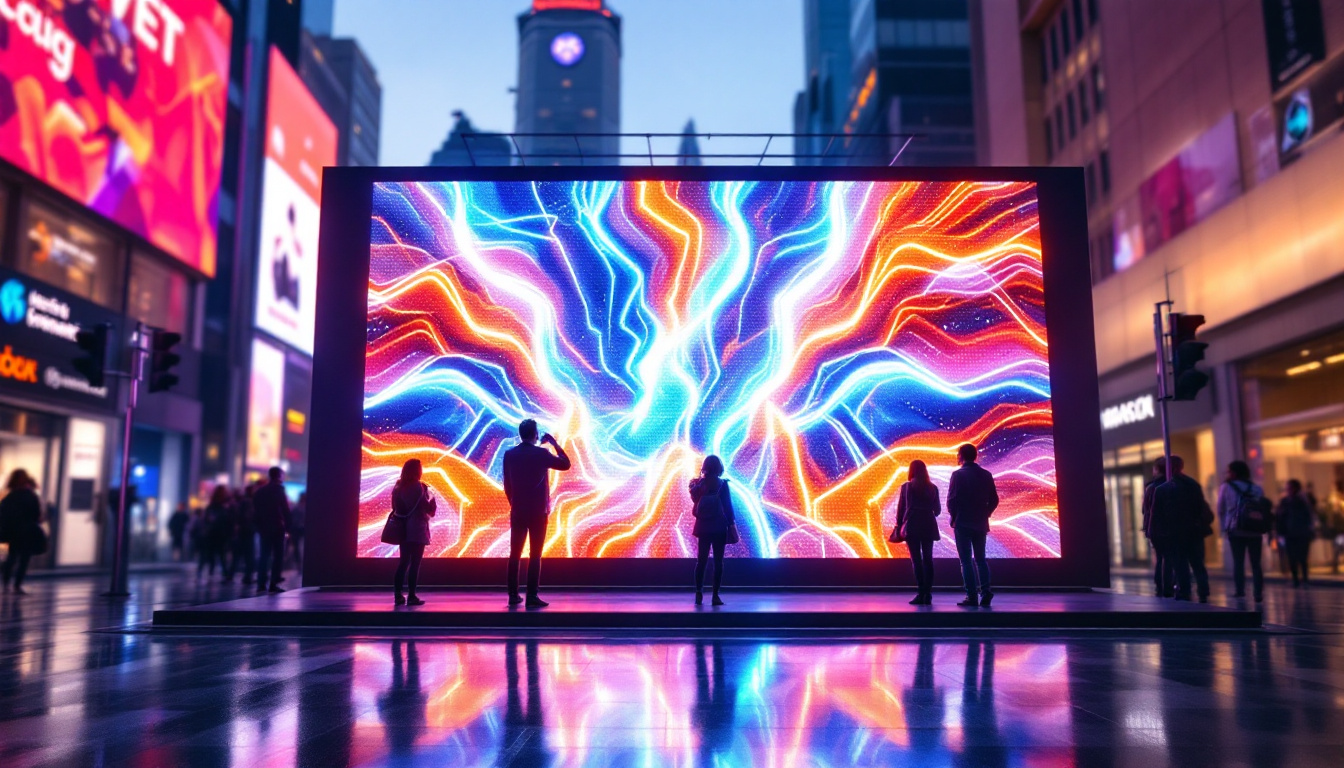
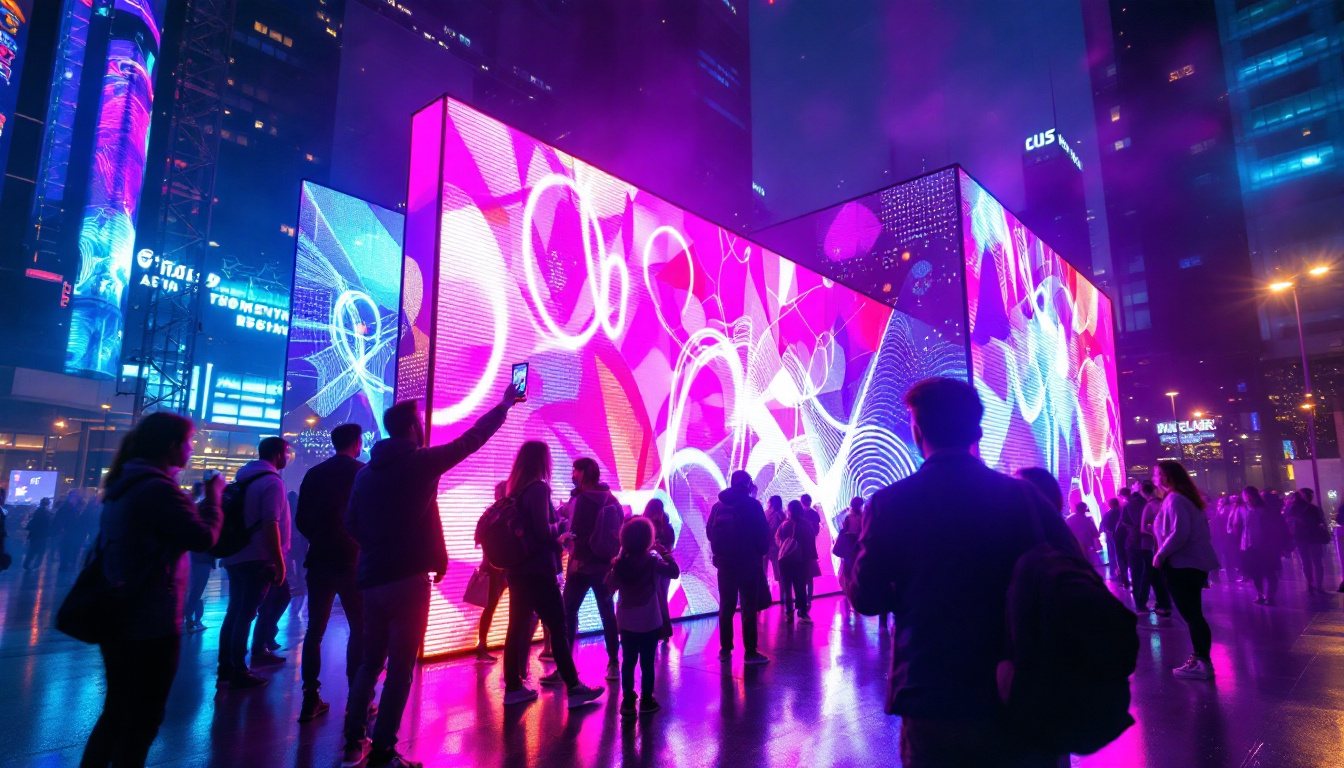
LED, or Light Emitting Diode, displays are screens composed of numerous tiny LEDs that emit light when an electric current passes through them. Unlike traditional LCDs that rely on backlighting, LED displays generate their own light, resulting in brighter images, better contrast, and improved energy efficiency. These displays are widely used across various applications, including outdoor billboards, stadium screens, digital signage, and even television panels. The technology behind LED displays has evolved significantly, making them not only more accessible but also more versatile, allowing for creative applications in art installations and architectural designs.
Types of LED Displays
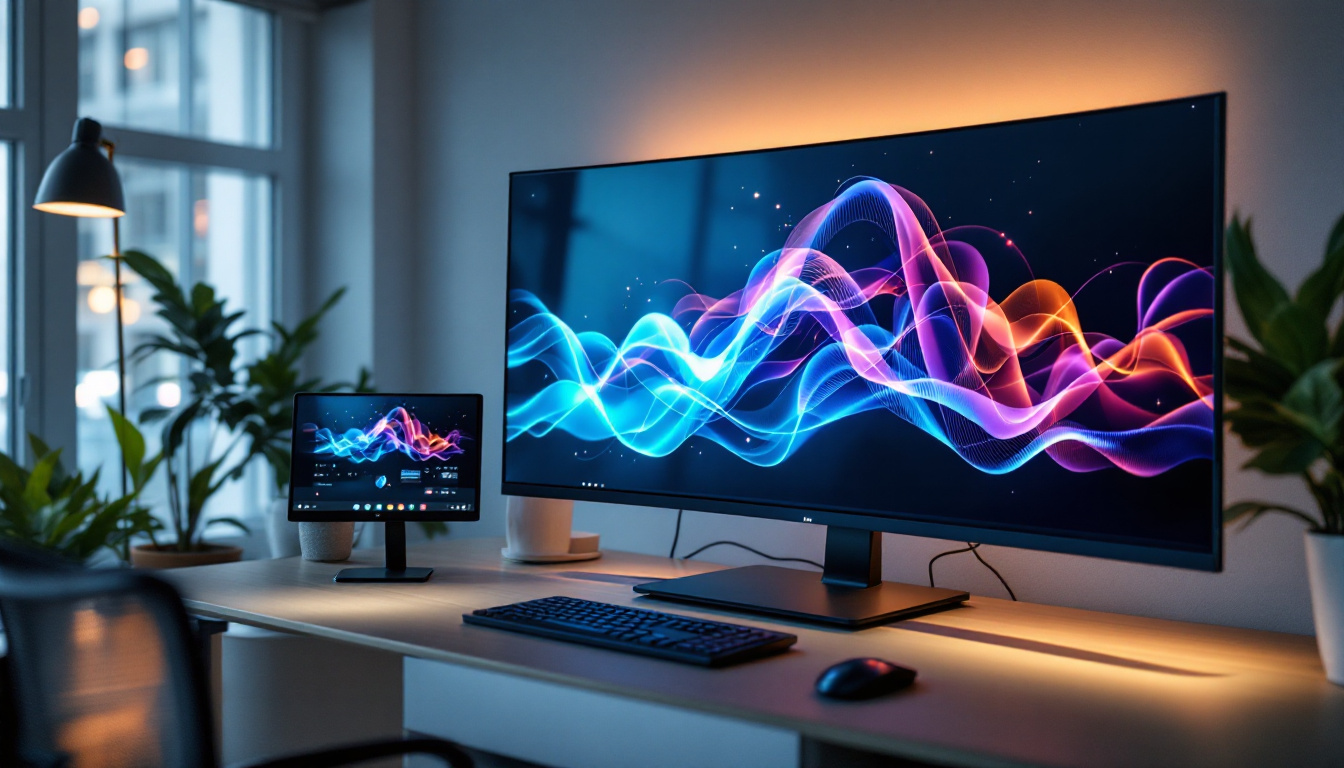
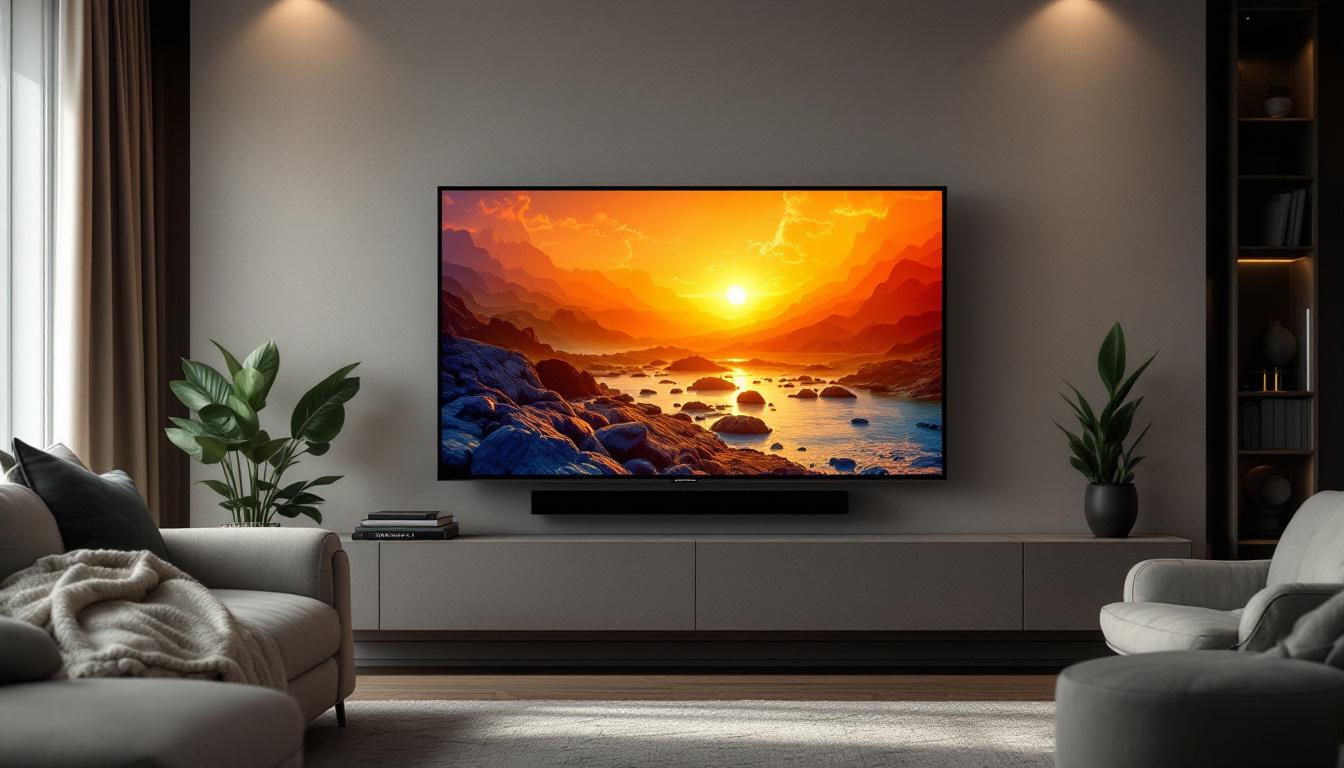
LED displays can be broadly categorized into two types: direct-view LED displays and LED-backlit LCDs. Direct-view LED displays consist of individual LEDs arranged in a matrix to form images directly. They are commonly used for large-scale outdoor and indoor screens due to their high brightness and scalability. LED-backlit LCDs, on the other hand, use LEDs as a backlight source for liquid crystal displays, enhancing brightness and color accuracy in devices like televisions and monitors. Additionally, there are variations such as OLED (Organic LED) displays, which utilize organic compounds to emit light and offer even deeper blacks and more vibrant colors, further expanding the possibilities for display technology.
Key Advantages of LED Displays
LED displays offer several benefits over other display technologies. Their high brightness levels make them visible even under direct sunlight, which is crucial for outdoor advertising. Additionally, LEDs consume less power and have a longer lifespan compared to traditional lighting methods. The modular nature of LED panels enables flexible screen sizes and shapes, catering to diverse installation requirements. Furthermore, their fast response times and wide color gamut contribute to superior image quality. These advantages have led to a rapid increase in the adoption of LED technology in various sectors, including retail, transportation, and entertainment, where dynamic content and real-time updates can enhance user engagement and experience.
Moreover, the advancements in LED technology have paved the way for innovations such as transparent LED displays, which allow for unique applications in retail environments where visibility through the screen is desired. This technology can create eye-catching displays that do not obstruct views, making them ideal for storefronts and exhibitions. As the demand for high-quality visual experiences continues to grow, LED displays are likely to evolve further, incorporating features like smart connectivity and interactive capabilities, thereby transforming how we interact with digital content in our daily lives.
Lattice Semiconductor Corp’s Role in LED Display Systems
Overview of Lattice Semiconductor Corporation
Founded in 1983, Lattice Semiconductor Corporation has established itself as a leader in low-power, small form-factor FPGA solutions. Their products are designed to enable flexible and efficient hardware designs, particularly in applications requiring real-time processing and high-speed data handling. The company’s focus on power efficiency and compactness makes its FPGA devices ideal for integration into LED display controllers and related hardware. Over the years, Lattice has continually innovated, adapting to the rapid advancements in technology and the increasing demand for high-performance electronics. Their commitment to research and development has resulted in cutting-edge products that cater to a diverse range of industries, including automotive, telecommunications, and consumer electronics.
FPGAs in LED Display Technology
Field Programmable Gate Arrays (FPGAs) are semiconductor devices that can be programmed after manufacturing to perform specific logic functions. In LED display systems, FPGAs serve as the brains behind the scenes, managing data flow, controlling LED drivers, and handling image processing tasks. Their reconfigurability allows manufacturers to update display functionalities without changing hardware, offering adaptability to evolving standards and customer needs. This flexibility is particularly crucial in the fast-paced world of digital signage, where content can change frequently and must be displayed in real-time. Additionally, FPGAs can help reduce latency, ensuring that the visual output is synchronized perfectly with the input signals, which is essential for applications such as live events and interactive displays.
Lattice’s FPGA Solutions for LED Displays
Lattice’s portfolio includes a range of low-power FPGAs optimized for display applications. The company’s iCE40 and ECP5 FPGA families are particularly popular in LED display controllers due to their balance of performance, power consumption, and cost-effectiveness. These FPGAs facilitate high-speed video data processing, timing control, and interface management essential for seamless LED display operation. By integrating Lattice FPGAs, manufacturers can achieve compact, energy-efficient display modules with enhanced functionality. Furthermore, Lattice Semiconductor provides comprehensive development tools and support, enabling engineers to design and implement their systems more efficiently. The availability of ready-to-use IP cores and reference designs accelerates the development process, allowing companies to bring their LED display solutions to market faster while maintaining high quality and performance standards.
Technical Insights: How Lattice FPGAs Enhance LED Display Performance
High-Speed Data Processing and Signal Integrity
LED displays require rapid and precise data transmission to maintain image quality, especially for high-resolution and high-refresh-rate screens. Lattice FPGAs support multi-gigabit transceivers and advanced signal processing capabilities that ensure data integrity and reduce latency. This is critical for applications such as live event screens and digital billboards where real-time video streaming is essential. The ability to handle high bandwidth data streams without compromising quality allows for the display of vibrant colors and intricate details, making them ideal for immersive experiences in concerts, sports events, and advertising.
Moreover, the advanced error correction algorithms integrated within Lattice FPGAs further enhance the reliability of data transmission. By actively monitoring signal integrity and making real-time adjustments, these FPGAs can mitigate the effects of noise and interference that often plague high-speed communication. This ensures that the LED displays maintain their visual fidelity even in challenging environments, such as crowded venues or outdoor settings with fluctuating weather conditions.
Power Efficiency and Thermal Management
One of the challenges in large LED displays is managing power consumption and heat dissipation. Lattice’s low-power FPGA architectures significantly reduce energy usage compared to traditional ASICs or microcontrollers. This efficiency not only lowers operational costs but also extends the lifespan of the display components by minimizing thermal stress. For outdoor installations exposed to varying environmental conditions, this reliability is paramount. The reduced power draw also contributes to a smaller carbon footprint, aligning with the growing demand for sustainable technology solutions.
Additionally, Lattice FPGAs incorporate advanced thermal management techniques, such as dynamic voltage scaling and adaptive clocking, which adjust power usage based on the display’s operational needs. This adaptability not only optimizes performance but also enhances the overall user experience by ensuring that displays remain cool and operational even during peak usage periods. As a result, these features make Lattice FPGAs an attractive choice for manufacturers looking to create energy-efficient, long-lasting LED display solutions.
Flexible Interface Support and Scalability
Lattice FPGAs offer versatile interface options, including HDMI, DisplayPort, and custom serial interfaces, enabling seamless integration with various video sources and LED driver ICs. Their scalability allows manufacturers to design displays ranging from small indoor panels to massive outdoor video walls using the same FPGA platform. This flexibility accelerates development cycles and reduces inventory complexity. By leveraging a common architecture, developers can streamline their design processes and quickly adapt to changing market demands.
Furthermore, the modular nature of Lattice FPGAs allows for easy upgrades and enhancements. As technology evolves, manufacturers can implement new features or improve existing ones without needing to overhaul the entire system. This adaptability not only saves time and resources but also provides a competitive edge in a rapidly changing industry. With the ability to support future video standards and resolutions, Lattice FPGAs ensure that LED displays remain relevant and capable of delivering cutting-edge performance for years to come.
Applications and Industry Impact
Digital Signage and Advertising
The global digital signage market is projected to reach over $30 billion by 2027, driven largely by demand for dynamic and engaging advertising solutions. Lattice Semiconductor’s FPGA-powered LED display controllers play a crucial role in this sector by enabling high-resolution, bright, and reliable screens that captivate audiences. Their technology supports features such as real-time content updates, interactive displays, and multi-screen synchronization, enhancing advertiser capabilities.
Sports and Entertainment Venues
Stadiums and arenas rely heavily on LED displays for scoreboards, live video feeds, and immersive fan experiences. The robustness and performance of Lattice FPGAs ensure these displays operate flawlessly under demanding conditions, including outdoor weather exposure and rapid content changes. Their low latency and high refresh rates contribute to smooth video playback, critical for live sports broadcasting.
Transportation and Public Information Systems
LED displays are increasingly used in transportation hubs like airports, train stations, and bus terminals to provide real-time information. Lattice’s FPGA solutions enable these displays to handle diverse data inputs and deliver clear, legible content even in challenging lighting environments. The reliability and low power consumption of these systems also support sustainable infrastructure goals.
Future Trends and Innovations in LED Display Technology
Miniaturization and Higher Pixel Density
As consumer and commercial demand grows for sharper and more detailed displays, the trend toward miniaturization continues. Smaller LED pixel pitches enable higher pixel densities, resulting in crisper images. Lattice Semiconductor is actively developing FPGA solutions that support these advancements by providing the necessary processing power and interface flexibility to handle increased data rates.
Integration of AI and Smart Features
Artificial intelligence is beginning to influence LED display technology, enabling features like content optimization, predictive maintenance, and adaptive brightness control. Lattice’s programmable devices can incorporate AI accelerators or interface with external AI modules, allowing LED displays to become smarter and more responsive to their environments and user interactions.
Energy Harvesting and Sustainability
With growing emphasis on sustainability, future LED displays are expected to incorporate energy-harvesting technologies, such as solar panels or kinetic energy converters. Coupled with Lattice’s ultra-low-power FPGAs, these innovations could lead to self-sustaining display systems, reducing the environmental footprint and operational costs for outdoor installations.
Conclusion
LED display technology continues to transform the way information and entertainment are delivered across multiple industries. Lattice Semiconductor Corporation’s contribution through its advanced FPGA solutions has been pivotal in enabling high-performance, energy-efficient, and scalable LED display systems. By understanding the technical foundations and applications of Lattice’s offerings, manufacturers and system integrators can better leverage these technologies to meet the growing demands of the digital display market.
As LED displays evolve with higher resolutions, smarter features, and sustainability considerations, Lattice Semiconductor’s commitment to innovation ensures it remains at the forefront of this dynamic field, empowering the next generation of visual experiences worldwide.
Discover LumenMatrix’s Innovative LED Display Solutions
As you explore the future of LED displays and their transformative impact on various industries, consider the pioneering solutions offered by LumenMatrix. With a commitment to revolutionizing visual communication, LumenMatrix provides an extensive range of LED display modules, from vibrant Indoor and Outdoor LED Wall Displays to dynamic Vehicle and Sports Displays, and even customizable options tailored to your unique needs. Whether you’re looking to enhance brand visibility or create immersive visual experiences, LumenMatrix’s state-of-the-art technology is designed to captivate audiences and deliver your message with unparalleled clarity. Check out LumenMatrix LED Display Solutions and take the first step towards elevating your visual engagement.