In today’s digital age, display technology plays a crucial role in how information is presented and consumed. From smartphones and televisions to large-scale advertising billboards and control room monitors, the evolution of display systems has transformed visual communication. Among the myriad of technologies available, LCD and LED displays stand out as dominant players. This article delves into the intricacies of LCD systems and LED displays, clarifying their differences, applications, and the technological advancements shaping their future.
Understanding LCD Technology
Liquid Crystal Display (LCD) technology has been a cornerstone of modern screen technology for decades. At its core, an LCD screen uses liquid crystals that align to modulate light and produce images. Unlike traditional cathode ray tube (CRT) displays that rely on electron beams, LCDs manipulate light with the help of liquid crystals sandwiched between two layers of polarized glass.
How LCDs Work
LCD panels do not emit light on their own. Instead, they depend on a backlight, typically made of fluorescent lamps or LEDs, to illuminate the screen. The liquid crystals act as shutters that either block or allow the passage of light through colored filters, creating the images we see. When an electric current is applied, the crystals twist to varying degrees, controlling the intensity and color of light passing through each pixel.
This mechanism allows LCDs to produce sharp images with high resolution, making them ideal for devices requiring detailed visuals such as computer monitors and smartphones. The precision of the liquid crystal alignment is crucial, as even slight variations can lead to color distortion or blurring, particularly in fast-moving images. This is why advancements in LCD technology, such as the introduction of In-Plane Switching (IPS) panels, have significantly improved viewing angles and color reproduction, catering to the needs of graphic designers and gamers alike.
Advantages of LCD Systems
LCD displays are known for their energy efficiency compared to older technologies like CRTs. They are thinner, lighter, and generate less heat, which has enabled the development of sleek, portable devices. Additionally, LCDs offer excellent color accuracy and brightness, especially in well-lit environments. Their ability to maintain consistent brightness levels across the screen makes them particularly useful for applications like digital signage and medical imaging, where clarity and detail are paramount.
Another benefit is the relatively low cost of manufacturing, which has contributed to the widespread adoption of LCDs in consumer electronics worldwide. As production techniques have improved, the price of LCD screens has decreased, making high-quality displays accessible to a broader audience. Furthermore, the versatility of LCD technology allows it to be used in a variety of applications, from televisions and laptops to wearable devices and automotive displays, showcasing its adaptability in an ever-evolving tech landscape. This widespread integration has also spurred innovations in display technology, leading to the development of hybrid systems that combine LCD with other technologies, such as OLED, to enhance performance and user experience.
What Is an LED Display?
While LCD refers to the liquid crystal technology used to create images, LED stands for Light Emitting Diode, a type of semiconductor light source. The term “LED display” can sometimes cause confusion because it is often used to describe two different types of screens: LED-backlit LCDs and true LED displays.
LED-Backlit LCDs
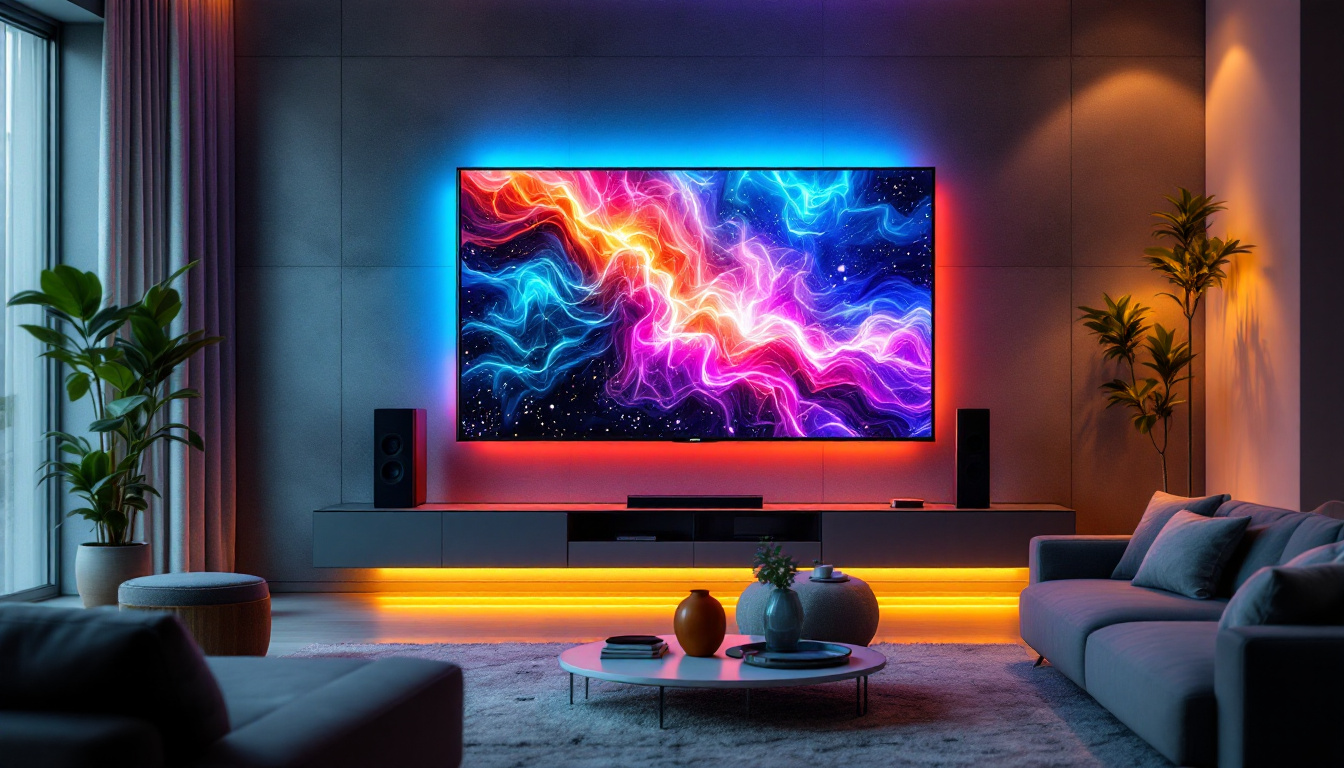
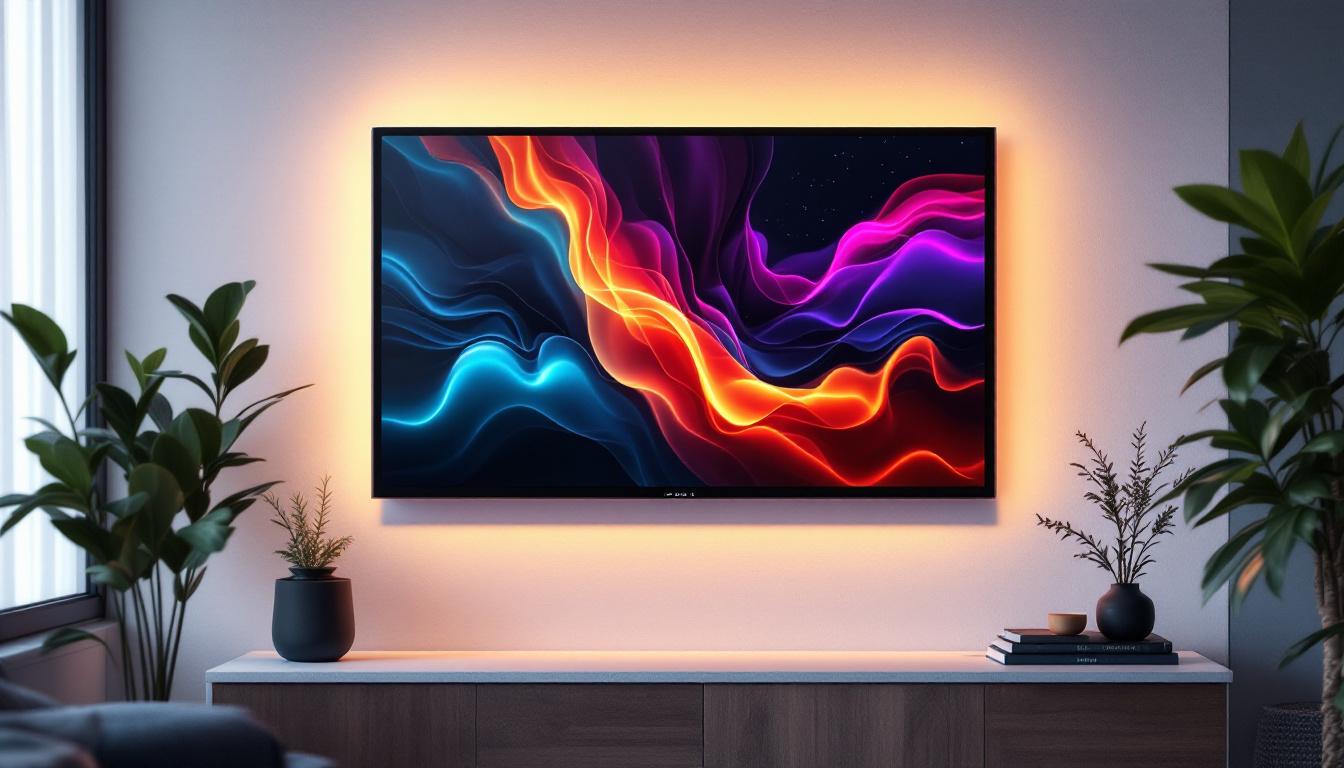
Most modern LCD screens are actually LED-backlit. This means that instead of using traditional fluorescent lamps for backlighting, they employ arrays of LEDs. This innovation improves brightness, contrast, and energy efficiency. LED backlighting also allows for thinner panels and better color reproduction through techniques like local dimming, where different zones of LEDs can be dimmed or brightened independently.
LED-backlit LCDs dominate the market for televisions, computer monitors, and mobile devices due to their balance of performance and cost. The widespread adoption of LED-backlit technology has also led to advancements in display resolutions, with many manufacturers now offering 4K and even 8K options that deliver stunning clarity and detail. Furthermore, the integration of smart technology into these displays has transformed the viewing experience, allowing users to stream content, access apps, and even control their home environments directly from their screens.
True LED Displays
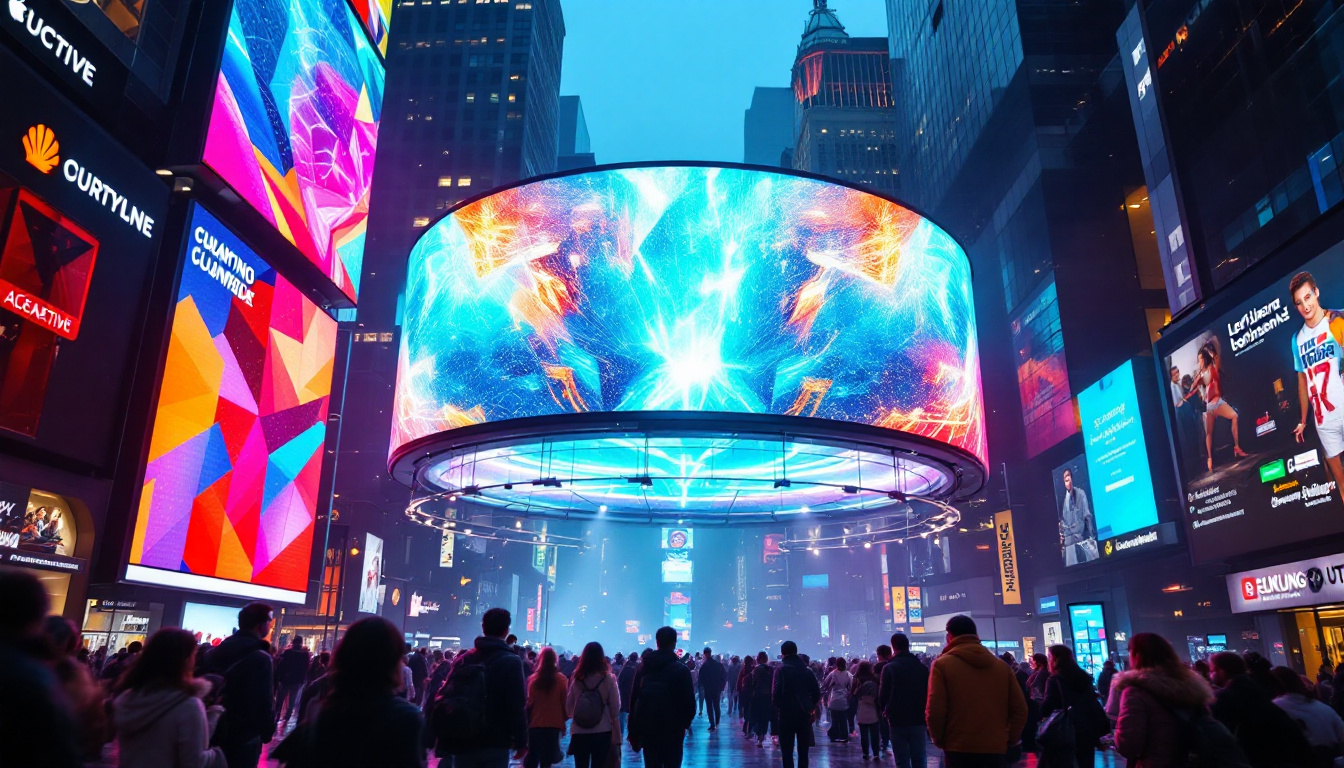
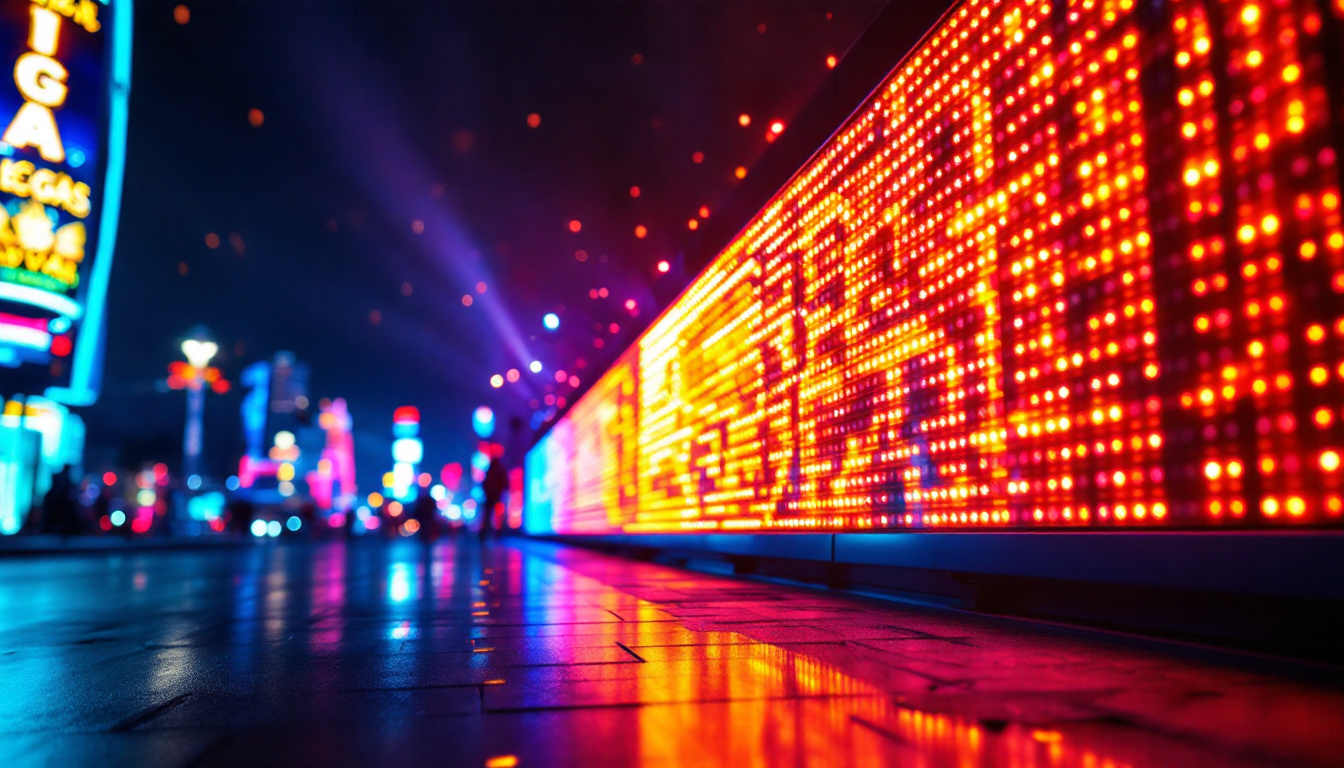
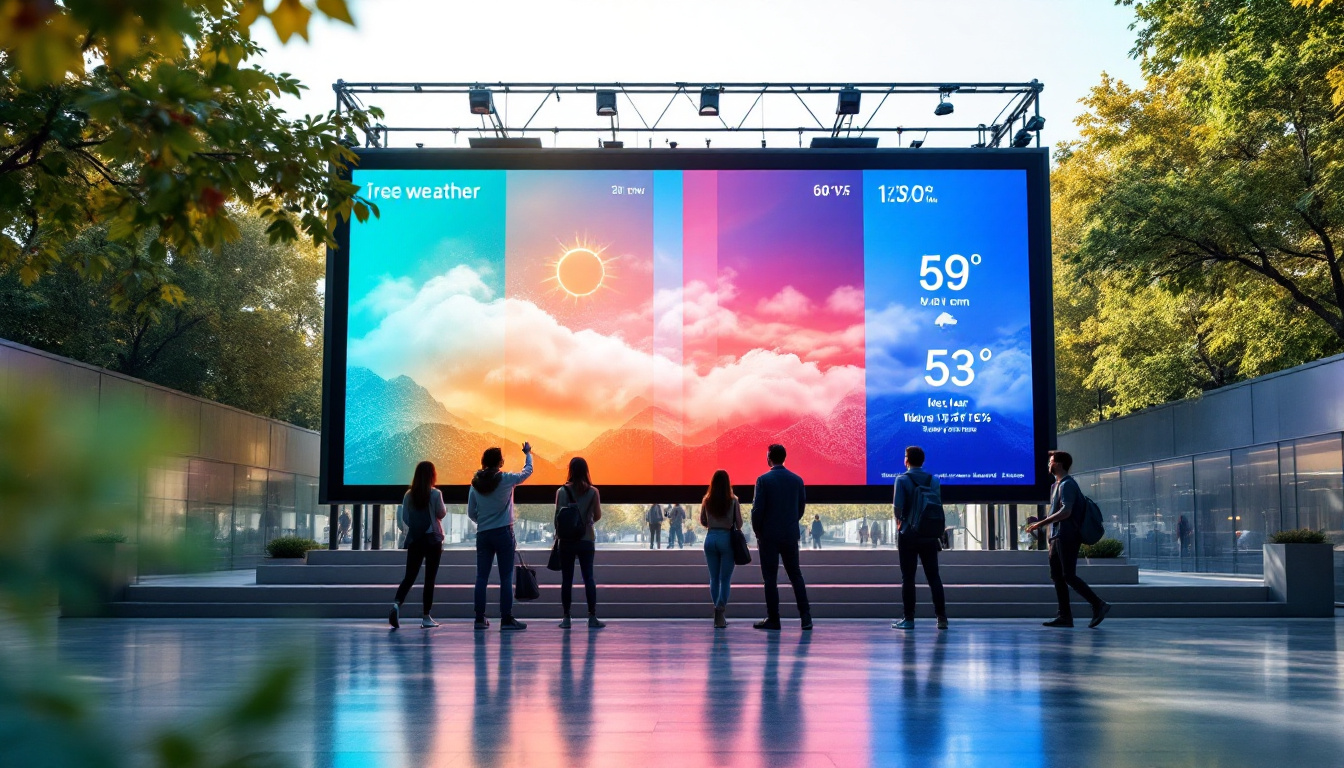
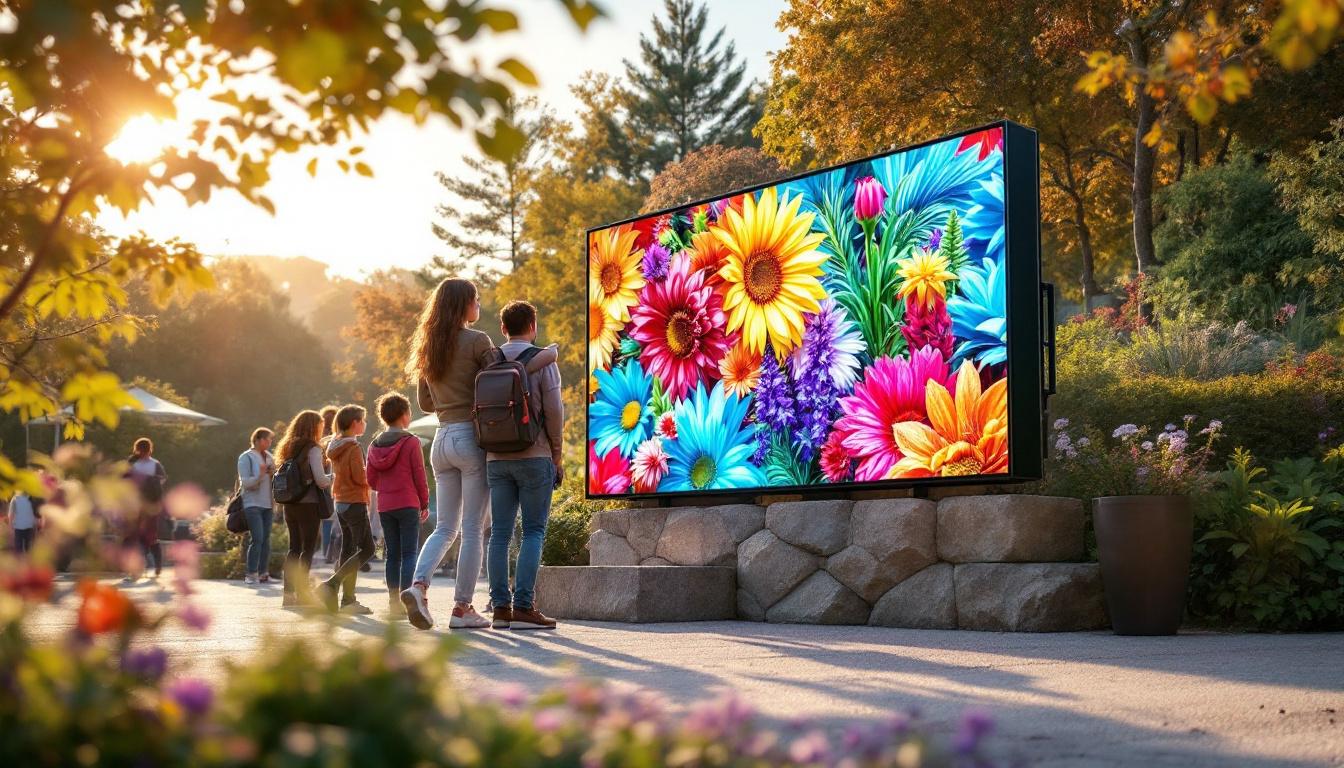
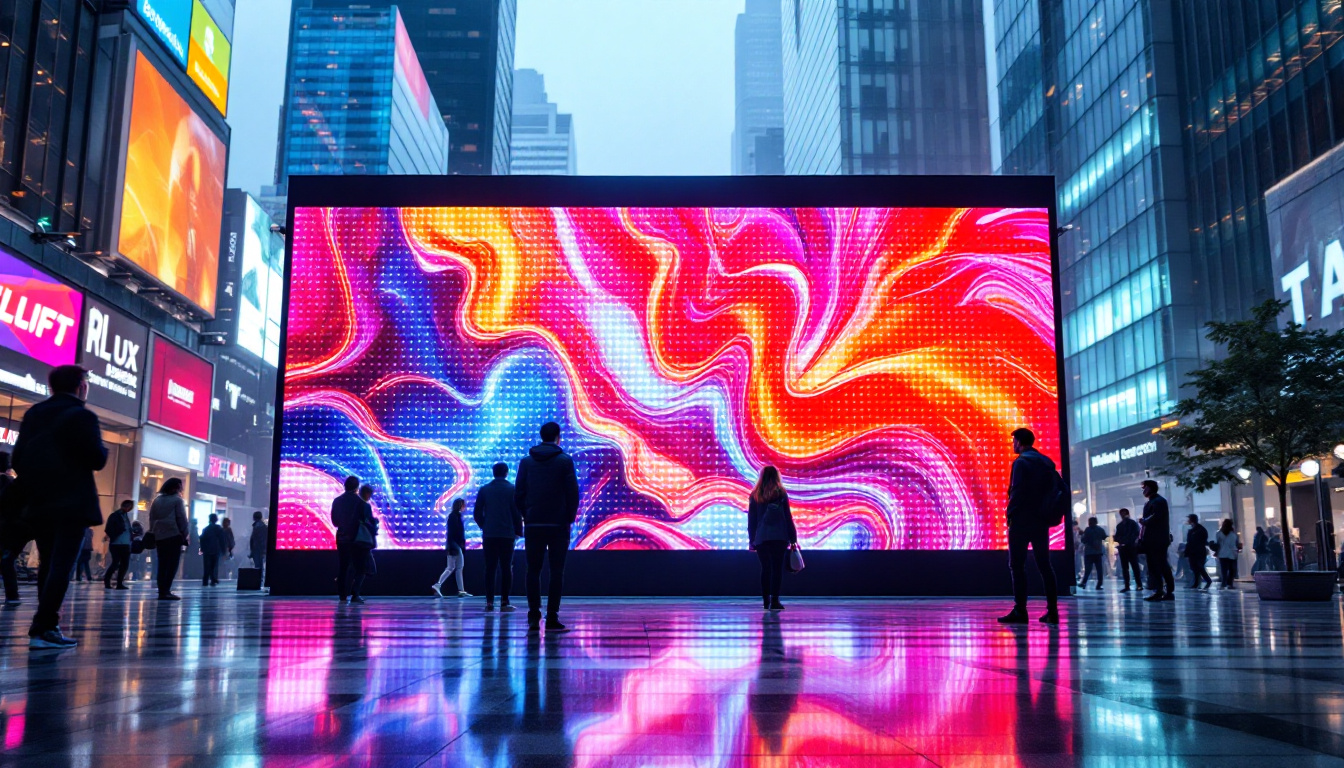
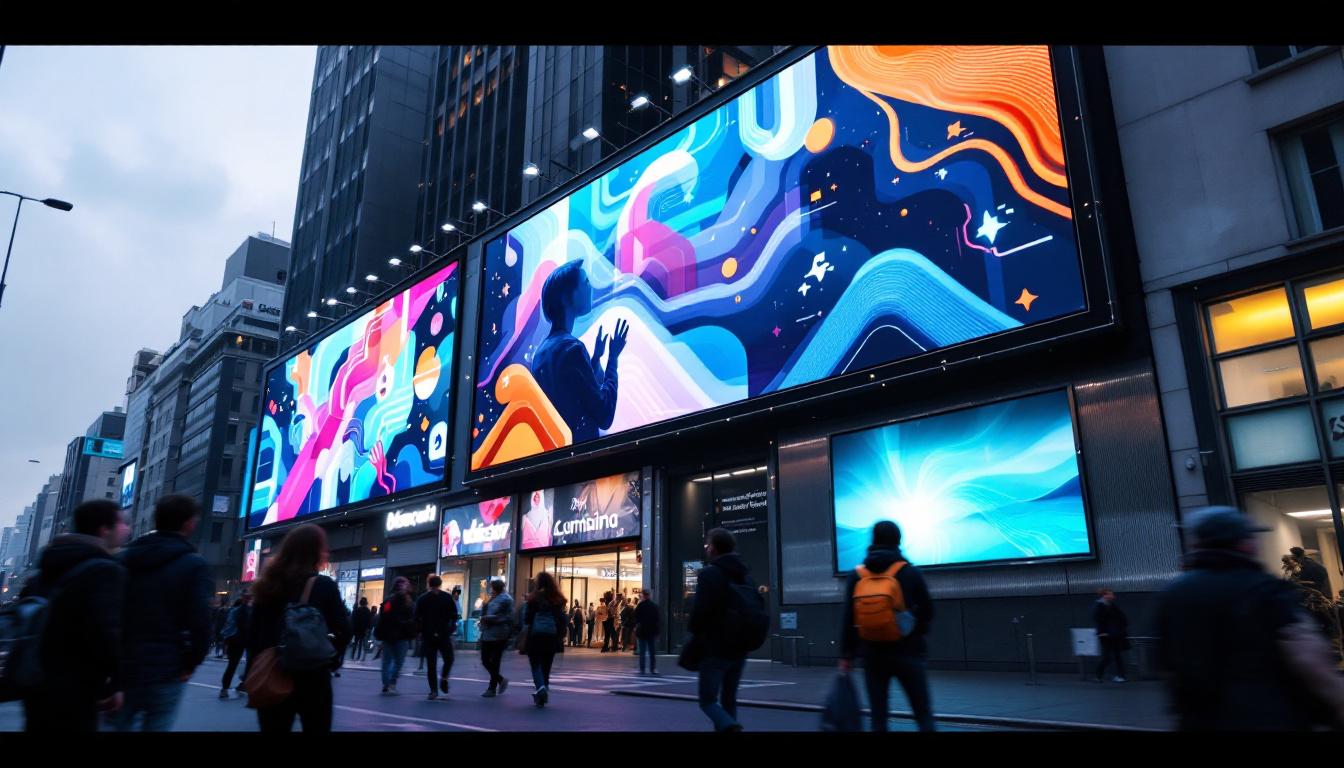
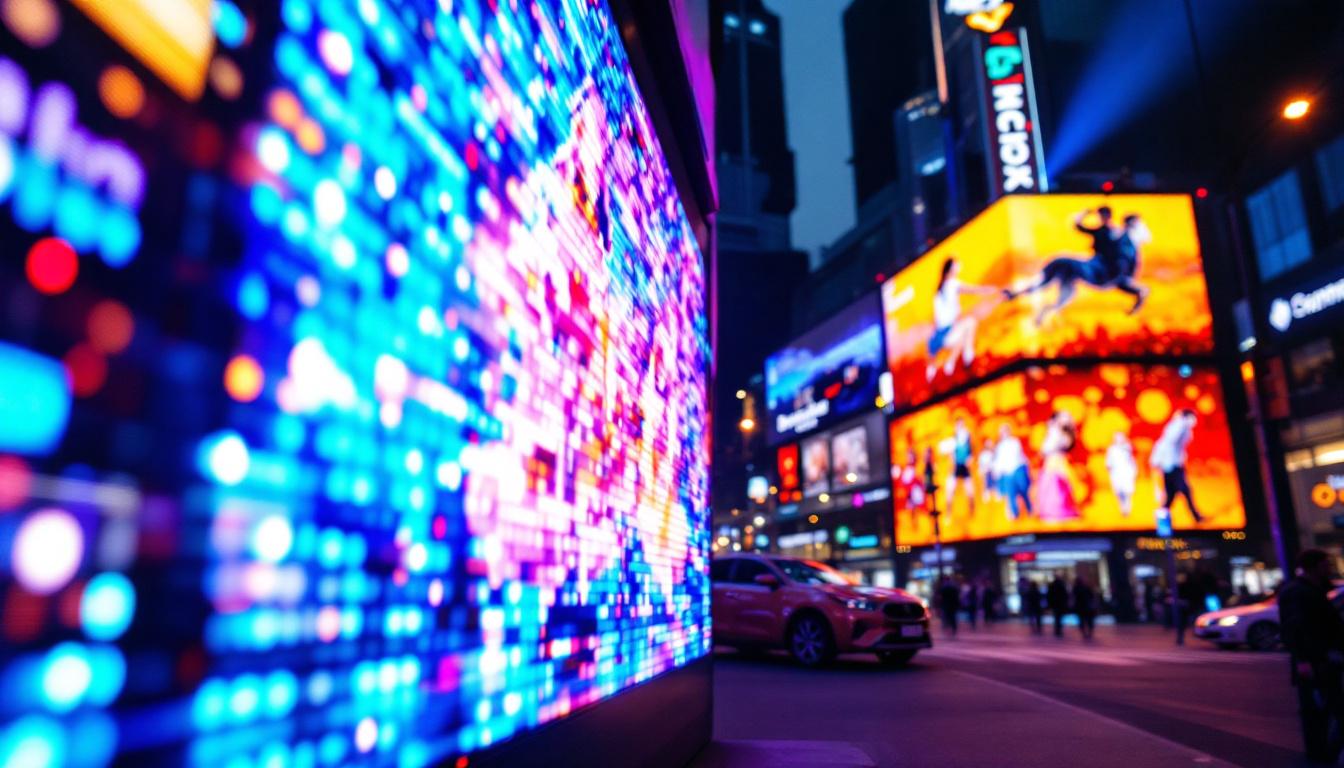
True LED displays, often used in large-format applications such as stadium screens, digital billboards, and traffic signs, consist of thousands of tiny LEDs that emit light directly to form images. These displays do not require a backlight because each LED acts as an individual pixel or subpixel.
True LED displays offer exceptional brightness, making them visible even in direct sunlight. They also support flexible configurations, including curved or irregular shapes, which are difficult to achieve with LCD technology. This flexibility has made them a popular choice for creative advertising and artistic installations, where unique shapes and sizes can enhance visual impact. Additionally, advancements in LED technology have led to improvements in color accuracy and refresh rates, making these displays ideal for dynamic content such as video presentations and live broadcasts. The durability of true LED displays also means they can withstand harsh weather conditions, making them suitable for outdoor use in various environments, from bustling city streets to remote locations.
Comparing LCD and LED Displays
Understanding the distinctions between LCD and LED displays is essential for consumers, manufacturers, and professionals selecting the right technology for their needs.
Brightness and Contrast
True LED displays generally outperform LCDs in terms of brightness. Outdoor LED billboards can reach brightness levels of over 5,000 nits, ensuring visibility under bright sunlight. In contrast, typical LCD screens range from 200 to 500 nits, sufficient for indoor use but less effective outdoors without additional shading.
Contrast ratios also differ. LED-backlit LCDs with local dimming can achieve high contrast by selectively dimming LEDs, but true LED displays inherently provide superior contrast since each LED can be turned off completely to display true blacks.
Color Accuracy and Viewing Angles
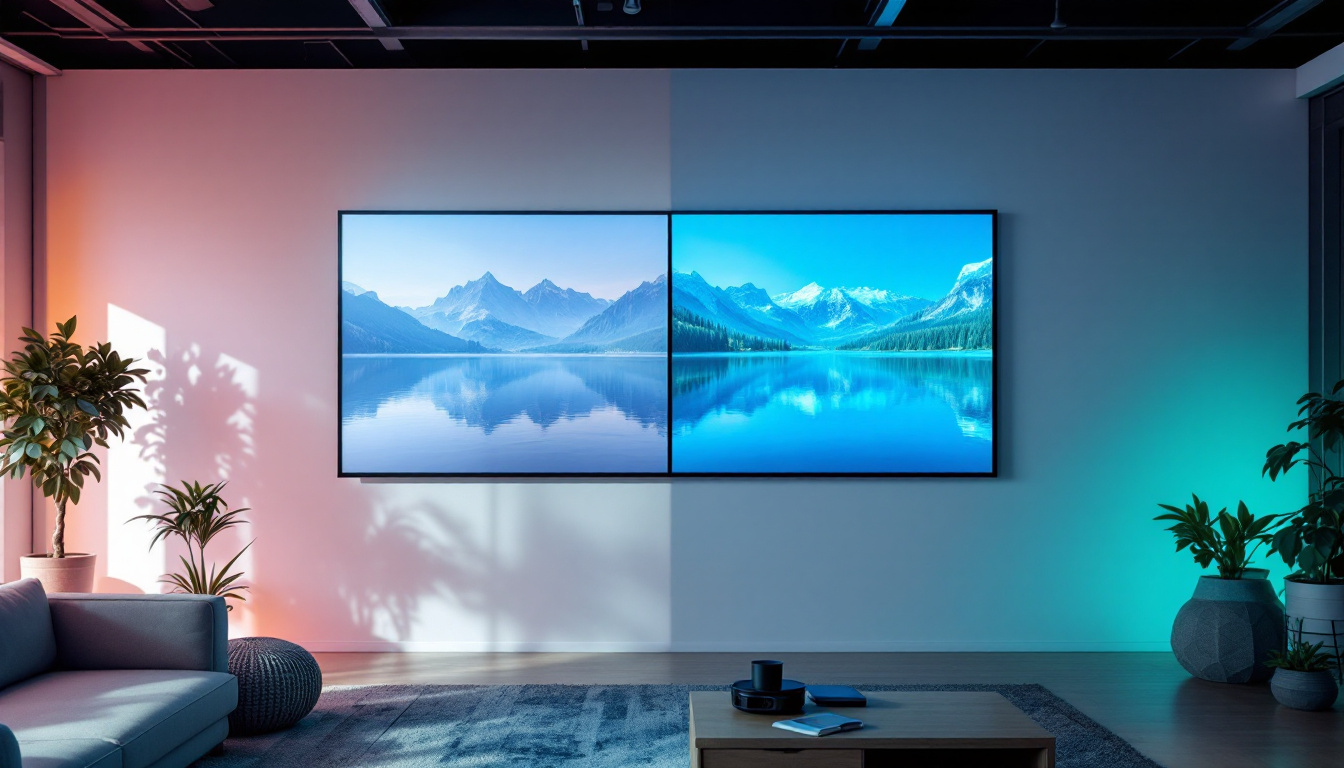
LCDs typically offer better color accuracy and more consistent viewing angles, especially with IPS (In-Plane Switching) panels. True LED displays, while bright, may suffer from color shifts when viewed from extreme angles, although recent advancements have mitigated this issue.
Energy Consumption
LED-backlit LCDs are generally more energy-efficient than older LCDs with fluorescent backlights. True LED displays, especially large outdoor models, consume significantly more power due to their high brightness requirements. However, advancements in LED efficiency and power management continue to reduce consumption.
Lifespan and Durability
Both technologies offer long lifespans, but true LED displays are often more durable and weather-resistant, making them ideal for outdoor use. LCDs are more susceptible to damage from impact and environmental conditions.
Applications of LCD and LED Displays
The choice between LCD and LED display systems depends heavily on the intended application, environment, and budget.
Consumer Electronics
In smartphones, laptops, tablets, and televisions, LED-backlit LCDs dominate due to their balance of image quality, energy efficiency, and cost-effectiveness. OLED technology is gaining ground in high-end devices, but LCDs remain prevalent in mid-range and budget models.
Commercial and Industrial Use
True LED displays are favored for large-scale advertising, public information systems, and event screens. Their ability to produce vivid images visible from great distances and under various lighting conditions makes them indispensable in these contexts.
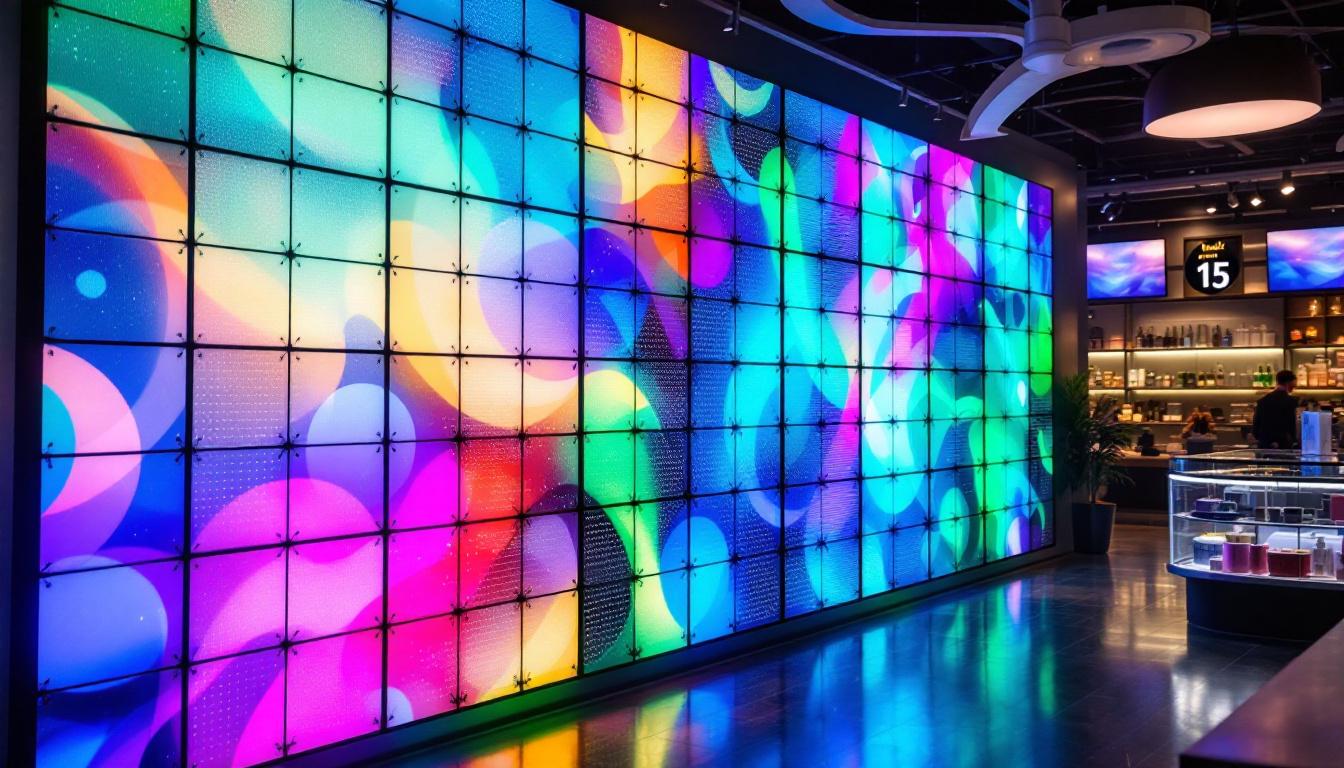
LCD monitors and video walls are common in control rooms, offices, and retail environments where detailed visuals and color accuracy are critical.
Emerging Trends and Innovations
Recent developments in microLED technology promise to combine the best features of LCD and LED displays—offering high brightness, excellent color accuracy, and energy efficiency without the drawbacks of traditional LCD backlighting. MicroLEDs consist of microscopic LEDs that serve as individual pixels, similar to OLED but with improved durability and brightness.
Additionally, flexible and transparent LCD and LED displays are expanding the possibilities for innovative product designs, from wearable devices to augmented reality applications.
Choosing the Right Display System
For consumers and businesses alike, selecting the appropriate display technology requires careful consideration of several factors:
Environment and Usage
Indoor environments with controlled lighting typically benefit from LED-backlit LCDs due to their color accuracy and energy efficiency. Outdoor or large-venue applications demand true LED displays for their brightness and durability.
Budget Constraints
Cost remains a significant factor. While LED-backlit LCDs are affordable and widely available, true LED displays involve higher initial investments and maintenance costs. However, their long-term benefits in specific applications can justify the expense.
Performance Requirements
High-resolution needs, color fidelity, refresh rates, and viewing angles should guide the choice. For instance, graphic designers and video editors often prefer high-end LCD monitors with IPS panels, while event organizers might prioritize the scalability and brightness of LED video walls.
The Future of Display Technology
Display technology continues to evolve rapidly, driven by consumer demand for better image quality, energy efficiency, and innovative form factors.
Integration with Smart Technologies
Smart displays with integrated sensors, voice control, and AI-driven content adaptation are becoming increasingly common. These advancements enhance user interaction and create more immersive experiences.
Sustainability Considerations
Manufacturers are focusing on reducing the environmental impact of display production and disposal. Energy-efficient designs, recyclable materials, and longer-lasting components are key trends shaping the industry.
Expanding Applications
Beyond traditional screens, display technology is finding new applications in automotive dashboards, medical imaging, virtual reality, and wearable devices. Each application demands tailored solutions that balance performance with practical constraints.
Conclusion
LCD and LED display technologies, while often intertwined, serve distinct roles in the world of digital imaging. Understanding their differences, strengths, and limitations empowers consumers and professionals to make informed decisions tailored to their specific needs.
As innovations like microLED and flexible displays emerge, the landscape will continue to shift, offering exciting possibilities for clearer, brighter, and more versatile visual experiences. Whether for personal entertainment, professional use, or public communication, the right display system can significantly enhance how information is conveyed and perceived.
Discover Cutting-Edge LED Display Solutions with LumenMatrix
Ready to elevate your visual experience with the latest in LED display technology? Look no further than LumenMatrix, a pioneer in crafting LED display modules that bring your content to life. Whether you need an Indoor LED Wall Display for a corporate event, an Outdoor LED Wall Display for impactful advertising, or any of our specialized solutions like Vehicle, Sports, or Floor LED Displays, LumenMatrix has you covered. Embrace the future of digital signage with our Custom, All-in-One, and LED Transparent Displays, designed to captivate your audience and communicate your message with unparalleled clarity. Check out LumenMatrix LED Display Solutions today and transform the way you engage with your viewers.