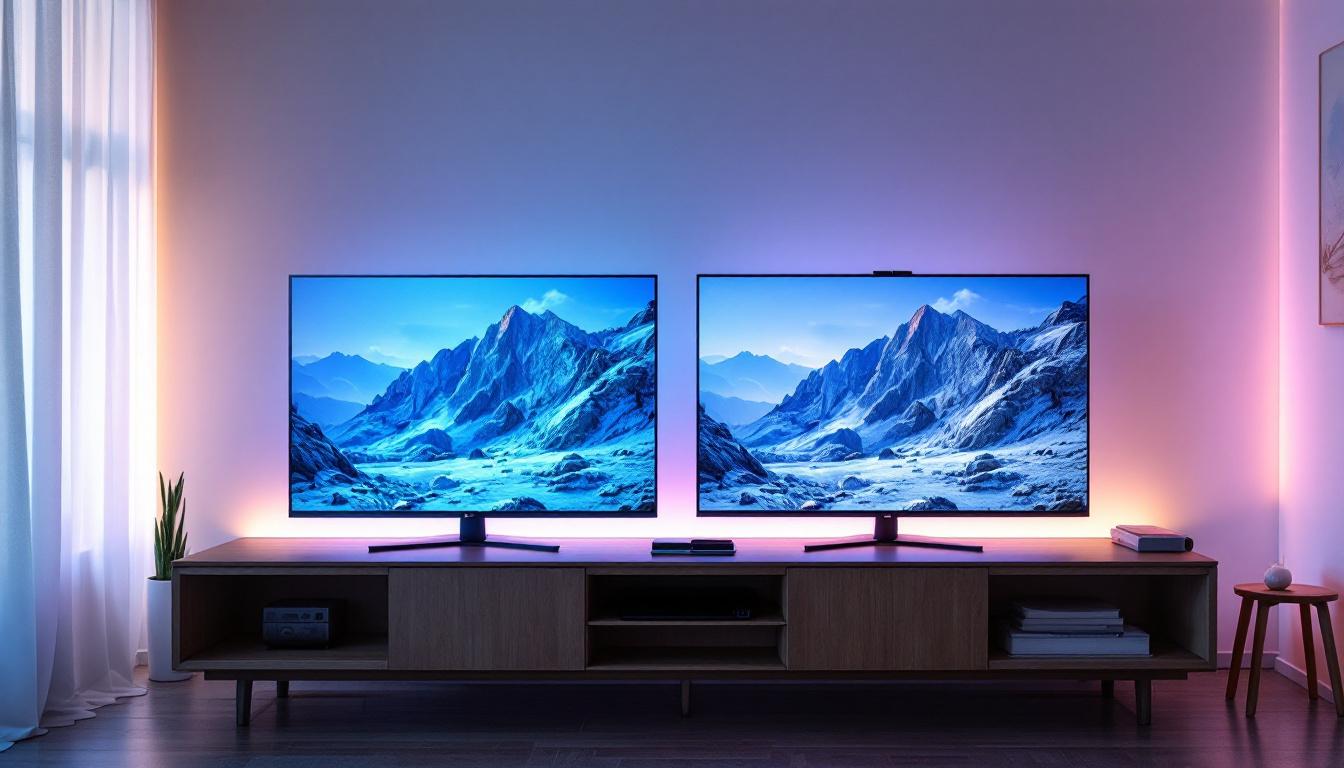
In the rapidly evolving world of digital devices, understanding the technology behind screens is crucial for making informed purchasing decisions. Among the most popular display technologies used in tablets today are LCD and LED displays. While these terms are often used interchangeably, they refer to distinct technologies with unique characteristics, advantages, and limitations. This article delves into the intricacies of LCD and LED displays, particularly as they pertain to tablets, providing a comprehensive guide to help readers grasp what these technologies mean and how they impact user experience.
Understanding LCD Technology
What is an LCD?
LCD stands for Liquid Crystal Display, a technology that has been the backbone of digital screens for decades. The core principle behind LCDs involves liquid crystals that do not emit light directly. Instead, these crystals manipulate light passing through them to create images. This is achieved by aligning the liquid crystals in various ways when an electric current is applied, controlling the amount of light that passes through each pixel.
In tablets, LCD panels are typically paired with a backlight source to illuminate the screen. Without this backlight, the display would be dark since liquid crystals alone cannot produce light. The backlight shines through the layers of the LCD, and the crystals adjust to allow varying light intensities to form images and colors. This combination of liquid crystals and backlighting allows for a thin and lightweight design, making LCDs particularly suitable for portable devices like tablets, where space and weight are critical factors.
Additionally, the development of LCD technology has led to significant advancements in energy efficiency. Modern LCDs are designed to consume less power, which is essential for extending battery life in portable devices. Innovations such as LED backlighting have replaced traditional fluorescent lights, providing not only brighter displays but also reducing overall energy consumption. As a result, users can enjoy longer usage times without needing to recharge their devices frequently, enhancing the overall user experience.
Types of LCD Panels in Tablets
There are several types of LCD panels, each with distinct characteristics affecting image quality, viewing angles, and power consumption. The most common types include:
- Twisted Nematic (TN): Known for fast response times but limited viewing angles and color reproduction. Rarely used in high-end tablets.
- In-Plane Switching (IPS): Offers superior color accuracy and wider viewing angles, making it the preferred choice for most modern tablets.
- Vertical Alignment (VA): Provides better contrast ratios than IPS but with narrower viewing angles. Less common in tablets.
Among these, IPS LCDs dominate the tablet market due to their balanced performance, delivering vibrant colors and consistent image quality from various angles. This is particularly important for activities such as graphic design, video editing, and gaming, where color fidelity and detail are paramount. Furthermore, the advancements in IPS technology have led to the emergence of variants like PLS (Plane-to-Line Switching) and AHVA (Advanced Hyper-Viewing Angle), which further enhance brightness and viewing angles, making them even more appealing for high-end tablets.
As the demand for high-resolution displays continues to grow, manufacturers are also exploring new technologies that combine the benefits of LCD with other display types. For instance, some tablets are now integrating LCD with OLED technology to create hybrid displays that offer deeper blacks and more vibrant colors. This fusion aims to provide users with an unparalleled visual experience, catering to the needs of both casual users and professionals alike. The evolution of LCD technology is a testament to the ongoing pursuit of better display solutions in the ever-competitive tech landscape.
What is LED Display Technology?
Clarifying the LED Term in Displays
The term “LED display” often causes confusion because it can refer to two different concepts. Technically, LED stands for Light Emitting Diode, which is a semiconductor light source. However, in the context of tablets and most consumer electronics, “LED display” usually refers to an LCD screen that uses LED backlighting instead of older cold cathode fluorescent lamps (CCFLs).
In other words, the display panel itself remains an LCD, but the illumination method has shifted from fluorescent tubes to LEDs. This shift has significant implications for power efficiency, brightness, and screen thinness.
Types of LED Backlighting
LED backlighting in LCD tablets can be categorized mainly into two types:
- Edge-Lit LED: LEDs are placed along the edges of the screen, and light is diffused across the display using light guides. This design allows for thinner devices but can sometimes lead to uneven brightness.
- Direct-Lit or Full-Array LED: LEDs are placed directly behind the LCD panel, enabling more uniform brightness and local dimming capabilities, which improve contrast ratios.
While full-array LED backlighting is common in larger displays like TVs, edge-lit LED backlighting is more prevalent in tablets due to size and power constraints.
Comparing LCD and LED Displays in Tablets
Brightness and Color Accuracy
LED backlighting allows LCD tablets to achieve higher brightness levels compared to older CCFL-backlit LCDs. This improvement enhances visibility in bright environments, such as outdoors. Additionally, LED backlights can be tuned to emit specific color temperatures, improving overall color accuracy and vibrancy.
However, the display panel type (IPS, TN, VA) has a more significant impact on color reproduction and viewing angles than the backlighting method. IPS LCDs combined with LED backlighting offer a compelling balance of brightness, color fidelity, and wide viewing angles, which is why many premium tablets adopt this configuration.
Power Consumption and Battery Life
One of the key advantages of LED backlighting over CCFL is energy efficiency. LEDs consume less power, which translates to longer battery life for tablets. This is especially important for mobile devices where battery longevity is a critical factor for user satisfaction.
Moreover, LED backlights can be dimmed more effectively and controlled with greater precision, enabling features like adaptive brightness that further conserve battery power without compromising user experience.
Screen Thickness and Device Design
LED backlighting contributes to thinner and lighter tablet designs. Since LEDs are smaller and more efficient than CCFL tubes, manufacturers can reduce the thickness of the display assembly. This miniaturization aligns with consumer demand for sleek, portable devices without sacrificing screen size or quality.
Emerging Display Technologies: OLED vs. LCD Tablets
What is OLED and How Does it Differ?
Organic Light Emitting Diode (OLED) technology represents a significant departure from traditional LCD displays. Unlike LCDs, OLED pixels emit their own light, eliminating the need for a backlight. This self-emissive property allows OLED screens to achieve true blacks by turning off individual pixels completely, resulting in infinite contrast ratios.
Many high-end tablets now feature OLED displays, which offer vibrant colors, faster response times, and superior contrast compared to LCDs. However, OLEDs can be more expensive to produce and may suffer from issues like burn-in over time.
Why LCD Tablets with LED Backlighting Remain Popular
Despite the advantages of OLED, LCD tablets with LED backlighting continue to dominate the market, especially in mid-range and budget segments. This is due to several factors:
- Cost-effectiveness: LCD manufacturing is more mature and less costly, making devices more affordable.
- Longevity: LCDs generally have a longer lifespan without burn-in concerns.
- Brightness: LCDs can achieve higher peak brightness levels, which is beneficial for outdoor use.
For users prioritizing affordability and durability, LCD tablets with LED backlighting remain a practical choice.
Practical Considerations When Choosing a Tablet Display
Assessing Your Usage Needs
When selecting a tablet, understanding how you intend to use the device can guide your choice of display technology. For example, if you frequently use your tablet outdoors, a bright LCD with LED backlighting might serve you better due to its superior sunlight readability.
Conversely, if you consume a lot of media, such as movies and games, an OLED display’s richer colors and deeper blacks could enhance your experience. For general productivity tasks, an IPS LCD strikes a good balance between performance and cost.
Resolution and Pixel Density
Beyond the display technology itself, resolution and pixel density significantly influence image clarity. Tablets today commonly feature resolutions ranging from 1920×1200 pixels to 2732×2048 pixels or higher. Higher pixel density results in sharper text and images, reducing eye strain during prolonged use.
When combined with a quality LCD panel and LED backlighting, high resolution ensures that content appears crisp and vibrant.
Additional Features to Consider
Modern tablets often include features that complement the display technology, such as:
- Anti-reflective coatings: Reduce glare for better visibility in bright environments.
- Wide color gamut support: Enhances color accuracy for creative professionals.
- High refresh rates: Provide smoother animations and scrolling.
These enhancements can significantly improve the overall user experience and should be factored into the decision-making process.
Conclusion: Making an Informed Choice
Understanding the distinctions between LCD and LED display technologies is essential for anyone looking to purchase a tablet. While the term “LED display” often refers to LCD screens with LED backlighting, the combination of these technologies results in displays that are bright, energy-efficient, and capable of delivering high-quality images.
Choosing the right tablet display depends on individual needs, budget, and usage scenarios. IPS LCDs with LED backlighting offer a versatile and cost-effective solution for most users, while OLED displays cater to those seeking premium visual experiences. By considering factors such as brightness, color accuracy, power consumption, and device design, consumers can make informed decisions that align with their expectations and lifestyle.
Discover LumenMatrix’s Advanced LED Display Solutions
Now that you’re equipped with the knowledge of LCD and LED display technologies, take the next step towards an unparalleled visual experience with LumenMatrix. As a pioneer in LED display innovation, LumenMatrix offers a diverse range of products designed to meet your specific needs. Whether you’re looking for an Indoor LED Wall Display for your business, an Outdoor LED Wall Display for advertising, or any of our other specialized solutions, we have you covered. Experience the future of visual communication and elevate your brand’s presence. Check out LumenMatrix LED Display Solutions today and see the difference for yourself.