In today’s digital age, LED technology has become a cornerstone of modern display systems, lighting solutions, and electronic devices. From the vibrant billboards that illuminate cityscapes to the screens on smartphones and televisions, LED displays are everywhere. But what exactly does “LED” mean, and how do LED displays work? This article dives deep into the meaning of LED lights, the technology behind LED displays, their applications, and why they have become the preferred choice for so many industries worldwide.
Understanding LED: The Basics of Light Emitting Diodes
LED stands for Light Emitting Diode, a semiconductor device that emits light when an electric current passes through it. Unlike traditional incandescent bulbs that produce light by heating a filament, LEDs generate light through electroluminescence, a process where electrons recombine with electron holes within the device, releasing energy in the form of photons.
The invention of the first practical visible-spectrum LED in the early 1960s revolutionized lighting and display technology. Initially limited to red lights, advancements in materials science have enabled LEDs to emit a wide spectrum of colors, including green, blue, and white. This versatility has expanded their use far beyond simple indicator lights. Today, LEDs are found in everything from household lighting to large-scale displays, automotive lighting, and even in medical devices, showcasing their adaptability and efficiency in various fields.
The Science Behind LED Light Emission
At the heart of an LED is a chip made from semiconductor materials, usually gallium arsenide or gallium phosphide. When voltage is applied, electrons move across the junction between the p-type and n-type semiconductors. As electrons cross this boundary, they release energy in the form of light. The color of the light depends on the semiconductor material and the energy band gap. This phenomenon is not only fascinating but also crucial for developing new technologies, as researchers continue to explore different materials and structures to create even more efficient and vibrant LEDs.
LEDs are highly efficient because they convert most of the electrical energy directly into light rather than heat. This efficiency is one reason why LEDs have rapidly replaced older lighting technologies in many applications. Furthermore, their longevity—often lasting tens of thousands of hours—means that they require less frequent replacement, reducing waste and maintenance costs. As the world increasingly focuses on sustainability, the energy-saving properties of LEDs make them a key player in the transition to greener technologies. Additionally, the ability to easily dim and control LED lights opens up new possibilities for smart lighting systems, which can enhance energy savings and user experience in both residential and commercial settings.
What Is an LED Display?
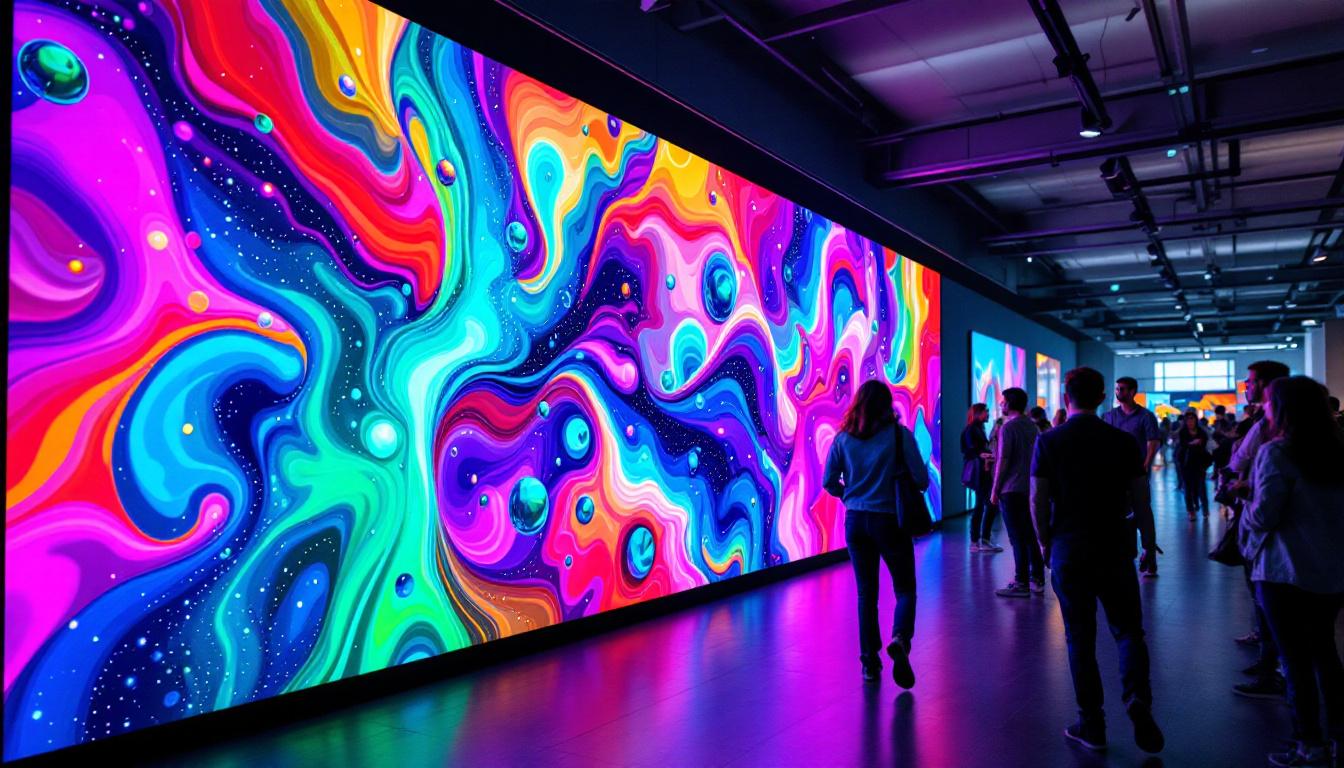
An LED display is a flat panel display technology that uses an array of light-emitting diodes as pixels to create images, videos, and text. These displays are found in a variety of devices, from small digital clocks and calculators to massive outdoor advertising billboards and stadium screens. The versatility of LED displays makes them a popular choice in both consumer electronics and commercial applications, providing a dynamic way to convey information and entertainment.
Unlike LCD (Liquid Crystal Display) screens that rely on backlighting, LED displays generate their own light, which results in brighter images, better contrast, and more vibrant colors. This self-emissive property allows LED displays to perform well in bright environments and offer superior viewing angles. Additionally, the energy efficiency of LED technology contributes to lower power consumption, which is increasingly important in today’s eco-conscious society. As a result, LED displays not only enhance visual experiences but also align with sustainable practices.
Types of LED Displays
LED displays come in several forms, each tailored to specific applications and requirements:
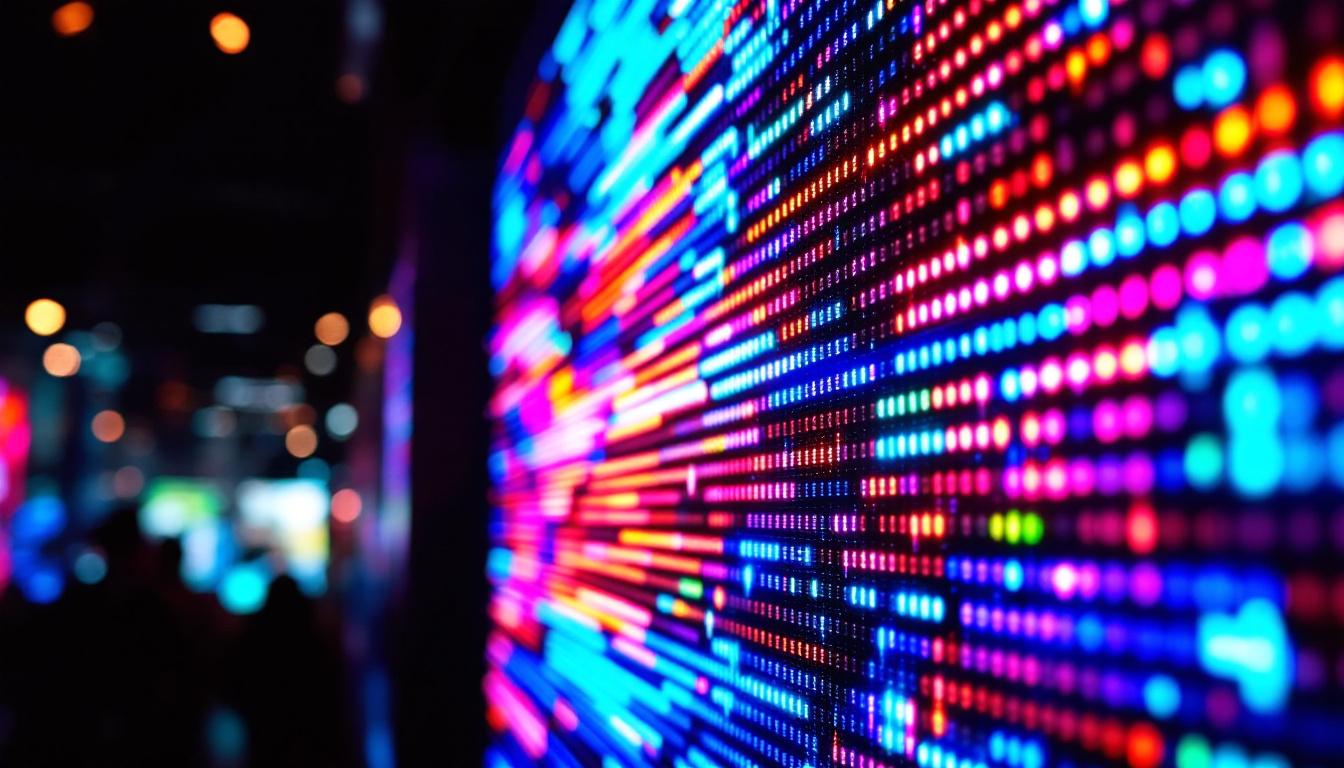
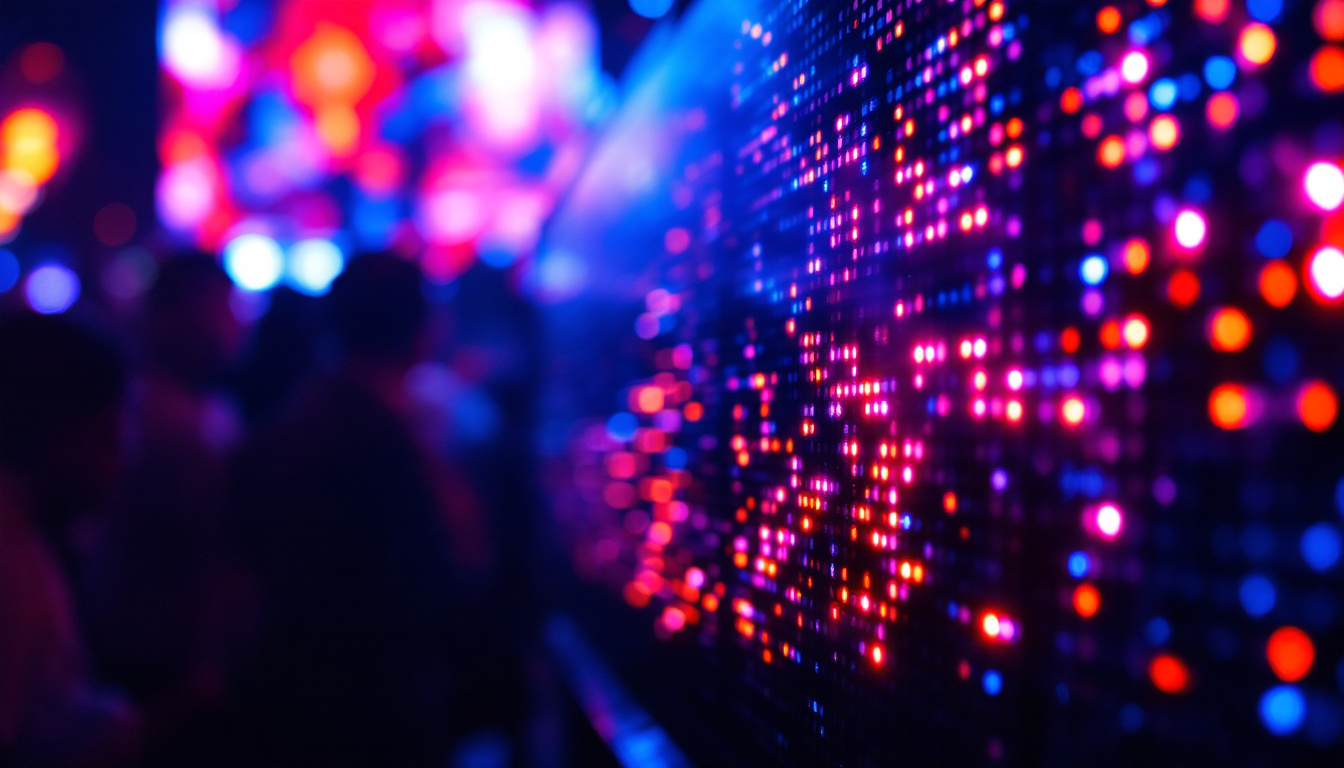
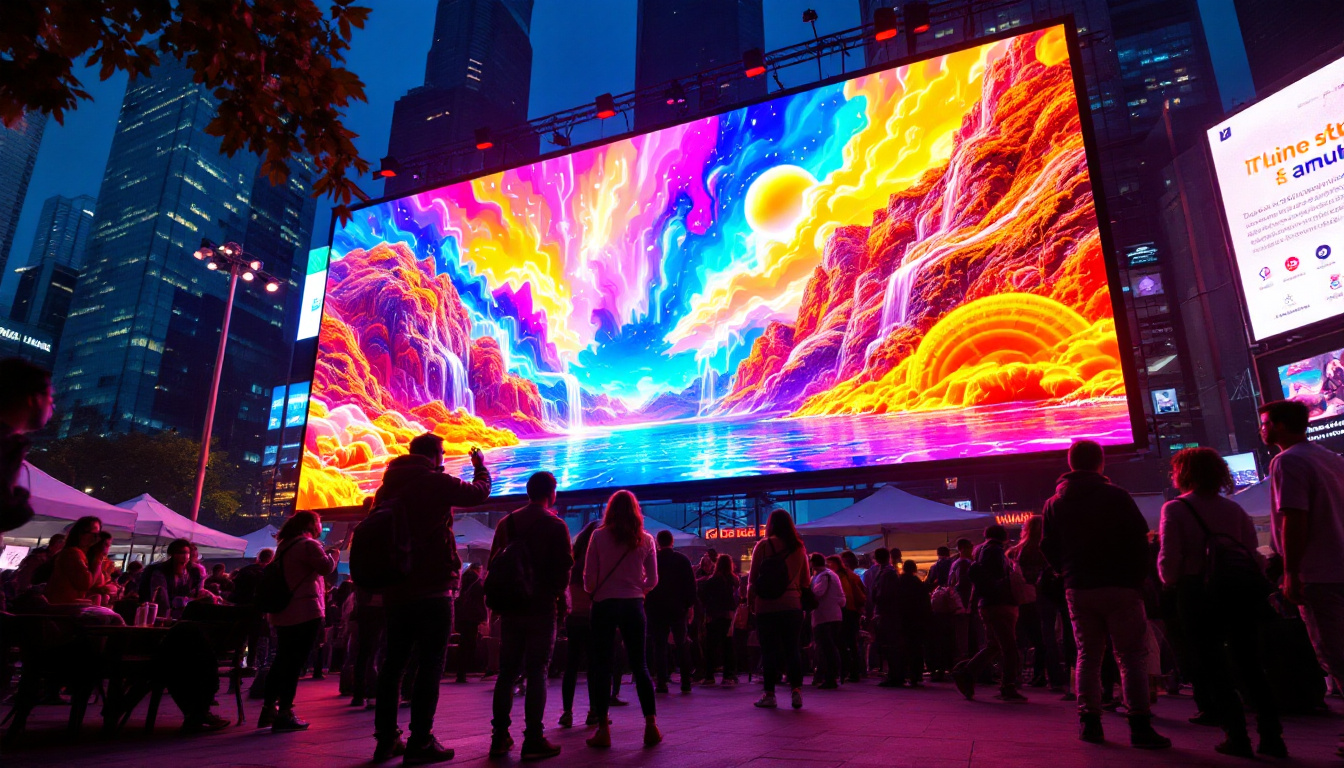
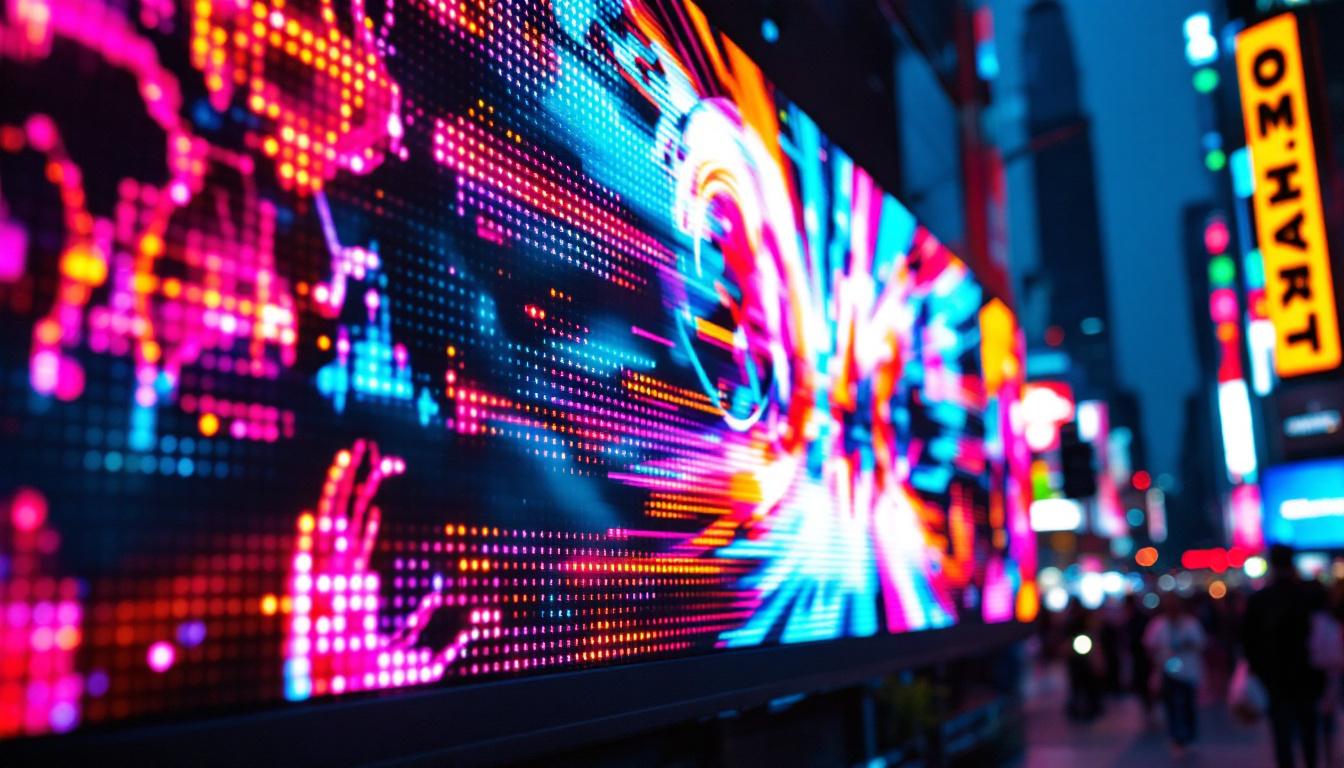
- Direct View LED Displays: These are composed of thousands of individual LEDs arranged in a grid. Each LED acts as a pixel, emitting light directly to form images. They are commonly used in large outdoor screens and digital billboards. Their ability to be viewed from great distances makes them ideal for advertising and event coverage, where visibility is crucial.
- LED-Backlit LCD Displays: In this hybrid technology, LEDs serve as the backlight for an LCD panel. This approach enhances brightness and energy efficiency compared to older CCFL backlights. Most modern TVs, monitors, and smartphone screens use LED-backlit LCDs. The integration of LED backlighting has revolutionized the display industry, allowing for thinner designs and improved picture quality, making it a staple in everyday devices.
- MicroLED Displays: An emerging technology where microscopic LEDs serve as individual pixels. MicroLED displays promise better color accuracy, higher brightness, and longer lifespan than OLEDs, making them a potential future standard for high-end screens. Their modular nature allows for flexible screen sizes and shapes, paving the way for innovative applications in everything from wearable tech to large-scale installations.
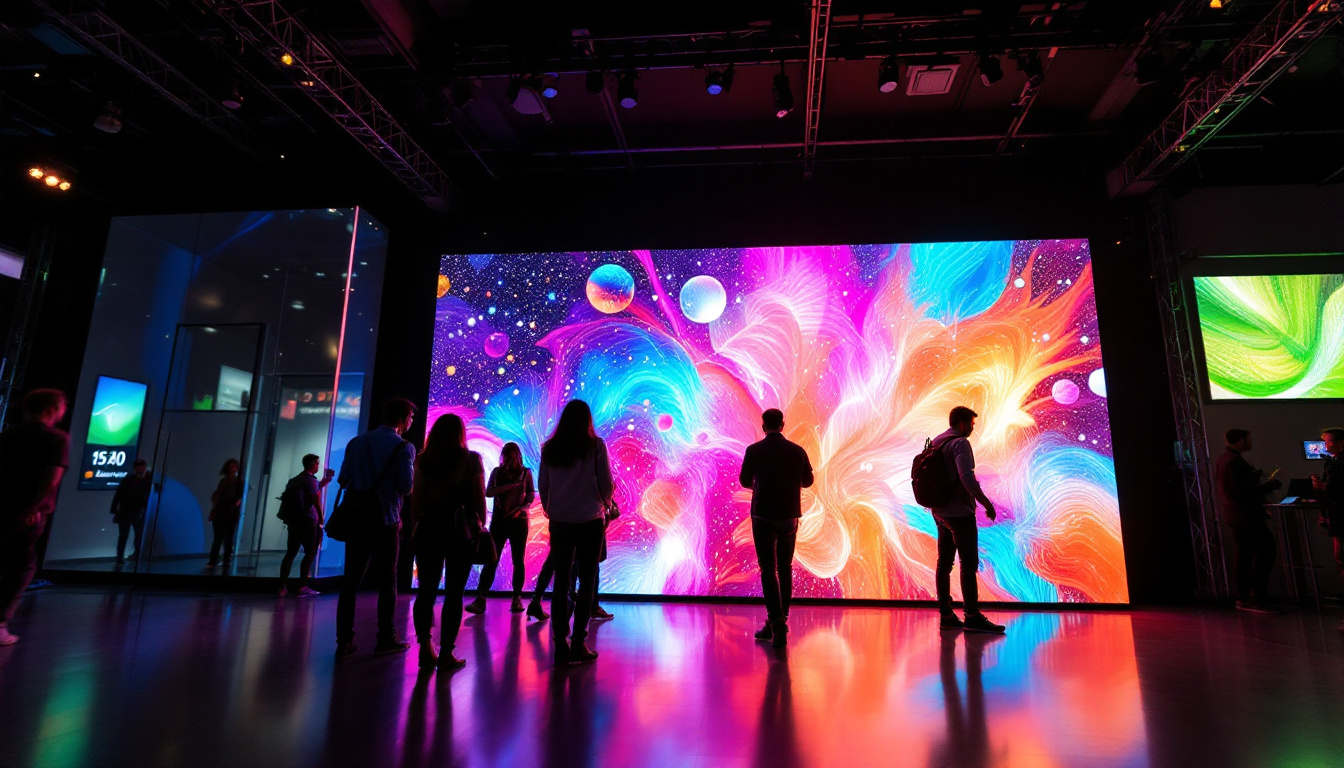
In addition to these types, LED displays are also categorized by their pixel pitch, which refers to the distance between the centers of two adjacent pixels. A smaller pixel pitch results in higher resolution and is ideal for applications requiring detailed images, such as indoor displays in shopping malls or conference centers. Conversely, larger pixel pitches are often used for outdoor displays where viewing distances are greater, optimizing visibility without the need for excessive pixel density.
Furthermore, advancements in LED technology continue to push the boundaries of what is possible. Innovations such as flexible LED screens and transparent displays are beginning to emerge, offering new opportunities for creative design and functionality. These developments not only enhance the aesthetic appeal of environments but also integrate seamlessly into architectural elements, transforming how we interact with visual media in our daily lives.
Advantages of LED Displays Over Traditional Technologies
The rise of LED displays is driven by their numerous benefits compared to older technologies such as incandescent bulbs, fluorescent lights, and LCDs without LED backlighting.
Energy Efficiency and Longevity
One of the most significant advantages of LED technology is energy efficiency. LEDs consume up to 80% less energy than incandescent bulbs and about 40% less than fluorescent lighting. This efficiency translates to lower electricity bills and reduced environmental impact.
Additionally, LEDs have a much longer operational life, often exceeding 50,000 hours. This durability reduces maintenance costs and the frequency of replacements in commercial and industrial applications.
Superior Brightness and Color Quality
LED displays offer exceptional brightness levels, making them ideal for outdoor environments where sunlight can wash out other types of screens. Their ability to produce a wide color gamut results in vivid, lifelike images, enhancing viewer engagement.
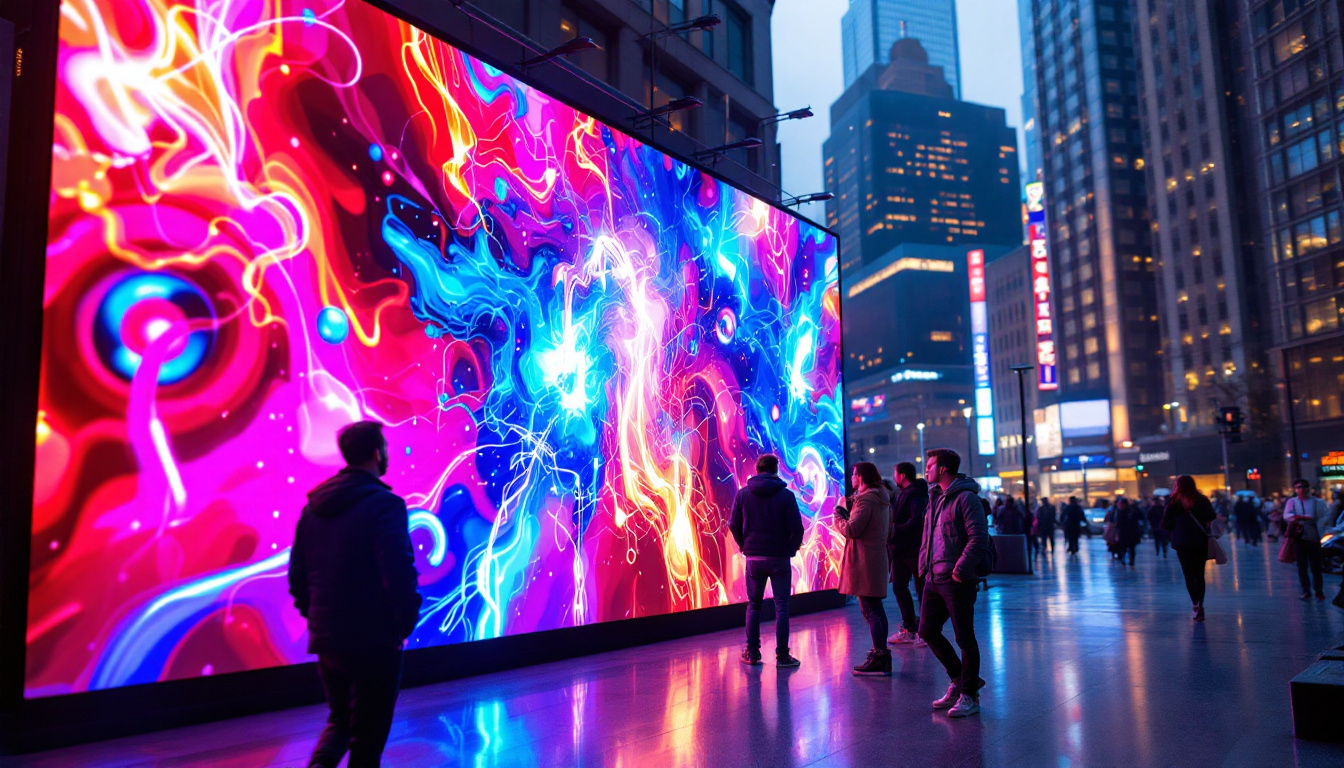
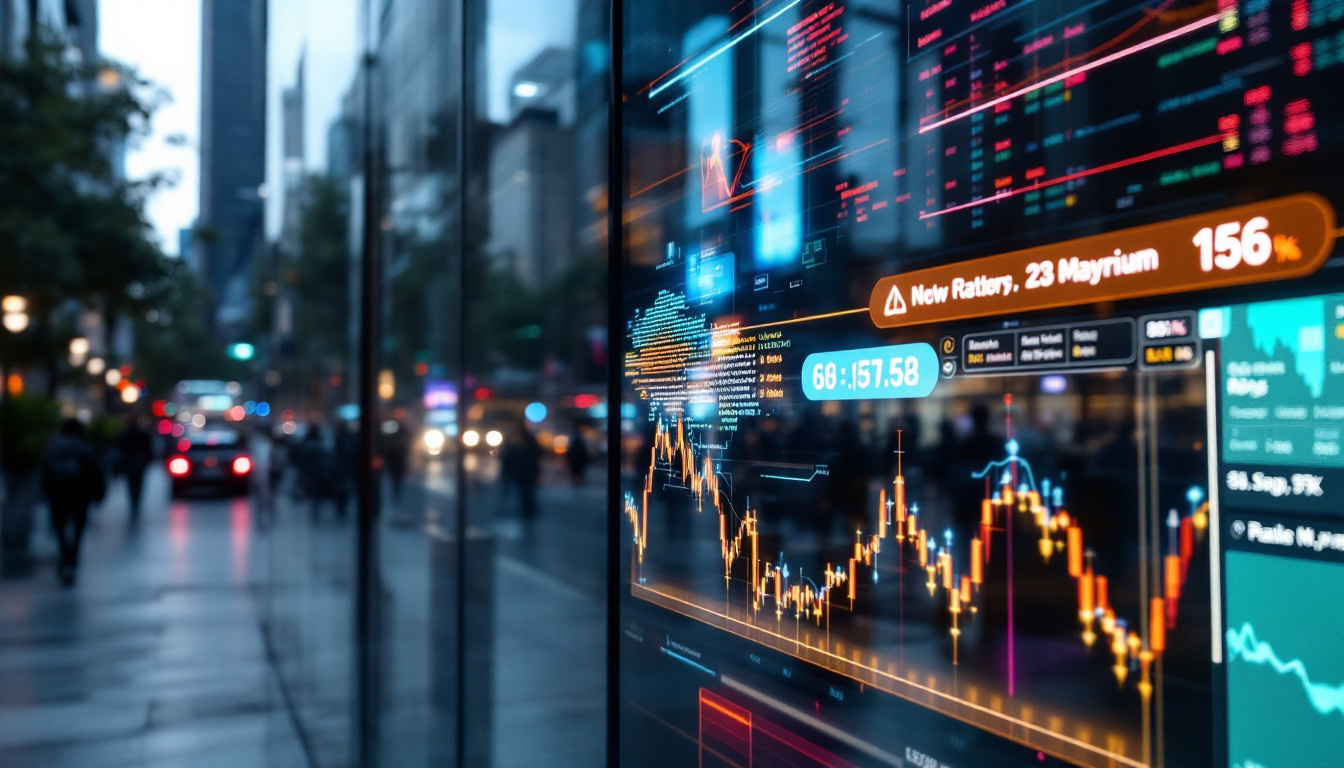
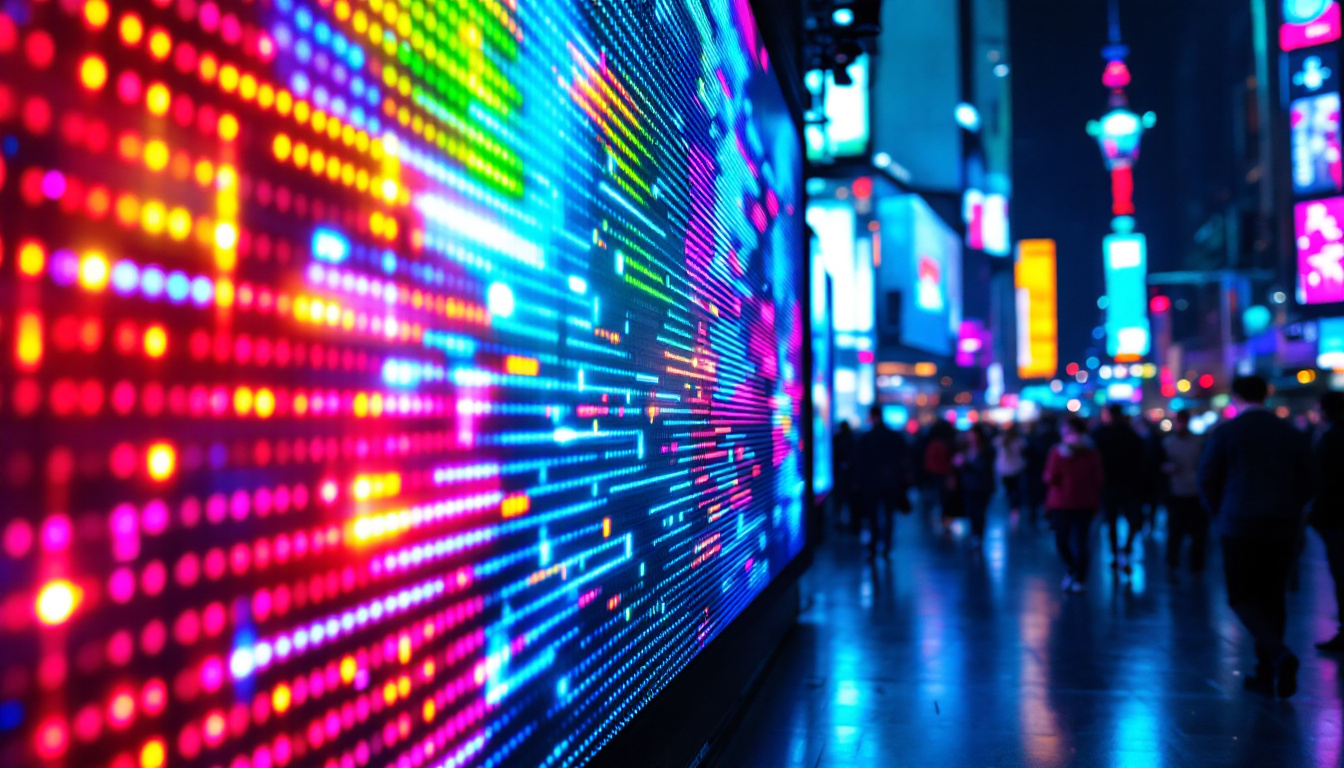
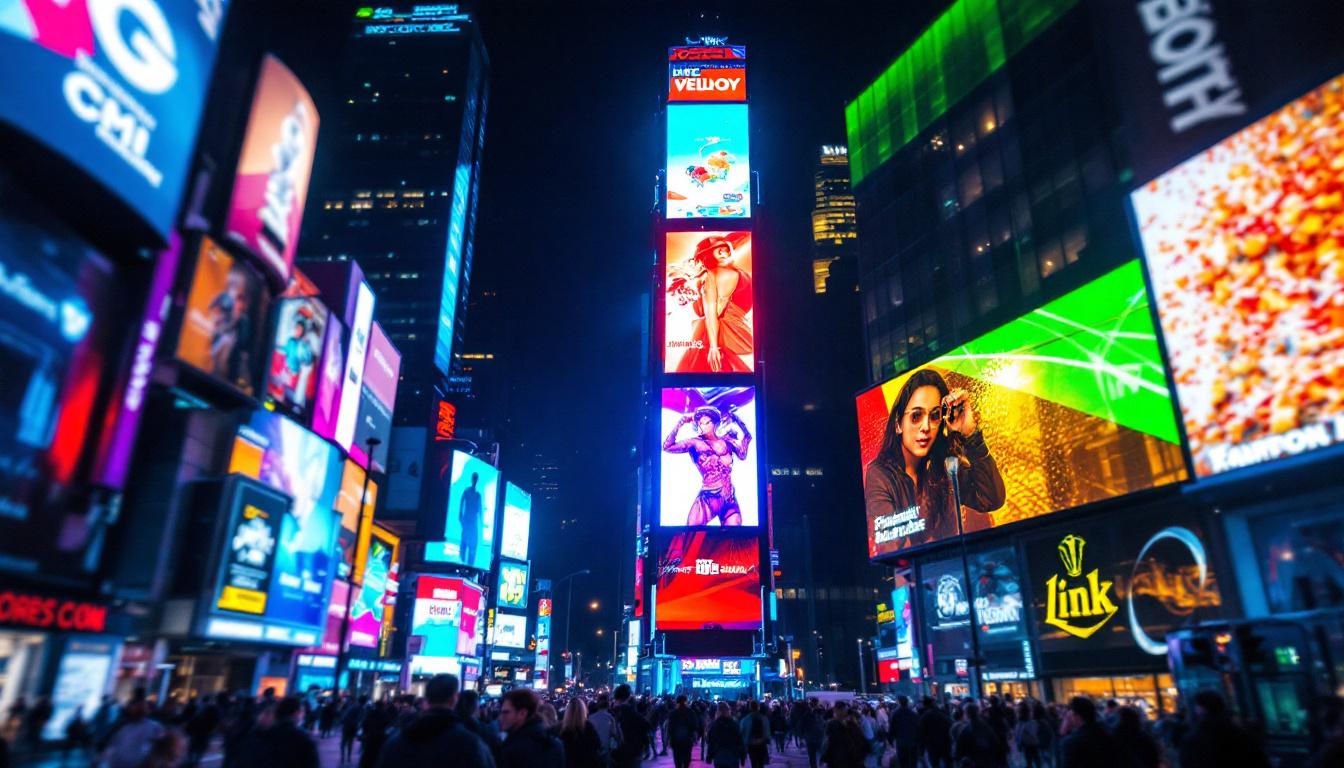
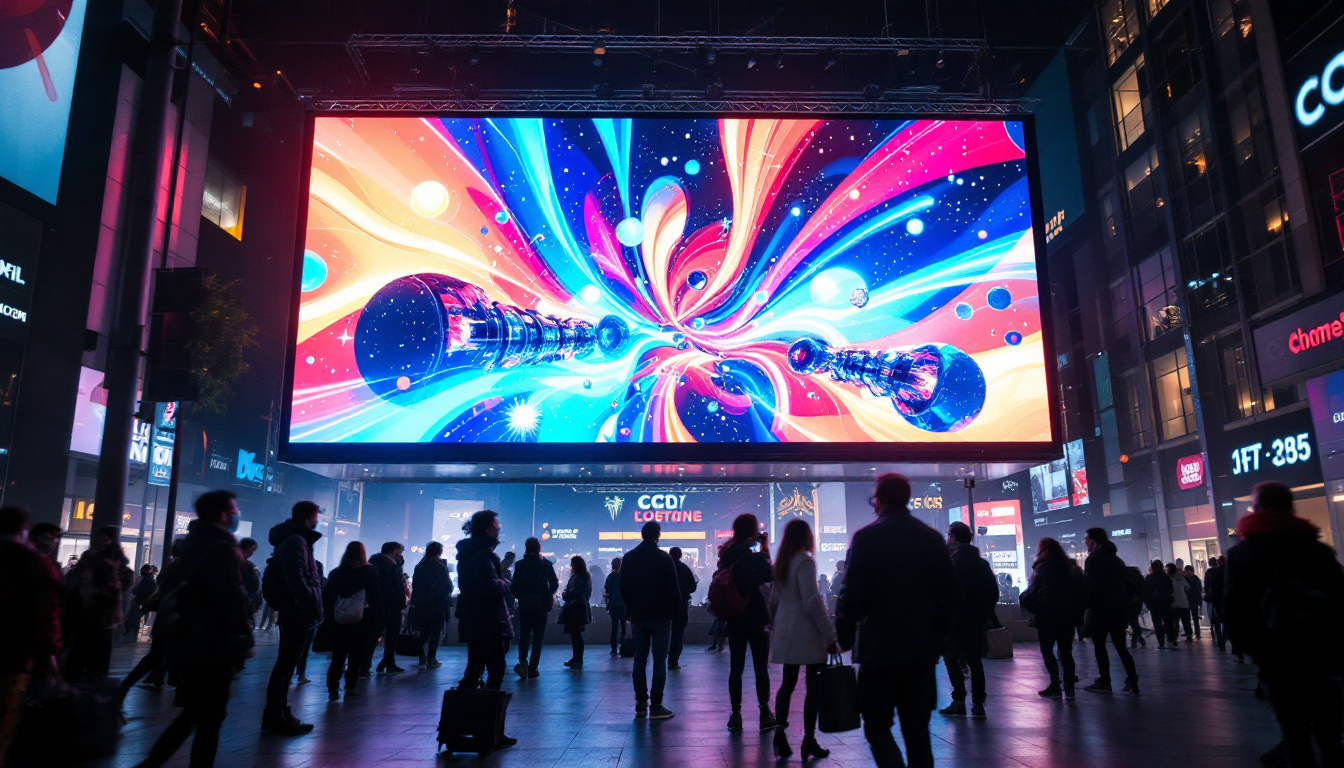
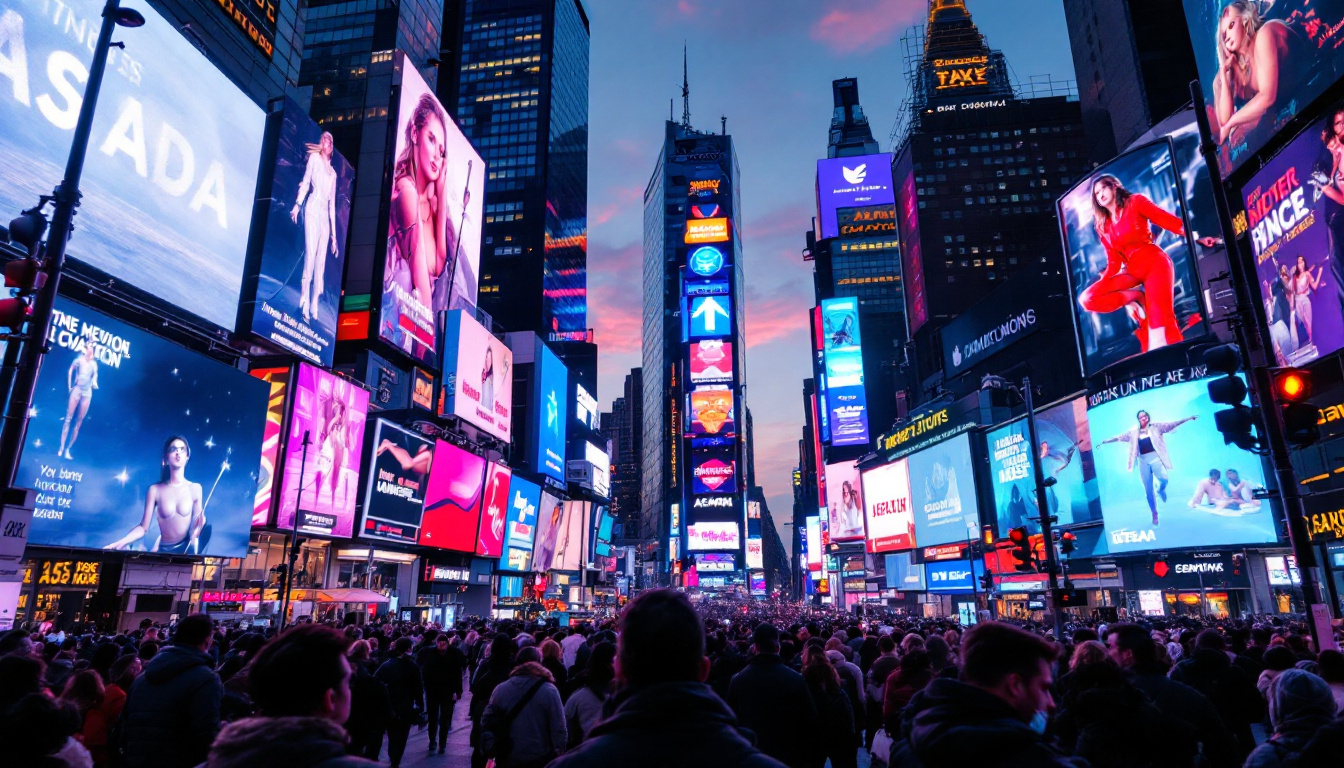
For example, Times Square in New York City is renowned for its dazzling LED billboards that maintain visibility and vibrancy even under direct sunlight, showcasing the technology’s robust performance.
Design Flexibility and Thin Form Factor
LEDs are tiny and can be arranged in various configurations, allowing manufacturers to create displays of different shapes and sizes. This flexibility enables curved screens, ultra-thin televisions, and even transparent LED displays used in retail windows and architectural installations.
Common Applications of LED Displays
The versatility of LED displays has led to their adoption across numerous industries and use cases, each benefiting from the technology’s unique strengths.
Outdoor Advertising and Digital Signage
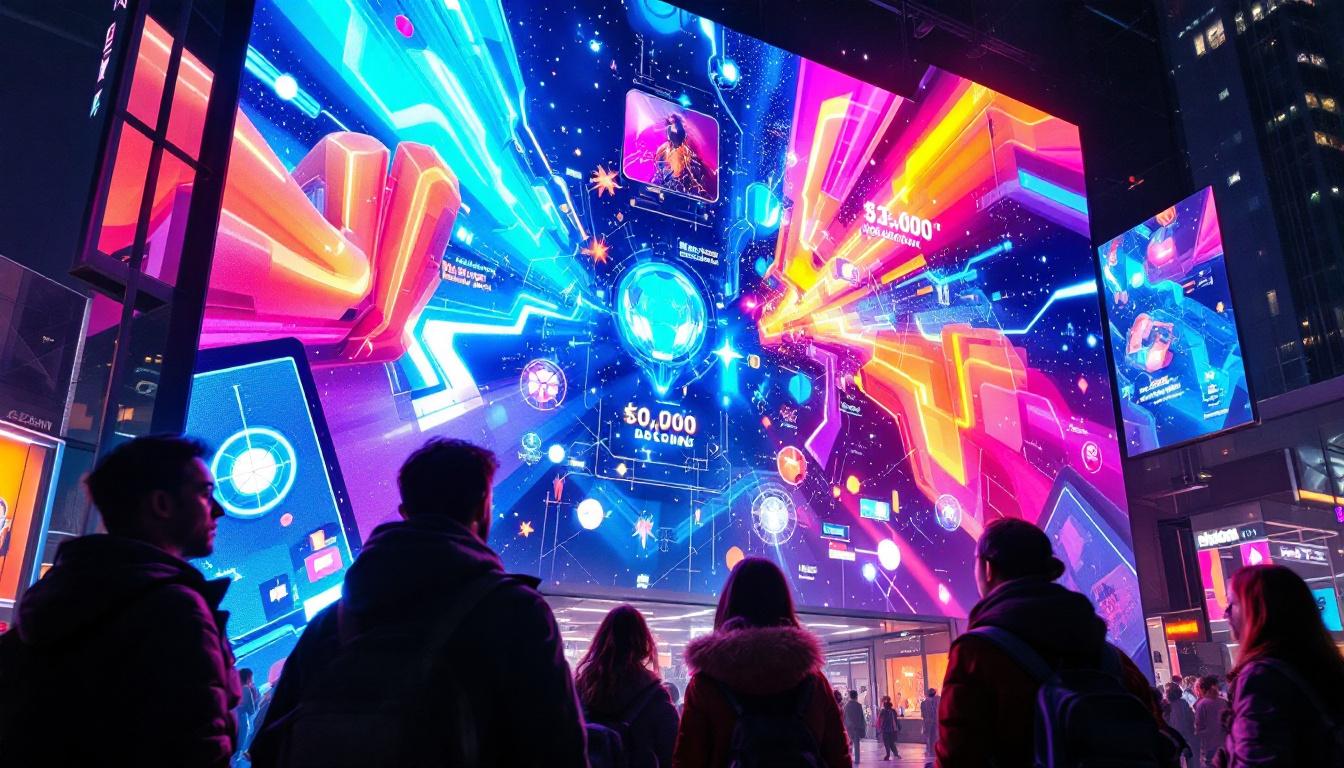
Large-scale LED displays dominate the advertising landscape, offering dynamic content that can be updated in real-time. Their brightness and durability make them perfect for billboards, stadium screens, and public information displays.
According to market research, the global digital signage market is expected to grow at a compound annual growth rate (CAGR) of over 7% through 2027, with LED displays playing a central role in this expansion.
Consumer Electronics
LED technology is integral to modern consumer electronics, including smartphones, televisions, computer monitors, and wearable devices. The shift to LED-backlit LCDs has improved display quality while reducing power consumption, enhancing user experience and battery life.
Automotive Lighting and Displays
LEDs are widely used in automotive lighting for headlights, taillights, and interior displays. Their quick response time and energy efficiency improve safety and design flexibility in vehicles.
Environmental and Economic Impact of LED Technology
The adoption of LED technology contributes significantly to sustainability efforts and economic savings worldwide.
Reducing Carbon Footprint
Because LEDs use less electricity, they help reduce greenhouse gas emissions associated with power generation. The U.S. Department of Energy estimates that widespread adoption of LED lighting could save about 348 terawatt-hours of electricity annually by 2027, equivalent to the output of 44 large power plants.
Cost Savings Over Time
Although LEDs may have a higher upfront cost compared to traditional lighting, their energy savings and long lifespan result in lower total cost of ownership. Businesses and municipalities investing in LED street lighting and displays often recover costs within a few years through reduced energy bills and maintenance.
Future Trends in LED Display Technology
LED technology continues to evolve rapidly, promising even more innovative applications and improved performance in the coming years.
MicroLED and MiniLED Innovations
MicroLED displays, with their microscopic light sources, offer the potential for ultra-high resolution, exceptional brightness, and energy efficiency. Although currently expensive, ongoing research aims to make MicroLEDs commercially viable for smartphones, TVs, and augmented reality devices.
MiniLED technology, which uses smaller LEDs for backlighting, is already being adopted in premium monitors and laptops, providing better contrast and local dimming capabilities.
Flexible and Transparent LED Displays
Advancements in materials have enabled the creation of flexible LED panels that can bend or roll, opening new design possibilities for wearable tech, foldable devices, and curved digital signage.
Transparent LED displays are also gaining traction, allowing for see-through screens that can be integrated into windows and glass walls, blending digital content with the physical environment.
Conclusion
LED technology has transformed the way light and displays are used across industries, offering unmatched efficiency, brightness, and versatility. Understanding the meaning of LED and the principles behind LED displays provides insight into why this technology is ubiquitous in modern life.
From towering billboards in bustling cities to the screens in the palms of our hands, LED displays continue to evolve, driving innovation and sustainability. As advancements like MicroLED and flexible displays become mainstream, the future of LED technology promises to be brighter and more dynamic than ever before.
Illuminate Your Space with LumenMatrix
As you’ve seen, LED technology is reshaping the future of displays with its unparalleled efficiency and versatility. If you’re ready to elevate your visual communication, LumenMatrix is here to light the way. Our innovative LED display solutions, ranging from Indoor and Outdoor LED Walls to Custom and Transparent Displays, are designed to captivate and engage your audience. Experience the transformative power of LED technology and let your message shine with clarity. Check out LumenMatrix LED Display Solutions today and join the visual revolution.