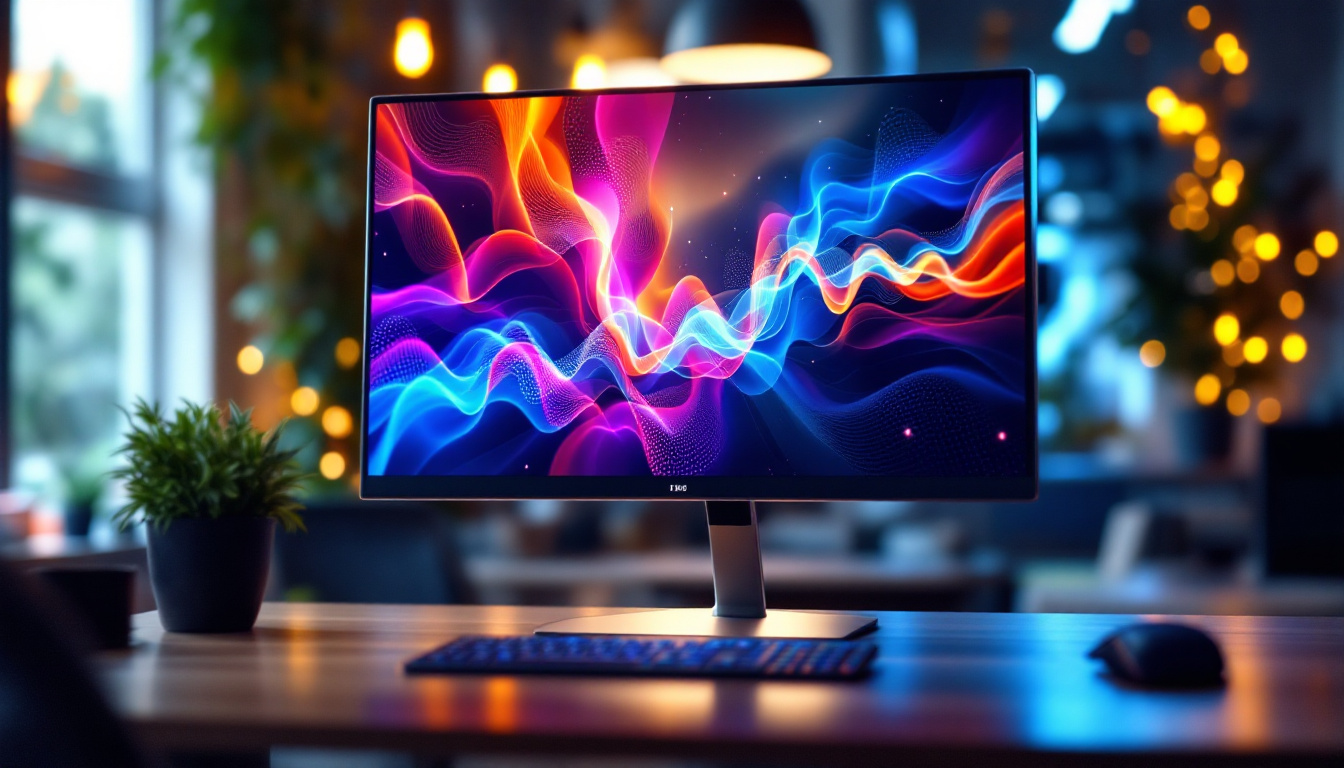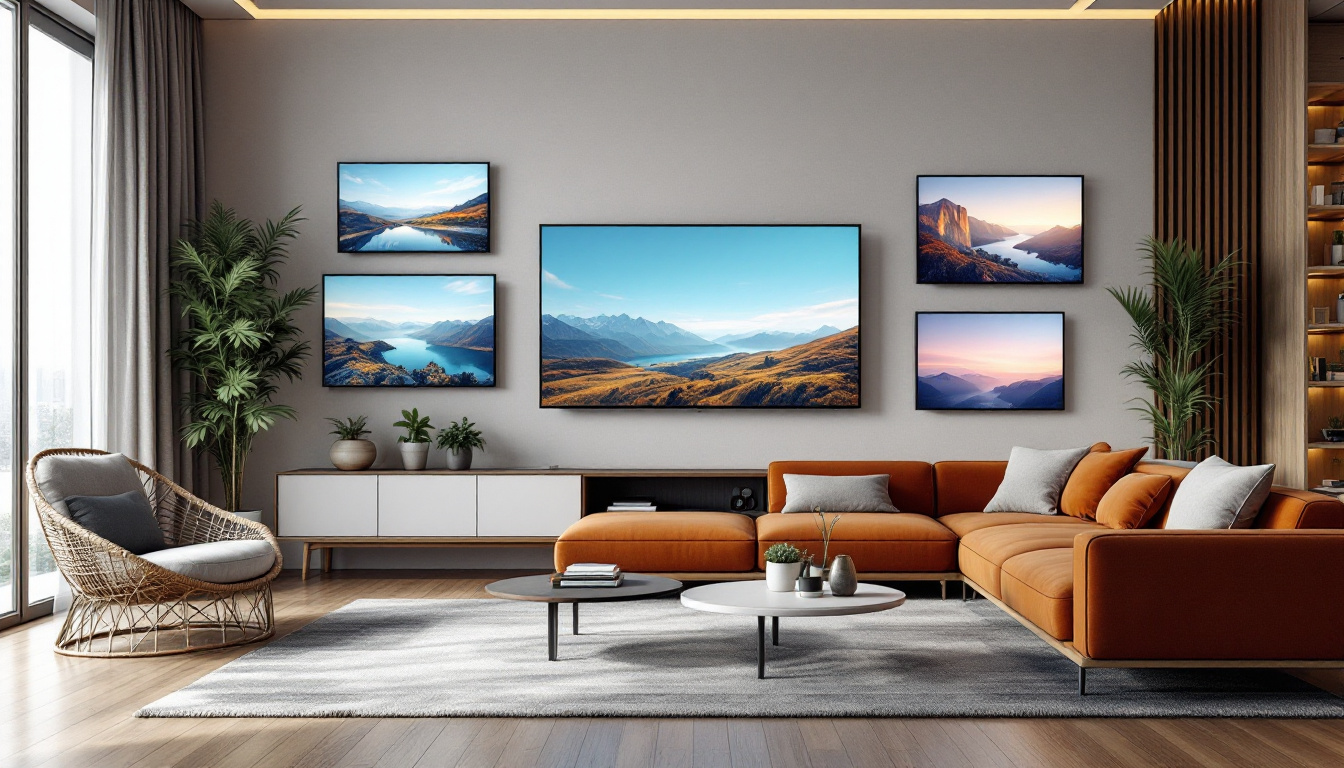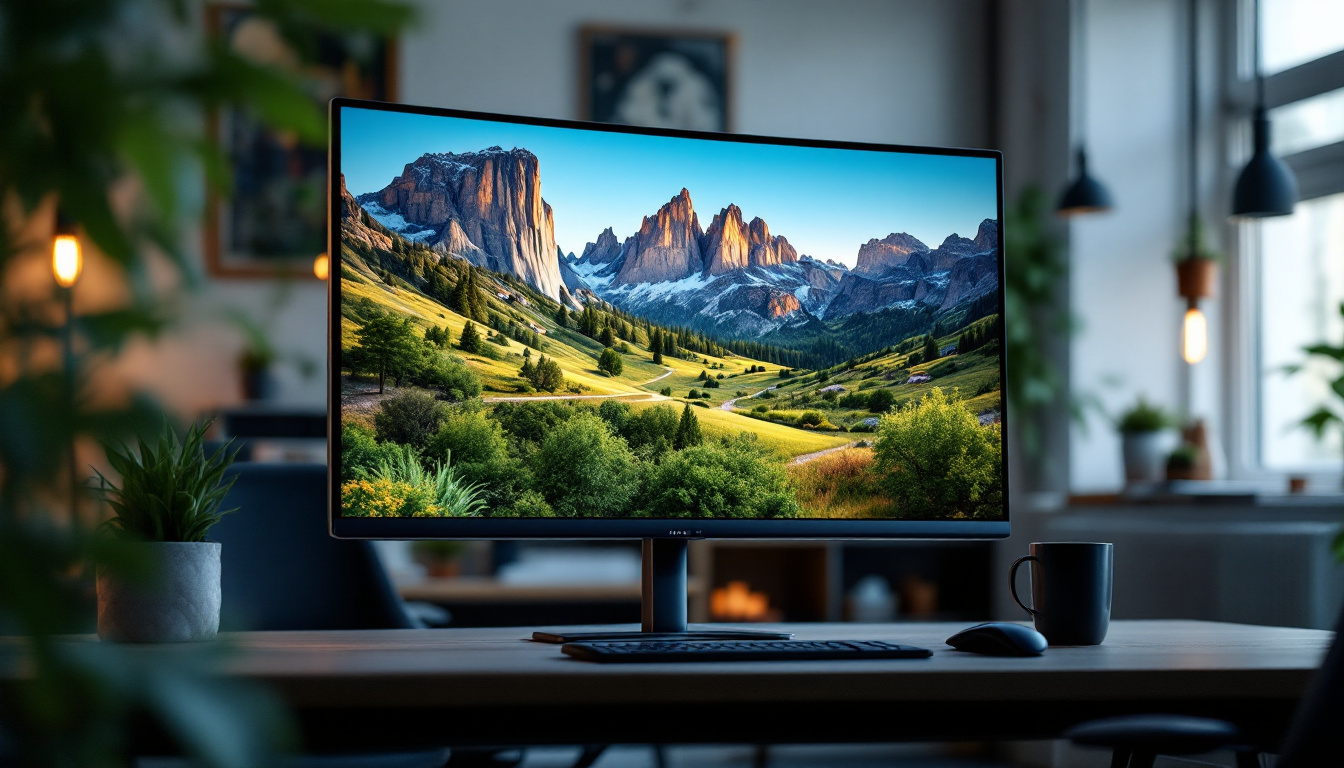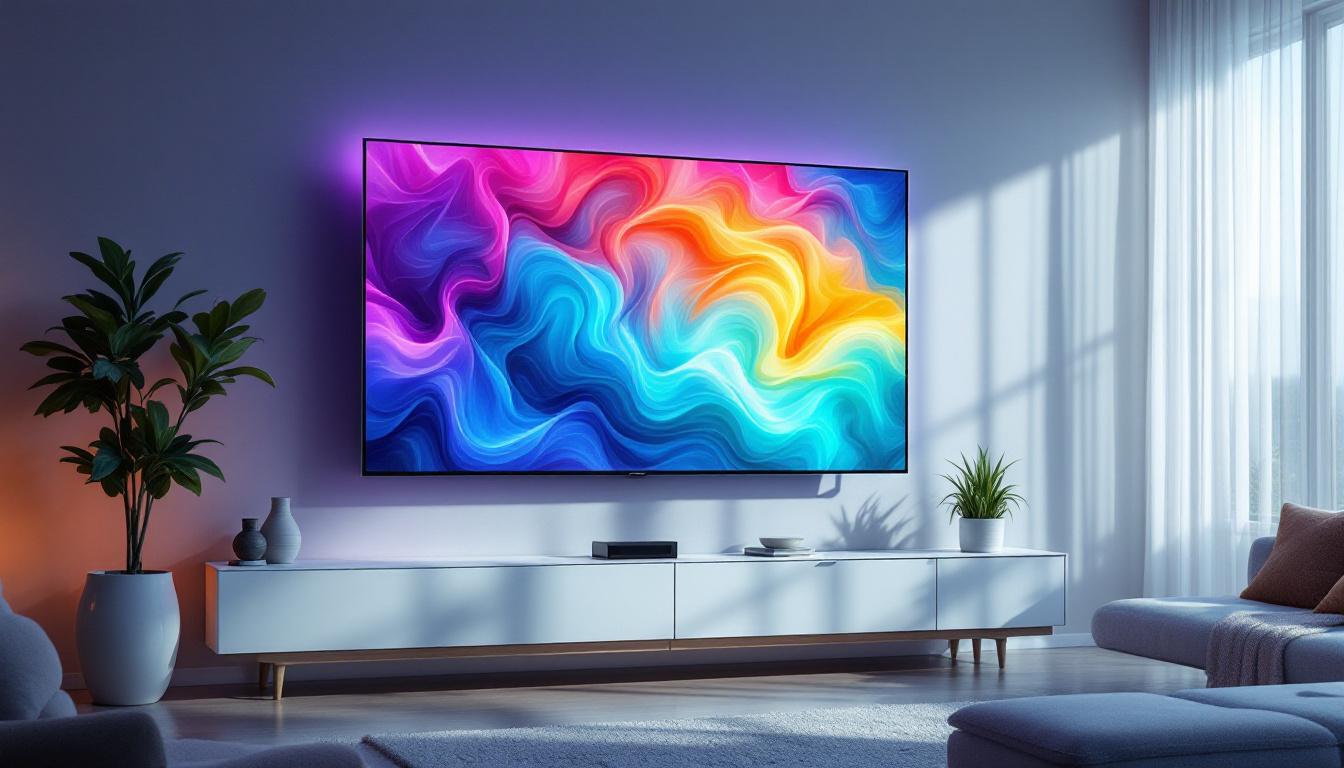
In recent years, large-screen televisions have become increasingly popular, with 86-inch TVs emerging as a favored choice for home theaters and immersive viewing experiences. Among the many technologies powering these massive displays, LED lighting plays a crucial role. Understanding how LED lights function in an 86-inch TV can help consumers make informed decisions, optimize their viewing setups, and appreciate the technology behind their screens.
Understanding LED Technology in Large TVs
What Does LED Mean in TV Displays?
LED stands for Light Emitting Diode, a semiconductor device that emits light when an electric current passes through it. In the context of televisions, LED refers to the type of backlighting used to illuminate the screen. Unlike traditional LCD TVs that use cold cathode fluorescent lamps (CCFLs) for backlighting, LED TVs employ arrays of LEDs to provide light behind or along the edges of the LCD panel.
This shift to LED backlighting has revolutionized the display industry by enabling thinner panels, better energy efficiency, and enhanced picture quality. For an 86-inch TV, which has a vast surface area, LED backlighting ensures consistent brightness and color accuracy across the entire screen. Additionally, LED technology has made it possible for manufacturers to create displays that can achieve higher levels of brightness, making them more suitable for viewing in well-lit environments. The ability to produce vibrant colors and deep blacks has also contributed to a more immersive viewing experience, whether you’re watching a blockbuster movie or playing the latest video games.
Types of LED Backlighting: Edge-lit vs. Full-array
There are primarily two types of LED backlighting used in large TVs: edge-lit and full-array. Edge-lit LED TVs place LEDs along the edges of the screen, using light guides to spread illumination evenly. This design allows for ultra-thin panels and is often more affordable. However, it can sometimes result in uneven brightness or less precise local dimming.
Full-array LED TVs, on the other hand, have a grid of LEDs directly behind the LCD panel. This arrangement allows for more precise control of brightness zones, known as local dimming, which improves contrast and black levels. For an 86-inch TV, full-array LED backlighting is often preferred because it provides superior picture quality, especially in dark scenes. Furthermore, advancements in technology have led to the development of mini-LEDs, which are smaller and can be packed more densely, allowing for even finer control over lighting and improved HDR performance. This means viewers can enjoy a more cinematic experience with richer colors and deeper shadows, making every detail pop on the large screen.
Why LED Backlighting Matters for an 86-Inch TV
Brightness and Uniformity Across a Large Screen
One of the biggest challenges with very large TVs is maintaining uniform brightness and color accuracy across the entire display. An 86-inch screen has a surface area of roughly 45 square feet, which means the backlighting system must be powerful and evenly distributed to avoid bright or dark spots.
LED backlighting excels in this regard. Full-array LED TVs with local dimming can selectively brighten or dim specific zones, ensuring that bright scenes are vivid and dark scenes retain depth without appearing washed out. This level of control is essential for large TVs to deliver immersive and realistic visuals. Furthermore, the advancements in HDR (High Dynamic Range) technology have made it possible for LED backlit screens to produce a wider color gamut and enhanced contrast ratios, allowing viewers to experience films and shows as they were intended to be seen. This is particularly important for large screens, where the impact of color and brightness can significantly enhance the viewing experience.
Energy Efficiency and Heat Management
Large TVs naturally consume more power due to their size. LED backlighting is significantly more energy-efficient compared to older CCFL technology, which helps reduce electricity consumption and heat generation. This efficiency is especially important in an 86-inch TV, as excessive heat can affect the longevity and performance of the display components.
Modern LED TVs incorporate advanced heat dissipation techniques and energy-saving modes, allowing users to enjoy large-screen entertainment without worrying about high energy bills or overheating issues. Additionally, many manufacturers are now focusing on sustainable practices, using recyclable materials in their products and implementing energy-efficient designs that comply with the latest environmental standards. This not only benefits the consumer by lowering operational costs but also contributes positively to the planet by reducing overall energy consumption. As consumers become increasingly eco-conscious, the energy efficiency of LED backlighting becomes a key selling point for those looking to invest in a large television.
How LED Display Technology Enhances Picture Quality
Contrast Ratio and Black Levels
Contrast ratio—the difference between the brightest whites and the darkest blacks—is a key factor in picture quality. LED backlighting, particularly with full-array local dimming, significantly improves contrast ratios on large TVs. By dimming LEDs in dark areas of the screen while keeping bright areas illuminated, the TV can produce deeper blacks and more vibrant colors.
This capability is crucial for 86-inch TVs used in home theaters, where cinematic content benefits from enhanced shadow detail and dynamic range. The result is a more lifelike and immersive viewing experience.
Color Accuracy and HDR Performance
High Dynamic Range (HDR) content demands precise control over brightness and color to display scenes as intended by filmmakers. LED backlighting supports HDR by providing the necessary peak brightness and color volume. Many 86-inch LED TVs support HDR10, Dolby Vision, or HDR10+ standards, which require the display to handle a wider range of luminance and colors.
With advanced LED technology, these TVs can achieve higher peak brightness levels—often exceeding 1000 nits—allowing HDR highlights to pop and colors to appear more vivid. This makes LED-backlit 86-inch TVs ideal for watching modern movies, sports, and gaming content.
Choosing the Right LED TV for Your 86-Inch Display Needs
Considerations for Backlighting Type
When selecting an 86-inch LED TV, understanding the backlighting type is essential. Full-array LED TVs typically offer better picture quality but come at a higher price point. Edge-lit models may be slimmer and more affordable but might compromise on uniformity and contrast.
For users prioritizing cinematic quality and immersive viewing, investing in a full-array LED TV with local dimming is advisable. Those with budget constraints or space limitations might find edge-lit models suitable, especially if the TV is used in well-lit rooms where perfect black levels are less critical.
Additional Features to Enhance LED Display Performance
Beyond backlighting, several features can enhance the overall performance of an 86-inch LED TV. These include:
- Refresh Rate: Higher refresh rates (120Hz or above) reduce motion blur, which is beneficial for sports and gaming.
- Smart TV Capabilities: Integrated streaming apps and voice control add convenience.
- Connectivity: Multiple HDMI 2.1 ports support next-gen gaming consoles and 4K/8K content.
- Calibration Options: Some models offer advanced picture calibration for color accuracy.
Considering these features alongside LED backlighting technology ensures the chosen TV meets both performance and usability expectations.
Installation and Maintenance Tips for 86-Inch LED TVs
Optimal Placement for LED Backlit TVs
Due to their size, 86-inch TVs require careful placement to maximize viewing comfort and picture quality. Positioning the TV at eye level and at an appropriate distance—typically 1.5 to 2.5 times the diagonal screen size—is recommended. For an 86-inch TV, this means sitting approximately 10 to 18 feet away.
LED backlighting helps reduce glare and reflections, but ambient lighting should still be controlled to avoid washout or distractions. Using dimmable lights or blackout curtains can enhance the viewing experience.
Maintaining LED Displays for Longevity
LED TVs are generally low-maintenance, but some care is necessary to preserve their performance. Regular dusting with a soft cloth prevents dust buildup on the screen and vents, which can affect cooling. Avoid using harsh chemicals or abrasive materials that might damage the display.
Additionally, enabling power-saving modes and avoiding prolonged static images can prevent issues like image retention or burn-in, although burn-in is less common in LED-backlit LCD TVs compared to OLEDs.
Future Trends in LED Display Technology for Large TVs
Mini-LED and Micro-LED Innovations
Emerging LED technologies promise to further enhance the performance of large TVs. Mini-LED backlighting uses thousands of tiny LEDs to create even more precise local dimming zones, resulting in improved contrast and brightness uniformity. This technology is already appearing in premium 86-inch TVs and is expected to become more widespread.
Micro-LED, a next-generation technology, integrates microscopic LEDs directly into the display panel, eliminating the need for separate backlighting. This approach offers superior brightness, contrast, and energy efficiency, potentially revolutionizing large-screen TVs in the coming years.
Integration with Smart Home and AI
LED TVs are increasingly integrated with artificial intelligence and smart home ecosystems. AI-driven picture optimization can adjust LED backlighting dynamically based on content and ambient lighting conditions, enhancing viewing comfort and image quality. Voice assistants and smart controls also simplify managing large TVs in modern living spaces.
Conclusion
LED lights are fundamental to the performance and appeal of 86-inch TVs. Their role in backlighting enables large screens to deliver bright, vibrant, and energy-efficient images with excellent contrast and color accuracy. Understanding the types of LED backlighting, their impact on picture quality, and the features to look for can empower consumers to select the best 86-inch LED TV for their needs.
As LED technology continues to evolve with innovations like mini-LED and micro-LED, the future of large-screen TVs promises even more immersive and stunning visual experiences. Whether for home theaters, gaming, or everyday viewing, LED-lit 86-inch TVs represent a pinnacle of display technology today.
Discover the Future of Large-Screen Viewing with LumenMatrix
Ready to elevate your viewing experience with the latest in LED display technology? LumenMatrix is at the forefront of innovation, offering a wide range of LED display solutions tailored to your needs. From captivating Indoor LED Wall Displays to dynamic Outdoor LED Wall Displays, and from versatile Vehicle LED Displays to stunning LED Sports Displays, our products are designed to revolutionize visual communication. Embrace the future of immersive and engaging displays with LumenMatrix’s cutting-edge technology. Check out LumenMatrix LED Display Solutions today and transform the way you share your message with the world.