In the rapidly evolving world of digital displays, LED matrix displays have emerged as a versatile and widely adopted technology. From billboards to wearable devices, these displays offer vibrant visuals, energy efficiency, and scalability. This article explores the fundamentals of LED matrix displays, their working principles, applications, and the latest advancements shaping their future.
Understanding LED Matrix Displays: Basics and Components
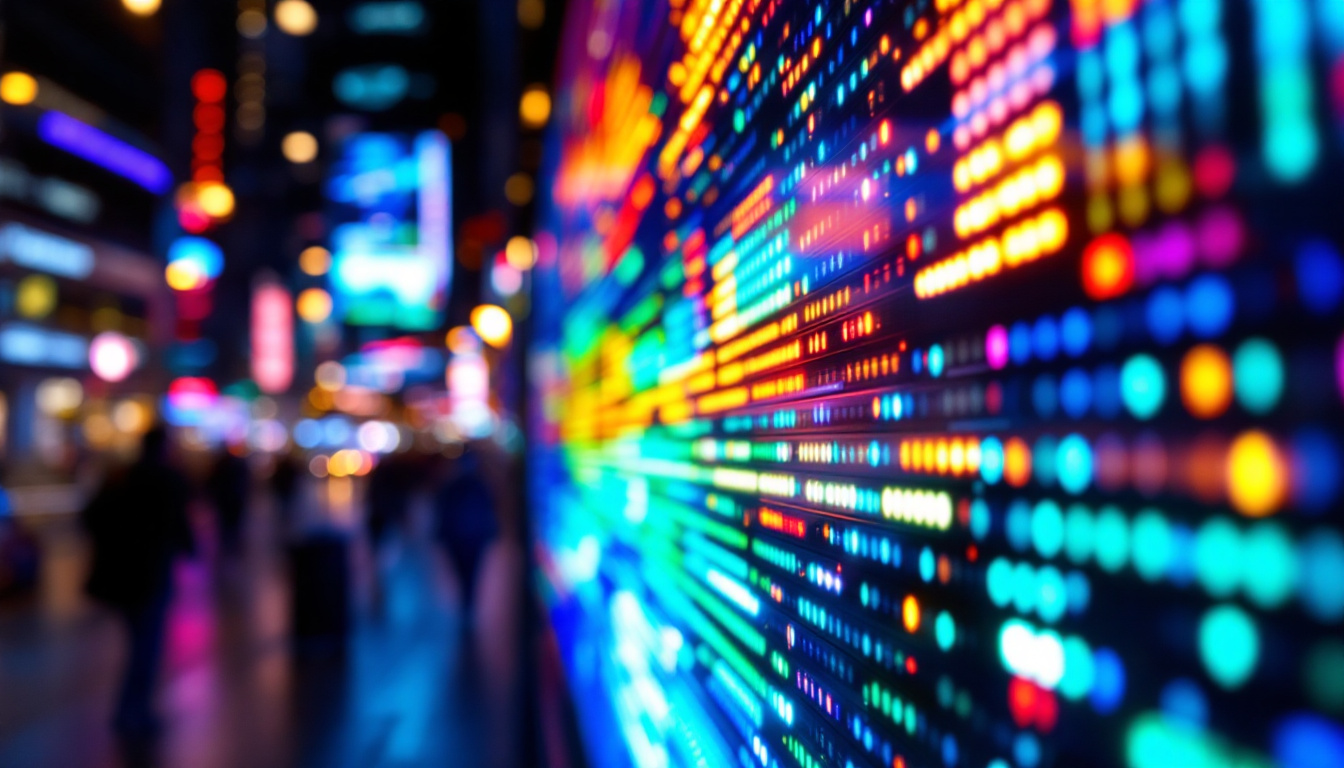
At its core, an LED matrix display is a grid of light-emitting diodes (LEDs) arranged in rows and columns. Each LED acts as a pixel that can be individually controlled to produce images, text, or animations. The matrix configuration allows for flexible display sizes and resolutions, making it suitable for a variety of uses, from small digital clocks to large advertising billboards.
Structure of an LED Matrix
The matrix typically consists of a two-dimensional array of LEDs. Common configurations include 8×8, 16×16, or larger matrices depending on the application. Each LED in the matrix can be turned on or off, or modulated in brightness to create different shades and colors. This versatility enables designers to create intricate patterns and animations that can capture the attention of viewers.
To control such a large number of LEDs efficiently, the matrix is often wired in a multiplexed manner. This means that the LEDs are connected in rows and columns rather than individually, reducing the number of control pins required. For example, a 16×16 matrix has 256 LEDs but only 32 control lines (16 rows + 16 columns). Multiplexing not only simplifies the wiring but also allows for rapid switching between rows and columns, creating the illusion of a continuously lit display even though only a fraction of the LEDs are activated at any given moment.
Types of LEDs Used
LED matrix displays may use single-color LEDs (such as red, green, or blue), bi-color LEDs, or full-color RGB LEDs. RGB LEDs combine red, green, and blue diodes in one package, enabling the display of millions of colors through varying the intensity of each diode. This capability is particularly beneficial in applications such as video displays, where vibrant colors and smooth transitions are essential for an engaging viewer experience.
The choice of LED type affects the display’s brightness, color range, and power consumption. For instance, RGB LED matrices are preferred for dynamic, colorful content, while single-color matrices are often used for simpler text or status indicators. Additionally, the brightness of LEDs can vary significantly based on their construction and the materials used, which can influence the overall visibility of the display in different lighting conditions. As technology advances, newer LED types are being developed, such as organic LEDs (OLEDs), which offer even greater flexibility in design and improved energy efficiency, potentially revolutionizing the way we think about LED matrix displays.
How LED Matrix Displays Work: Driving and Control Mechanisms
Controlling an LED matrix display involves managing which LEDs are lit and at what intensity, often in real-time. This requires a combination of hardware and software working in tandem.
Multiplexing and Scanning Techniques
Because directly controlling each LED individually would require an impractical number of wires and control signals, multiplexing is employed. Multiplexing involves activating one row (or column) of LEDs at a time while controlling the columns (or rows) to light the desired LEDs in that row.
This process happens very rapidly—thousands of times per second—so the human eye perceives a steady image rather than flickering. The scanning speed and refresh rate are critical parameters that influence display quality, including brightness and flicker-free operation. Additionally, the design of the multiplexing algorithm can affect the overall efficiency of the display, as it determines how quickly and effectively the data is sent to the driver ICs. Optimizing these algorithms can lead to better performance, especially in applications requiring high refresh rates, such as video displays or interactive installations.
Driver ICs and Microcontrollers
LED matrix displays are typically driven by specialized integrated circuits (ICs) designed for LED control, such as the MAX7219 or the HT16K33. These driver ICs handle multiplexing, current regulation, and sometimes brightness control, offloading these tasks from the main microcontroller.
Microcontrollers or microprocessors send data to the driver ICs, specifying which LEDs to light up. This data can represent characters, graphics, or animations. Modern LED matrix displays may also incorporate advanced controllers that support complex animations and color mixing. Furthermore, the choice of microcontroller can significantly impact the capabilities of the display; for instance, microcontrollers with higher processing power can manage more intricate designs and faster refresh rates, enabling the display of detailed graphics or real-time data visualizations. In applications like digital signage or art installations, the ability to quickly adapt to changing inputs or user interactions is essential.
Pulse Width Modulation (PWM) for Brightness and Color Control
To achieve varying brightness levels and color shades, pulse width modulation (PWM) is commonly used. PWM rapidly switches LEDs on and off at different duty cycles, effectively controlling perceived brightness. For RGB LEDs, PWM is applied independently to each color channel, allowing for millions of color combinations.
This technique not only enhances the visual appeal of displays but also plays a crucial role in energy efficiency. By adjusting the duty cycle, less power is consumed when lower brightness levels are needed, which is particularly beneficial in battery-operated devices. Moreover, the implementation of PWM can be fine-tuned to reduce flicker, which is especially important for applications where displays are viewed for extended periods, such as in digital clocks or ambient lighting. As technology advances, PWM techniques are becoming more sophisticated, allowing for smoother transitions and more dynamic lighting effects, further enriching the user experience in various applications.
Applications of LED Matrix Displays: From Simple Indicators to Dynamic Billboards
LED matrix displays have found applications across many industries due to their adaptability, visibility, and efficiency.
Public Information Displays and Signage
One of the most common uses of LED matrix displays is in public information systems, such as bus stop signs, train station boards, and airport flight information displays. Their high visibility in various lighting conditions and ability to display dynamic content make them ideal for these environments.
For example, LED matrix displays at bus stops can show real-time arrival times and service alerts, improving commuter experience and operational efficiency.
Advertising and Digital Billboards
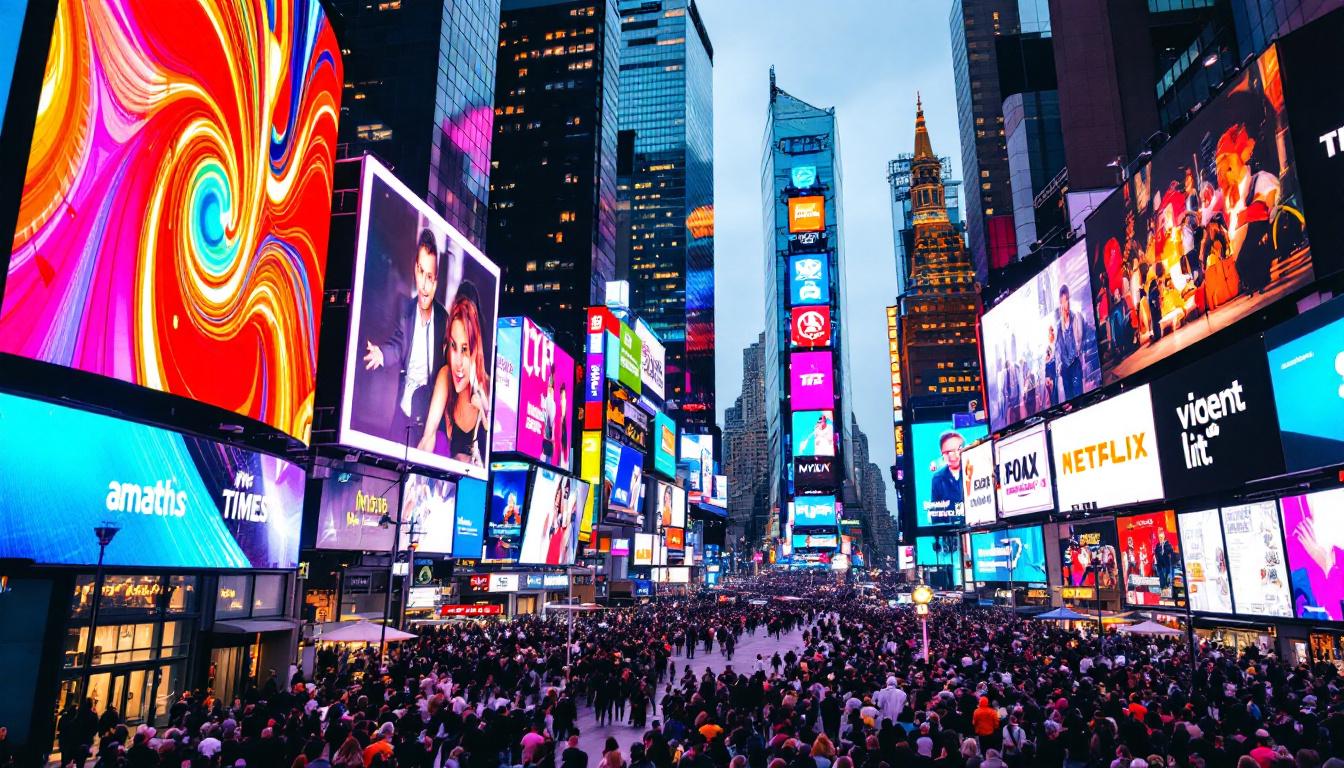
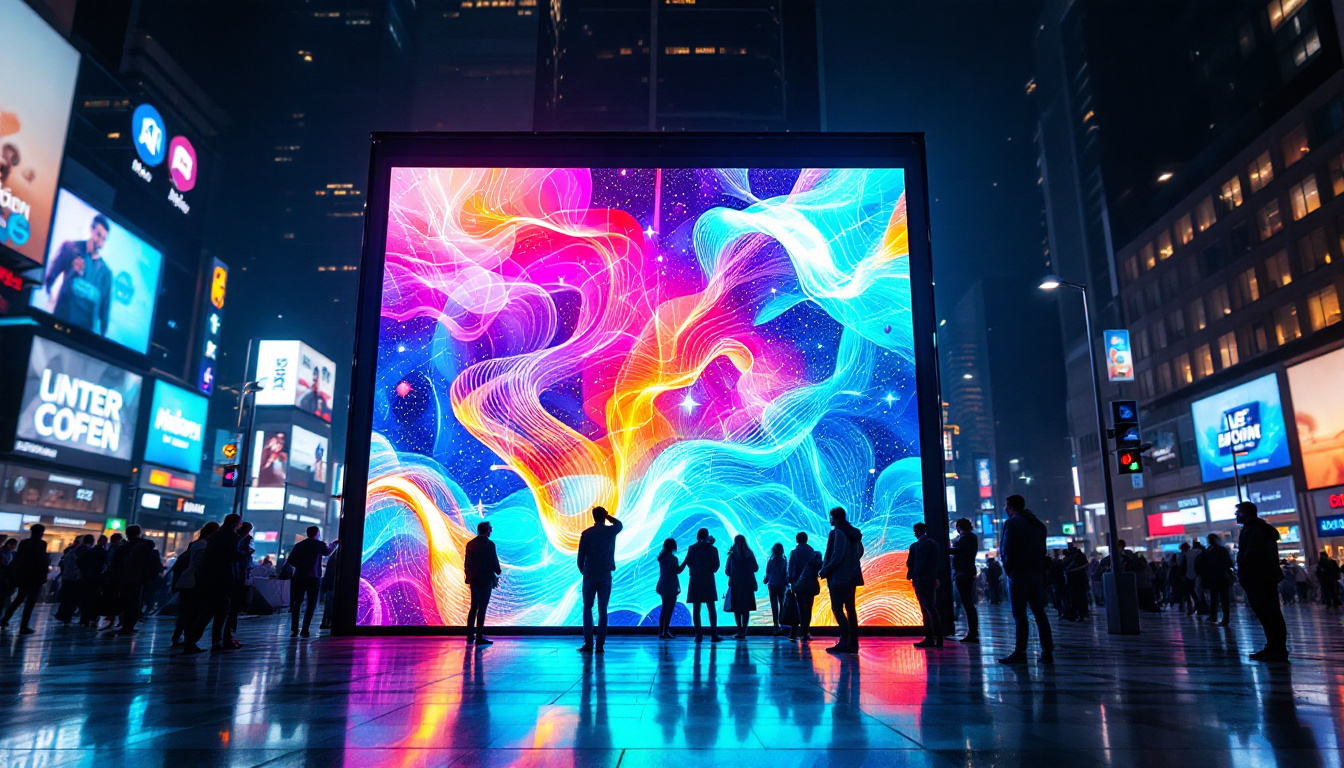
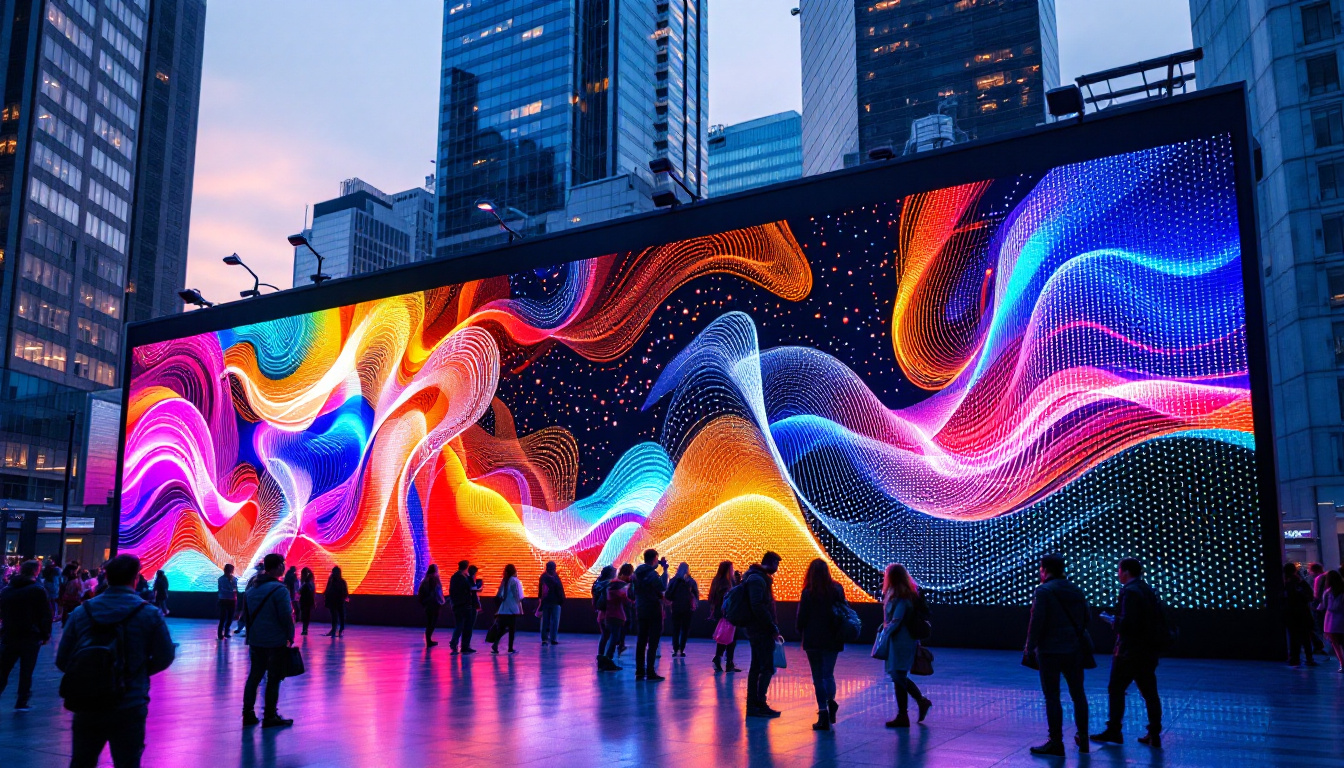
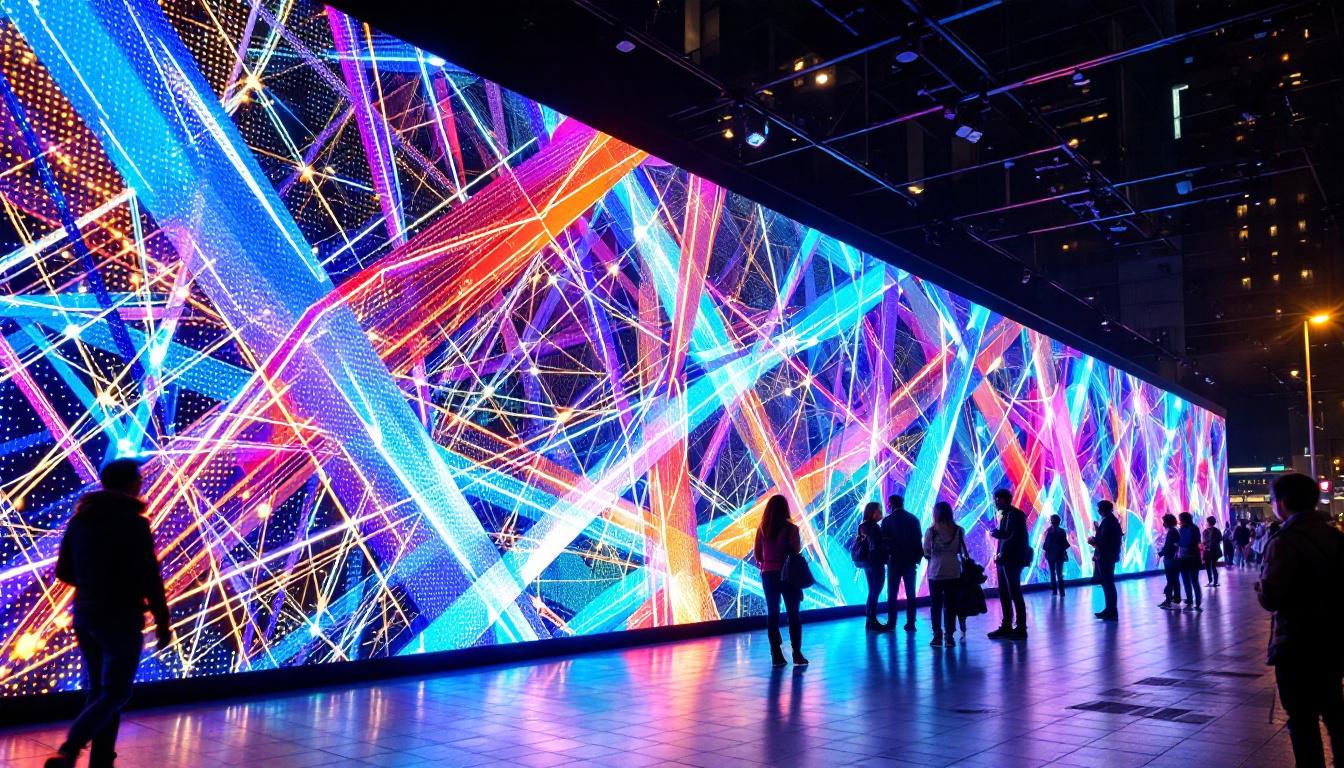
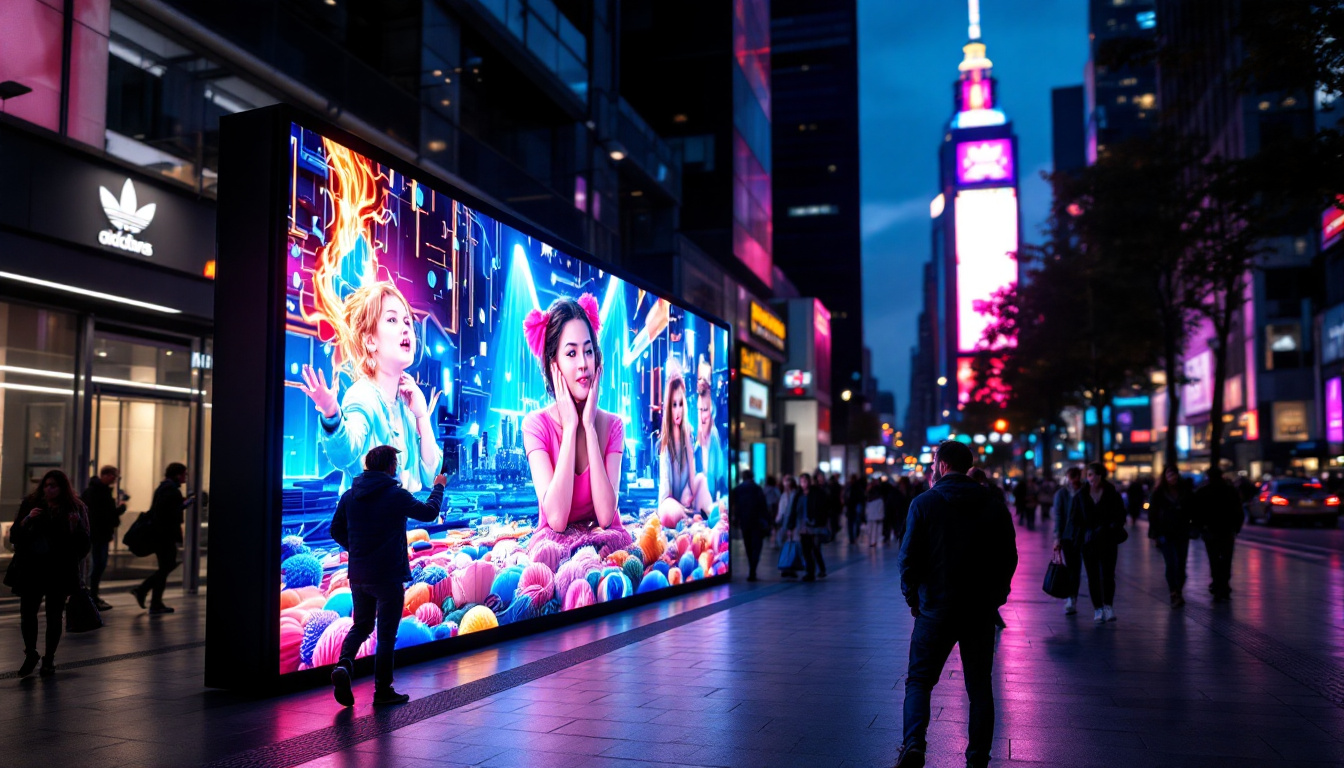
Large-scale LED matrix displays are widely used in outdoor advertising. Digital billboards leverage high-resolution LED matrices to display vibrant, eye-catching advertisements that can be changed remotely and frequently.
According to recent market research, the global digital signage market is expected to reach over $32 billion by 2028, with LED matrix technology playing a significant role due to its scalability and brightness.
Wearable Technology and Consumer Electronics
Smaller LED matrix displays are increasingly integrated into wearable devices such as smartwatches, fitness trackers, and even clothing. These displays provide compact, low-power visual feedback and notifications.
For instance, some fitness bands use a small LED matrix to display step counts, heart rate, or simple icons, balancing readability with battery life.
Industrial and Automotive Applications
In industrial settings, LED matrix displays are used for status indicators, machine readouts, and safety warnings. Their robustness and visibility in harsh environments make them suitable for factories and construction sites.
Automotive applications include dashboard indicators, heads-up displays, and external vehicle messaging systems, such as emergency vehicle signs or dynamic license plates.
Advantages and Limitations of LED Matrix Displays
Understanding the strengths and challenges of LED matrix displays helps in selecting the right technology for specific applications.
Advantages
- High Brightness and Visibility: LEDs provide bright, clear images visible even in direct sunlight, making them ideal for outdoor use.
- Energy Efficiency: LED technology consumes less power compared to traditional display technologies like LCD or incandescent bulbs.
- Scalability: Matrix displays can be easily scaled to different sizes and resolutions by adding or removing LED modules.
- Durability and Longevity: LEDs have a long operational life and are resistant to shock and vibration.
- Flexibility: Capable of displaying text, graphics, and animations dynamically, allowing for versatile content presentation.
Limitations
- Resolution Constraints: Compared to LCD or OLED displays, LED matrices often have lower resolution, which can limit image detail.
- Complexity in Control: Large matrices require sophisticated driving circuits and software, increasing design complexity.
- Potential for Flicker: Improper multiplexing or low refresh rates can cause visible flicker, affecting user experience.
- Cost: High-quality RGB LED matrices with fine pitch can be expensive, especially for large-scale installations.
Recent Innovations and Future Trends in LED Matrix Technology
The LED matrix display industry is continuously evolving, driven by advances in materials, manufacturing, and control electronics.
Miniaturization and Higher Resolution
Recent developments have focused on reducing the pixel pitch (the distance between LEDs) to achieve higher resolution and sharper images. Micro-LED technology, which uses microscopic LEDs, promises ultra-high resolution with excellent brightness and efficiency, potentially rivaling OLED displays.
Flexible and Transparent LED Matrices
Flexible LED matrix displays are gaining traction, enabling curved or wearable screens that conform to various surfaces. Transparent LED matrices allow for see-through displays, useful in retail windows and augmented reality applications.
Integration with IoT and Smart Systems
Modern LED matrix displays are increasingly integrated with Internet of Things (IoT) platforms, allowing remote management, real-time data updates, and interactive features. This integration enhances functionality in smart cities, transportation, and retail environments.
Energy Harvesting and Sustainability
Efforts to reduce environmental impact include developing LED matrices with lower power consumption and integrating energy harvesting technologies such as solar panels. These innovations support sustainable deployment, particularly for outdoor and remote installations.
Conclusion
LED matrix displays represent a dynamic and versatile technology that continues to expand across multiple sectors. Their combination of brightness, flexibility, and energy efficiency makes them an attractive choice for applications ranging from public signage to wearable devices. As innovations in resolution, materials, and connectivity progress, LED matrix displays are poised to play an even more significant role in the future of digital visualization.
For businesses and developers, understanding the capabilities and limitations of LED matrix technology is essential to harnessing its full potential and delivering engaging, effective visual communication.
Discover LumenMatrix’s Innovative LED Display Solutions
Ready to elevate your visual communication with cutting-edge LED technology? Explore LumenMatrix’s comprehensive range of LED display modules, from vibrant Indoor and Outdoor LED Wall Displays to dynamic Vehicle and Sports LED Displays. Whether you’re looking to captivate your audience with a Custom LED Display or engage them with an All-in-One solution, LumenMatrix is your partner in creating unforgettable visual experiences. Check out LumenMatrix LED Display Solutions today and see how we can transform your brand’s visibility and audience engagement.