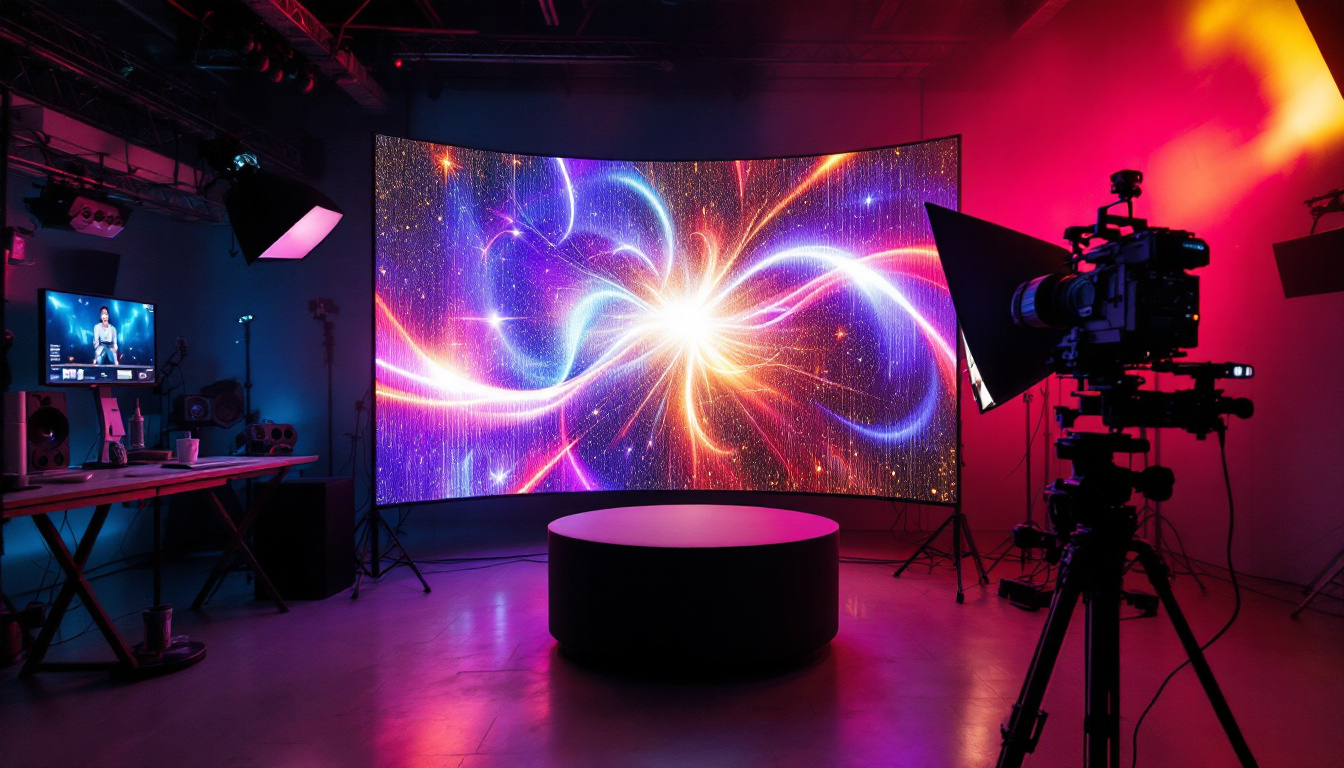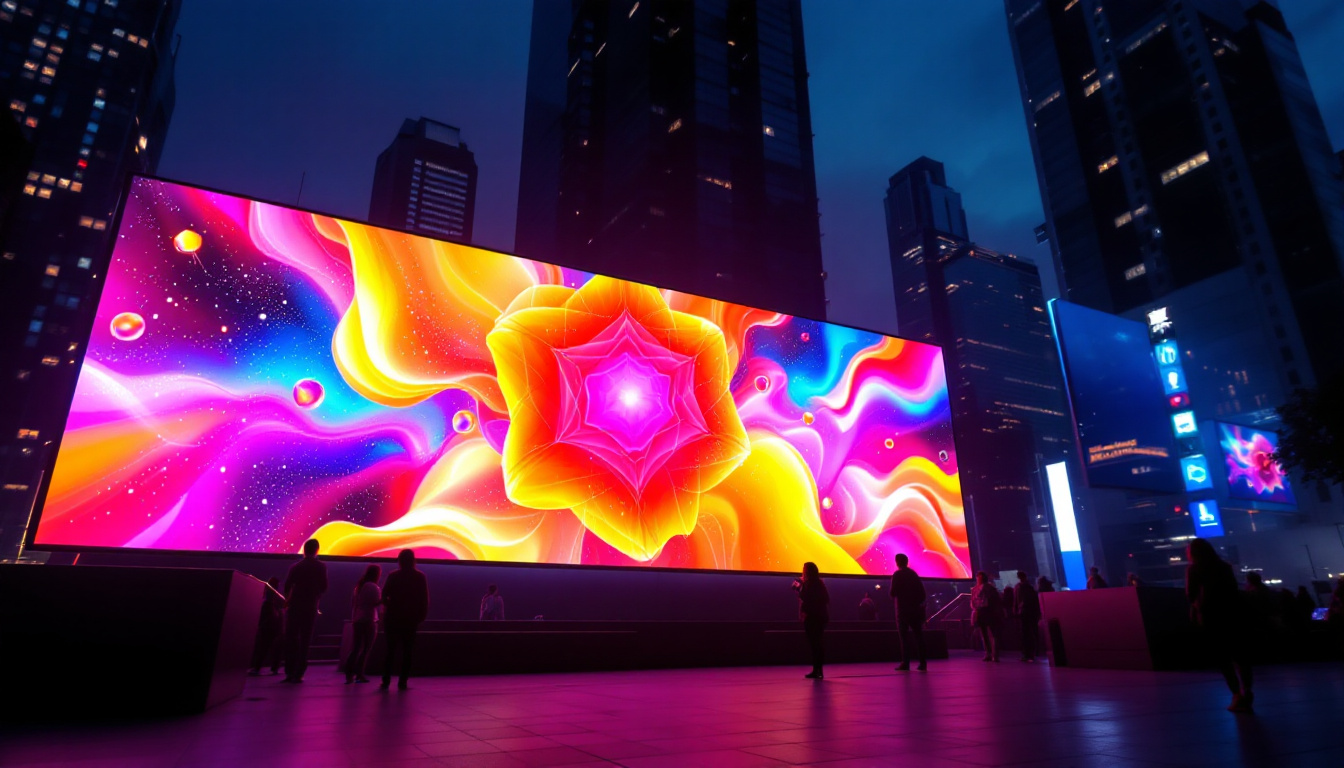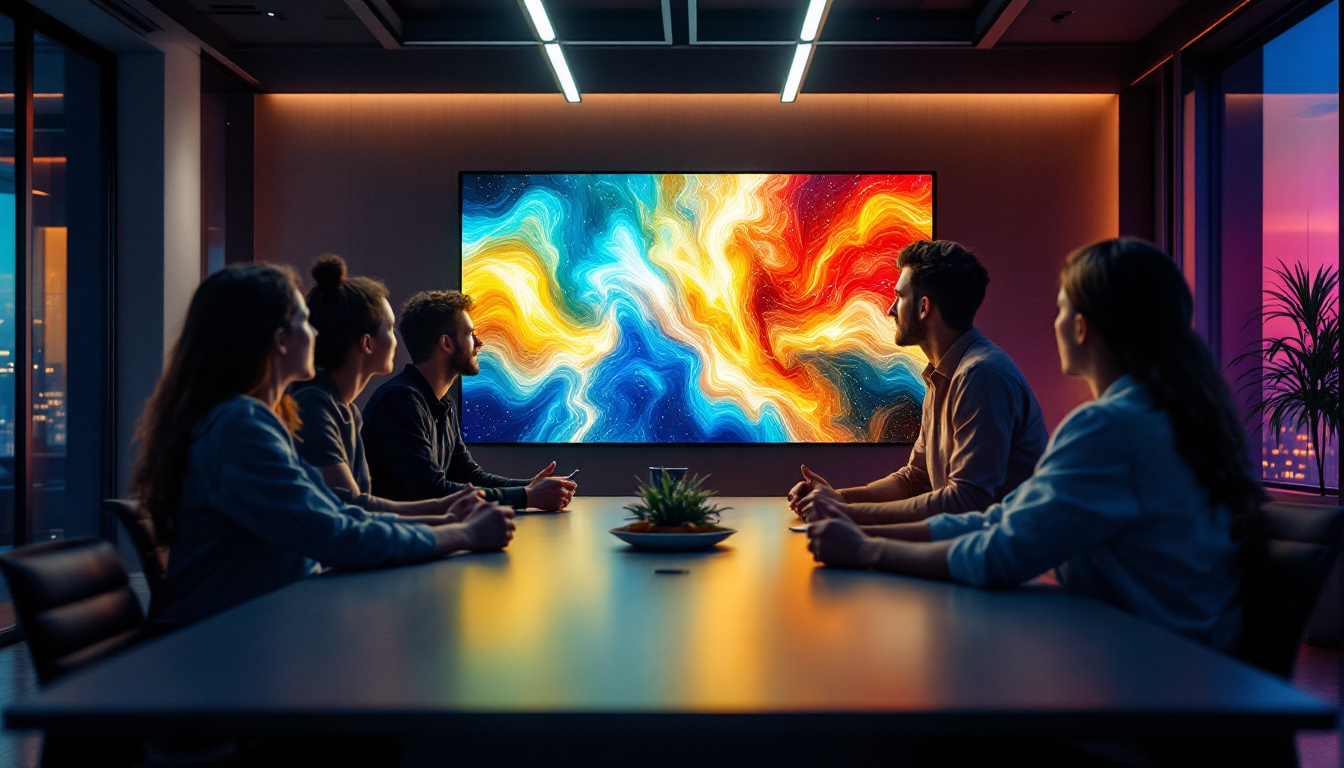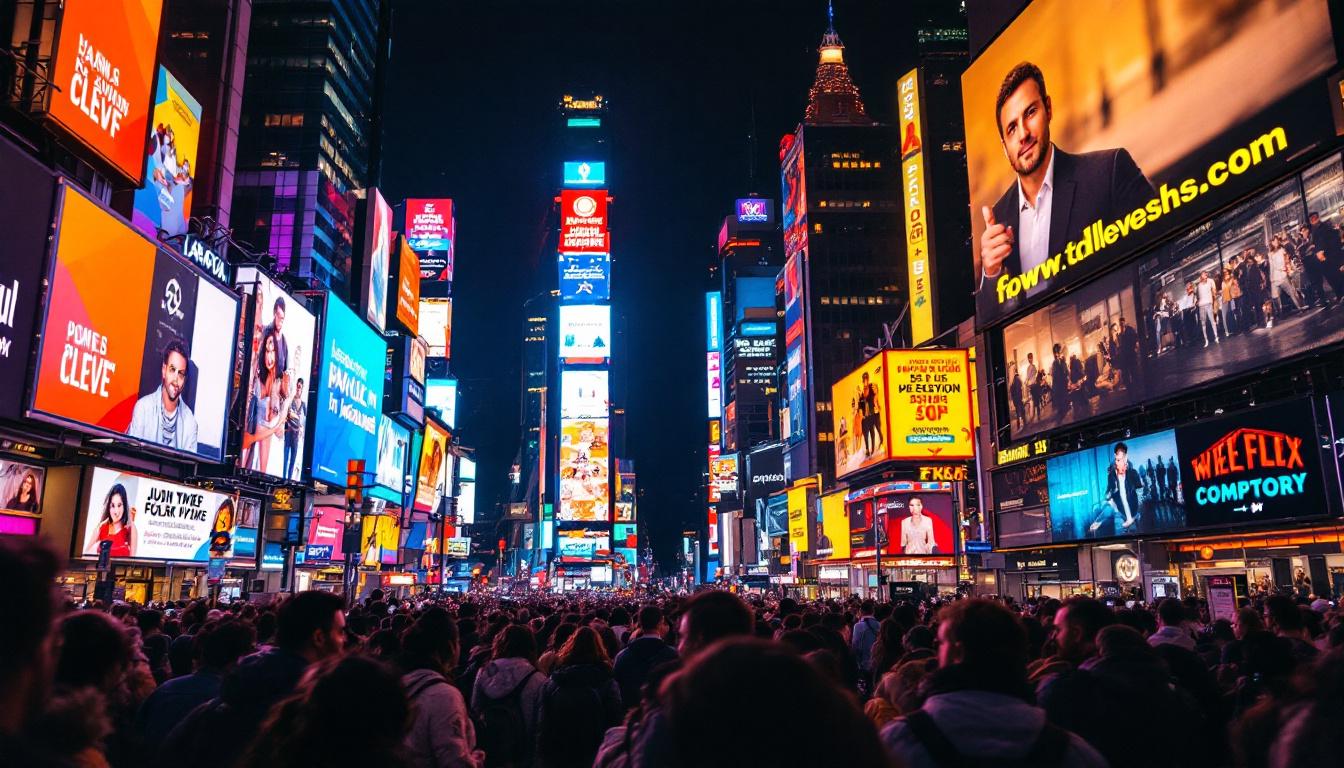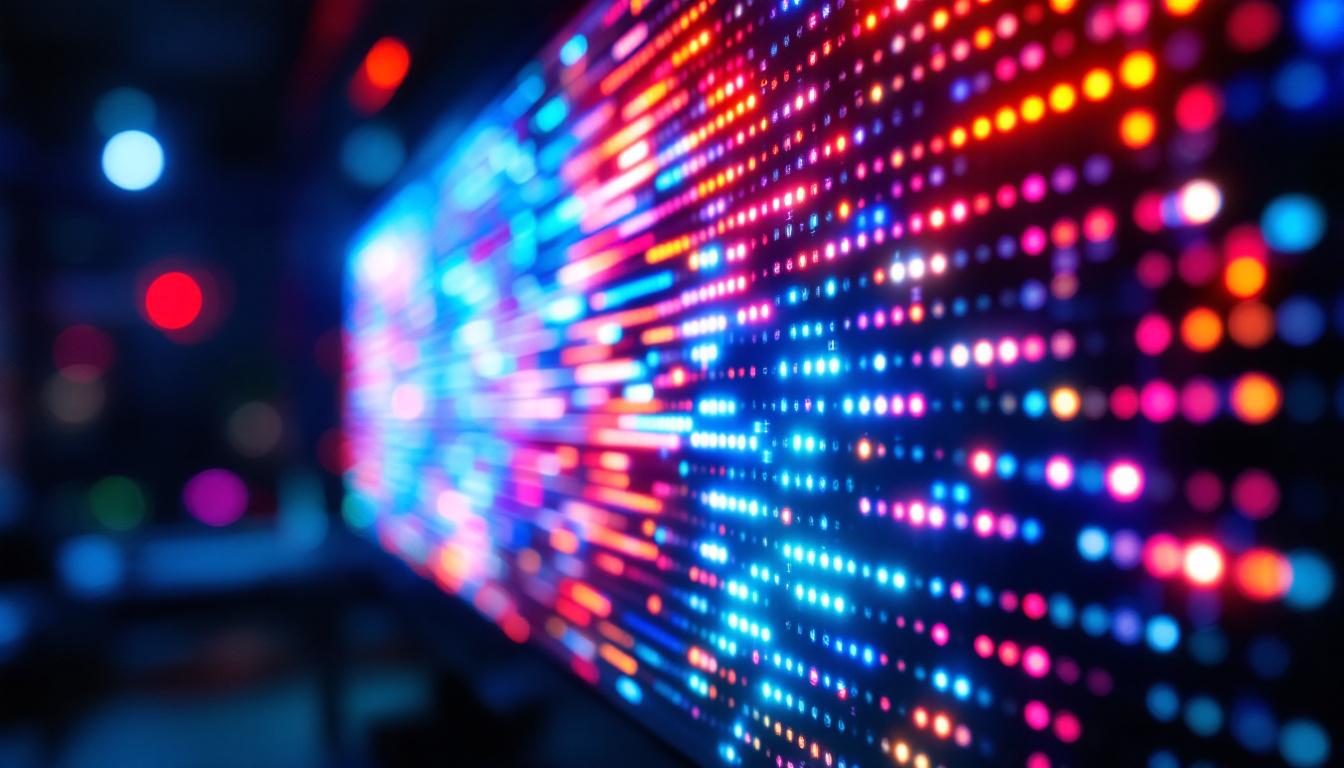
In the rapidly evolving world of digital displays, LED matrix panels have emerged as a versatile and powerful technology. From vibrant advertising billboards to dynamic information boards and creative art installations, these panels are transforming how we communicate visually. Understanding what LED matrix panels are, how they function, and their practical applications can provide valuable insights for businesses, designers, and tech enthusiasts alike.
What Are LED Matrix Panels?
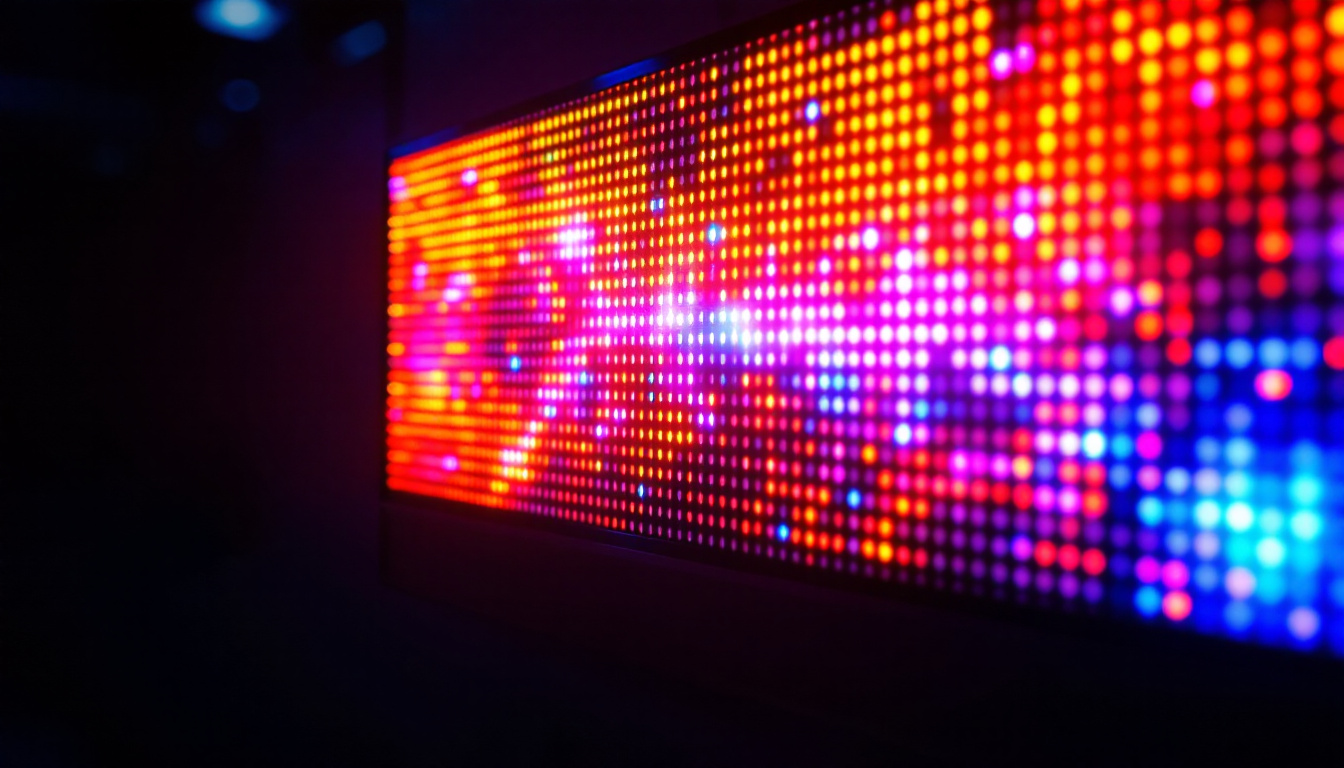
LED matrix panels are flat display modules composed of a grid of light-emitting diodes (LEDs) arranged in rows and columns. Each LED acts as a pixel, and by controlling individual LEDs, the panel can display text, images, animations, and videos. The term “matrix” refers to the two-dimensional arrangement of these LEDs, which can vary in size and resolution depending on the intended use.
Typically, LED matrix panels are available in different configurations, such as 8×8, 16×16, or larger grids, with each LED capable of emitting a specific color or brightness level. More advanced panels use RGB (red, green, blue) LEDs to produce a full spectrum of colors, enabling rich, vibrant displays. This versatility makes LED matrix panels popular in various applications, from simple signage to complex art installations, where dynamic visual content is essential.
In addition to their visual capabilities, LED matrix panels are also energy-efficient, consuming less power compared to traditional display technologies. This efficiency is particularly beneficial for large-scale installations, where energy costs can add up significantly over time. Furthermore, the longevity of LED technology means that these panels can operate for tens of thousands of hours, reducing the need for frequent replacements and maintenance.
The Technology Behind LED Matrix Panels
At the core of LED matrix panels is the principle of multiplexing, a technique that allows controlling multiple LEDs with fewer wires by rapidly switching them on and off in sequence. This method reduces the complexity and cost of wiring while maintaining high refresh rates to avoid flickering.
The control of LEDs is typically managed by microcontrollers or dedicated driver ICs (integrated circuits), which receive data from a computer or embedded system. These controllers interpret the input data and activate the appropriate LEDs to form the desired patterns or images. Advanced systems may also incorporate features such as brightness adjustment and color correction, ensuring that the display remains consistent across different lighting conditions.
Moreover, the software used to drive these panels can vary widely, ranging from simple libraries for hobbyists to sophisticated applications for professional use. Many developers leverage open-source platforms, allowing for customization and community-driven enhancements. This flexibility not only fosters creativity but also enables users to create interactive displays that respond to user input or environmental changes, further expanding the possibilities of what can be achieved with LED matrix technology.
Types of LED Matrix Panels
LED matrix panels come in various types, each suited for different applications and environments. Understanding these types helps in selecting the right panel for specific needs.
Monochrome LED Matrix Panels
Monochrome panels use single-color LEDs, usually red, green, or amber. They are commonly used for simple text displays, such as scrolling messages or numeric readouts. Their advantages include lower cost, reduced power consumption, and simpler control mechanisms.
Despite their simplicity, monochrome panels remain popular in industrial settings, public transportation systems, and basic signage where color is not critical.
RGB LED Matrix Panels
RGB LED matrix panels incorporate red, green, and blue LEDs at each pixel, allowing for the creation of millions of colors through color mixing. This capability makes them ideal for high-impact visual displays, including full-color video walls, advertising screens, and interactive installations.
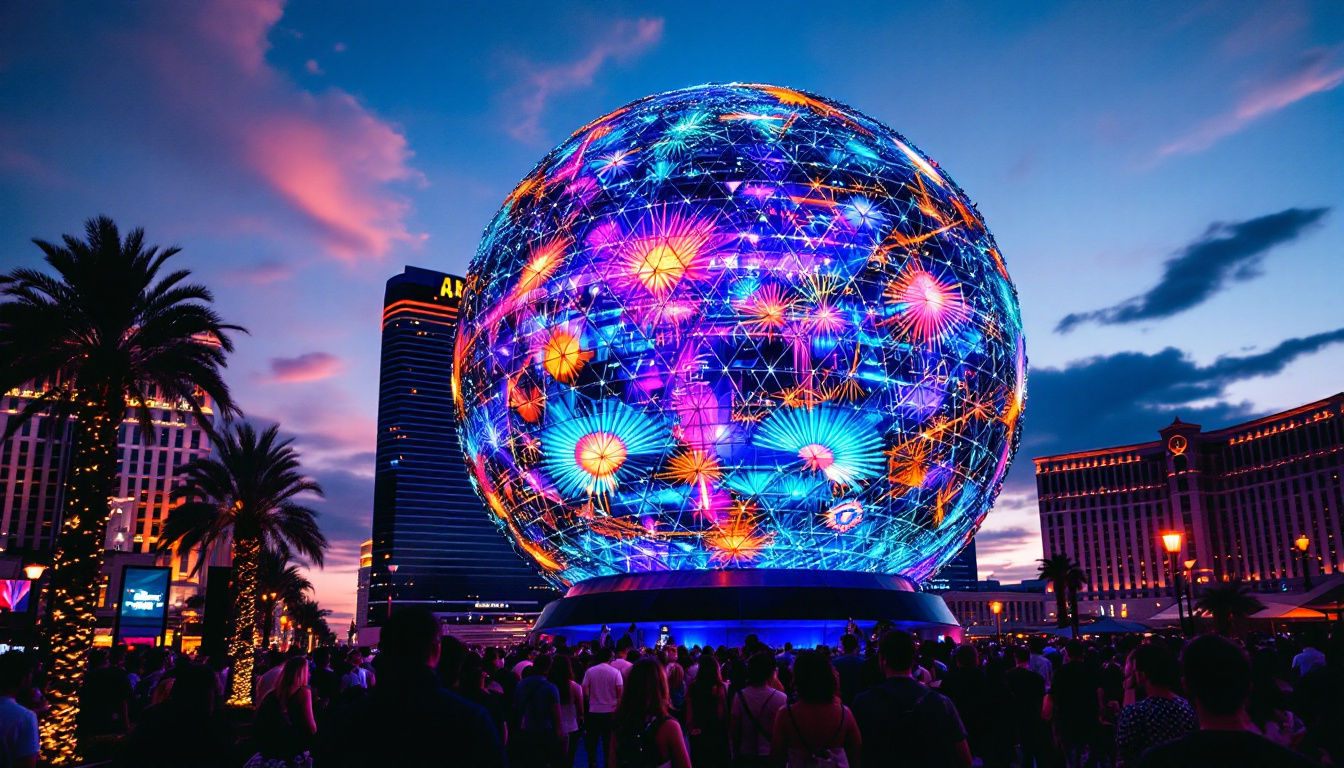
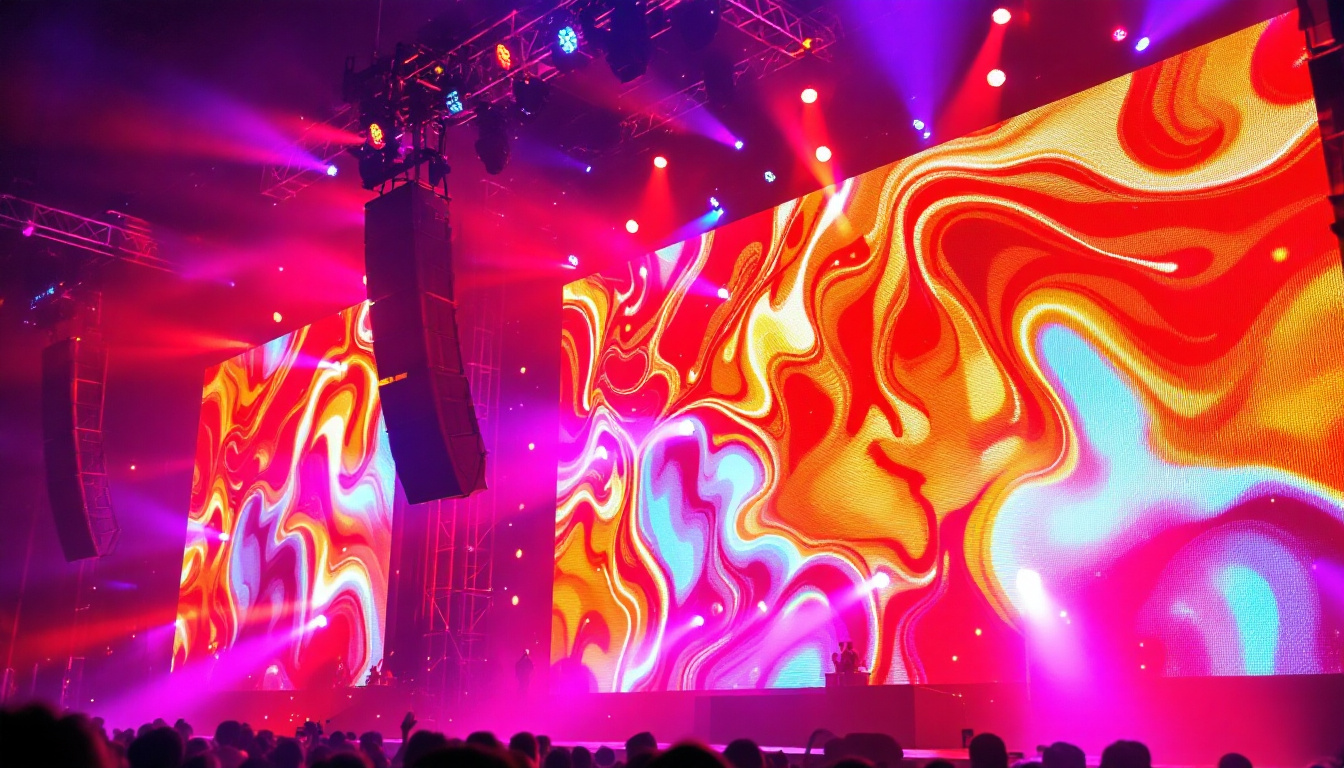
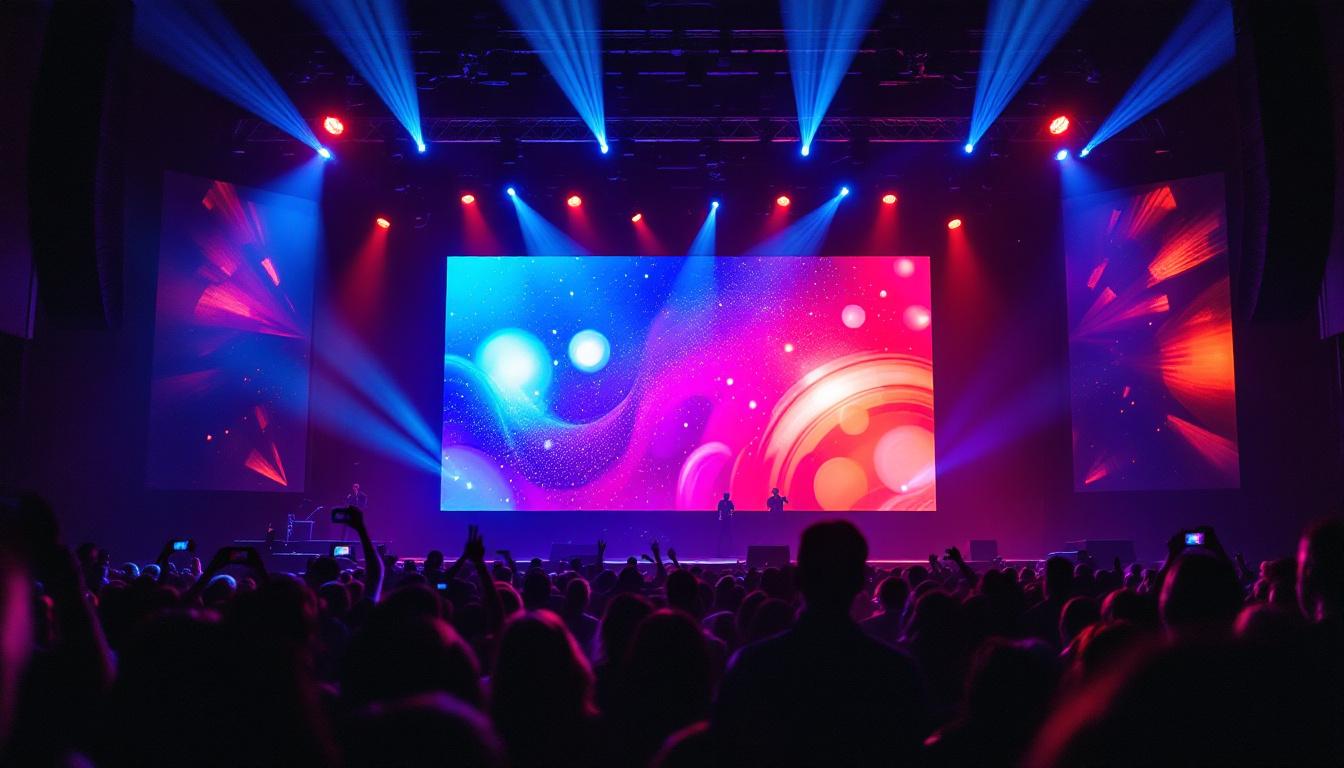
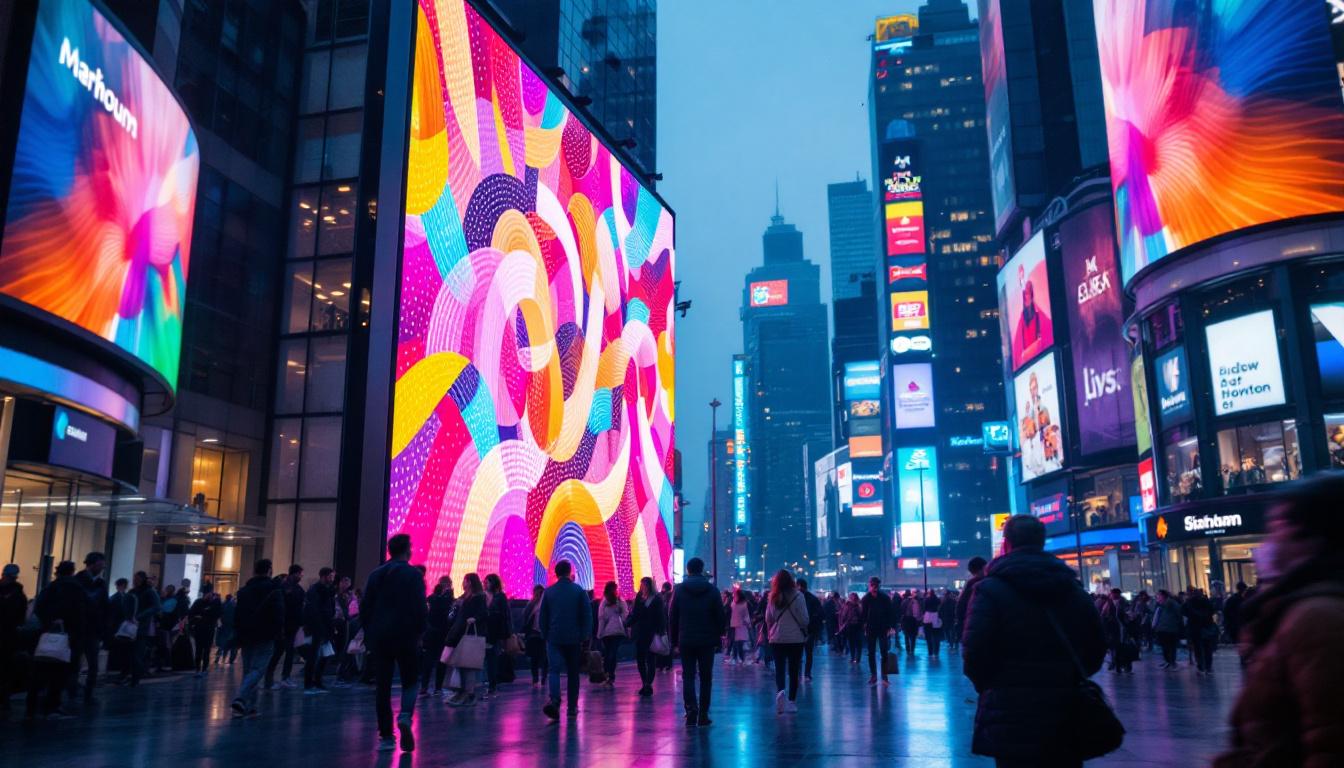
These panels are often used in arenas, shopping malls, and outdoor advertising where vivid imagery and dynamic content are essential to capture attention.
Indoor vs. Outdoor LED Matrix Panels
Environmental factors significantly influence the design of LED matrix panels. Indoor panels prioritize high resolution and brightness suitable for close viewing distances, while outdoor panels emphasize weather resistance, high brightness to combat sunlight, and durability.
Outdoor panels often feature waterproof casings, anti-glare coatings, and enhanced thermal management to withstand harsh conditions. Their pixel pitch—the distance between adjacent LEDs—is typically larger to accommodate longer viewing distances.
How LED Matrix Panels Work
The operation of LED matrix panels involves several key components and processes that work in harmony to produce clear, dynamic images.
Pixel Pitch and Resolution
Pixel pitch is the distance between the centers of two adjacent LEDs, usually measured in millimeters. It directly affects the resolution and viewing distance of the panel. Smaller pixel pitches mean higher resolution and better image clarity at close range, while larger pitches are suitable for distant viewing.
For example, a 2mm pixel pitch panel is ideal for indoor use in conference rooms or retail stores, whereas a 10mm or 16mm pitch is common for outdoor billboards and stadium displays.
Refresh Rate and Brightness
The refresh rate is the frequency at which the panel updates its image, typically measured in hertz (Hz). Higher refresh rates reduce flicker and provide smoother motion, which is especially important for video content and camera filming.
Brightness, measured in nits (cd/m²), determines the panel’s visibility under various lighting conditions. Outdoor panels often exceed 5,000 nits to remain visible in direct sunlight, while indoor panels usually range between 800 to 1,500 nits.
Control Systems and Software
LED matrix panels are driven by control systems that interpret digital signals into LED activations. These systems can range from simple microcontroller setups for basic text displays to sophisticated video processors capable of handling high-definition video streams.
Modern LED display software offers features like content scheduling, remote management, real-time data integration, and interactive capabilities, enhancing the versatility and user experience of LED matrix panels.
Applications of LED Matrix Panels
The adaptability of LED matrix panels has led to their widespread adoption across various industries and use cases.
Advertising and Marketing
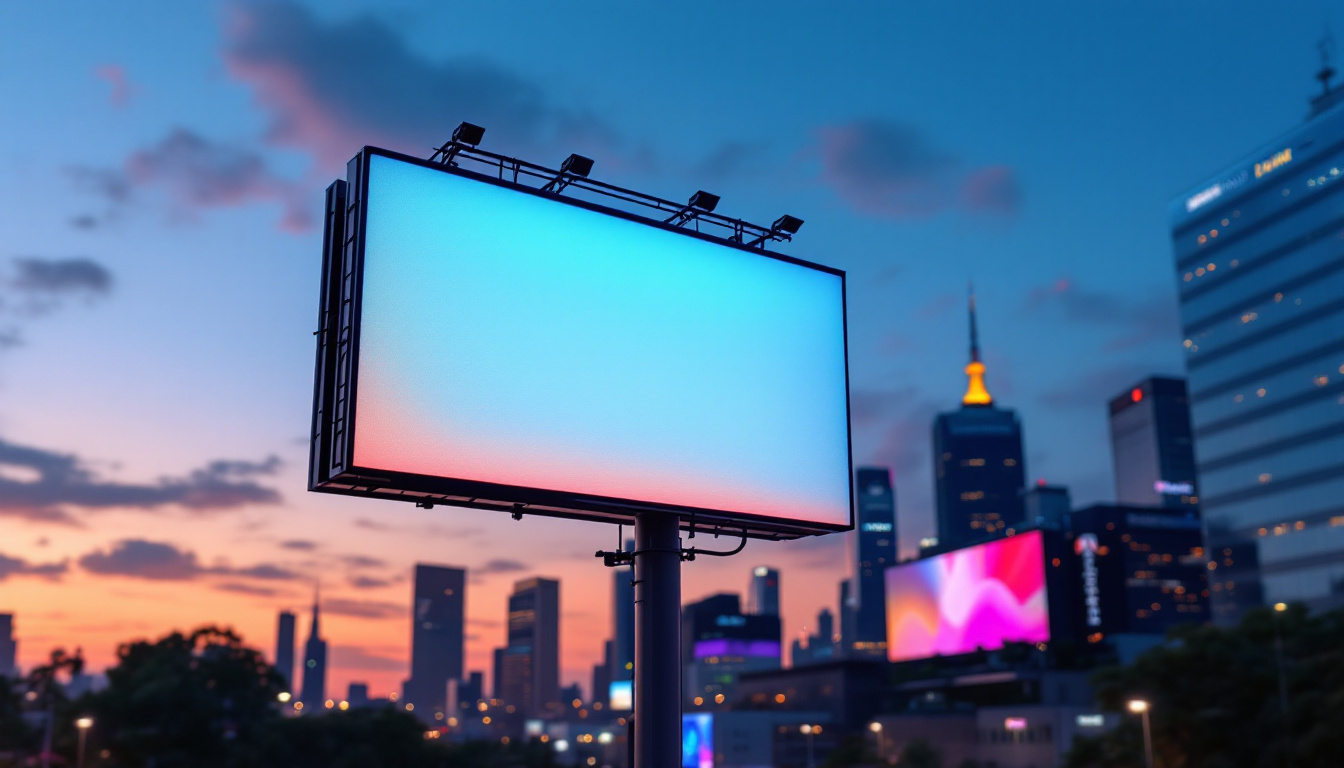
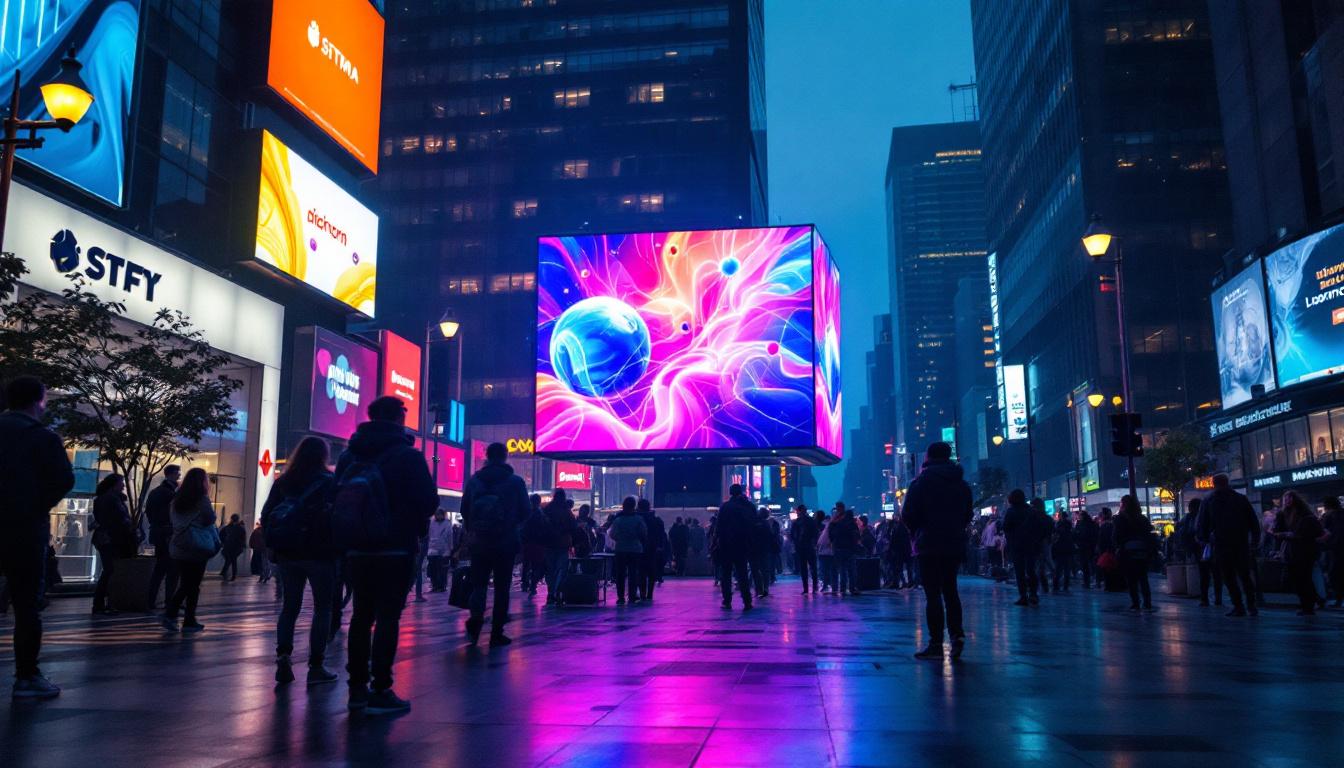
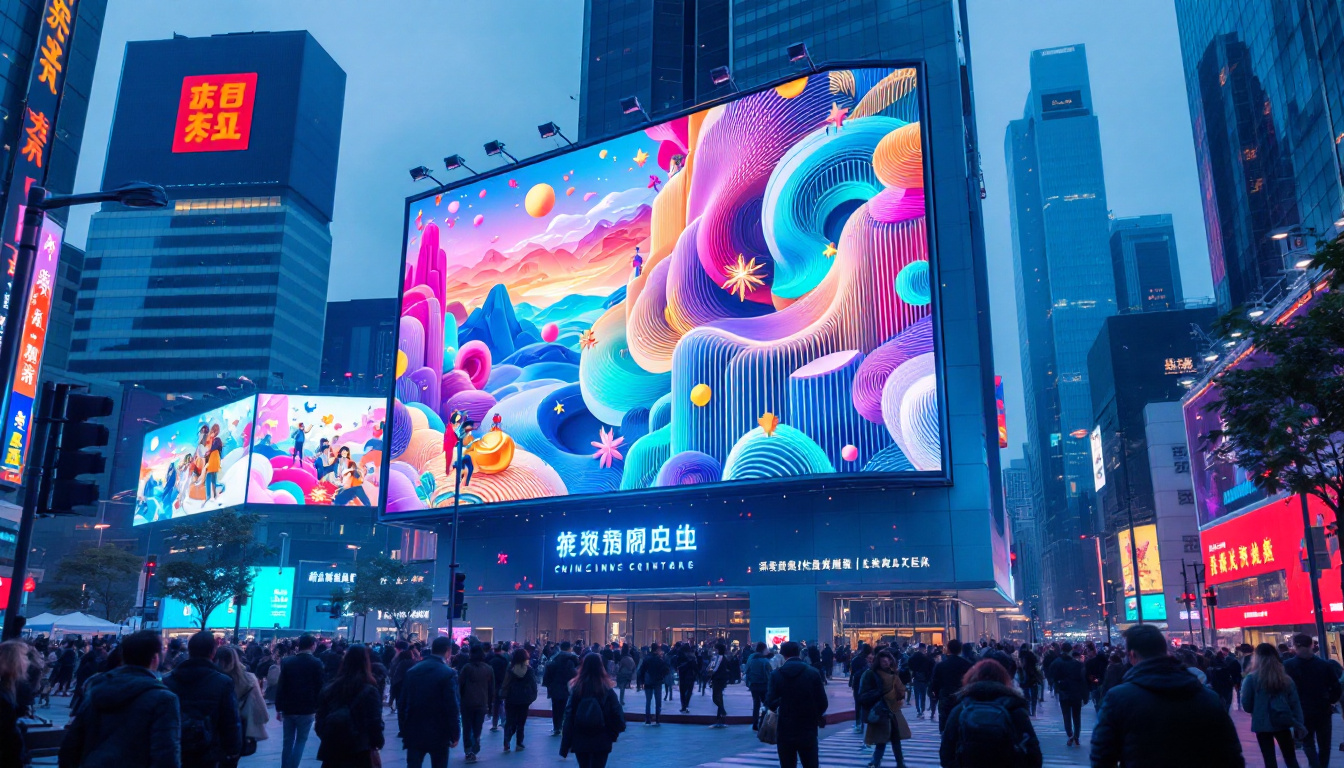
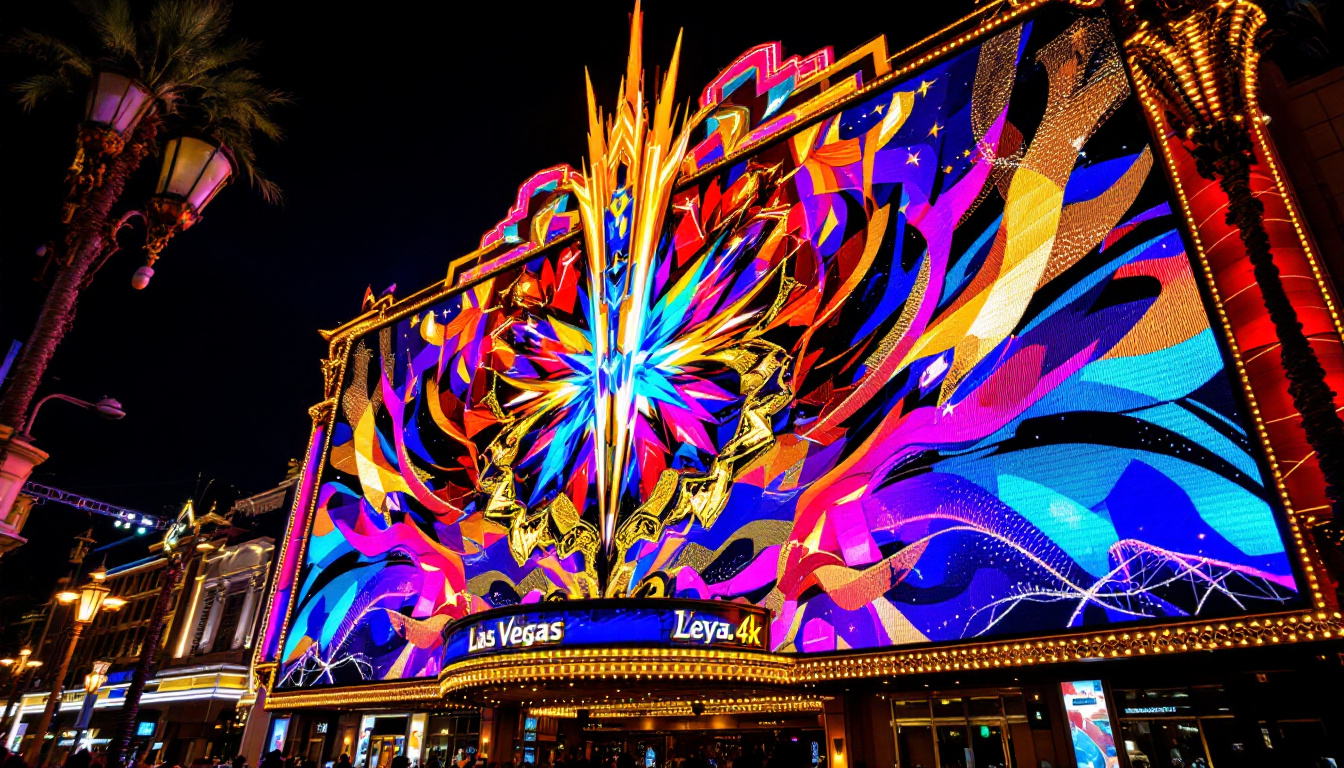
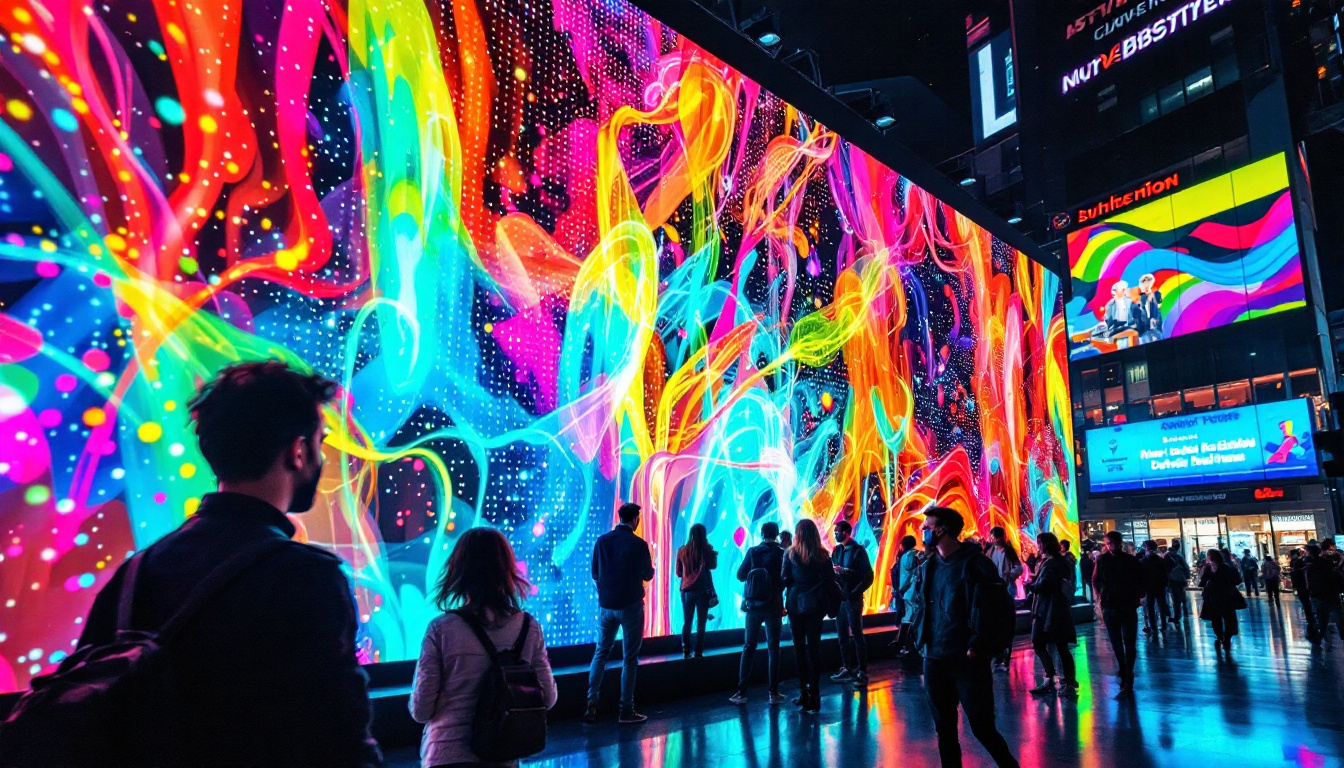
One of the most visible applications is in outdoor advertising. LED matrix billboards can display dynamic, eye-catching content that attracts passersby more effectively than traditional static signs. The ability to update content remotely and instantly is a significant advantage for marketers.
Retail stores also use indoor LED matrix displays for promotional messages, enhancing customer engagement and driving sales.
Public Information Displays
Transportation hubs, such as airports and train stations, rely on LED matrix panels to provide real-time updates on schedules, delays, and emergency announcements. Their high visibility and reliability make them essential for effective communication in busy environments.
Similarly, sports arenas and event venues use these panels to display scores, statistics, and interactive content to enhance the spectator experience.
Art and Creative Installations
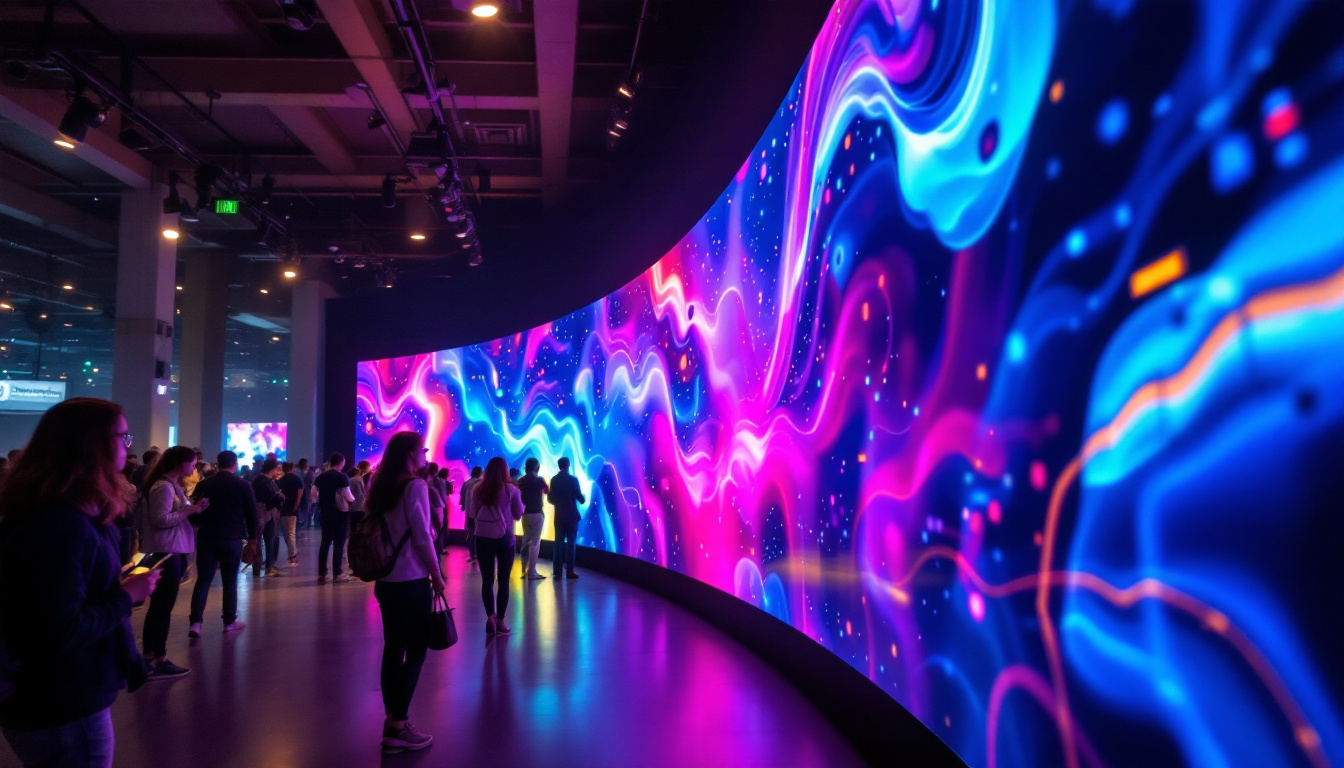
Artists and designers utilize LED matrix panels to create immersive installations that combine light, color, and motion. The flexibility of these panels allows for innovative expressions in galleries, public spaces, and stage productions.
Interactive LED walls can respond to audience movement or sound, creating engaging environments that blur the line between technology and art.
Industrial and Commercial Uses
In industrial settings, LED matrix panels serve as status indicators, warning systems, and process monitors. Their ability to convey critical information quickly and clearly can improve safety and operational efficiency.
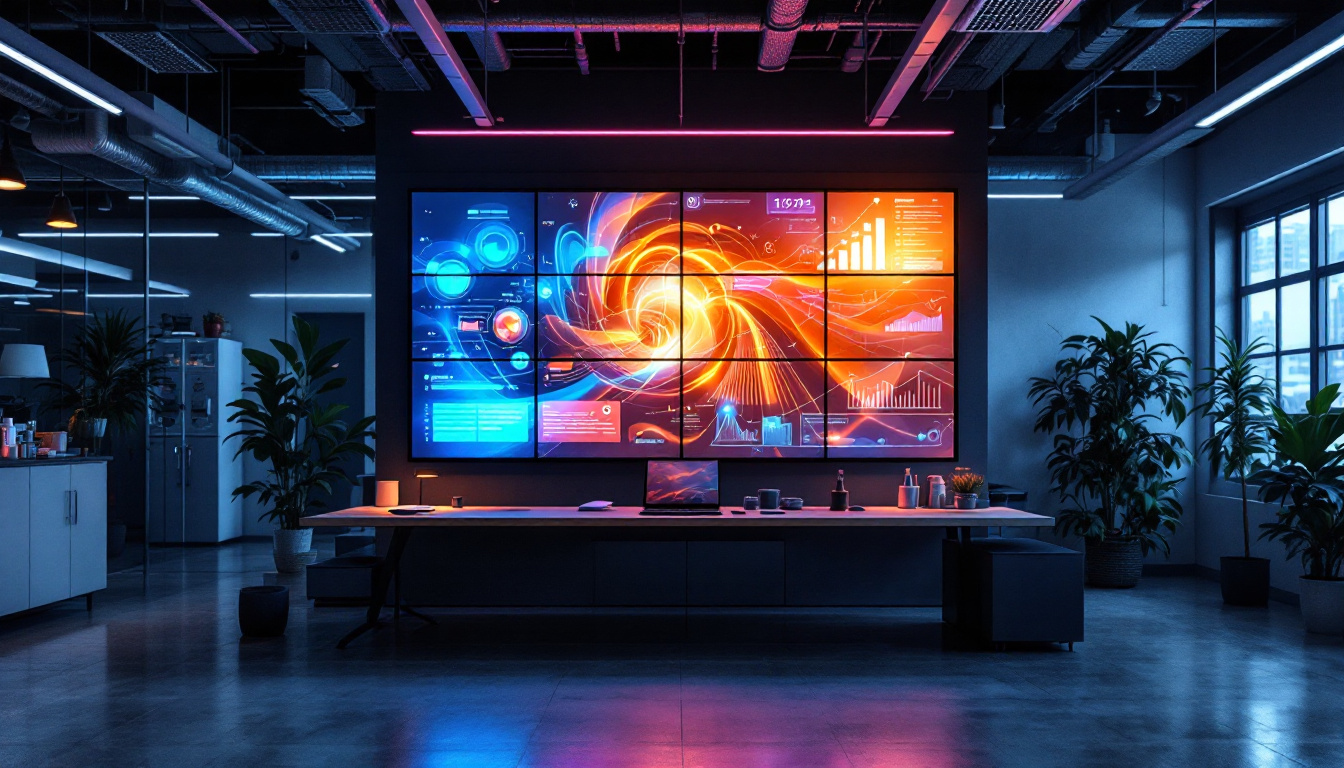
Commercial buildings employ LED displays for branding, wayfinding, and internal communications, contributing to a modern and connected workplace environment.
Choosing the Right LED Matrix Panel
Selecting the appropriate LED matrix panel depends on several factors that align with the intended application and environment.
Consider Viewing Distance and Resolution
Understanding the typical viewing distance is crucial. For close-up viewing, such as in retail or conference rooms, a smaller pixel pitch with higher resolution is necessary. Conversely, for large outdoor displays viewed from afar, a larger pixel pitch is more cost-effective and practical.
Assess Environmental Conditions
Outdoor installations require panels with adequate weatherproofing, high brightness, and robust construction. Indoor panels can prioritize aesthetics and finer resolution without the need for extreme durability.
Evaluate Content Requirements
The complexity of the content—whether simple text, graphics, or full-motion video—affects the choice of panel type and control system. RGB panels with advanced controllers are essential for rich multimedia content, while monochrome panels suffice for basic messaging.
Budget and Maintenance
Cost considerations include initial purchase price, installation, and ongoing maintenance. LED matrix panels generally have long lifespans, often exceeding 50,000 hours of operation, but factors like power consumption and ease of servicing should also be weighed.
Future Trends in LED Matrix Technology
LED matrix panels continue to evolve, driven by advancements in materials, electronics, and software.
Higher Resolution and Miniaturization
Emerging technologies are pushing pixel pitches below 1mm, enabling ultra-high-definition displays suitable for close-range applications like augmented reality and wearable devices.
Energy Efficiency and Sustainability
Innovations in LED efficiency and smart power management reduce energy consumption, aligning with global sustainability goals. Additionally, recyclable materials and modular designs support environmental responsibility.
Integration with IoT and AI
Future LED matrix panels will increasingly integrate with Internet of Things (IoT) networks and artificial intelligence (AI) systems. This integration will enable real-time data-driven content, predictive maintenance, and enhanced interactivity, transforming static displays into intelligent communication platforms.
Conclusion
LED matrix panels represent a dynamic and versatile display technology that has reshaped visual communication across numerous sectors. Their ability to deliver bright, colorful, and customizable content makes them invaluable for advertising, information dissemination, art, and industrial applications.
Understanding the technical aspects, types, and applications of LED matrix panels empowers stakeholders to make informed decisions and harness the full potential of this technology. As LED matrix technology advances, it promises even greater innovation, efficiency, and interactivity in the years to come.
Discover LumenMatrix’s Innovative LED Display Solutions
Ready to elevate your visual communication with cutting-edge LED technology? LumenMatrix offers a comprehensive range of LED display solutions tailored to meet your needs. From captivating Indoor and Outdoor LED Wall Displays to versatile Vehicle and Sports LED Displays, our products are designed to enhance brand visibility and engage your audience. Experience the future of digital signage with our Custom, All-in-One, and Transparent LED Displays. Check out LumenMatrix LED Display Solutions today and transform your space with vibrant, high-impact visuals.