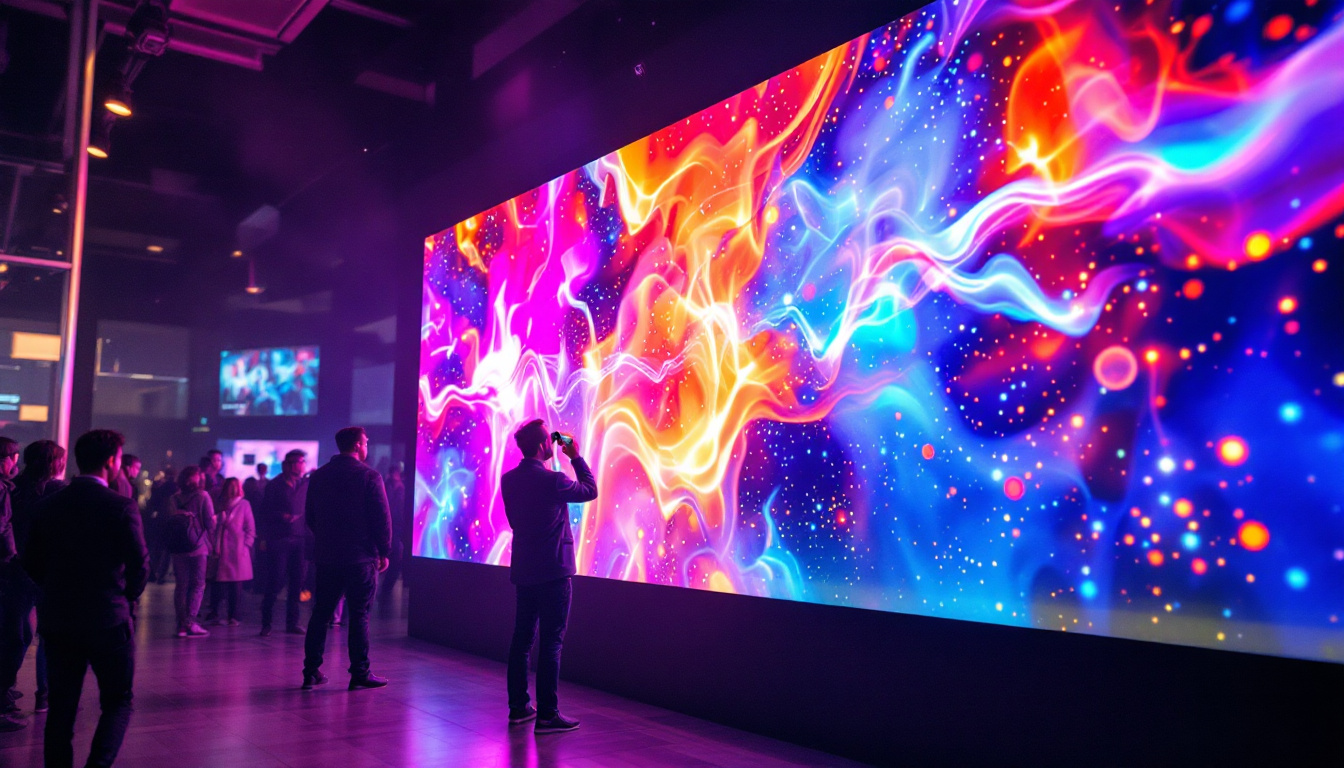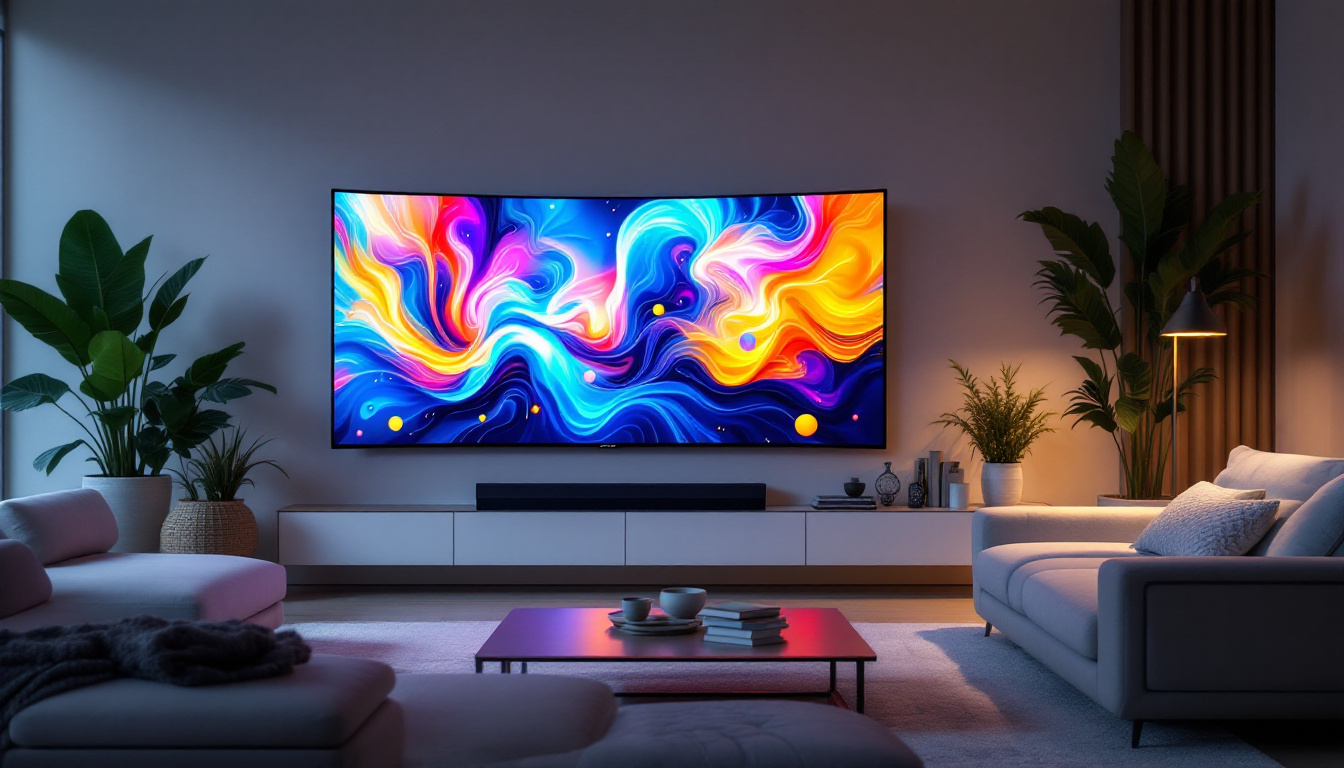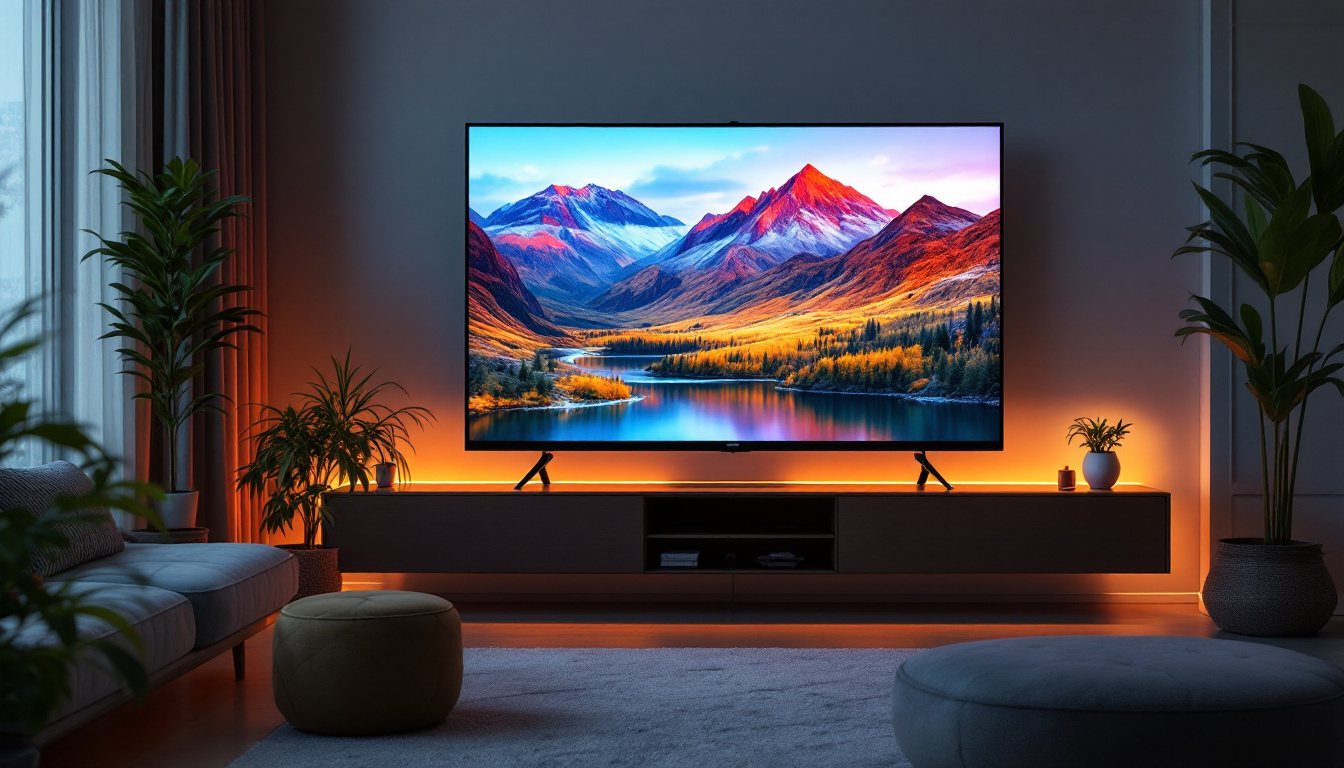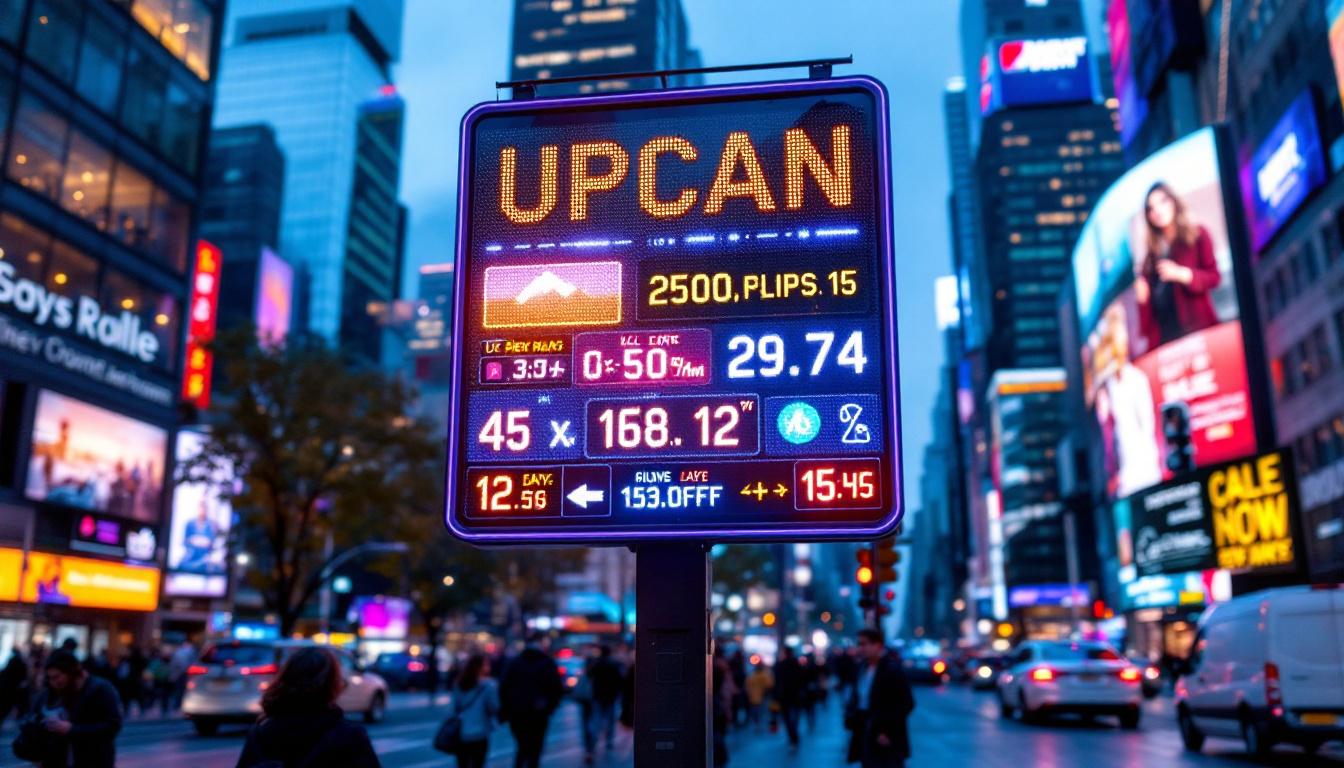
In the modern world of advertising and communication, LED reader board signs have become an indispensable tool for businesses, schools, and public institutions. These dynamic displays offer an eye-catching way to share messages, promotions, announcements, and more. But what exactly makes LED reader board signs so effective? How do they work, and what should you consider when choosing one? This comprehensive guide explores the technology behind LED displays, their benefits, and practical applications to help you understand why they are a smart investment.
Understanding LED Technology in Reader Board Signs
At the heart of every LED reader board sign lies Light Emitting Diode (LED) technology. Unlike traditional incandescent bulbs, LEDs produce light through electroluminescence, which means they emit light when an electric current passes through a semiconductor.
This fundamental difference results in several advantages: LEDs consume less power, have a longer lifespan, and generate less heat. These characteristics make them ideal for continuous use in outdoor and indoor signage. Additionally, the durability of LEDs allows them to withstand harsh weather conditions, making them a reliable choice for businesses that need to maintain visibility in rain, snow, or extreme temperatures.
How LED Displays Work
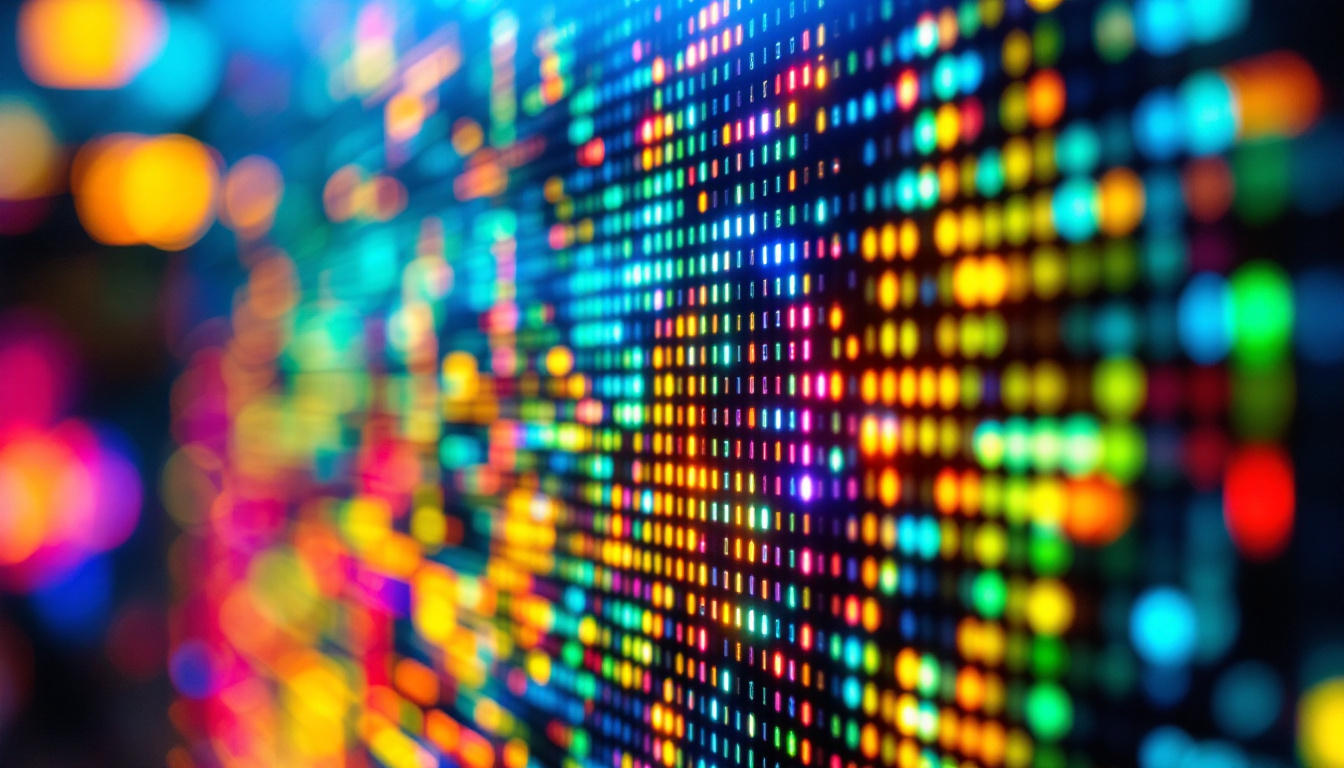
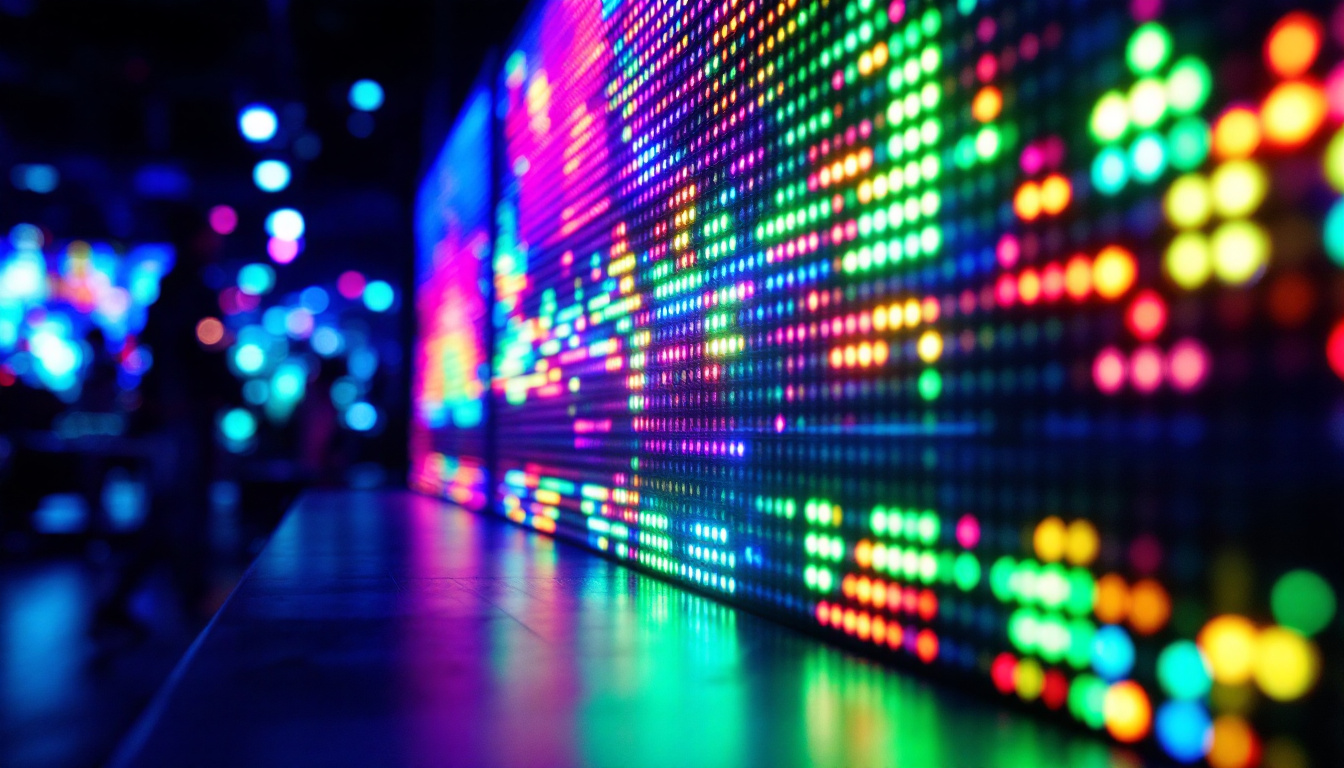
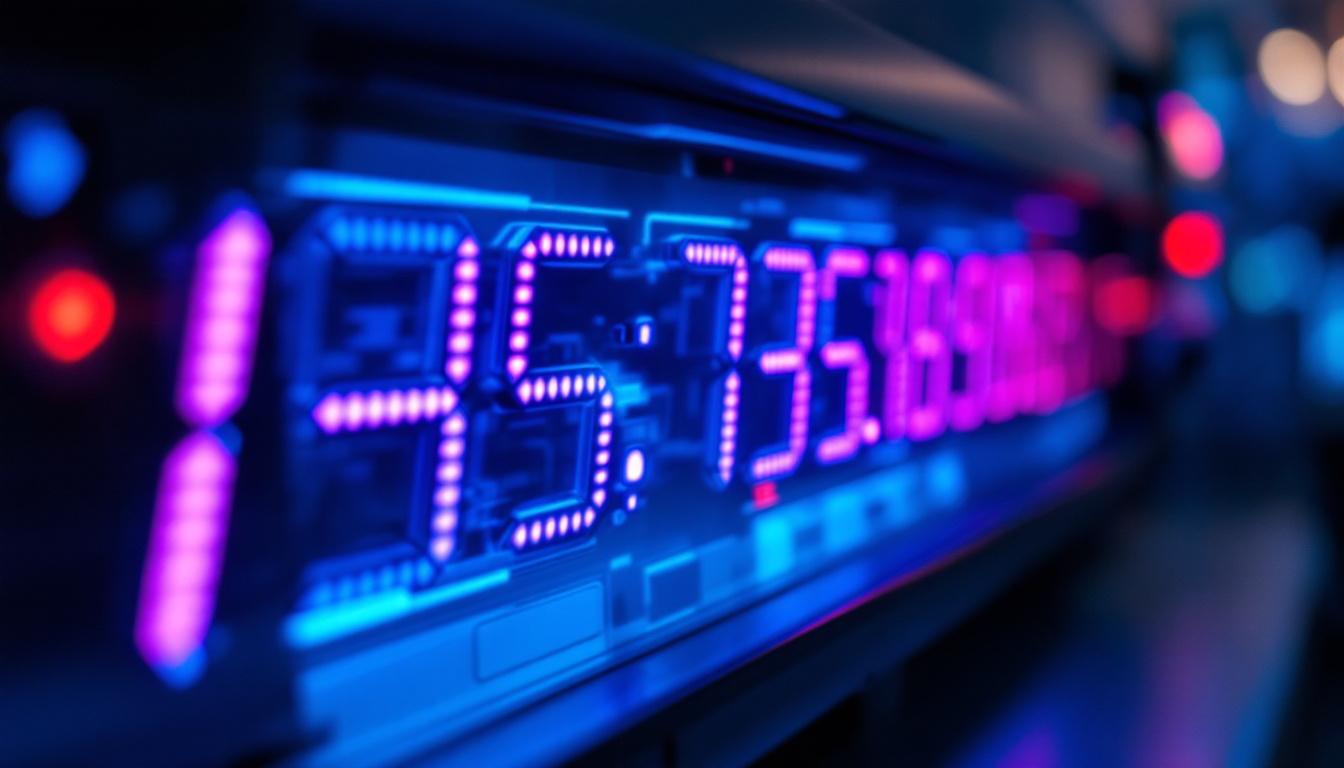
LED reader boards consist of thousands of tiny LED modules arranged in a matrix. Each module contains multiple LEDs that can be individually controlled to display text, graphics, or animations. The control system sends signals to these LEDs, turning them on or off in specific patterns to create the desired image or message.
Modern LED signs use sophisticated software that allows users to program messages remotely, schedule content changes, and even integrate real-time data such as weather updates or social media feeds. This flexibility enhances the value of LED reader boards as communication tools. For instance, businesses can promote time-sensitive offers or events, ensuring that their messaging is always relevant and engaging to passersby. Furthermore, the ability to change content on-the-fly means that organizations can respond quickly to changing circumstances, such as announcing a last-minute sale or alerting customers to unexpected closures.
Types of LED Displays in Reader Boards
LED reader board signs come in various forms, primarily categorized by their pixel pitch—the distance between individual LEDs. A smaller pixel pitch means higher resolution and sharper images, suitable for close viewing distances. Conversely, larger pixel pitches are more cost-effective for signs viewed from afar, such as roadside billboards.
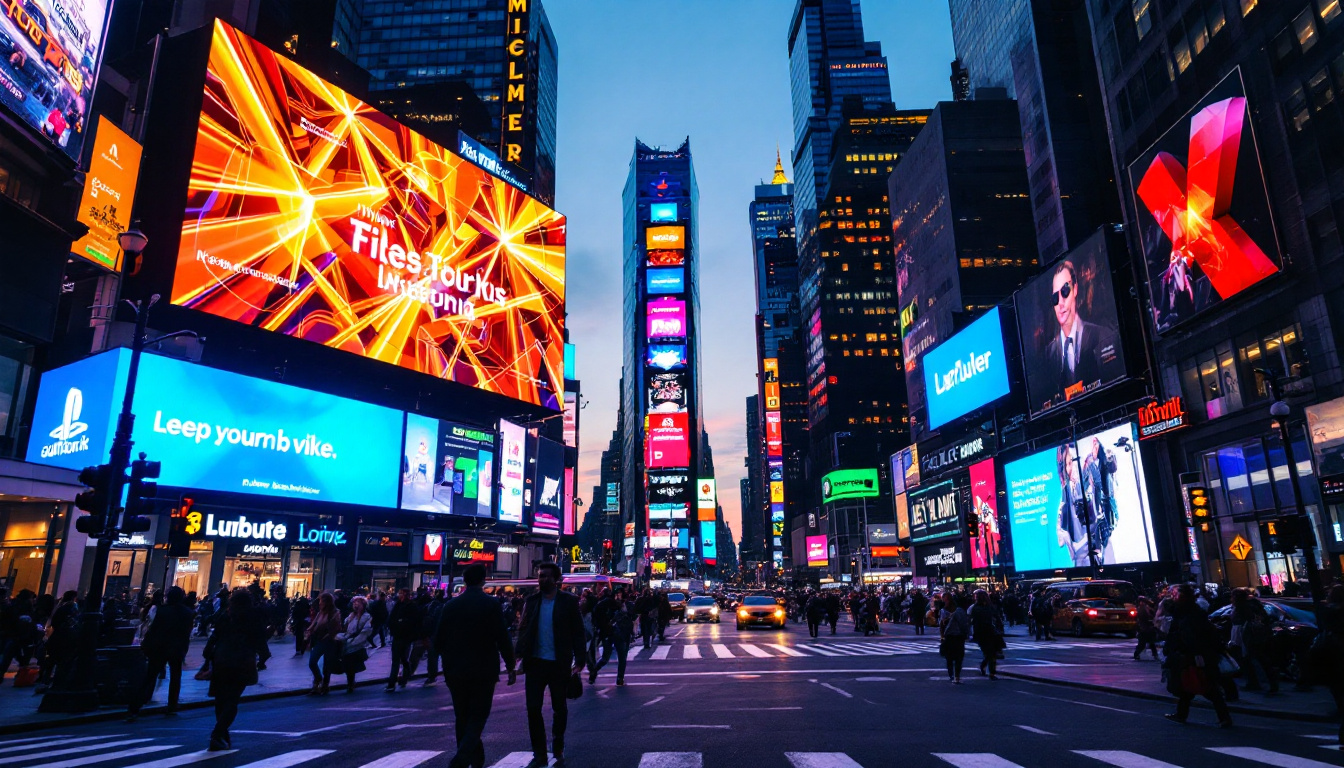
Common types include single-color (usually red), bi-color (red and green), and full-color RGB displays. Single-color signs are typically used for simple text messages, while full-color displays can show vibrant images and videos, expanding creative possibilities. The versatility of full-color displays allows businesses to convey complex messages through eye-catching visuals, which can be particularly effective in crowded urban environments where competition for attention is fierce. Additionally, advancements in LED technology have led to the development of transparent and flexible LED screens, opening up even more innovative applications for reader boards in retail and advertising spaces.
Benefits of LED Reader Board Signs for Businesses and Organizations
LED reader board signs offer a range of benefits that make them a popular choice across industries. Their versatility and effectiveness in communication help organizations attract attention, convey information clearly, and enhance brand visibility.
High Visibility and Readability
One of the primary advantages of LED signs is their brightness. LEDs can produce light levels far exceeding traditional neon or fluorescent signs, ensuring messages are visible even in direct sunlight. This high visibility is crucial for businesses aiming to capture the attention of passing motorists or pedestrians.
Additionally, LED signs can be programmed to adjust brightness automatically based on ambient light conditions, improving readability at night without causing glare. This feature not only enhances the user experience but also ensures that the message remains clear and impactful at all times, regardless of the surrounding environment.
Energy Efficiency and Cost Savings
Compared to older lighting technologies, LED signs consume significantly less energy. According to the U.S. Department of Energy, LEDs use at least 75% less energy than incandescent lighting and last 25 times longer. This efficiency translates into lower operating costs and reduced environmental impact.
While the initial investment in LED reader boards may be higher than traditional signs, the long-term savings on electricity and maintenance often justify the expense. Furthermore, many local governments offer incentives or rebates for businesses that choose energy-efficient technologies, making the transition to LED even more financially appealing.
Dynamic and Customizable Messaging
Unlike static signs, LED reader boards enable users to change messages instantly. This flexibility allows businesses to promote daily specials, event schedules, emergency alerts, or time-sensitive announcements without the need for physical sign replacements.
Moreover, the ability to schedule messages in advance and integrate multimedia content can enhance customer engagement and improve communication effectiveness. Businesses can utilize animations, graphics, and even videos to create a more immersive experience for their audience, making their messages not just informative but also visually captivating. This dynamic capability can be particularly advantageous during peak traffic times or special events, ensuring that the right message reaches the right audience at the right moment.
Key Considerations When Choosing an LED Reader Board Sign
Selecting the right LED reader board sign requires careful evaluation of several factors to ensure it meets your specific needs and budget.
Viewing Distance and Location
Determining the typical viewing distance is critical in choosing the appropriate pixel pitch and sign size. For example, a sign intended for a storefront viewed by pedestrians should have a higher resolution than a highway billboard designed for drivers passing at high speeds.
Additionally, consider the sign’s placement relative to sunlight exposure, weather conditions, and local regulations that may affect brightness and size restrictions.
Content Management and Software Features
The ease of updating and managing content is an important aspect. Many LED signs come with user-friendly software that supports remote access, scheduling, and integration with other digital platforms.
Some advanced systems offer cloud-based management, enabling multiple users to control the sign from different locations, which is especially useful for businesses with multiple branches or franchises.
Durability and Maintenance
LED signs are often exposed to harsh environmental conditions, so durability is essential. Look for signs with weatherproof enclosures, corrosion-resistant materials, and high IP (Ingress Protection) ratings to ensure longevity.
Maintenance requirements should also be considered. While LEDs have long lifespans, occasional servicing may be necessary to clean the display or replace damaged modules.
Practical Applications and Success Stories
LED reader board signs have proven effective in a wide range of settings, demonstrating their versatility and impact.
Retail and Hospitality
Retail stores use LED signs to highlight promotions, new arrivals, and store hours, attracting customers and increasing foot traffic. Restaurants and cafes benefit from displaying daily specials or event announcements, enhancing customer experience and boosting sales.
For example, a national coffee chain reported a 20% increase in sales after installing LED reader board signs to advertise limited-time offers and seasonal drinks.
Education and Public Institutions
Schools and universities utilize LED signs to communicate important dates, campus events, and emergency alerts. These signs improve communication efficiency and foster community engagement.
Municipalities also deploy LED reader boards for public safety messages, traffic updates, and community announcements, contributing to informed and safer neighborhoods.
Transportation and Outdoor Advertising
LED signs are widely used in transportation hubs like airports, train stations, and bus terminals to provide real-time schedules and alerts. Their clarity and brightness ensure that travelers receive timely information, enhancing overall service quality.
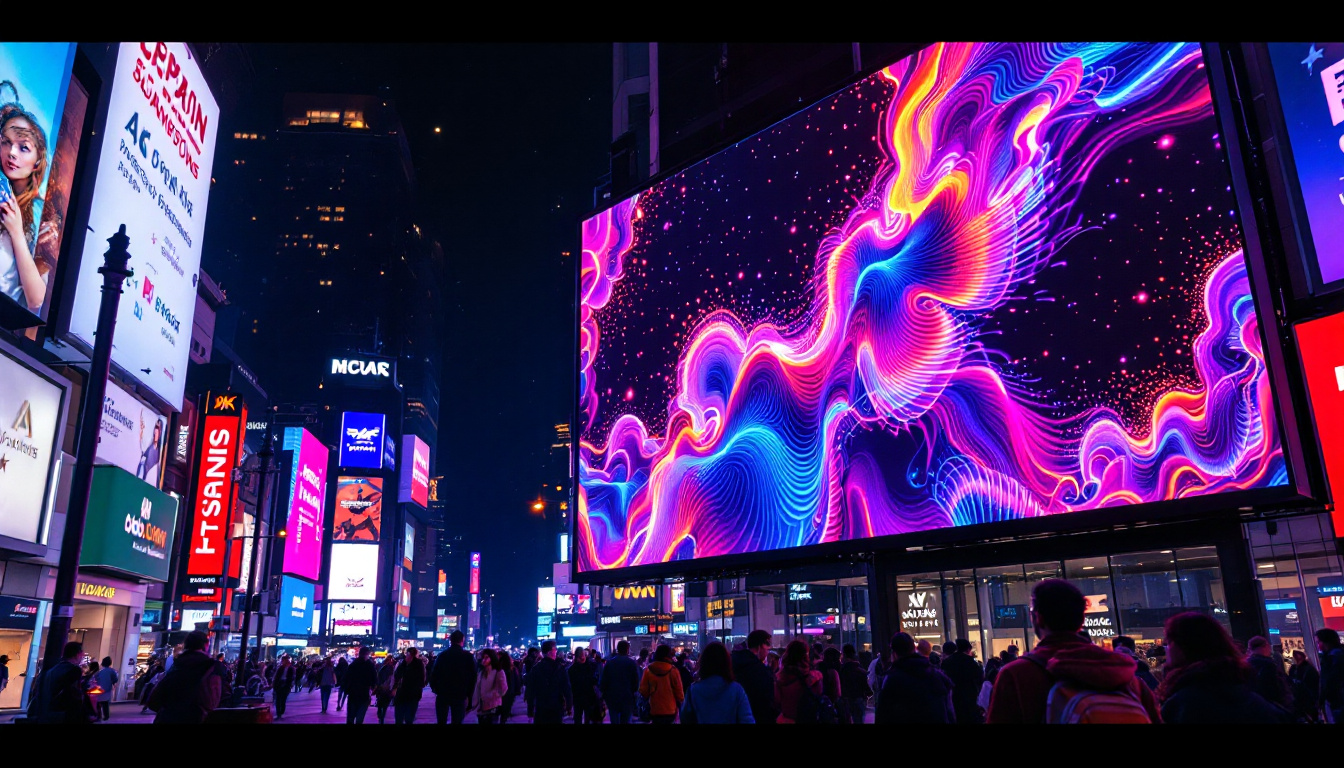
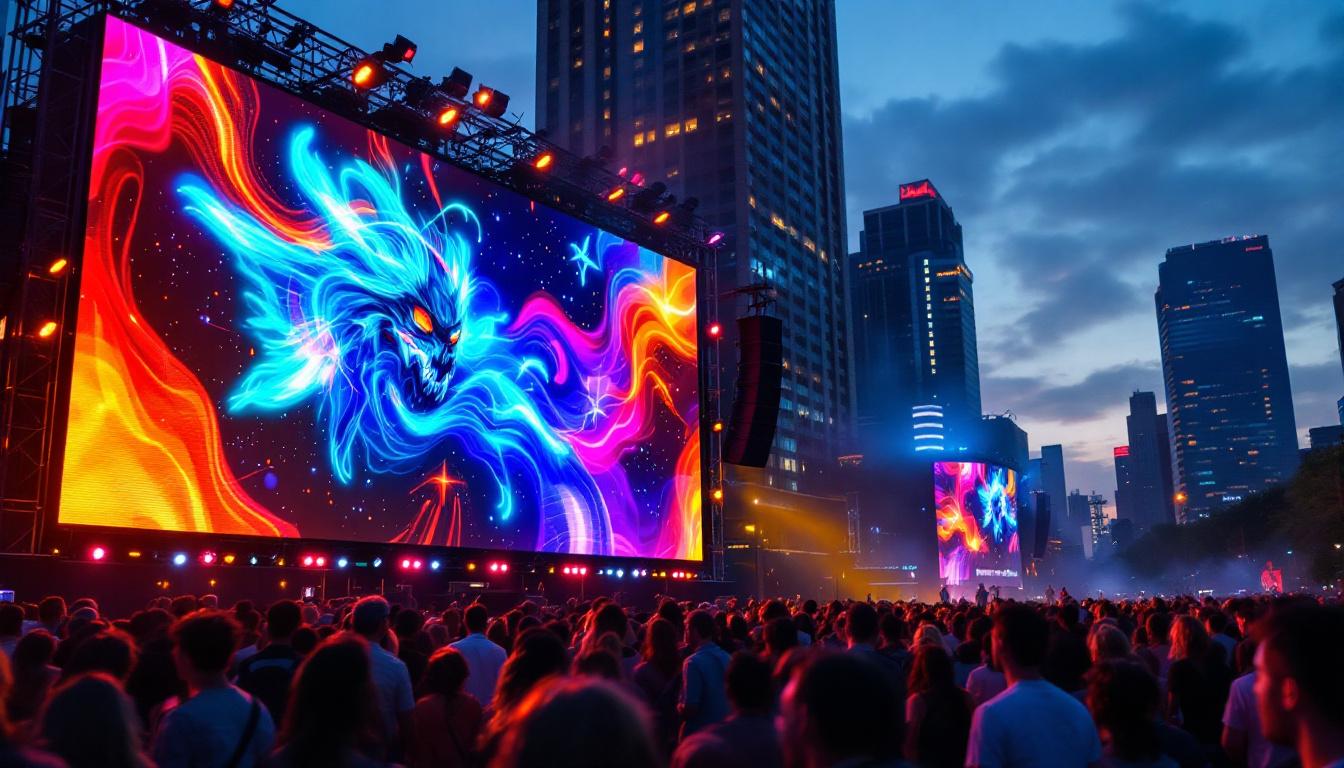
Outdoor advertisers leverage large LED billboards to deliver dynamic, visually appealing campaigns that capture audience attention more effectively than static posters.
Future Trends in LED Reader Board Technology
The LED signage industry continues to evolve rapidly, driven by advances in technology and changing consumer expectations.
Integration with Smart Technologies
Future LED reader boards are expected to integrate more seamlessly with smart city infrastructure, IoT devices, and AI-driven analytics. This integration will enable signs to display context-aware content, such as personalized advertisements based on real-time data or environmental conditions.
Such capabilities could revolutionize outdoor advertising and public communication, making messages more relevant and engaging.
Improved Energy Efficiency and Sustainability
Ongoing improvements in LED materials and power management aim to reduce energy consumption even further. Some manufacturers are exploring solar-powered LED signs and recyclable components to minimize environmental impact.
As sustainability becomes a priority for many organizations, eco-friendly LED reader boards will likely gain popularity.
Enhanced Visual and Interactive Features
Advancements in display resolution, color accuracy, and interactive touch capabilities are expanding the possibilities for LED reader boards. Interactive signs could allow users to engage directly with content, access additional information, or participate in promotions through smartphones or other devices.
These innovations promise to make LED signage more immersive and effective as a communication medium.
Conclusion
LED reader board signs represent a powerful and versatile solution for modern communication needs. Their combination of high visibility, energy efficiency, dynamic content capabilities, and durability makes them an attractive choice for businesses and organizations across various sectors.
Understanding the technology behind LED displays and carefully considering factors such as viewing distance, content management, and environmental conditions can help you select the right sign for your needs. As LED technology continues to advance, these signs will become even more integral to effective advertising and public messaging strategies.
Investing in an LED reader board sign today means embracing a future-ready communication tool that can adapt and grow with your organization’s goals.
Discover LumenMatrix’s Advanced LED Solutions
Ready to elevate your communication strategy with cutting-edge LED technology? LumenMatrix offers a comprehensive range of LED display modules designed to captivate your audience and amplify your message. From vibrant Indoor and Outdoor LED Wall Displays to innovative solutions like Vehicle LED Displays, LED Posters, and Transparent LED Displays, our products are crafted to create unforgettable visual experiences. Embrace the future of digital signage with LumenMatrix and transform how you connect with your audience. Check out LumenMatrix LED Display Solutions today and see the difference for yourself.