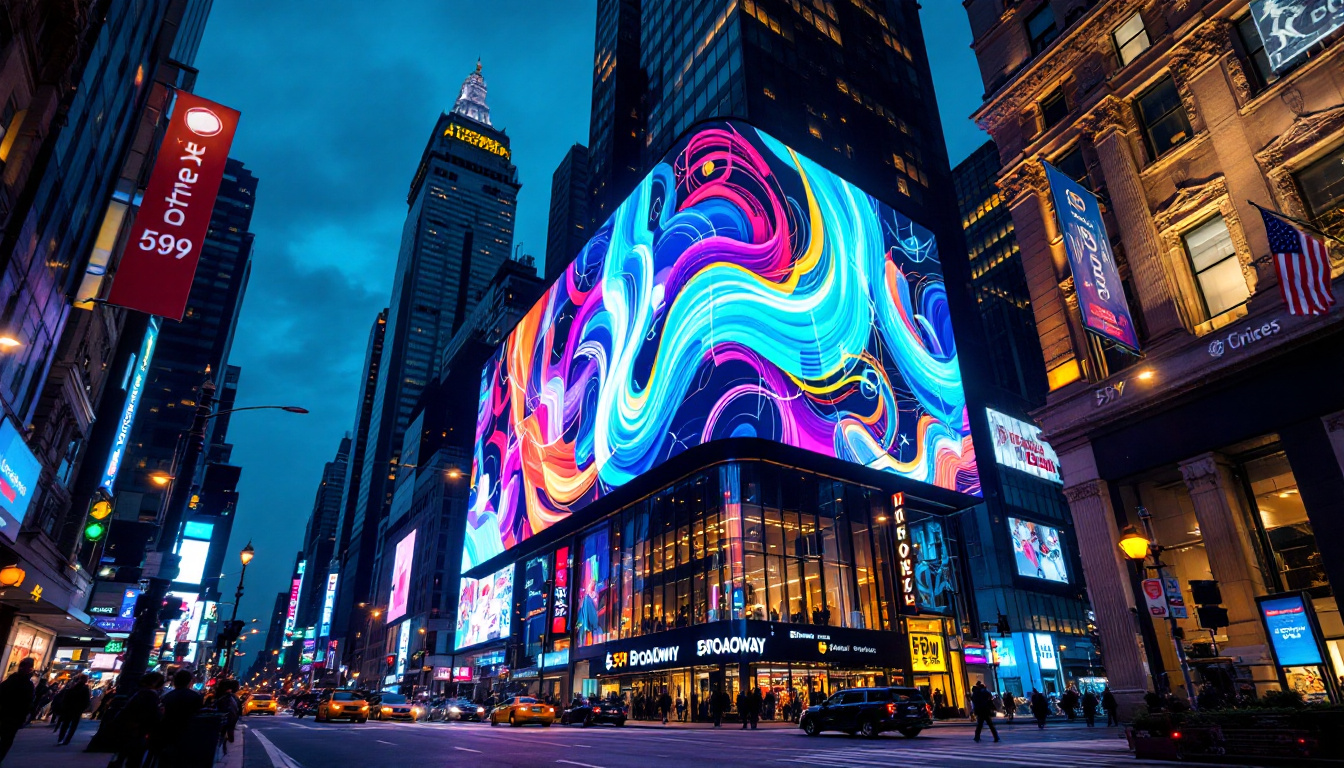
In today’s digital age, LED signs have become a ubiquitous part of our visual environment. From vibrant billboards in Times Square to dynamic storefront displays and traffic signals, LED displays are everywhere. But what exactly is an LED sign, and how do these displays work to capture attention and convey information so effectively? This article delves into the technology behind LED displays, their types, applications, and the reasons why businesses and organizations increasingly rely on them for communication and advertising.
Understanding LED Technology
What is an LED?
LED stands for Light Emitting Diode. It is a semiconductor device that emits light when an electric current passes through it. Unlike traditional incandescent bulbs, LEDs do not rely on heating a filament to produce light, making them much more energy-efficient and durable. The first visible-spectrum LED was developed in the early 1960s, and since then, the technology has evolved rapidly, allowing for a broad range of colors and intensities.
Modern LEDs are capable of producing bright, vivid light with minimal power consumption. This efficiency, combined with their long lifespan—often exceeding 50,000 hours—makes LEDs ideal for use in signage and display applications where continuous illumination is required. Additionally, LEDs generate less heat compared to incandescent bulbs, which means they can be used in a variety of settings without the risk of overheating. This characteristic also contributes to their safety and reliability, making them suitable for both indoor and outdoor applications.
How LED Displays Work
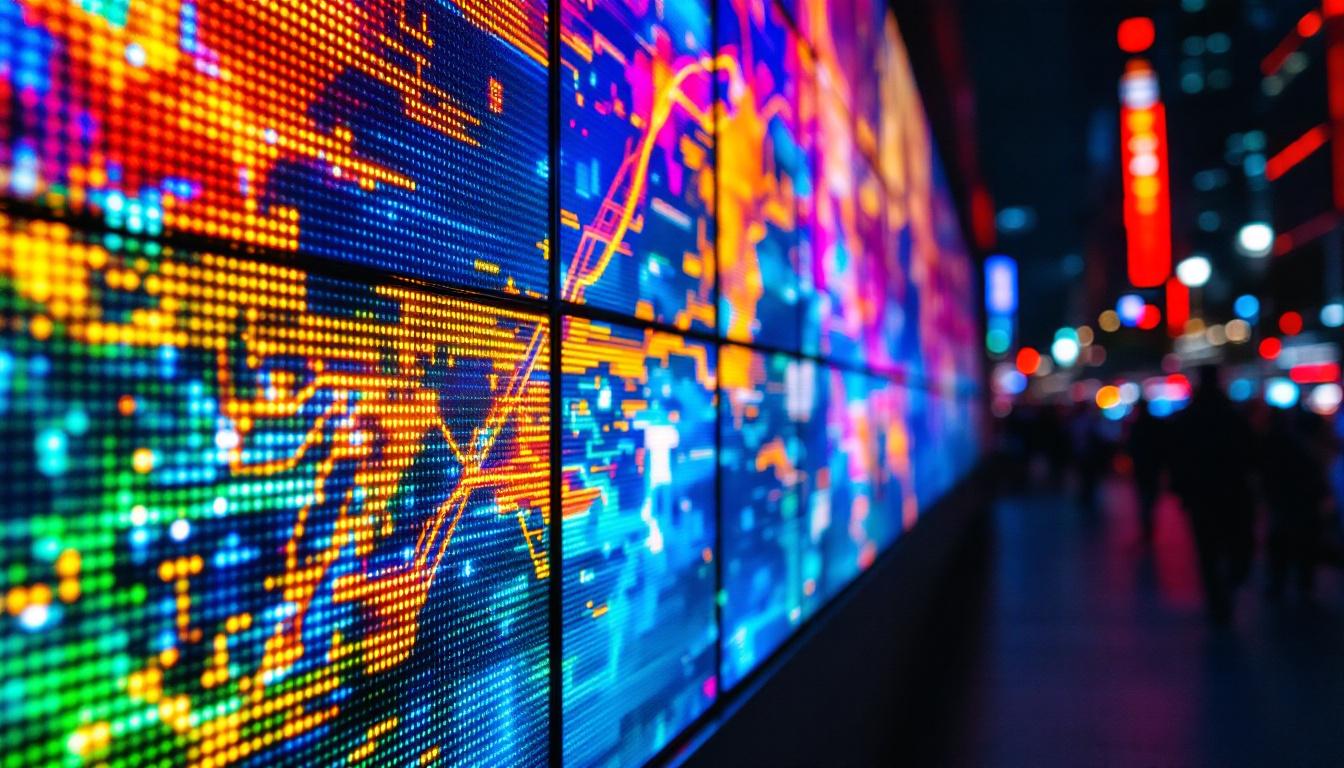
LED displays are composed of numerous individual LEDs arranged in a matrix or grid pattern. Each LED acts as a pixel, and by controlling the brightness and color of each pixel, the display can render text, images, and videos. The control system sends signals to the LEDs, instructing them when and how brightly to light up, creating dynamic and eye-catching visuals. This technology has revolutionized the way we experience media, from advertising to entertainment, allowing for high-definition displays that can be viewed from various angles without significant loss of quality.
In full-color LED displays, each pixel is typically made up of three LEDs: red, green, and blue (RGB). By varying the intensity of these three colors, a wide spectrum of colors can be produced. This RGB system is fundamental to the rich and vibrant images seen on LED screens. Furthermore, advancements in LED technology have led to the development of organic LEDs (OLEDs), which offer even greater flexibility in design and display quality. OLEDs can be made thinner and more flexible than traditional LEDs, enabling innovative applications such as curved screens and wearable technology. As the technology continues to evolve, we can expect to see even more creative uses for LED displays in various industries, from automotive to fashion.
Types of LED Displays
Indoor vs. Outdoor LED Displays
One of the primary distinctions in LED signage is between indoor and outdoor displays. Indoor LED signs are designed for environments like retail stores, conference rooms, and airports. They usually have a higher pixel density, meaning the LEDs are packed closer together, resulting in sharper images suitable for close viewing distances.
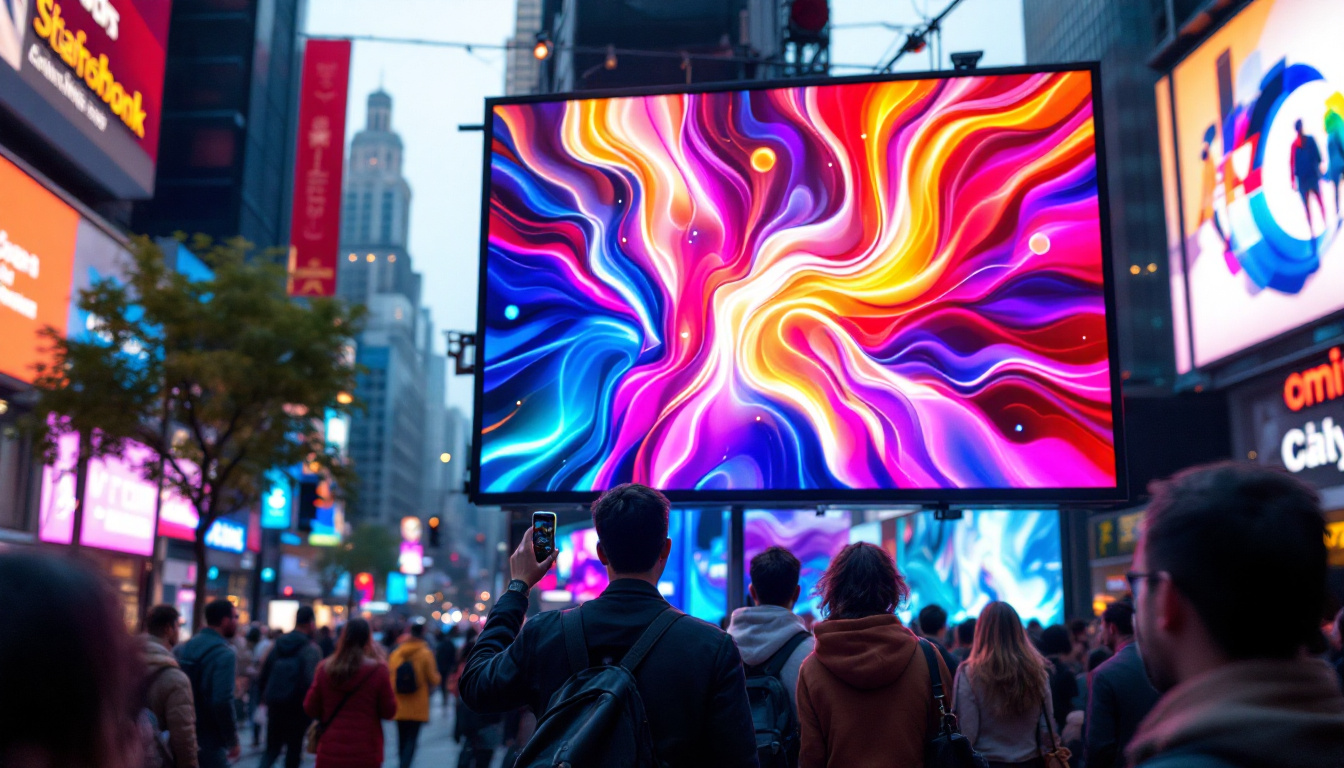
Outdoor LED displays, on the other hand, are built to withstand harsh weather conditions such as rain, wind, and extreme temperatures. These displays typically have a lower pixel density because they are viewed from farther away, but they compensate with higher brightness levels—often exceeding 5,000 nits—to remain visible even in direct sunlight.
Fixed vs. Mobile LED Signs
Fixed LED signs are permanently installed at a location, such as a storefront facade or stadium scoreboard. These displays are often large and designed for long-term use. Mobile LED signs, meanwhile, are mounted on vehicles or trailers and can be moved to different locations. They are popular for events, road safety, and mobile advertising campaigns.
Flexible and Curved LED Displays
Recent advancements have introduced flexible LED panels that can be bent or curved to fit unique architectural surfaces. This innovation allows designers to create visually stunning installations that conform to walls, columns, or other irregular shapes, expanding creative possibilities for advertising and information dissemination.
Applications of LED Signs
Advertising and Marketing
LED signs have transformed advertising by enabling dynamic, attention-grabbing content that can be updated instantly. According to a 2023 report by Grand View Research, the global digital signage market is expected to reach $32 billion by 2028, driven largely by the adoption of LED displays. Businesses use LED signs to promote products, announce sales, and enhance brand visibility in both indoor and outdoor settings.
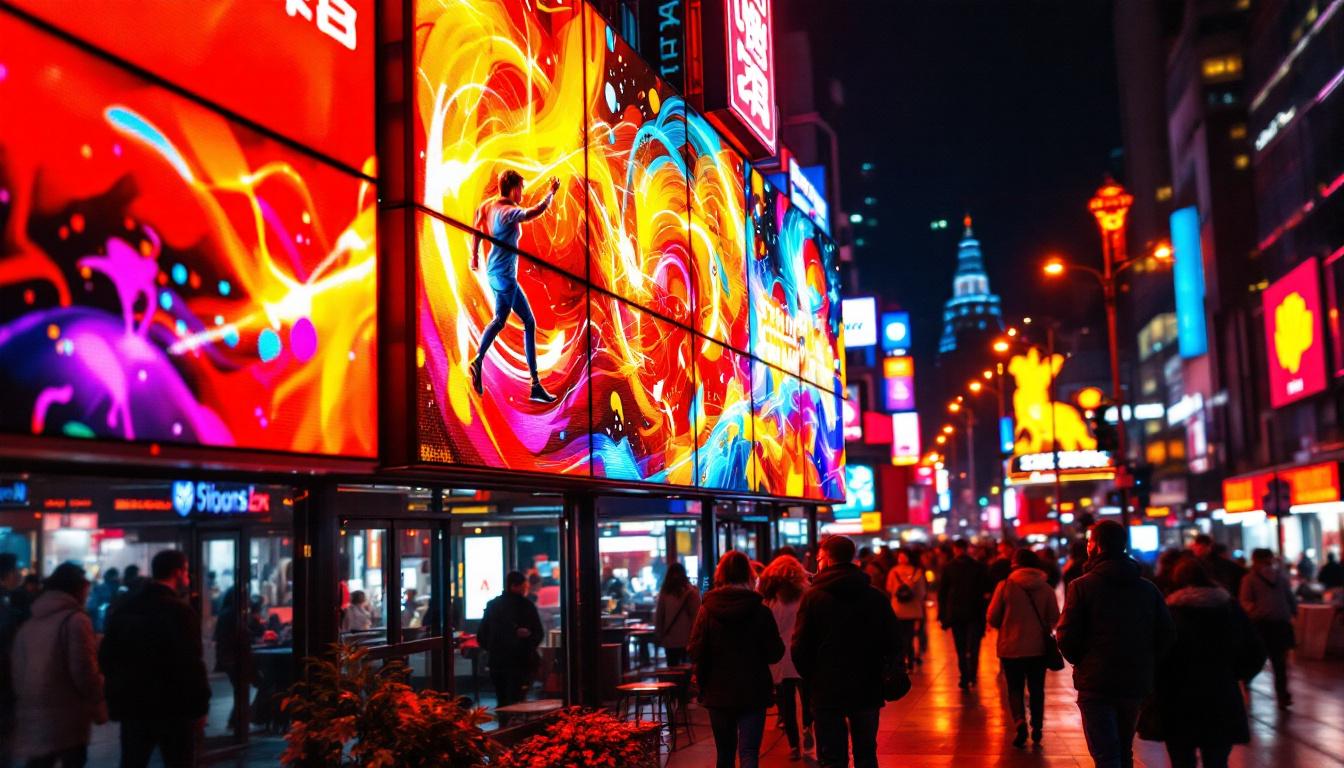
For example, retail stores utilize LED displays to showcase promotional messages and new arrivals, adapting content based on time of day or customer demographics. Large-scale billboards in urban centers leverage LED technology to deliver high-impact video advertisements that can be tailored in real-time.
Transportation and Public Information
LED signs play a crucial role in transportation systems worldwide. They provide real-time information on bus arrivals, train schedules, and traffic conditions. Airports and train stations use LED displays to keep travelers informed about gate changes and delays. The clarity and brightness of LED signs ensure visibility even in challenging lighting conditions, enhancing passenger experience and safety.
Sports and Entertainment Venues
Sports stadiums and entertainment arenas rely heavily on LED displays for scoreboards, instant replays, and interactive fan engagement. The ability to display crisp, colorful images and videos in large formats has revolutionized the spectator experience. LED technology also allows for creative lighting effects and advertising opportunities during events.
Corporate and Educational Use
Many corporations and educational institutions use LED displays for presentations, digital notice boards, and event announcements. The flexibility to update content quickly and the high visibility of LED signs make them an effective communication tool in these environments.
Advantages of LED Signs Over Traditional Signage
Energy Efficiency and Longevity
One of the most significant benefits of LED signs is their energy efficiency. LEDs consume up to 80% less energy than incandescent bulbs, which translates into lower operational costs. Additionally, their long lifespan reduces maintenance expenses and downtime, making LED signs a cost-effective solution over time.
Brightness and Visibility
LED signs provide superior brightness compared to traditional neon or fluorescent signs. This brightness ensures that messages are visible from great distances and under various lighting conditions, including direct sunlight. Enhanced visibility directly contributes to higher engagement rates and improved communication effectiveness.
Dynamic and Customizable Content
Unlike static signs, LED displays can show changing content such as animations, videos, and real-time data. This dynamic capability allows businesses to tailor their messaging to specific audiences and moments, increasing relevance and impact. For example, a restaurant can display daily specials during lunch hours and switch to event promotions in the evening.
Durability and Weather Resistance
LED signs are designed to withstand environmental challenges, including rain, wind, and temperature fluctuations. This durability ensures consistent performance and reduces the need for frequent replacements or repairs, especially for outdoor applications.
Choosing the Right LED Sign for Your Needs
Consider Viewing Distance and Location
The pixel pitch, or the distance between individual LEDs, is a critical factor in selecting an LED display. For close-up viewing, such as inside a store, a smaller pixel pitch (higher resolution) is necessary to ensure clarity. For outdoor billboards viewed from a distance, a larger pixel pitch is acceptable and more cost-effective.
Assess Brightness Requirements
Brightness is measured in nits, and the required level depends on the ambient lighting conditions where the sign will be installed. Outdoor signs generally require higher brightness levels to remain visible in daylight, while indoor signs can operate at lower brightness, reducing energy consumption.
Evaluate Content Management Options
Modern LED signs come with software platforms that allow easy content creation, scheduling, and remote management. Choosing a system that fits your technical expertise and operational needs is essential. Some platforms offer cloud-based control, enabling updates from anywhere, which is particularly useful for businesses with multiple locations.
Budget and Maintenance Considerations
While LED signs may have a higher upfront cost compared to traditional signage, their long-term savings in energy and maintenance often justify the investment. It is important to factor in installation costs, warranty coverage, and potential service agreements when budgeting for an LED display.
Future Trends in LED Display Technology
MicroLED and MiniLED Innovations
Emerging technologies like MicroLED and MiniLED promise even higher resolution and brightness with improved energy efficiency. MicroLED displays use microscopic LEDs to create pixels, enabling ultra-thin, flexible, and incredibly bright screens. These advancements are expected to expand the applications of LED signage further, including in wearable devices and augmented reality.
Integration with IoT and AI
Integration of LED signs with the Internet of Things (IoT) and Artificial Intelligence (AI) is opening new frontiers in personalized and interactive advertising. Smart LED displays can adapt content based on real-time data such as weather, foot traffic, or consumer behavior, enhancing engagement and ROI.
Sustainability and Eco-Friendly Designs
With increasing focus on sustainability, manufacturers are developing LED signs with recyclable materials and lower environmental impact. Energy-efficient designs and smart power management systems contribute to greener operations, aligning with corporate social responsibility goals.
Conclusion
LED signs have revolutionized the way information and advertising are communicated in public and private spaces. Their energy efficiency, brightness, durability, and dynamic content capabilities make them a preferred choice across industries. Understanding the technology, types, and applications of LED displays enables businesses and organizations to select the right solutions that meet their specific needs and maximize impact.
As LED technology continues to evolve, the potential for more immersive, interactive, and sustainable signage solutions grows. Staying informed about these advancements will help stakeholders leverage LED displays effectively in an increasingly competitive and visually driven marketplace.
Discover Cutting-Edge LED Solutions with LumenMatrix
Ready to elevate your visual communication with the latest in LED technology? LumenMatrix is at the forefront of innovation, offering a comprehensive range of LED display modules designed to captivate and engage. From Indoor and Outdoor LED Wall Displays to specialized solutions like Vehicle LED Displays, LED Sports Displays, and even Custom LED Displays, we have the tools to bring your brand to life. Experience the future of digital signage with our All-in-One and Transparent LED Displays that promise to transform your space and message. Check out LumenMatrix LED Display Solutions today and see how we can help you create unforgettable visual experiences.