In today’s fast-paced digital world, LED displays have become an integral part of advertising, information dissemination, and urban aesthetics. Among the various types of LED installations, the LED window light display stands out for its unique ability to transform ordinary glass surfaces into vibrant, eye-catching screens. This article delves deep into the technology, applications, and benefits of LED window lights, providing a comprehensive understanding of how these displays are reshaping visual communication.
What Is an LED Window Light Display?
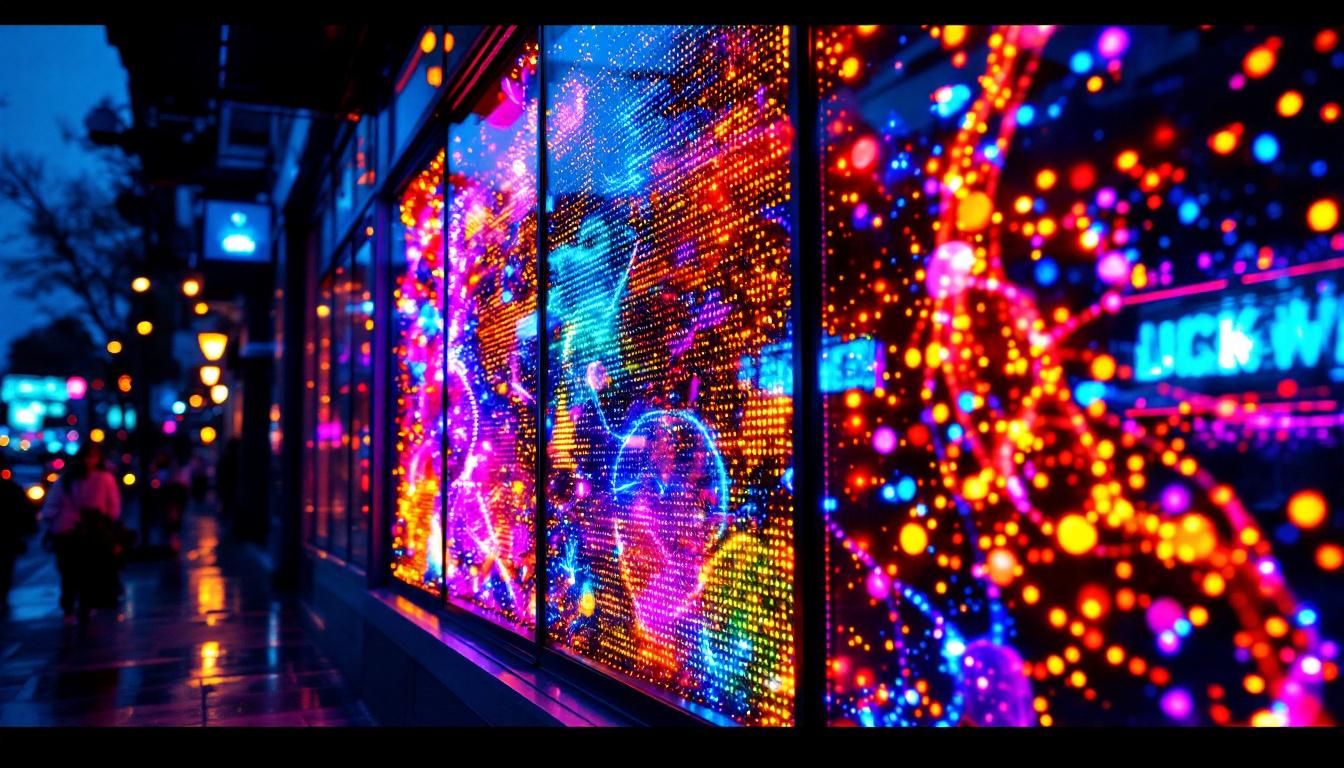
LED window light displays are specialized LED screens designed to be installed on or behind glass surfaces, such as storefront windows, office facades, or vehicle windows. Unlike traditional LED billboards or panels, these displays are engineered to maintain transparency, allowing natural light to pass through while simultaneously showcasing dynamic digital content.
This transparency is achieved through innovative LED technology that spaces out the diodes in a way that creates a mesh-like effect. The result is a display that can be seen clearly from the outside while preserving visibility from the inside. This dual functionality makes LED window lights particularly popular in retail environments, where maintaining a connection between indoor ambiance and outdoor advertising is crucial. Retailers can use these displays to promote sales or showcase new products without obstructing the view of their store’s interior, creating an inviting atmosphere for potential customers.
Moreover, the versatility of LED window displays extends beyond retail. They are increasingly being adopted in various sectors, including hospitality, transportation, and entertainment. For instance, hotels can utilize these displays to project welcoming messages or highlight amenities, while transportation services can inform passengers of schedules and updates in an eye-catching manner. This adaptability makes LED window light displays a valuable tool for enhancing customer engagement and driving foot traffic.
How Does the Technology Work?
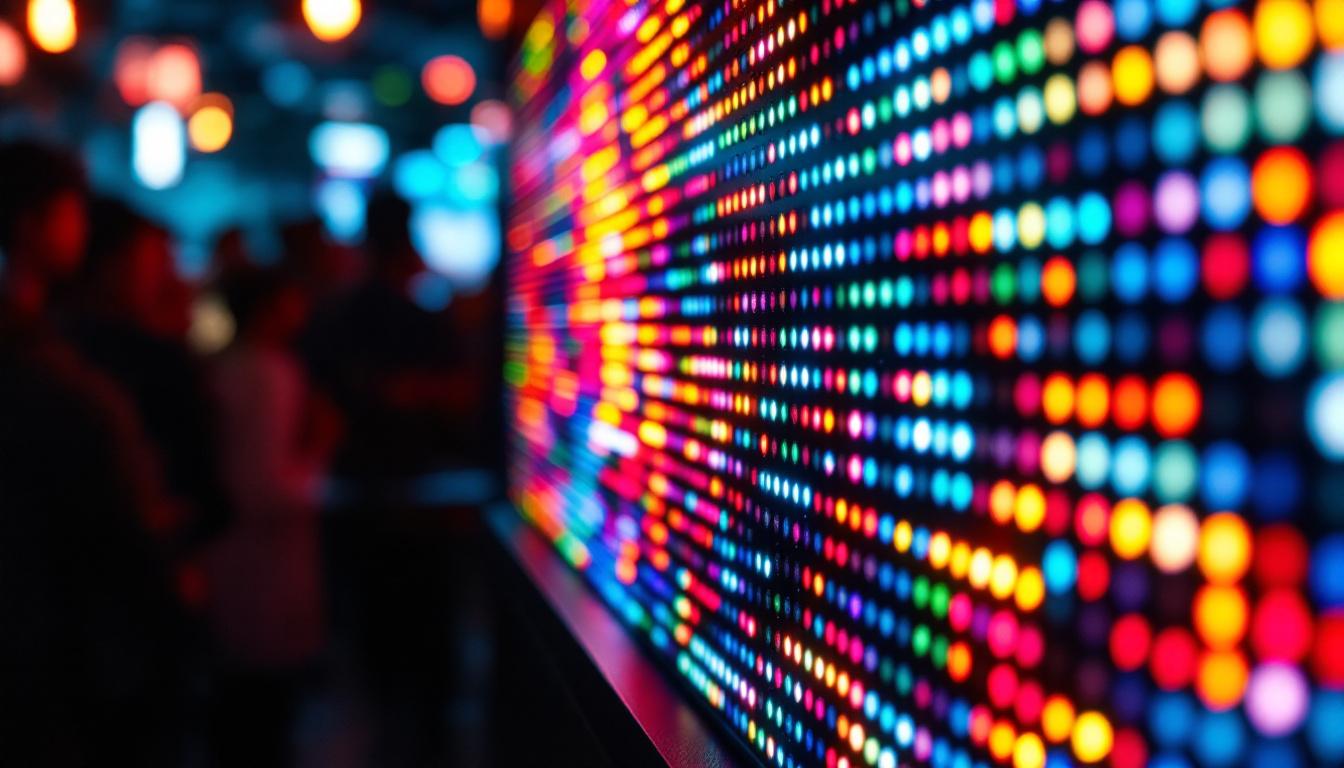
At the core of LED window light displays are light-emitting diodes (LEDs) arranged in a grid or matrix. These LEDs emit light in various colors, combining to produce vivid images and videos. The key technological advancement lies in the pixel pitch — the distance between individual LEDs — which is optimized to balance image clarity with transparency.
Modern LED window displays use high-transparency pixel pitches ranging from 10mm to 25mm, allowing up to 70% transparency. This means that while the display shows bright and colorful content, it still lets in natural light and maintains outward visibility. Additionally, the use of surface-mounted device (SMD) LEDs ensures a slim profile and energy efficiency. These advancements not only enhance the visual quality of the displays but also reduce power consumption, making them an environmentally friendly option for businesses looking to minimize their carbon footprint.
Furthermore, the integration of smart technology into LED window displays has revolutionized their functionality. Many of these displays can be connected to content management systems, allowing businesses to update their advertising in real-time, schedule content, and even tailor messages based on the time of day or specific events. This capability ensures that the content remains relevant and engaging, capturing the attention of passersby and maximizing the impact of advertising efforts. As technology continues to evolve, the potential applications for LED window displays are expanding, paving the way for even more innovative uses in the future.
Applications of LED Window Light Displays
The versatility of LED window light displays makes them suitable for a wide range of applications across various industries. Their ability to attract attention without compromising the aesthetics or functionality of windows is a significant advantage.
Retail and Commercial Spaces
Retailers leverage LED window lights to create dynamic storefronts that engage passersby. Instead of static posters or banners, these displays can showcase promotional videos, product launches, or seasonal campaigns with high brightness and color accuracy. This interactive approach can increase foot traffic and enhance brand perception.
For example, luxury brands in major shopping districts such as New York’s Fifth Avenue or London’s Oxford Street often use LED window displays to create immersive storytelling experiences. These installations not only highlight products but also contribute to the overall ambiance of the shopping environment.
Corporate and Office Buildings
Corporate headquarters and office buildings utilize LED window displays for branding and communication purposes. These displays can show company logos, event announcements, or real-time data such as stock prices and news feeds. Positioned on glass facades, they serve as both an internal communication tool and an external marketing asset.
Moreover, LED window lights can be programmed to change content based on the time of day or special occasions, adding a dynamic element to otherwise static building exteriors.
Transportation and Public Spaces
Public transportation hubs, airports, and even vehicles have started integrating LED window displays to provide information and advertising. For instance, buses with LED window lights can display route information, advertisements, or public service announcements without obstructing passengers’ views.
Similarly, museums and galleries use transparent LED displays on windows to enhance visitor engagement by projecting interactive content that complements exhibitions.
Advantages of LED Window Light Displays
Understanding the benefits of LED window light displays helps clarify why they have gained popularity in recent years. Their unique combination of transparency and visual impact offers several key advantages.
High Visibility and Engagement
LED window lights deliver bright, vibrant visuals that attract attention even in daylight. Studies have shown that digital signage can increase customer engagement by up to 30%, with LED displays outperforming traditional static signage due to their dynamic content capabilities.
By placing these displays on windows, businesses can maximize exposure to foot traffic and vehicular movement, turning otherwise unused surfaces into powerful marketing tools.
Energy Efficiency and Longevity
LED technology is renowned for its energy efficiency. Compared to conventional lighting and display technologies, LEDs consume significantly less power while providing superior brightness. This efficiency translates into lower operational costs and a smaller carbon footprint.
Additionally, LED window displays have a long lifespan, often exceeding 50,000 hours of operation. This durability reduces maintenance frequency and replacement costs, making them a cost-effective investment over time.
Customization and Flexibility
One of the most compelling features of LED window light displays is their programmability. Content can be updated remotely and scheduled to run at specific times, allowing for targeted messaging and seasonal campaigns without physical intervention.
Furthermore, the modular design of these displays enables customization in size and shape, accommodating various window dimensions and architectural styles. This flexibility ensures seamless integration into different environments.
Technical Considerations When Choosing LED Window Displays
Selecting the right LED window light display requires careful consideration of several technical factors to ensure optimal performance and return on investment.
Pixel Pitch and Resolution
The pixel pitch determines the resolution and clarity of the display. A smaller pixel pitch means higher resolution but typically less transparency. For window applications, a balance must be struck to maintain visibility through the glass while delivering clear images. Common pixel pitches for window displays range between 10mm and 25mm, with the choice depending on viewing distance and content detail.
Brightness and Contrast
Brightness is critical for visibility, especially in outdoor or well-lit indoor environments. LED window displays often feature brightness levels between 1,000 and 3,000 nits, ensuring content remains visible in direct sunlight. Contrast ratio also affects image quality, with higher contrast providing more vivid and lifelike visuals.
Transparency Rate
The transparency rate indicates how much light passes through the display. Higher transparency rates (up to 70%) allow more natural light and visibility from inside, which is essential for retail stores and offices. However, higher transparency can reduce image density, so a trade-off is necessary based on application needs.
Installation and Maintenance
Installation can vary depending on whether the display is mounted on the interior or exterior side of the glass. Interior installations protect the display from weather but may require careful consideration of ambient lighting. Exterior installations maximize visibility but need weatherproofing and robust materials.
Maintenance accessibility is also important. Modular panels that can be serviced individually reduce downtime and simplify repairs.
Future Trends in LED Window Light Technology
As LED technology continues to evolve, LED window light displays are expected to become even more sophisticated, expanding their applications and enhancing user experience.
Integration with Smart Technologies
Future LED window displays will likely integrate with Internet of Things (IoT) devices and smart building systems. This integration will enable real-time content adaptation based on environmental conditions, audience demographics, or interactive inputs.
For example, displays could adjust brightness automatically in response to sunlight or change content based on the time of day and weather, maximizing relevance and energy efficiency.
Advancements in Transparency and Resolution
Research into micro-LEDs and new materials promises even higher transparency rates combined with superior resolution. This means that future window displays will be virtually invisible when off, seamlessly blending into the glass while delivering stunning visuals when active.
Augmented Reality and Interactive Displays
Combining LED window lights with augmented reality (AR) technology could create immersive experiences for consumers. Interactive displays that respond to gestures or mobile devices will open new avenues for engagement, particularly in retail and entertainment sectors.
Conclusion
LED window light displays represent a cutting-edge intersection of technology, design, and marketing. Their ability to deliver vibrant digital content without sacrificing transparency or natural light makes them an invaluable tool for businesses and public spaces aiming to captivate audiences and communicate effectively.
By understanding the technology, applications, and technical considerations, stakeholders can make informed decisions that maximize the impact of their LED window installations. As the technology advances, these displays will continue to redefine how we interact with glass surfaces, turning them into dynamic canvases that brighten urban landscapes and enrich visual communication.
Discover LumenMatrix’s Innovative LED Display Solutions
Ready to elevate your space with the latest in LED window light technology? Look no further than LumenMatrix, where innovation meets visual splendor. Our extensive range of LED display solutions, from Indoor and Outdoor LED Walls to Custom and Transparent Displays, is designed to captivate and engage your audience. Embrace the future of visual communication with LumenMatrix and transform your glass surfaces into mesmerizing displays of light and color. Check out LumenMatrix LED Display Solutions today and bring your brand’s message to life with unparalleled clarity and impact.