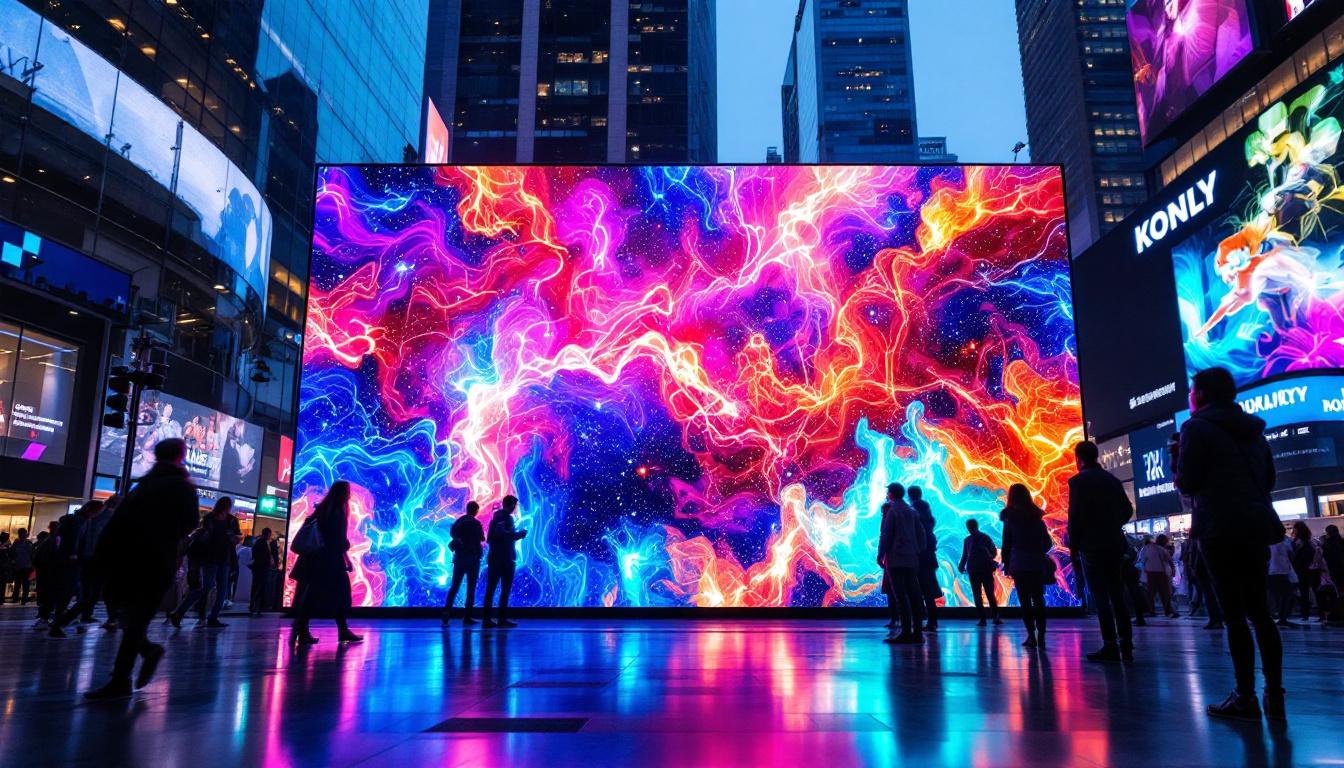
In the rapidly evolving world of digital signage and display technology, LED panels have emerged as a dominant force, transforming how information and visuals are presented across industries. Whether it’s a massive outdoor billboard, a dynamic indoor advertising screen, or an intricate video wall at a conference, LED displays offer unparalleled brightness, clarity, and versatility. This article delves deep into the world of LED panels, explaining their technology, types, applications, and key considerations for choosing the right display solution.
Understanding LED Display Technology
LED, or Light Emitting Diode, technology forms the foundation of modern digital displays. Unlike traditional LCD or plasma screens, LED displays use tiny semiconductor diodes that emit light when an electric current passes through them. This fundamental difference results in several advantages, including higher brightness, better color accuracy, and improved energy efficiency.
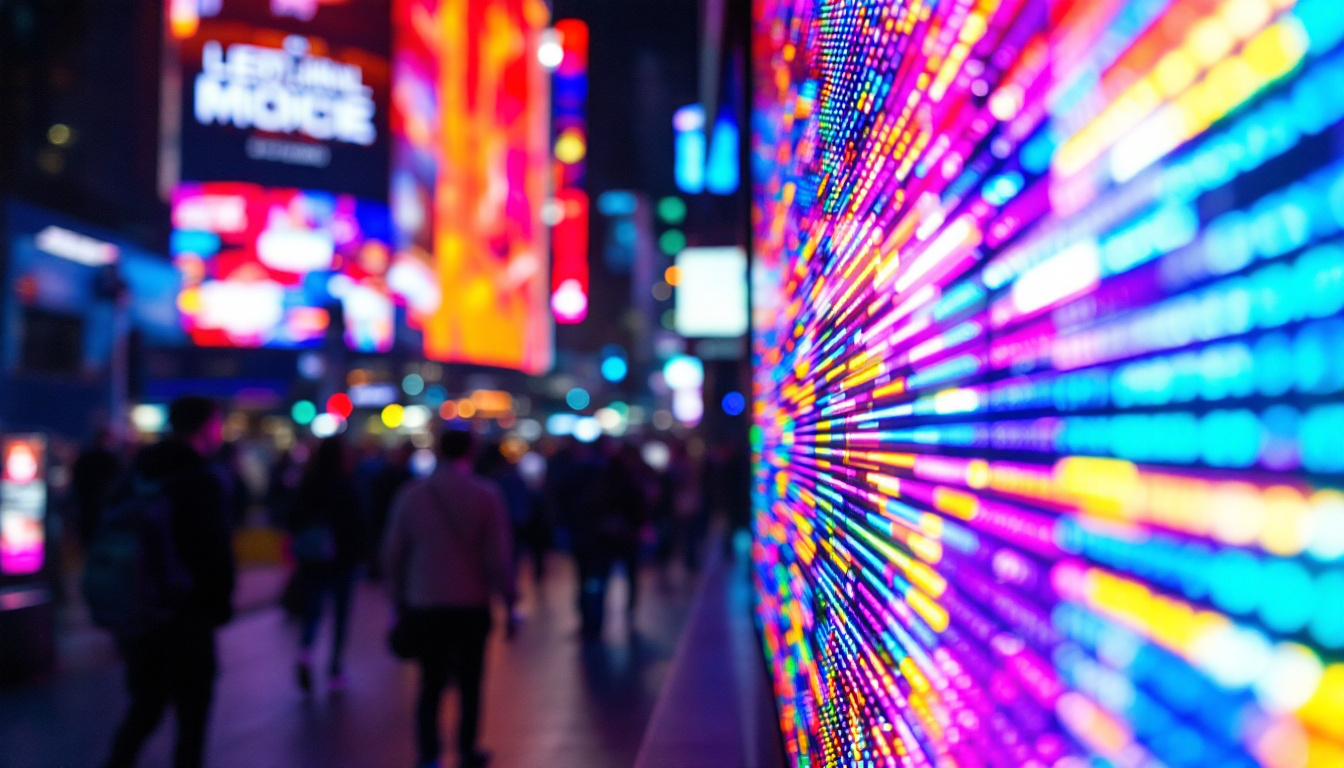
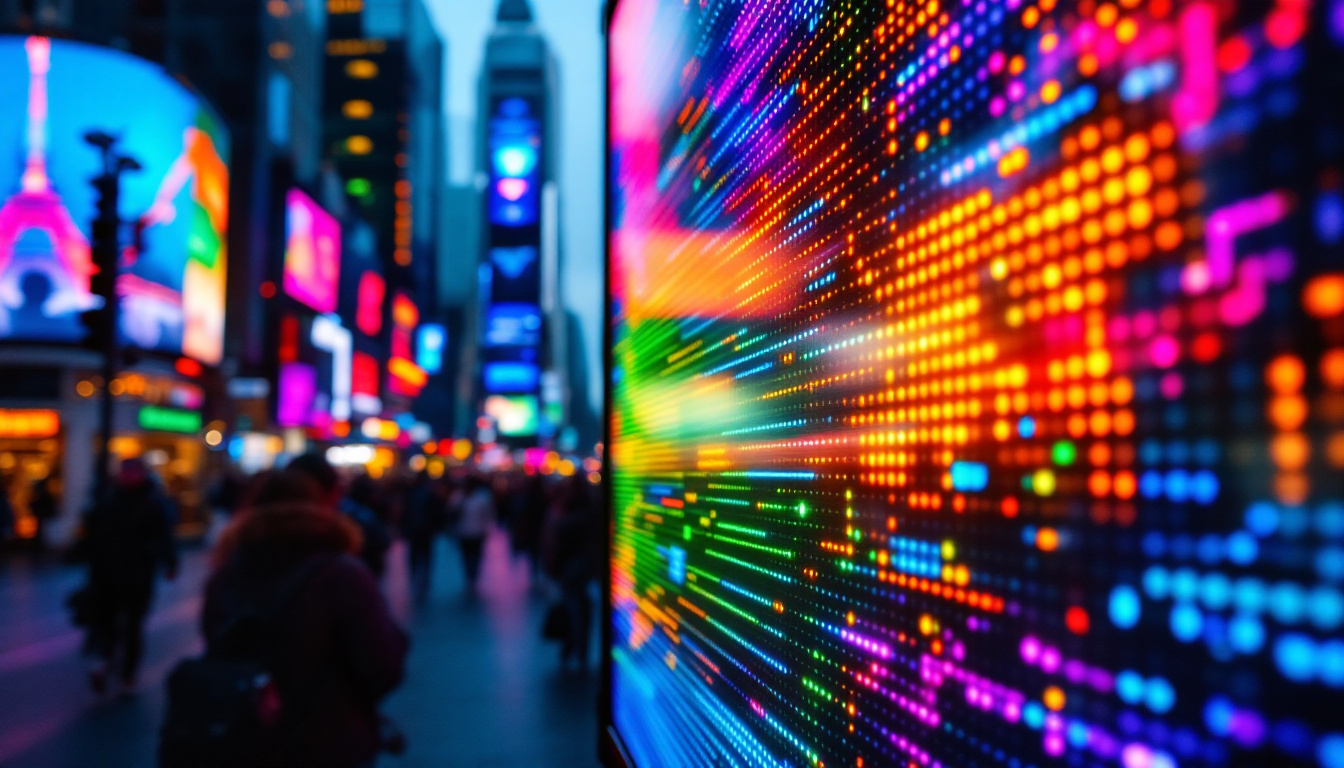
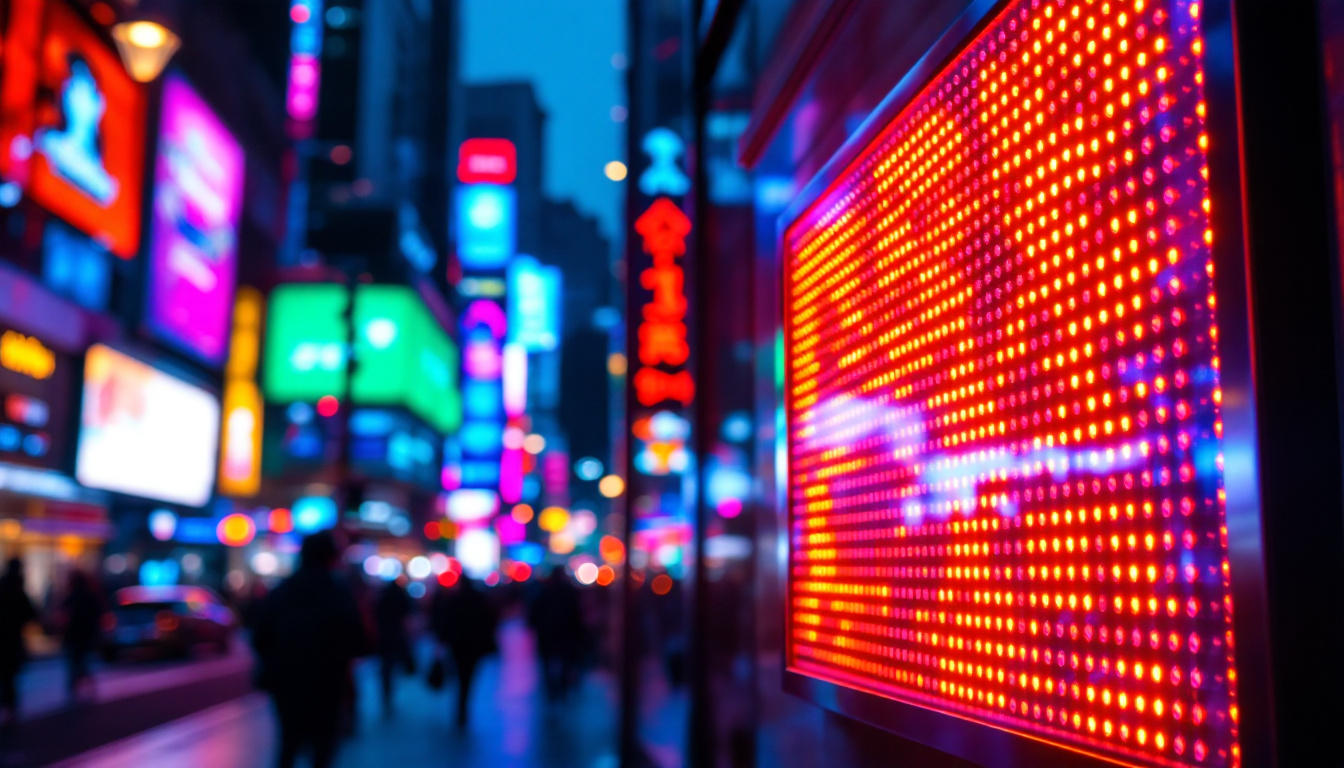
The core component of an LED display is the LED module or panel, which consists of an array of these light-emitting diodes arranged in a grid. Each diode acts as a pixel, and by controlling the intensity and color of each diode, the display can produce vibrant images and videos.
One of the key innovations in LED technology is the development of full-color LEDs, which combine red, green, and blue diodes in a single pixel. By adjusting the brightness of each color diode, the display can reproduce a broad spectrum of colors, making LED panels ideal for dynamic and eye-catching visuals.
How LED Panels Work
At the heart of an LED panel’s operation is the principle of additive color mixing. Each pixel contains three sub-pixels: one red, one green, and one blue. By varying the intensity of these sub-pixels, the panel can create any color in the visible spectrum. For example, when all three sub-pixels are at full intensity, the pixel appears white; when they are all off, the pixel is black.
These pixels are controlled by a driver circuit that receives input signals from a video processor or controller. The processor translates the digital image data into commands that adjust the brightness of each LED, refreshing the image many times per second to create smooth motion and transitions.
Types of LED Panels
LED panels come in various forms, each suited to different environments and applications. Understanding these types is essential for selecting the right display for your needs.
Indoor LED Panels
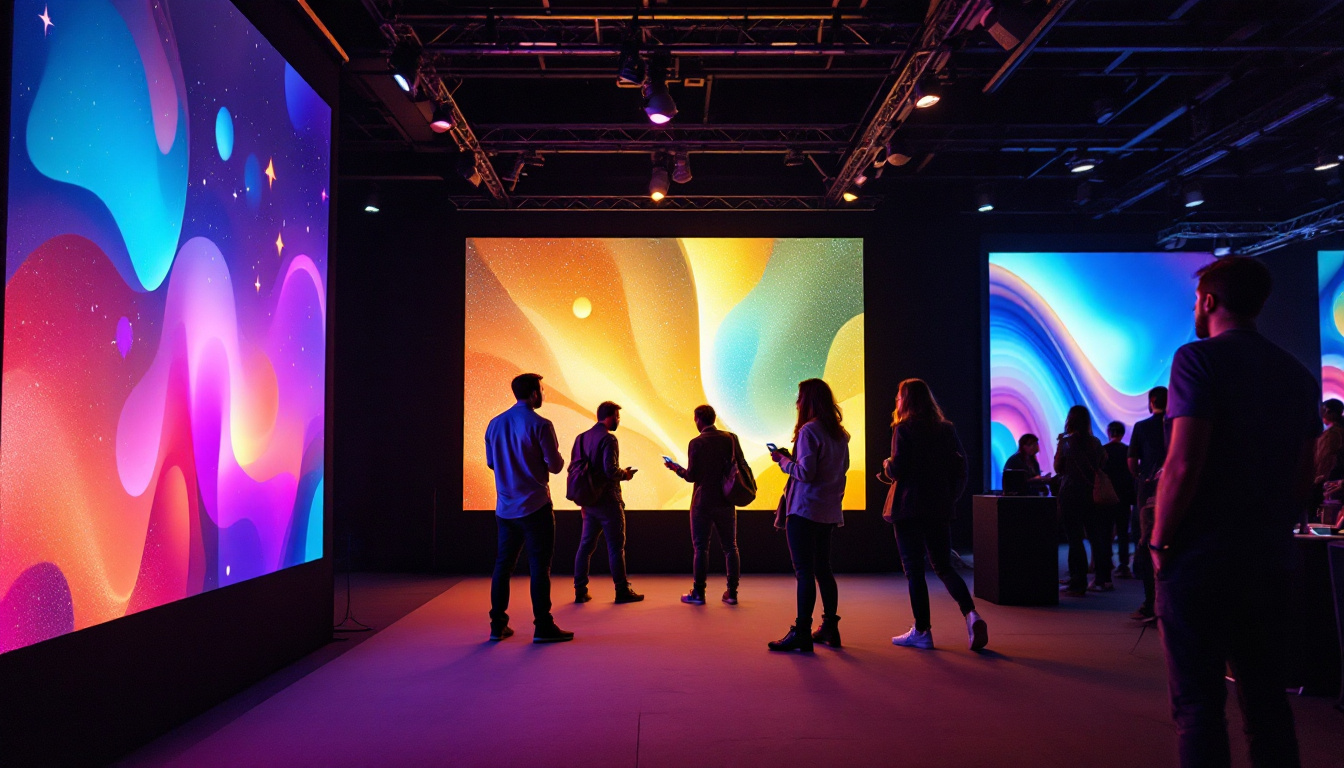
Indoor LED panels are designed for environments such as retail stores, corporate offices, conference halls, and entertainment venues. These panels typically have a smaller pixel pitch, meaning the distance between individual LEDs is minimal—often less than 2 millimeters. This close spacing allows for high-resolution images that look sharp even at close viewing distances.
Because indoor environments have controlled lighting, indoor LED panels do not require extremely high brightness levels. Instead, they focus on color accuracy, contrast, and seamless integration with interior design.
Outdoor LED Panels
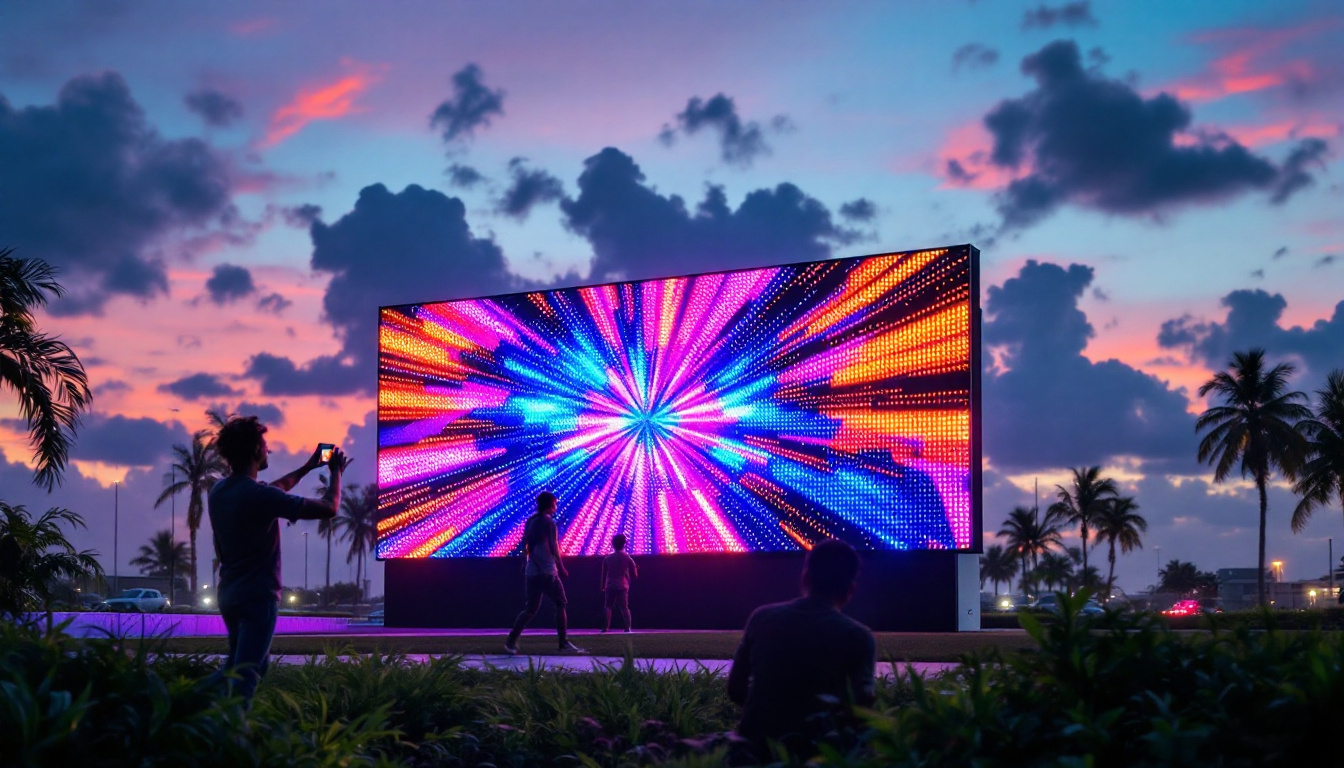
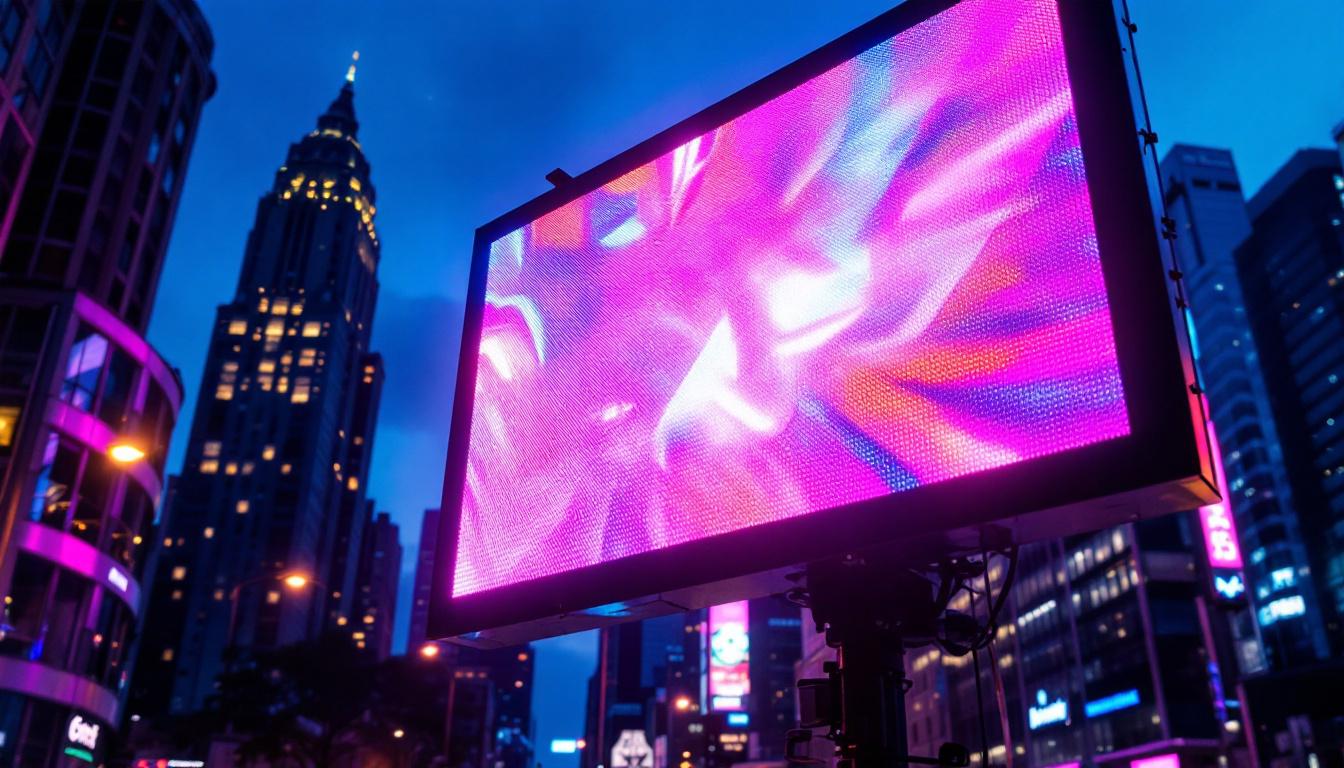
Outdoor LED panels are engineered to withstand harsh weather conditions including rain, dust, and extreme temperatures. They feature robust, weatherproof casings and are built to be durable and reliable over long periods of continuous operation.
Brightness is a critical factor for outdoor displays, as they must compete with direct sunlight. Outdoor LED panels typically have brightness levels ranging from 5,000 to 10,000 nits or more, ensuring visibility even in bright daylight. The pixel pitch is usually larger than indoor panels, often between 4 and 20 millimeters, since viewers tend to observe these displays from greater distances.
Transparent LED Panels
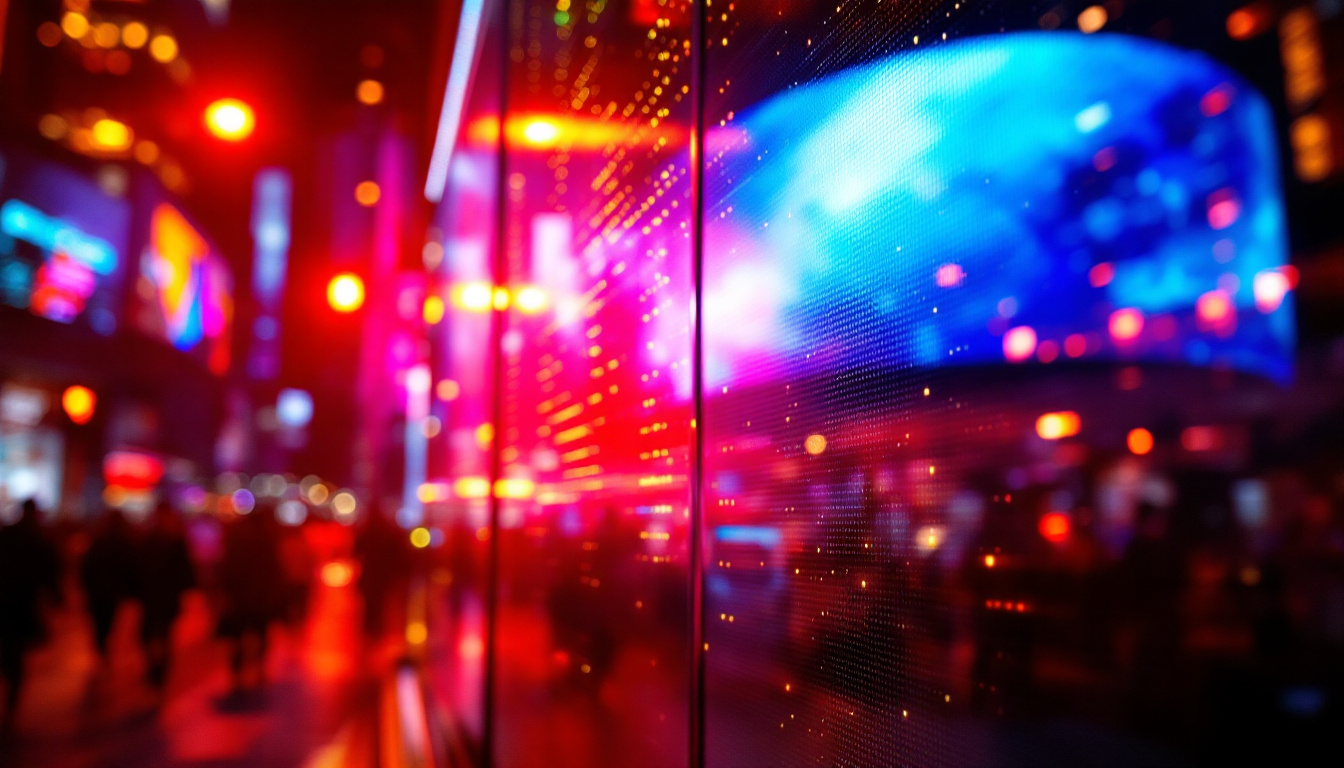
Transparent LED panels are an innovative variation that combines the benefits of LED technology with see-through glass or acrylic substrates. These panels allow light and visibility through the display, making them ideal for storefront windows, architectural installations, and retail displays where maintaining natural light and visibility is important.
Despite their transparency, these panels can deliver vivid images and animations, creating a captivating blend of digital content and physical environment.
Flexible and Curved LED Panels
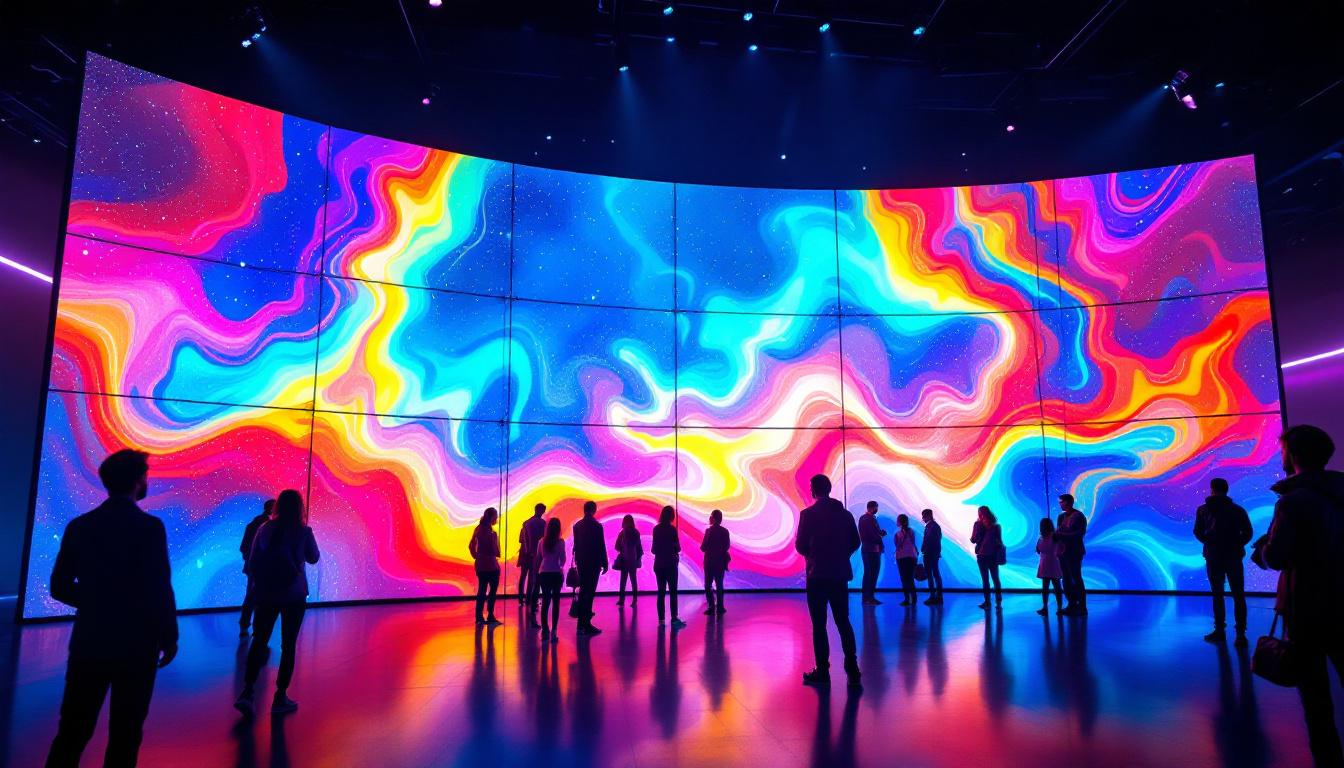
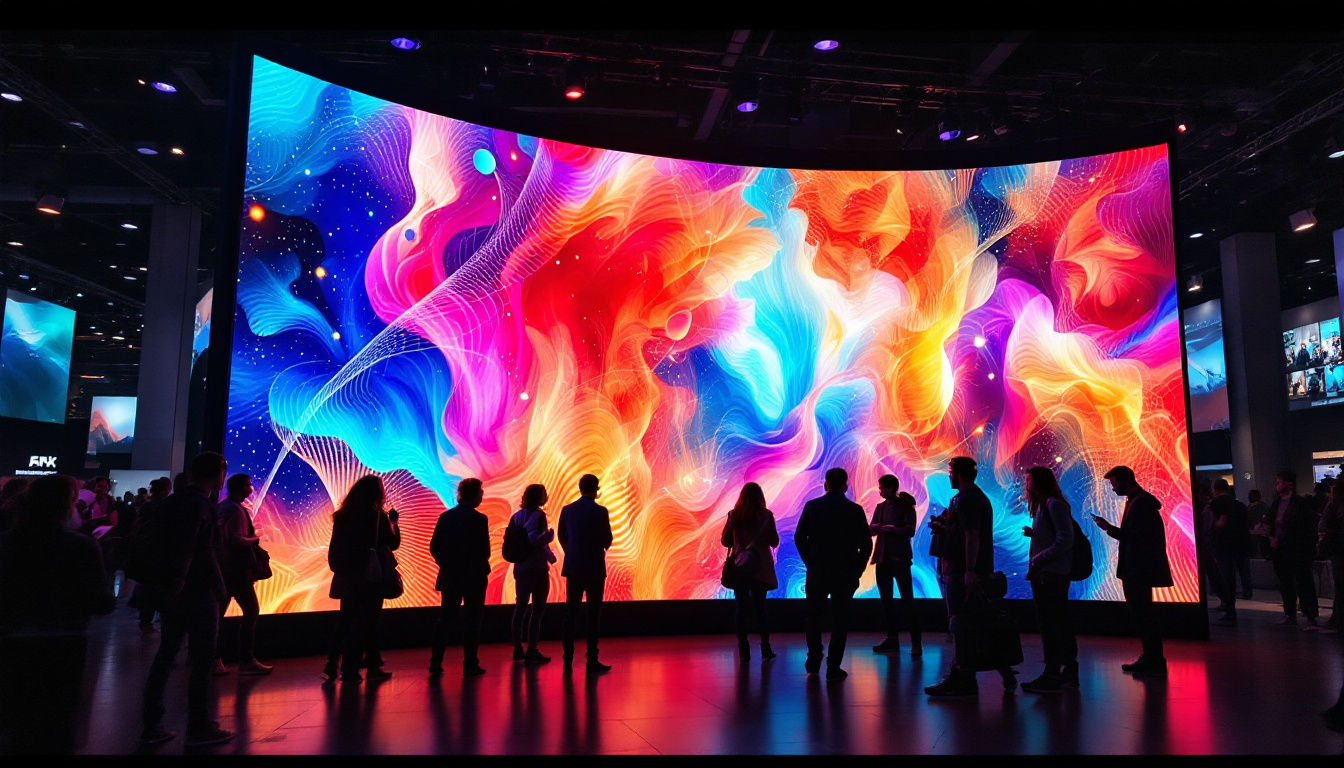
Advancements in LED technology have also led to the development of flexible and curved LED panels. These panels can be bent or shaped to fit unique architectural designs, creating immersive and visually striking displays. They are popular in entertainment venues, exhibitions, and innovative advertising campaigns.
Key Specifications and Metrics
When evaluating LED panels, several technical specifications are crucial to understand. These metrics determine the quality, suitability, and performance of the display for specific applications.
Pixel Pitch
Pixel pitch refers to the distance between the centers of two adjacent pixels, usually measured in millimeters. It is a critical factor influencing the resolution and viewing distance of an LED panel. Smaller pixel pitches yield higher resolution and sharper images, ideal for close-up viewing. Conversely, larger pixel pitches are suitable for displays viewed from a distance, such as billboards or stadium screens.
Brightness
Brightness is measured in nits (candelas per square meter) and indicates how luminous the display is. Indoor LED panels typically range from 800 to 1,500 nits, while outdoor panels can exceed 5,000 nits to ensure visibility in direct sunlight. High brightness also improves image clarity and color vibrancy.
Contrast Ratio
Contrast ratio is the difference in luminance between the brightest white and the darkest black a display can produce. A higher contrast ratio results in more vivid and dynamic images. LED panels generally offer excellent contrast ratios due to their ability to turn off individual LEDs completely, producing true blacks.
Refresh Rate
The refresh rate, measured in Hertz (Hz), indicates how many times per second the display updates its image. Higher refresh rates reduce flicker and motion blur, providing smoother video playback and a more comfortable viewing experience. Typical LED panels have refresh rates of 1,000 Hz or higher, especially important for broadcasting and live events.
Viewing Angle
The viewing angle defines the maximum angle at which the display can be viewed without significant loss of image quality or color distortion. LED panels generally offer wide viewing angles, often exceeding 120 degrees horizontally and vertically, ensuring consistent visibility from various positions.
Applications of LED Panels
LED panels have revolutionized visual communication across numerous sectors. Their flexibility, brightness, and durability make them suitable for a wide range of applications.
Advertising and Marketing
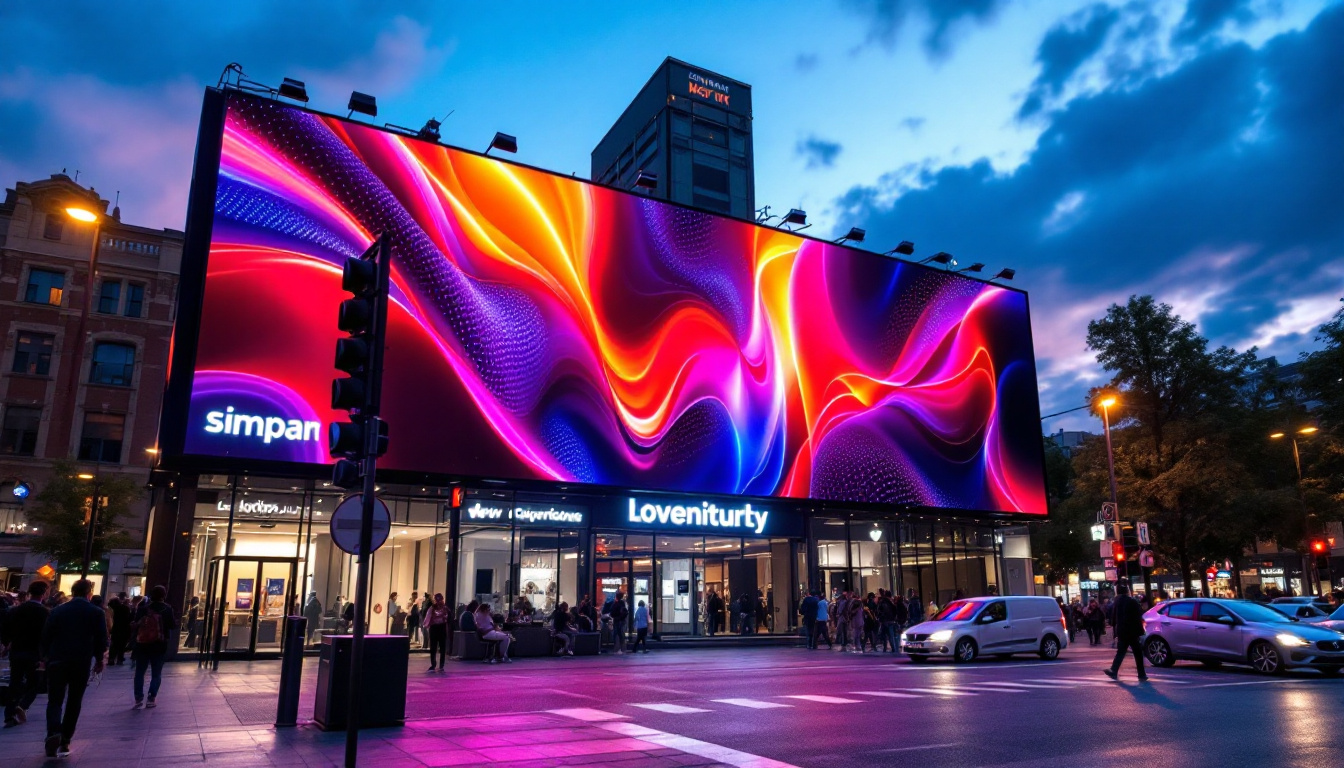
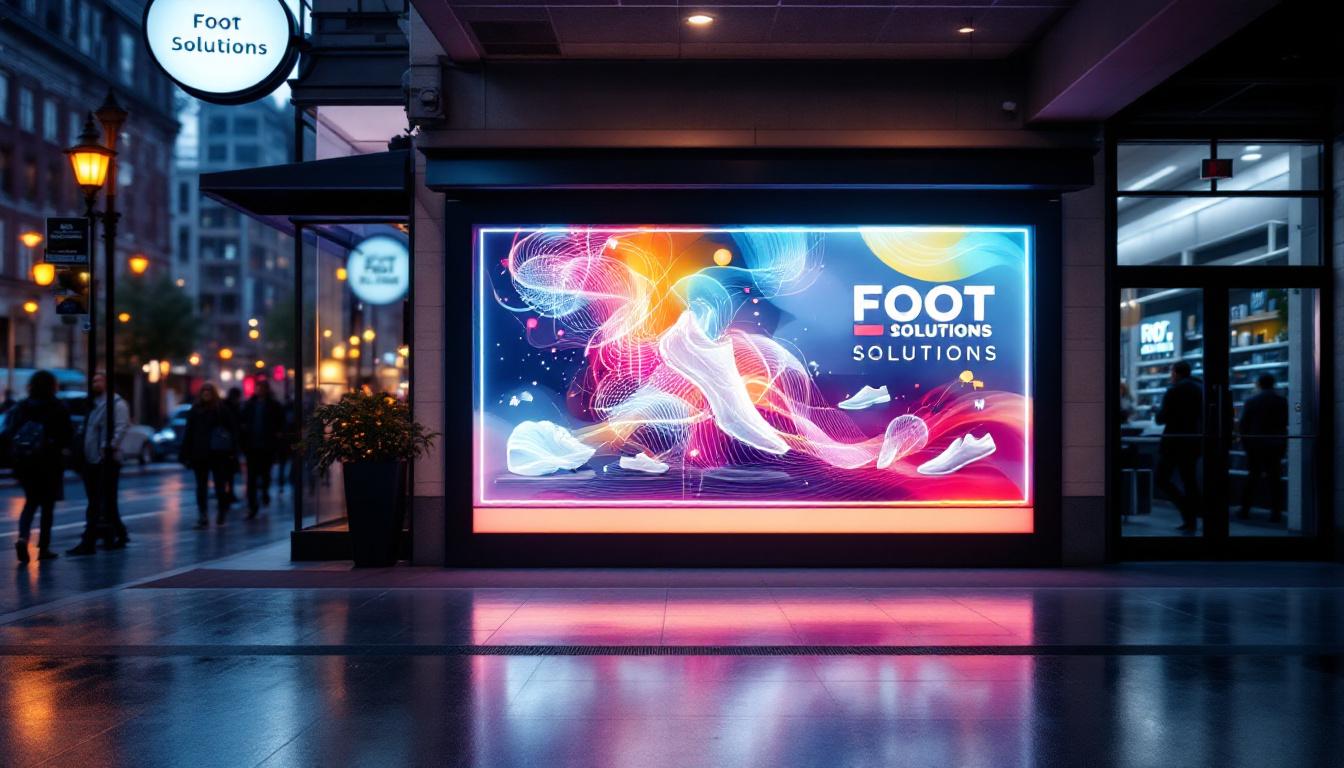
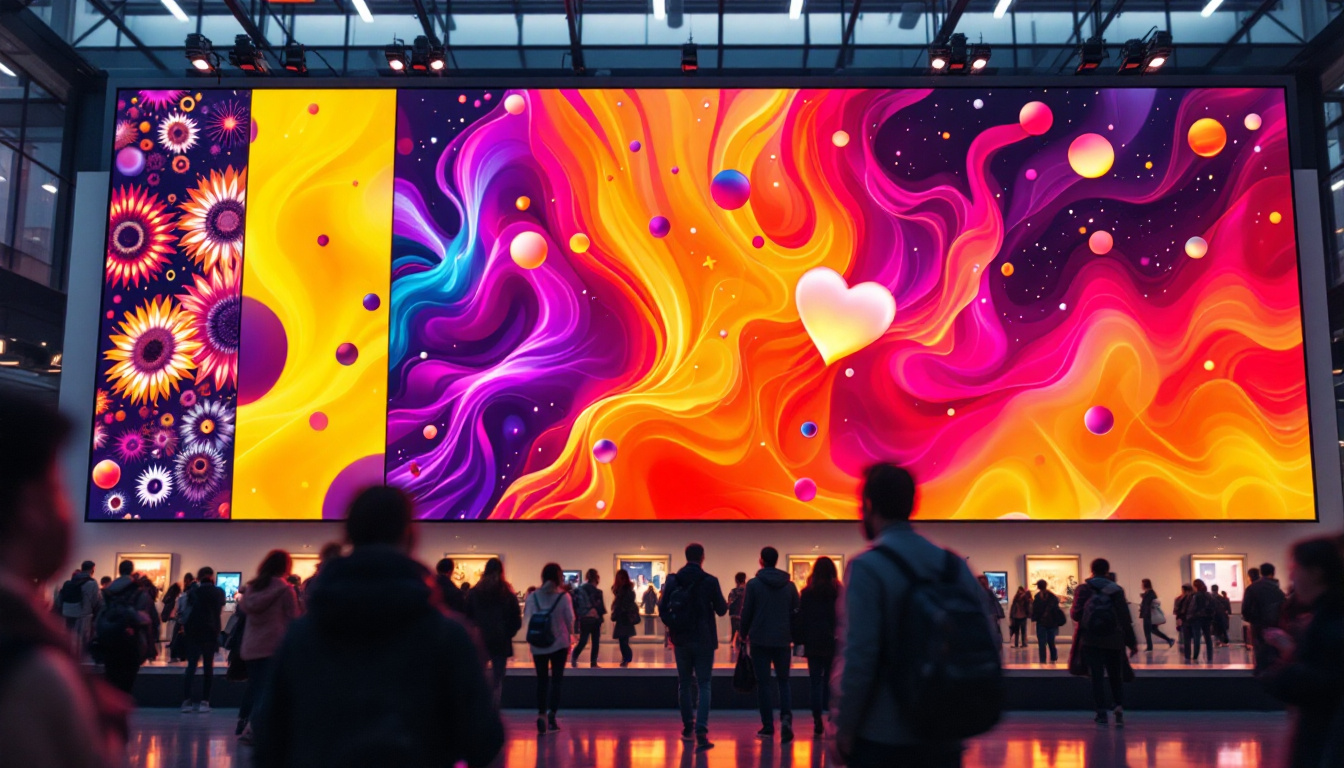
One of the most common uses of LED panels is in advertising. From towering billboards in Times Square to dynamic retail window displays, LED technology enables brands to capture attention with vibrant, animated content. The ability to update content remotely and instantly makes LED displays highly effective for time-sensitive promotions and campaigns.
Sports and Entertainment Venues
Stadiums, arenas, and concert venues utilize large-scale LED video walls to enhance the spectator experience. These displays provide live video feeds, replays, scores, and interactive content that engage audiences and create immersive environments.
Corporate and Event Spaces
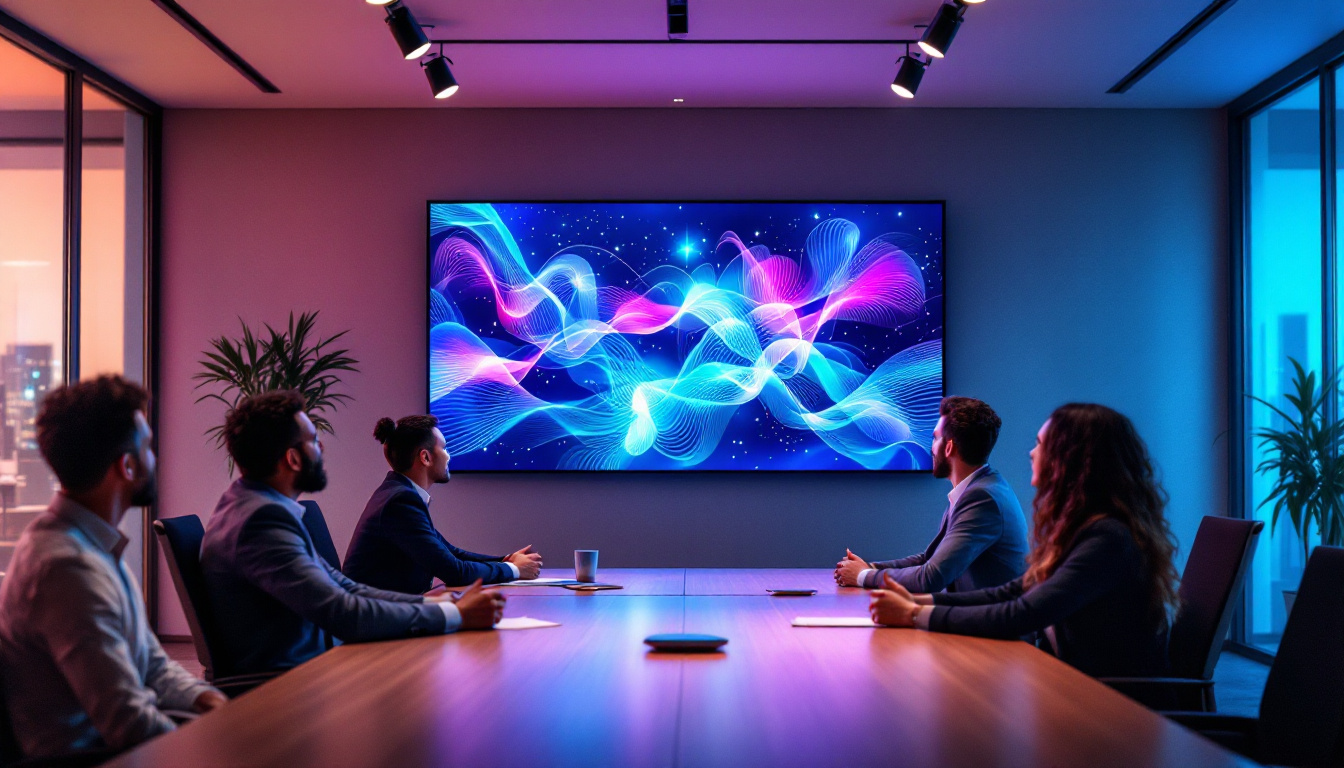
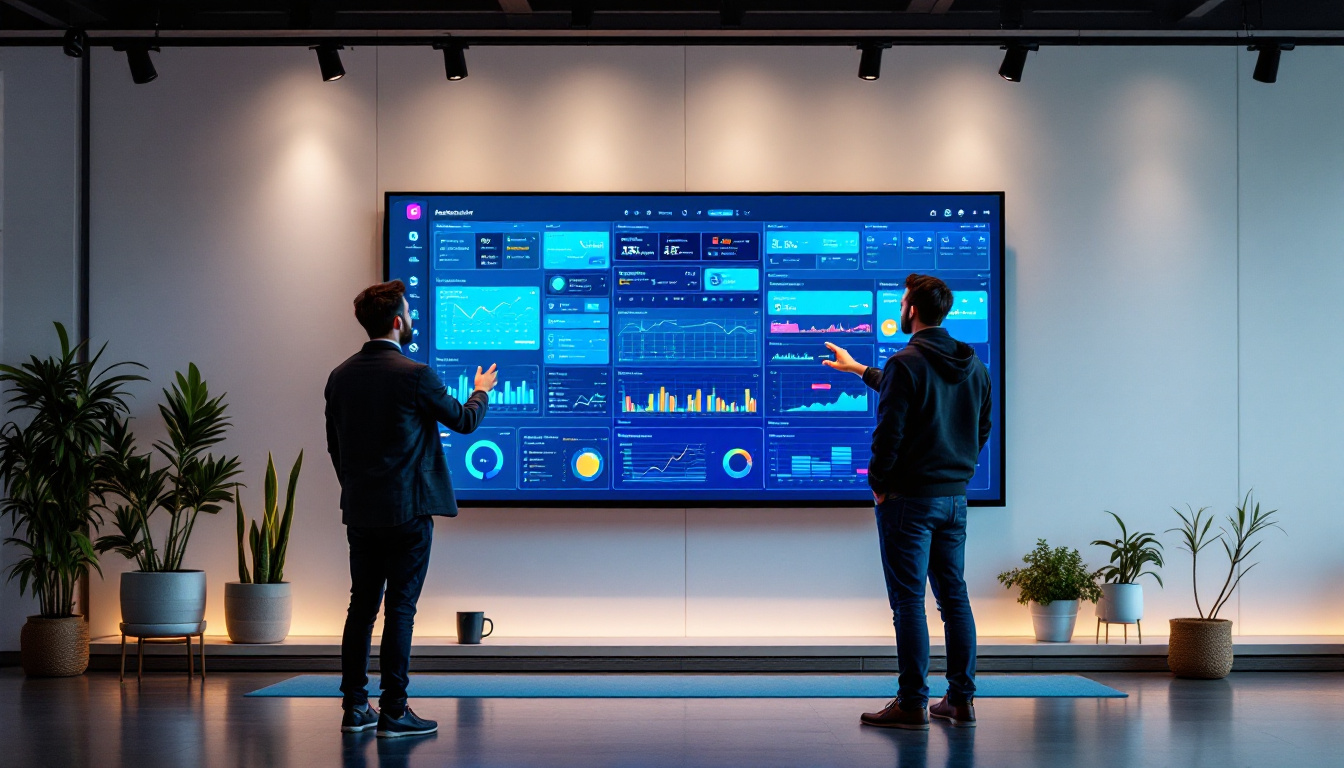
LED panels are increasingly popular in corporate settings for presentations, digital signage, and video conferencing. Their high resolution and brightness make them ideal for boardrooms, trade shows, and exhibitions where clear communication is essential.
Transportation and Public Information
Airports, train stations, and bus terminals use LED displays to provide real-time information such as schedules, alerts, and directions. The reliability and visibility of LED panels are crucial in these high-traffic environments.
Architectural and Artistic Installations
Innovative architects and artists incorporate LED panels into building facades and public art to create dynamic, interactive installations. These displays can transform urban spaces and contribute to the aesthetic and cultural identity of a location.
Choosing the Right LED Panel
Selecting the appropriate LED panel depends on several factors, including the intended application, viewing distance, environment, and budget. Understanding these considerations helps ensure optimal performance and return on investment.
Assess Viewing Distance and Resolution Needs
Determining the typical viewing distance is essential for choosing the correct pixel pitch. For example, a retail store display viewed from a few feet away requires a fine pixel pitch (1.5 mm or less) to maintain image clarity. Conversely, an outdoor billboard viewed from hundreds of feet can use a larger pixel pitch (10 mm or more) without sacrificing visual impact.
Consider Environmental Conditions
Outdoor installations must prioritize weather resistance, brightness, and durability. Indoor displays can focus more on resolution and color fidelity. Additionally, factors such as ambient lighting and installation location influence the choice of panel type and specifications.
Evaluate Content and Usage Patterns
The nature of the content—static images, video, live feeds—and the frequency of updates affect the required refresh rate and processing capabilities. Continuous operation demands high-quality components to ensure longevity and consistent performance.
Budget and Maintenance
LED panels represent a significant investment, but their long lifespan and low energy consumption often justify the cost. It’s important to consider maintenance requirements, warranty terms, and support services when selecting a supplier.
The Future of LED Display Technology
LED display technology continues to advance rapidly, driven by innovations in materials, manufacturing, and digital processing. Emerging trends promise even greater flexibility, efficiency, and visual quality.
MicroLED and MiniLED
MicroLED and MiniLED technologies offer smaller, more efficient LEDs that enable ultra-high resolution and improved contrast. MicroLED displays, in particular, combine the advantages of OLED and traditional LEDs without the drawbacks of burn-in or limited lifespan, making them promising for next-generation screens.
Integration with Smart Technologies
LED panels are increasingly integrated with smart sensors, AI-driven content management, and interactive features. This enables personalized advertising, real-time analytics, and enhanced user engagement.
Sustainability and Energy Efficiency
As environmental concerns grow, manufacturers focus on reducing the energy consumption and carbon footprint of LED displays. Advances in LED efficiency and recyclable materials contribute to more sustainable digital signage solutions.
Conclusion
LED panels have transformed the landscape of digital displays, offering unmatched brightness, versatility, and durability across a wide range of applications. Understanding the underlying technology, types of panels, key specifications, and practical considerations is essential for businesses and organizations looking to leverage LED displays effectively.
As LED technology continues to evolve, it will unlock new possibilities for communication, entertainment, and design, making it an indispensable tool in the digital age.
Discover LumenMatrix’s Innovative LED Solutions
Ready to elevate your visual communication with cutting-edge LED technology? LumenMatrix offers a comprehensive range of LED display modules, from vibrant Indoor and Outdoor LED Wall Displays to dynamic Vehicle and Sports LED Displays. Our mission is to empower your brand with displays that captivate and engage your audience. Whether you need a Custom LED Display, an All-in-One solution, or a Transparent LED Display, LumenMatrix has the expertise to bring your vision to life. Check out LumenMatrix LED Display Solutions today and experience the future of digital signage.