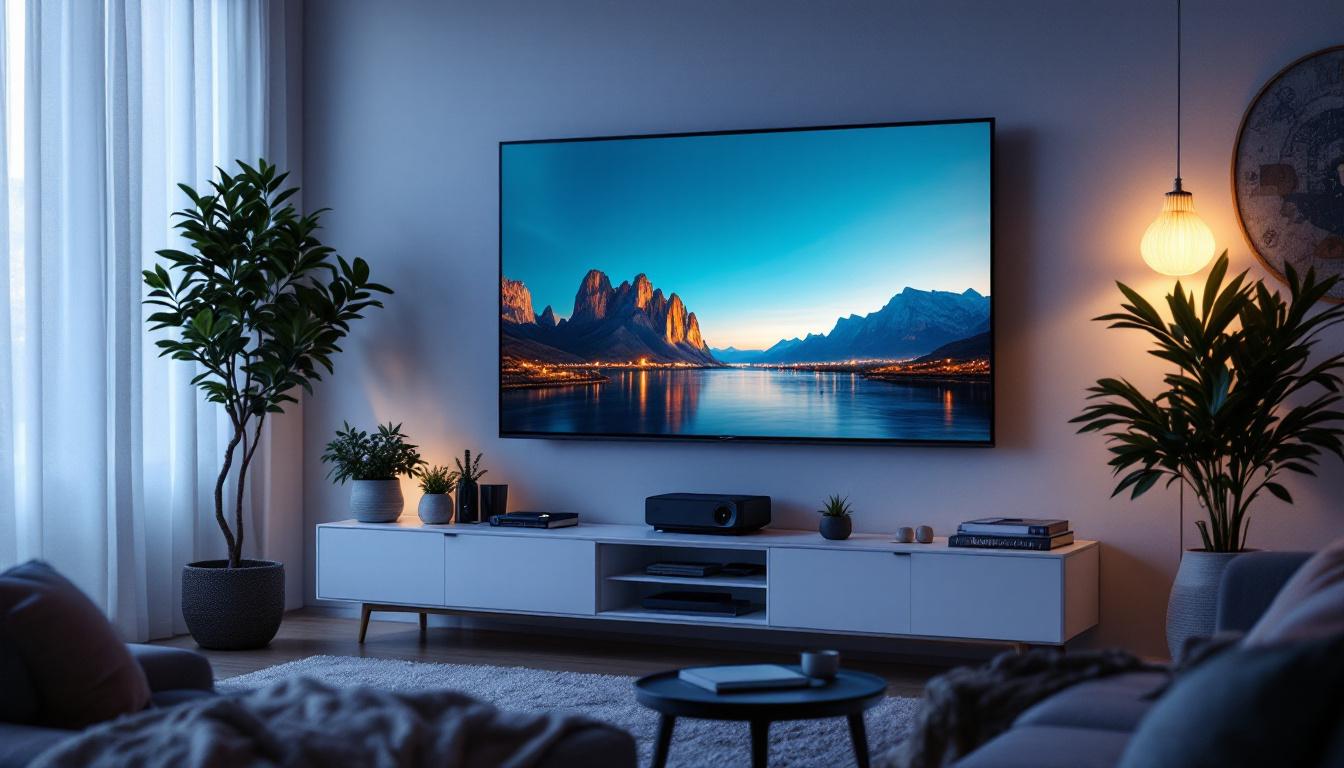
In the evolving world of visual display technology, the demand for sleek, efficient, and high-quality screens has never been greater. Among the innovations transforming how we experience projected images and videos, low profile projector screens and LED displays stand out for their unique advantages. This article delves into the concept of low profile projector screens, explores the technology behind LED displays, and explains why these solutions are becoming increasingly popular in both commercial and residential settings.
Understanding Low Profile Projector Screens
What Defines a Low Profile Projector Screen?
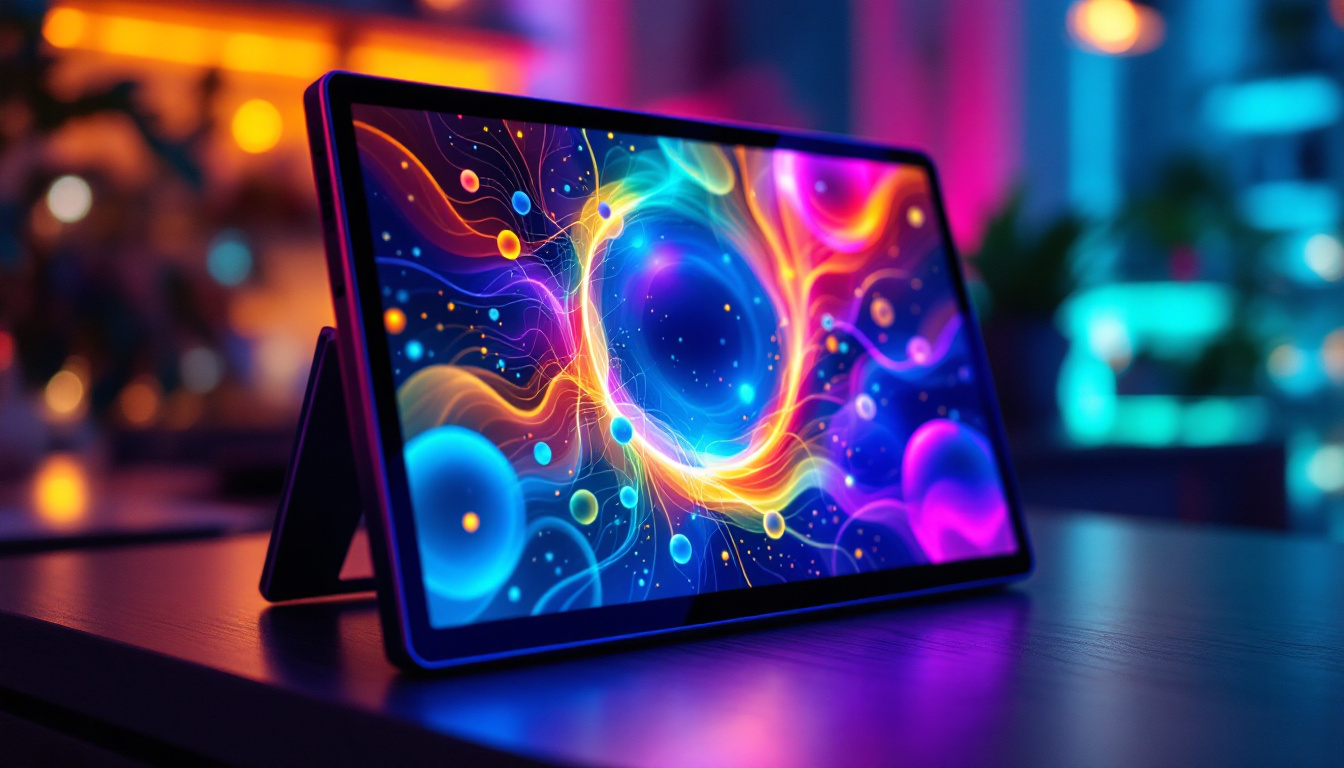
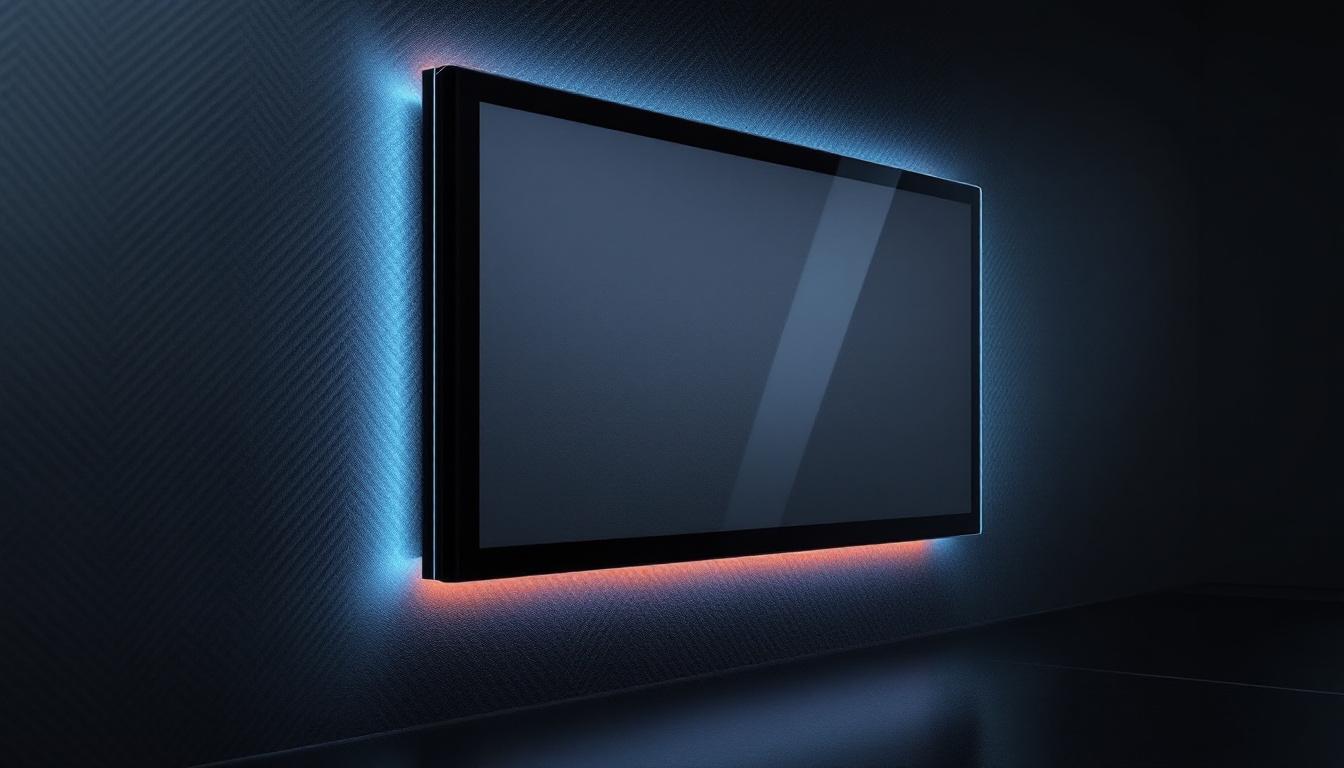
A low profile projector screen is designed to minimize bulk and visual intrusion while maximizing display quality. Unlike traditional projector screens that often require significant mounting space and can be visually obtrusive when not in use, low profile screens integrate seamlessly into their environment. They are typically thinner, lighter, and can be installed flush against walls or ceilings, making them ideal for modern interiors where aesthetics are paramount.
These screens are engineered to maintain excellent image quality despite their slim form factor. Advances in materials and manufacturing techniques have allowed for screens that offer high gain, wide viewing angles, and excellent color reproduction without the need for bulky frames or heavy casings. The materials used in low profile screens often include specialized fabrics that enhance light reflection and absorption, ensuring that images remain crisp and vibrant even in less-than-ideal lighting conditions. This combination of design and technology makes them suitable for a variety of settings, from intimate home theaters to expansive conference rooms.
Applications and Benefits
Low profile projector screens are particularly popular in corporate boardrooms, home theaters, classrooms, and event spaces where space is at a premium and appearance matters. Their discreet design allows for a clean, uncluttered look that complements contemporary architectural styles. In corporate environments, these screens can facilitate seamless presentations, allowing for a more engaging experience without the distraction of bulky equipment. In educational settings, the ability to retract the screen when not in use can help maintain a tidy classroom atmosphere, promoting focus and reducing clutter.
Key benefits include:
- Space-saving design: Ideal for rooms with limited space or where a minimalist aesthetic is desired.
- Ease of installation: Many models come with mounting systems that simplify setup and reduce installation time.
- Enhanced portability: Some low profile screens are designed to be retractable or portable, increasing their versatility.
- Improved viewing experience: Despite their slim design, these screens deliver sharp, vibrant images with excellent contrast.
Moreover, low profile projector screens often come with additional features that enhance user experience. For instance, many models are equipped with remote control functionality, allowing users to effortlessly lower or raise the screen at the touch of a button. This convenience is particularly beneficial in multi-purpose spaces where the screen may need to be deployed quickly for presentations or movie nights. Additionally, some screens offer motorized options, which can be integrated into smart home systems, providing users with a seamless and automated viewing experience. The combination of these features not only enhances usability but also elevates the overall aesthetic of the space, making low profile screens a smart choice for any modern environment.
LED Displays: The Next Generation of Visual Technology
What is an LED Display?
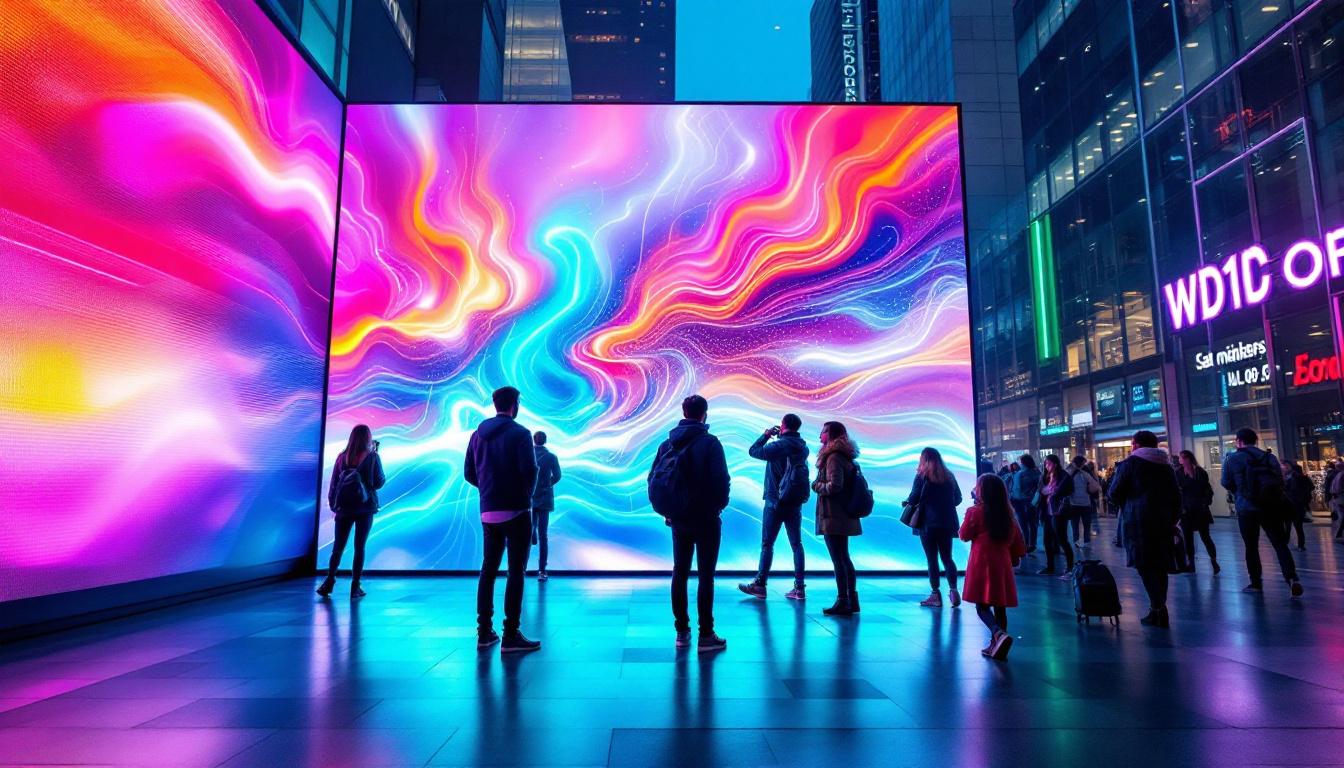
LED (Light Emitting Diode) displays use an array of tiny LEDs to create images. Unlike traditional projector screens that rely on external light sources projecting onto a surface, LED displays are self-illuminating, meaning each pixel emits its own light. This fundamental difference results in superior brightness, contrast, and color accuracy.
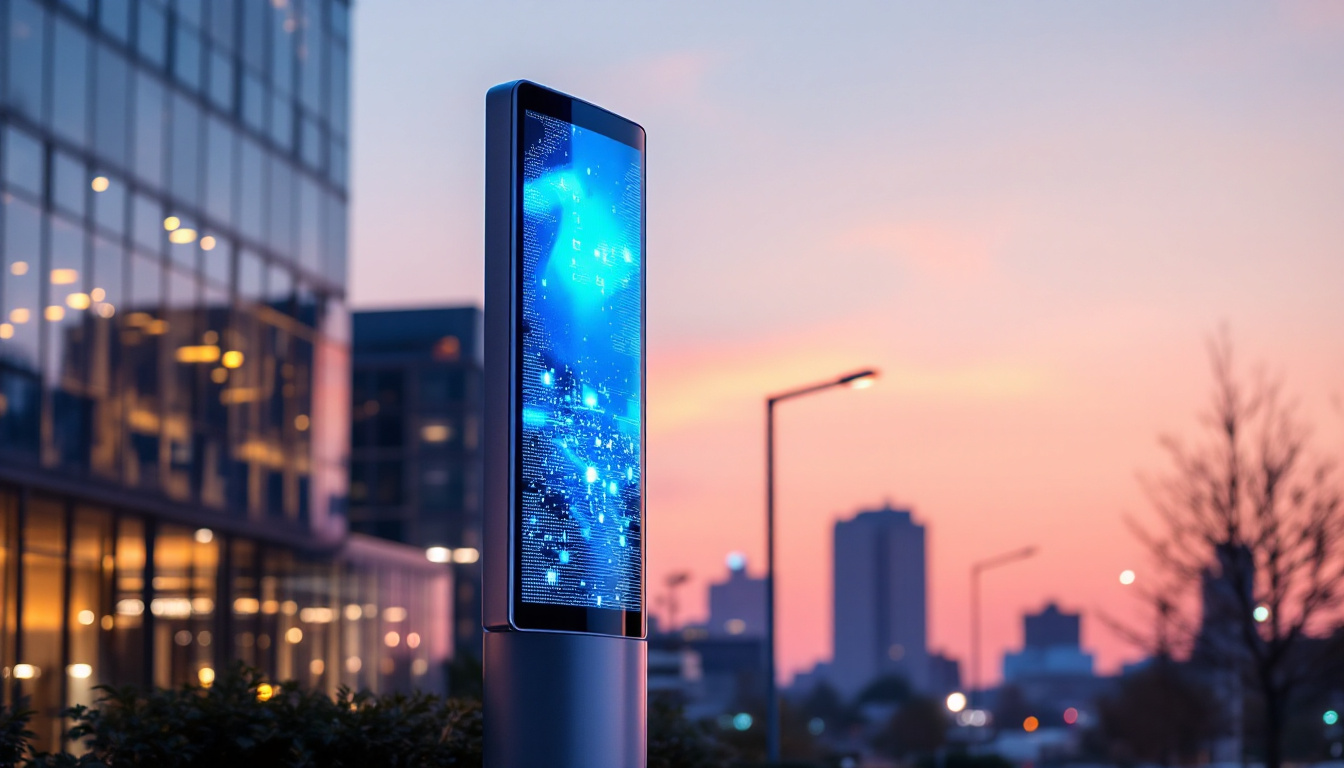
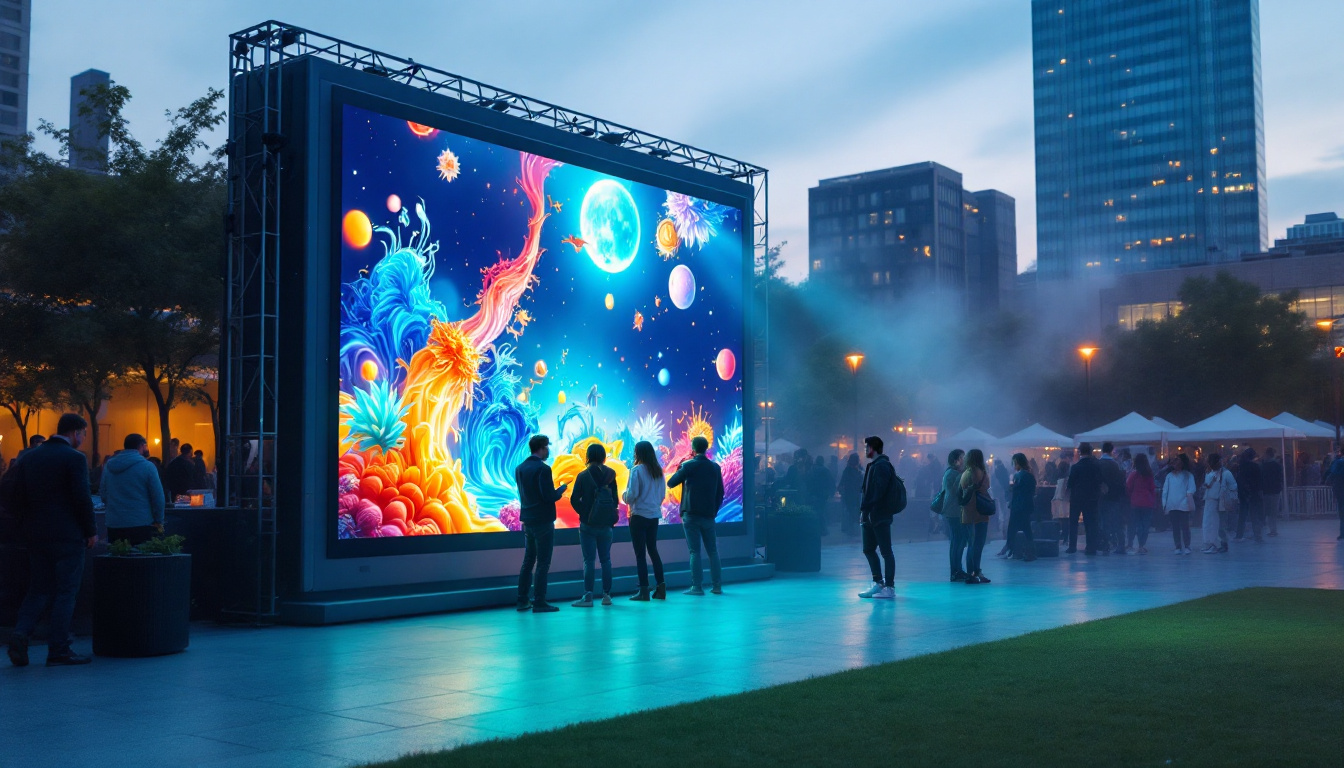
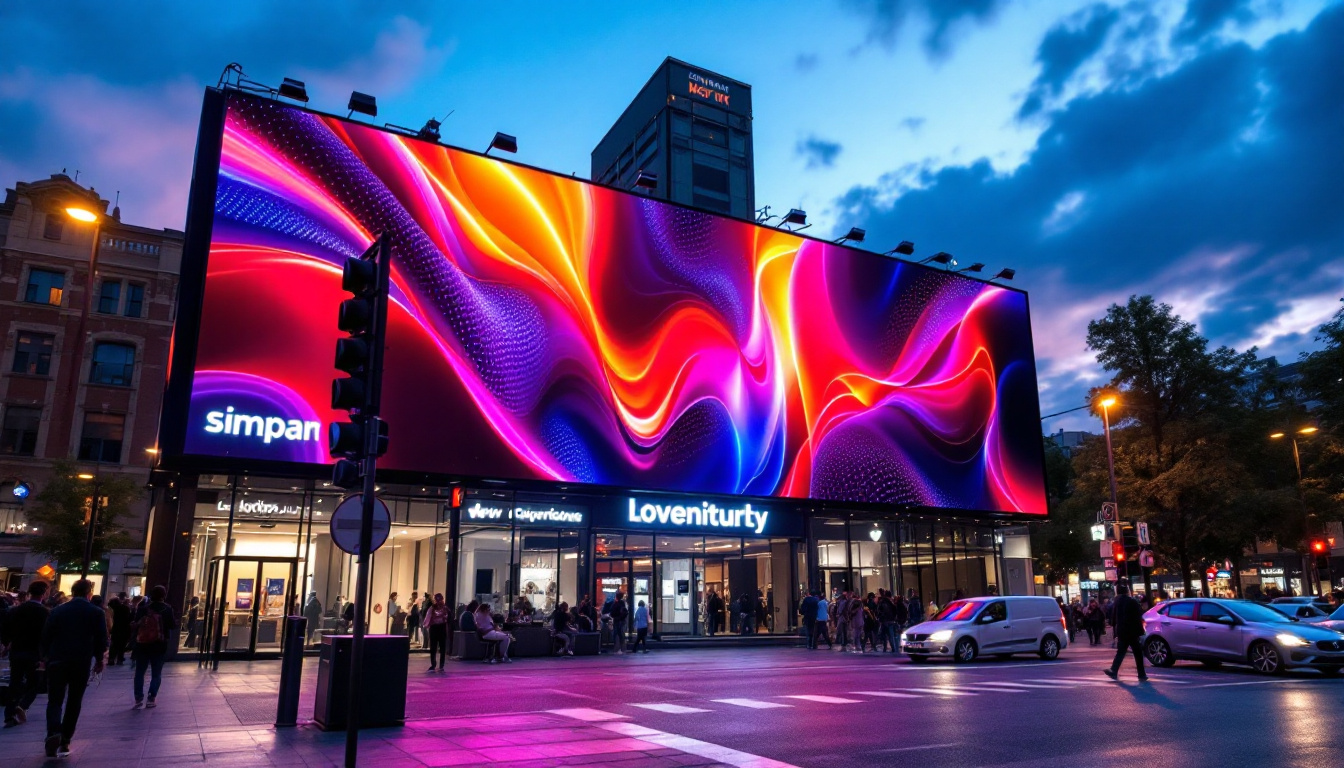
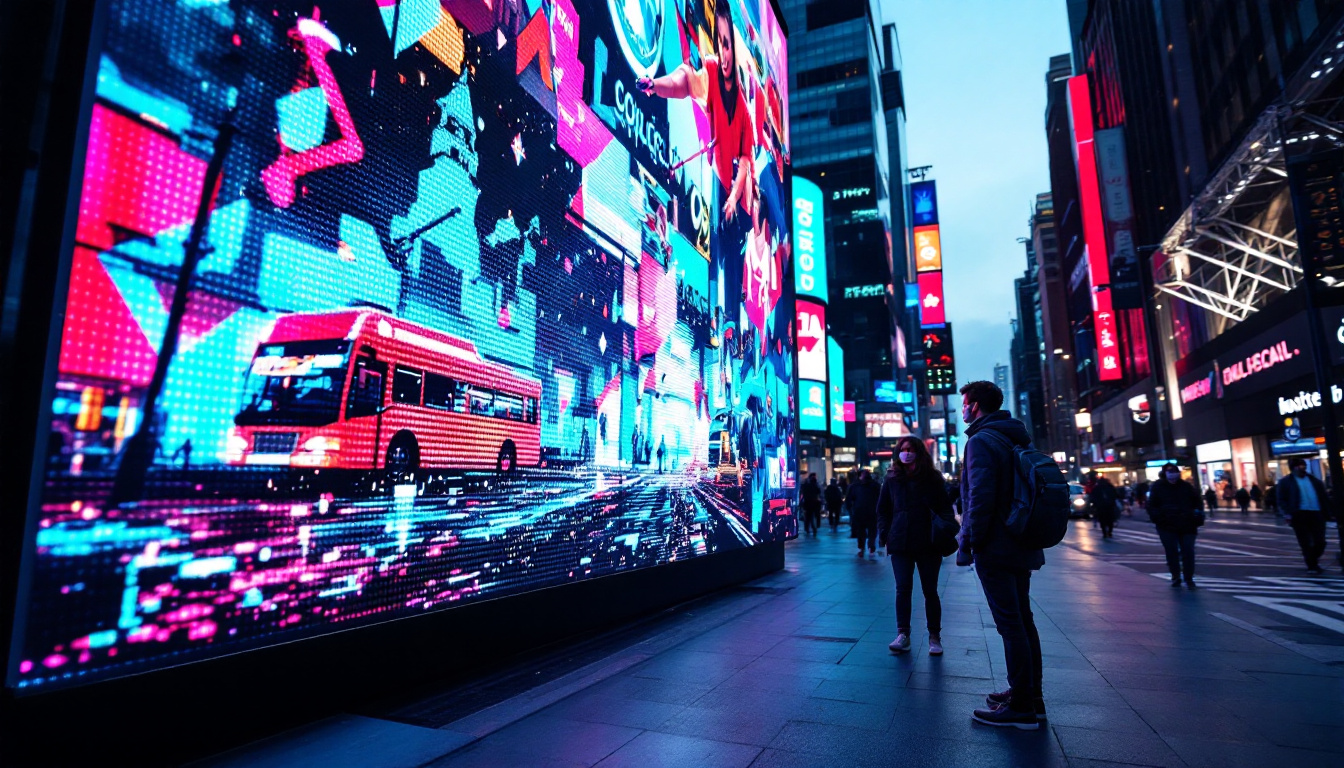
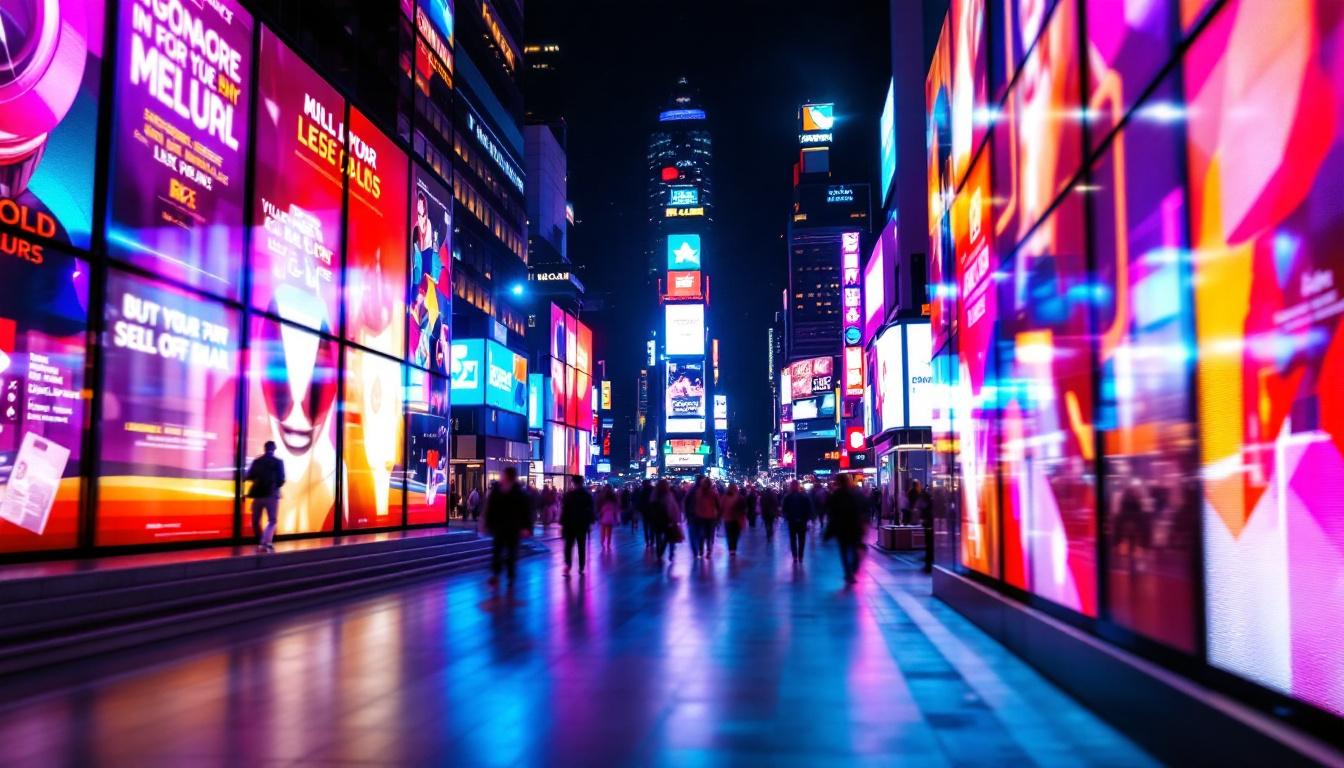
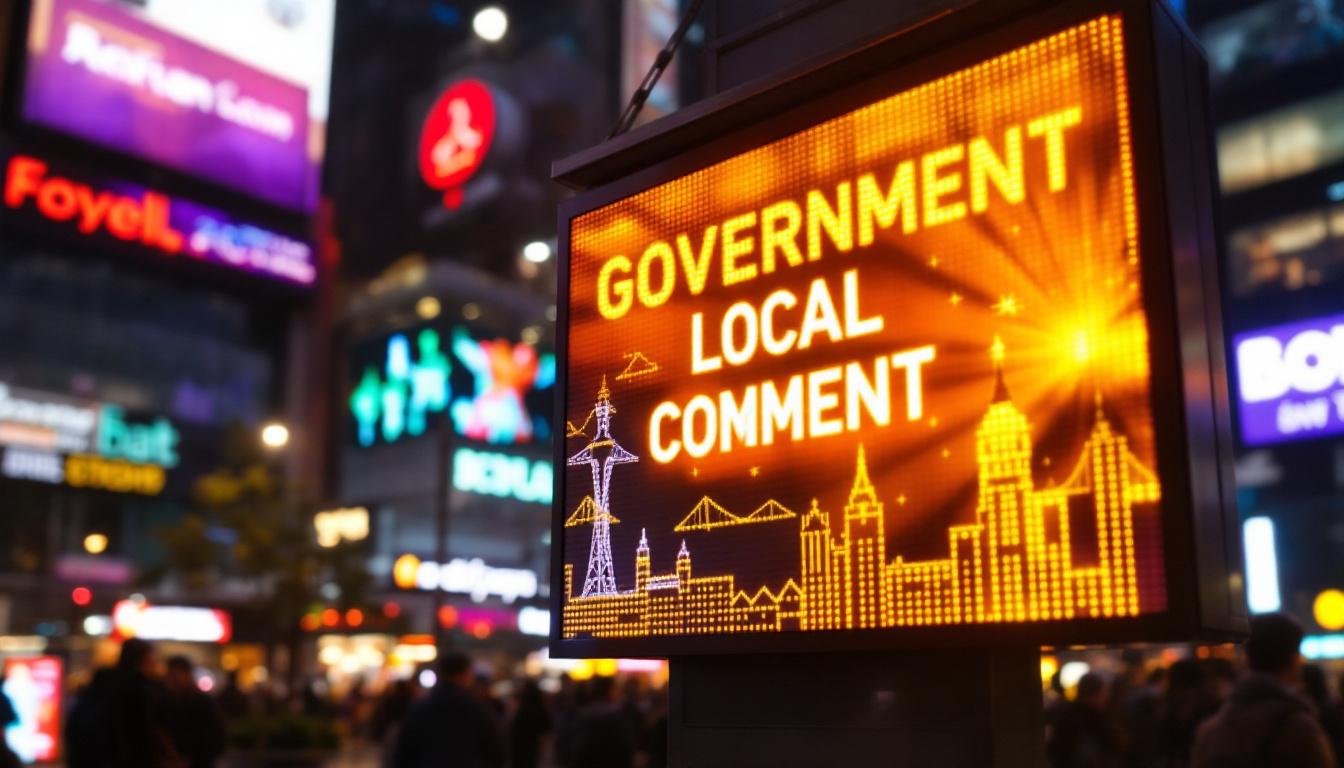
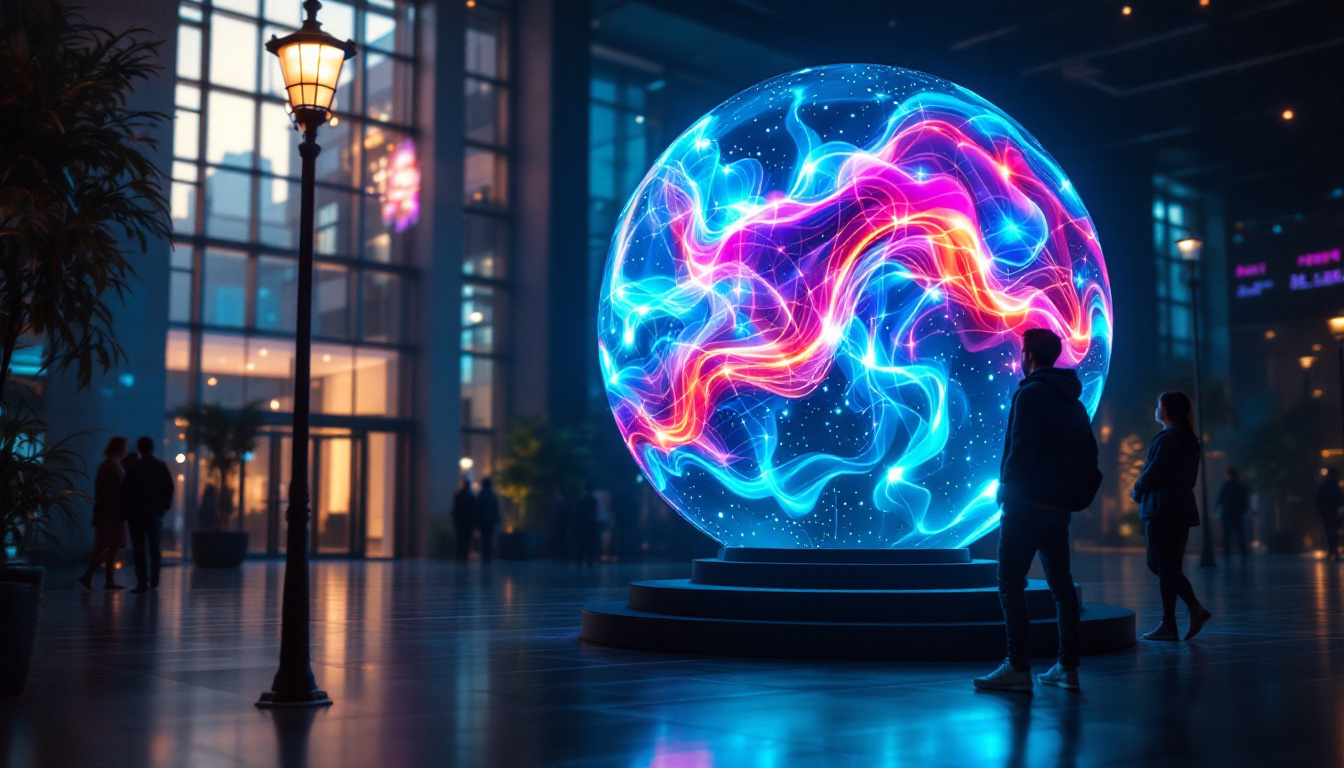
LED technology has evolved rapidly over the past decade, with innovations such as micro-LED and mini-LED pushing the boundaries of image quality and energy efficiency. These displays are widely used in everything from smartphones and televisions to massive outdoor billboards and stadium screens. The versatility of LED displays allows them to cater to a variety of applications, including digital signage, art installations, and even in the automotive industry for dashboard displays.
Advantages of LED Displays Over Traditional Projection
When comparing LED displays to traditional projector setups, several advantages emerge:
- Brightness and Visibility: LED displays can achieve much higher brightness levels, making them suitable for environments with ambient light where projectors might struggle.
- Color Accuracy and Contrast: Because LEDs emit light directly, they offer deeper blacks and more vibrant colors, enhancing overall picture quality.
- Durability and Maintenance: LED panels tend to have longer lifespans and require less maintenance compared to projector bulbs, which can be costly and need frequent replacement.
- Flexibility in Size and Shape: LED displays can be manufactured in a variety of sizes and even custom shapes, offering design flexibility that traditional screens cannot match.
- Instant On/Off: Unlike projectors that require warm-up time, LED displays power on instantly, improving convenience.
In addition to these advantages, LED displays also contribute to energy efficiency, consuming less power than traditional projection systems. This not only reduces operational costs but also makes them a more environmentally friendly option. Furthermore, advancements in LED technology have led to the development of transparent and flexible displays, opening new avenues for creative applications in retail environments and architectural designs. As industries continue to explore the potential of LED technology, we can expect to see even more innovative uses that enhance our visual experiences in everyday life.
Integrating Low Profile Screens with LED Technology
The Rise of LED-Based Low Profile Screens
One of the most exciting developments in display technology is the integration of LED panels into low profile screen designs. This hybrid approach combines the slim, unobtrusive form factor of low profile screens with the superior image quality and brightness of LED technology.
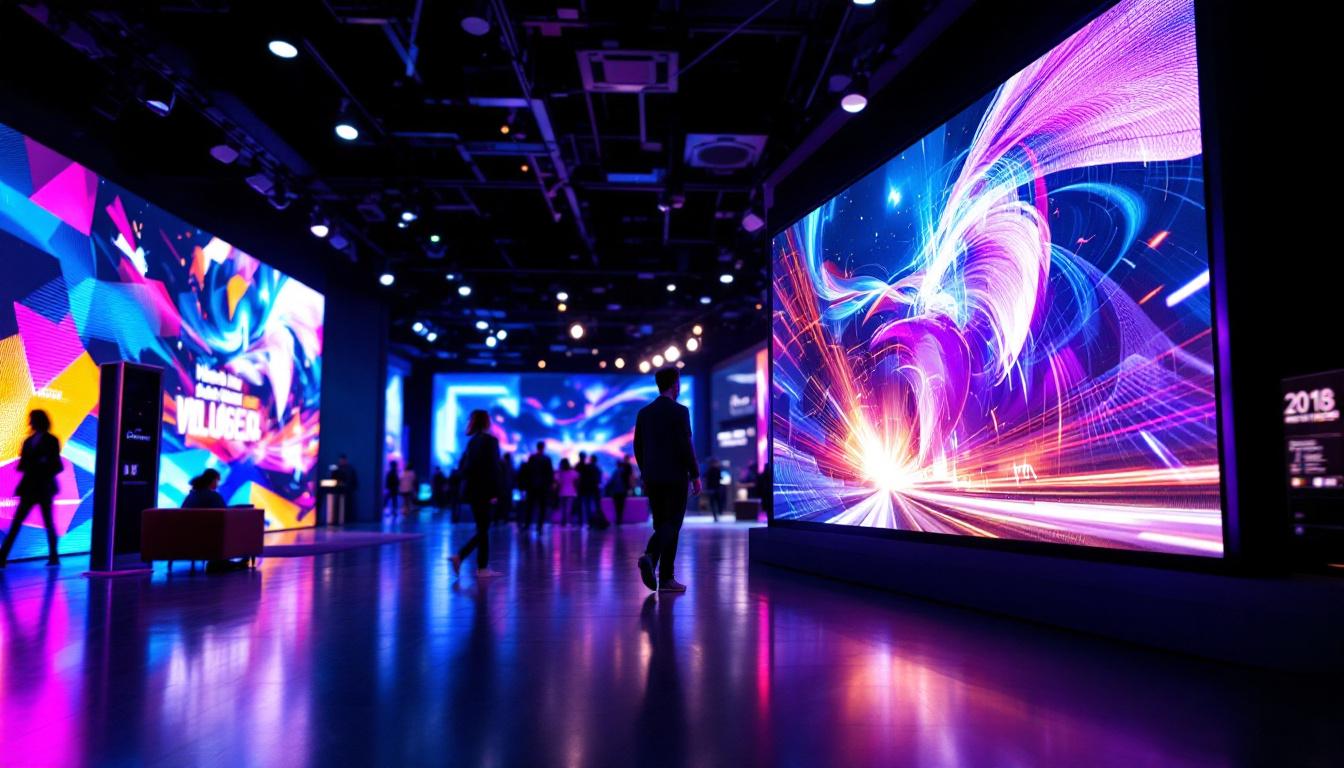
These LED-based low profile screens are particularly suited for environments where traditional projectors are impractical due to ambient light conditions or where installation space is limited. For example, luxury conference rooms and high-end home theaters increasingly favor these displays for their sleek appearance and outstanding performance.
Technical Considerations and Innovations
Manufacturers have overcome several technical challenges to produce LED low profile screens that meet the demands of modern users. Innovations include:
- Ultra-thin LED modules: Advances in LED packaging and circuit design have enabled modules that are just a few millimeters thick.
- Seamless panel construction: Techniques such as bezel-less design and micro-LED tiling allow for large, uninterrupted display surfaces.
- Enhanced heat dissipation: Effective thermal management ensures that these slim displays operate reliably without overheating.
- Integrated control systems: Many LED low profile screens come with built-in processors and connectivity options for easy content management and integration with AV systems.
Choosing the Right Display Solution
Factors to Consider
When deciding between a traditional projector with a low profile screen and an LED display, several factors should guide the choice:
- Ambient Lighting Conditions: LED displays perform better in brightly lit rooms, whereas projectors may require controlled lighting for optimal image quality.
- Viewing Distance and Screen Size: Projectors can easily create very large images, but LED displays offer consistent brightness and color across various sizes.
- Budget Constraints: While LED displays have become more affordable, they generally come with a higher upfront cost compared to projectors and screens.
- Installation and Maintenance: Consider the ease of installation and long-term maintenance costs associated with each technology.
- Usage Scenario: For dynamic content, frequent use, or environments requiring high reliability, LED displays may be preferable.
Case Studies and Industry Examples
Several industries have embraced LED low profile displays to enhance their visual communication:
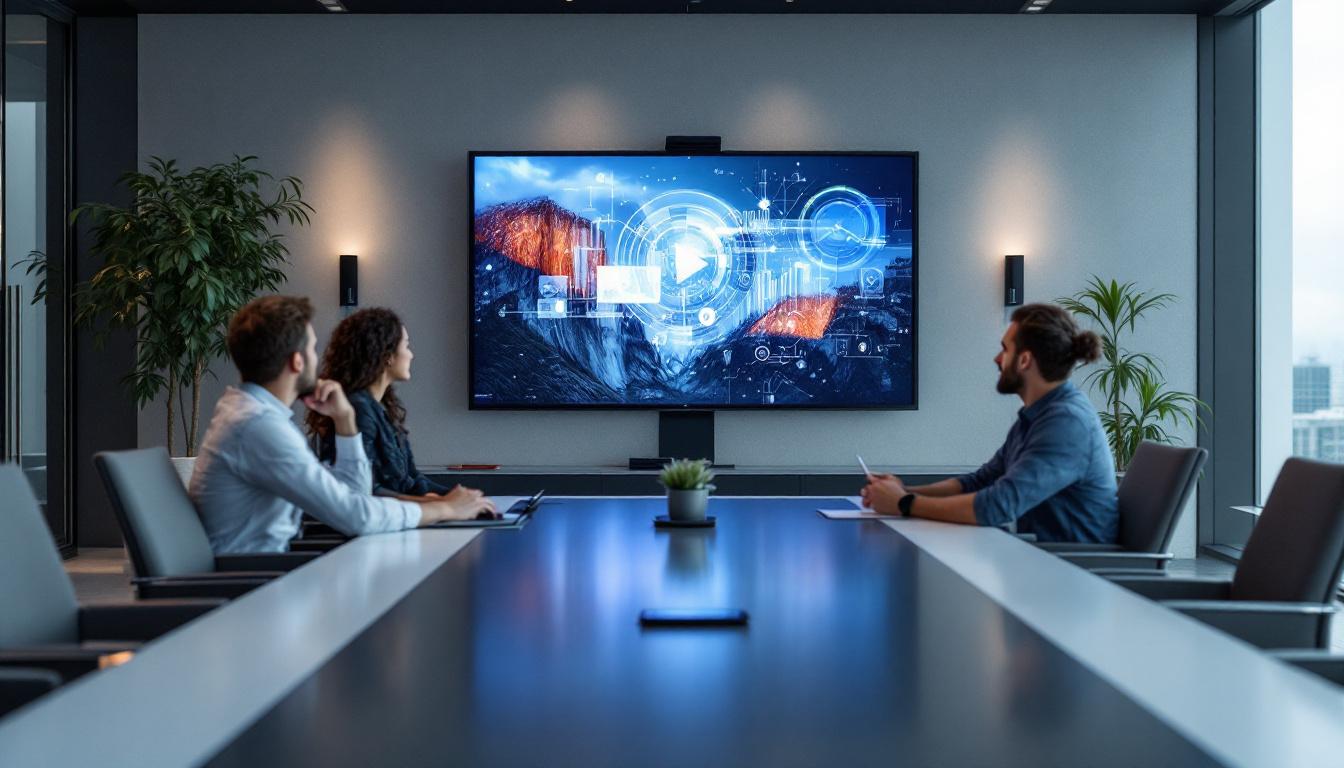
Corporate Environments: Companies like Microsoft and Google have outfitted their meeting rooms with LED video walls that provide crisp presentations and video conferencing capabilities without the need for projector setups.
Education Sector: Universities and training centers use LED displays for interactive learning, benefiting from their brightness and durability in classrooms with natural light.
Entertainment and Hospitality: High-end home theaters and luxury hotels incorporate LED low profile screens to deliver immersive viewing experiences while maintaining elegant interior design.
Future Trends in Low Profile and LED Display Technologies
Micro-LED and Beyond
Micro-LED technology represents the forefront of LED display innovation. By employing microscopic LEDs as individual pixels, micro-LED displays offer unparalleled brightness, contrast, and energy efficiency. Their modular nature also allows for flexible screen sizes and shapes, making them ideal candidates for future low profile display solutions.
As production costs decrease and manufacturing processes improve, micro-LED is expected to become more accessible, potentially replacing traditional LCD and OLED panels in many applications.
Integration with Smart Technologies
Low profile LED displays are increasingly being integrated with smart technologies such as AI-driven content management, voice control, and IoT connectivity. These features enable dynamic content adaptation, remote diagnostics, and seamless integration into smart building ecosystems.
For example, digital signage in retail environments can adjust brightness and content based on time of day or customer demographics, enhancing engagement and energy efficiency.
Conclusion
The convergence of low profile projector screens and LED display technology marks a significant shift in how visual content is presented across various environments. Low profile screens offer a sleek, unobtrusive design that complements modern aesthetics, while LED displays provide superior brightness, color accuracy, and durability.
Choosing the right solution depends on specific needs such as ambient lighting, budget, and usage scenarios. However, the trend toward LED-based low profile displays is clear, driven by ongoing technological advancements and growing demand for high-quality, space-efficient visual solutions.
As LED technology continues to evolve, particularly with innovations like micro-LED, the future promises even more exciting possibilities for low profile displays that combine exceptional performance with elegant design.
Discover LumenMatrix’s Innovative LED Displays
As you consider upgrading to the latest in low profile and LED display technologies, explore the pioneering solutions offered by LumenMatrix. With a commitment to revolutionizing visual communication, LumenMatrix provides an extensive range of LED display modules tailored to your unique needs. From captivating Indoor LED Walls to dynamic Outdoor LED Displays, and from versatile Vehicle LED Displays to sleek LED Poster Displays, our products are designed to enhance engagement and ensure your message resonates with clarity. Experience the future of visual display technology today. Check out LumenMatrix LED Display Solutions and take the first step towards transforming your visual experience.