In the rapidly evolving world of advertising, brands continuously seek innovative ways to capture consumer attention. Among the many strategies, mobile truck advertising has emerged as a dynamic and effective medium, especially when enhanced with LED display technology. This fusion of mobility and vibrant digital visuals offers advertisers a unique platform to engage audiences in real-time, across diverse locations.
This article delves into the intricacies of mobile truck advertising powered by LED displays, exploring its benefits, technical aspects, and best practices. Whether you’re a marketer considering this approach or a business owner curious about its potential, understanding the synergy between mobile trucks and LED technology is essential for making informed decisions.
Understanding Mobile Truck Advertising
What Is Mobile Truck Advertising?
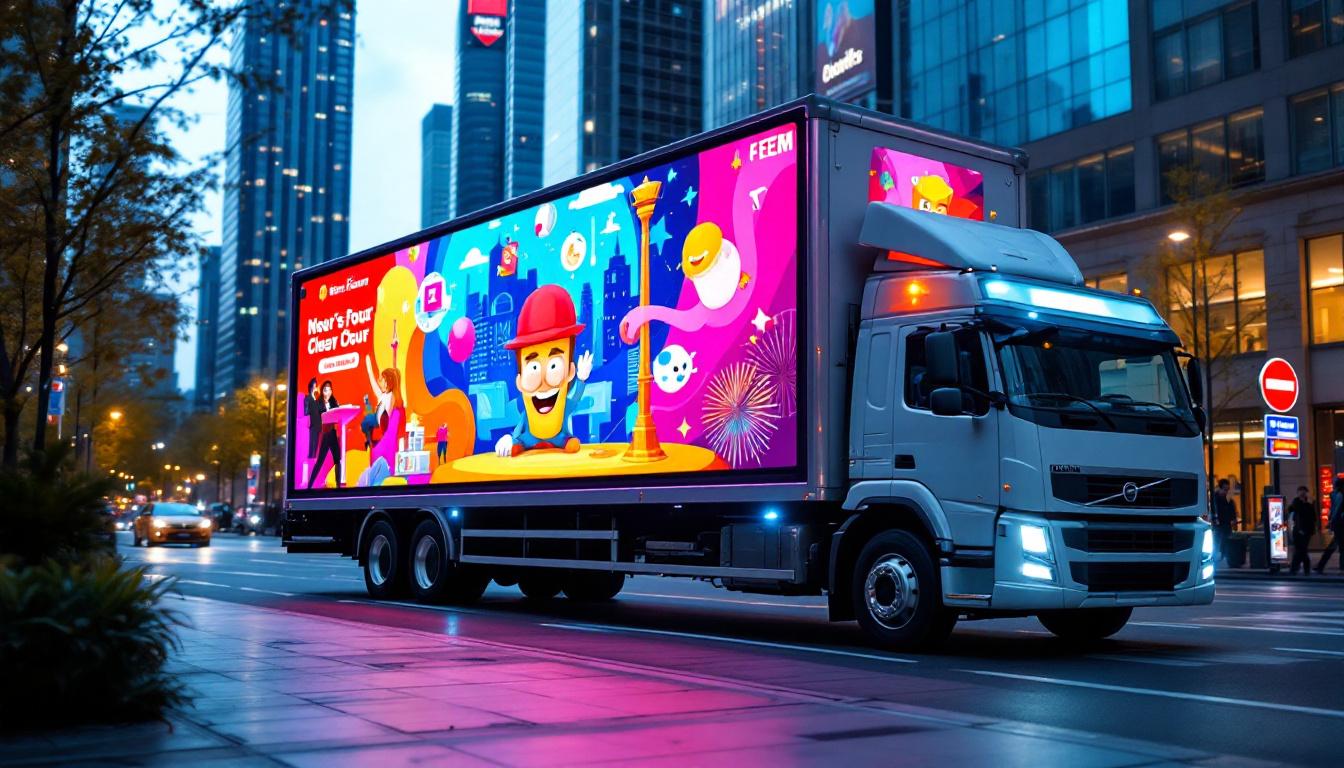
Mobile truck advertising involves outfitting vehicles—typically trucks or vans—with advertising content that is displayed while the vehicle is in motion or parked in strategic locations. Unlike traditional static billboards, mobile truck ads move through different areas, exposing the message to a wider and more varied audience.
This form of advertising leverages the mobility of vehicles to reach consumers in high-traffic zones, events, shopping centers, and urban neighborhoods. It’s particularly effective for local and regional campaigns where targeting specific geographic areas is crucial. The dynamic nature of mobile truck advertising allows brands to engage with potential customers in real-time, creating opportunities for interaction and immediate response.
Moreover, mobile truck advertising can be enhanced with digital screens that display changing messages or promotional videos, further capturing the attention of passersby. This adaptability not only showcases a brand’s creativity but also allows for timely updates, such as special offers or event announcements, making it a versatile tool in a marketer’s arsenal.
Why Choose Mobile Truck Advertising?
Several factors contribute to the growing popularity of mobile truck advertising:
- High Visibility: Trucks are large and can be positioned in prominent locations, ensuring the advertisement is seen by many.
- Flexibility: Campaigns can be adjusted quickly by changing routes, schedules, or locations to maximize reach.
- Cost-Effectiveness: Compared to traditional billboards or transit ads, mobile truck advertising often offers a lower cost per impression.
- Engagement: Moving ads tend to attract more attention than static ones, especially when combined with eye-catching visuals.
Additionally, mobile truck advertising can create a sense of urgency and excitement around a brand. For instance, when a truck is spotted at a local festival or community event, it can generate buzz and encourage spontaneous purchases. This immediacy is particularly beneficial for time-sensitive promotions, such as limited-time offers or new product launches.
Furthermore, the ability to track the movement and reach of mobile advertising campaigns through GPS and analytics tools allows businesses to measure effectiveness in real-time. This data-driven approach enables advertisers to refine their strategies, ensuring that they are not only reaching their target audience but also optimizing their advertising spend for maximum impact.
The Role of LED Displays in Mobile Truck Advertising
What Are LED Displays?
LED (Light Emitting Diode) displays are digital screens made up of numerous small light sources that emit bright, vibrant colors. These screens can display dynamic content such as videos, animations, and changing text, making them highly versatile for advertising purposes.
In mobile truck advertising, LED displays replace traditional printed vinyl wraps or static signs, offering advertisers the ability to update content instantly and showcase more engaging visuals. This capability not only enhances the aesthetic appeal of the advertisement but also allows brands to tell a more compelling story through moving images and sound, which can significantly increase viewer engagement and retention.
Advantages of Using LED Displays on Trucks
The integration of LED displays into mobile truck advertising presents several distinct advantages:
- Dynamic Content: Unlike static ads, LED displays can show multiple ads, rotate messages, and incorporate animations to capture attention.
- Real-Time Updates: Advertisers can change content remotely and instantly, allowing for timely promotions, event announcements, or emergency messages.
- High Brightness and Visibility: LED screens are bright enough to be seen clearly during the day and night, increasing exposure time.
- Energy Efficiency: Modern LED technology consumes less power compared to older digital display technologies, making it suitable for mobile applications.
- Weather Resistance: LED displays designed for outdoor use are built to withstand various weather conditions, ensuring durability.
Additionally, the ability to display high-definition video content allows brands to create immersive experiences that can resonate with audiences on a deeper level. For instance, a food truck can showcase its menu items in mouth-watering detail through vibrant visuals, enticing potential customers as they pass by. The interactivity of these displays can also be leveraged for promotional events, where viewers can engage with the content through social media or QR codes, further bridging the gap between digital and physical advertising.
Technical Considerations for LED Truck Displays
Implementing LED displays on mobile trucks requires attention to several technical factors to ensure optimal performance:
- Screen Resolution and Pixel Pitch: Pixel pitch refers to the distance between individual LEDs. A smaller pixel pitch means higher resolution and sharper images, which is important for close viewing distances.
- Screen Size and Placement: The size of the LED display must be balanced with the truck’s dimensions and visibility requirements. Placement should maximize exposure without compromising vehicle safety.
- Power Supply and Management: LED screens require a reliable power source. Many trucks use onboard generators or battery systems designed to support the display’s energy needs.
- Content Management Systems (CMS): Sophisticated software platforms allow advertisers to schedule, update, and monitor content remotely, enhancing campaign flexibility.
- Regulatory Compliance: Depending on the region, there may be regulations governing the brightness, size, and content of mobile digital ads to ensure driver safety and reduce distractions.
Moreover, the integration of advanced technologies such as artificial intelligence can further enhance the effectiveness of LED displays. AI-driven analytics can help advertisers understand viewer demographics and behaviors, allowing for more targeted and personalized advertising strategies. This data can inform decisions about when and where to deploy mobile truck advertising, ensuring that brands reach their ideal audience at the right time. Additionally, the use of sensors can enable displays to adjust brightness based on ambient light conditions, optimizing visibility while conserving energy.
Maximizing the Impact of Mobile LED Truck Advertising
Designing Effective Content for LED Displays
Creating compelling content for LED truck displays requires a strategic approach that considers the unique viewing conditions and audience behavior:
- Keep It Simple: Given that viewers often see mobile ads briefly, messages should be concise and easy to understand at a glance.
- Use Bold Colors and High Contrast: Bright, contrasting colors improve readability and catch the eye.
- Incorporate Motion: Animations and video clips can enhance engagement but should avoid overwhelming viewers.
- Highlight Calls to Action: Clear instructions such as “Visit Today” or “Call Now” encourage immediate responses.
- Test Visibility: Content should be tested under different lighting conditions and viewing distances to ensure clarity.
Strategic Route Planning and Timing
The effectiveness of mobile truck advertising depends heavily on where and when the truck operates. Strategic planning can significantly boost campaign results:
- Target High-Traffic Areas: Routes should include busy streets, commercial districts, and event venues to maximize impressions.
- Consider Audience Demographics: Tailoring routes to areas frequented by the target audience increases relevance and engagement.
- Optimize Timing: Scheduling runs during peak hours, such as rush hour or lunchtime, ensures maximum exposure.
- Leverage Events and Promotions: Positioning trucks near events or sales can amplify campaign impact.
Measuring Campaign Success
Tracking the effectiveness of mobile LED truck advertising is essential for justifying investment and optimizing future campaigns. Key performance indicators (KPIs) include:
- Impressions: Estimations of how many people saw the ad, often calculated using traffic data and route analytics.
- Engagement: Metrics such as website visits, social media interactions, or direct inquiries linked to the campaign.
- Return on Investment (ROI): Comparing campaign costs against generated leads or sales.
- Audience Feedback: Surveys or focus groups can provide qualitative insights into ad recall and brand perception.
Current Trends and Future Outlook
Technological Innovations
Advancements in LED technology continue to enhance the capabilities of mobile truck advertising. Higher resolution screens, improved energy efficiency, and integration with artificial intelligence (AI) for content personalization are shaping the future of this medium.
Additionally, the incorporation of sensors and cameras allows for interactive advertising experiences, where content can adapt based on audience demographics or environmental factors in real-time.
Environmental and Regulatory Considerations
As cities become more conscious of environmental impact, mobile advertising companies are exploring electric or hybrid vehicles equipped with LED displays to reduce carbon footprints. This aligns with broader sustainability goals and can improve brand image.
Regulatory frameworks are also evolving to address concerns about driver distraction and light pollution. Advertisers must stay informed about local laws to ensure compliance and avoid penalties.
Integration with Multichannel Campaigns
Mobile LED truck advertising is increasingly being integrated with broader marketing strategies, including social media, mobile apps, and experiential events. QR codes and NFC (Near Field Communication) technology embedded in digital ads enable seamless interaction between physical and digital platforms, enhancing consumer engagement.
Conclusion
Mobile truck advertising enhanced with LED display technology represents a powerful tool for brands seeking to stand out in crowded markets. Its combination of mobility, dynamic content, and high visibility offers unparalleled opportunities to reach diverse audiences effectively.
By understanding the technical aspects, designing impactful content, and strategically planning campaigns, advertisers can maximize the benefits of this innovative medium. As technology and regulations evolve, staying informed and adaptable will be key to leveraging mobile LED truck advertising for sustained marketing success.
Illuminate Your Brand with LumenMatrix
Ready to transform your advertising strategy and illuminate the streets with your message? LumenMatrix is at the forefront of LED display innovation, offering a wide array of solutions from Indoor and Outdoor LED Wall Displays to dynamic Vehicle LED Displays and beyond. Embrace the power of cutting-edge visual technology to captivate your audience and communicate with impact. Check out LumenMatrix LED Display Solutions today and take the first step towards revolutionizing your brand’s visibility.