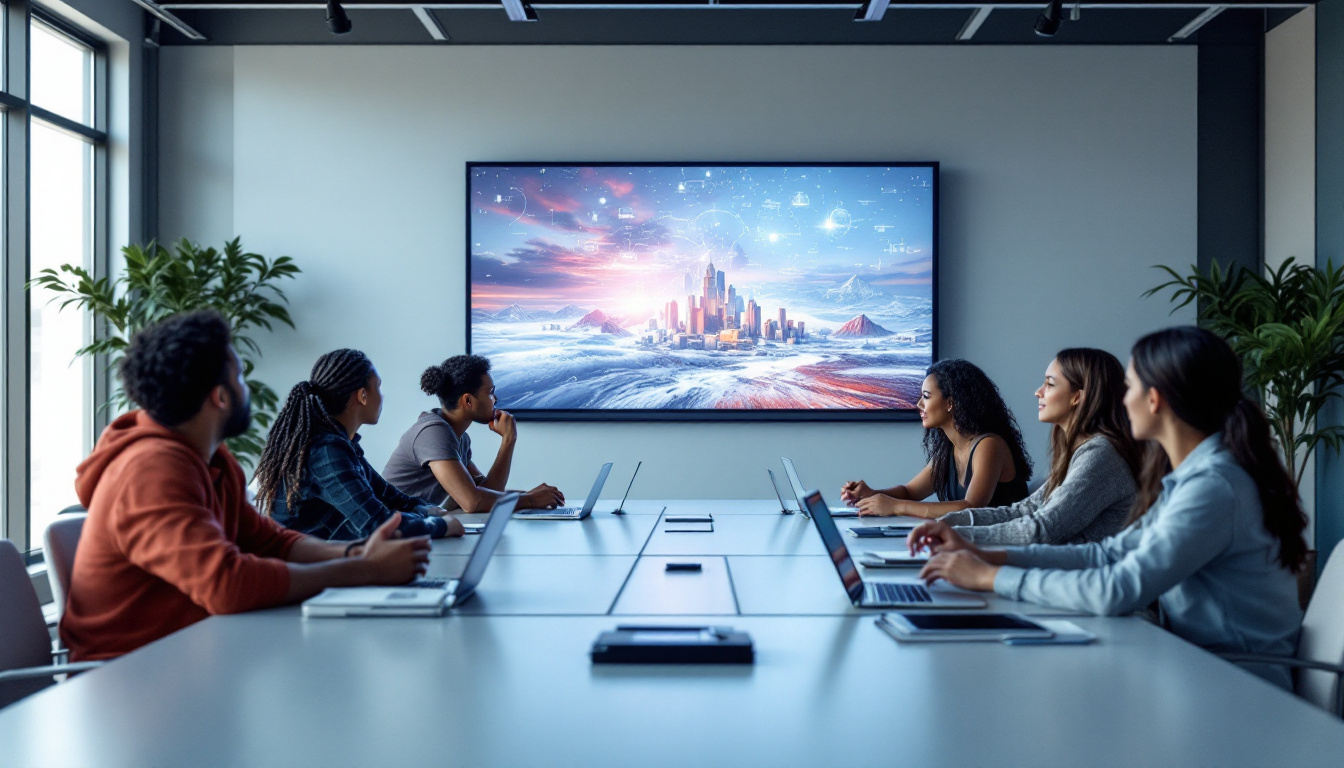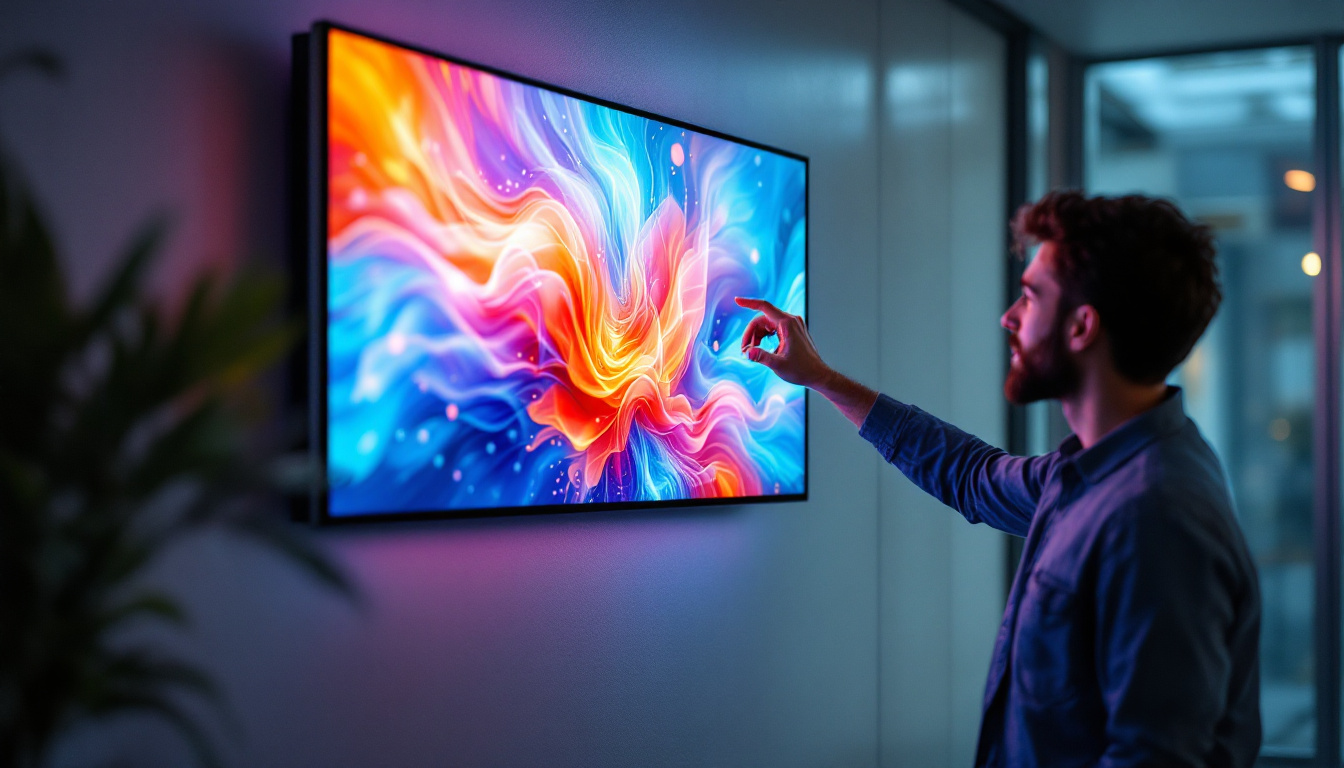
In the evolving landscape of educational infrastructure, modular classrooms have emerged as a flexible and cost-effective solution to meet growing demands. Among the many technological enhancements integrated into these spaces, LED displays stand out for their ability to transform learning environments. This article delves into the intersection of modular classrooms and LED display technology, explaining the benefits, types, and considerations for buyers interested in modular classrooms equipped with LED displays.
Understanding Modular Classrooms: A Modern Educational Solution
Modular classrooms are prefabricated structures designed to provide additional learning space quickly and efficiently. Unlike traditional construction, modular classrooms are built off-site in controlled environments and then transported to the school location for assembly. This method significantly reduces construction time and disruption to existing school operations.
According to the Modular Building Institute, modular construction can reduce building time by up to 50%, making it an attractive option for schools facing sudden enrollment increases or undergoing renovations. Additionally, modular classrooms offer flexibility in design, allowing for customization to meet specific educational needs.
Beyond speed and flexibility, modular classrooms are often more cost-effective. The ability to reuse or relocate these structures adds to their long-term value, especially for districts with fluctuating student populations. As technology becomes an integral part of education, modular classrooms are increasingly being outfitted with advanced tools such as LED displays to enhance teaching and learning experiences.
Moreover, the environmental impact of modular classrooms is becoming a significant consideration for many educational institutions. These structures are often designed with sustainability in mind, utilizing eco-friendly materials and energy-efficient systems. Many modular classrooms incorporate features such as solar panels and green roofs, which not only reduce the carbon footprint but also serve as educational tools themselves, teaching students about sustainability and environmental stewardship. This focus on green building practices aligns with the growing trend of schools aiming to foster a culture of environmental awareness among students.
In addition to their physical benefits, modular classrooms can also contribute positively to the social dynamics within schools. These spaces can be designed to promote collaboration and interaction among students, featuring open layouts and movable furniture that encourages group work and creative thinking. By providing a versatile environment, modular classrooms can adapt to various teaching styles and learning activities, from traditional lectures to hands-on projects, ensuring that they meet the diverse needs of today’s learners. This adaptability not only enhances the educational experience but also helps to create a more inclusive atmosphere where all students can thrive.
The Role of LED Displays in Modern Classrooms
What Are LED Displays?
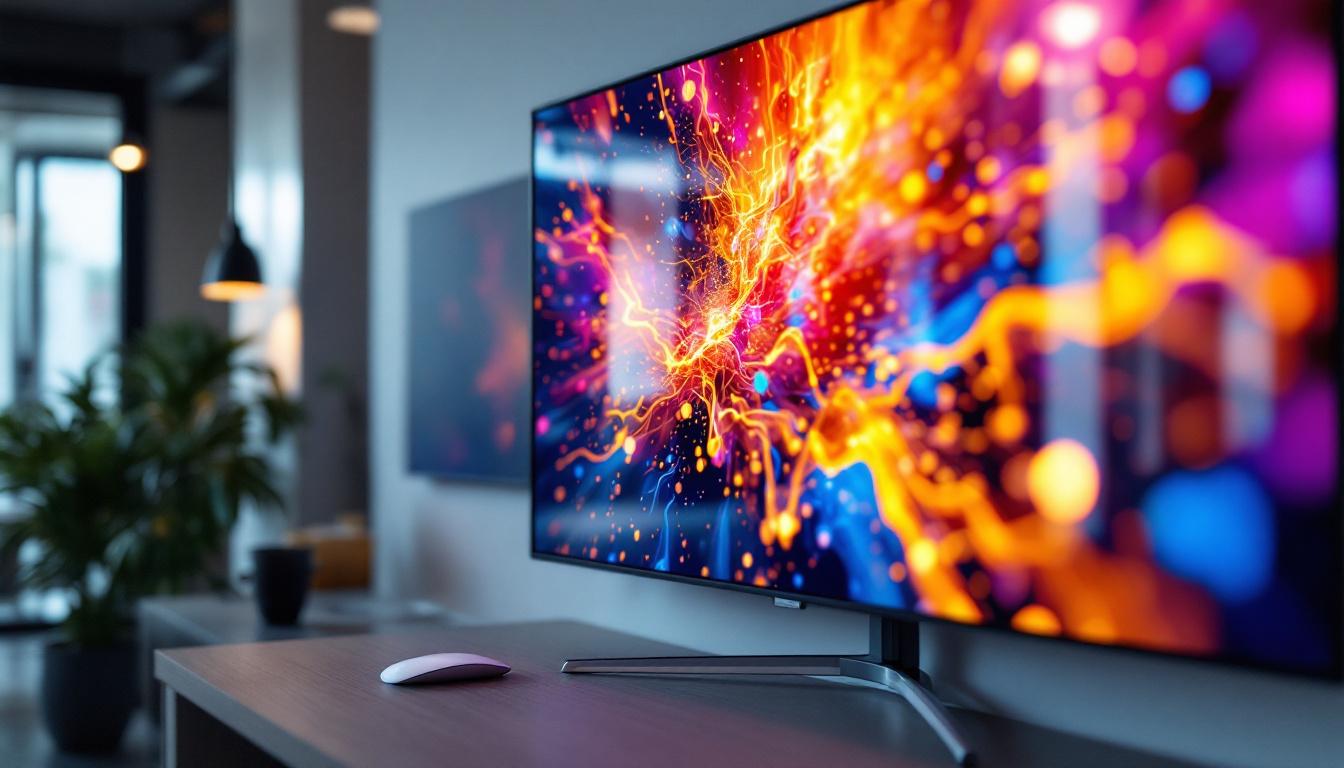
LED (Light Emitting Diode) displays are screens that use light-emitting diodes to produce bright, high-resolution images. They come in various sizes and configurations, from small interactive panels to large video walls. In educational settings, LED displays serve multiple functions including presentations, interactive lessons, digital signage, and video conferencing.
The advantages of LED technology include superior brightness, energy efficiency, and durability compared to traditional LCD or projector-based systems. These qualities make LED displays particularly suitable for classrooms where visibility and reliability are critical. Moreover, the rapid advancements in LED technology have led to improvements in color accuracy and response time, making them ideal for displaying dynamic content such as videos and animations that can enhance the learning experience.
Benefits of LED Displays in Modular Classrooms
Integrating LED displays into modular classrooms offers several key benefits:
- Enhanced Visibility: LED displays provide vivid and clear images even in well-lit rooms, ensuring all students can see the content regardless of seating position.
- Interactive Learning: Many LED displays support touch functionality, enabling interactive lessons that engage students more effectively than static boards.
- Durability and Longevity: LED panels are robust and have longer lifespans, reducing maintenance costs over time.
- Energy Efficiency: LED technology consumes less power, aligning with sustainability goals increasingly prioritized by educational institutions.
- Flexibility: LED displays can be easily integrated with various educational software and devices, supporting multimedia content and remote learning.
These benefits collectively contribute to a more dynamic and adaptable learning environment, which is especially valuable in modular classrooms where space and resources may be limited. Additionally, the ability to display real-time data and information can facilitate better communication among students and teachers. For instance, educators can showcase live results from quizzes or polls, fostering a more interactive and responsive classroom atmosphere. Furthermore, the integration of LED displays allows for the incorporation of diverse teaching methods, catering to various learning styles and preferences, which can significantly enhance student engagement and retention of information.
Moreover, the use of LED displays in classrooms can extend beyond traditional teaching methods. They can be utilized for collaborative projects, where students can work together on presentations or research, sharing their findings in a visually appealing format. This not only promotes teamwork but also helps students develop essential skills such as critical thinking, problem-solving, and digital literacy. As educational institutions continue to embrace technology, the role of LED displays is likely to evolve, paving the way for innovative teaching strategies that prepare students for a rapidly changing world.
Types of LED Displays Suitable for Modular Classrooms
Direct View LED Displays
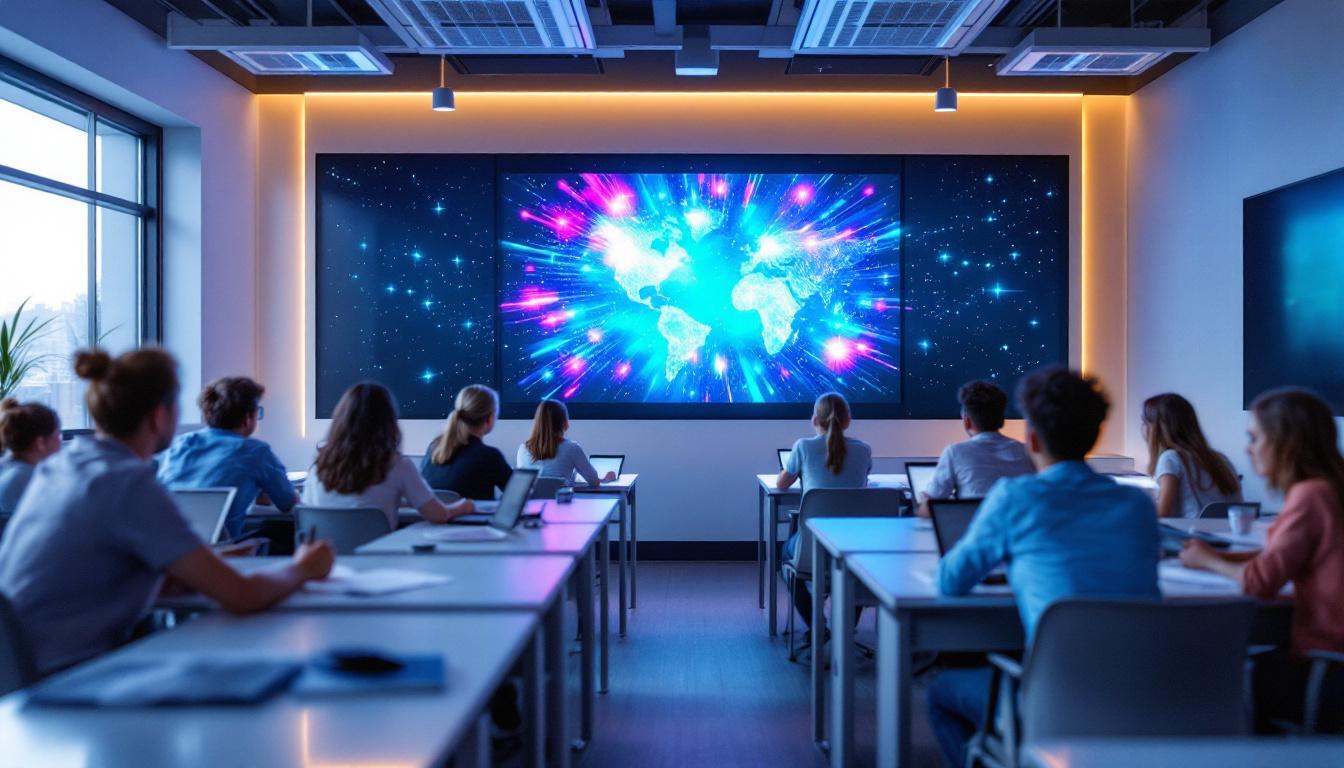
Direct view LED displays consist of individual LED modules that combine to form a seamless large screen. These are ideal for classrooms requiring large-format displays for presentations or digital signage. Their high brightness and contrast ratios make them visible under various lighting conditions.
However, direct view LED displays tend to be more expensive and require professional installation, which might be a consideration for budget-conscious schools.
LED-Backlit LCD Displays
LED-backlit LCD screens use LEDs as a backlight source for LCD panels. These are commonly found in interactive whiteboards and digital monitors used in classrooms. They offer high resolution and color accuracy at a lower cost compared to direct view LED walls.
These displays are versatile and can be mounted on walls or integrated into desks, making them suitable for modular classrooms where space optimization is important.
Interactive LED Panels
Interactive LED panels combine touch screen technology with LED display benefits. They allow teachers and students to write, draw, and manipulate content directly on the screen, fostering collaboration and engagement.
These panels are increasingly popular in modern classrooms due to their ability to support diverse teaching methods and digital learning tools.
Key Considerations When Purchasing Modular Classrooms with LED Displays
Assessing Educational Needs
Before investing in a modular classroom with an LED display, it is essential to evaluate the specific educational requirements. Factors such as class size, subject matter, and teaching style influence the choice of display technology.
For example, STEM-focused classrooms may benefit from interactive LED panels that support complex simulations and collaborative projects, while general-purpose classrooms might prioritize large direct view LED displays for multimedia presentations.
Budget and Total Cost of Ownership
While LED displays offer many advantages, they also represent a significant investment. Schools should consider not only the initial purchase price but also installation, maintenance, and potential upgrades. Energy efficiency can offset some costs over time, but a clear understanding of total cost of ownership is crucial.
Additionally, modular classrooms themselves vary in price depending on size, materials, and customization options. Bundling modular classroom purchases with LED display installations may provide cost savings through integrated planning.
Space and Layout Constraints
Modular classrooms often have limited space, so the size and placement of LED displays must be carefully planned. Wall-mounted displays save floor space but require structural support. Portable or mobile LED units offer flexibility but may compromise on screen size or stability.
Acoustic considerations and ambient lighting conditions also impact display effectiveness. Consulting with architects or educational technology specialists can help optimize classroom layout for LED integration.
Connectivity and Compatibility
Ensuring that LED displays are compatible with existing school technology infrastructure is vital. Displays should support common input sources such as HDMI, USB, and wireless connectivity to facilitate seamless integration with laptops, tablets, and other devices.
Moreover, compatibility with educational software platforms and content management systems enhances the utility of LED displays, enabling teachers to deliver rich, interactive lessons.
Case Studies: Successful Integration of LED Displays in Modular Classrooms
Urban School District Expands Capacity with Tech-Enabled Modular Classrooms
A large urban school district faced overcrowding due to rapid population growth. To address this, the district invested in modular classrooms equipped with interactive LED panels. The displays enabled teachers to conduct engaging lessons and facilitated remote learning during the pandemic.
Post-implementation surveys showed a 30% increase in student engagement and a 20% improvement in digital literacy skills, demonstrating the impact of combining modular construction with advanced display technology.
Rural School Enhances STEM Education with LED-Backlit LCD Displays
A rural school with limited resources purchased modular classrooms featuring LED-backlit LCD screens to support its expanding STEM curriculum. The bright, high-resolution displays allowed for detailed presentations and interactive experiments, overcoming previous limitations posed by outdated projectors.
The modular classrooms were designed for easy relocation, enabling the school to adapt to changing enrollment patterns. Teachers reported improved lesson delivery and student participation, highlighting the value of LED displays in flexible learning environments.
Future Trends: The Evolution of LED Displays in Educational Spaces
As technology advances, LED displays in modular classrooms are expected to become more sophisticated and affordable. Emerging trends include microLED technology, which offers even higher brightness and energy efficiency, and flexible LED panels that can conform to different shapes and surfaces.
Integration with augmented reality (AR) and virtual reality (VR) platforms is also on the horizon, promising immersive learning experiences that extend beyond traditional screen-based content. These innovations will likely drive further adoption of LED displays in modular classrooms worldwide.
Furthermore, the push for sustainable and green building practices is encouraging manufacturers to develop LED displays with lower environmental impact, aligning with broader educational goals of fostering environmental stewardship among students.
Conclusion
Modular classrooms equipped with LED displays represent a powerful combination of flexibility and technology that meets the dynamic needs of modern education. Understanding the types of LED displays available, their benefits, and key purchasing considerations can help educational institutions make informed decisions that enhance learning outcomes.
As schools continue to adapt to changing enrollment patterns and technological advancements, investing in modular classrooms with integrated LED displays offers a scalable, engaging, and future-proof solution. By embracing these innovations, educators can create vibrant learning environments that inspire and empower students.
Discover the Future of Learning with LumenMatrix
Ready to elevate your educational environment with the latest in LED display technology? Explore LumenMatrix’s comprehensive range of LED display solutions, designed to bring your modular classroom into the future. From interactive indoor walls to dynamic outdoor displays, our products are crafted to foster engagement and inspire learners. Check out LumenMatrix LED Display Solutions today and transform your educational space with clarity, impact, and innovation.