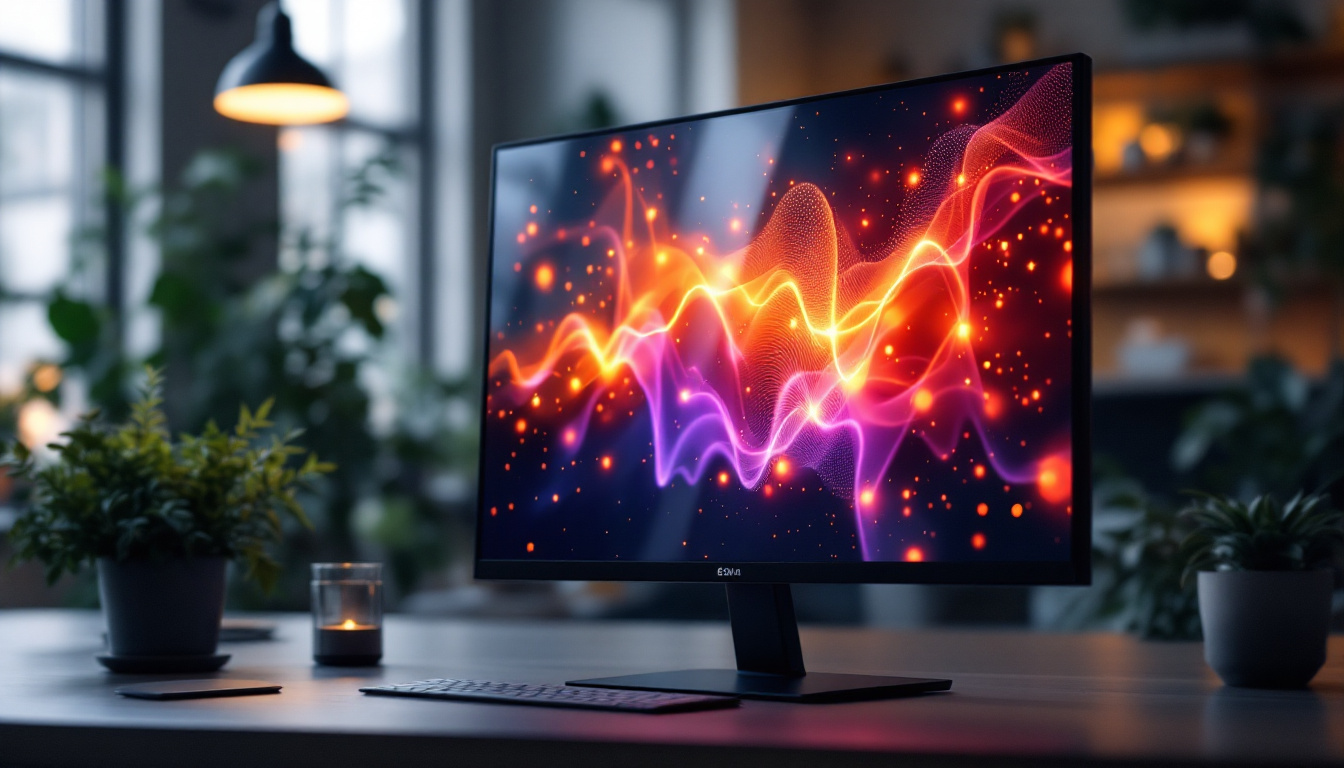
Monitor LCD Screen: LED Display Explained
In today’s digital era, computer monitors are essential tools for work, entertainment, and communication. Among the many types of displays available, LCD monitors with LED backlighting have become the industry standard due to their superior image quality, energy efficiency, and sleek design. However, the terminology surrounding these displays can often be confusing. What exactly is an LED display? How does it differ from traditional LCD screens? This article aims to demystify the technology behind LCD and LED monitors, exploring their components, advantages, and the latest trends shaping the future of display technology.
Understanding the Basics: What is an LCD Screen?
LCD stands for Liquid Crystal Display, a technology that has revolutionized the way images are presented on screens. Unlike older CRT (Cathode Ray Tube) monitors, LCDs use liquid crystals sandwiched between two layers of glass or plastic. These crystals do not emit light themselves but manipulate light passing through them to create images.
The liquid crystals in an LCD panel can be aligned in different orientations when an electric current is applied, controlling the amount of light that passes through each pixel. This ability to modulate light allows LCD screens to display sharp, vibrant images with high resolution. The technology has been widely adopted in devices ranging from smartphones and televisions to computer monitors and digital signage.
The Role of Backlighting in LCDs
Since liquid crystals do not produce light, LCD screens require a separate light source known as backlighting to illuminate the display. Early LCD monitors used Cold Cathode Fluorescent Lamps (CCFLs) for backlighting, which were bulky, consumed more power, and had limited lifespan. This changed with the advent of LED backlighting, which brought significant improvements in brightness, energy efficiency, and design flexibility.
LED backlighting utilizes light-emitting diodes, which are smaller and more efficient than traditional CCFLs. This advancement not only allowed for thinner and lighter displays but also enabled manufacturers to create screens with better color accuracy and contrast ratios. Additionally, the use of local dimming technology in LED backlighting enhances the overall viewing experience by allowing specific areas of the screen to be dimmed or brightened independently, resulting in deeper blacks and more vibrant colors. As a result, modern LCD screens can deliver an impressive visual performance that meets the demands of both casual viewers and professional content creators.
Moreover, the evolution of backlighting technology has led to the development of various LCD types, such as IPS (In-Plane Switching) and VA (Vertical Alignment) panels. IPS panels are known for their superior color reproduction and wide viewing angles, making them ideal for graphic design and photography. On the other hand, VA panels typically offer better contrast ratios, making them suitable for watching movies in darker environments. This diversity in LCD technology ensures that consumers can find a display that best fits their specific needs and preferences, further solidifying the LCD’s place in the modern digital landscape.
What is an LED Display? Clarifying the Terminology
The term “LED display” is often used interchangeably with LCD displays, which can cause confusion. To clarify, most consumer monitors marketed as “LED displays” are actually LCD screens that use LEDs (Light Emitting Diodes) as their backlight source instead of CCFLs.
True LED displays, such as those used in large outdoor billboards or advanced televisions, consist of individual LEDs that form the image directly. These are called OLED (Organic LED) or MicroLED displays and differ fundamentally from LCD technology. OLED displays, for instance, are known for their ability to produce deep blacks and vibrant colors due to their self-emissive nature, where each pixel generates its own light. This technology has revolutionized the way we experience visual media, providing an immersive viewing experience that is often favored by filmmakers and gamers alike.
LED Backlighting Explained
In an LED-backlit LCD monitor, a panel of LEDs provides the light that passes through the liquid crystal layer. These LEDs can be arranged in different ways:
- Edge-Lit LED: LEDs are positioned along the edges of the screen, and light is spread evenly across the display using light guides. This design allows for thinner monitors but can sometimes result in uneven brightness.
- Direct-Lit or Full-Array LED: LEDs are placed directly behind the screen in a grid pattern. This arrangement enables more uniform lighting and supports advanced features like local dimming, which enhances contrast by dimming specific areas of the screen.
Both configurations have their pros and cons, with full-array LED backlighting generally offering superior picture quality at a higher cost. Additionally, the choice between edge-lit and full-array LED can significantly impact the viewing experience, particularly in environments with varying lighting conditions. For example, edge-lit displays may struggle in bright rooms, whereas full-array models can maintain better visibility and color accuracy. Furthermore, the advancements in LED technology continue to evolve, with innovations such as Quantum Dot technology enhancing color reproduction and brightness levels, making modern displays more versatile and appealing for a wide range of applications.
Advantages of LED-Backlit LCD Monitors
Switching from CCFL to LED backlighting brought numerous benefits that have made LED-backlit LCD monitors the preferred choice for consumers and professionals alike.
Energy Efficiency and Environmental Impact
LED backlighting consumes significantly less power compared to CCFLs. According to the U.S. Department of Energy, LED-backlit displays can reduce energy consumption by up to 40% or more. This efficiency not only lowers electricity bills but also contributes to reduced carbon emissions, aligning with global sustainability goals.
Additionally, LEDs do not contain mercury, unlike CCFLs, making them safer to manufacture and dispose of, thus minimizing environmental hazards.
Improved Image Quality
LED backlighting enables brighter displays with better color accuracy and contrast ratios. Full-array LED monitors with local dimming can achieve deeper blacks and more vivid colors, enhancing the viewing experience for gaming, video editing, and professional design work.
Moreover, LED technology supports higher refresh rates and faster response times, which are critical for smooth motion rendering in fast-paced applications.
Design and Durability
LEDs are compact and generate less heat, allowing manufacturers to produce thinner, lighter monitors with sleek aesthetics. The reduced heat output also contributes to longer device lifespan and more reliable performance over time.
Key Features to Consider When Choosing an LED-Backlit LCD Monitor
With numerous models available in the market, selecting the right LED-backlit LCD monitor requires understanding which features impact performance and user experience the most.
Resolution and Screen Size
Resolution determines the sharpness and clarity of the display. Common resolutions include Full HD (1920×1080), Quad HD (2560×1440), and 4K Ultra HD (3840×2160). For professional photo or video editing, higher resolutions provide more detail and workspace.
Screen size preference varies based on use case. Typical sizes range from 21 inches for compact setups to 32 inches or larger for immersive gaming or multitasking environments.
Refresh Rate and Response Time
The refresh rate, measured in Hertz (Hz), indicates how many times the screen updates per second. Higher refresh rates (e.g., 120Hz, 144Hz, or even 240Hz) result in smoother motion, which is especially important for gaming and video playback.
Response time refers to how quickly a pixel changes color, with lower values (measured in milliseconds) reducing motion blur and ghosting effects.
Color Accuracy and Gamut
For creative professionals, color accuracy is paramount. Monitors that cover a wide color gamut, such as Adobe RGB or DCI-P3, and support hardware calibration ensure faithful color reproduction.
Connectivity and Ergonomics
Modern monitors offer various connectivity options including HDMI, DisplayPort, USB-C, and sometimes legacy ports like VGA or DVI. USB-C ports with Power Delivery are particularly useful for connecting laptops and charging devices simultaneously.
Ergonomic features such as adjustable height, tilt, swivel, and pivot enhance comfort during long work sessions.
Emerging Trends in LCD and LED Display Technology
The display industry continues to evolve rapidly, with innovations that enhance performance and user experience.
Mini-LED and MicroLED Backlighting
Mini-LED technology uses thousands of tiny LEDs as backlighting elements, enabling even more precise local dimming and improved contrast ratios. This technology bridges the gap between traditional LED-backlit LCDs and OLED displays, offering superior brightness and longevity without the risk of burn-in.
MicroLED displays take this concept further by using microscopic LEDs as individual pixels, eliminating the need for a separate backlight. Though still emerging, MicroLED promises exceptional brightness, color accuracy, and energy efficiency.
Quantum Dot Enhancement
Quantum Dot (QD) technology enhances LED-backlit LCD monitors by incorporating nanocrystals that emit pure, highly saturated colors when illuminated. QD displays deliver wider color gamuts and higher brightness levels, making them popular in premium monitors and TVs.
Adaptive Sync Technologies
Technologies like NVIDIA G-Sync and AMD FreeSync synchronize the monitor’s refresh rate with the graphics card’s output, reducing screen tearing and stuttering during gaming or video playback. These features are increasingly common in LED-backlit LCD monitors designed for gamers and multimedia enthusiasts.
Conclusion: Choosing the Right Monitor for Your Needs
Understanding the distinction between LCD and LED technologies is crucial for making an informed purchase decision. Most modern monitors labeled as “LED displays” are in fact LCD screens illuminated by LED backlighting, combining the strengths of both technologies.
LED-backlit LCD monitors offer excellent image quality, energy efficiency, and sleek designs suitable for a wide range of applications—from office productivity and creative work to immersive gaming and entertainment. Emerging technologies like Mini-LED, Quantum Dot, and adaptive sync continue to push the boundaries of what these displays can achieve.
When selecting a monitor, consider factors such as resolution, refresh rate, color accuracy, connectivity, and ergonomics to ensure the device aligns with your specific needs. Staying informed about the latest advancements will help you invest in a display that delivers exceptional performance and longevity.
With the right knowledge, choosing the perfect LED-backlit LCD monitor becomes a straightforward process, empowering users to enjoy crisp visuals and vibrant colors in every digital experience.
Discover Cutting-Edge LED Display Solutions with LumenMatrix
As you consider upgrading to an LED-backlit LCD monitor, why not explore the forefront of LED display technology with LumenMatrix? Our commitment to innovation ensures that you’ll find the most advanced LED display modules, tailored to a variety of settings, from vibrant Indoor LED Walls to dynamic Outdoor LED Displays, and beyond. Whether you’re looking to enhance your brand’s visibility or create an unforgettable visual experience, LumenMatrix has a solution for you. Check out LumenMatrix LED Display Solutions today and see how we can help you communicate your message with unparalleled impact and precision.