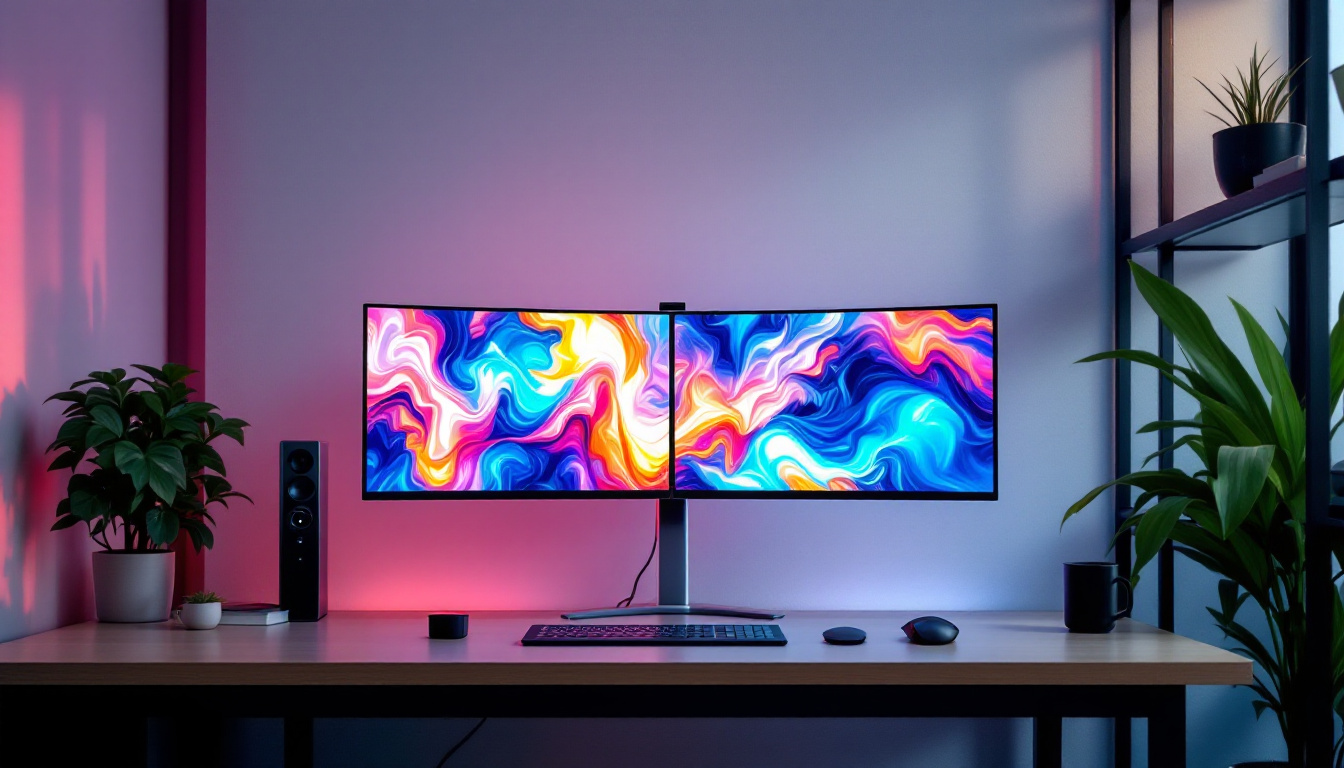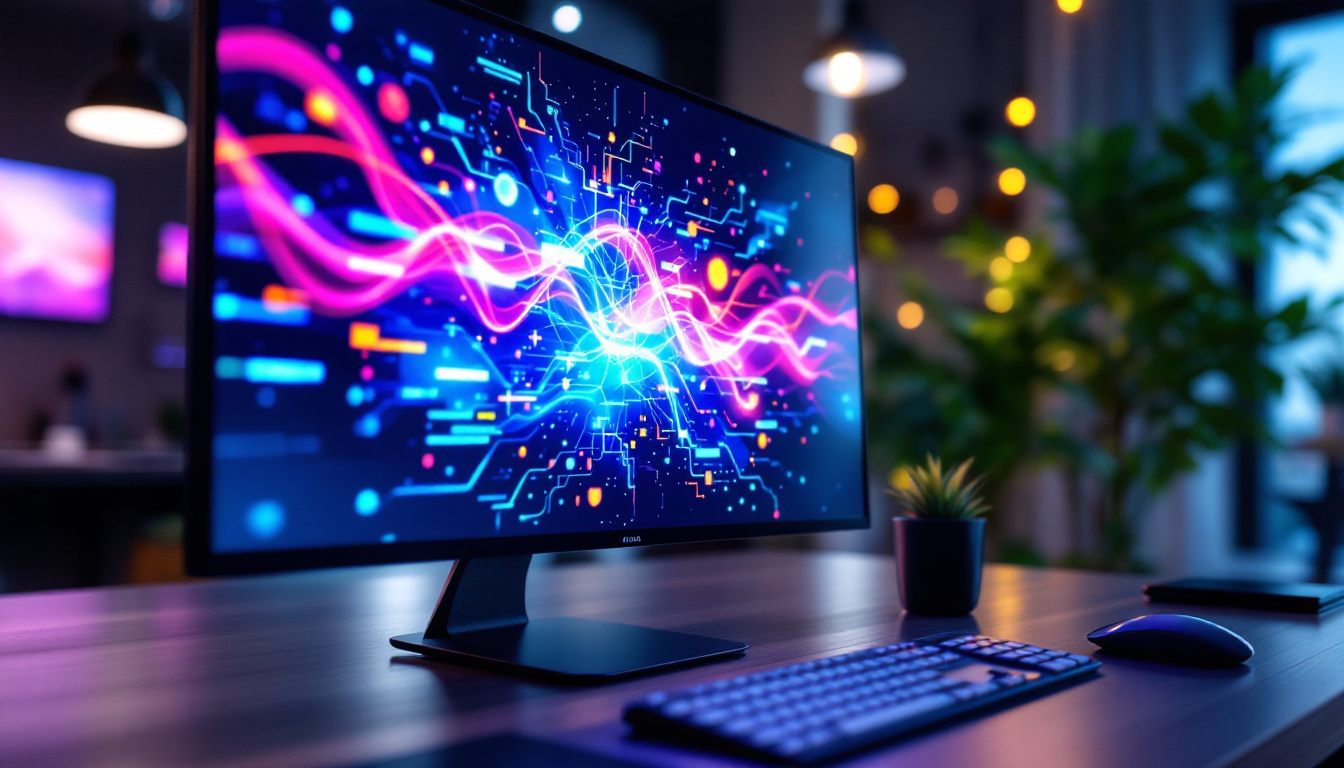
In today’s digital workspace, multiple monitors have become the norm rather than the exception. Whether for productivity, gaming, or creative work, managing several displays efficiently is crucial. However, users often encounter a perplexing issue where their computer cannot assign a monitor stand or LED display properly, leading to confusion and frustration. This article delves into the common causes behind the “Monitor Stand Can’t Assign” error, explores the intricacies of LED display technology, and offers practical solutions to ensure seamless multi-monitor setups.
Understanding the “Monitor Stand Can’t Assign” Issue
At first glance, the phrase “Monitor Stand Can’t Assign” might sound like a hardware problem involving the physical stand of a monitor. In reality, it typically refers to a software or driver-level issue where the operating system or graphics card fails to recognize or properly assign a connected LED display within a multi-monitor setup.
This problem manifests in various ways: the monitor might show a black screen, display an error message, or simply not appear in the display settings. Users may find themselves unable to extend or duplicate their desktop onto the LED display, effectively rendering the monitor unusable until the issue is resolved.
Common Symptoms of the Problem
- Monitor not detected in display settings despite being physically connected.
- “Can’t assign” or similar error messages when attempting to configure displays.
- Flickering or intermittent display output on the LED screen.
- Resolution or refresh rate settings not applying correctly to the LED display.
These symptoms can occur on Windows, macOS, or Linux systems, and are often related to driver conflicts, hardware compatibility, or connection issues. For instance, users might experience frustration when a newly purchased monitor fails to sync with their existing setup, leading to wasted time and resources. Additionally, the issue may arise after a system update, where the new drivers inadvertently disrupt the previous configurations, leaving users scrambling to find solutions.
Moreover, understanding the underlying causes can help in troubleshooting the issue effectively. Common culprits include outdated graphics drivers, faulty cables, or even incorrect display settings that need to be adjusted. In some cases, users might need to delve into their graphics card settings or even reset their display configurations entirely. By systematically addressing each potential factor, users can often restore functionality to their multi-monitor setups without the need for professional assistance.
The Role of LED Displays in Modern Computing
LED (Light Emitting Diode) displays have revolutionized the way users interact with their computers. Compared to older LCD or CRT monitors, LED displays offer superior brightness, energy efficiency, and color accuracy. Understanding the technology behind LED displays helps clarify why certain assignment issues arise.
What Makes LED Displays Different?
LED displays use an array of light-emitting diodes as a backlight source for LCD panels or as individual pixels in OLED (Organic LED) technology. This results in thinner screens, better contrast ratios, and faster response times. Most modern monitors, including those used in multi-monitor setups, utilize LED backlighting.
Because LED displays rely heavily on precise timing signals and power delivery, any disruption in the communication between the computer’s graphics card and the monitor can cause the display to fail to initialize properly.
Compatibility Considerations
Not all LED displays are created equal. Variations in resolution (1080p, 1440p, 4K), refresh rates (60Hz, 120Hz, 144Hz), and interface standards (HDMI, DisplayPort, USB-C) can impact how a system assigns and manages these monitors. For instance, a 4K LED display at 144Hz demands more bandwidth and processing power than a standard 1080p monitor, which can strain older graphics cards or incompatible drivers.
Additionally, some LED monitors come with built-in USB hubs, KVM switches, or other peripherals that require additional driver support, complicating the assignment process further.
Diagnosing the Root Causes of Assignment Failures
Resolving the “Monitor Stand Can’t Assign” problem requires a systematic approach to identify the underlying cause. The issue can stem from hardware, software, or configuration errors.
Hardware Issues
Physical connections are the foundation of any multi-monitor setup. Common hardware-related causes include:
- Faulty cables or ports: Damaged HDMI, DisplayPort, or USB-C cables can interrupt the signal. Testing with different cables or ports can isolate the problem.
- Incompatible adapters: Using passive adapters to convert signals (e.g., DisplayPort to HDMI) may not support certain resolutions or refresh rates, leading to assignment failures.
- Graphics card limitations: Older or lower-end GPUs may not support multiple high-resolution LED displays simultaneously.
Software and Driver Conflicts
Software plays a pivotal role in monitor detection and assignment. Key software-related issues include:
- Outdated or corrupted drivers: Graphics drivers that are not up-to-date or improperly installed can prevent the system from recognizing connected LED displays.
- Operating system bugs: Occasionally, OS updates introduce bugs affecting multi-monitor support, necessitating patches or workarounds.
- Third-party software interference: Utilities that manage display settings or GPU overclocking tools may conflict with native display management.
Configuration and Settings Errors
Sometimes, the issue lies in incorrect settings rather than hardware or software faults:
- Incorrect display mode: Attempting to extend or duplicate displays without proper configuration can cause assignment errors.
- Resolution mismatches: Setting a resolution or refresh rate unsupported by the LED display may prevent it from activating.
- Multiple display profiles: Conflicting profiles saved from previous setups can confuse the system’s display manager.
Step-by-Step Solutions to Fix Monitor Assignment Issues
Addressing the “Monitor Stand Can’t Assign” error involves a combination of troubleshooting steps. The following guide outlines practical solutions to restore proper LED display functionality.
1. Verify Physical Connections
Start by checking all cables and ports. Unplug and reconnect the monitor, ensuring a snug fit. If possible, swap cables or try different ports on both the monitor and the computer.
Using certified cables that meet the required standards for your display’s resolution and refresh rate is essential. For example, a 4K monitor at 60Hz requires HDMI 2.0 or DisplayPort 1.2 or higher.
2. Update Graphics Drivers
Visit the official website of your GPU manufacturer (such as NVIDIA, AMD, or Intel) and download the latest drivers. Installing updated drivers often resolves compatibility and detection issues.
After installation, restart your computer to ensure changes take effect. Avoid using generic or outdated drivers provided by the operating system unless no manufacturer-specific drivers are available.
3. Adjust Display Settings
Open your operating system’s display settings panel and manually detect monitors. On Windows, this can be done via Settings > System > Display > Detect. On macOS, use System Preferences > Displays > Detect Displays.
Try setting the display mode to “Extend” or “Duplicate” as needed. Also, verify that the resolution and refresh rate match the LED display’s specifications. If unsure, start with standard settings like 1920×1080 at 60Hz.
4. Disable Conflicting Software
Temporarily disable any third-party display management tools, GPU overclocking utilities, or screen recording software that might interfere with display assignment. Restart the system and check if the LED display is recognized.
5. Reset Display Profiles
Sometimes, clearing saved display profiles can help. On Windows, this may involve deleting registry entries related to display configurations (with caution). On macOS, resetting the NVRAM/PRAM can clear display settings.
Backing up important data before making such changes is recommended to avoid unintended consequences.
6. Test with Another Device
To rule out monitor hardware faults, connect the LED display to a different computer or laptop. If the monitor works correctly elsewhere, the issue likely resides with the original computer’s hardware or software.
Advanced Considerations for Complex Setups
For users with sophisticated multi-monitor arrangements, additional factors may influence display assignment and functionality.
Using Docking Stations and USB-C Hubs
Many modern laptops rely on docking stations or USB-C hubs to connect multiple monitors. These devices introduce another layer where signal conversion and power delivery occur. Incompatible or low-quality docks can cause assignment failures or degraded performance.
Ensuring that the dock supports the desired number of displays at the required resolutions is crucial. Firmware updates for docks and hubs can also improve compatibility.
Multi-GPU Systems
Systems equipped with multiple graphics cards or hybrid GPU setups (integrated plus discrete) may experience conflicts in display assignment. Configuring which GPU drives which monitor via BIOS settings or GPU control panels can resolve such issues.
Enterprise and Professional Environments
In corporate or professional settings, IT policies, group policies, or remote desktop configurations can restrict or complicate monitor assignments. Consulting with IT support and ensuring compliance with organizational standards is advisable.
Preventing Future Monitor Assignment Problems
Proactive measures can minimize the likelihood of encountering “Monitor Stand Can’t Assign” errors in the future.
Choose Compatible Hardware
When purchasing monitors and peripherals, verify compatibility with your computer’s hardware and operating system. Opt for reputable brands with good driver support and clear specifications.
Keep Software Updated
Regularly update your operating system, graphics drivers, and firmware for monitors and docking stations. Staying current helps avoid bugs and improves performance.
Maintain Organized Display Profiles
Document your multi-monitor configurations and avoid frequent, unnecessary changes. This practice helps maintain stable settings and simplifies troubleshooting if issues arise.
Conclusion
The “Monitor Stand Can’t Assign” issue often masks deeper challenges in managing LED displays within multi-monitor setups. By understanding the technology behind LED monitors, recognizing common symptoms, and following a structured troubleshooting approach, users can overcome these hurdles efficiently.
Whether it’s updating drivers, verifying hardware compatibility, or adjusting system settings, each step contributes to a stable and productive multi-display environment. As LED display technology continues to evolve, staying informed and proactive remains the key to seamless visual experiences.
Explore Cutting-Edge LED Display Solutions with LumenMatrix
Ready to elevate your multi-monitor setup and resolve any display assignment issues with ease? Discover LumenMatrix’s innovative LED display technology, designed to enhance your brand visibility and create immersive visual experiences. From Indoor and Outdoor LED Wall Displays to specialized solutions like Vehicle and Sports LED Displays, LumenMatrix offers a wide array of products to meet your needs. Embrace the future of visual communication with our state-of-the-art LED displays. Check out LumenMatrix LED Display Solutions today and transform the way you share your message.