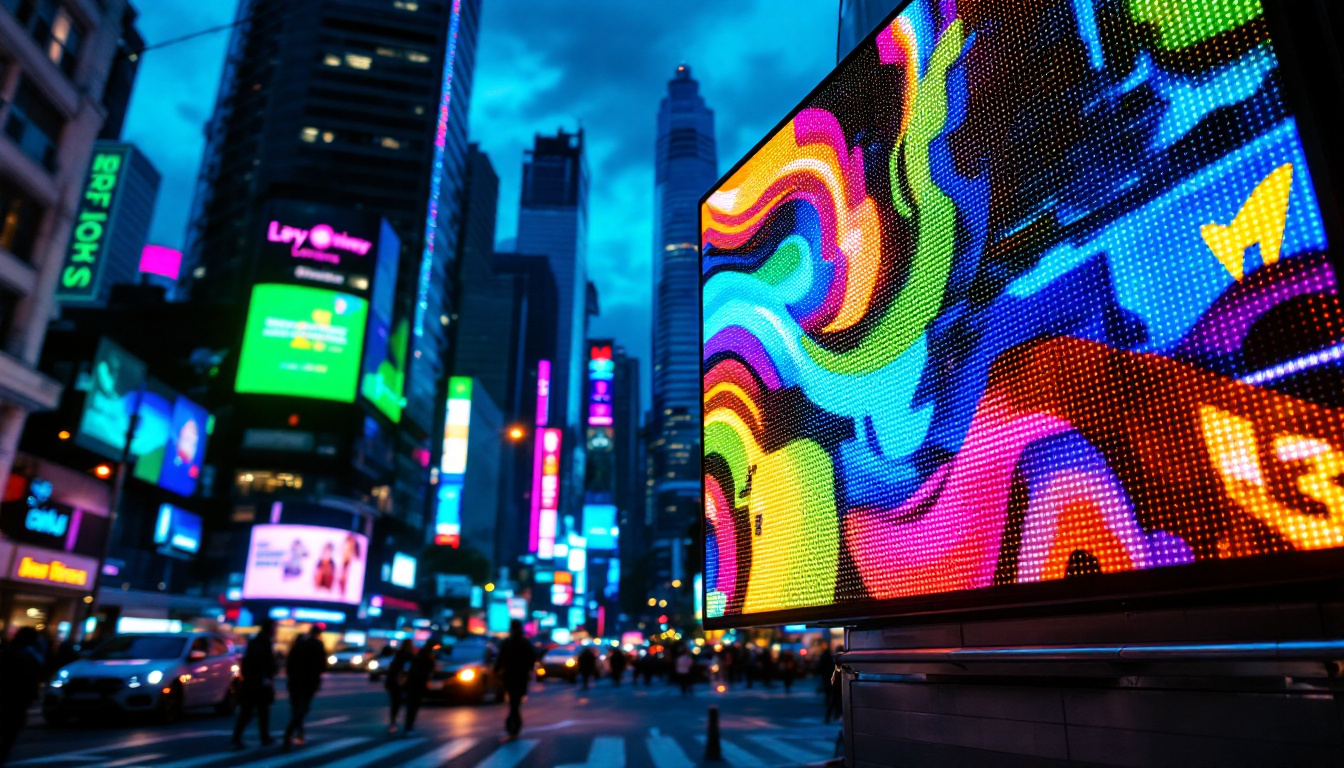
In today’s fast-paced world, capturing attention quickly and effectively is crucial for businesses, public institutions, and event organizers alike. LED displays have emerged as a leading solution for dynamic, bright, and versatile signage. From storefront advertising to stadium scoreboards, LED technology is reshaping how information is communicated visually. This article delves into the fundamentals of LED displays, their types, advantages, and practical applications, providing a comprehensive understanding for anyone considering this impactful signage option.
Understanding LED Display Technology
What Is an LED Display?
LED stands for Light Emitting Diode, a semiconductor device that emits light when an electric current passes through it. An LED display is a flat panel or screen that uses these tiny diodes as pixels to create images, videos, and text. Unlike traditional display technologies such as LCD or plasma, LED displays use direct light emission, which results in brighter and more vibrant visuals.
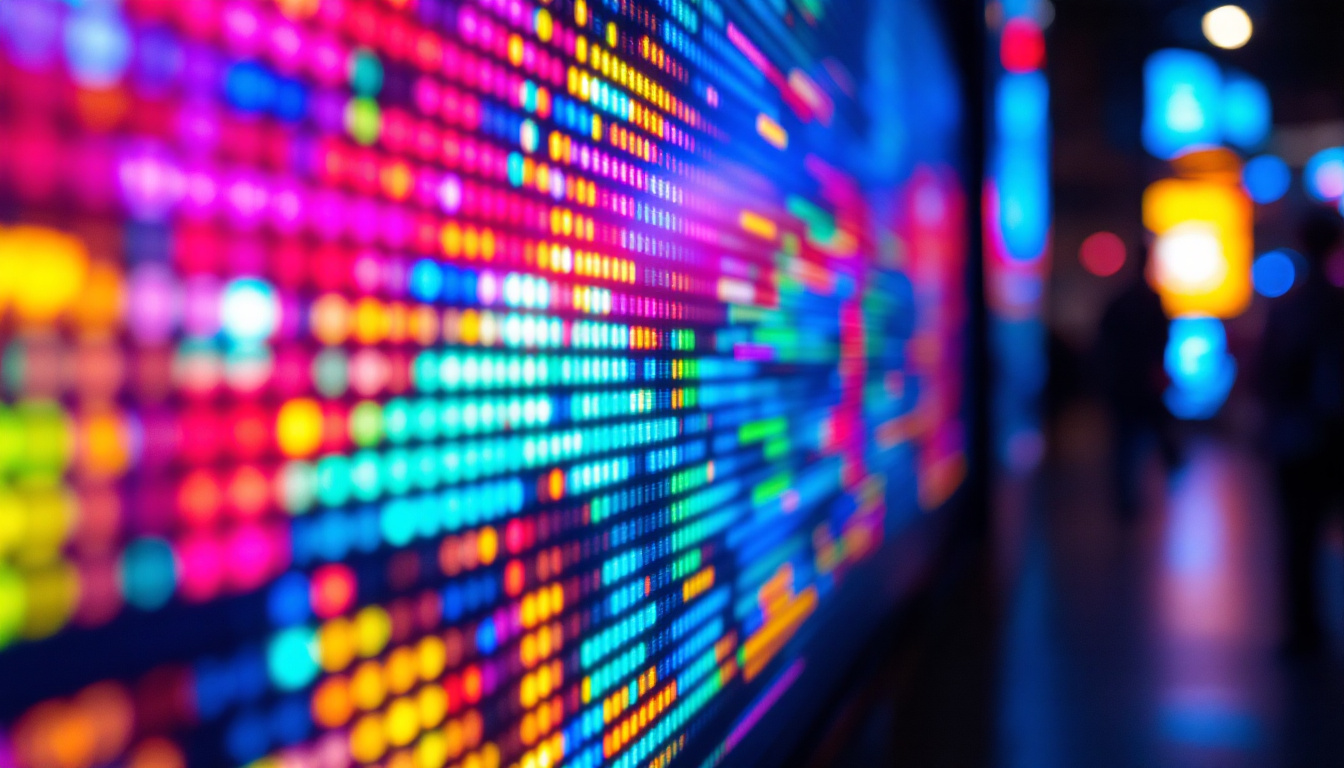
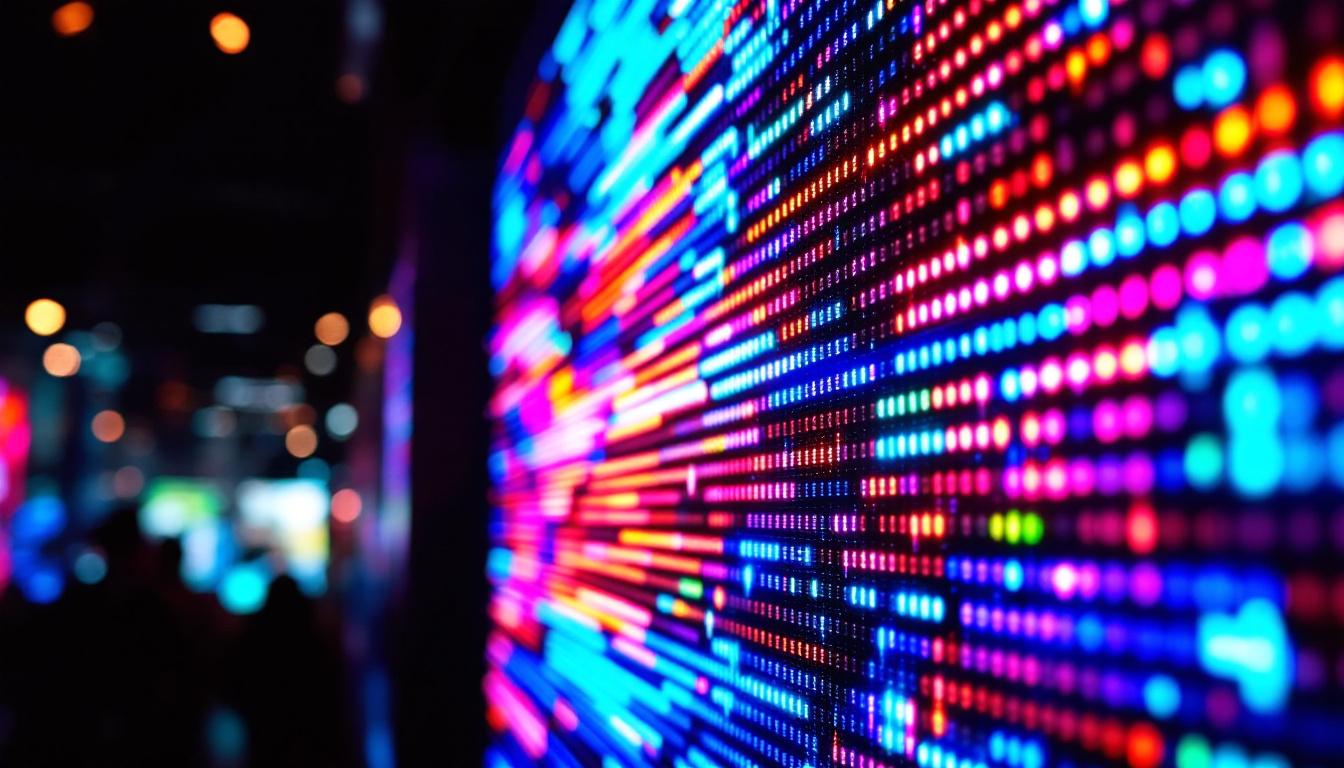
The basic building block of an LED display is the pixel, which can be a single LED or a cluster of red, green, and blue LEDs (RGB). By adjusting the intensity of each color, the display can produce a wide spectrum of colors, enabling full-color images and videos. This technology is scalable, allowing for small indoor screens as well as massive outdoor billboards. Furthermore, LED displays are known for their energy efficiency, consuming less power than their predecessors while delivering superior brightness and color accuracy. This makes them an environmentally friendly option that can significantly reduce energy costs over time.
Types of LED Displays
LED displays come in various forms, each suited to different environments and purposes. The main types include:
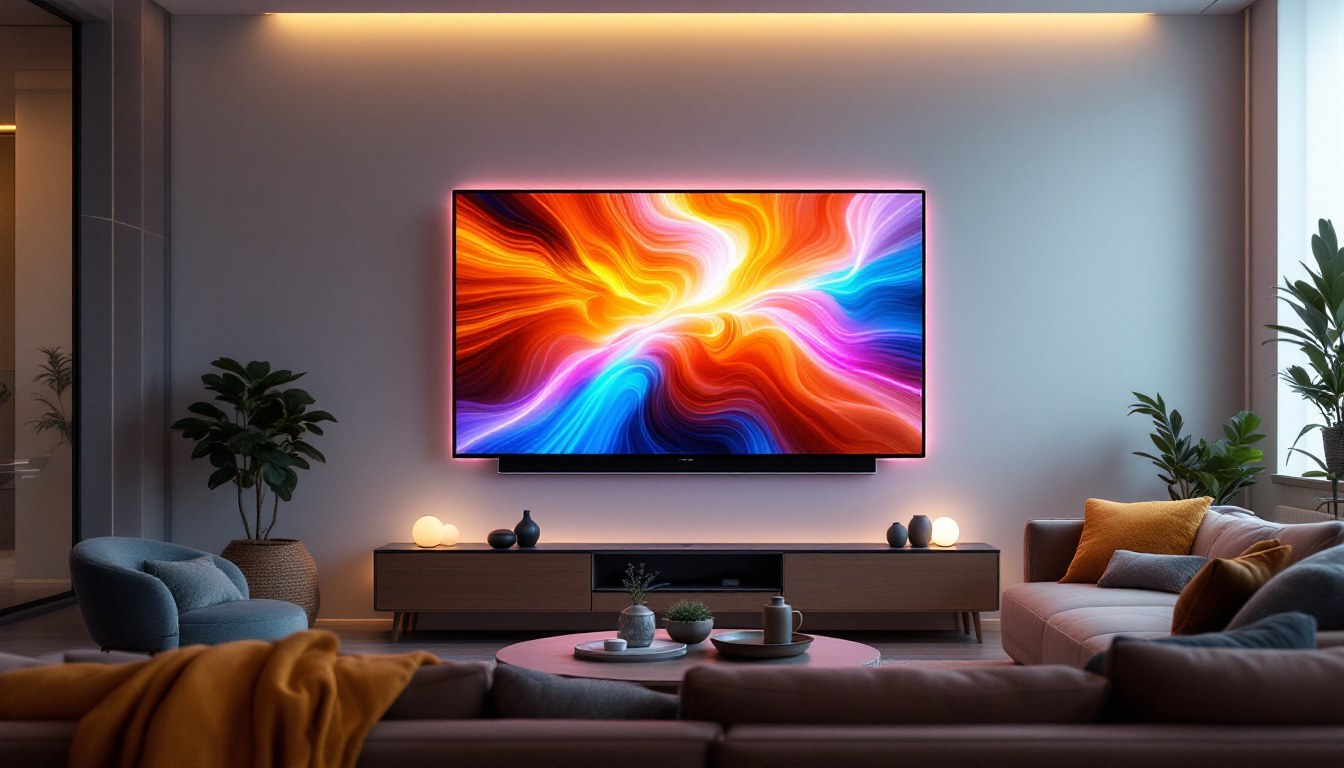
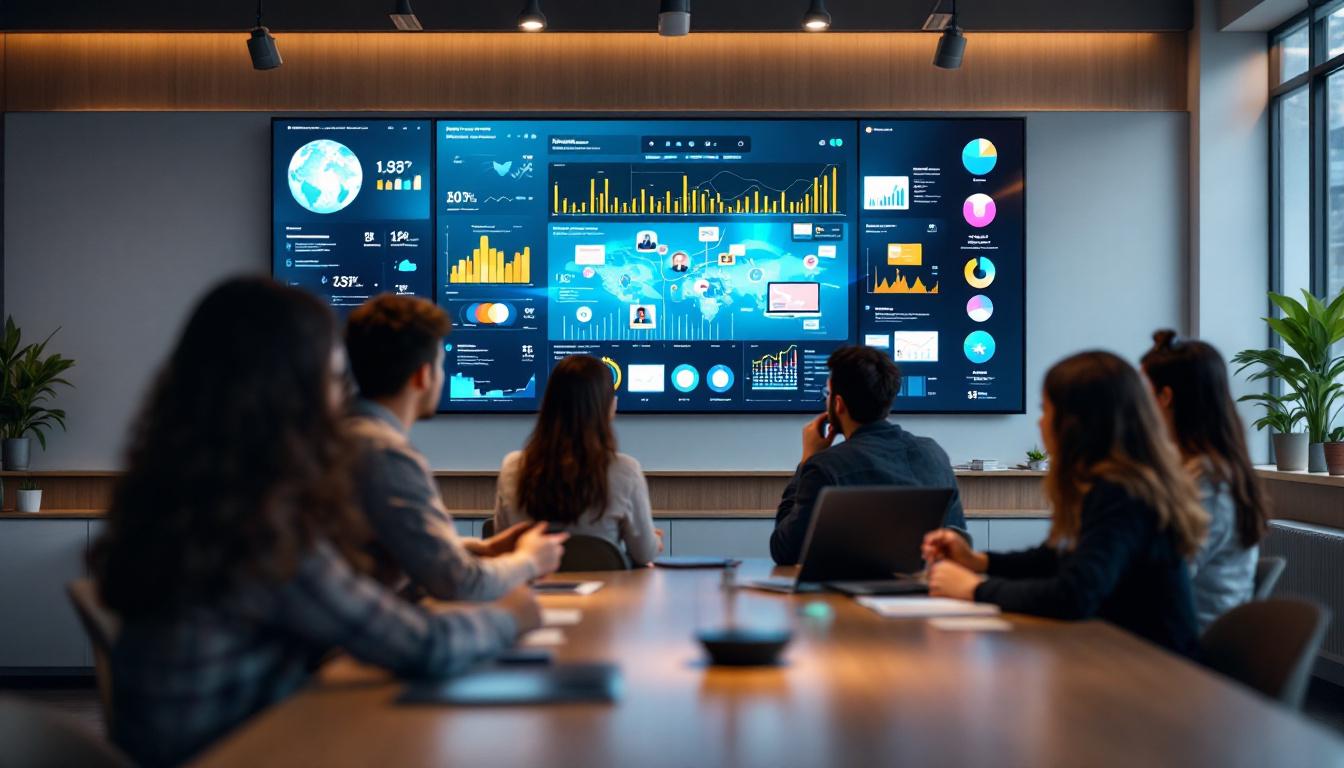
- Indoor LED Displays: Designed for close viewing distances, these displays have a high pixel density (small pixel pitch) to provide sharp images. They are often used in retail stores, conference rooms, and control centers. The clarity and brightness of indoor LED displays make them perfect for presentations and advertising, where visual impact is crucial.
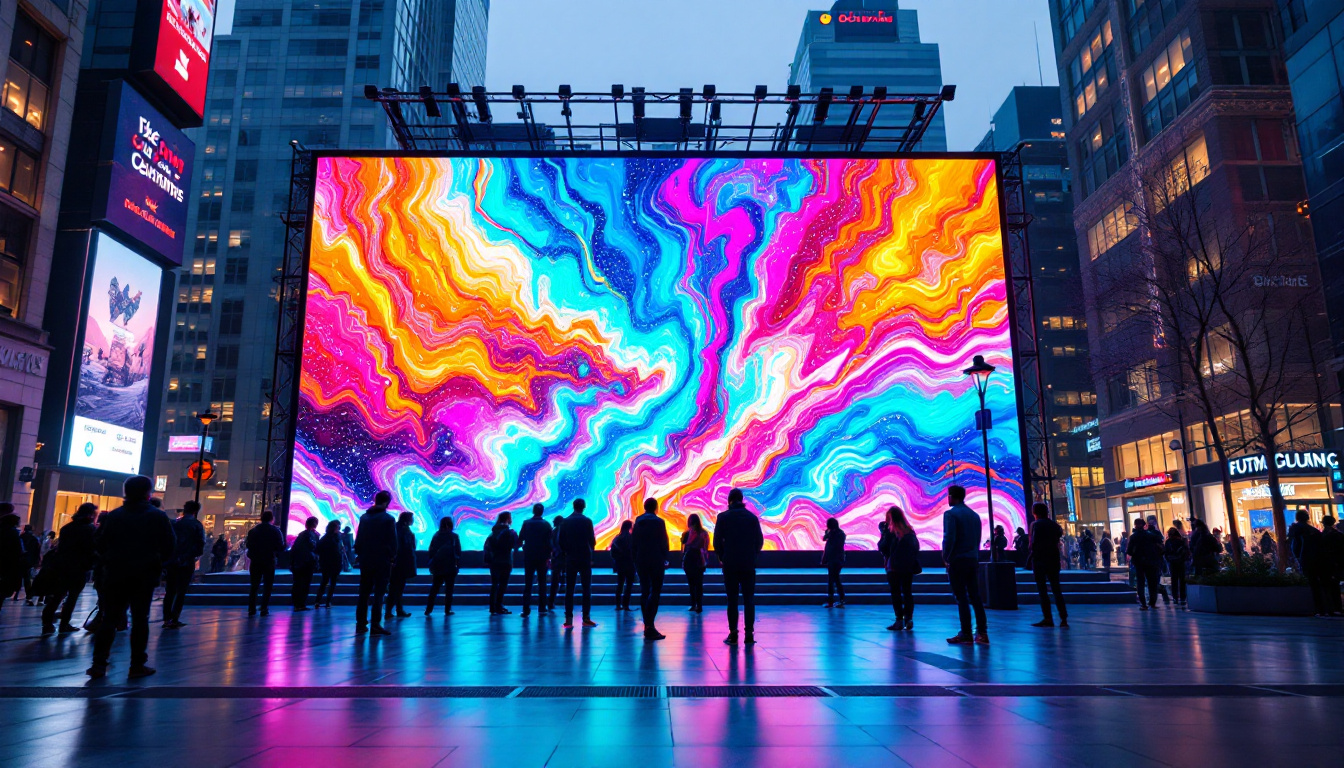
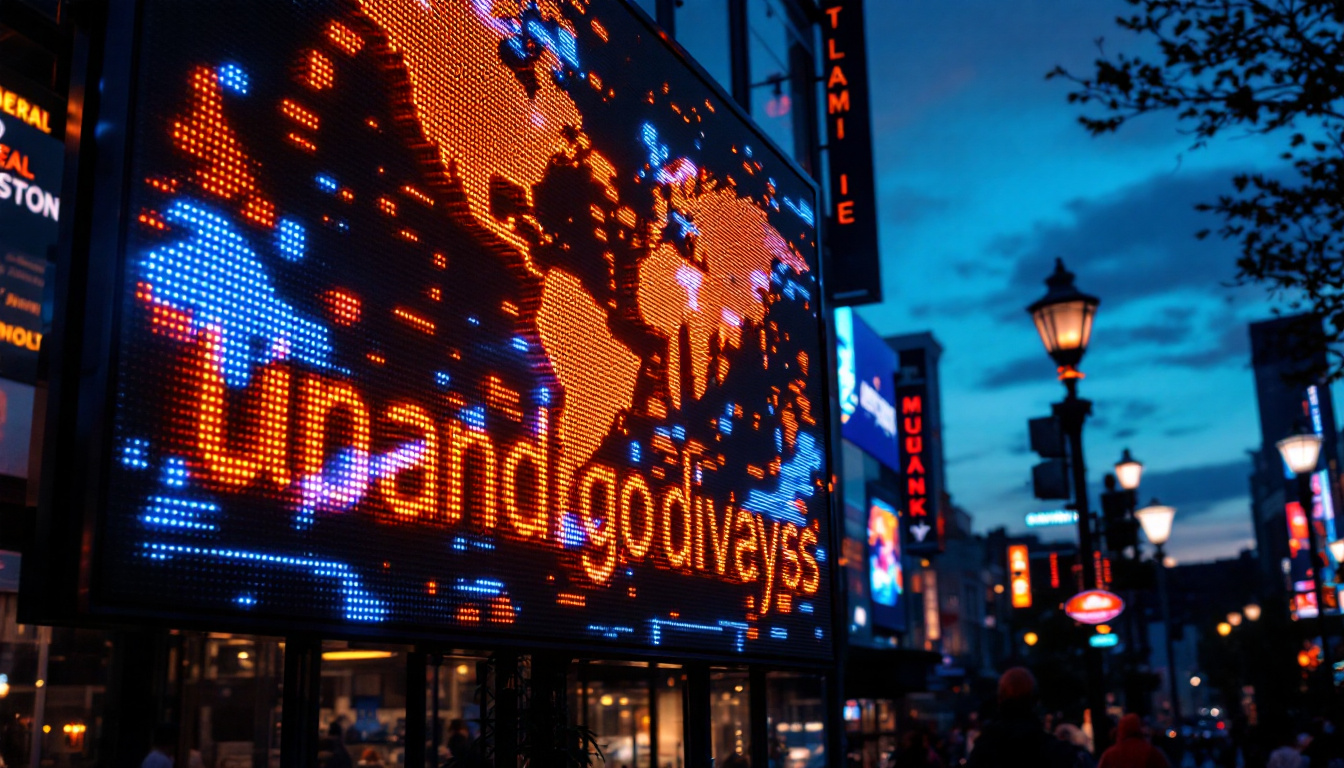
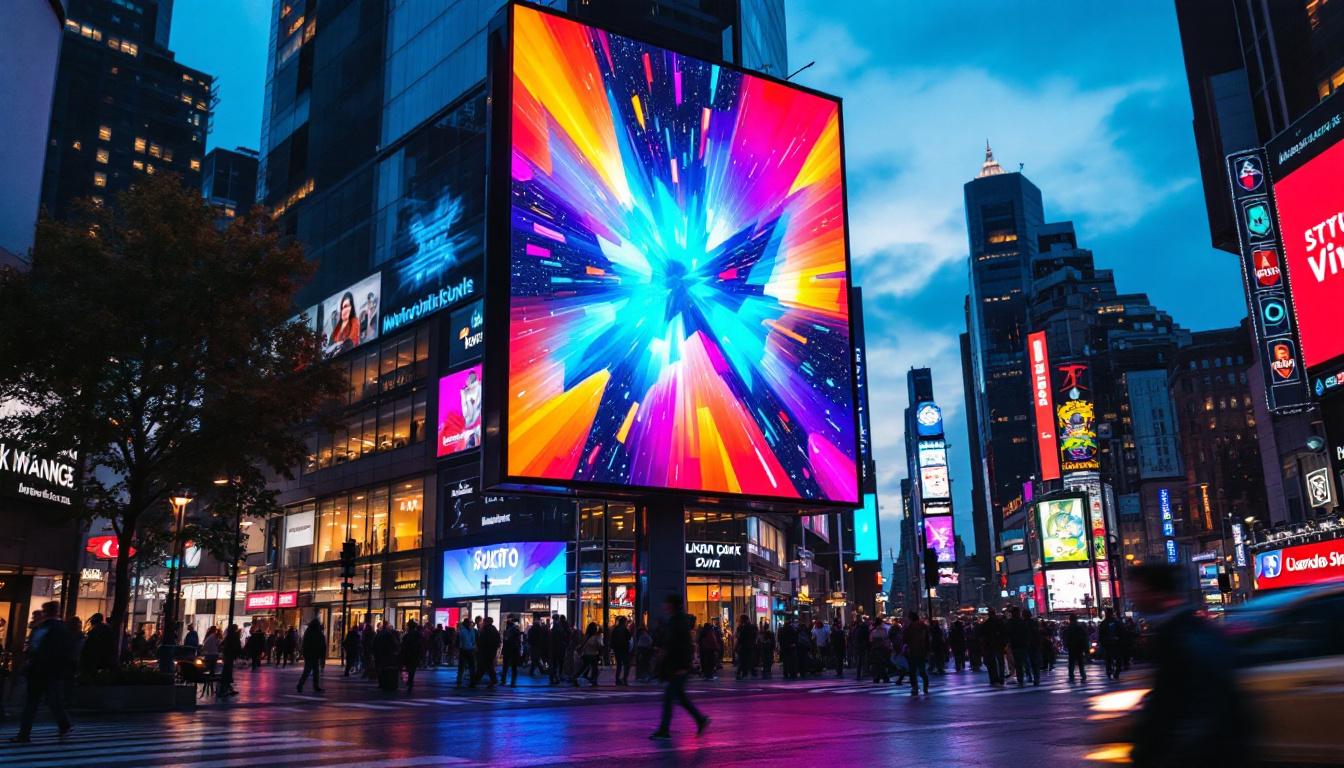
- Outdoor LED Displays: Built to withstand weather conditions, these displays have a larger pixel pitch for visibility from a distance. They are commonly used for billboards, stadium screens, and public information boards. Outdoor LED displays often feature protective coatings to shield against rain, dust, and UV rays, ensuring longevity and durability in various climates.
- Transparent LED Displays: These innovative screens allow light to pass through, making them ideal for storefront windows and architectural installations where maintaining visibility behind the screen is important. Transparent LED displays can create stunning visual effects while still allowing natural light to illuminate the space, blending technology with aesthetics.
- Flexible and Curved LED Displays: Made with bendable materials, these displays can wrap around surfaces or create unique shapes, expanding creative possibilities for signage. They are particularly popular in modern architecture and design, allowing for immersive experiences that engage viewers in new ways.
In addition to these types, LED technology continues to evolve, with advancements such as microLED displays that promise even higher resolutions and better color accuracy. These displays utilize microscopic LEDs to create images, offering the potential for ultra-thin screens that can be seamlessly integrated into various environments. As the demand for high-quality visual experiences grows, the versatility and innovation of LED display technology are likely to play a pivotal role in shaping the future of digital signage and visual communication.
Key Advantages of LED Displays for Signage
Brightness and Visibility
One of the most significant advantages of LED displays is their exceptional brightness. LEDs can achieve luminance levels far beyond traditional signage, ensuring visibility even in direct sunlight. This makes them ideal for outdoor advertising where ambient light can be intense.
Moreover, LED displays maintain consistent brightness over time and can be adjusted dynamically based on ambient lighting conditions, enhancing readability day and night. This adaptability is crucial for maintaining message clarity and impact. The technology behind LED displays also allows for a wider color spectrum, resulting in vibrant and eye-catching visuals that can draw in potential customers from afar. For businesses located in high-traffic areas, this enhanced visibility can translate to increased foot traffic and higher engagement rates.
Energy Efficiency and Longevity
Compared to older lighting technologies such as neon or incandescent bulbs, LEDs consume significantly less power. This energy efficiency translates to lower operational costs, which is a critical consideration for businesses managing multiple displays or large installations.
Additionally, LED displays have a long lifespan, often exceeding 100,000 hours of operation. This durability reduces maintenance requirements and replacement costs, making LED signage a cost-effective investment over the long term. Furthermore, the lower heat output of LEDs means that they are less likely to overheat, which not only prolongs their lifespan but also enhances safety, particularly in enclosed or high-temperature environments. This combination of energy savings and longevity makes LED displays an environmentally friendly choice, aligning with the growing demand for sustainable business practices.
Flexibility and Customization
LED displays offer unparalleled flexibility in terms of size, shape, and content. They can be custom-built to fit specific dimensions or integrated into architectural designs seamlessly. Content can be updated instantly via software, allowing for real-time messaging, promotions, or emergency alerts.
This dynamic capability means businesses can tailor their messaging to different audiences and times of day without the need for physical sign changes, enhancing marketing agility and responsiveness. Additionally, the ability to incorporate interactive elements, such as touch screens or motion sensors, can further engage viewers and create memorable experiences. Businesses can also utilize data analytics to optimize their content strategy, ensuring that the messages displayed resonate with their target audience and drive desired actions. This level of customization not only enhances brand visibility but also fosters a deeper connection with customers, making LED displays a powerful tool in modern advertising strategies.
Applications of LED Displays in Various Industries
Retail and Advertising
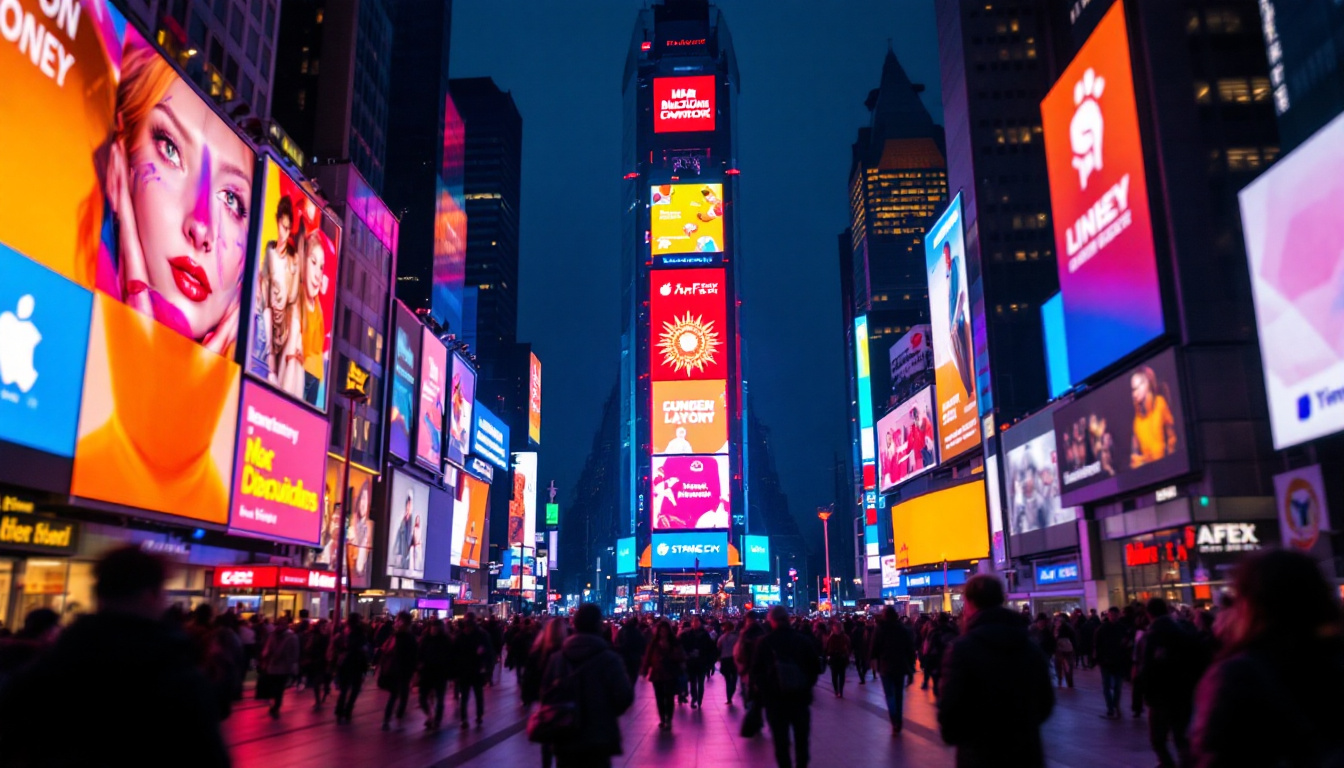
Retailers leverage LED displays to attract customers with vibrant promotions, product launches, and interactive content. Studies show that digital signage can increase sales by up to 30% by engaging shoppers more effectively than static signs.
For example, large LED video walls in shopping malls or storefront windows create immersive experiences that draw foot traffic. Brands also use LED displays for seasonal campaigns and flash sales, updating content seamlessly to align with marketing strategies.
Transportation and Public Information
Airports, train stations, and bus terminals utilize LED displays to provide real-time schedules, gate information, and safety announcements. The clarity and brightness of LED signage ensure passengers receive timely updates, reducing confusion and improving overall travel experience.
In urban environments, LED billboards and digital kiosks serve as platforms for public service messages, weather alerts, and event promotions. Their high visibility and adaptability make them essential tools for city communication networks.
Sports and Entertainment Venues
Stadiums and arenas rely heavily on LED displays for scoreboards, instant replays, and advertising. The ability to display high-definition video content enhances spectator engagement and opens additional revenue streams through sponsorships.
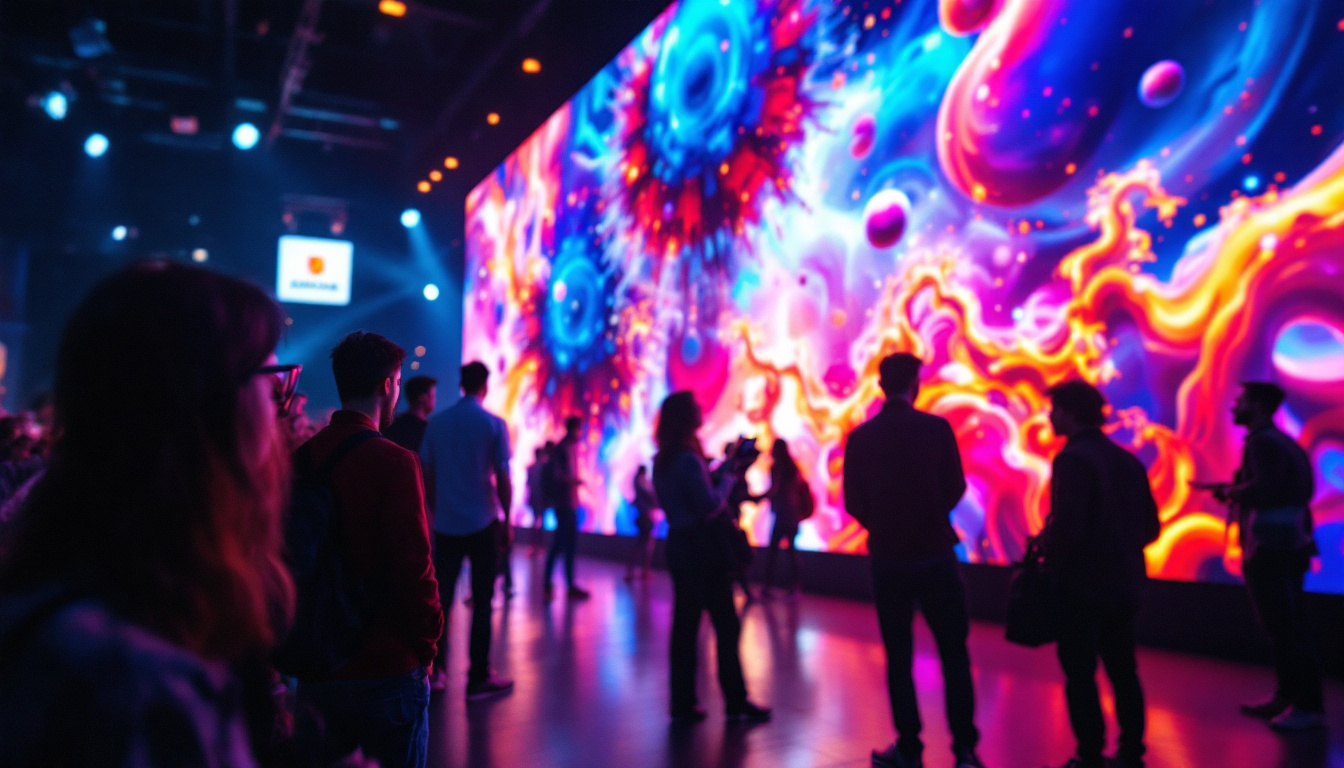
Concerts and festivals also use LED screens to improve visibility for large audiences and create dynamic stage backdrops, contributing to immersive entertainment experiences.
Considerations When Choosing an LED Display
Pixel Pitch and Resolution
Pixel pitch—the distance between the centers of two adjacent pixels—is a critical factor influencing image clarity. A smaller pixel pitch means higher resolution and sharper images, suitable for close-up viewing. Conversely, larger pixel pitches are acceptable for distant viewing where individual pixels are less discernible.
Choosing the right pixel pitch depends on the intended viewing distance and content type. For example, an indoor retail display viewed from a few feet away requires a pixel pitch of 1.5 to 2.5 mm, whereas an outdoor billboard visible from hundreds of feet may have a pixel pitch of 10 mm or more.
Brightness and Environmental Durability
Outdoor LED displays must meet specific brightness levels, typically ranging from 5,000 to 10,000 nits, to remain visible under direct sunlight. Additionally, they require weatherproof enclosures rated for water and dust resistance (IP65 or higher) to ensure reliable operation in harsh conditions.
Indoor displays, while less exposed to environmental extremes, still benefit from adjustable brightness to accommodate varying lighting conditions and reduce eye strain.
Content Management and Software Integration
Effective LED signage depends on robust content management systems (CMS) that enable easy scheduling, updating, and monitoring of displayed content. Modern CMS platforms support remote access, multi-screen synchronization, and integration with data sources such as social media or live feeds.
Choosing a display system with user-friendly software can significantly enhance operational efficiency and maximize the impact of digital signage campaigns.
Future Trends in LED Display Technology
MicroLED and MiniLED Innovations
Emerging technologies like MicroLED and MiniLED promise even higher brightness, better color accuracy, and improved energy efficiency. MicroLED displays consist of microscopic LEDs that offer superior resolution and contrast, rivaling OLED screens while maintaining LED durability.
These advancements are expected to expand the use of LED displays into new markets, including wearable devices, automotive dashboards, and ultra-high-definition televisions.
Interactive and Smart Displays
Integration of touch sensors, cameras, and artificial intelligence is transforming LED signage into interactive platforms. Smart displays can engage users with personalized content, gesture controls, and real-time analytics, enhancing customer experience and gathering valuable data for businesses.
For instance, retail stores can use interactive LED walls to recommend products based on customer behavior, while public spaces can offer wayfinding assistance through smart kiosks.
Sustainability and Energy Management
As environmental concerns grow, LED manufacturers are focusing on sustainability by developing eco-friendly materials and improving energy management systems. Innovations include solar-powered LED displays and intelligent dimming technologies that reduce power consumption without compromising visibility.
These efforts align with corporate social responsibility goals and regulatory requirements, making LED signage a greener choice for businesses and communities.
Conclusion
LED displays have revolutionized the signage industry by offering bright, durable, and versatile solutions for a wide range of applications. Their ability to deliver dynamic, high-impact content makes them invaluable tools for marketing, communication, and entertainment. Understanding the technology, benefits, and considerations involved in selecting LED displays empowers businesses and organizations to make informed decisions that maximize visibility and engagement.
As LED technology continues to evolve, embracing innovations like MicroLED, interactive capabilities, and sustainable designs will further enhance the effectiveness and appeal of digital signage. Whether for a small retail store or a large-scale public venue, LED displays represent a future-ready investment in visual communication.
Discover the Future of Visual Communication with LumenMatrix
Ready to elevate your brand’s presence and captivate your audience with cutting-edge LED display technology? Explore LumenMatrix’s comprehensive range of solutions, from Indoor LED Walls to Custom Displays, and experience the transformative power of advanced LED modules. Our mission is to revolutionize your visual storytelling, ensuring your message resonates with brilliance and precision. Don’t wait to make an impact—Check out LumenMatrix LED Display Solutions today and step into the future of digital signage.