Outdoor entertainment has evolved dramatically over the past decade, with technology enabling immersive viewing experiences beyond the confines of indoor spaces. Whether it’s for community events, backyard movie nights, sports screenings, or large-scale concerts, the demand for high-quality outdoor displays continues to grow. Among the various options available, LED display technology has emerged as a leading choice for outdoor screen projectors, offering unparalleled brightness, durability, and versatility.
This article delves into the fundamentals of outdoor LED displays, exploring how they work, their advantages over traditional projectors, and key considerations for selecting the right setup. By understanding the technology and its applications, event organizers, businesses, and enthusiasts can make informed decisions to create captivating outdoor viewing experiences.
Understanding Outdoor LED Displays
What Is an Outdoor LED Display?
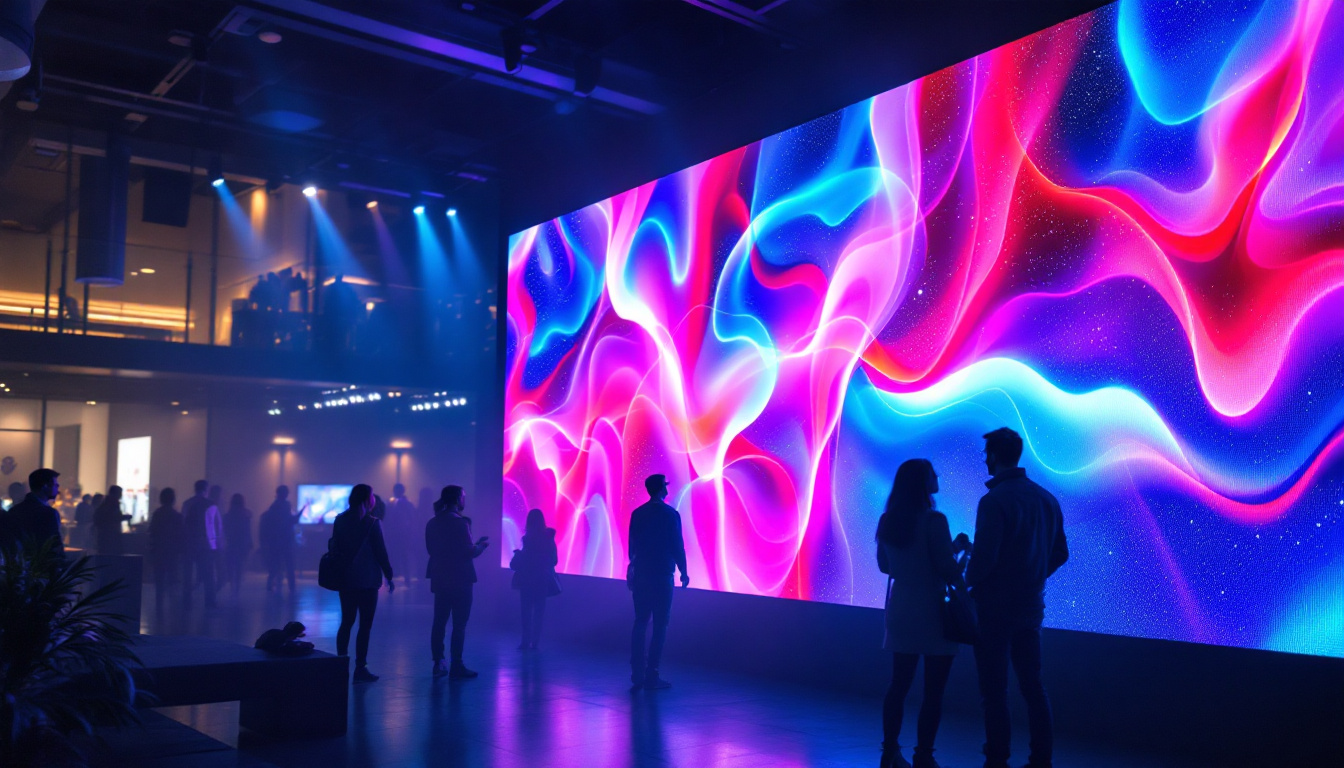
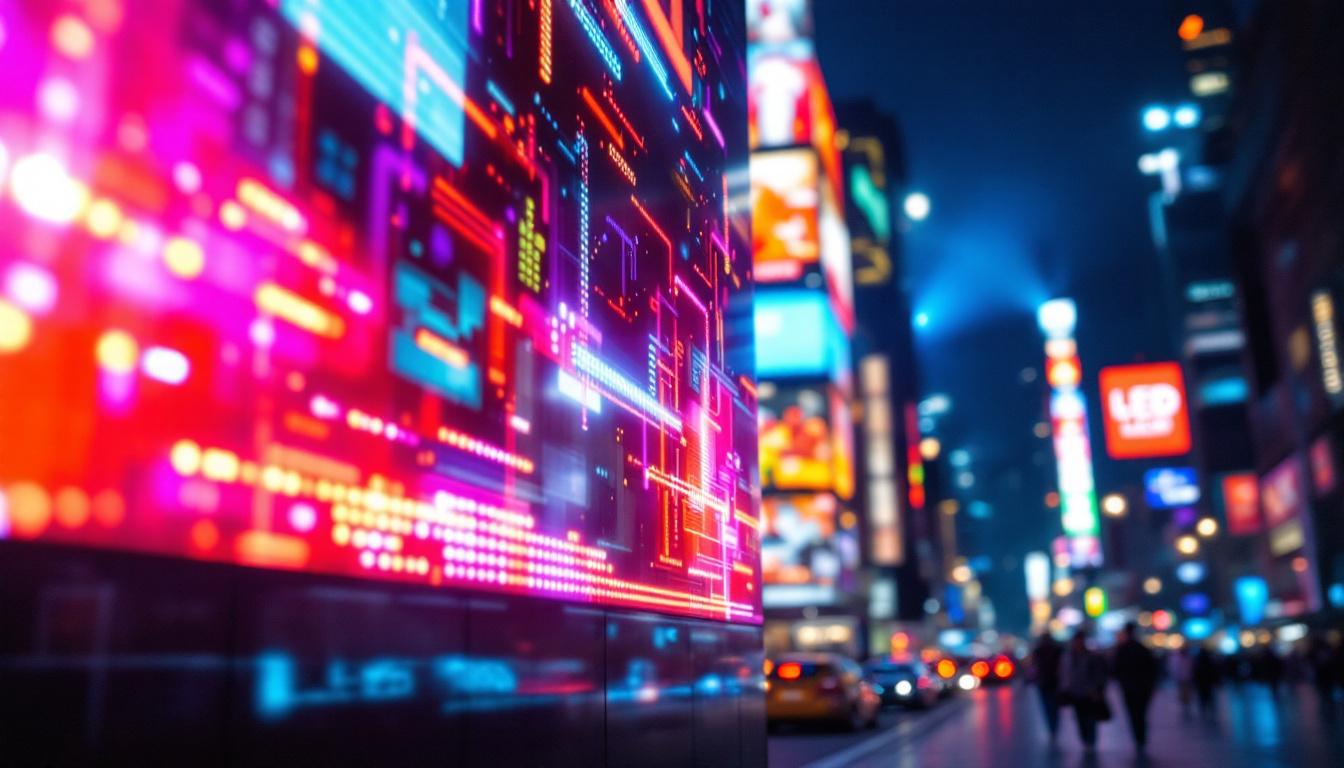
An outdoor LED display is a large screen composed of numerous light-emitting diodes (LEDs) arranged in a grid. Each LED acts as a pixel, emitting light in various colors to produce vivid images and videos. Unlike conventional projectors that rely on projecting light onto a surface, LED displays generate their own light, making them highly visible even in bright daylight conditions.
These displays are designed specifically for outdoor environments, featuring weatherproof casings, high brightness levels, and robust construction to withstand elements such as rain, wind, and dust. LED technology has advanced to the point where these screens can deliver sharp, vibrant visuals at resolutions comparable to indoor monitors, but on a much larger scale.
How Does an Outdoor LED Display Work?
Each pixel on an LED display consists of tiny red, green, and blue LEDs. By adjusting the intensity of these three colors, the display can produce a full spectrum of colors. The screen is controlled by a processing unit that sends signals to each LED, determining which ones light up and at what brightness to form the desired image.
Outdoor LED displays typically use surface-mount device (SMD) LEDs, which offer excellent color accuracy and wide viewing angles. The pixel pitch—the distance between the centers of two adjacent pixels—is a critical factor influencing image clarity. Smaller pixel pitches yield higher resolution and sharper images, but also increase cost and power consumption.
Advantages of LED Displays Over Traditional Outdoor Projectors
Brightness and Visibility in Daylight
One of the most significant advantages of LED displays is their superior brightness. Outdoor projectors often struggle to produce clear images under direct sunlight or ambient daylight, requiring darkened environments or specialized screens to improve visibility. In contrast, LED displays can achieve brightness levels exceeding 5,000 nits, making them easily viewable even in broad daylight.
This high brightness is essential for outdoor events held during the day or in well-lit urban settings. It ensures that the content remains vibrant and legible, enhancing audience engagement and satisfaction.
Durability and Weather Resistance
Outdoor LED screens are engineered to endure harsh weather conditions. Their enclosures are typically rated with IP65 or higher, indicating strong protection against dust and water ingress. This durability means that LED displays can operate reliably in rain, wind, and varying temperatures without the risk of damage or performance degradation.
Traditional projectors, on the other hand, are sensitive to moisture and temperature fluctuations, often requiring protective housing and careful placement. The robustness of LED displays reduces setup complexity and maintenance costs, making them a practical choice for recurring outdoor use.
Flexibility and Size Scalability
LED displays offer remarkable flexibility in terms of size and shape. Modular panels can be combined seamlessly to create screens ranging from a few square meters to several hundred square meters. This scalability allows event organizers to tailor the display size to the venue and audience size, maximizing impact.
Moreover, LED screens can be curved or configured into unique shapes, enabling creative installations that traditional projectors cannot replicate. This adaptability is particularly valuable for branding, advertising, and immersive experiences.
Lower Maintenance and Longer Lifespan
LED technology boasts a longer operational lifespan compared to projector lamps, which typically need replacement every 2,000 to 4,000 hours. LED displays can function effectively for 50,000 hours or more, translating to years of reliable use with minimal maintenance.
Additionally, LEDs consume less power and generate less heat, contributing to energy efficiency and reducing cooling requirements. These factors collectively lower the total cost of ownership over time.
Key Considerations When Choosing an Outdoor LED Display
Pixel Pitch and Viewing Distance
The pixel pitch is a fundamental specification to consider. It determines the resolution and clarity of the display, especially at close viewing distances. For example, a pixel pitch of 3mm provides high resolution suitable for audiences standing within a few meters, while a 10mm pitch is more appropriate for larger crowds viewing from greater distances.
Choosing the right pixel pitch ensures that the image appears crisp without unnecessary expense. Overspending on ultra-fine pixel pitch for distant viewing scenarios yields minimal visual benefit.
Brightness and Contrast Ratio
Brightness is measured in nits, with higher values indicating greater luminance. For outdoor use, a minimum of 4,000 nits is recommended to combat sunlight glare effectively. Additionally, a high contrast ratio enhances color depth and image definition, improving overall picture quality.
When evaluating displays, it’s important to verify manufacturer specifications and, if possible, view demos under similar lighting conditions to assess performance.
Weatherproof Ratings and Durability
Look for LED displays with an IP65 rating or higher to ensure protection against dust and water. The enclosure should also be robust enough to resist physical impacts and temperature extremes common in outdoor environments.
Some manufacturers offer additional features such as anti-corrosion coatings and reinforced frames to extend the lifespan of the display in coastal or industrial areas.
Installation and Portability
Consider the installation requirements and whether the display needs to be permanent or portable. Modular LED panels facilitate easier transport and assembly, ideal for temporary events or touring shows.
Permanent installations may benefit from custom mounting solutions and integrated control systems, while portable setups prioritize quick setup and teardown.
Content Management and Connectivity
Modern LED displays come equipped with advanced content management systems (CMS) that allow remote control, scheduling, and real-time updates. Connectivity options such as HDMI, DVI, and wireless streaming enhance flexibility in content delivery.
Choosing a system with user-friendly software and robust connectivity ensures smooth operation and the ability to adapt content dynamically during events.
Applications of Outdoor LED Displays
Community and Public Events
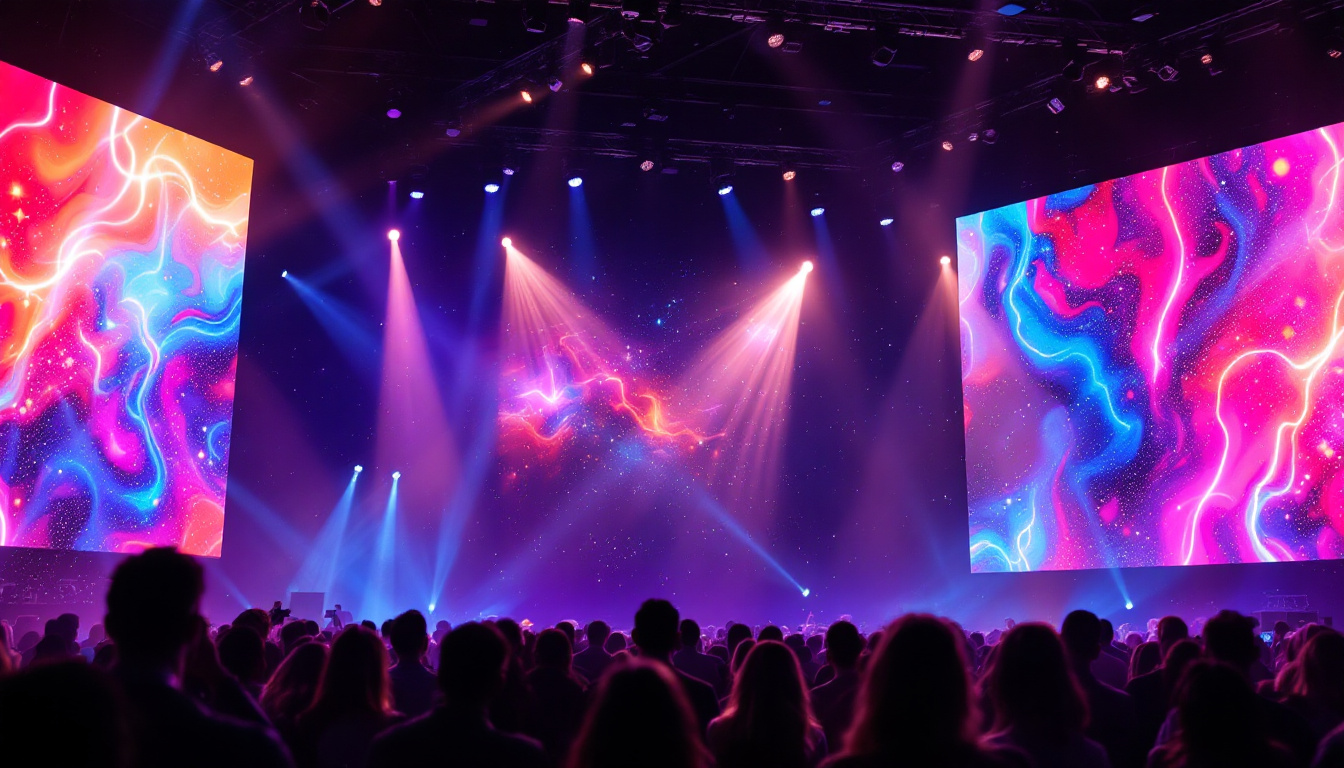
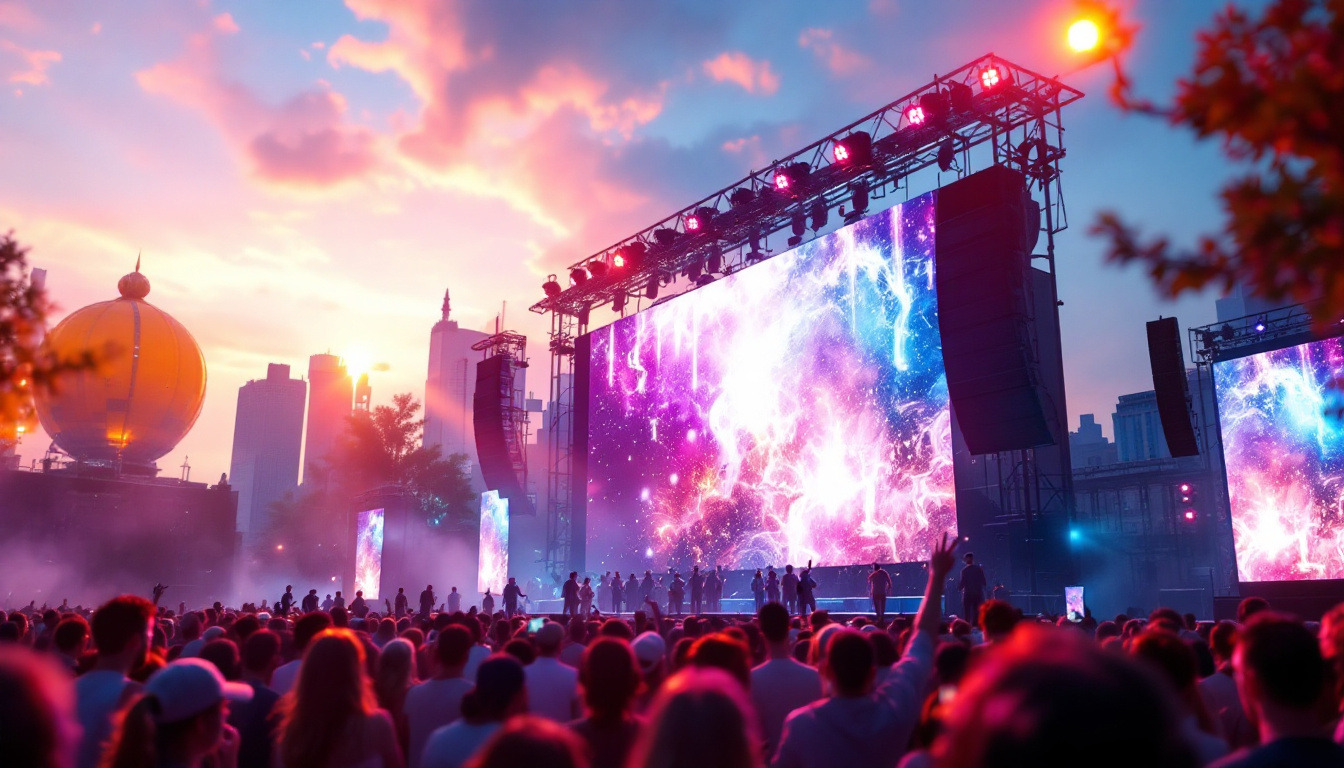
Outdoor LED displays have become staples at festivals, parades, and public celebrations. Their ability to deliver clear visuals to large crowds enhances the communal experience, whether broadcasting live performances, announcements, or interactive content.
For example, during the 2022 FIFA World Cup, many host cities installed massive outdoor LED screens in public squares, enabling fans to watch matches collectively, fostering a sense of unity and excitement.
Sports Venues and Stadiums
Stadiums and sports arenas utilize LED displays for scoreboards, advertising, and instant replays. The high brightness and rapid refresh rates of LED technology ensure that information is visible to spectators regardless of lighting conditions or viewing angles.
LED screens also offer opportunities for dynamic advertising, generating additional revenue streams for venues.
Corporate and Advertising Use
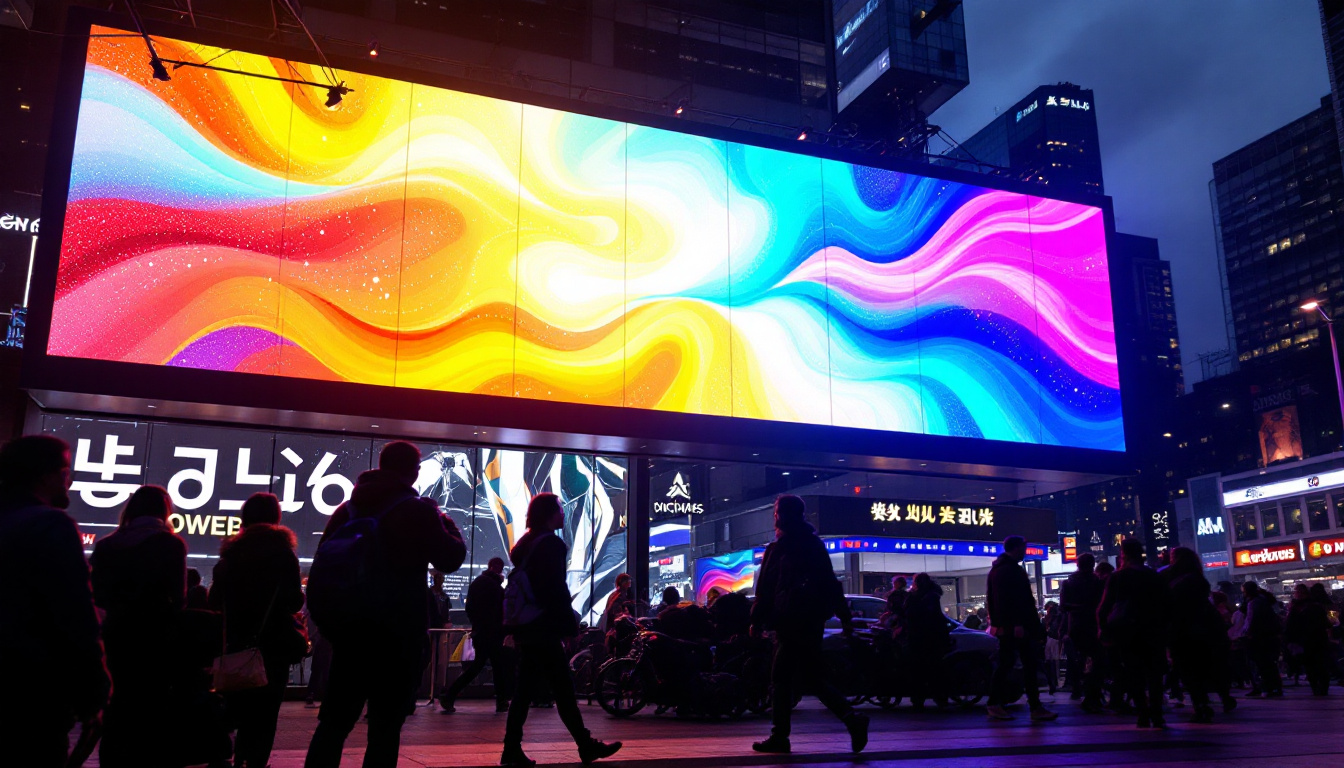
Businesses leverage outdoor LED displays for brand promotion, product launches, and public messaging. The ability to display vibrant, eye-catching content attracts attention in busy urban environments, making LED screens a powerful marketing tool.
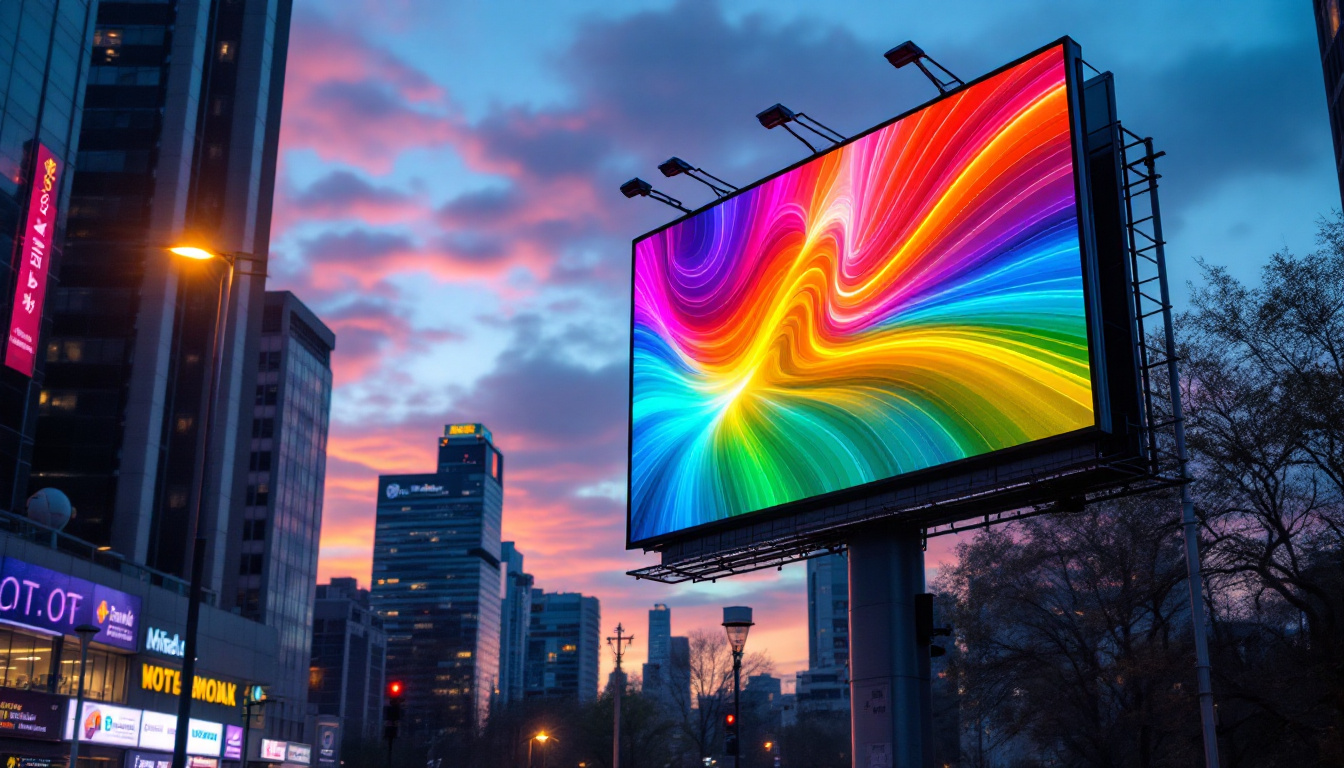
Digital billboards using LED technology have largely replaced static signs, offering flexibility to change advertisements in real-time and target specific audiences.
Outdoor Cinemas and Entertainment
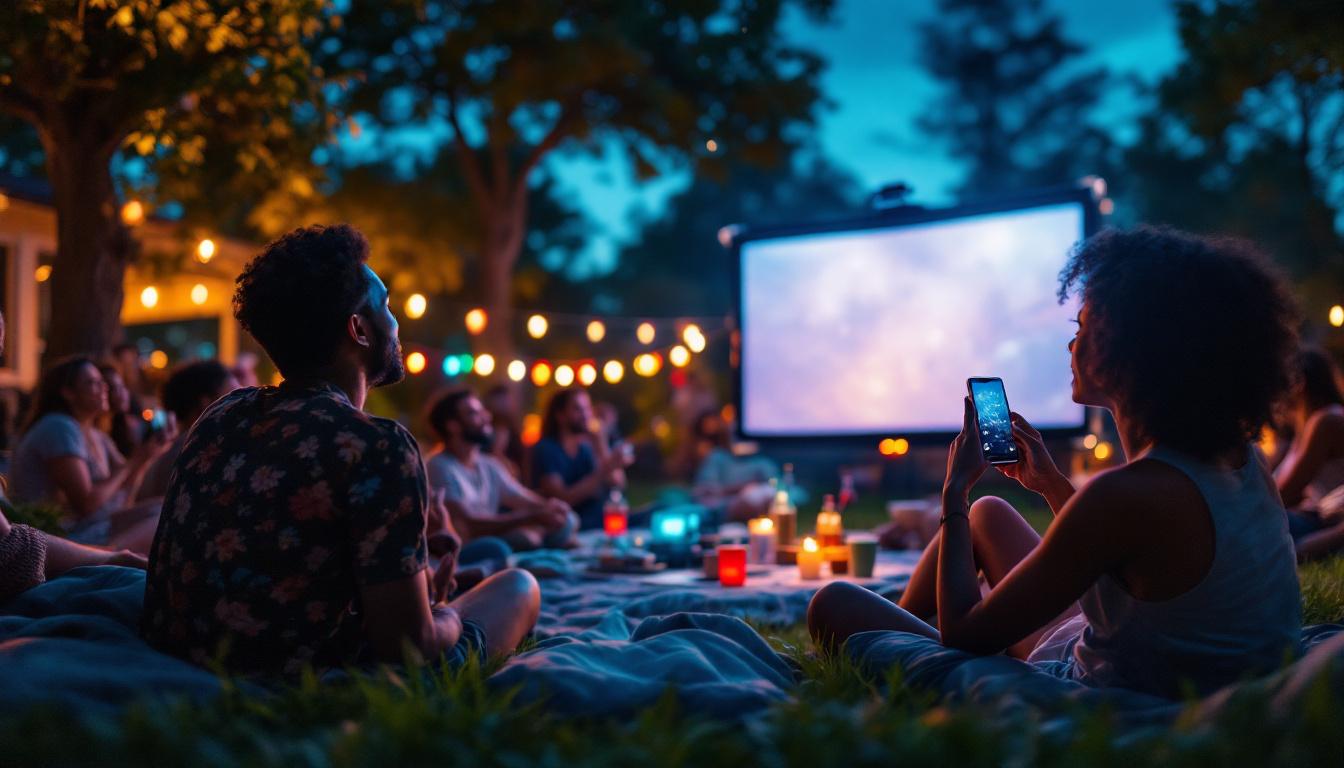
Backyard movie nights and pop-up cinemas increasingly rely on LED displays to deliver high-quality visuals without the limitations of projector brightness or ambient light interference. This trend has grown in popularity, especially in warmer climates and during summer months.
LED screens create immersive viewing experiences that rival indoor theaters, expanding entertainment possibilities.
Future Trends in Outdoor LED Display Technology
MicroLED and MiniLED Innovations
Emerging technologies such as MicroLED and MiniLED promise even higher brightness, improved color accuracy, and greater energy efficiency. These advancements will further enhance outdoor display performance, enabling thinner, lighter, and more flexible screens.
MicroLED displays, in particular, offer the potential for seamless, ultra-high-resolution screens that can be integrated into architectural elements, opening new creative avenues.
Integration with Smart Technologies
Smart outdoor LED displays equipped with sensors and AI-driven content adaptation are becoming more common. These systems can adjust brightness based on ambient light, tailor advertisements to viewer demographics, and interact with mobile devices for personalized experiences.
Such intelligent displays optimize engagement and operational efficiency, representing the next evolution in outdoor digital signage.
Sustainability and Energy Efficiency
As environmental concerns grow, manufacturers are focusing on reducing the carbon footprint of LED displays. Innovations in low-power LEDs, recyclable materials, and solar-powered installations are gaining traction, aligning outdoor display technology with sustainability goals.
These developments not only reduce operational costs but also appeal to eco-conscious consumers and organizations.
Conclusion
Outdoor LED displays have revolutionized the way visual content is presented in open-air environments. Their superior brightness, durability, and flexibility make them the preferred choice over traditional projectors for a wide range of applications, from community events to commercial advertising.
Understanding the technical aspects and practical considerations of LED display technology empowers users to select the optimal solution tailored to their specific needs. As innovations continue to advance, outdoor LED screens will become even more versatile, intelligent, and sustainable, further enriching outdoor entertainment and communication experiences.
For anyone looking to invest in an outdoor screen projector solution, LED displays represent a future-proof choice that combines performance, reliability, and creative potential.
Discover LumenMatrix LED Display Solutions
Ready to elevate your outdoor events with unparalleled visual quality? LumenMatrix is at the forefront of LED display innovation, offering a diverse range of solutions tailored to every scenario. From vibrant outdoor LED walls that withstand the elements to dynamic vehicle displays and transparent screens, our technology is designed to captivate and engage. Experience the future of visual storytelling with LumenMatrix. Check out LumenMatrix LED Display Solutions and transform your space into a mesmerizing visual journey.