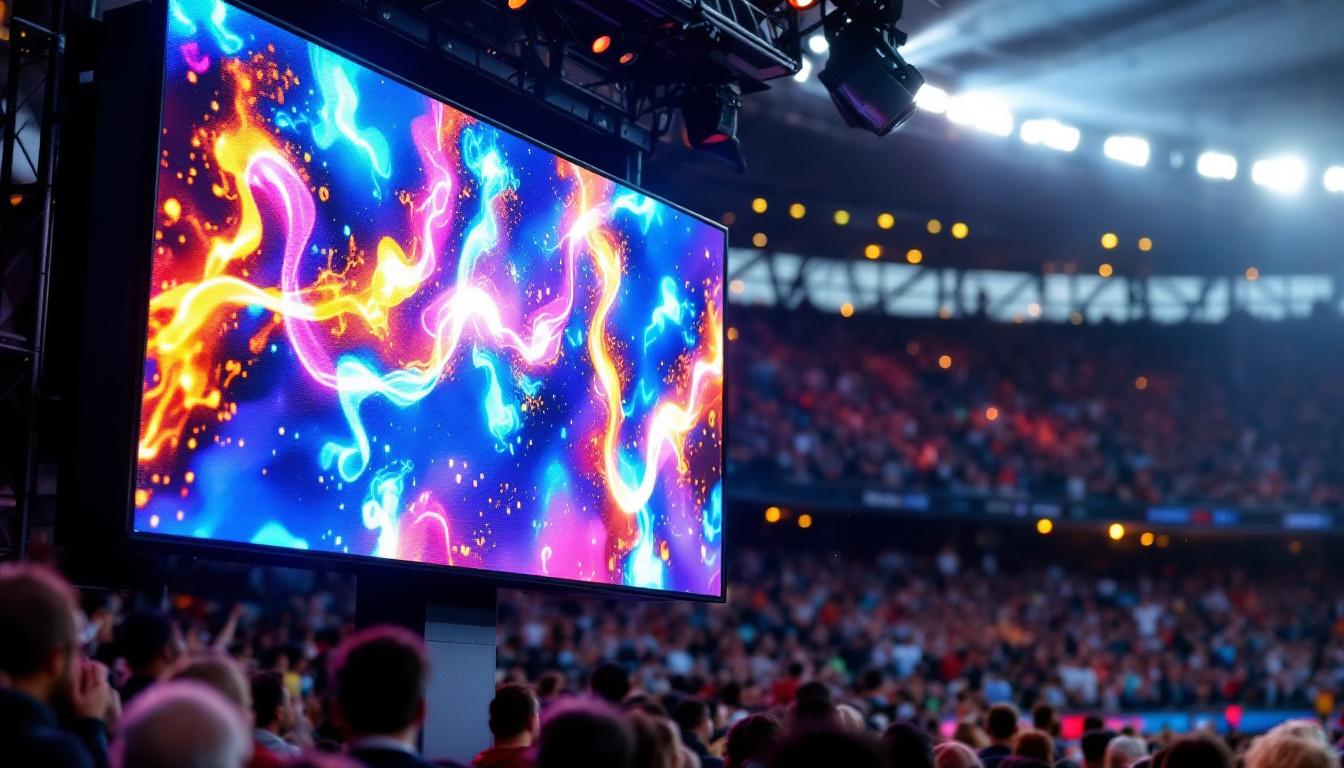
In the world of sports, entertainment, and event management, the ability to monitor and display real-time data on the playing field or stage has become indispensable. Among the various technologies employed, LED displays stand out as a critical component of pitch monitoring systems. These displays not only enhance the viewer experience but also provide vital information to players, coaches, and officials. This article delves into the intricacies of pitch monitors equipped with LED displays, exploring their technology, applications, and benefits.
Understanding Pitch Monitors and Their Purpose
A pitch monitor is a system designed to track, analyze, and visually present data related to the performance and conditions on a sports pitch or event field. This data can include player positions, ball trajectory, speed, and other metrics essential for decision-making and performance enhancement. The integration of LED displays into these systems allows for immediate, clear, and dynamic visualization of this information.
Traditionally, pitch monitoring was limited to manual observation and basic scoreboard updates. However, the evolution of digital technology has transformed these systems into sophisticated platforms capable of delivering real-time analytics and visual feedback. The LED display component plays a pivotal role in this transformation by providing a bright, high-resolution interface that is visible under various lighting conditions and from multiple viewing angles.
Why LED Displays Are Preferred in Pitch Monitoring
LED (Light Emitting Diode) technology offers several advantages over other display types such as LCD or projection screens. Firstly, LEDs provide superior brightness, making them easily visible even in direct sunlight—a common scenario in outdoor sports arenas. Secondly, LED displays are highly durable and weather-resistant, which is essential for outdoor use where exposure to rain, wind, and dust is inevitable.
Moreover, LED displays offer excellent color accuracy and contrast ratios, enhancing the clarity of the information presented. Their modular design allows for scalable screen sizes, from small on-field monitors to massive stadium screens. This flexibility ensures that pitch monitors can be tailored to the specific needs of different sports and venues.
In addition to their technical advantages, LED displays can also be programmed to show a variety of content beyond just performance metrics. For instance, they can display advertisements, team statistics, and even live social media feeds, creating an engaging atmosphere for fans and spectators. This multifunctionality not only enhances the viewing experience but also opens up new revenue streams for sports organizations through advertising and sponsorship opportunities. Furthermore, the ability to integrate these displays with mobile applications allows fans to receive personalized updates and notifications in real-time, bridging the gap between on-field action and audience engagement.
As the technology behind pitch monitors continues to advance, we can expect even more innovative features to emerge. For example, some systems are now incorporating artificial intelligence to analyze player movements and strategies, providing coaches with deeper insights into performance trends. This data-driven approach is revolutionizing how teams prepare for matches and adapt their tactics during gameplay. With the ongoing integration of augmented reality (AR) and virtual reality (VR) technologies, the potential for pitch monitors to enhance both player training and spectator experiences is virtually limitless, paving the way for a new era in sports analytics and fan interaction.
Technical Components of Pitch Monitor LED Displays
To appreciate the capabilities of pitch monitor LED displays, it is important to understand their technical makeup. These systems combine hardware and software elements to capture, process, and display data effectively.
Hardware Elements
The core hardware includes the LED panels themselves, which consist of numerous tiny LEDs arranged in a grid. Each LED acts as a pixel, and the density of these pixels (measured in pixels per inch or PPI) determines the resolution of the display. Higher resolution displays provide sharper images and more detailed data visualization.
Supporting the LED panels are controllers and processors that manage the input data and control the display output. These components ensure synchronization between the data source—such as tracking cameras or sensors—and the display, enabling real-time updates.
Additionally, the physical structure includes mounting systems designed to position the displays optimally around the pitch. These mounts must be robust yet flexible enough to accommodate different configurations and viewing angles.
Software Integration
The software side involves data acquisition, processing algorithms, and visualization interfaces. Advanced software platforms collect data from various sensors, including GPS trackers, accelerometers, and high-speed cameras. This data is then processed to extract meaningful metrics such as player speed, ball spin, and positional heatmaps.
Visualization software translates these metrics into graphical elements displayed on the LED screens. For example, a cricket pitch monitor might show the trajectory of a ball with color-coded speed indicators, while a football pitch monitor could display player movement patterns in real time. The software also allows customization of display layouts to highlight specific data points relevant to the audience or officials.
Applications of Pitch Monitor LED Displays Across Sports
Pitch monitor LED displays have found widespread application across various sports, each leveraging the technology to meet unique demands.
Cricket
In cricket, pitch monitors equipped with LED displays are used to track ball trajectory, speed, and bounce. These systems assist umpires in making accurate decisions regarding LBW (Leg Before Wicket) and other close calls. The LED displays provide spectators with a clear visualization of the ball’s path, enhancing engagement and understanding of the game’s nuances.
For example, during major tournaments like the ICC Cricket World Cup, LED pitch monitors have been integrated into stadiums to offer instant replays and ball tracking visuals, contributing to both fairness and entertainment.
Football (Soccer)
Football stadiums utilize LED pitch monitors to display player statistics, tactical formations, and live game data. Coaches rely on these systems to analyze player positioning and movement patterns during matches and training sessions. The LED displays also serve as dynamic advertising platforms, combining commercial value with functional utility.
Technologies like VAR (Video Assistant Referee) have benefited from LED displays by providing clear visual evidence to referees and fans, ensuring transparency and accuracy in decision-making.
Tennis
In tennis, LED pitch monitors are used to show ball speed, serve trajectories, and shot placements. These displays enhance the viewing experience by providing instant feedback and detailed analytics. The Hawk-Eye system, widely recognized for its precision, integrates LED displays to present line-call decisions and ball tracking data to players, officials, and audiences alike.
Benefits of Using LED Displays in Pitch Monitoring
The adoption of LED displays in pitch monitoring offers numerous advantages that contribute to the advancement of sports technology and fan engagement.
Enhanced Visibility and Clarity
LED displays provide exceptional brightness and contrast, ensuring that data is visible under all lighting conditions. This is critical for outdoor sports where sunlight can impair visibility. The clarity of LED screens allows for detailed graphics and animations, making complex data easy to understand for both professionals and casual viewers.
Real-Time Data Presentation
The ability to display real-time data is a game-changer in sports analytics. Coaches and players can make informed decisions based on live feedback, while officials can use the data to uphold fairness in the game. For spectators, real-time visuals increase engagement by offering insights into the game’s dynamics as they unfold.
Durability and Low Maintenance
LED displays are known for their long lifespan and resistance to environmental factors. Unlike traditional screens, they require minimal maintenance and can withstand harsh conditions without performance degradation. This reliability is essential for continuous operation during long tournaments and events.
Customizability and Scalability
Modular LED panels allow for customizable screen sizes and shapes, enabling venues to design pitch monitors that fit their specific spatial and functional requirements. Whether it’s a small on-field monitor or a large stadium display, LED technology can be scaled accordingly without compromising quality.
Challenges and Considerations in Implementing LED Pitch Monitors
Despite their advantages, deploying LED pitch monitors comes with certain challenges that must be addressed to maximize effectiveness.
Cost Implications
High-quality LED displays and associated hardware can represent a significant investment. For smaller venues or lower-tier sports organizations, the initial cost may be prohibitive. However, the long-term benefits in terms of durability and enhanced experience often justify the expenditure.
Technical Complexity
Integrating LED displays with real-time data acquisition systems requires sophisticated hardware and software coordination. Ensuring seamless communication between sensors, processors, and displays demands expert technical knowledge and ongoing support.
Environmental and Regulatory Factors
Outdoor installations must comply with local regulations regarding light pollution and structural safety. Additionally, environmental conditions such as extreme temperatures and humidity can affect performance, necessitating robust protective measures.
The Future of Pitch Monitoring with LED Displays
As technology continues to evolve, the role of LED displays in pitch monitoring is expected to expand and innovate further.
Integration with Augmented Reality (AR) and Artificial Intelligence (AI)
Future pitch monitors may incorporate AR to overlay digital information directly onto the field of play, visible through specialized glasses or devices. AI algorithms could analyze data in real time to predict player movements, optimize strategies, and enhance the accuracy of officiating decisions.
Improved Energy Efficiency and Sustainability
Advancements in LED technology are driving improvements in energy consumption, making these displays more environmentally friendly. Sustainable materials and manufacturing processes are also being developed to reduce the ecological footprint of pitch monitoring systems.
Broader Accessibility and Affordability
As costs decrease and technology becomes more accessible, smaller clubs and community sports organizations will be able to implement LED pitch monitors. This democratization of technology will elevate the quality and fairness of sports at all levels.
Conclusion
Pitch monitors equipped with LED displays represent a significant leap forward in sports technology, offering unparalleled visibility, real-time data presentation, and durability. Their applications across cricket, football, tennis, and other sports have transformed how games are played, officiated, and enjoyed by fans worldwide.
While challenges such as cost and technical complexity remain, ongoing innovations promise to make these systems more efficient, affordable, and integrated with emerging technologies like AI and AR. For sports organizations and venues aiming to enhance performance analysis and spectator engagement, investing in LED pitch monitors is a strategic move that aligns with the future of sports entertainment.
Discover LumenMatrix’s Advanced LED Display Solutions
Ready to elevate your sports venue with the latest in LED display technology? LumenMatrix offers a comprehensive range of LED display modules tailored to create immersive and engaging visual experiences. From vibrant Indoor LED Walls to dynamic Sports Displays, our solutions are designed to captivate your audience and enhance every aspect of your event. Embrace the future of visual communication and check out LumenMatrix LED Display Solutions today to transform your space with clarity and impact.