In today’s fast-paced digital world, the demand for versatile and efficient display solutions continues to grow. Whether for professionals on the go, gamers seeking immersive experiences, or remote workers needing extra screen real estate, portable extended monitors have become indispensable tools. Among the various technologies powering these devices, LED displays stand out for their vibrant visuals, energy efficiency, and slim profiles.
This article delves into the world of portable extended monitors with LED displays, exploring their technology, benefits, and practical applications. By understanding how LED displays work and why they are favored in portable monitors, readers can make informed decisions when selecting the best device to enhance their productivity and entertainment.
Understanding Portable Extended Monitors
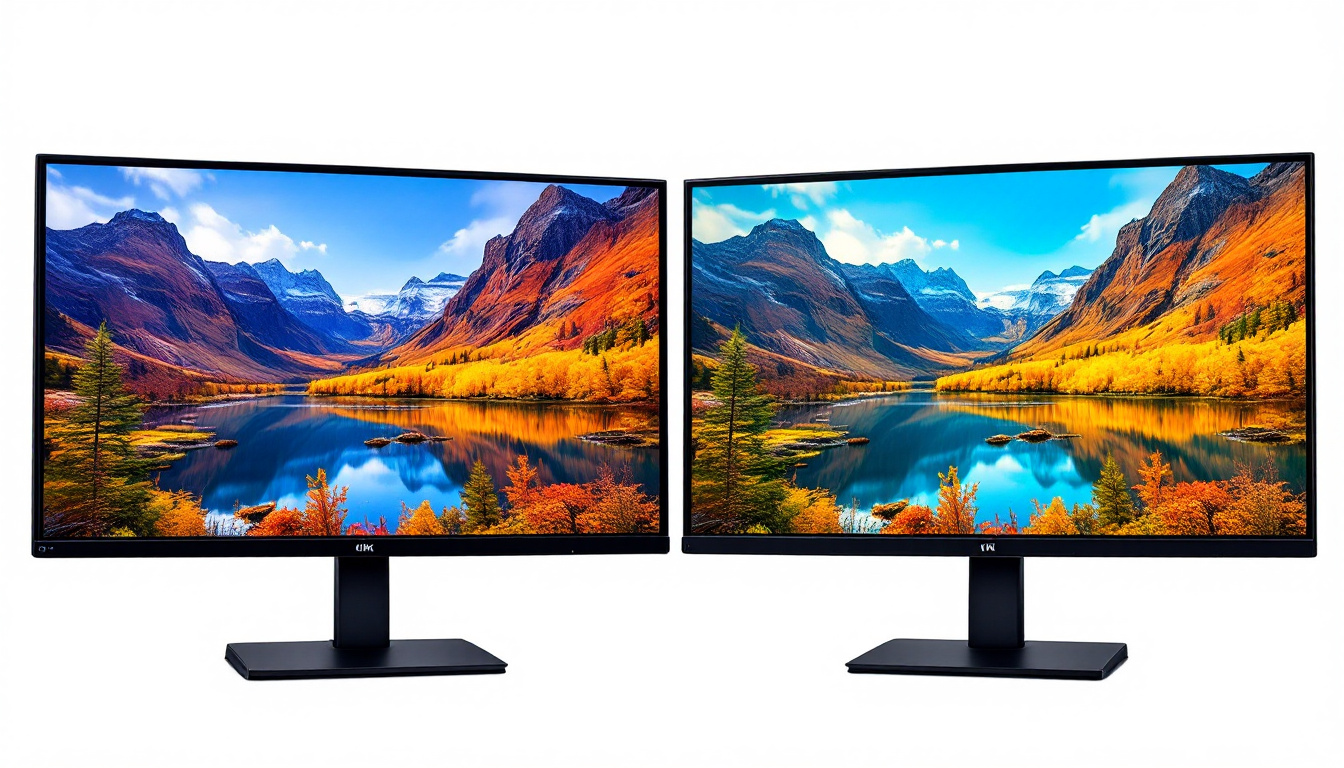
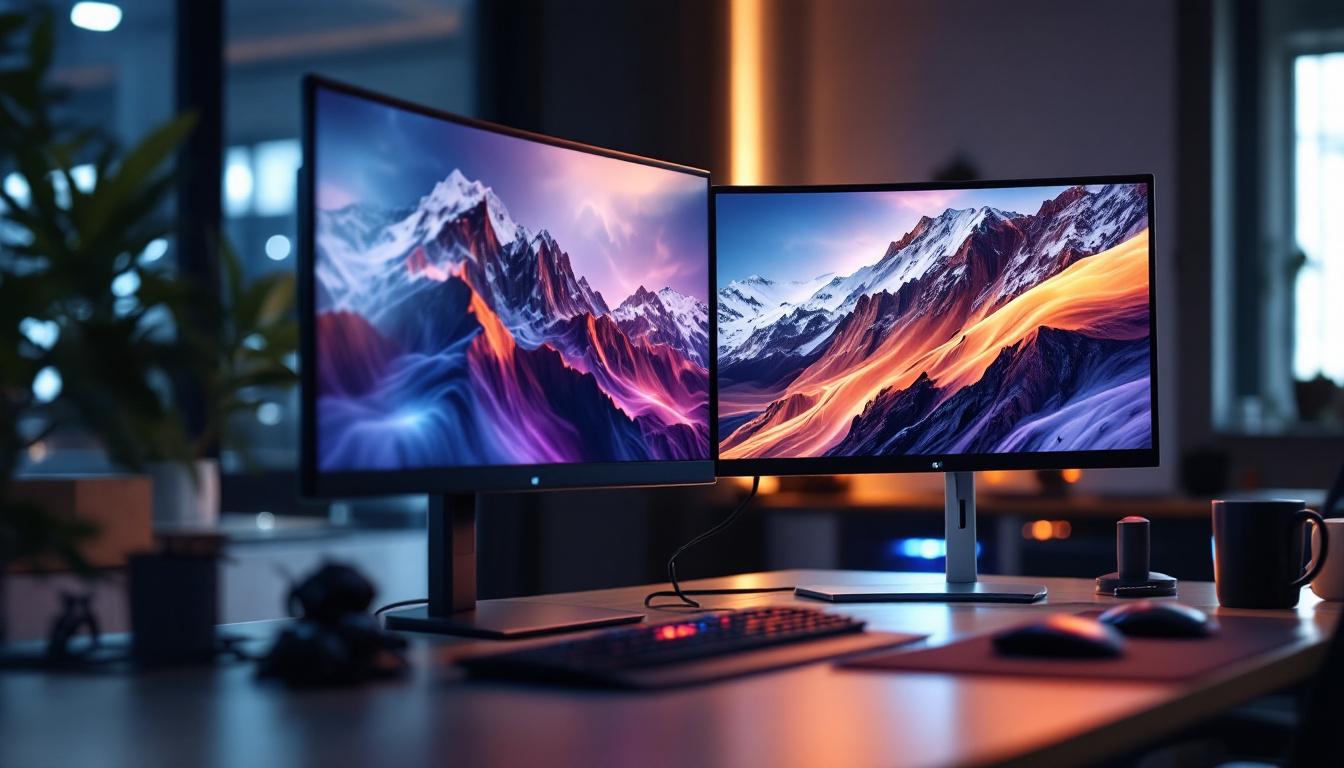
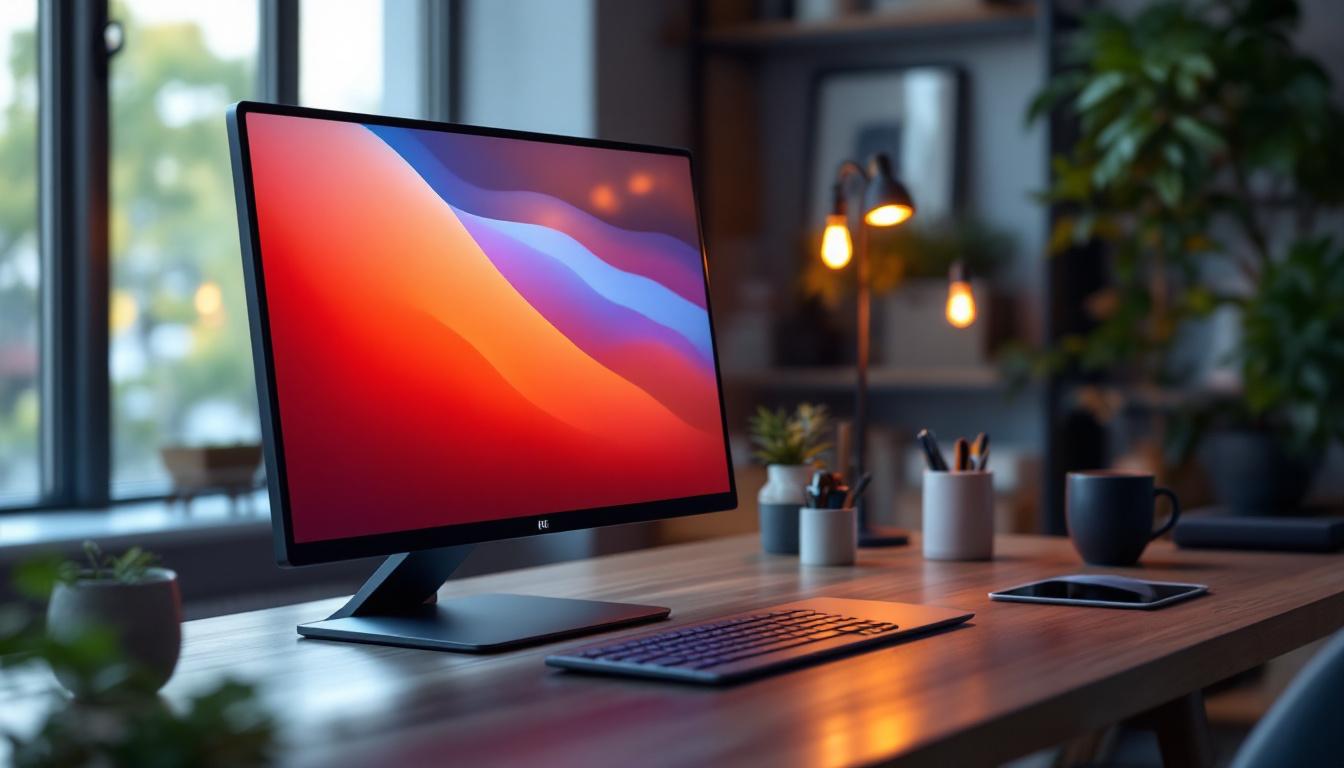
Portable extended monitors are compact, lightweight screens designed to serve as secondary displays that can be easily connected to laptops, tablets, or even smartphones. Unlike traditional monitors, these devices prioritize mobility without compromising on screen quality or functionality.
The concept of extending a primary display is crucial for multitasking, allowing users to spread out their workspaces, compare documents side-by-side, or enjoy larger visuals for gaming and media consumption. Portable extended monitors typically connect via USB-C or HDMI, offering plug-and-play convenience.
Key Features of Portable Extended Monitors
Several features distinguish portable extended monitors from conventional displays:
- Portability: Slim and lightweight designs often under 1.5 pounds make them easy to carry in laptop bags.
- Connectivity: USB-C and HDMI ports ensure compatibility with a wide range of devices.
- Power Efficiency: Many models draw power directly from connected devices, eliminating the need for external power sources.
- Screen Size: Typically ranging from 12 to 17 inches, balancing usability and portability.
- Resolution: Full HD (1920×1080) is common, with some models offering higher resolutions for sharper images.
These features make portable extended monitors ideal for professionals who travel frequently, digital nomads, and anyone seeking to boost productivity without sacrificing mobility. Moreover, the versatility of these monitors extends beyond just work; they are also perfect for entertainment purposes. Users can easily set up a dual-screen gaming experience or enjoy streaming their favorite shows on a larger screen while using their primary device for browsing or messaging.
Additionally, many portable monitors come equipped with built-in speakers or support for external audio devices, enhancing the overall multimedia experience. Some models even offer touch-screen capabilities, allowing for intuitive interaction and making them suitable for creative tasks such as graphic design or digital art. As technology continues to advance, the integration of features like blue light filters and adjustable brightness settings further enhances user comfort, making portable extended monitors not just a luxury, but a practical tool for a variety of applications.
LED Display Technology: The Heart of Portable Monitors
At the core of most portable extended monitors is LED (Light Emitting Diode) display technology. Understanding how LED displays work helps explain why they are preferred over other display types like LCD or OLED in portable devices.
What is an LED Display?
An LED display is a type of flat-panel display that uses light-emitting diodes to produce images. While the term “LED display” is often used interchangeably with LCD screens that use LED backlighting, it’s important to distinguish between:
- LED-backlit LCDs: These are LCD screens illuminated by an array of LEDs behind or along the edges of the panel. This technology enhances brightness and color accuracy compared to older CCFL (cold cathode fluorescent lamp) backlights.
- Direct LED Displays: These use LEDs as individual pixels, common in large outdoor displays but less so in portable monitors.
Most portable extended monitors utilize LED-backlit LCDs due to their balance of image quality, power consumption, and cost-effectiveness. This makes them particularly appealing for professionals who need to work on the go, such as graphic designers, photographers, and business travelers who require a reliable secondary display.
Advantages of LED Displays in Portable Monitors
The integration of LED technology into portable monitors offers several benefits:
- Improved Brightness and Contrast: LEDs provide higher brightness levels and better contrast ratios, making images clearer even in well-lit environments.
- Energy Efficiency: LED backlights consume less power than traditional CCFLs, extending battery life when monitors are powered by laptops or mobile devices.
- Thin and Lightweight Design: LED backlighting allows for slimmer panels, contributing to the portability of the monitors.
- Better Color Reproduction: Enhanced color accuracy and wider color gamuts improve the viewing experience for photo editing, design, and media consumption.
- Longer Lifespan: LEDs generally last longer and are more durable, reducing the need for frequent replacements.
These advantages align perfectly with the needs of users who require reliable, high-quality displays on the move. Furthermore, the rapid advancements in LED technology have led to innovations such as HDR (High Dynamic Range) support, which allows for a broader range of colors and improved detail in both bright and dark scenes. This is particularly beneficial for content creators who demand precision in color grading and detail in their work.
Additionally, many modern portable monitors equipped with LED technology now feature connectivity options such as USB-C, which simplifies the process of connecting to a variety of devices without the need for multiple cables. This versatility not only enhances user experience but also reduces clutter, making it easier to set up a workstation in any environment, whether it be a coffee shop, airport, or home office. As the demand for portable solutions continues to grow, LED display technology remains at the forefront, driving innovation and improving the way we interact with our digital content.
Choosing the Right Portable Extended Monitor with LED Display
Selecting a portable extended monitor involves considering several factors beyond just the LED technology. Understanding these elements ensures the chosen device meets specific use cases and preferences.
Resolution and Screen Size
Resolution determines the sharpness and clarity of the display. Full HD (1920×1080) is the most common resolution for portable monitors, offering a good balance between image quality and power consumption. Some premium models feature 2K (2560×1440) or 4K (3840×2160) resolutions, which deliver crisper images but may consume more power and require more processing capability.
Screen size affects portability and usability. Smaller screens (12-13 inches) are easier to carry but may feel cramped for multitasking. Larger screens (15-17 inches) provide more workspace but add weight and bulk. Users should weigh their need for screen real estate against the convenience of portability.
Connectivity Options
USB-C has become the standard for portable monitors due to its ability to transmit video, data, and power through a single cable. This simplifies setup and reduces cable clutter. However, HDMI remains important for compatibility with older devices or gaming consoles.
Some monitors also support touch input or include built-in batteries for standalone use, expanding their versatility.
Color Accuracy and Refresh Rate
For creative professionals, color accuracy is critical. Monitors with higher color gamut coverage (such as 100% sRGB or AdobeRGB) and factory calibration offer more precise colors. Gamers may prioritize higher refresh rates (90Hz or above) for smoother visuals, although this is less common in portable monitors due to power constraints.
Price and Brand Reputation
Prices for portable LED monitors vary widely, from budget-friendly options under $150 to premium models exceeding $400. Investing in reputable brands often ensures better build quality, customer support, and firmware updates.
Practical Applications of Portable Extended LED Monitors
The versatility of portable extended monitors with LED displays makes them suitable for a wide range of scenarios.
Enhancing Productivity for Remote Workers
With remote work becoming a norm, many professionals seek ways to replicate multi-monitor setups outside traditional offices. Portable monitors provide an easy solution to increase screen space, enabling efficient multitasking and reducing the need to constantly switch between windows.
For example, a graphic designer can use the primary laptop screen for design software while keeping reference materials or communication apps open on the portable monitor. Similarly, financial analysts can view spreadsheets and reports simultaneously, streamlining workflows.
Gaming on the Go
Gamers benefit from portable monitors by extending their gaming setups beyond desktops. Portable LED monitors with low response times and decent refresh rates can enhance mobile gaming experiences when connected to gaming laptops or consoles.
Some models even support HDR (High Dynamic Range) for richer colors and deeper blacks, elevating visual immersion.
Presentations and Collaborative Work
Professionals frequently delivering presentations or collaborating in different locations find portable monitors invaluable. They can quickly connect their laptops to a secondary screen to display slides, charts, or collaborative documents, making meetings more interactive and efficient.
Creative and Multimedia Uses
Photographers, video editors, and digital artists often require color-accurate displays for their work. Portable LED monitors with wide color gamuts and factory calibration allow creatives to review and edit content on the move without sacrificing quality.
Future Trends in Portable LED Monitor Technology
As technology evolves, portable extended monitors continue to improve in functionality and performance. Several trends are shaping the future of this market segment.
Mini-LED and Micro-LED Backlighting
Mini-LED and Micro-LED technologies promise even better contrast ratios, brightness, and energy efficiency by using smaller LEDs for backlighting or direct pixel illumination. These advancements could bring portable monitors closer to OLED-level picture quality while maintaining durability and reducing burn-in risks.
Flexible and Foldable Displays
Emerging flexible LED display panels may lead to foldable or rollable portable monitors, enhancing portability and convenience. Such innovations could revolutionize how users carry and deploy secondary screens.
Improved Connectivity and Integration
With the rise of USB4 and Thunderbolt 4, future portable monitors will support faster data transfer and charging capabilities. Integration with cloud services and wireless display technologies may also reduce reliance on physical cables, simplifying setups further.
Conclusion
Portable extended monitors equipped with LED displays represent a perfect blend of mobility, performance, and visual quality. Their ability to enhance productivity, gaming, and multimedia experiences makes them essential tools in the modern digital landscape.
Understanding LED display technology and key features helps users select the right portable monitor tailored to their needs. As innovations continue to advance, these devices will become even more versatile and powerful, redefining how screens accompany users beyond traditional workspaces.
Whether for professional tasks, entertainment, or creative endeavors, investing in a quality portable extended monitor with an LED display is a smart choice for anyone seeking to expand their digital horizons.
Discover LumenMatrix’s Advanced LED Display Solutions
Ready to take your visual experience to the next level? LumenMatrix offers a wide array of innovative LED display solutions that cater to your every need. From vibrant Indoor LED Walls to dynamic Outdoor LED Displays, and from sleek LED Posters to immersive LED Sports Displays, LumenMatrix is at the forefront of transforming environments with superior image quality and captivating designs. Elevate your professional presentations, gaming sessions, or creative projects with our cutting-edge technology. Check out LumenMatrix LED Display Solutions today and see how we can help you make a lasting impression with every display.