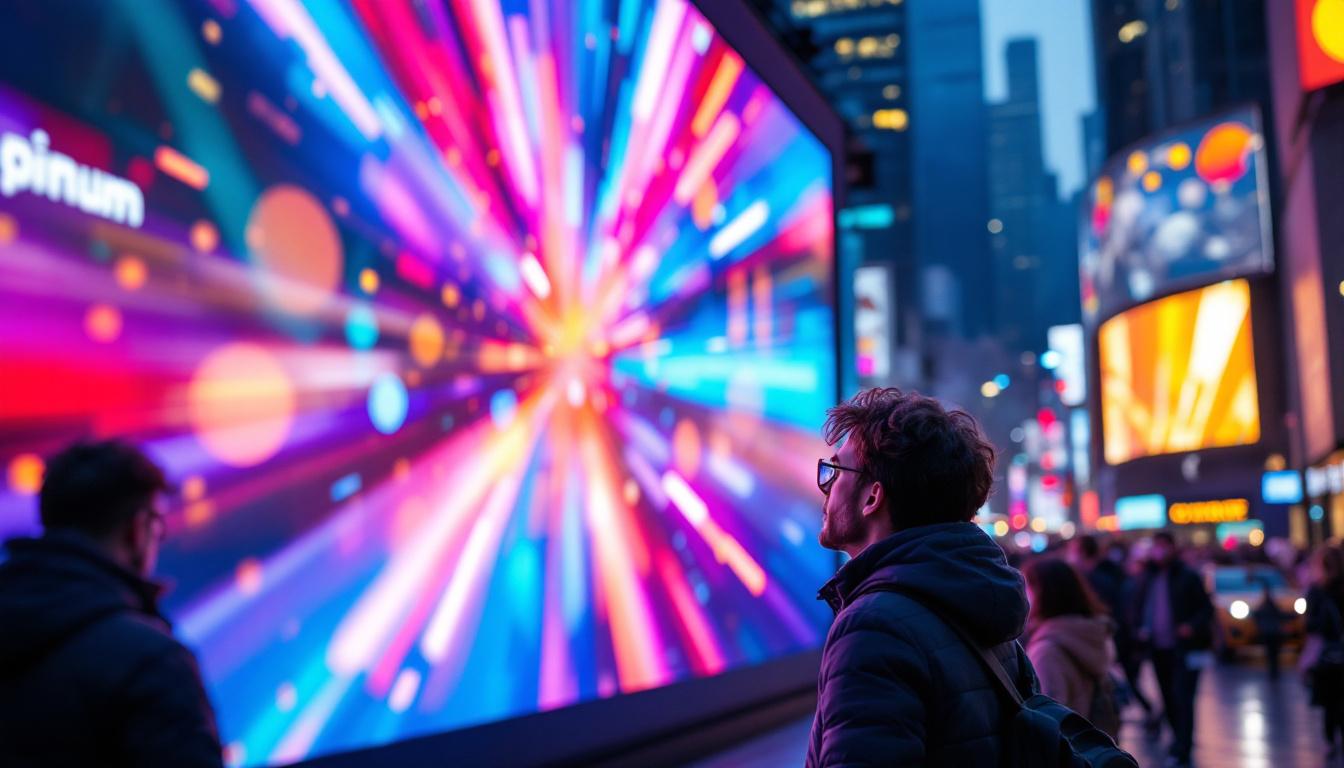
In today’s digital age, LED displays have become an integral part of how information is communicated visually — from billboards and stadium screens to indoor signage and wearable technology. Among the various technical terms associated with LED displays, “Res M” often emerges as a critical specification. Understanding what Res M means, how it impacts display quality, and why it matters can empower businesses, designers, and technology enthusiasts to make informed decisions when selecting or working with LED screens.
What is Res M in LED Displays?
Res M, short for “Resolution Module,” refers to a specific measurement of pixel density and arrangement within an LED display module. Essentially, it defines how many pixels are packed into a given area, directly affecting the sharpness, clarity, and overall visual fidelity of the display.
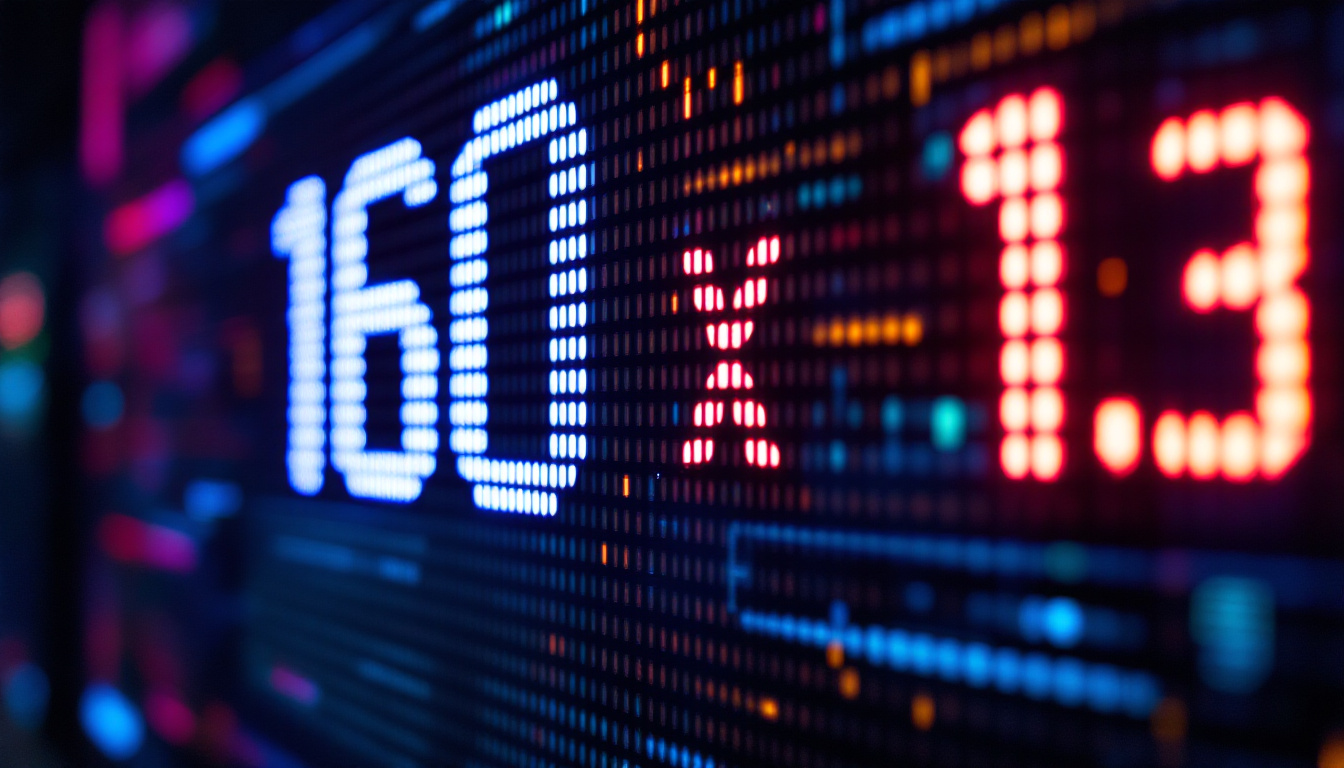
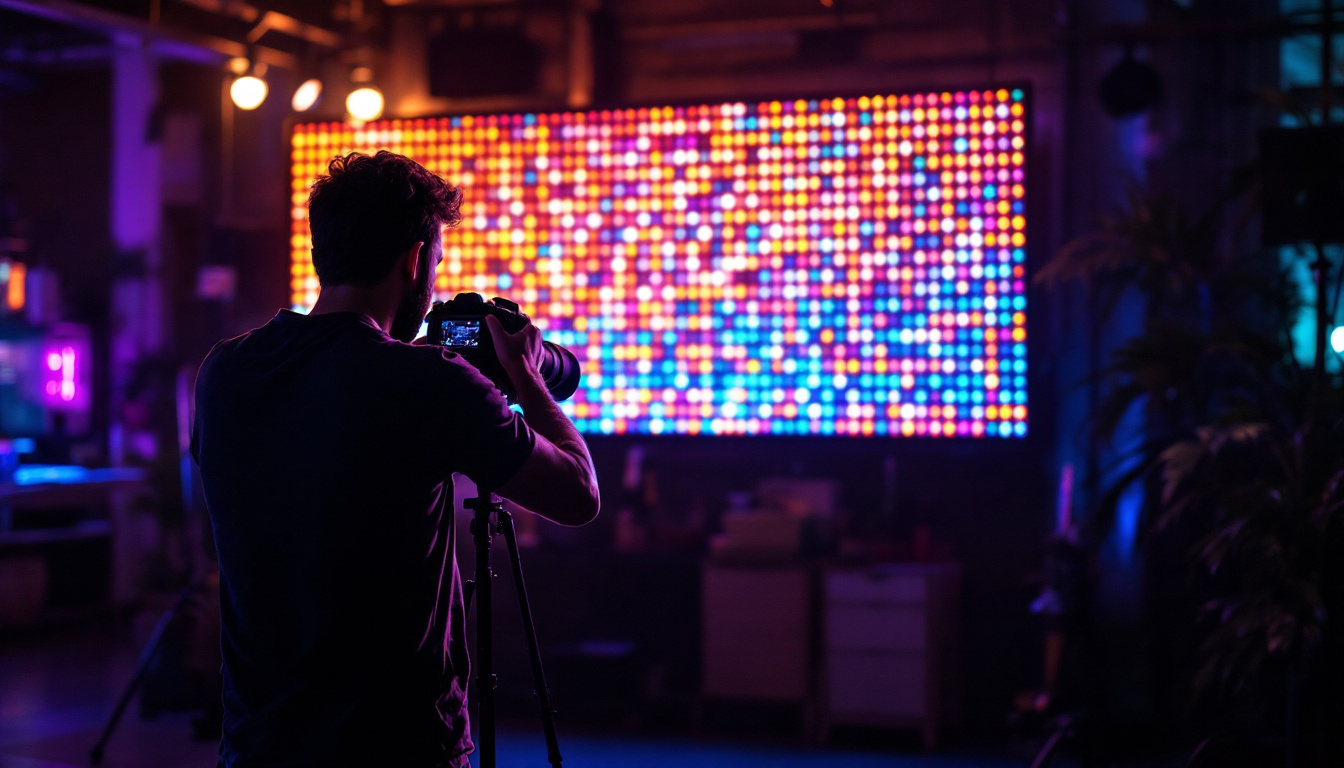
In LED technology, displays are composed of numerous modules, each containing a matrix of LEDs arranged in rows and columns. The resolution of these modules (Res M) indicates the number of pixels horizontally and vertically within each module. For example, a Res M of 64×64 means each module contains 64 pixels across and 64 pixels down, totaling 4,096 pixels per module.
This modular approach allows manufacturers to build large displays by assembling multiple modules, each with a defined Res M. The overall resolution of the entire LED display is then a function of the number of modules and their individual resolutions.
Moreover, the choice of Res M is crucial for different applications. For instance, a high Res M is essential for indoor displays where viewers are close to the screen, such as in shopping malls or concert venues, as it ensures that the image remains crisp and detailed even at short viewing distances. Conversely, outdoor displays may utilize a lower Res M since they are typically viewed from greater distances, allowing for larger pixels without sacrificing perceived image quality.
Additionally, advancements in LED technology have led to the development of finer pixel pitches, enabling even higher resolutions in compact formats. This evolution not only enhances visual experiences but also opens up new possibilities for creative installations and advertising, where vibrant colors and intricate details can captivate audiences. As the demand for high-quality displays continues to grow, understanding Res M becomes increasingly important for both manufacturers and consumers alike, ensuring that the right specifications are chosen for each unique application.
Why Res M Matters: Impact on Display Quality
Pixel Pitch and Visual Sharpness
Res M is closely tied to the concept of pixel pitch — the distance between the centers of two adjacent pixels, usually measured in millimeters. A higher Res M typically means a smaller pixel pitch, resulting in a denser pixel arrangement. This density enhances the sharpness and detail visible on the screen, especially when viewed up close.
For instance, an LED display with a Res M of 128×128 and a pixel pitch of 1.5mm will deliver much finer image quality compared to a module with a Res M of 32×32 and a 10mm pixel pitch. This difference is crucial for applications like retail signage or control rooms, where viewers are often close to the screen and expect crisp visuals.
Viewing Distance and Application Suitability
Understanding Res M helps in determining the optimal viewing distance for an LED display. Displays with lower Res M and larger pixel pitch are designed for long-distance viewing, such as highway billboards or stadium screens, where viewers are typically hundreds of feet away. Conversely, higher Res M modules with smaller pixel pitch are better suited for indoor environments or settings where viewers are close to the display.
Choosing the right Res M ensures that the display delivers the intended visual impact without wasting resources on unnecessarily high resolution or compromising clarity due to low pixel density.
Technical Aspects of Res M in LED Displays
Module Construction and Pixel Arrangement
Each LED module is a self-contained unit that includes an array of LEDs arranged to create pixels. The Res M specification defines the number of these pixels in the horizontal and vertical directions. Modules can vary widely in size and resolution depending on the intended application.
For example, a 320mm x 320mm module with a Res M of 64×64 will have a pixel pitch of 5mm, calculated by dividing the module size by the number of pixels (320mm / 64 pixels = 5mm pixel pitch). This precise relationship between module size and Res M is fundamental to designing LED displays that meet specific resolution and size requirements.
Color Depth and Pixel Configuration
While Res M defines the quantity and arrangement of pixels, the quality of the image also depends on the color depth and pixel configuration within each pixel. Modern LED modules often use RGB (red, green, blue) LEDs to produce a full spectrum of colors. Each pixel typically consists of three LEDs — one for each color.
The ability of each pixel to display millions of colors depends on the control electronics and the quality of the LEDs themselves. Higher Res M modules with advanced pixel control can render more detailed and vibrant images, which is essential for applications like live video broadcasting or high-end advertising.
Res M in Different Types of LED Displays
Outdoor LED Displays
Outdoor LED screens prioritize brightness and durability to withstand various weather conditions and ambient lighting. These displays often have larger pixel pitches and lower Res M compared to indoor screens, as viewers tend to be farther away.
For example, an outdoor billboard might use modules with a Res M of 32×32 and a pixel pitch of 10mm or more. This configuration balances visibility from a distance with cost-effectiveness, as higher resolution modules are significantly more expensive and unnecessary for long-range viewing.
Indoor LED Displays
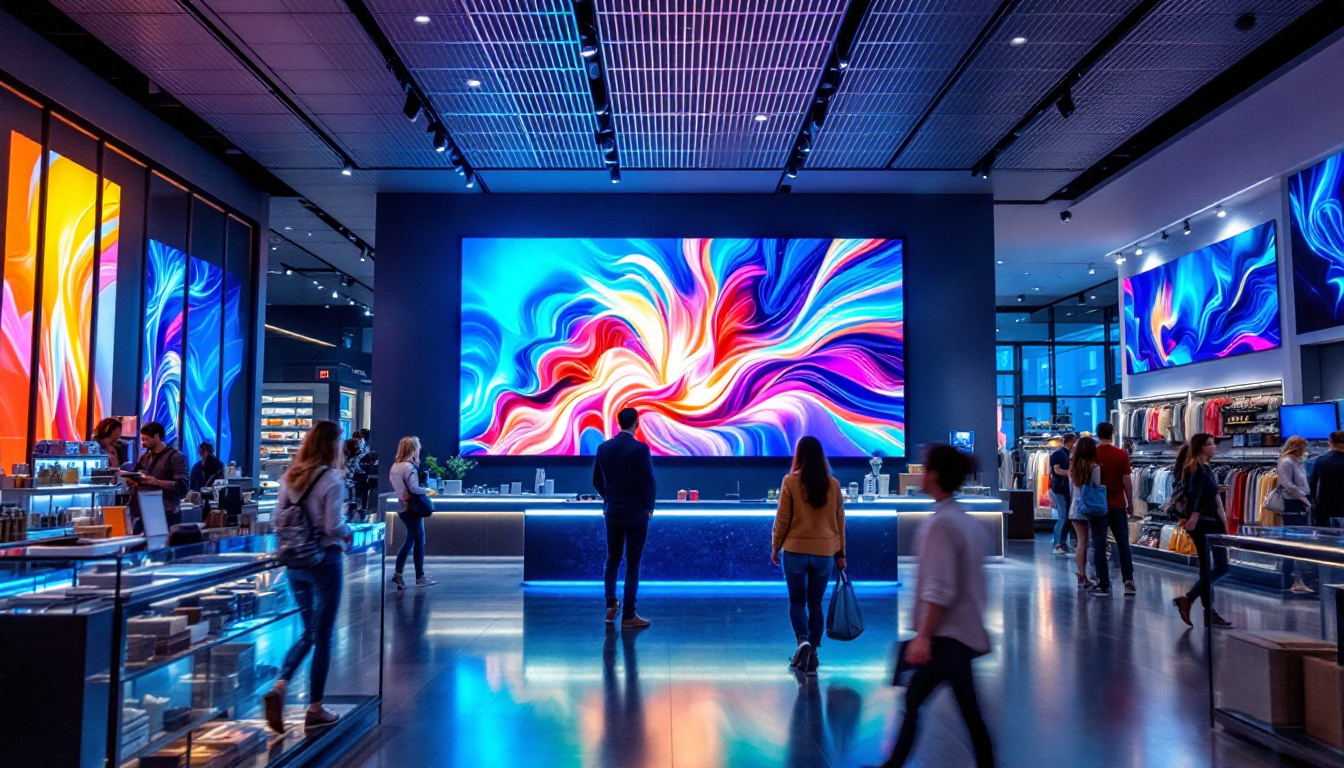
Indoor LED displays demand higher resolution and finer pixel pitch to accommodate closer viewing distances. Modules with a Res M of 128×128 or higher and pixel pitches as small as 1.2mm are common in environments like retail stores, conference rooms, or broadcast studios.
These high-Res M modules deliver crisp, detailed images that enhance viewer engagement and provide a premium visual experience. However, they also require more precise installation and calibration to maintain image quality.
Flexible and Curved LED Screens
Newer LED technologies have introduced flexible and curved displays that can wrap around surfaces or create immersive environments. The Res M in these displays is carefully engineered to maintain consistent pixel density across curved surfaces, ensuring uniform image quality.
Manufacturers often use smaller modules with high Res M to achieve the necessary flexibility without sacrificing resolution. This innovation opens up creative possibilities for architects, advertisers, and event organizers.
Choosing the Right Res M for Your LED Display Project
Assessing Viewing Distance and Environment
The first step in selecting the appropriate Res M is to consider where and how the display will be viewed. For long-distance viewing, such as roadside advertising or sports arenas, modules with lower Res M and larger pixel pitch are ideal. For close-up viewing, such as retail displays or control centers, higher Res M modules with finer pixel pitch are necessary.
Additionally, environmental factors like ambient light, weather exposure, and installation surface should influence the choice of module resolution and pixel density.
Balancing Cost and Performance
Higher Res M modules generally cost more due to the increased number of LEDs and more complex manufacturing processes. While high resolution is desirable, it’s essential to balance performance needs with budget constraints.
For many applications, an excessively high Res M may not provide noticeable benefits, especially if the viewing distance is too great to appreciate finer details. Consulting with LED display manufacturers or specialists can help identify the optimal Res M that meets both visual and financial requirements.
Future-Proofing and Scalability
Choosing a Res M that allows for scalability and future upgrades can protect your investment. Modular LED displays enable adding or replacing modules as technology advances or as display needs evolve.
Opting for a slightly higher Res M than currently necessary may provide flexibility for future applications, such as higher resolution content or closer viewing scenarios, without requiring a complete system overhaul.
Industry Trends and Innovations Related to Res M
Advancements in Mini LED and Micro LED Technology
Recent developments in Mini LED and Micro LED technology are pushing the boundaries of Res M by enabling even smaller pixel pitches and higher resolutions. These technologies use much smaller LEDs, allowing for ultra-high resolution displays with exceptional brightness and color accuracy.
As these technologies mature and become more affordable, they are expected to redefine the standards for Res M in both consumer and commercial LED displays.
Integration with Smart and Interactive Technologies
Modern LED displays increasingly incorporate smart features such as touch interactivity, sensors, and AI-driven content management. High Res M modules facilitate detailed visual feedback and responsive interfaces, enhancing user engagement.
For example, interactive digital signage in retail environments benefits from high-resolution LED modules that can display intricate graphics and respond dynamically to user input.
Sustainability and Energy Efficiency
As environmental concerns grow, manufacturers are focusing on energy-efficient LEDs and modules that maintain high Res M without excessive power consumption. Innovations in LED chip design and driver electronics contribute to greener, more sustainable LED display solutions.
Choosing LED modules with optimized Res M can also reduce waste by ensuring the display meets exact resolution needs without over-specification.
Conclusion
Res M is a fundamental specification in the design and selection of LED displays, directly influencing image quality, viewing experience, and application suitability. Understanding the relationship between Res M, pixel pitch, and display size empowers stakeholders to make informed decisions tailored to their unique requirements.
Whether deploying a massive outdoor billboard or a high-resolution indoor video wall, considering Res M alongside factors like viewing distance, environment, and budget ensures optimal performance and value. As LED technology continues to evolve, staying informed about innovations in resolution and pixel density will be key to leveraging the full potential of LED displays.
Discover LumenMatrix’s Advanced LED Display Solutions
Ready to elevate your visual communication with the latest in LED technology? LumenMatrix offers a comprehensive range of LED display modules designed to bring your brand to life. From vibrant Indoor LED Wall Displays to dynamic Outdoor LED Wall Displays, and from mobile Vehicle LED Displays to interactive Floor LED Displays, our solutions are crafted to captivate and engage your audience. Embrace the future of digital signage with LumenMatrix’s Custom and All-in-One LED Displays, including cutting-edge LED Transparent Displays. Check out LumenMatrix LED Display Solutions today and transform your visual storytelling with unparalleled clarity and impact.