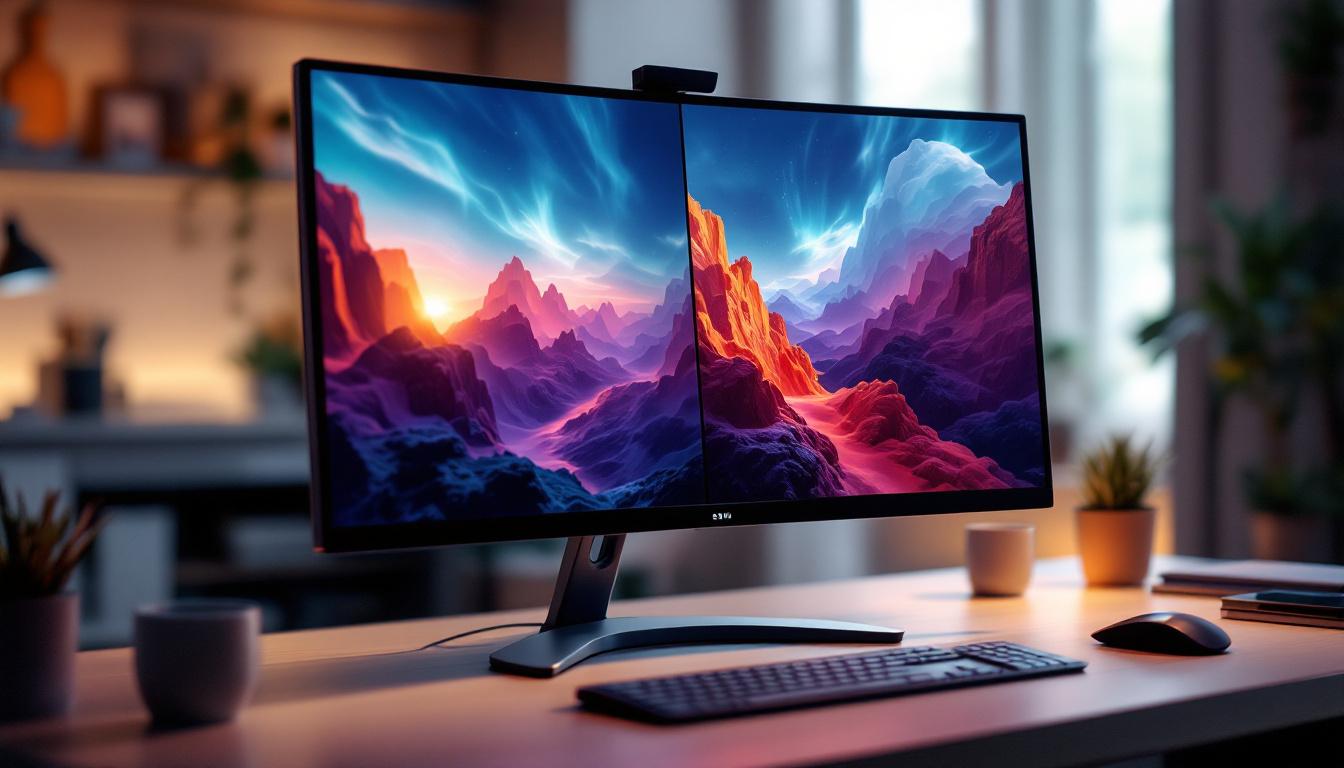
In today’s digital age, maintaining privacy while using computer monitors is more important than ever. Whether in open office environments, public spaces, or even at home, sensitive information displayed on screens can be vulnerable to prying eyes. This concern has led to the growing demand for screen privacy solutions, particularly for LED displays, which dominate the monitor market. This article delves into the intricacies of screen privacy for LED monitors, exploring how these displays work, the technologies available to protect your screen content, and practical tips to enhance your digital privacy.
Understanding LED Displays: The Foundation of Modern Monitors
LED (Light Emitting Diode) displays have become the standard for computer monitors, TVs, and other digital screens due to their superior brightness, energy efficiency, and color accuracy. Unlike older LCD screens that rely on cold cathode fluorescent lamps (CCFL) for backlighting, LED monitors use an array of LEDs to illuminate the pixels, offering better contrast and thinner designs.
The LED technology itself doesn’t inherently provide privacy features, but understanding how these displays work is crucial to grasping how privacy filters and other solutions interact with the screen.
How LED Monitors Work
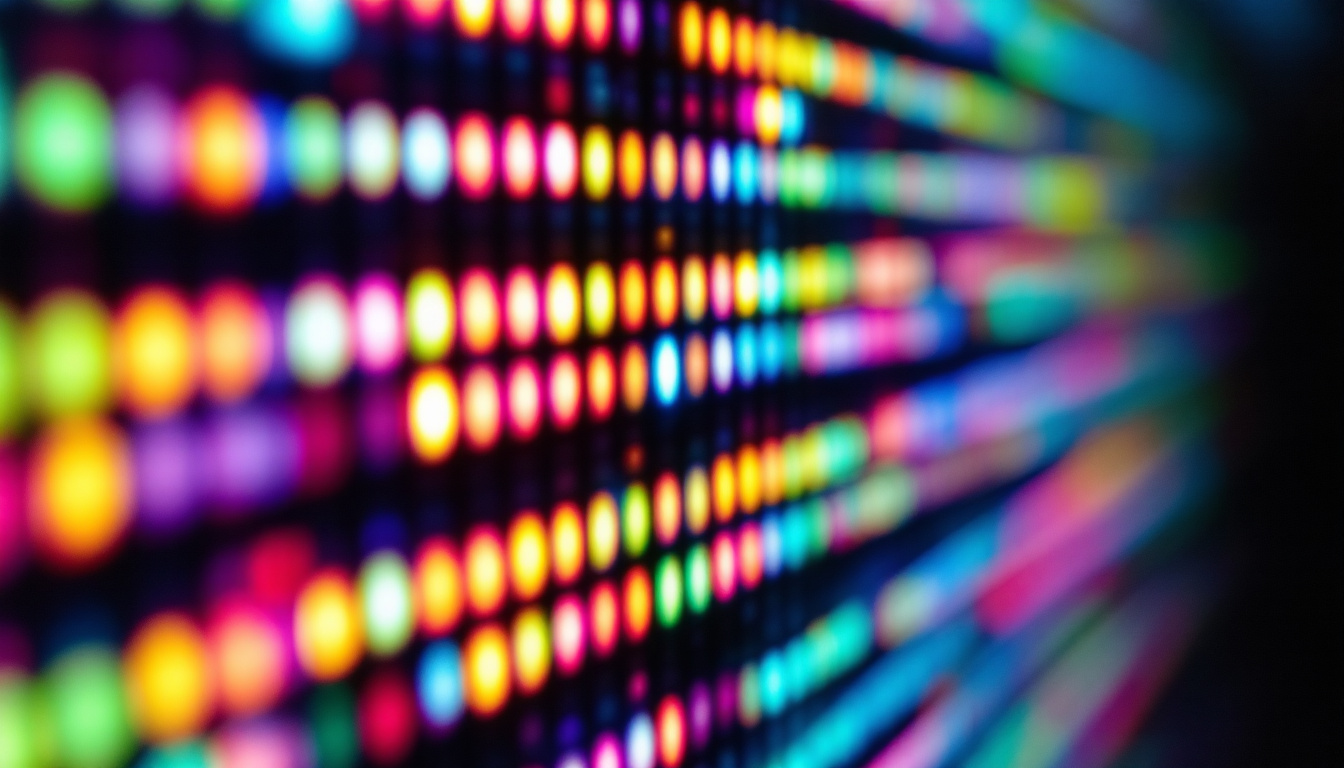
At their core, LED monitors are a type of LCD screen that uses LEDs as a backlight source. The display panel contains millions of pixels, each made up of red, green, and blue subpixels. These pixels control the amount of light that passes through them, creating images by varying their color and brightness. The LED backlight shines through the liquid crystals, which twist and untwist to block or allow light, producing the images we see.
This layered structure means that the screen’s brightness and clarity are highly dependent on the backlight and the quality of the LCD panel. When considering privacy, the key factor is how light is emitted and viewed from different angles, which privacy filters exploit to limit visibility.
Why LED Displays Are Popular
LED monitors are favored for several reasons:
- Energy Efficiency: LEDs consume less power than CCFL backlights, reducing electricity costs and heat output.
- Brightness and Contrast: LED backlighting allows for brighter screens and deeper blacks, enhancing image quality.
- Thin and Lightweight: The compact nature of LEDs enables slimmer monitor designs, making them more portable and aesthetically pleasing.
- Longevity: LEDs typically have a longer lifespan than traditional backlights, contributing to the durability of the monitor.
These benefits make LED displays the preferred choice for both consumers and professionals, but they also present unique challenges for screen privacy.
The Importance of Screen Privacy in LED Monitors
With the rise of remote work, open-plan offices, and public computing spaces, protecting the information displayed on monitors has become a critical concern. Sensitive data such as financial details, personal communications, and confidential business information can be exposed to unintended viewers, leading to privacy breaches and security risks.
Common Scenarios Where Screen Privacy Matters
Consider the following situations where screen privacy is essential:
- Open Office Environments: Cubicles and shared desks often lack physical barriers, making it easy for coworkers or passersby to glimpse sensitive information.
- Public Spaces: Using laptops or monitors in cafes, airports, or libraries increases the risk of visual hacking, where someone intentionally or unintentionally views your screen.
- Healthcare and Financial Settings: Professionals handling confidential patient or client data must ensure that screens are not visible to unauthorized individuals to comply with regulations like HIPAA or GDPR.
- Home Offices: Even at home, family members or roommates might inadvertently see private information on your screen.
In all these cases, screen privacy solutions can mitigate risks and protect sensitive data from exposure.
Statistics Highlighting the Need for Screen Privacy
Recent studies underscore the importance of screen privacy:
- A 2022 survey by the Ponemon Institute found that 43% of data breaches involved unauthorized access to sensitive information displayed on screens.
- The same report revealed that visual hacking attempts increased by 25% in hybrid work environments, where employees frequently switch between office and remote locations.
- According to a 2023 cybersecurity report, 60% of employees admitted to witnessing coworkers’ screens without permission, indicating a widespread issue of inadvertent privacy breaches.
These statistics highlight the growing vulnerability of screen content and the urgent need for effective privacy solutions tailored to LED monitors.
Screen Privacy Technologies for LED Displays
Several technologies have been developed to enhance screen privacy on LED monitors. These solutions vary in complexity, cost, and effectiveness, allowing users to choose based on their specific needs and environments.
Privacy Filters: The Most Common Solution
Privacy filters are thin, attachable films that adhere to the surface of a monitor. They use micro-louver technology to narrow the viewing angle of the screen, making the display appear dark or black when viewed from the side.
When looking directly at the screen, the user sees a clear, bright image, but anyone outside the designated viewing angle sees a blurred or obscured screen. This technology is highly effective in preventing shoulder surfing and casual visual hacking.
Types of Privacy Filters
- Matte Privacy Filters: These reduce glare and reflections while providing privacy, ideal for brightly lit environments.
- Glossy Privacy Filters: Offer sharper image quality but may reflect more ambient light.
- Removable vs. Permanent: Some filters are designed to be easily attached and removed, while others are more permanent fixtures.
Privacy filters are widely available for various monitor sizes and resolutions, making them a versatile option for most users.
Built-In Privacy Screens
Some high-end monitors come with built-in privacy screens that use similar micro-louver technology integrated into the display itself. These monitors allow users to toggle privacy mode on or off, providing flexibility depending on the situation.
While more expensive, built-in privacy screens offer a seamless experience without the need for additional accessories. They are particularly popular in corporate environments where data security is paramount.
Software-Based Privacy Solutions
Although less common, some software applications attempt to enhance screen privacy by dimming or blurring parts of the screen based on user behavior or gaze tracking. However, these solutions are limited by the physical visibility of the screen and cannot prevent someone from seeing the display from an angle.
Software solutions are best used in conjunction with physical privacy measures rather than as standalone protections.
Anti-Glare and Blue Light Filters
While primarily designed to reduce eye strain and improve viewing comfort, anti-glare and blue light filters can indirectly support privacy by minimizing reflections and screen brightness that might attract attention. These filters are often combined with privacy filters for enhanced protection.
Choosing the Right Privacy Solution for Your LED Monitor
Selecting the appropriate privacy solution depends on several factors, including the environment, budget, and specific privacy needs. Here are key considerations to guide your decision:
Assess Your Environment and Usage
In open offices or public spaces, a high-quality privacy filter with a narrow viewing angle is critical. For home offices, a moderate privacy filter may suffice, especially if physical barriers are present. Understanding where and how the monitor will be used helps determine the level of privacy required.
Consider Screen Size and Resolution
Privacy filters must match the size and resolution of the monitor to maintain image clarity and effectiveness. Filters designed for smaller screens may not work well on larger displays, and vice versa. Many manufacturers provide detailed sizing guides to ensure compatibility.
Evaluate Image Quality Impact
Some privacy filters can slightly reduce brightness or alter color accuracy. Professionals who rely on precise color representation, such as graphic designers or photographers, should test filters before purchase to ensure minimal impact on their work.
Budget and Durability
Prices for privacy filters and built-in privacy monitors vary widely. While built-in privacy screens offer convenience and superior integration, they come at a premium. Removable privacy filters are more affordable and can be replaced or upgraded easily. Consider durability, especially if the monitor will be used in high-traffic areas.
Additional Tips to Enhance Screen Privacy
Beyond technology, several practical steps can help protect your screen content from unwanted viewing:
Adjust Monitor Positioning
Positioning your monitor away from high-traffic areas or windows can reduce the likelihood of visual hacking. Angling the screen so it faces only you or a wall can be a simple yet effective privacy measure.
Use Physical Barriers
Desk partitions, privacy shields, or even strategically placed plants can block the line of sight to your monitor. These physical barriers complement privacy filters and add an extra layer of protection.
Control Screen Brightness
Lowering screen brightness reduces glare and makes it harder for others to see your screen from a distance. However, balance is key to avoid eye strain.
Enable Screen Lock and Timeout Features
Automatically locking your screen after a short period of inactivity prevents unauthorized access if you step away. This is a fundamental security practice that complements visual privacy measures.
Future Trends in Screen Privacy for LED Displays
As technology advances, new innovations promise to enhance screen privacy further. Emerging trends include:
Adaptive Privacy Screens
These screens dynamically adjust the viewing angle or opacity based on user presence or environmental factors, providing privacy only when needed and maximizing visibility otherwise.
Integration with Biometric Authentication
Combining privacy screens with facial recognition or eye-tracking technology could allow screens to display content only to authorized users, preventing others from viewing sensitive information.
Advanced Materials and Nanotechnology
Research into new materials may lead to ultra-thin, flexible privacy filters that offer superior clarity and privacy without compromising screen quality.
Conclusion
Screen privacy for LED monitors is a vital consideration in today’s interconnected and mobile work environments. Understanding how LED displays function and the available privacy technologies empowers users to protect sensitive information effectively. Whether through privacy filters, built-in privacy screens, or practical workspace adjustments, safeguarding your screen content is an achievable goal.
As digital privacy concerns continue to grow, investing in screen privacy solutions not only protects data but also fosters confidence and peace of mind in professional and personal settings. Staying informed about the latest technologies and best practices ensures that your LED monitor remains a secure window to your digital world.
Discover LumenMatrix’s Advanced Privacy-Enhanced LED Displays
As you consider the importance of screen privacy for your LED monitors, LumenMatrix stands at the forefront of innovative solutions that cater to your need for both visual excellence and information security. Our comprehensive range of LED display modules, including options with integrated privacy features, is designed to meet the demands of any environment, ensuring your content remains confidential while delivering a visually stunning experience. Embrace the future of secure and engaging visual communication with LumenMatrix. Check out LumenMatrix LED Display Solutions today and take the first step towards safeguarding your digital privacy with sophistication.