Department Store Display Walls Images: LED Display Explained
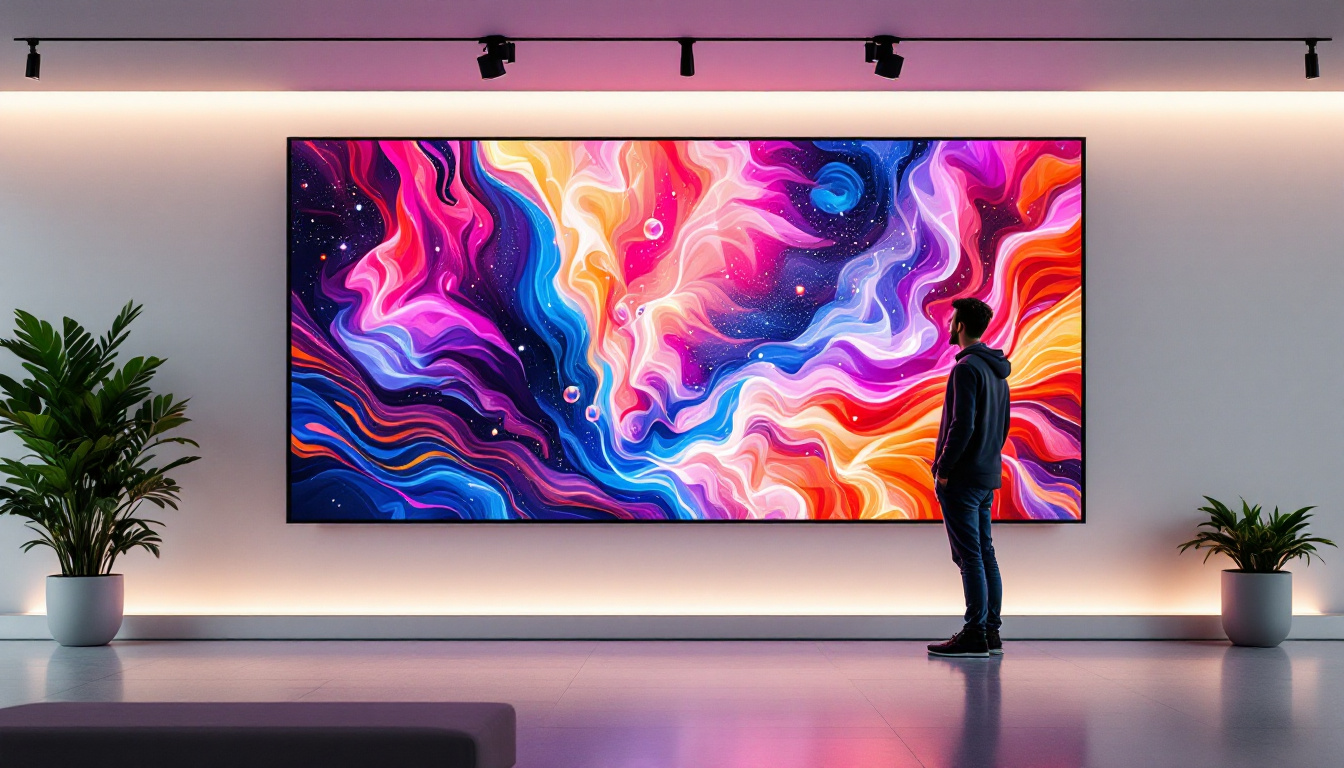
In the competitive world of retail, department stores are constantly seeking innovative ways to captivate shoppers and enhance their in-store experience. One of the most effective tools in recent years has been the use of LED display walls. These vibrant, dynamic screens transform traditional store displays into immersive visual experiences, drawing attention and driving engagement. This article delves into the technology behind LED display walls, their applications in department stores, and why they are becoming indispensable for modern retail environments.
Understanding LED Display Walls
What Are LED Display Walls?
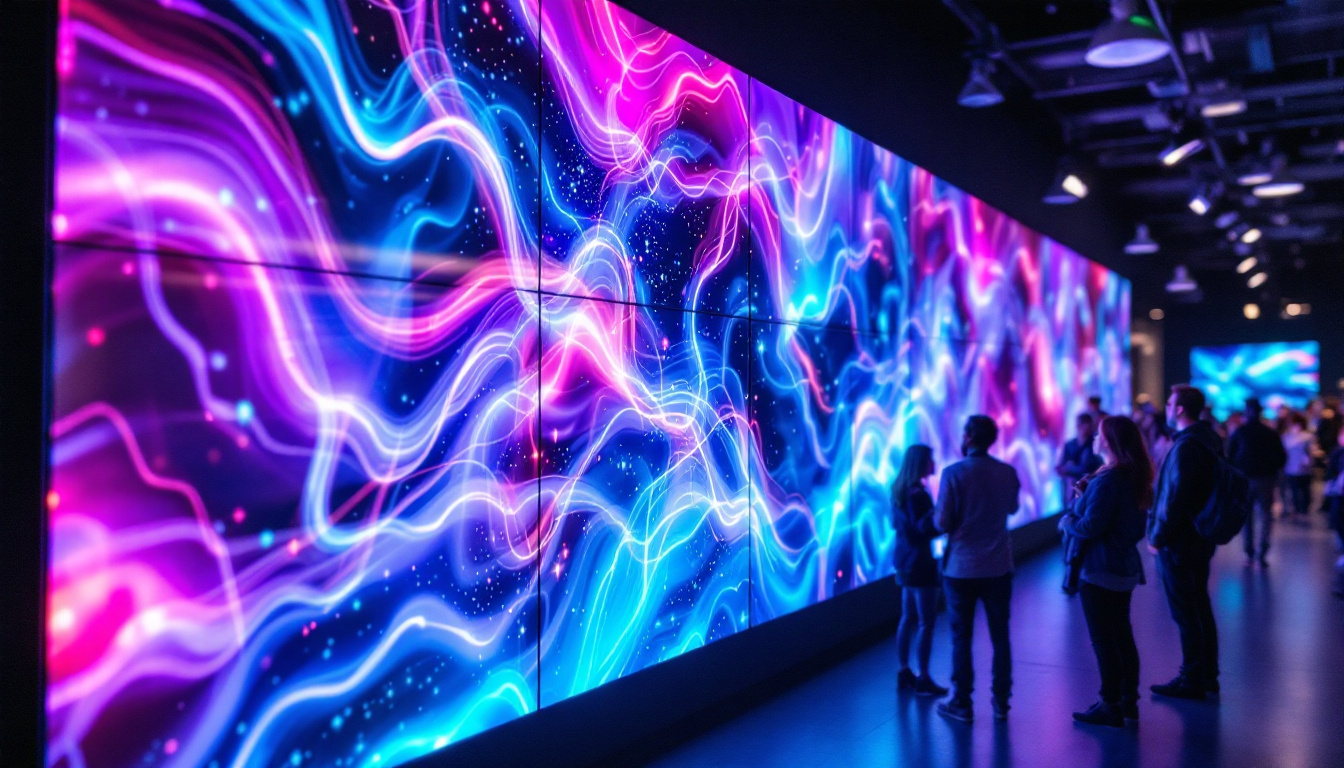
LED display walls are large-scale screens composed of multiple light-emitting diode (LED) panels seamlessly tiled together to form a single, expansive display surface. Unlike traditional LCD or projection screens, LED walls provide superior brightness, contrast, and color vibrancy, making them ideal for environments with varying lighting conditions, such as department stores.
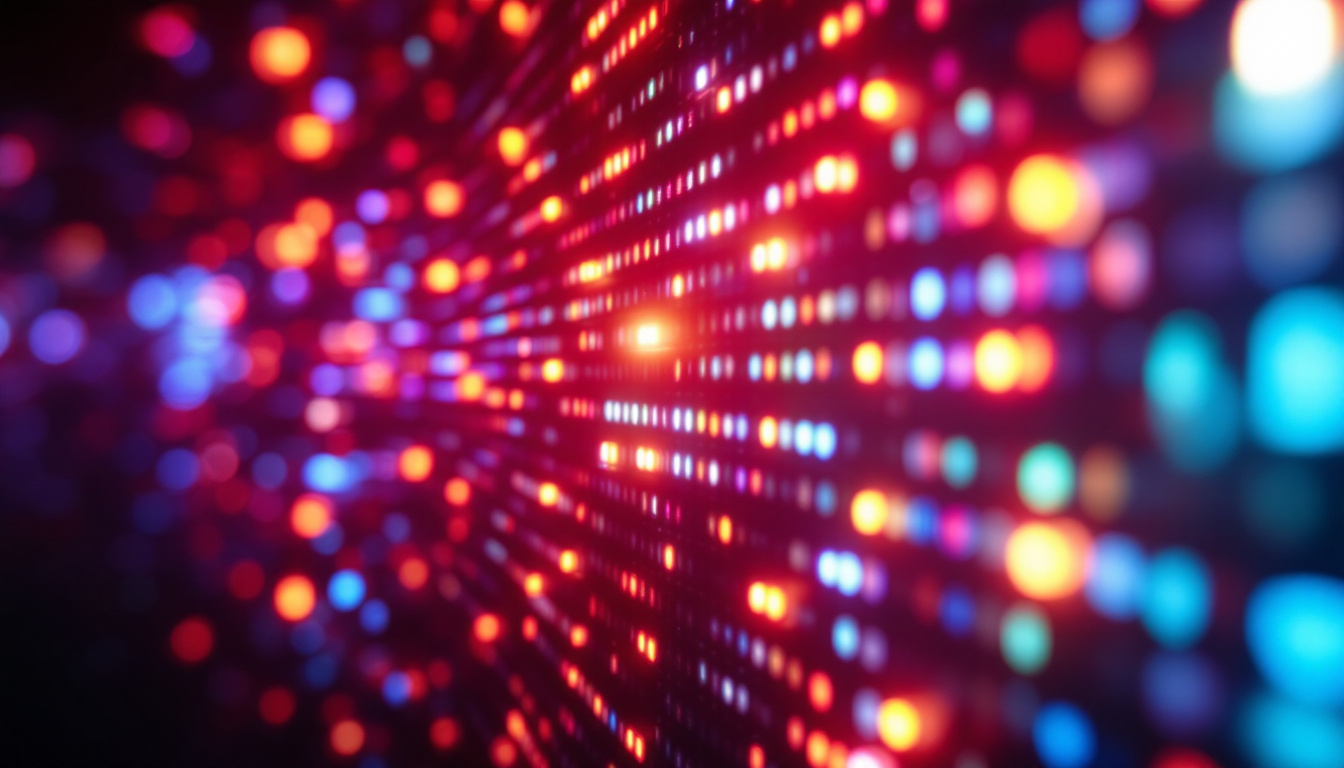
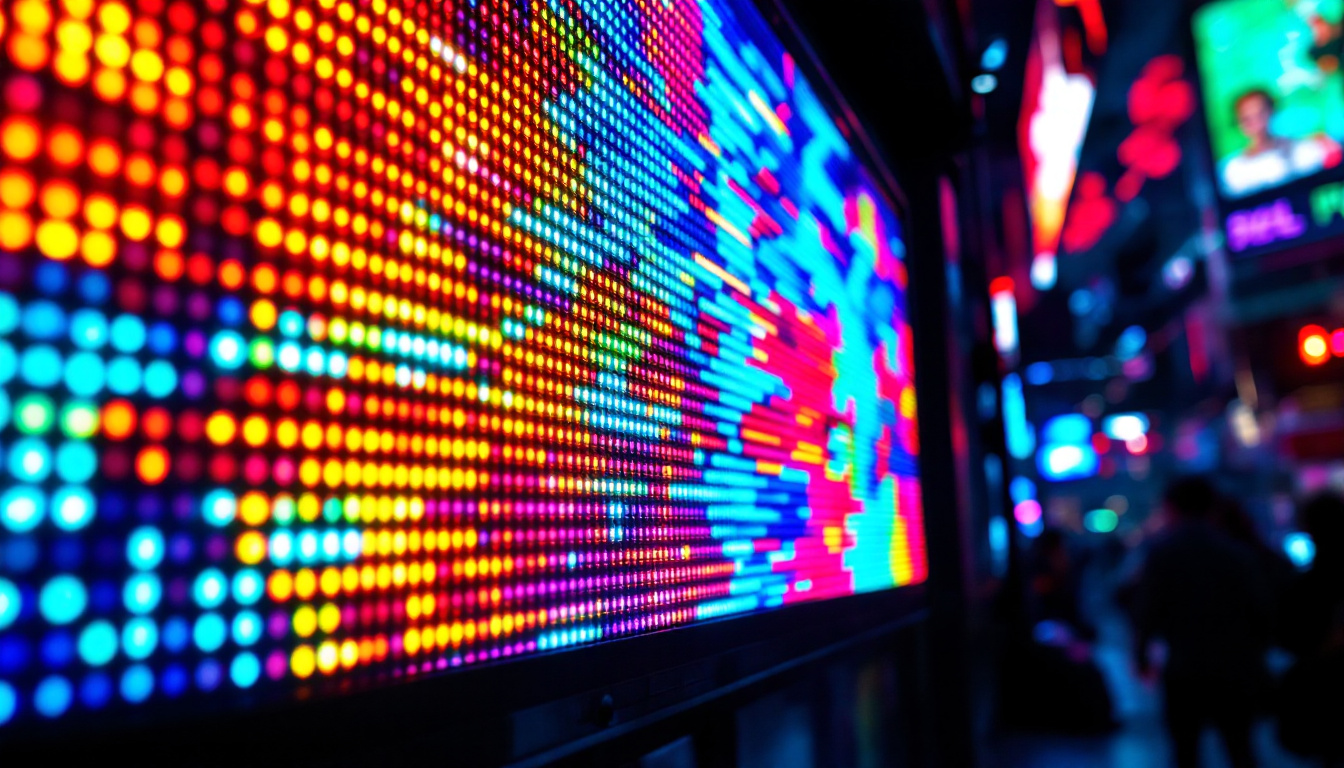
Each LED panel contains thousands of tiny diodes that emit light when an electrical current passes through them. The combination of red, green, and blue LEDs enables these walls to produce a full spectrum of colors with remarkable accuracy. This technology allows for high-resolution images and videos to be displayed vividly, even from a distance. The modular nature of LED panels also means that they can be easily replaced or upgraded, making them a cost-effective solution for businesses looking to keep their displays current and engaging.
Types of LED Displays Used in Retail
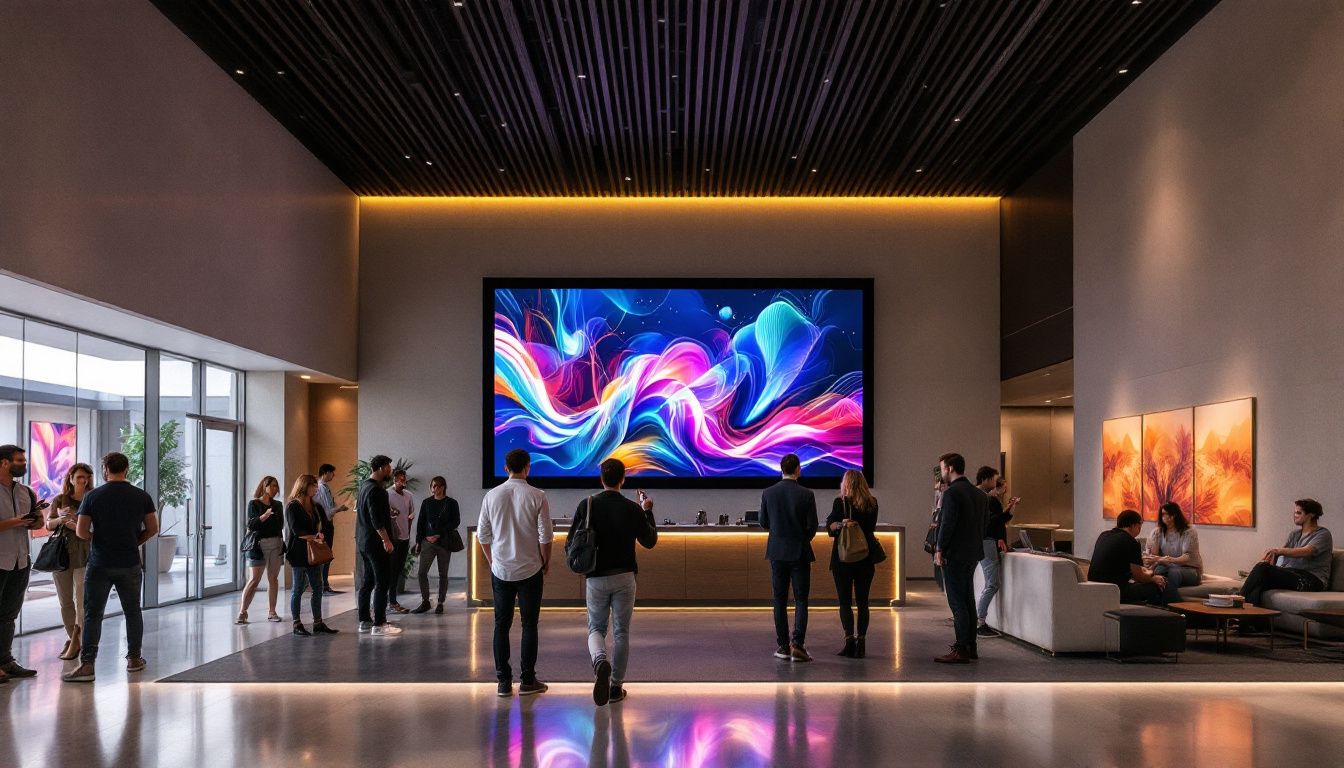
Retailers typically choose between two main types of LED displays: indoor and outdoor LED walls. Indoor LED walls are designed with finer pixel pitches, meaning the diodes are placed closer together to create sharper images at shorter viewing distances. This is crucial for department stores where shoppers are often close to the display. The ability to showcase dynamic content, such as promotional videos or interactive advertisements, can significantly enhance the shopping experience and drive sales.
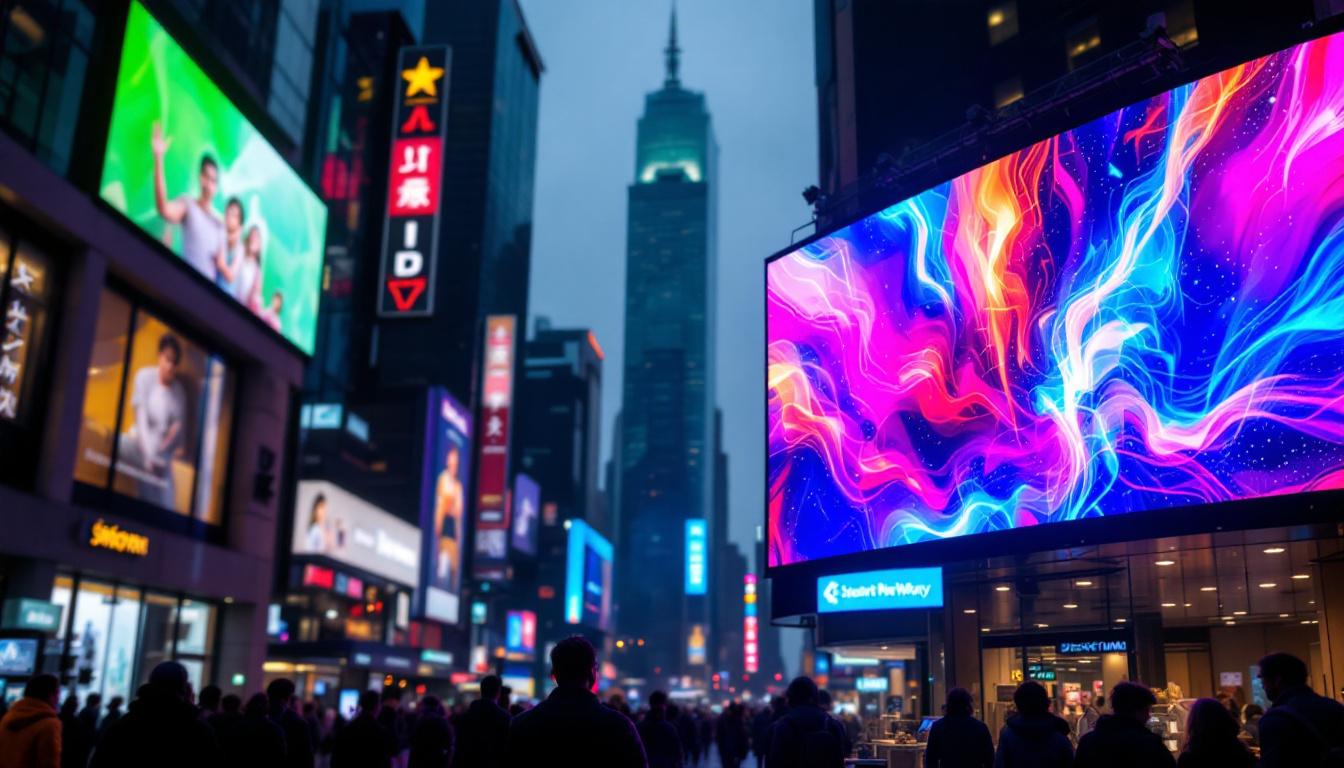
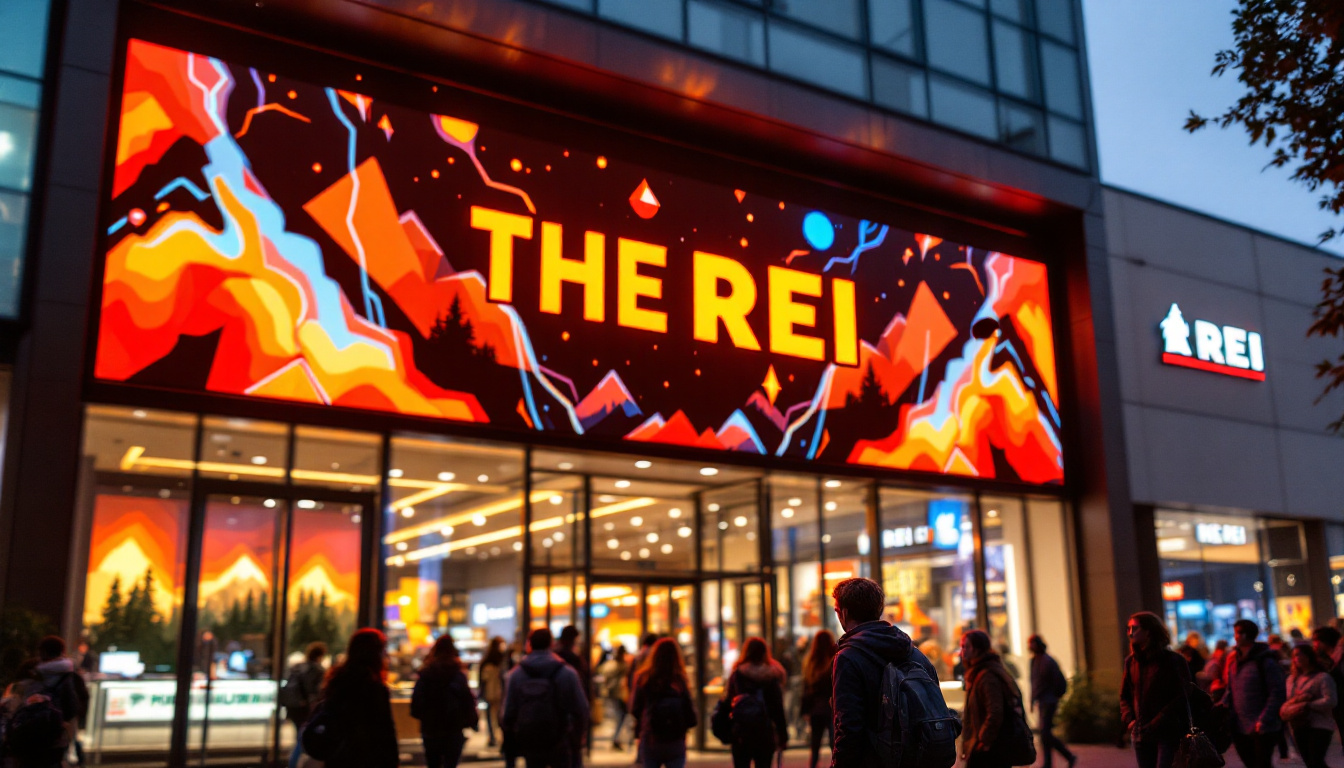
Outdoor LED walls, on the other hand, have larger pixel pitches to ensure visibility from greater distances and withstand environmental factors like sunlight and weather. While less common inside stores, outdoor LED walls are sometimes used on storefronts to attract passersby. These displays can be programmed to show real-time information, such as weather updates or social media feeds, further engaging potential customers. Additionally, the durability of outdoor LED technology means that these displays can operate effectively in various conditions, from bright sunny days to rainy nights, ensuring that retailers can maximize their advertising potential at all times.
Advantages of LED Display Walls in Department Stores
Enhanced Visual Impact and Engagement
One of the most significant benefits of LED display walls is their ability to captivate customers with bright, dynamic content. Studies have shown that digital signage can increase customer dwell time by up to 30%, which often translates into higher sales. LED walls offer unparalleled brightness and color depth, making promotional content, product videos, and branding messages impossible to ignore.
For department stores, this means the ability to showcase seasonal campaigns, highlight new product launches, or create immersive brand experiences that resonate with shoppers. The flexibility to change content quickly also allows stores to stay relevant and responsive to market trends. Moreover, the integration of interactive elements, such as touch screens or QR codes, can further enhance customer engagement, encouraging shoppers to explore products in greater detail or participate in promotional activities. This level of interactivity not only draws attention but also fosters a deeper connection between the customer and the brand, ultimately driving loyalty and repeat visits.
Durability and Energy Efficiency
LED technology is known for its longevity and energy efficiency. Modern LED panels can operate for over 100,000 hours, significantly reducing maintenance costs and downtime. Additionally, LEDs consume less power compared to traditional lighting and display technologies, which aligns with many retailers’ sustainability goals.
In a retail environment where displays often run for extended hours, the energy savings and durability of LED walls contribute to a lower total cost of ownership, making them a smart investment. Furthermore, the robust construction of LED panels means they are less susceptible to damage from impacts or environmental factors, ensuring that department stores can maintain a polished and professional appearance at all times. This resilience is particularly beneficial in high-traffic areas where traditional displays might suffer wear and tear more quickly, allowing retailers to focus on customer experience rather than constant repairs or replacements.
Customization and Scalability
LED display walls can be customized to fit any space or design requirement. Whether it’s a curved wall wrapping around a store corner or a massive rectangular screen spanning several meters, LED panels can be configured to create unique visual installations.
This scalability allows department stores to tailor their digital signage to their specific layout and branding needs. From small promotional kiosks to entire wall-sized displays, LED technology adapts seamlessly. Retailers can also leverage advanced software solutions to schedule content changes, ensuring that messages are timely and relevant. This level of customization extends beyond just size and shape; it also includes the ability to integrate various media types, such as live feeds, social media updates, or even customer-generated content. By doing so, department stores can create a dynamic and ever-evolving shopping environment that keeps customers engaged and informed, ultimately enhancing their overall shopping experience.
Practical Applications of LED Display Walls in Department Stores
Product Showcases and Interactive Displays
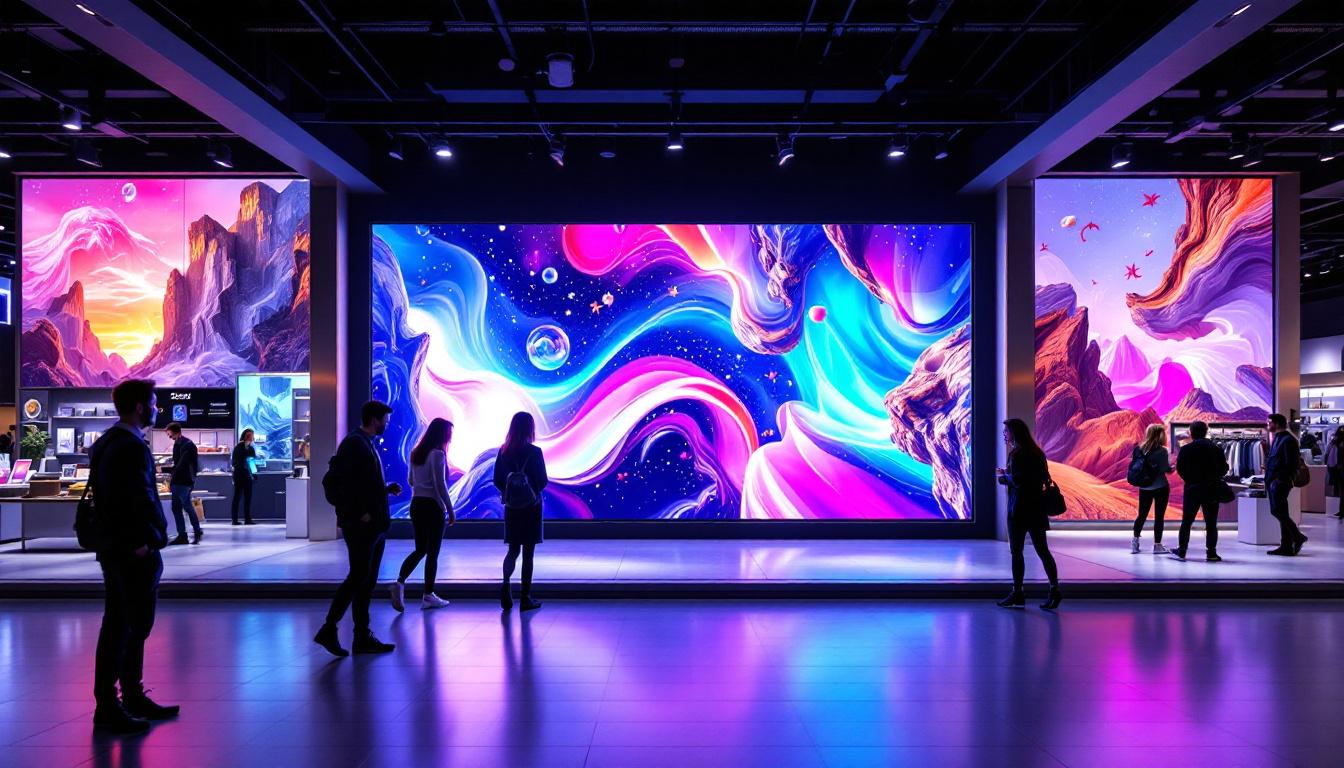
Department stores often use LED walls to highlight featured products with high-definition videos and animations. For example, a cosmetics section might use an LED wall to demonstrate makeup tutorials or showcase new product lines, creating an engaging and informative shopping experience.
Interactive LED walls equipped with touch capabilities or integrated with sensors can further enhance customer engagement by allowing shoppers to explore product details, browse collections, or even customize items digitally. This interactive element not only entertains but also educates consumers, helping them make informed purchasing decisions.
Brand Storytelling and Seasonal Campaigns
LED display walls serve as powerful storytelling tools. Department stores can use them to communicate brand values, share behind-the-scenes content, or celebrate milestones. During holiday seasons or special events, these walls become dynamic canvases for festive visuals and promotional offers, creating an atmosphere that encourages shopping.
For instance, during the holiday shopping rush, an LED wall might display a countdown to Christmas, highlight gift ideas, or feature live social media feeds, fostering a sense of excitement and community.
Wayfinding and Customer Information
Large department stores can be overwhelming for shoppers. LED display walls can function as digital directories or wayfinding aids, helping customers navigate the store efficiently. Real-time updates about store hours, special events, or safety protocols can also be communicated effectively through these displays.
By improving the overall shopping experience and reducing frustration, LED walls contribute to higher customer satisfaction and loyalty.
Key Considerations When Implementing LED Display Walls
Resolution and Pixel Pitch
Choosing the right resolution and pixel pitch is critical to ensure the display looks sharp and clear at typical viewing distances. Indoor LED walls generally have pixel pitches ranging from 1.2mm to 4mm, with smaller pitches providing higher resolution. Department stores should assess their space and customer flow to select the optimal configuration.
Content Management Systems (CMS)
Effective use of LED display walls requires robust content management systems that allow for easy scheduling, updating, and customization of content. Many modern CMS platforms support remote management, enabling store managers or marketing teams to update displays in real-time from anywhere.
Integrating CMS with analytics tools can also provide insights into customer engagement, helping retailers refine their content strategies.
Installation and Maintenance
Proper installation is essential for achieving seamless visuals and ensuring the longevity of the display. Department stores should work with experienced providers who understand the technical requirements and can tailor solutions to the store’s architecture.
Regular maintenance, including cleaning and software updates, helps maintain optimal performance and prevents downtime during peak shopping periods.
Future Trends in LED Display Walls for Retail
Integration with Artificial Intelligence and Data Analytics
Emerging technologies are enabling LED display walls to become smarter and more responsive. Artificial intelligence (AI) can analyze shopper behavior and demographics to deliver personalized content in real-time, enhancing relevance and impact.
For example, an LED wall might change its display based on the time of day, weather conditions, or even the age group of nearby shoppers, creating a tailored shopping experience that drives conversions.
Augmented Reality (AR) and Mixed Reality Experiences
Combining LED display walls with AR and mixed reality technologies opens new possibilities for immersive retail experiences. Shoppers could see virtual models showcasing clothing or visualize how furniture fits into their homes, all projected on or around LED walls.
These innovations promise to blur the lines between physical and digital retail, making department store visits more interactive and memorable.
Sustainability and Eco-Friendly Innovations
As sustainability becomes a priority, LED display manufacturers are developing panels with lower environmental impact, including recyclable materials and energy-saving features. Department stores adopting these technologies demonstrate corporate responsibility while benefiting from reduced operational costs.
Conclusion
LED display walls have revolutionized the way department stores communicate with their customers. Their vibrant visuals, flexibility, and durability make them an essential component of modern retail strategies. By understanding the technology, applications, and future trends, retailers can leverage LED walls to create engaging, memorable shopping experiences that drive sales and build brand loyalty.
As the retail landscape continues to evolve, LED display walls will remain at the forefront of innovation, helping department stores stay competitive and connected with their customers in meaningful ways.
Illuminate Your Retail Space with LumenMatrix
Ready to transform your department store into a beacon of innovation and customer engagement? LumenMatrix is at the forefront of LED display technology, offering an extensive range of solutions tailored to your retail needs. From vibrant Indoor LED Wall Displays to captivating Outdoor LED Wall Displays, and from interactive Floor LED Displays to transparent LED solutions, we have the tools to revolutionize your visual merchandising. Elevate your brand visibility and create unforgettable shopping experiences with our cutting-edge displays. Check out LumenMatrix LED Display Solutions today and step into the future of retail display technology.